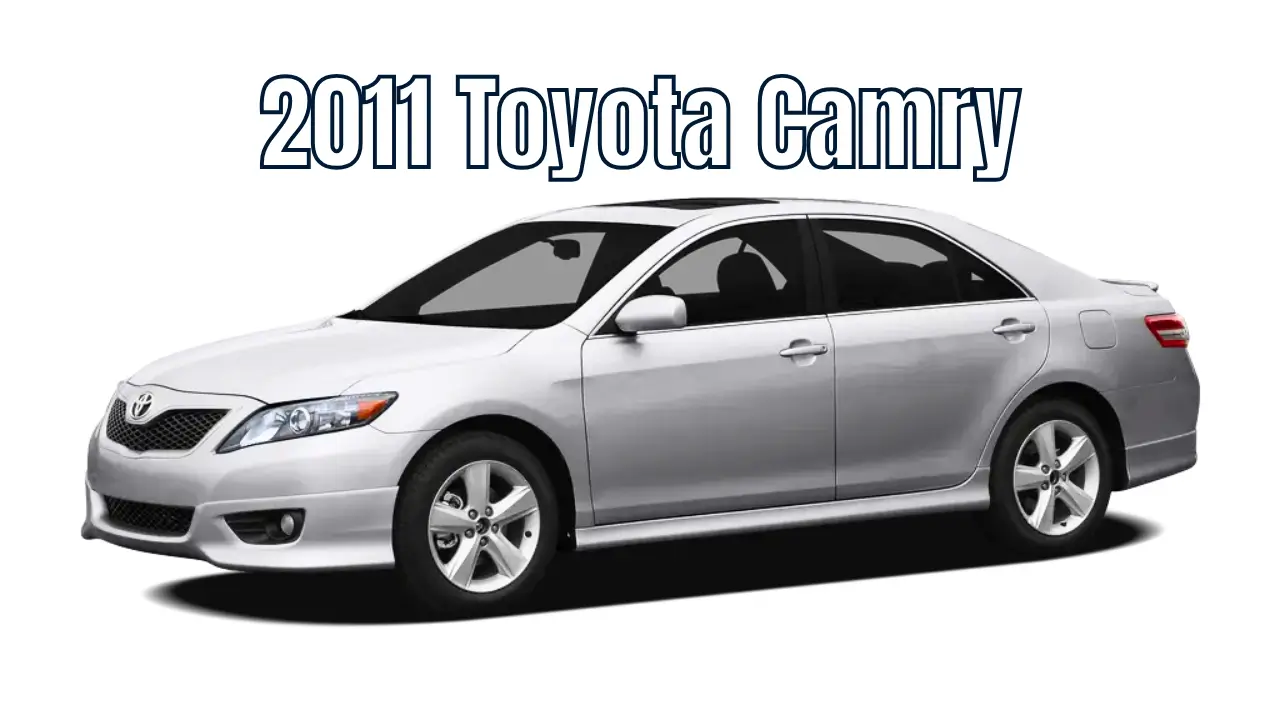
Even after more than a decade, the 2011 Toyota Camry continues to be one of the smartest used car buys you can make in 2025. Known for its legendary reliability, comfortable ride, and practical features, the 2011 Camry holds its own against newer, more expensive models. Whether you’re looking for a daily driver, a second family car, or a fuel-efficient commuter, this sedan checks almost every box. In this complete guide, we’ll cover everything you need to know—from trim breakdowns to performance, reliability, and ownership tips.
Introduction to the 2011 Toyota Camry
Why It Remains a Top Pick in 2025
There are a few reasons why the 2011 Camry is still such a hot pick:
- Durability: Many Camrys exceed 250,000 miles with basic maintenance.
- Affordability: With prices well below $10,000, it offers serious value.
- Comfort: Spacious cabin, smooth ride, and quiet highway performance.
- Fuel Efficiency: Great MPG for both gas and hybrid variants.
It’s not flashy, but it’s one of the most dependable sedans ever made. That alone keeps demand strong among used buyers.
Camry’s Reputation and Market Standing
In 2011, the Camry was already America’s best-selling car—and for good reason. It was Toyota’s answer to drivers who wanted a no-nonsense, stress-free vehicle. Even now, the Camry is often compared to a “Toyota Corolla’s big brother”—slightly larger, a lot more comfortable, and just as bulletproof.
In the used market, the Camry holds its value extremely well, particularly in LE and XLE trims. Whether buying from a dealer or private seller, it’s still seen as a smart and safe investment.
Trim Levels and Configurations Available
L, LE, SE, XLE Trims
The 2011 Camry was offered in several configurations:
- L: Base model (fleet/limited use) with essential features.
- LE: Most common trim, offering cruise control, keyless entry, and power-adjustable seats.
- SE: Sport-oriented with firmer suspension, unique wheels, and sport interior.
- XLE: Top trim with dual-zone climate control, power moonroof, premium audio, and optional leather seating.
Each trim provided a distinct experience, with the LE being the most balanced for everyday use, while the SE added a hint of performance and the XLE gave off near-luxury vibes.
Hybrid Variant Overview
The 2011 Camry Hybrid featured a 2.4L 4-cylinder engine paired with an electric motor, delivering a combined output of 187 hp. It came in a well-equipped single trim similar to the XLE and boasted impressive fuel efficiency: 31 MPG city / 35 MPG highway.
Hybrids offered:
- Smart Key system
- Push-button start
- Energy monitor display
- Enhanced fuel economy without plug-in hassle
For city drivers and commuters, the hybrid was (and still is) a fantastic choice.
Engine Options and Performance Specs
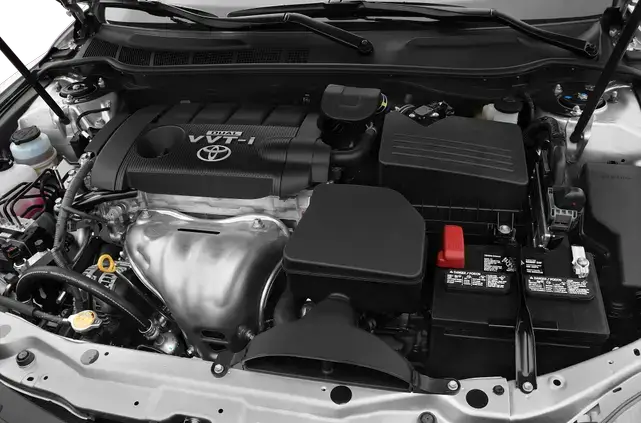
Image Credit: cars.com
2.5L 4-Cylinder vs. 3.5L V6
Buyers had two main engine choices:
- 2.5L I4 (169 hp / 179 hp in SE)
- 3.5L V6 (268 hp)
The 4-cylinder is ideal for those prioritizing fuel savings and low maintenance. It’s smooth, efficient, and provides enough power for everyday driving.
The V6, on the other hand, is surprisingly quick—0-60 in under 6.5 seconds. It transforms the Camry into a sleeper with excellent highway passing power and smooth acceleration, especially when paired with the 6-speed automatic transmission.
Transmission and Driving Feel
The 2011 Camry offered:
- 6-speed manual (available in some 4-cylinder trims)
- 6-speed automatic transmission (most common)
- Continuously Variable Transmission (CVT) in the Hybrid
Driving the 2011 Camry is a relaxed experience. The suspension is tuned for comfort, not sharp cornering. If you want sportier handling, the SE trim offers tighter steering and stiffer suspension.
Design and Styling
Exterior Highlights and Paint Options
The 2011 Camry’s design is classic Toyota—subtle, clean, and inoffensive. It doesn’t scream “look at me,” but it doesn’t look outdated either. The front grille is conservative, and the SE trim adds a more aggressive front bumper, side skirts, and spoiler.
Popular factory paint colors included:
- Barcelona Red
- Magnetic Gray Metallic
- Classic Silver
- Blizzard Pearl
- Black
Paint quality holds up well over time, especially with regular waxing and protection.
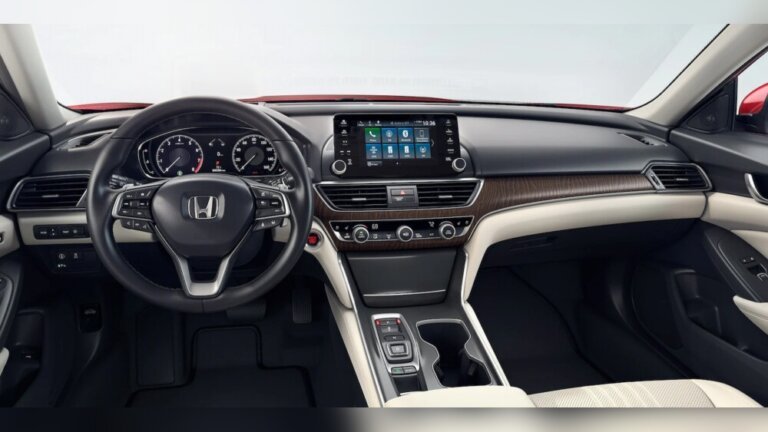
Interior Layout and Cabin Materials
Inside, the Camry’s layout is straightforward and highly functional. Materials are soft-touch on the dash and door panels in higher trims. The controls are simple, well-placed, and easy to use—no complicated menus or weird knobs.
The SE trim adds aluminum pedals, unique seat fabric, and a leather-wrapped steering wheel. XLE trims come with woodgrain accents and optional leather.
Comfort and Interior Features
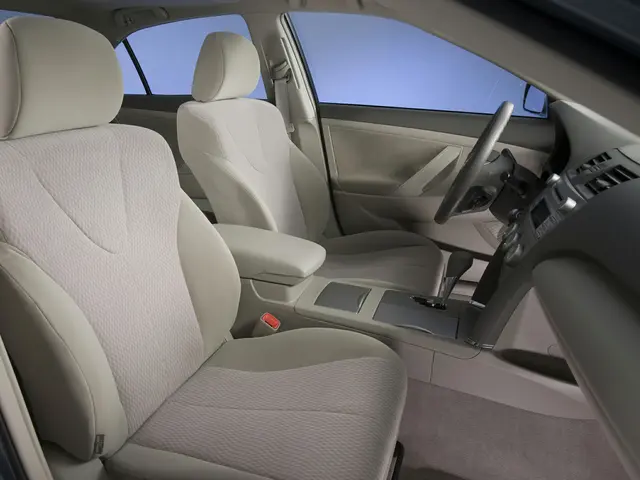
Image Credit: cars.com
Seating Comfort and Space
One of the 2011 Camry’s biggest selling points is its interior comfort, which easily competes with newer models. The front seats offer excellent lumbar support and cushioning—ideal for long drives. With over 38 inches of rear legroom, even tall passengers can stretch out comfortably in the back seat.
The seats are wide, with firm but forgiving cushioning. In the XLE trim, you get leather upholstery, heated front seats, and power-adjustable passenger seating—a luxury-level perk for a car in this price range.
The cabin feels open and spacious thanks to generous headroom and a flat rear floor, making it a great choice for families or rideshare drivers.
Standard vs. Premium Features by Trim
Across the trims, you’ll find a solid list of features:
- L/LE: Air conditioning, power windows/locks, cruise control, keyless entry, and AM/FM/CD audio with MP3 support.
- SE: Adds sport seats, steering wheel-mounted paddle shifters (on automatic V6), and unique trim accents.
- XLE: Includes dual-zone automatic climate control, JBL premium audio system (optional), sunroof, auto-dimming mirror, and optional navigation.
For 2011, the Camry offered a Bluetooth hands-free system and optional satellite radio, though smartphone integration like Apple CarPlay wasn’t available yet.
Reliability and Maintenance Record
Known Issues with the 2011 Camry
The 2011 Camry is one of the most reliable sedans in its class, but it’s not completely flawless. Here are the most commonly reported problems:
- Excessive oil consumption (especially in 4-cylinder models with over 100k miles)
- Suspension noises from worn struts or bushings
- Sun visors detaching or sagging (minor annoyance but common)
- Cracked dashboard on early models (cosmetic but costly to replace)
Toyota acknowledged the oil consumption issue and offered a limited warranty extension, so check service records or engine serial numbers before buying.
Long-Term Reliability Score
Based on multiple data sources like Consumer Reports, J.D. Power, and Edmunds, the 2011 Camry scores between 4.5 and 5 stars for long-term dependability. Many owners report minimal repairs even beyond 200,000 miles.
Its simple, non-turbocharged engine, proven transmission, and minimal electronic complexity make it a mechanic’s favorite for used buyers.
Routine Maintenance Schedule
Here’s a recommended schedule to keep your Camry running strong:
- Oil Change: Every 5,000–7,500 miles
- Brake Inspection: Every 15,000 miles
- Transmission Fluid: Every 60,000 miles
- Coolant Flush: Every 100,000 miles
- Spark Plugs: Every 120,000 miles
- Timing Chain: No replacement needed (on 4-cylinder and V6; no timing belt)
Stick to these intervals, and your Camry will likely outlive your next smartphone, laptop—and maybe even your next car.
Fuel Economy and Efficiency
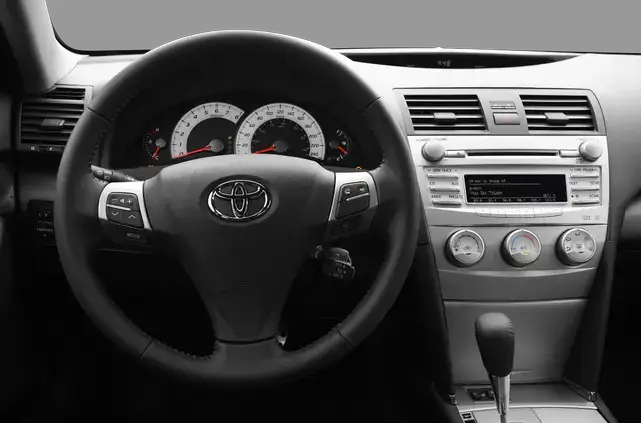
Image Credit: cars.com
MPG Ratings by Engine
The 2011 Toyota Camry is known for being fuel-efficient across the board:
- 2.5L 4-cylinder (automatic):
- 22 MPG city / 33 MPG highway
- 3.5L V6 (automatic):
- 20 MPG city / 29 MPG highway
- Hybrid model:
- 31 MPG city / 35 MPG highway
For the era, these numbers were impressive—and they still hold up today, especially if the vehicle is well-maintained.
Hybrid Fuel Economy
The Camry Hybrid delivers stellar efficiency for a non-plug-in car. Real-world owners report 35+ MPG average, particularly in city driving where the electric motor does more work. It’s an excellent choice for commuters or anyone seeking long-term fuel savings without sacrificing space or comfort.
Tips to Maximize Efficiency
Want to get the most miles per gallon from your Camry? Try this:
- Keep tires inflated to factory specs
- Use high-quality synthetic oil
- Drive in Eco Mode (hybrid)
- Avoid harsh acceleration and unnecessary idling
- Replace air filters regularly
Many owners report increasing their MPG by 2–4 points using these techniques.
Safety Ratings and Features
NHTSA and IIHS Crash Test Results
Safety is another area where the 2011 Camry excels:
- NHTSA Overall Rating: 4 out of 5 stars
- Frontal Crash: 4 stars
- Side Crash: 5 stars
- IIHS “Top Safety Pick” (with optional stability control)
These ratings put it near the top of the class in 2011 and make it a reliable choice even today, especially for first-time drivers or families.
Safety Equipment by Trim
Standard safety equipment on all trims includes:
- Anti-lock Braking System (ABS)
- Electronic Stability Control (ESC)
- Traction Control
- Front, side, and curtain airbags
- Tire Pressure Monitoring System (TPMS)
XLE and Hybrid trims also included optional rearview cameras, which were cutting-edge in 2011 and make parking and reversing much easier.
How It Compares to Rivals
Compared to the 2011 Honda Accord, the Camry was a little softer in handling but often seen as slightly safer. The Camry Hybrid also had better MPG than the Hybrid Fusion or Altima of that year.
Driving Experience and Ride Quality
Road Handling and Suspension
The Camry is built for comfort, not cornering. Its soft suspension and light steering make for an easygoing, pleasant ride—especially for long-distance highway travel.
The SE trim features a sport-tuned suspension that adds firmness and more control in the corners, but it’s still far from a sports car. If you want a relaxed, daily commuter or road trip car, this suspension tuning is perfect.
Noise Levels and Highway Driving
The 2011 Camry is remarkably quiet, with low road and wind noise at speeds of 60–75 mph. The cabin materials and sound-deadening insulation outperform many competitors of the same era. The V6 is particularly smooth at highway speeds—barely audible unless you floor the gas pedal.
Overall Ride Comfort
If comfort is your priority, you won’t be disappointed. Whether you’re commuting to work, stuck in city traffic, or taking a family road trip, the 2011 Camry delivers a refined and serene driving experience that continues to impress even years after its release.
Infotainment and Technology
Available Features in 2011
For a 2011 sedan, the Camry offered a solid array of tech features, especially in upper trims. Available amenities included:
- AM/FM/CD player with MP3/WMA support
- Auxiliary audio input
- Optional USB port
- 6- or 8-speaker JBL premium sound system (XLE/Hybrid)
- Optional navigation system with touchscreen display
While it may not rival today’s tech-packed dashboards, the 2011 Camry provided enough to keep most drivers connected and entertained on the road.
Audio, Bluetooth, and Navigation
Bluetooth hands-free calling was available in XLE and Hybrid trims, or as part of packages on SE models. Music streaming over Bluetooth was limited, so many owners opt to upgrade the head unit with modern receivers.
Navigation was available on XLE and Hybrid models, but the built-in system is now dated. If you’re buying a Camry with factory nav, consider using it alongside a smartphone GPS app like Google Maps or Waze for real-time traffic updates.
Upgrading Older Tech
A big plus with the 2011 Camry is how easy it is to upgrade the infotainment system. Many owners replace the stock stereo with:
- Apple CarPlay/Android Auto receivers
- Touchscreen double-DIN head units
- Backup cameras
- Bluetooth-capable stereos
With minimal wiring effort and affordable aftermarket options, you can give your 2011 Camry a modern infotainment experience for under $500.
Used Market Price and Value
Current Market Pricing in 2025
As of 2025, the 2011 Toyota Camry is one of the best values in the used car market. Here’s what you can expect to pay:
- LE/SE trims with 100k–150k miles: $6,000–$8,500
- XLE trim with leather and lower miles: $8,500–$10,000
- Hybrid models: $7,000–$9,500 depending on condition and battery health
Camrys with complete service records and no accidents can command a premium, especially if they’ve had recent work like brakes, tires, or timing service.
Factors Affecting Price (Mileage, Condition, Trim)
Major pricing factors include:
- Mileage: Under 100k is a sweet spot. Over 150k reduces resale but not reliability.
- Service Records: Proof of regular oil changes and repairs = higher trust and value.
- Trim: XLE and SE models fetch more due to added features.
- Location: Coastal and northern areas may show more wear from salt exposure.
Private Sale vs. Dealer
- Private sellers typically offer lower prices but come without warranty or return options.
- Dealers may charge $1,000–$2,000 more but can offer:
- Extended warranties
- Trade-in deals
- Financing options
- Vehicle history reports
If you’re mechanically inclined, a private deal can be a great bargain. For peace of mind, a certified pre-owned model from a dealer might be worth the extra cost.
Ownership Costs and Insurance
Annual Maintenance Costs
One of the biggest reasons to buy a 2011 Camry is its low cost of ownership. Here’s a rough breakdown per year:
- Oil changes: $60–$100 (2–3 times per year)
- Brakes (pads & rotors): $250–$400 every 2–3 years
- Tires: $500 every 4–5 years
- Battery: $150–$200 every 4 years
- General maintenance: $400–$600 annually
Total yearly costs typically fall below $1,000, making it one of the most affordable midsize sedans to own.
Common Repair Expenses
While generally reliable, here are some repair costs to be aware of:
- Suspension (struts/bushings): $300–$700
- AC compressor: $600–$900
- Water pump: $300–$600
- Hybrid battery (if needed): $2,000–$3,000 (though many last 150k+ miles)
Extended warranties from third-party providers are available but may not be worth it unless you’re buying a hybrid with high mileage.
Insurance Rates and Coverage Tips
Insurance for the 2011 Camry is very reasonable. On average:
- Full coverage: $1,100–$1,400 per year
- Liability only: $500–$700 per year
To lower costs:
- Compare quotes using aggregator sites
- Bundle with home or renters insurance
- Consider increasing deductibles
Drivers under 25 may pay more, but the Camry’s high safety ratings and low theft risk help offset age-based premiums.
Pros and Cons of the 2011 Toyota Camry
Strengths and Best Qualities
- Outstanding reliability and longevity
- Spacious and quiet interior
- Low cost of ownership
- Solid fuel efficiency (especially hybrids)
- Easy to repair and upgrade
- Strong resale value
It’s the ultimate commuter car, college car, or first-time buyer’s dream—simple, durable, and always ready to go.
Potential Drawbacks and Downsides
- Dated infotainment system by today’s standards
- Not the sportiest ride (unless you choose SE)
- Some engine oil consumption in older or high-mileage units
- Plain styling may not excite style-focused buyers
- Basic tech in lower trims
Still, these are minor gripes compared to the Camry’s overall value and dependability.
Common Modifications and Upgrades
Most Popular Mods for the 2011 Camry
- Apple CarPlay/Android Auto head unit
- LED headlight conversions
- Window tints
- Lowering springs or coilovers
- Upgraded alloy wheels
These mods are affordable, easy to install, and can breathe new life into a decade-old Camry.
Performance vs. Aesthetic Upgrades
Performance upgrades like cold air intakes or strut bars offer minor gains but improve responsiveness.
Aesthetic upgrades—like vinyl wraps, new taillights, or grille swaps—help modernize the look without affecting reliability.
Stick with OEM-style or reputable aftermarket parts to avoid quality issues.
Cost and Warranty Considerations
Most 2011 Camrys are out of warranty, so mods won’t void anything. But always:
- Inform your insurer of performance mods
- Keep old parts in case of resale
- Avoid “no-name” parts that may compromise safety
Conclusion
The 2011 Toyota Camry is a top-tier used sedan that offers everything you’d want in a reliable daily driver—great fuel economy, a smooth ride, low maintenance costs, and legendary reliability. Even in 2025, it holds its own against newer cars that cost twice as much.
Whether you’re a student, a first-time car buyer, or someone looking for a hassle-free vehicle, the 2011 Camry delivers. It’s the kind of car that just works—quietly, efficiently, and endlessly.
FAQs
1. Is the 2011 Camry still reliable in 2025?
Yes, with proper maintenance, it’s one of the most reliable used cars available.
2. What are the common issues to look for?
Oil consumption (4-cylinder), worn suspension parts, and sagging sun visors are the most frequent concerns.
3. Does the 2011 Camry have a timing belt or chain?
It uses a timing chain, which doesn’t require regular replacement.
4. Is the hybrid version a good investment?
Yes—if the hybrid battery is in good shape, it offers excellent MPG and comfort.
5. What is a fair price for a 2011 Camry with under 100k miles?
Expect to pay between $7,000–$9,000 depending on trim and condition.