Introduction
If you’ve ever slid into your car on a chilly morning and felt the warm hug of heated seats, you already know how much of a game-changer they can be. But when it comes to protecting those luxurious features, not just any seat cover will do. Finding the best car seat covers for heated seats isn’t just about aesthetics—it’s about function, comfort, safety, and preserving the warmth you love.
Heated seats offer superior comfort, especially in colder climates. However, without proper protection, your seats can get stained, torn, or worn out over time. That’s where high-quality seat covers come in. But here’s the catch—not all seat covers are compatible with heated seats. In fact, some can actually block the heat or worse, pose a fire hazard if they’re made with the wrong materials.
So, what makes a seat cover ideal for heated seats? It’s all about finding that perfect balance: something breathable yet insulating, stylish yet safe, protective yet heat-conductive. This guide dives into everything you need to know before buying, including materials to avoid, top recommendations, and expert tips for installation and maintenance. Let’s buckle up and dive into the cozy world of heated seat protection.
Understanding Heated Seats
Before choosing the right seat cover, you need to understand how heated seats work. Heated seats function via a heating element embedded beneath the upholstery of your car seat. When you switch on the heating, electricity flows through the element, which heats up and warms the surface of the seat. These heating elements are usually located in the seat bottom and backrest, ensuring even warmth distribution.
Now, here’s where it gets tricky. These elements are sensitive and require unobstructed heat transfer. If a thick, non-breathable or heat-resistant cover is placed over them, several things can go wrong:
- The heat may not penetrate the cover, defeating the purpose of heated seats.
- Overheating could occur, especially with synthetic, non-compatible materials.
- Some covers may even trap heat, leading to damage or safety hazards.
Using just any seat cover may look appealing, but it could compromise the comfort and function of your heated seats—or worse, void your warranty.
Manufacturers of heated seats often recommend using covers specifically labeled as “heat-compatible” or “designed for heated seats.” These covers are made with special materials that allow heat to pass through while offering protection and style. They also don’t interfere with the sensors or heating elements, keeping you safe and warm.
Key Features to Look for in Seat Covers for Heated Seats
Not all seat covers are created equal—especially when it comes to heated seats. Choosing the wrong cover could not only limit your seat’s functionality but also damage your seat heater or pose safety issues. Here’s what you should look for:
1. Heat Compatibility
First and foremost, the seat cover must be heat-compatible. This means it allows the warmth from your heated seats to pass through without obstructing it. Avoid thick, heavily padded, or rubber-backed covers unless they are explicitly designed for heated seats.
2. Material Quality
High-quality materials not only ensure durability but also enhance comfort. Materials like leatherette, neoprene, or breathable fabrics like mesh are often preferred. They strike a good balance between heat transfer, comfort, and protection.
3. Fit and Design
A snug fit ensures the cover doesn’t slide around, exposing parts of your seat or interfering with the seat’s sensors or heating elements. Many brands offer custom-fit covers that are tailored to your car’s exact make and model. Universal fit covers, while more affordable, may not always stay put.
4. Breathability and Comfort
Overheating can be an issue if the material isn’t breathable. Choose covers that promote airflow while still offering insulation. This ensures you stay warm but not sweaty or uncomfortable during longer drives.
5. Ease of Installation
Nobody wants to wrestle with a seat cover for an hour. Look for options that come with easy-to-follow installation instructions, hooks, straps, or zippers. Covers that are machine-washable or easy to wipe clean are also a big plus for everyday convenience.
These features are non-negotiable if you’re serious about protecting your seats while maintaining the warm, cozy experience heated seats are known for. Up next, let’s explore which materials work best and why.
Top Materials for Heated Seat-Compatible Covers
Choosing the right material is arguably the most important decision you’ll make when selecting a seat cover for heated seats. Here’s a breakdown of the best materials for heat-conductive, safe, and stylish seat protection:
1. Leather and Faux Leather
Pros: Elegant look, heat-conductive, durable
Cons: Can get hot in summer, more expensive
Leather and faux leather (or leatherette) are both excellent choices for heated seats. They conduct heat effectively, allowing the warmth to reach you quickly. Faux leather, in particular, is a great budget-friendly and vegan alternative. Make sure the backing is soft and breathable to avoid trapping heat.
2. Neoprene
Pros: Water-resistant, comfortable, heat-friendly
Cons: Slightly thicker, may require a break-in period
Neoprene, the same material used in wetsuits, is a favorite among car owners who want a sporty, cushioned feel. It’s water-resistant, durable, and retains heat nicely. High-quality neoprene covers allow warmth to pass through while protecting the seats from spills and wear.
3. Polyester and Fabric Blends
Pros: Affordable, comfortable, breathable
Cons: Can wear out faster, absorbs stains
Fabric seat covers made from polyester blends are common and cost-effective. Some premium options feature foam layering that doesn’t block heat. Choose thin, tightly woven fabrics that don’t trap air or act as insulators against the heat.
4. Mesh and Hybrid Options
Pros: Highly breathable, modern look, ideal for summer/winter use
Cons: Less padding, not always waterproof
Mesh seat covers are the most breathable of all materials, which makes them ideal for letting heat through without overheating. They’re usually combined with other materials for durability and support, creating hybrid covers perfect for year-round use.
Each of these materials has its strengths. The best one for you depends on your climate, comfort preferences, and how much you’re willing to spend.
Top 5 Best Car Seat Covers for Heated Seats
Ready to pick the best covers for your cozy heated seats? Below are the top five seat covers that combine heat compatibility, comfort, and sleek design. These have been praised by thousands of drivers for their functionality and fit.
1. BDK PolyPro Car Seat Covers
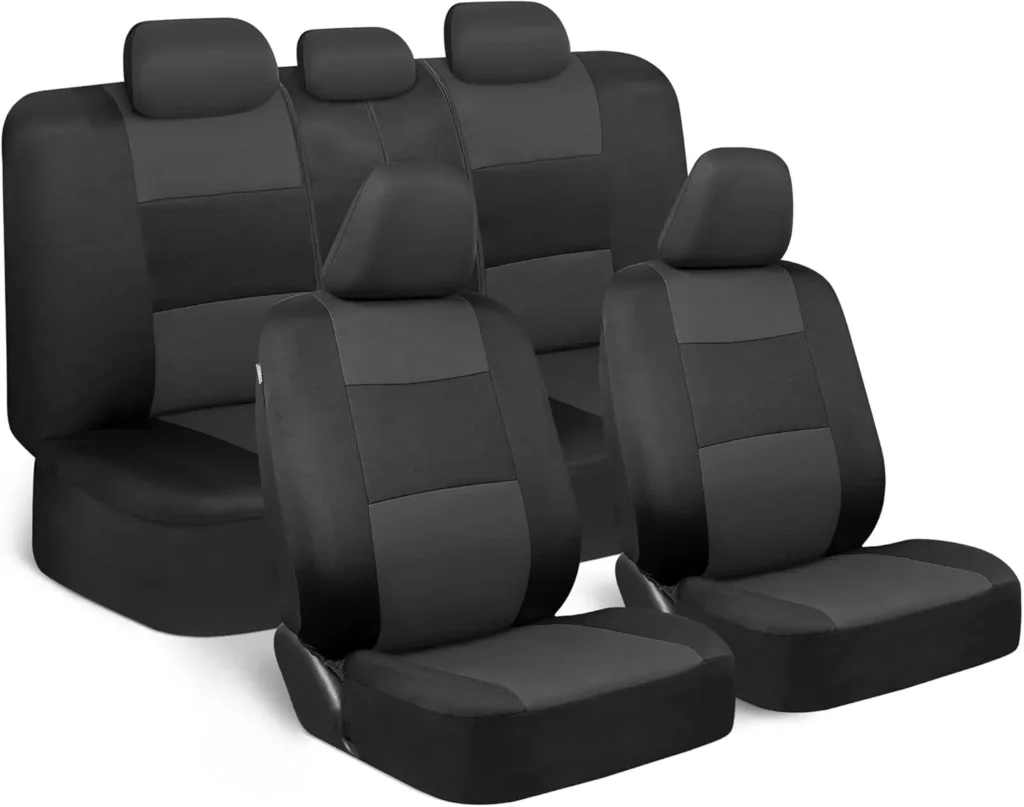
BDK PolyPro Car Seat Covers Full Set in Charcoal on Black – Front and Rear Split Bench for Cars, Easy to Install Cover Set, Accessories Auto Trucks Van SUV
Image Credit: Amazon
Features:
- Made with breathable poly blend fabric
- Designed for universal fit
- Compatible with most seat heaters
- Full set includes front and rear covers
- Available in multiple colors
Pros:
- Lightweight and breathable, allowing heat to pass through
- Affordable for budget-conscious drivers
- Simple installation with elastic straps and hooks
- Stylish two-tone design options
Cons:
- Universal fit may not be snug on all vehicles
- Fabric may not be as durable as premium materials
Why It’s Great:
BDK PolyPro covers are a fantastic option if you want to protect your seats without losing the benefits of your heated feature. They’re particularly good for older cars or anyone who just wants simple, effective protection without spending a fortune.
2. FH Group Ultra Comfort Leatherette Covers
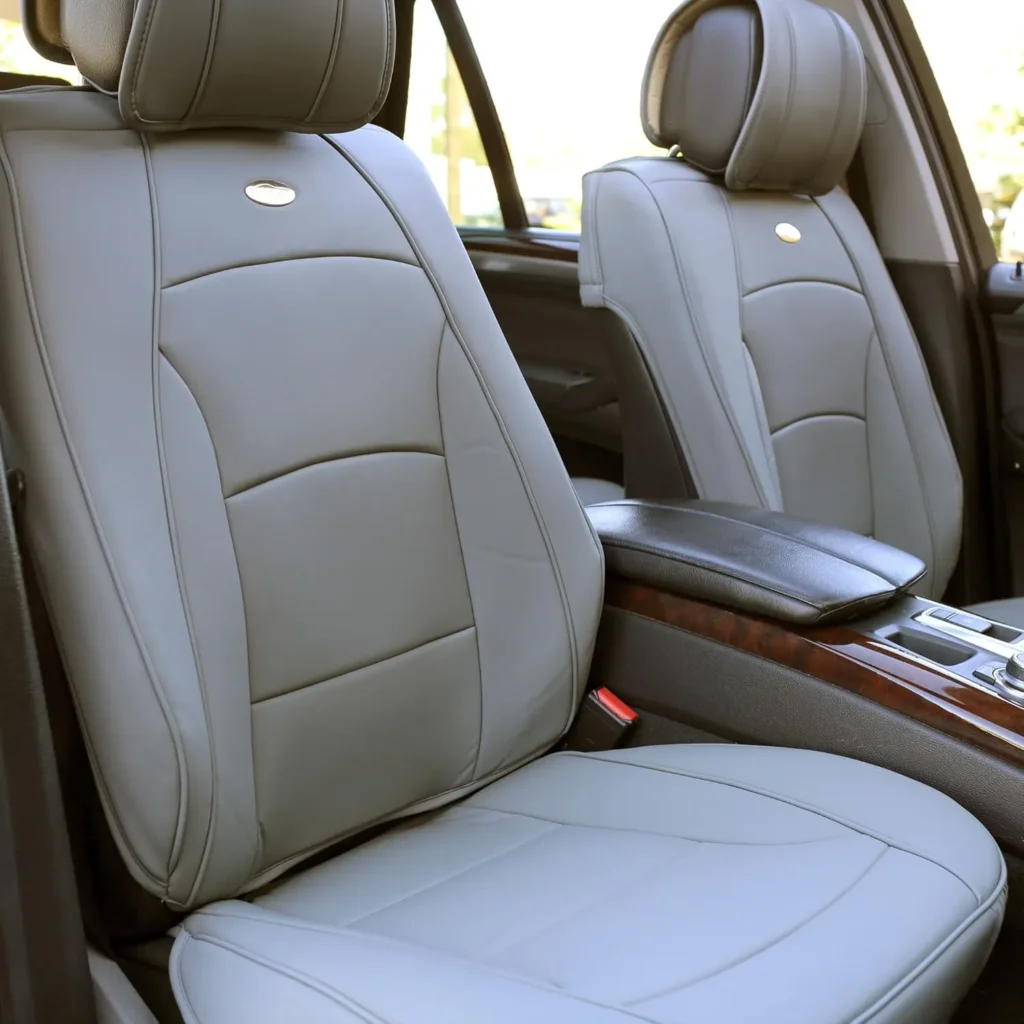
BDK PolyPro Car Seat Covers Full Set in Charcoal on Black – Front and Rear Split Bench for Cars, Easy to Install Cover Set, Accessories Auto Trucks Van SUV
Image Credit: Amazon
Features:
- Premium faux leather with quilted cushioning
- Heat-friendly and water-resistant
- Comes with zippers and adjustable straps
- Universal fit with a semi-custom feel
- Available in several color combos
Pros:
- Heat-compatible material conducts warmth efficiently
- Adds a touch of luxury to any vehicle
- Very durable and easy to clean
- Suitable for heated and ventilated seats
Cons:
- Can be tricky to install on some bucket seats
- Slightly pricier than basic options
Why It’s Great:
If you’re after premium feel and heat performance, these covers hit the sweet spot. The leatherette material doesn’t trap heat, and it’s stylish enough to elevate the entire cabin’s look.
3. Gorla Premium Waterproof Seat Cover
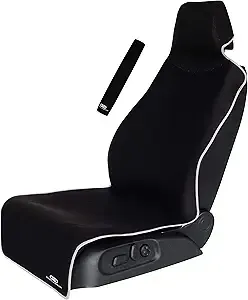
BDK PolyPro Car Seat Covers Full Set in Charcoal on Black – Front and Rear Split Bench for Cars, Easy to Install Cover Set, Accessories Auto Trucks Van SUV
Image Credit: Amazon
Features:
- Waterproof neoprene material
- Universal fit, works for both driver and passenger seats
- Designed for easy removal and re-installation
- Non-slip backing for added safety
Pros:
- Ideal for drivers with an active lifestyle (e.g., gym-goers)
- Fully compatible with heated seats
- Easy to clean with a damp cloth
- Doesn’t interfere with seatbelt or airbag systems
Cons:
- Only sold as a single cover (not a set)
- Doesn’t offer full coverage of seat back or headrest
Why It’s Great:
Perfect for commuters, pet owners, or anyone frequently dealing with messes. Gorla proves that protection and heat compatibility can go hand in hand without compromising ease of use.
4. Oasis Auto Leather Car Seat Covers
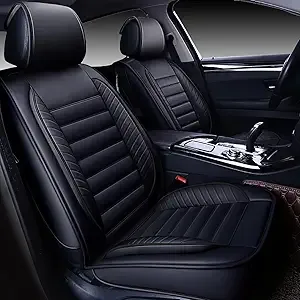
BDK PolyPro Car Seat Covers Full Set in Charcoal on Black – Front and Rear Split Bench for Cars, Easy to Install Cover Set, Accessories Auto Trucks Van SUV
Image Credit: Amazon
Features:
- Custom and universal fit options available
- Made from PU leather with stylish stitching
- Heat-conductive materials
- Full set covers all rows
Pros:
- Looks like OEM leather seats
- Great heat transfer and comfort
- Comes with installation video support
- Wide vehicle compatibility
Cons:
- Time-consuming installation
- Premium price point
Why It’s Great:
Oasis Auto gives you a nearly factory-upgraded interior without the dealership price. The materials are luxurious and ideal for winter warriors who want to retain heat while upgrading aesthetics.
5. Motor Trend LuxeFit Car Seat Covers
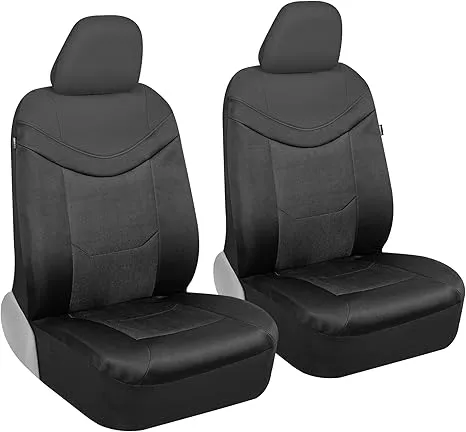
BDK PolyPro Car Seat Covers Full Set in Charcoal on Black – Front and Rear Split Bench for Cars, Easy to Install Cover Set, Accessories Auto Trucks Van SUV
Image Credit: Amazon
Features:
- Soft faux leather surface with foam padding
- Designed with a non-slip back and adjustable straps
- Universal fit with extra lumbar support
- Waterproof and stain-resistant
Pros:
- Provides excellent comfort and heat conductivity
- Looks high-end without breaking the bank
- Padding supports posture and back comfort
- Easy to wipe down and clean
Cons:
- Bulky for compact cars
- Some customers report strap looseness over time
Why It’s Great:
These are a solid option if you want a mix of ergonomic support and heat-friendly material. Great for long drives and colder regions where seat warmth is a daily must.
Custom Fit vs Universal Fit: Which One to Choose?
When buying seat covers for heated seats, you’ll face one major decision—custom fit or universal fit? Each has its perks, and your choice should depend on your vehicle type, personal preferences, and budget.
Custom Fit Seat Covers
These are tailor-made to match your car’s exact seat shape, contours, and design. Think of it like a tailored suit—it fits just right.
Advantages:
- Sleek, OEM-like appearance
- No bunching or sliding
- Usually more secure, preventing interference with seat functions (like heat and airbags)
- Better overall user satisfaction
Disadvantages:
- Higher price tag
- Usually not returnable once custom-made
- Installation may take longer
Custom-fit seat covers are ideal for newer cars or luxury vehicles where aesthetics matter. They’re also great if you use your heated seats daily and want the most efficient heat transfer.
Universal Fit Seat Covers
These are mass-produced to fit a wide range of car models. They’re more affordable and often easier to find.
Advantages:
- Cheaper and readily available
- Easy to replace or upgrade
- Decent heat compatibility when made with the right materials
Disadvantages:
- Might not align perfectly with your seats
- Can interfere with heating elements if not fitted correctly
- May require frequent adjustments
Best Use:
Universal covers are great for older vehicles or if you’re on a tight budget. They work well as long as you choose a model that’s advertised as heated seat compatible.
In the end, if comfort, safety, and aesthetics are your priorities, custom fit is the way to go. But if you’re more about function and flexibility, universal covers will serve you just fine—especially when chosen wisely.
Installation Tips for Heated Seat Covers
Installing seat covers might seem straightforward, but when heated seats are involved, extra care is needed. Here’s a guide to help you do it safely and effectively.
Step-by-Step Installation Guide:
- Read the Manual: Always read both your car manual and the seat cover instructions. Some vehicles have specific warnings about aftermarket accessories.
- Clean the Seat First: Remove any dust, crumbs, or debris. This ensures a tight, clean fit and prevents damage.
- Align the Cover Properly: Begin from the top and work your way down. Most covers come with alignment tags or indicators for orientation.
- Attach the Straps: Use hooks, elastic bands, or buckles provided to secure the cover underneath the seat. Make sure nothing is pressing on wires or heating elements.
- Tuck in Edges: Tuck the cover snugly into crevices to prevent slippage.
- Test the Heated Seats: Once installed, turn on the seat heaters to make sure they work without any issue.
Avoid These Common Mistakes:
- Using thick padded covers not designed for heated seats
- Blocking seat sensors or airbags
- Leaving straps loose, which could interfere with driving safety
- Forgetting to test the heated function before finishing the install
Pro Tips:
- Use zip ties for extra security (if needed and safe)
- Watch installation videos specific to your seat cover model
- Let the seat heaters run for 5–10 minutes post-install to ensure proper heat flow
Installation might take 30–45 minutes per seat, but getting it right is worth it—especially when it comes to heat flow, comfort, and safety.
Maintenance and Cleaning Tips
Once you’ve got your heated seat covers installed, you’ll want to keep them looking (and functioning) like new. Here’s how to care for them properly:
General Cleaning Tips:
- Fabric Covers: Use a handheld vacuum for daily dust and dirt. Spot clean with a mild detergent and water mix.
- Leather/Faux Leather: Wipe down with a damp microfiber cloth. For deeper cleaning, use leather-safe solutions and avoid harsh chemicals.
- Neoprene Covers: Use a mild soap and sponge. Rinse with a clean damp cloth. Avoid soaking or machine washing.
Avoid These Cleaning Mistakes:
- Never use bleach or ammonia-based products.
- Don’t over-soak covers—this can damage foam layers or backing.
- Avoid drying with heat (like hair dryers) as it may affect the material integrity.
Dealing with Odors:
Use fabric fresheners sparingly. For persistent odors, remove the cover and let it air dry outside in the sun for a few hours. Always check whether the cover can be washed in a machine—some models can, while others require spot treatment only.
Monthly Maintenance Routine:
- Vacuum the seats to remove loose particles.
- Wipe down with a damp cloth.
- Check strap tightness and adjust if needed.
- Test your heated seats briefly to ensure functionality hasn’t been compromised.
By maintaining your covers properly, you not only extend their lifespan but also keep your heated seats running efficiently and safely year after year.
Safety Concerns with Heated Seats and Covers
When it comes to combining heated seats and seat covers, safety must be the top priority. While most modern cars are designed with advanced heating systems and protective measures, the wrong seat cover can still pose risks. Here’s what you need to know before making your final purchase decision.
1. Overheating Risks
Not all seat covers are heat-friendly. Thick, non-breathable materials can trap heat and cause your seat to overheat. In worst-case scenarios, this might result in:
- Burns: If a cover traps heat or has poor conductivity, the surface can become uncomfortably hot or even burn the skin.
- Seat Damage: Excessive heat buildup beneath a seat cover may damage the seat upholstery, heating elements, or sensors embedded within the seat.
- Malfunctioning of Heating Elements: Constant overheating may cause long-term wear and tear to the heating system, eventually leading to malfunction.
2. Fire Hazards
This is rare, but not impossible. If a seat cover is made of flammable material and traps excessive heat or causes the heating elements to short-circuit, a fire hazard could occur.
To prevent this:
- Avoid covers with rubber or plastic backing that could melt or ignite under high heat.
- Only use covers labeled as “safe for heated seats” or “heat-compatible.”
- Never stack covers or cushions over heated seats.
3. Sensor Interference
Many modern vehicles include built-in sensors within the seats—for airbags, weight detection, or seatbelt alerts. Improperly installed or overly thick covers can interfere with these systems.
This is more than a convenience issue—it could affect your airbag deployment, especially for front passenger seats with advanced safety systems.
4. Manufacturer Warnings
Always consult your car’s manual or dealership. Some automakers specifically advise against using aftermarket seat covers, especially in luxury vehicles with intricate internal systems.
Best Practices for Safety:
- Choose heat-compatible, breathable materials.
- Install the covers properly, avoiding bunching or loose areas.
- Test the heating functionality after installation.
- Avoid seat covers with any electrical components that plug into your vehicle unless certified by a trusted brand.
At the end of the day, safety comes first. A cozy seat isn’t worth compromising your car’s features—or your well-being. Buy smart, and you can enjoy both warmth and peace of mind.
Budget vs Premium Seat Covers
Now let’s talk money. You’ve got two broad choices when shopping for seat covers: budget-friendly options or premium-priced covers. But which route gives you the best value, especially for heated seats?
Budget Seat Covers
These typically range from $20 to $60 and are widely available online and in auto stores. They usually come in universal fit and are made from lighter materials like polyester or basic faux leather.
Pros:
- Affordable and easy to replace
- Decent protection against dirt and spills
- Many are compatible with heated seats
Cons:
- Less durable
- May not fit snugly, causing shifting or bunching
- Might not conduct heat as effectively
- Risk of poor-quality materials that trap heat or interfere with safety systems
Best Use Case:
Budget covers are great for older cars, secondary vehicles, or temporary use. They’re also ideal for drivers who prioritize function over appearance.
Premium Seat Covers
These can range anywhere from $80 to $300+ depending on material, fit, and brand. They’re often custom-made or semi-custom and use higher-quality materials like neoprene, leatherette, or hybrid mesh.
Pros:
- Superior fit and comfort
- High heat conductivity
- Enhanced durability and warranty coverage
- Better aesthetics, often resembling OEM seats
Cons:
- Higher upfront cost
- May require professional installation
- Not always returnable if custom-fitted
Best Use Case:
If you use your car daily and live in a colder region where heated seats are used frequently, a premium seat cover is a smart long-term investment.
So, is it worth spending more?
Absolutely—if you value longevity, safety, and keeping that toasty heat experience. But for a short-term fix or basic protection, a budget cover might just do the job.
Eco-Friendly and Vegan Options
In today’s world, more drivers are making environmentally-conscious choices—including with their car accessories. The good news? There are several eco-friendly and vegan seat cover options that are fully compatible with heated seats.
1. Vegan Leather
Often called “PU leather” or “synthetic leather,” vegan leather mimics the look and feel of real leather without using animal products. It’s also heat-conductive, making it an excellent choice for heated seats.
Top Picks:
- FH Group Leatherette Series
- Oasis Auto Vegan Leather Custom Covers
Why it works: Vegan leather is water-resistant, easy to clean, and transmits heat well without the ethical concerns of genuine leather.
2. Recycled Materials
Some brands are now using recycled plastics and fabrics in their products, reducing waste while offering excellent quality.
Look For:
- Covers made with recycled polyester or rPET
- Brands that advertise carbon-neutral or low-impact manufacturing
Benefits:
- Helps reduce landfill waste
- Safe and breathable for heated seat use
- Often more affordable than high-end leather
3. Organic and Natural Fabrics
While less common, some brands offer seat covers made with natural materials like bamboo fiber, cotton, or hemp. These materials are extremely breathable, which is perfect for heated seats.
Watch Out For:
- Ensure the materials are heat-tested and won’t shrink or melt
- Natural fabrics might require more maintenance or special cleaning
Eco Tip: Always check the packaging for certifications like “Vegan Approved,” “GOTS Certified,” or “Made from Recycled Materials.”
So yes—you can stay warm, protect your seats, and save the planet all at the same time. Eco-conscious seat covers prove that you don’t have to compromise on ethics or comfort.
Best Brands for Heated Seat Covers
Some brands stand out when it comes to crafting high-quality, heat-compatible seat covers. They consistently receive positive reviews and prioritize safety, style, and comfort.
Here are the top brands you can trust for heated seat covers:
1. FH Group
- Known for budget to mid-range seat covers
- Offers both universal and semi-custom options
- Heat-compatible materials (especially their leatherette and fabric lines)
- Widely available online and in stores
2. Oasis Auto
- Specializes in custom-fit leatherette covers
- Offers luxury feel at mid-level pricing
- Excellent heat conduction and long-lasting quality
- Tons of styles and color choices
3. Gorla Gear
- Focuses on protective, waterproof designs
- Perfect for daily commuters and active lifestyles
- Prioritizes heat compatibility and safety
- Great for single-seat applications
4. Coverking
- Premium brand with custom-fit solutions
- Offers a variety of materials including Neosupreme, leatherette, and mesh
- Designed for specific makes and models
- Slightly higher price point but exceptional quality
5. BDK Auto
- Great value brand for those on a budget
- Offers universal fit with decent comfort and breathability
- Heat-compatible but best suited for short-term use
Choosing a reputable brand means you’ll get the quality and safety assurances your heated seats deserve. Don’t risk damaging your investment with a knock-off or no-name product.
Real User Experiences and Reviews
What better way to evaluate a product than hearing from real people who’ve already made the leap? Here’s a summary of common feedback from car owners who’ve purchased seat covers for their heated seats:
What Users Love:
- “Still feel the warmth!” – Users frequently praise high-quality covers that allow them to enjoy their heated seats just like they would without any cover at all.
- “Easy to install and looks OEM.” – Custom-fit covers often receive high marks for their sleek appearance and factory-like finish.
- “No more stains or dog hair!” – Pet owners, parents, and Uber/Lyft drivers love how well certain covers protect the original upholstery.
Common Complaints:
- “Heat doesn’t come through as strong.” – Usually a result of thick, non-compatible materials or poor fit.
- “Cover keeps sliding around.” – Often tied to cheaper universal covers without proper anchoring or straps.
- “Too difficult to install.” – This complaint usually comes with premium custom covers that require more effort but provide a better finish.
Pro Tip: Look for user-submitted photos on product pages. These offer a realistic view of fit and style beyond glossy marketing images.
Real-world reviews help paint a complete picture of what to expect—so read carefully, compare experiences, and make your pick with confidence.
Where to Buy Heated Seat-Compatible Covers
Now that you know what to look for and which brands to trust, the next step is knowing where to buy the best car seat covers for heated seats. While auto supply stores still carry a decent selection, the most convenient and varied options are usually found online.
1. Online Marketplaces
Amazon is by far the most popular source. With thousands of product listings, verified buyer reviews, Q&A sections, and easy returns, it’s a top destination for both universal and custom seat covers.
Pros:
- Wide variety across price ranges
- Access to real customer reviews
- Prime shipping for quick delivery
- Easy to compare brands and specs
Other notable online stores:
- Walmart.com
- eBay Motors
- AutoZone (official site)
- Advance Auto Parts
- CARiD.com
These platforms often run seasonal promotions or bundle deals, making them great for snagging discounts on premium products.
2. Brand Websites
Some premium brands like Oasis Auto, Coverking, or FH Group sell directly through their websites. This is especially useful for custom-fit orders where you can input your vehicle’s make, model, and year for a precise match.
Why buy direct:
- Better customer service and product support
- Access to entire product line (not just bestsellers)
- Possible warranties and return guarantees
3. Brick-and-Mortar Retail Stores
If you’re someone who prefers to see and touch a product before buying, head to stores like:
- AutoZone
- Pep Boys
- Walmart (Automotive section)
- O’Reilly Auto Parts
While in-store options may be limited compared to online, you can still find heat-compatible seat covers from big brands, and some staff may help you verify if they’re safe for heated seats.
4. Local Car Accessory Shops
Don’t overlook smaller car accessory or upholstery shops. They often carry high-quality brands and may offer installation services. You’ll also be supporting local businesses—a win-win!
Pro Buying Tips:
- Check the return policy: Especially important for universal fit covers.
- Read the Q&A and reviews: Look for mentions of heated seat compatibility.
- Compare warranty coverage: Some high-end covers come with 1–5 year warranties.
- Don’t fall for overly cheap options: If it sounds too good to be true, it probably won’t last—or worse, may not be safe.
Bottom line? Whether you prefer online convenience or in-person shopping, make sure you prioritize heat compatibility and quality over flashy looks or bargain-bin pricing.
Conclusion
If you’re lucky enough to have heated seats, don’t make the mistake of covering them with just any seat cover. Whether you’re facing a harsh winter, protecting your car from kids and pets, or simply upgrading your interior, the right seat cover should complement—not compromise—your seat heating system.
From breathable leatherette to waterproof neoprene, the market offers a wide range of options designed to preserve your seat heaters’ performance while enhancing comfort and style. As we’ve explored, it all boils down to:
- Choosing heat-compatible materials
- Picking the right fit (custom or universal)
- Prioritizing safety and brand reputation
- Matching your purchase to your budget and lifestyle needs
Remember, investing in a high-quality, heat-compatible seat cover is not just about comfort. It’s about protecting your vehicle’s resale value, ensuring long-term seat performance, and giving yourself the best possible driving experience.
So go ahead—pick the right cover, slide into that cozy seat, and enjoy the ride!
FAQs
1. Can I use any seat cover on heated seats?
No, you shouldn’t. Regular seat covers may block heat, trap moisture, or even become a fire hazard. Always look for covers that are specifically labeled as heat-compatible or designed for use with heated seats.
2. Will seat covers block the heat from heated seats?
Only if you choose the wrong material. Heat-compatible materials like faux leather, neoprene, or thin mesh allow heat to pass through easily. Thick padding or rubber-backed covers, on the other hand, can block warmth and potentially damage your seat heaters.
3. Are leather covers good for heated seats?
Yes, faux leather and high-quality PU leather are excellent for heated seats. They conduct heat well and are easy to clean. Just make sure the cover is not too thick and has breathable backing to avoid heat buildup.
4. How do I know if a cover is heat-compatible?
Check the product description, packaging, or tags. Look for phrases like “safe for heated seats,” “heat-conductive,” or “compatible with seat warmers.” You can also read user reviews or reach out to the manufacturer if you’re unsure.
5. What is the best material for winter comfort?
Neoprene and faux leather strike the best balance. Neoprene retains warmth and adds a bit of cushion, while leatherette warms up quickly with seat heaters. If you’re in a very cold climate, go for materials that are both insulating and heat-transmissive.