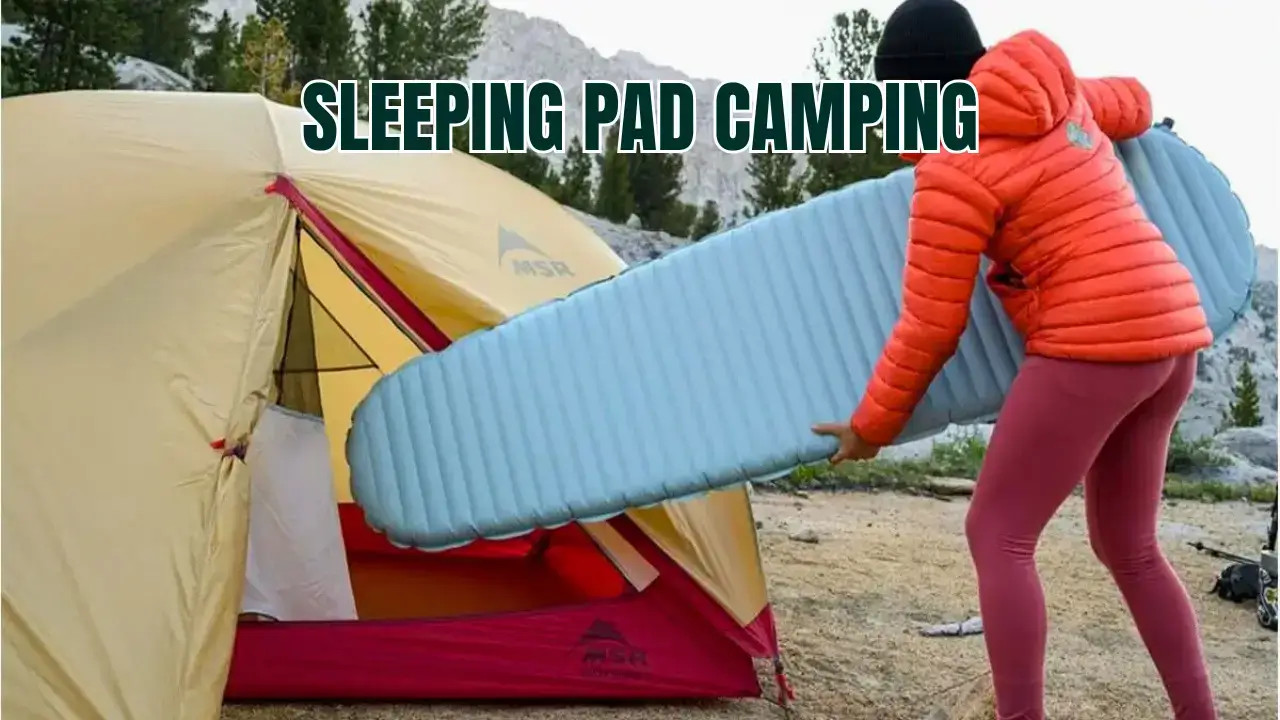
Getting a good night’s sleep while camping can make or break your outdoor experience. That’s where sleeping pads come in. Whether you’re a rugged backpacker tackling the Appalachian Trail or a weekend warrior car camping in a national park, the right sleeping pad is essential. It’s not just about comfort—it’s also about insulation, health, and recovery. This guide is your go-to manual for everything you need to know about sleeping pads for camping—from types and features to buying tips and top recommendations.
Introduction to Sleeping Pad Camping
Why Sleeping Pads Matter for Camping
Imagine lying directly on the cold, hard ground. Your back hurts, your body stiffens, and the chill creeps in. That’s what sleeping without a proper pad feels like. Many beginner campers underestimate how crucial a sleeping pad is. It’s not just about cushioning your body—though that certainly helps—but it’s also about insulation.
When you sleep directly on the ground, your body loses heat through conduction. This can drastically lower your core temperature, especially in cold environments. A sleeping pad acts as a buffer between your body and the earth, preserving heat and adding comfort. Some studies even suggest that using an insulated pad can help you sleep 30% better by reducing tossing and turning due to pressure points.
So, why do sleeping pads matter? Because they improve sleep quality, protect you from the cold, reduce muscle soreness, and contribute to overall camping happiness. Trust me, even the best sleeping bag can’t save you if you skip the pad.
The Science Behind Insulation and Comfort
Let’s break it down a bit. Sleeping pads are designed to trap your body heat and create a thermal barrier between you and the ground. This is where the term “R-value” comes in—a rating system that measures how well a pad resists heat transfer. The higher the R-value, the warmer the pad.
Comfort, on the other hand, depends on the pad’s thickness, material, and design. Some pads come with body-mapped zones that offer targeted support, while others use open-cell foam or air chambers to conform to your body shape.
Think of insulation as the sleeping pad’s “coat” and comfort as its “mattress.” You need both to survive—and thrive—in the outdoors. Whether you’re a cold sleeper or a side sleeper, getting the science right makes all the difference.
Types of Sleeping Pads
Air Pads
Air pads are popular for their comfort and packability. These pads are inflated either manually, with a pump sack, or through self-inflation mechanisms. The best air pads are incredibly light and can compress down to the size of a water bottle—ideal for backpackers.
What sets air pads apart is their thickness and adjustability. You can fine-tune the firmness by adjusting the air pressure. Some premium models include insulation layers or reflective materials to boost warmth without sacrificing weight.
However, air pads are susceptible to punctures, so always carry a patch kit. Also, inflating them at high altitudes or cold conditions can be a challenge. Despite that, they remain a top pick for ultralight and comfort-focused campers.
Self-Inflating Pads
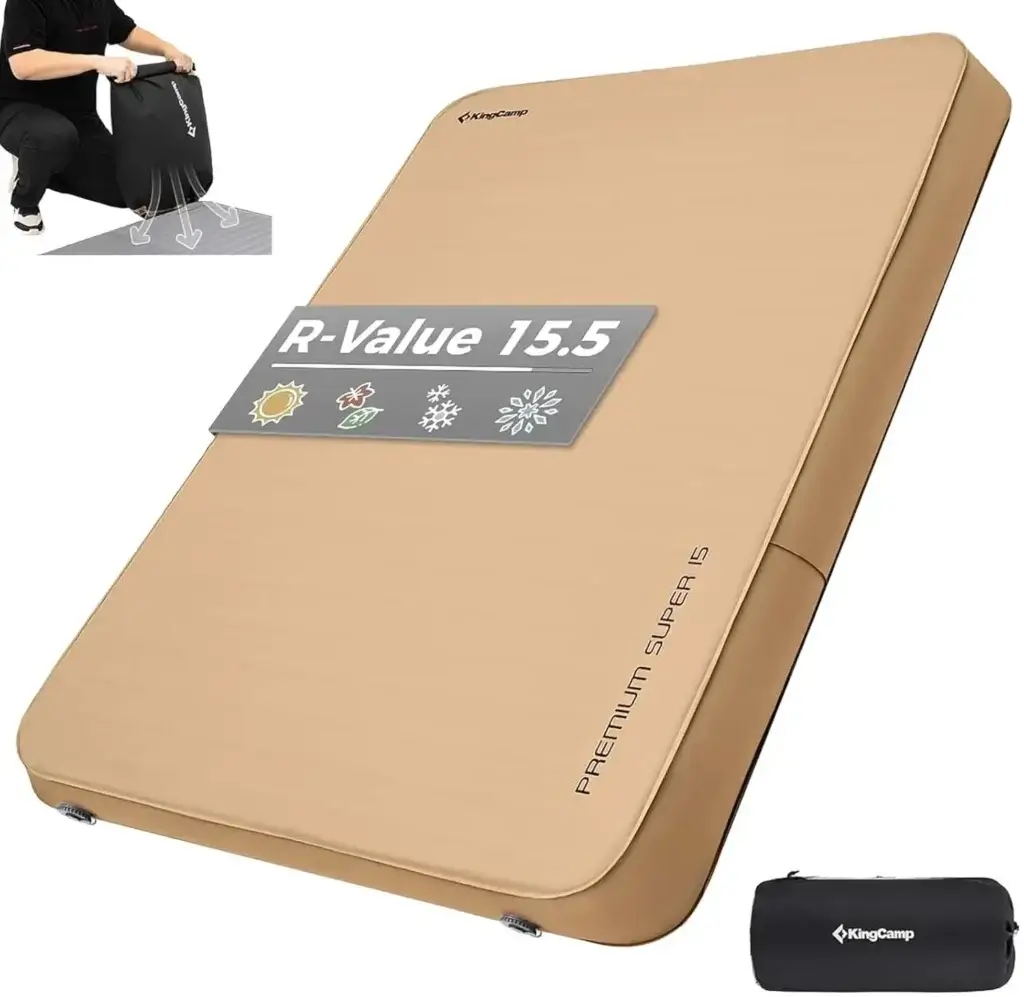
KingCamp Self Inflating Sleeping Pad
Self-inflating pads are a hybrid of air and foam. They feature open-cell foam inside an airtight shell, which expands when the valve is opened, drawing in air. These pads are user-friendly and offer a balanced combination of comfort, insulation, and durability.
One major benefit? You don’t need to huff and puff to inflate them. Just open the valve, let it sit for a few minutes, and top off if needed. They’re a favorite among car campers and beginners who want hassle-free setup.
However, they are heavier and bulkier than air pads. And while they’re more durable, they still require careful handling. If comfort and convenience top your list, self-inflating pads are hard to beat.
Closed-Cell Foam Pads
Old-school but reliable, closed-cell foam pads are the most durable and affordable option. These pads are made from dense foam filled with tiny closed air cells that resist water and wear. You don’t inflate them—they’re ready to go out of the pack.
Their ruggedness makes them perfect for rocky terrain, minimalist hiking, or even as a backup under another pad. They’re also super lightweight, often used by thru-hikers who cut them to save grams.
On the downside, they’re less comfortable and harder to pack. But for short trips, budget campers, or ultra-light backpackers, they offer unbeatable simplicity and resilience.
Hybrid Pads
Hybrid pads combine elements from all the above types. You might find a pad that has air channels with foam insulation, or a self-inflating design with added reflective layers. These are designed for people who want the best of both worlds.
They typically cost more but offer better performance across various conditions. If you’re someone who camps year-round or wants one pad for all occasions, hybrid models might be your best bet.
How to Choose the Right Sleeping Pad

Consider the Camping Environment
Where you camp significantly influences the type of sleeping pad you need. Are you camping in the backcountry? Sleeping in a snow cave? Car camping with a luxurious setup? The terrain, weather, and trip duration all come into play.
For warm summer nights, a simple air pad or foam pad might be enough. But if you’re camping in sub-zero temperatures, you’ll want a pad with a high R-value and added insulation. Consider the surface you’ll be sleeping on—grassy, rocky, sandy, or snowy. For rough surfaces, a closed-cell foam or durable hybrid pad is a smart choice.
Also, think about the kind of camper you are. Ultralight backpackers prioritize weight, while comfort-first campers might be okay carrying extra ounces for a thicker, cushier pad. Your sleep style (side sleeper, back sleeper, stomach sleeper) also impacts your choice, since different pads offer varying levels of support and firmness.
Weight and Packability
If you’re hiking miles into the wilderness, every ounce counts. That’s why packability and weight are crucial for backpackers. Air pads win here, as they can weigh under a pound and compress down to the size of a soda can. On the other hand, self-inflating and foam pads tend to be bulkier but offer more insulation and durability.
When choosing your pad, look at both the weight and the packed dimensions. Some backpackers will even cut foam pads to torso length to save space and weight. If you’re car camping, you can afford to go big and thick—think luxurious, double-sized inflatable pads or fold-out foam mattresses.
Always strike a balance between weight, comfort, and convenience. Remember, lighter isn’t always better if it compromises your rest.
R-Value Explained
The R-value is a key spec that tells you how well a sleeping pad resists heat loss to the ground. Higher R-values mean better insulation. Here’s a quick breakdown to help you understand:
- R-Value 1–2: Best for warm summer camping
- R-Value 2–4: Suitable for spring and fall
- R-Value 4–6: Good for mild winter conditions
- R-Value 6+: Required for extreme cold or snow camping
The beauty of R-values is that they are additive. You can stack a foam pad (R 2) under an air pad (R 4) to get an R-value of 6. This technique is popular in winter camping and mountaineering.
Manufacturers are now using standardized ASTM testing for R-values, making comparisons more accurate. So always check the R-value to ensure it matches the conditions you’ll face.
Durability and Material
Sleeping pads take a beating—rocks, twigs, rough handling, even your dog’s claws. That’s why material matters. Look for durable fabrics like 30D or 70D nylon, TPU coatings for waterproofing, and reinforced seams.
Air pads are generally more fragile than foam or self-inflating ones. That doesn’t mean they’re bad, but you’ll want to use a groundsheet and avoid sharp surfaces. Foam pads are almost indestructible, while hybrid pads vary depending on their build.
Durability also includes how well the valve holds up. Twist-and-pull valves can wear out over time, while newer flat valves or dual-valve systems offer better longevity and inflation control.
If you’re investing in a high-end pad, make sure it’s made to last. A warranty or satisfaction guarantee is a good bonus, especially if you’re a frequent camper.
Best Sleeping Pads for Different Camping Styles
Best for Backpacking

Therm-a-Rest NeoAir Xlite
Backpacking demands a pad that is lightweight, compact, and still comfortable after a long day on the trail. The Therm-a-Rest NeoAir XLite is often the top pick for ultralight hikers. Weighing around 12 ounces and offering an R-value of over 4, it’s a powerhouse in a tiny package.
The NEMO Tensor Ultralight is another favorite for its quiet material and excellent support. These pads pack down small and are easy to inflate with a pump sack or breath inflation.
Don’t forget the budget options—closed-cell foam like the Z-Lite Sol from Therm-a-Rest is popular for thru-hikers. It’s not as plush, but it’s reliable, fast to deploy, and super lightweight.
Backpackers should prioritize:
- Weight under 1.5 pounds
- Compact size
- Sufficient R-value for planned season
- Durable valve and materials
Pros and Cons of the Best Backpacking Sleeping Pads
When you’re miles deep into the wilderness, every ounce in your backpack matters—and so does your sleep. Choosing the best sleeping pad for backpacking can mean the difference between waking up energized or feeling like you’ve been hit by a truck. Let’s break down the key pros and cons to help you make the smartest gear decision.
Pros of Backpacking Sleeping Pads
✅ Ultralight and Compact
Most top-rated backpacking sleeping pads are ultralight and highly packable, making them ideal for long-distance hikes. Whether it’s an air pad or a closed-cell foam, they’re designed to fit neatly in or outside your backpack without taking up valuable space.
✅ High Comfort-to-Weight Ratio
Backpacking pads like the Therm-a-Rest NeoAir XLite or NEMO Tensor Ultralight offer impressive cushioning and support with very little weight. Side sleepers and back sleepers alike can find comfort without carrying extra pounds.
✅ Thermal Insulation (R-Value)
These pads often come with solid R-values suitable for 3-season use, providing essential insulation from the cold ground. You can sleep warm even on chilly spring or fall nights without doubling up.
✅ Quick Inflation & Deflation
Many of the best backpacking sleeping pads come with pump sacks or easy-inflate valves, helping you set up camp quickly after a long hike. You don’t have to waste energy manually blowing up a pad.
✅ Durable Construction for Trail Use
Designed for rugged outdoor use, backpacking pads feature ripstop fabrics and welded seams. Many models are puncture-resistant and come with repair kits, just in case.
Cons of Backpacking Sleeping Pads
❌ Expensive Price Tags
High-quality, ultralight sleeping pads don’t come cheap. Brands like Therm-a-Rest and Sea to Summit offer top performance, but you’ll likely pay $100–$250 for a premium pad.
❌ Delicate Materials
To keep weight low, manufacturers use thin fabrics that can be prone to punctures if not handled carefully. Unlike car camping pads, these aren’t built to withstand heavy abuse.
❌ Less Comfort Than Car Camping Pads
While impressive for their weight, backpacking sleeping pads don’t match the plush feel of thicker, foam-heavy pads used in car camping. Comfort is decent—but not luxurious.
❌ Noisy Fabrics
Some air pads, especially ultralight models, are made with crinkly materials that make noise when you move. This can be annoying in a quiet wilderness setting or when sharing a tent.
❌ Limited Width Options
To reduce weight, many backpacking pads are narrower than standard mattresses. If you roll around in your sleep, you might find yourself sliding off the pad during the night.
Best for Car Camping
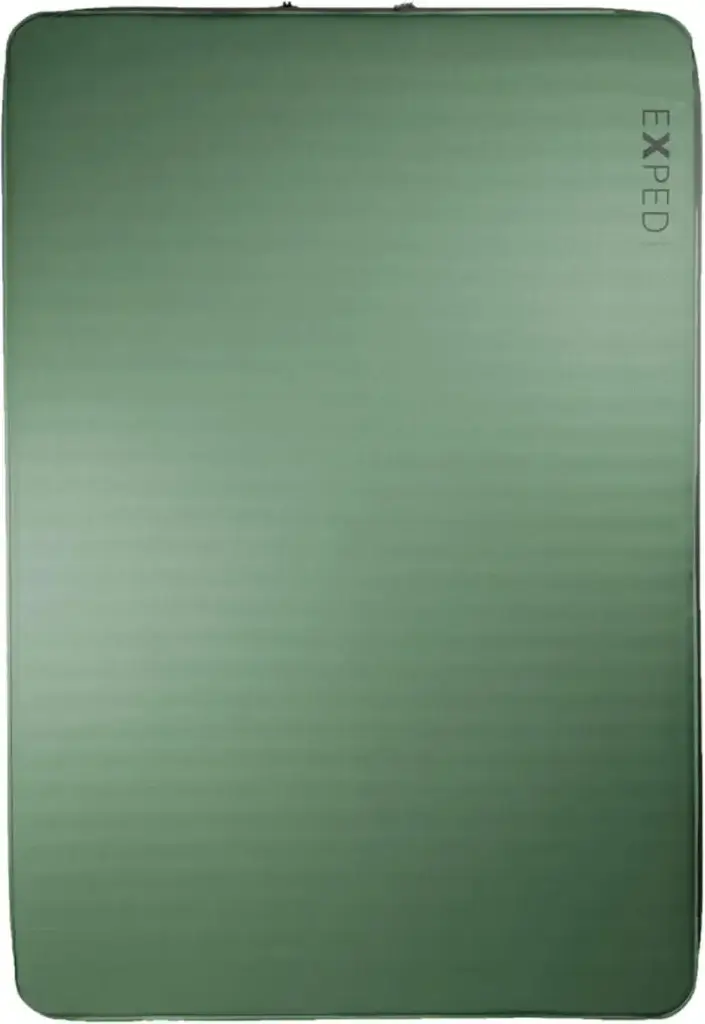
Exped MegaMat 10
When weight isn’t a concern, you can go all out on comfort. Car campers love thick, luxurious pads like the Exped MegaMat 10 or REI Camp Dreamer XL. These pads are basically memory foam mattresses in camping form—super plush and warm with high R-values.
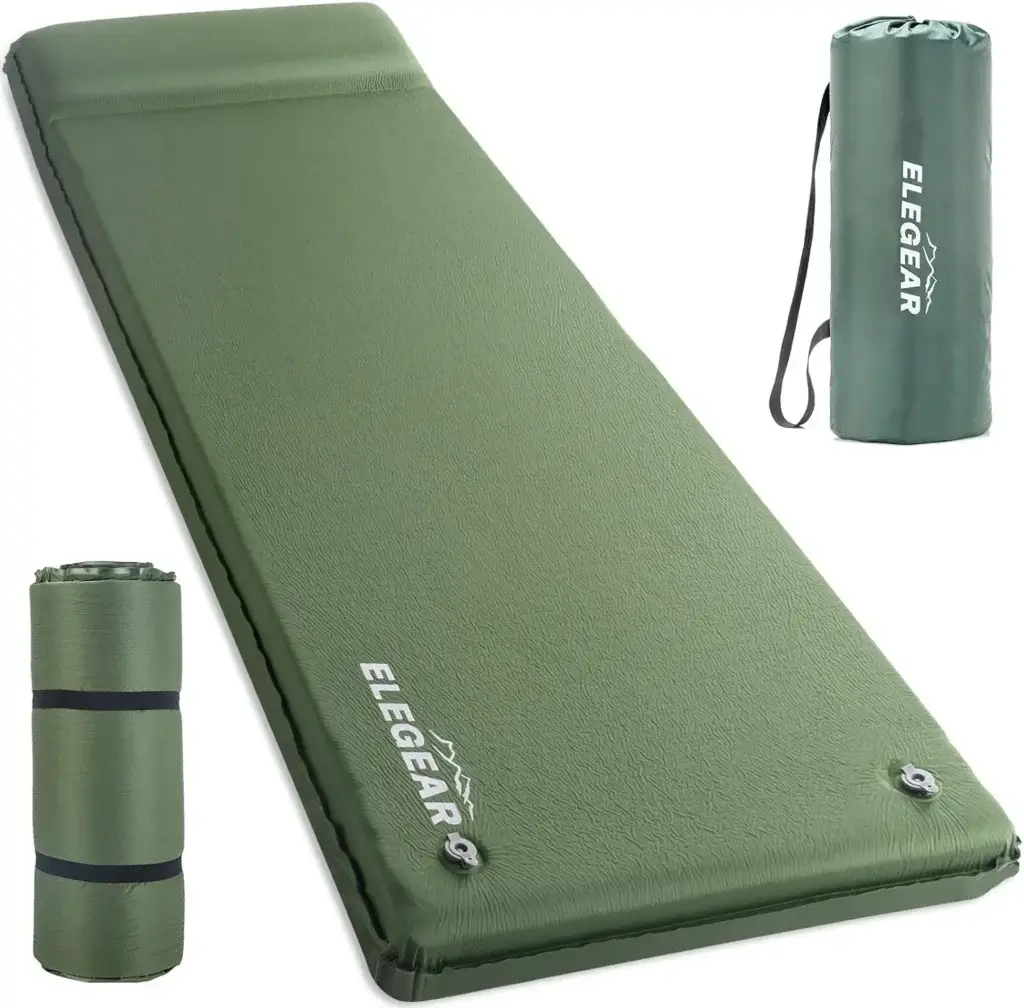
REI Camp Dreamer XL
These pads often include built-in pumps or valves that make inflation easy. They also roll up neatly but will take up more trunk space than a backpacking pad.
Look for:
- Thickness (3+ inches for maximum comfort)
- Foam+air combo for support
- Durable materials
- Integrated or electric pumps
For families or couples, double-wide pads like the Klymit Insulated Double V offer spacious comfort for two without the gap you get from placing two singles together.
Pros and Cons of the Best Car Camping Sleeping Pads
If you’re into weekend getaways or extended basecamp adventures, having the best sleeping pad for car camping is a total game-changer. When you’re not worried about weight or space, you can upgrade your sleep comfort without compromise. Still, not all pads are perfect. Let’s explore the major pros and cons so you can make the right pick for your camping lifestyle.
Pros of Car Camping Sleeping Pads
✅ Unmatched Comfort
The biggest benefit of car camping pads is luxurious comfort. These pads are thick—sometimes up to 4 inches—and often feel like a real mattress. Whether you’re a side sleeper or someone who just can’t sleep on hard ground, these pads offer plush, restful support.
✅ Roomy and Spacious
Car camping pads come in wide and long sizes, with some even offering double-wide options for couples or families. Say goodbye to rolling off your pad at night or dealing with cramped quarters.
✅ High Insulation for All Seasons
Top-rated car camping pads, like the Exped MegaMat or REI Camp Dreamer XL, provide excellent R-value insulation, making them suitable for both warm and cold-weather camping. You’ll stay warm and toasty no matter the season.
✅ Durable and Long-Lasting
Made with heavy-duty materials, car camping sleeping pads are built to last. They can handle rocky terrain, pet claws, and repeated use without tearing or leaking.
✅ Easy to Inflate and Deflate
Most modern car camping pads feature self-inflating foam or integrated air pumps. Set up takes just a few minutes, so you can focus on relaxing rather than struggling with gear.
✅ Noise-Free Sleep
Unlike some ultralight backpacking pads, car camping options are often made with soft, quiet fabric, which makes for a peaceful night’s sleep without the annoying crinkling sound.
Cons of Car Camping Sleeping Pads
❌ Bulky and Heavy
Car camping pads are large and not backpack-friendly. They’re designed for car trunks, not hiking trails. Storage and transport can be a hassle, especially if you’re short on space.
❌ Takes Up More Room in the Tent
Because of their size and thickness, these pads can crowd smaller tents. You’ll need a tent that accommodates their larger footprint, especially for double-wide or extra-thick models.
❌ Higher Price Tag
Comfort comes at a cost. Many of the best car camping pads cost between $150 to $300, especially those with premium foam and insulation. It’s an investment—but one that pays off if you camp often.
❌ Longer Setup and Dry Time
Self-inflating pads can take 10-15 minutes to fully expand, and they need to be dried thoroughly before storage. If you’re in a hurry, that might slow down your pack-up routine.
❌ Limited Use Outside Car Camping
These pads are designed strictly for car camping or basecamps—not for backpacking, kayaking trips, or minimalist travel. You won’t want to carry one more than a few feet from your vehicle.
Best for Winter Camping
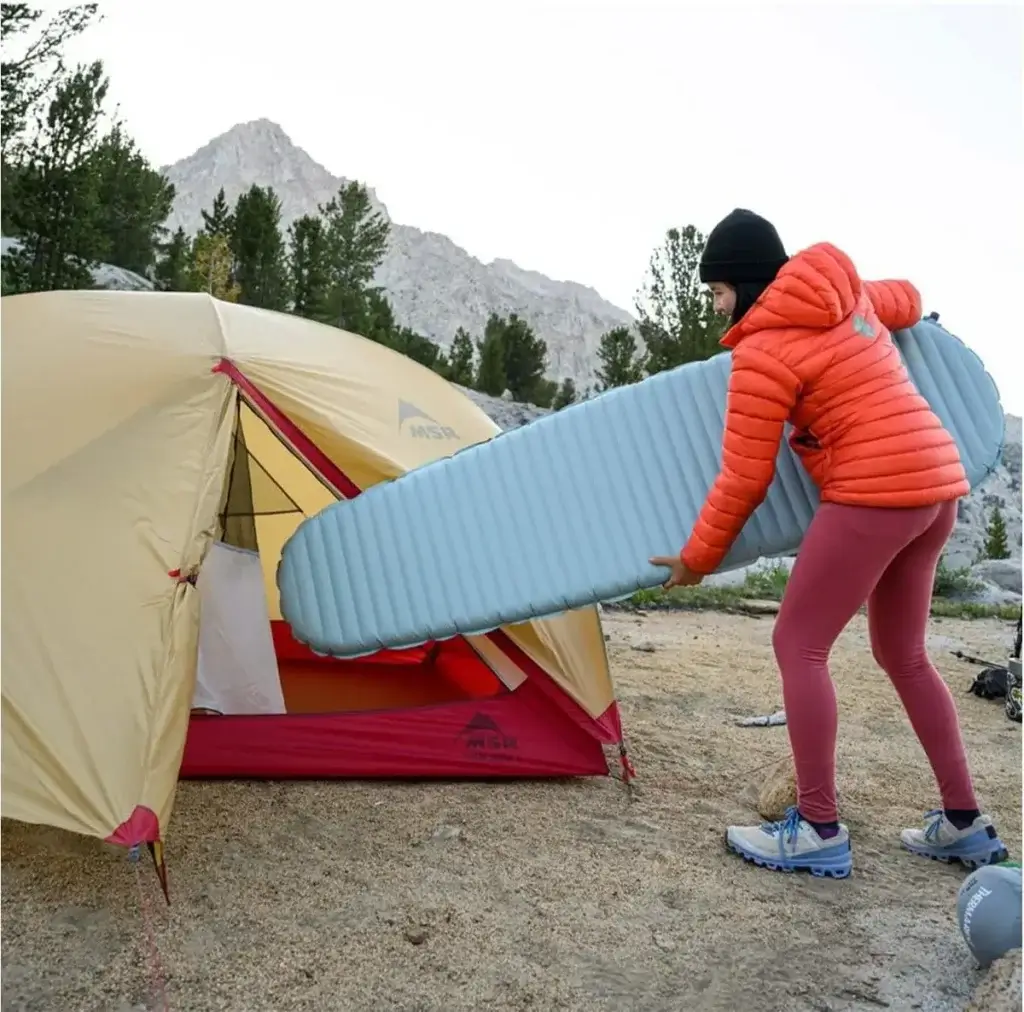
Therm-a-Rest NeoAir XTherm
Camping on snow or frozen ground? You’ll need serious insulation. Aim for a pad with an R-value of 6 or higher. The Therm-a-Rest NeoAir XTherm is a top-tier winter pad with a 6.9 R-value and lightweight build—perfect for mountaineers and winter backpackers.
Layering is also common in winter. Place a closed-cell foam pad underneath your air or self-inflating pad for added insulation and a safety net in case of puncture.
Winter pads should be:
- High R-value (6+)
- Easy to inflate in cold
- Durable and reliable valve system
- Resistant to deflation in low temps
Don’t compromise here—hypothermia is a real risk if your pad fails in frigid conditions.
Pros and Cons of the Best Winter Camping Sleeping Pads
When winter camping, your sleeping pad is more than just a comfort tool—it’s your lifeline against freezing temperatures. Choosing the best sleeping pad for winter camping ensures you stay warm, safe, and well-rested, even when the mercury drops below zero. But while these pads are engineered for harsh environments, they do have their trade-offs. Let’s dive into the key pros and cons so you can pick the right pad for your cold-weather adventures.
Pros of Winter Camping Sleeping Pads
✅ Exceptional Thermal Insulation (High R-Value)
The #1 benefit of a winter sleeping pad is its high R-value, typically 5.0 or higher. These pads are specifically designed to block heat loss from your body to the frozen ground. Models like the Therm-a-Rest NeoAir XTherm or Exped DownMat offer superior warmth for snow camping and sub-zero nights.
✅ Designed for Sub-Zero Conditions
These pads are made with cold-weather-specific materials like reflective layers, down insulation, or foam cores that maintain their performance in extreme cold. You can rely on them even during alpine expeditions or snow-covered basecamps.
✅ Compatible with Layering Systems
Winter campers often use a dual-pad system, stacking a closed-cell foam pad beneath an inflatable one to boost insulation. Most high-end winter pads are built with this method in mind, offering compatibility and added safety in case of deflation.
✅ Durable in Harsh Environments
Winter pads are made to handle snow, ice, and frozen ground. They often include reinforced fabrics and non-slip surfaces, so you don’t slide around in your sleeping bag at night.
✅ Compact Enough for Cold-Weather Backpacking
Many winter pads are surprisingly lightweight and packable given their insulation. Brands have advanced the tech to offer high R-value pads that don’t bulk up your winter gear load.
Cons of Winter Camping Sleeping Pads
❌ Expensive Price Range
Because of the high-end materials and cold-rated construction, winter sleeping pads often fall into the $200 to $350+ range. If you only camp in winter occasionally, the investment may feel steep.
❌ Can Be Heavier and Bulkier
While tech is improving, winter pads still weigh more than their summer counterparts. Adding a secondary foam pad for layering increases the bulk even more, which can be an issue for ultralight winter backpackers.
❌ Inflation Issues in Cold Weather
Cold air contracts, which can lead to partial deflation overnight. If your pad isn’t fully insulated or is underinflated, it may feel colder than expected. Also, inflating with your breath can introduce moisture, which might freeze inside the pad.
❌ Not Ideal for Warm Seasons
High R-value pads tend to trap heat, which is excellent in winter but uncomfortable in summer. Using your winter pad year-round might lead to overheating on milder trips.
❌ Requires More Setup Attention
Due to the need for proper inflation, layering, and positioning, setting up a winter camping pad system can take longer and requires more planning. A small mistake could lead to a cold, miserable night.
Best for Side Sleepers
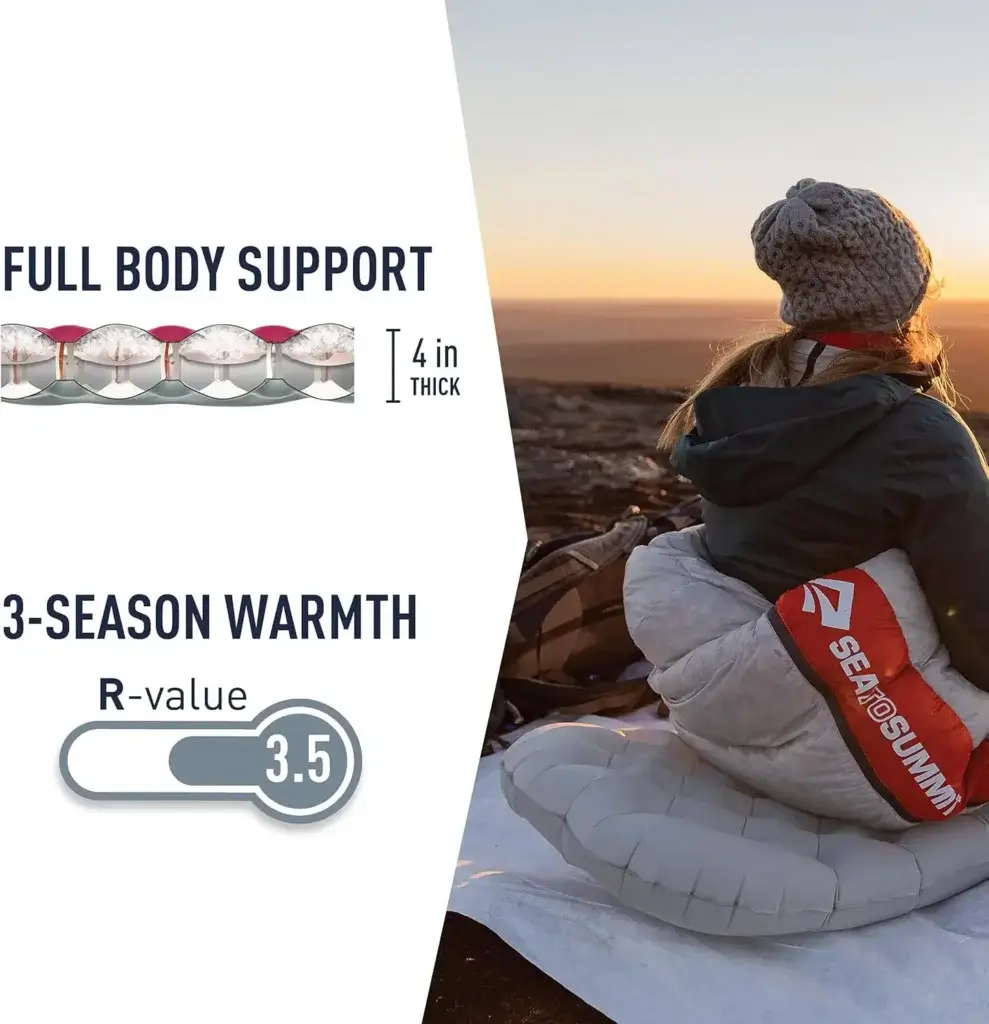
Sea to Summit Ether Light XT Insulated
Side sleepers need more cushioning under the hips and shoulders to avoid pressure points. The best pads for side sleepers are thicker and offer zone-mapped support.
The Sea to Summit Ether Light XT Insulated is a standout, offering 4 inches of plush support and a pillow-like feel. The Big Agnes Q-Core SLX is another great option with quilted baffles and high adjustability.
When shopping for side-sleeper-friendly pads, consider:
- Thickness (3+ inches ideal)
- Soft fabric surface to reduce slippage
- Contoured or baffle designs for better weight distribution
- Adjustable firmness
Trust me—side sleepers who pick the right pad will wake up pain-free and well-rested, even on uneven ground.
How to Use and Maintain Your Sleeping Pad
Proper Inflation Techniques
Getting your sleeping pad properly inflated is more than just puffing air into it. It’s about balancing firmness and comfort—too firm and it feels like sleeping on a board, too soft and your body touches the cold ground.
For air pads, use the included pump sack or your breath. Some come with built-in pumps you press with your foot or hand. Avoid using your mouth in cold weather; moisture from your breath can freeze inside and degrade insulation. When inflating, stop just before it feels full, then lie down and fine-tune the firmness.
Self-inflating pads mostly take care of themselves. Open the valve, let it draw air in, and top it off if needed. Pro tip: give it 10-15 minutes to fully expand.
Foam pads don’t require inflation at all. Just unroll and place them.
Always check the manufacturer’s instructions. Valves differ—some twist, some click, others press and lock. Learning the system will prevent damage and ensure you inflate it correctly every time.
How to Pack and Store
Packing up your sleeping pad is as important as setting it up. If done wrong, you could damage the pad or reduce its lifespan.
Start by opening the valve and slowly rolling the pad from the bottom up to force air out. For air pads, do this gently to avoid stressing the seams. Once the air is mostly out, close the valve, unroll it again, and do a tighter second roll to get it compact. Some pads roll better folded in half lengthwise first.
Foam pads are usually strapped to the outside of your pack, while inflatable ones go inside a stuff sack. Use a compression strap or sack to keep them tight and protected.
For long-term storage, don’t keep the pad tightly packed. It’s best to store self-inflating and air pads flat with the valve open, especially if they have foam inside. This preserves the foam’s ability to expand and keeps the valve from getting stuck.
Cleaning and Maintenance Tips
Keeping your sleeping pad clean not only extends its life but also prevents mildew, bad smells, and fabric degradation.
After every trip:
- Wipe the pad with a damp cloth and mild soap.
- Don’t submerge it unless the manufacturer says it’s okay.
- Let it air-dry completely before storing.
For deep cleaning, fill a tub with warm water and mild detergent, then gently scrub the pad using a sponge. Avoid harsh cleaners or solvents.
Check for leaks by submerging the inflated pad in water and watching for bubbles or spraying soapy water and looking for bubbles on the surface.
If you find a leak, use the included patch kit. Clean the area, let it dry, apply the patch firmly, and give it time to cure. For foam pads, tears can be repaired with duct tape or seam sealer.
Valves also need attention—make sure they’re clean and free of sand or dirt. Occasionally apply a silicone-based lubricant if the valve starts to stick.
Conclusion
Choosing the right sleeping pad isn’t just a gear decision—it’s the key to better sleep, better energy, and better adventures. Whether you’re an ultralight hiker shaving ounces or a car camper prioritizing plushness, there’s a pad out there for you.
Remember the big picture:
- Match your pad to your camping conditions
- Pay attention to R-value and weight
- Don’t skimp on durability
- Treat your gear well, and it’ll serve you for years
Your sleeping pad is your nighttime lifeline in the wild. With the right one, you’ll wake up ready to tackle mountains, rivers, or just enjoy a sunrise coffee at camp.
FAQs
1. How do I know what R-value I need for my sleeping pad?
Choose based on the season and location. For summer, R 1–2 is fine. For three-season camping, aim for R 3–4. In winter or snow, go for R 5+ or stack two pads.
2. Can I use a yoga mat as a sleeping pad?
Not recommended. Yoga mats lack insulation and cushioning. They’re not designed to prevent heat loss, which can lead to cold, uncomfortable nights.
3. How long do sleeping pads typically last?
With proper care, a good-quality pad can last 5–10 years. Foam pads last longer than air pads, which are more prone to punctures.
4. Are sleeping pads necessary if I have a thick sleeping bag?
Yes. A sleeping bag compresses underneath your body and loses insulation. A sleeping pad insulates you from the ground, which a sleeping bag alone cannot do.
5. What’s the best sleeping pad for kids?
Look for durable, compact pads with moderate insulation like the Therm-a-Rest Trail Scout or Klymit Static V Junior. Easy inflation and durability are key.