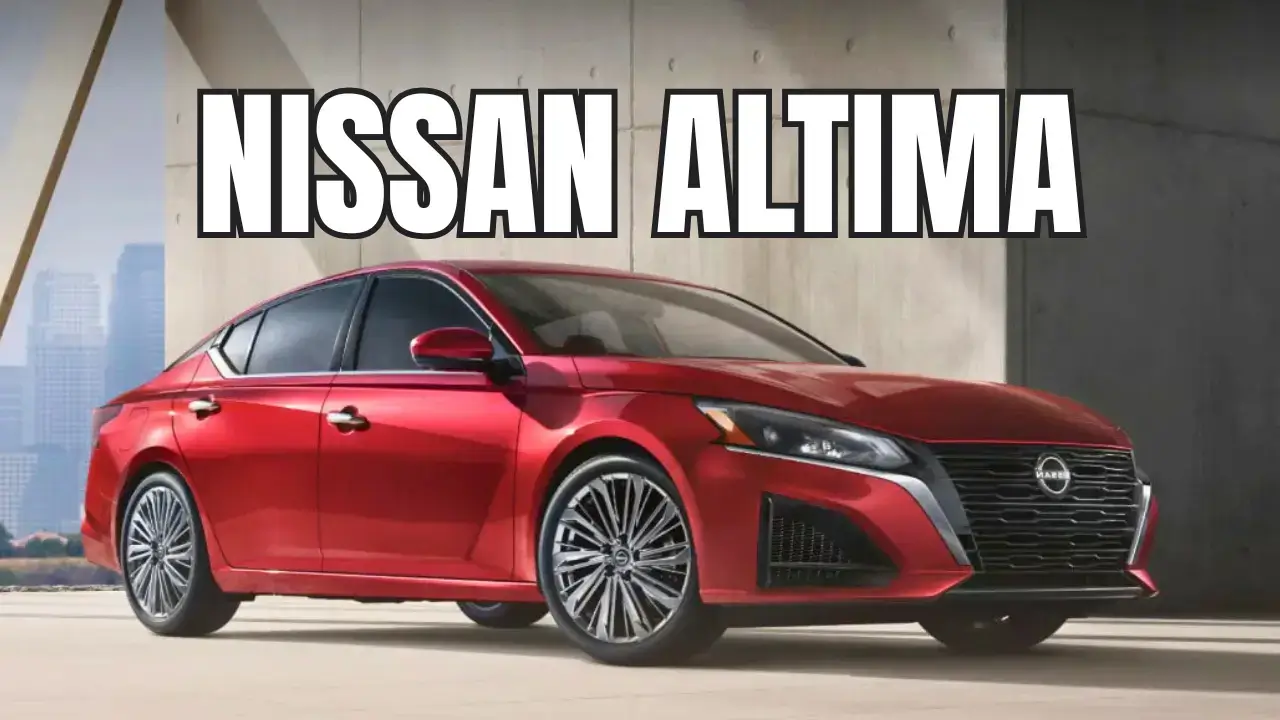
Introduction to the Nissan Altima
A Brief History of the Nissan Altima
The Nissan Altima first hit the American roads in 1993, designed to be a versatile, affordable alternative in the midsize sedan market. It was introduced as a replacement for the Nissan Stanza and immediately made an impact with its blend of reliability, performance, and comfort. Over the decades, it has evolved through multiple generations, each one refining the formula with new technology, improved engines, and sleeker styling.
Back in the early ‘90s, cars like the Honda Accord and Toyota Camry dominated the scene. But the Altima carved out its own niche, offering something a little sportier, a little edgier, and just as dependable. Nissan didn’t try to reinvent the wheel—they just made a better, more budget-friendly one.
What makes the Altima unique is how it’s consistently stayed relevant. While many other sedans have been discontinued or sidelined due to the rise of SUVs, the Altima continues to sell well. Why? Because it adapts. Nissan has smartly incorporated tech features like ProPILOT Assist and all-wheel drive in recent years—rare features in this segment.
Why the Altima Is a Popular Choice
You don’t stay a top contender in the crowded midsize sedan market without giving people what they want. And that’s exactly what the Nissan Altima has done for over 30 years.
Affordability is key—buyers love the fact that the Altima offers upscale features without the premium price tag. Even base models come well-equipped, and higher trims rival luxury sedans in terms of comfort and tech.
Fuel efficiency is another big reason people flock to the Altima. Whether you’re commuting daily or taking weekend road trips, the Altima won’t empty your wallet at the pump. Plus, the available all-wheel-drive system gives it an edge in places where weather is unpredictable.
Let’s not forget the design. Nissan has given the Altima a bold, sporty look that stands out in a sea of boring sedans. The latest models feature a low, wide stance with aggressive lines and LED lighting that looks straight out of a concept car.
Comfort, tech, and a good dose of style—that’s the Altima’s winning combo.
Nissan Altima Generations Overview
First Generation (1993–1997)
Credit: autolist.com
The first-gen Altima was a game-changer for Nissan in the U.S. market. It was compact, fun to drive, and surprisingly refined for its time. With a 150-horsepower 2.4L inline-4 engine, it wasn’t the fastest car on the block, but it handled well and offered a smooth ride.
Interior-wise, it came with amenities like air conditioning, power windows, and even a CD player—luxuries in the early ‘90s. People appreciated its clean design and durable build, which made it a favorite among families and first-time buyers alike.
- Model Years: 1993–1997
- Positioning: Replaced the Nissan Stanza as Nissan’s compact sedan offering in North America (though based on the Japanese Bluebird platform).
- Key Features:
- Distinctive, rounded styling.
- Offered solely as a 4-door sedan.
- Standard 2.4L I4 engine (150 hp).
- Focused on value and reliability. Laid the foundation for Altima’s popularity.
Second Generation (1998–2001)

Credit: autolist.com
The second generation brought a bigger body, better safety features, and a more refined interior. It was still powered by a 2.4L engine but included updates to improve reliability and performance. Nissan was starting to aim higher, targeting Accord and Camry customers directly.
ABS brakes and side airbags became optional, and the cabin got a makeover with better materials and sound insulation. This generation started to cement the Altima’s reputation for offering more value than its price tag suggested.
- Model Years: 1998–2001
- Key Changes:
- Larger, more substantial design than Gen 1.
- Major Addition: Introduction of the potent 3.5L V6 engine (starting 2002 model year for the 2001.5 “SE” trim), significantly boosting performance appeal.
- More refined interior and improved features.
- Still offered only as a sedan
Third Generation (2002–2006)

Credit: autolist.com
This is where the Altima really came into its own. With a dramatic redesign, the 2002 Altima grew in size and offered a much stronger 3.5L V6 engine in higher trims—producing up to 250 horsepower. Suddenly, the Altima wasn’t just practical—it was fun.
The bold exterior design stood out, and the interior got a tech upgrade with features like navigation and a premium sound system. Nissan’s gamble to go sportier paid off, making this generation a hit with younger buyers.
- Model Years: 2002–2006
- Key Changes:
- Significant Growth: Moved decisively into the mid-size sedan category, competing directly with Toyota Camry and Honda Accord.
- Sharper, more modern styling.
- Offered both sedan and (new for Altima) coupe body styles (coupe introduced in 2007 for the 2008 model year, based on this platform).
- Refined versions of the 2.5L I4 (175 hp) and 3.5L V6 (250-260 hp) engines.
- Introduction of more technology and luxury features.
Fourth Generation (2007–2012)

Credit: autolist.com
Nissan doubled down on sportiness in the fourth generation. This Altima had sharper lines, better suspension, and a more responsive feel. It was also the first to offer a hybrid variant, tapping into the growing demand for eco-friendly cars.
The CVT (continuously variable transmission) became standard, which helped with fuel economy but divided opinions on driving feel. Nonetheless, the Altima continued to sell well, offering luxury touches without the luxury price.
- Model Years: 2007–2012
- Key Changes:
- More sophisticated, upscale design language.
- Major Drivetrain Shift: Introduction of Nissan’s Xtronic CVT (Continuously Variable Transmission) as the standard automatic transmission, replacing conventional automatics for improved fuel economy (though met with mixed reactions initially).
- Continued with sedan and coupe body styles.
- Engines: 2.5L I4 (175-190 hp), 3.5L V6 (270 hp).
- Focus on interior refinement, quality, and safety features.
Fifth Generation (2013–2018)
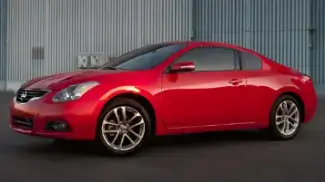
Credit: autolist.com
Here, the Altima matured. The design became more elegant, the ride smoother, and the cabin more upscale. Nissan focused on comfort, tech, and efficiency—rolling out features like remote start, blind-spot monitoring, and NissanConnect.
The 2.5L base engine was refined for better MPG, while the 3.5L V6 remained for those who wanted extra punch. Despite fierce competition, this generation proved that the Altima could hang with the best in class.
- Model Years: 2013–2018
- Key Changes:
- Bold, aggressive “Nissan” styling with a prominent V-motion grille.
- Significant weight reduction and improved aerodynamics.
- Hybrid Model: Re-introduction of an Altima Hybrid variant (2013-2014, based on different tech than Gen 3 hybrid).
- SR Performance Trim: Introduction of the popular SR trim level, offering sportier suspension, steering, and styling.
- Engines: Refined 2.5L I4 (182 hp), 3.5L V6 (270 hp). CVT standard.
- Advanced driver aids began appearing (Blind Spot Warning, Moving Object Detection).
- Coupe model discontinued after 2013.
Sixth Generation (2019–Present)
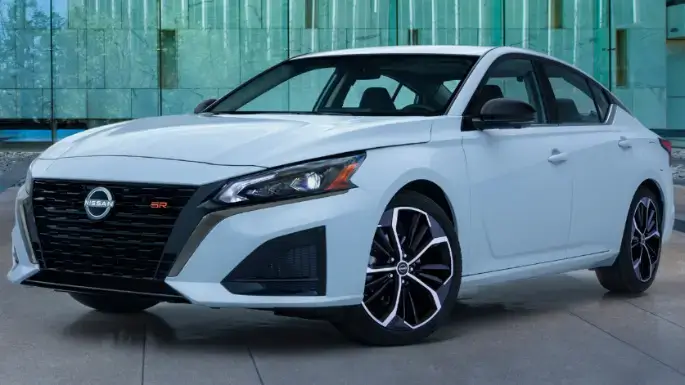
Credit: autolist.com
The current Altima is the most advanced yet. It comes with an optional all-wheel-drive system, Nissan’s VC-Turbo engine (a revolutionary variable-compression turbocharged engine), and loads of high-tech features like ProPILOT Assist.
Styling is aggressive and modern, with a floating roofline, LED headlights, and a much more premium-looking interior. Safety is a huge focus, with Nissan Safety Shield 360 included on most trims.
This generation shows that the Altima isn’t just surviving in a market full of crossovers—it’s thriving.
- Model Years: 2019–Present
- Key Changes:
- Evolutionary but sharper exterior design, lower and wider stance.
- Revolutionary Engine: Introduction of the world’s first production VC-Turbo (Variable Compression Turbo) 2.0L I4 engine (248 hp, 273 lb-ft) as an option, offering both power and efficiency.
- Major Feature: Available All-Wheel Drive (AWD) – a first for the Altima sedan (standard on the VC-Turbo, optional on the 2.5L).
- ProPILOT Assist: Introduction of Nissan’s advanced semi-autonomous driver assistance system (combining adaptive cruise control and lane centering).
- Standard 2.5L I4 engine (188-192 hp), VC-Turbo optional. CVT standard.
- Significant interior upgrades in materials and technology (larger touchscreens, digital gauge clusters available).
- Focus on enhanced safety, connectivity, and a more engaging driving experience.
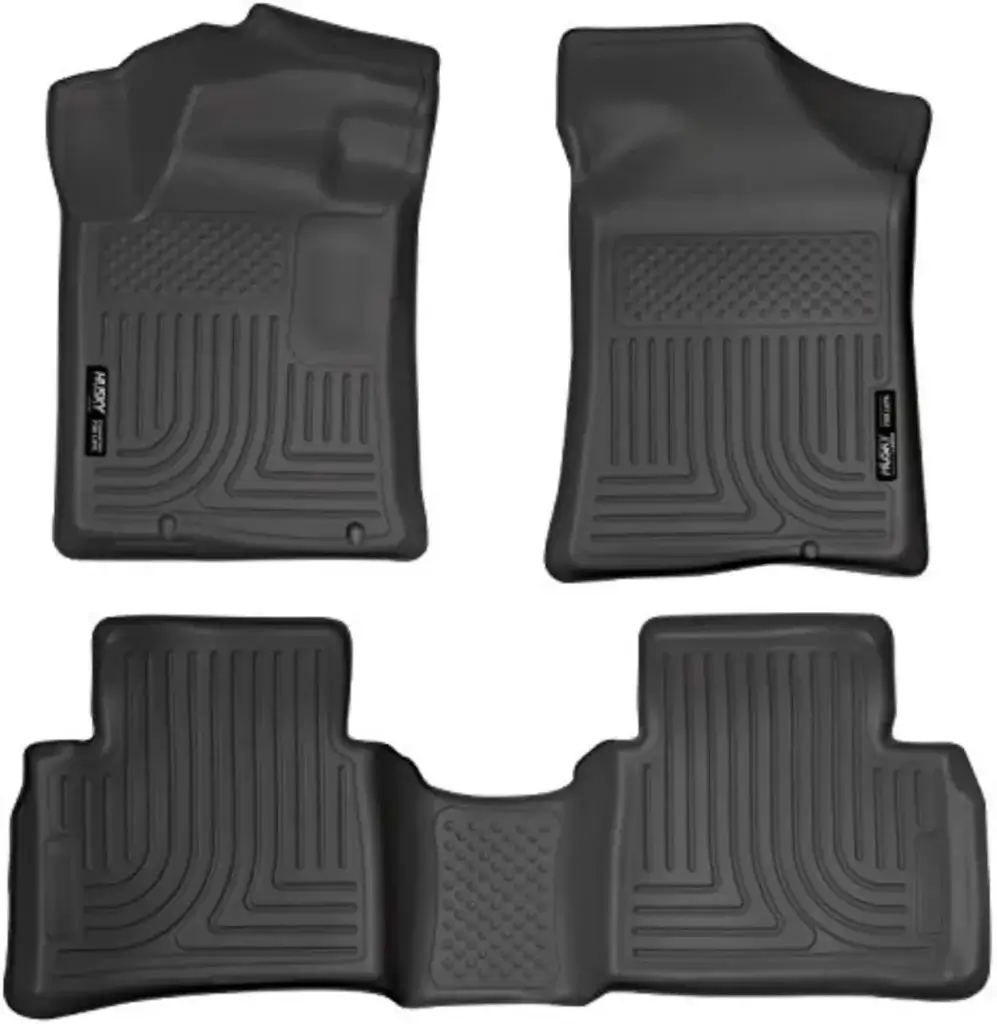
Husky Liners Weatherbeater Floor Mats | Fits 2013-2018 Nissan Altima | Front & 2nd Row, 3-pc Black – 99641
Performance and Engine Options
Engine Variants and Horsepower
Under the hood, the Altima gives you solid choices. The standard engine is a 2.5L four-cylinder, delivering around 188 horsepower. It’s responsive, fuel-efficient, and perfect for everyday driving. But if you’re craving more power, the turbocharged 2.0L VC-Turbo engine cranks out 248 horsepower—impressive for a family sedan.
This turbo engine is especially noteworthy because it adjusts its compression ratio on the fly, balancing performance and efficiency in real-time. That means you get more power when you need it and better gas mileage when you don’t.
Whether you’re zipping through city traffic or cruising on the highway, both engines handle the job well. The Altima’s chassis and suspension are tuned to give a comfortable ride without feeling numb. It’s not a sports car, but it can hold its own in the twisties.
Fuel Efficiency and Eco Mode
The Altima’s fuel economy is one of its strongest selling points. With the base engine and front-wheel drive, you can expect around 28 MPG in the city and 39 MPG on the highway. That’s excellent for a midsize sedan and makes it an ideal pick for commuters.
Opt for the all-wheel-drive version, and you’ll still get a respectable 26/36 MPG. Even the more powerful VC-Turbo engine delivers around 25/34 MPG—a fair trade-off for the added performance.
Eco mode can be activated via the dashboard and subtly adjusts throttle response to conserve fuel. It’s great for highway cruising or long-distance drives where performance takes a back seat to savings.
CVT vs Traditional Transmission
Nissan has been a major proponent of the CVT (Continuously Variable Transmission), and the Altima is no exception. Unlike traditional gearboxes, CVTs offer a smoother, gearless ride and help boost fuel efficiency.
But here’s the catch—CVTs can feel “rubbery” and lack the direct response that some drivers prefer. Nissan has improved the Altima’s CVT over the years, adding simulated gear shifts and better programming. It’s now one of the better CVTs on the market, but it’s still not for everyone.
If you’re used to the feel of a manual or a standard automatic, it might take some getting used to. But for daily commuting and long highway drives, the CVT does a great job of balancing performance with economy.
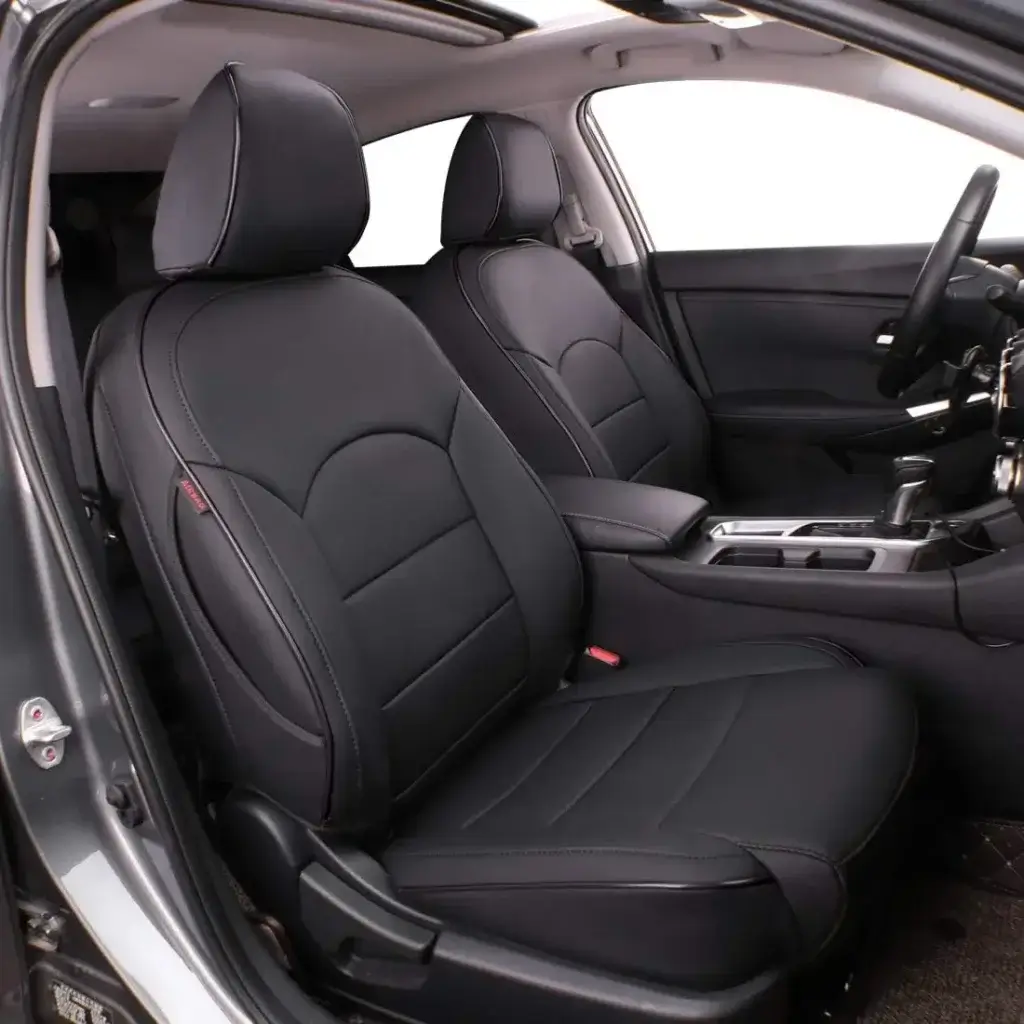
EKR Custom Fit Altima Car Seat Covers for Select Nissan Altima SV,S,SR 2013 2014 2015 2016 2017 2018 & 2017 2018 SL (Rear Row with Non Removable Headrest) -Full Set, Leather (Black)
Interior Features and Comfort
Cabin Space and Seating
Step inside a Nissan Altima, and you’ll be greeted by a surprisingly spacious and refined cabin. The Altima’s interior has always been a strong suit, but recent models have taken comfort to a whole new level. Whether you’re in the driver’s seat or riding in the back, the amount of space offered is generous for a midsize sedan.
Front seats are designed using NASA-inspired “Zero Gravity” technology. Sounds fancy? It is—and it works. These seats reduce fatigue by supporting your body more naturally, which is a blessing during long road trips or daily commutes. There’s more than enough headroom and legroom, even for tall passengers, making it family-friendly and road-trip-ready.
Rear-seat legroom is excellent too, beating out many competitors in this class. You won’t hear complaints from adult passengers in the back seat. The trunk offers about 15.4 cubic feet of cargo space, which is more than enough for groceries, sports gear, or weekend luggage.
Whether you’re running errands or embarking on a long journey, the Altima delivers a comfy and quiet ride that feels more upscale than you’d expect for the price.
Infotainment System and Connectivity
In the age of smartphones and smart cars, Nissan hasn’t cut corners. The Altima comes equipped with a sleek infotainment system that integrates seamlessly with Apple CarPlay and Android Auto. The touchscreen is 8 inches on most trims and features intuitive menus and crisp graphics.
Need directions? The built-in navigation system (on higher trims) is accurate and easy to use. Want to rock your playlist? The available Bose premium audio system delivers clean, immersive sound that’s perfect for audiophiles.
USB ports, both Type-A and Type-C, are available in front and rear seats—so everyone can keep their devices charged. Bluetooth connectivity is standard, and voice commands work impressively well for hands-free operation.
The infotainment system is snappy and responsive, and the user interface doesn’t require a tech degree to figure out. It enhances both convenience and safety by minimizing driver distraction.
Interior Materials and Design
Let’s talk materials. Nissan has clearly stepped up its game with the Altima’s interior design. Even the base model feels solid and well-built. Step up to mid- or high-tier trims, and you’ll find soft-touch surfaces, premium cloth or leather upholstery, and refined accents like faux wood or metallic finishes.
Controls are laid out logically, and there’s a pleasing symmetry to the dash and center console. There’s a minimalist vibe—nothing flashy, but everything feels modern and well-thought-out.
Ambient lighting and dual-zone climate control make for a cozier environment, especially during night drives or cold mornings. In short, the Altima offers a cabin that rivals some entry-level luxury vehicles—without the luxury price.

Fit for 2007 2008 2009 2010 2011 2012 2013 2014-2018 Nissan Altima Light Combo,High Beam Low Beam Fog Light Bulbs,6000K Lighting Spectrum,Aluminum Housing,Plug and Play,IP68 Pack of 6
Exterior Design and Styling
Evolution of the Altima’s Looks
Over the years, the Altima has evolved from a generic compact sedan to a sharp-looking ride that turns heads. The early models were functional but forgettable. Fast-forward to the current sixth generation, and it’s clear that Nissan has prioritized visual appeal.
The latest Altima sports Nissan’s “V-Motion” grille—a bold, angular front end that gives it a dynamic, aggressive look. LED headlights and taillights add to the modern flair, while the sculpted hood and sleek profile give it a sense of motion even when parked.
The roofline slopes gently, giving it an almost coupe-like silhouette. The Altima looks fast, even when it’s not moving, and that’s a design win in our book. The integrated rear spoiler on the SR trims adds a touch of sportiness without going overboard.
Altima’s design now competes directly with the likes of the Mazda6 and Honda Accord in terms of pure visual appeal—and in many cases, outshines them.
Color Options and Trim Designs
When it comes to personalization, Nissan gives you plenty of choices. Depending on the model year, colors like Scarlet Ember, Deep Blue Pearl, and Sunset Drift Orange bring life to the Altima’s design. Classic options like Gun Metallic, Super Black, and Pearl White offer more subdued, elegant vibes.
Each trim level also comes with unique exterior touches. For example:
- Altima S: Base trim, clean design
- Altima SR: Sporty accents, dark wheels, rear spoiler
- Altima SL/Platinum: Chrome finishes, larger alloy wheels, LED fog lights
There are also limited-edition packages occasionally released that offer two-tone color schemes, blacked-out grilles, and custom wheels. These aesthetic upgrades give buyers a chance to stand out without spending a fortune.
Technology and Safety Features
ProPILOT Assist and Driver Aids
One of the standout features in recent Altima models is ProPILOT Assist, Nissan’s semi-autonomous driving system. It’s not full self-driving, but it’s a big step in the right direction. On highways, it keeps the car centered in its lane and maintains a safe distance from vehicles ahead—great for reducing fatigue on long drives.
In stop-and-go traffic, ProPILOT Assist can bring the Altima to a complete stop and then accelerate again. It feels futuristic and, more importantly, makes commuting much more manageable.
Other standard or available driver-assistance features include:
- Automatic emergency braking
- Rear cross-traffic alert
- Blind spot monitoring
- Lane departure warning
- Adaptive cruise control
All these features work together to help prevent accidents and give peace of mind behind the wheel.
Crash Test Ratings and Safety Awards
Safety is no joke, and the Altima takes it seriously. The National Highway Traffic Safety Administration (NHTSA) has consistently given the Altima a 5-star overall crash test rating in recent years. Meanwhile, the Insurance Institute for Highway Safety (IIHS) awarded the 2023 Altima a Top Safety Pick+, the highest rating possible.
These accolades aren’t just for show—they reflect Nissan’s commitment to keeping you and your passengers safe. From structural reinforcements to advanced airbag systems, the Altima is engineered with your protection in mind.
Smart Tech Integration
Nissan doesn’t just throw in a few bells and whistles and call it “tech-forward.” The Altima integrates its technology thoughtfully, enhancing the driving experience without overwhelming the user.
For instance:
- Remote start with climate control lets you warm up or cool down the car before getting in.
- Intelligent driver alertness monitors steering patterns and suggests breaks if you appear drowsy.
- NissanConnect Services allows you to lock/unlock doors, start the engine, and even locate your vehicle from your phone.
This isn’t just smart tech—it’s practical tech that makes everyday driving simpler and safer.
Nissan Altima Trims and Packages
S, SV, SR, SL, and Platinum Trims
The Altima is available in several trim levels, each offering unique combinations of features, performance, and luxury.
Here’s a quick breakdown:
- Altima S: The base model with a solid mix of safety and infotainment features. Great value if you’re on a tight budget.
- Altima SV: Adds more comfort features like dual-zone climate control, upgraded interior materials, and more tech options.
- Altima SR: The sportier option with paddle shifters, sport-tuned suspension, and aggressive styling cues.
- Altima SL: Moves into premium territory with leather seats, upgraded audio, and ProPILOT Assist.
- Altima Platinum: The top-tier trim with everything included—navigation, premium materials, ambient lighting, and more.
Each trim offers either front-wheel or all-wheel drive, except the VC-Turbo engine, which is only available on the SR model with FWD.
Best Value-for-Money Trim
If you’re looking for the sweet spot, many experts and buyers agree the SV or SR trim offers the best value. The SV hits a perfect balance between affordability and features, while the SR gives you a sportier ride without jumping into luxury price territory.
Reliability and Maintenance
Common Issues and Fixes
Like any car, the Altima has had its fair share of issues over the years. Older models, especially those from the early 2010s, have been known for CVT-related problems—ranging from jerky acceleration to full transmission failure. Nissan has since improved the CVT design and extended warranties to cover these concerns.
Some drivers also report issues with the electronic power steering and sensors, but these are relatively minor and rare in newer models.
Regular software updates and timely maintenance can prevent most problems. Buying a certified pre-owned (CPO) Altima with a warranty can also offer peace of mind if you’re going the used route.
Pricing and Value
MSRP for Different Trims
The Nissan Altima remains one of the most competitively priced sedans in its segment. Whether you’re on a tight budget or looking for a near-luxury experience, there’s an Altima trim that fits your wallet.
Here’s a general idea of the pricing (based on recent models):
- Altima S: Starts around $26,000 – ideal for first-time buyers or those looking for a basic yet reliable sedan.
- Altima SV: Around $27,800 – offers better tech and safety features at a slight price bump.
- Altima SR: Approximately $29,000 – adds sporty flair and enhanced performance features.
- Altima SL: Close to $31,000 – includes leather seats, premium audio, and ProPILOT Assist.
- Altima Platinum: Tops out around $34,000 – fully loaded with all the bells and whistles.
These prices are for front-wheel drive versions. Choosing all-wheel drive typically adds about $1,500 to the total cost. The SR VC-Turbo variant is priced higher due to its performance-oriented engine, usually starting around $36,000.
Considering the features, performance, and safety tech you get, the Altima offers solid bang for your buck. It undercuts many rivals on price while still competing on comfort and capability.
Cost of Ownership
Buying a car isn’t just about the sticker price—it’s about the long-term costs too. Thankfully, the Nissan Altima shines in this department. It’s relatively inexpensive to maintain compared to other midsize sedans.
Here’s why:
- Fuel efficiency keeps gas costs low.
- Parts availability and affordable repairs make maintenance manageable.
- Insurance costs are reasonable, especially for base trims.
You can expect to spend around $500–$700 annually on maintenance and repairs, according to industry averages. Plus, Nissan’s warranty covers 3 years or 36,000 miles (basic) and 5 years or 60,000 miles (powertrain), giving you peace of mind during the early years of ownership.
Overall, the Altima is a smart long-term investment, especially if you’re planning to hold onto your car for several years.
Comparing the Altima with Competitors
Honda Accord vs Nissan Altima
The Honda Accord has been the Altima’s arch-rival for decades. Both sedans are known for reliability, comfort, and resale value. So how do they stack up?
- Performance: The Accord generally has stronger base engine performance, but the Altima’s VC-Turbo engine levels the playing field.
- AWD: The Altima offers all-wheel drive—something the Accord doesn’t.
- Fuel Economy: Both are efficient, but the Altima gets the edge with AWD variants.
- Interior Design: The Accord feels a bit more upscale and spacious, especially in the back seat.
- Tech: It’s a close race, but Nissan’s ProPILOT Assist gives the Altima a modern edge.
Bottom line? If you need AWD and cutting-edge driving aids, the Altima may suit you better. If rear-seat space and interior materials are your priority, the Accord might take the lead.
Toyota Camry vs Nissan Altima
Another heavyweight battle—Camry vs Altima. Toyota’s sedan is known for bulletproof reliability and conservative styling, while the Altima leans more toward tech and sportiness.
- Powertrain: Camry offers a strong V6, while Altima counters with the VC-Turbo.
- Styling: Altima looks sportier and more aggressive.
- Interior: Camry wins on perceived quality; Altima wins on comfort and tech layout.
- Safety: Both score top marks, but Nissan’s driver aids are easier to use.
The Camry’s strong resale value and ultra-reliable image make it tough to beat. But for those wanting something more modern and feature-rich at a better price, the Altima holds its own.
Hyundai Sonata vs Nissan Altima
The Sonata has recently undergone a serious makeover—it’s now sleeker, smarter, and more stylish than ever. But can it dethrone the Altima?
- Design: Sonata arguably wins here with bold styling and a futuristic cabin.
- Engines: Altima’s VC-Turbo offers better real-world power than Sonata’s turbo.
- Features: Both are tech-packed, but Nissan’s infotainment is easier to use.
- Value: Hyundai wins with more warranty coverage, but the Altima offers AWD—a deal-maker for many.
Both are excellent sedans, and it often comes down to personal preference. If performance and AWD are your focus, go Altima. If warranty and design wow-factor matter more, Sonata is your pick.
Used Nissan Altima – What to Know
Best Model Years to Buy Used
Thinking about buying a used Altima? Smart move—you can get a lot of car for the money. But not all model years are created equal.
Top picks:
- 2017–2018: These models were the final years of the fifth generation. They’re well-equipped, reliable, and often priced under $18,000.
- 2019–2022: Early sixth-gen Altimas offer modern styling, updated tech, and optional AWD. Prices usually range from $20,000–$26,000 depending on mileage and trim.
- 2023+: If you find a lightly used version, it could be nearly indistinguishable from new and offer excellent value—especially if certified pre-owned.
Avoid earlier CVT models from the 2013–2015 range unless they’ve been well-maintained. Some of these had transmission issues that could result in expensive repairs.
Red Flags When Shopping Pre-Owned
If you’re eyeing a used Altima, keep an eye out for these red flags:
- Rough shifting or hesitation: Could point to CVT trouble.
- Unresponsive infotainment: Some older systems are glitchy.
- Excessive oil consumption: Rare, but worth watching.
- Rust undercarriage: Common in cars from snowy regions.
Always run a vehicle history report, check for open recalls, and—if possible—get a pre-purchase inspection. Certified pre-owned models from Nissan dealerships often come with extended warranties and have passed a rigorous inspection process.
Altima Modifications and Customization
Performance Mods
If you’re the kind of driver who likes to put a personal stamp on your car, the Altima has plenty of aftermarket support. While it’s not a race car out of the box, you can definitely squeeze out more performance.
Popular mods include:
- Cold air intakes: Improve throttle response and add a slight horsepower boost.
- Performance exhaust systems: Increase airflow and deliver a deeper sound.
- ECU tuning: Optimize engine parameters for more aggressive driving.
- Suspension kits: Lower your Altima for better handling and a sportier look.
These mods can transform your daily driver into something truly unique—just be sure to check compatibility and warranty implications.
Aesthetic Upgrades
Want your Altima to stand out? Cosmetic mods are the way to go. From smoked taillights to carbon fiber accents, the options are endless.
Here are some fan favorites:
- Custom wheels and tires: Instantly changes the car’s stance and attitude.
- LED lighting kits: Add flair with underglow or interior lighting.
- Body kits or spoilers: Enhance aerodynamics and visual appeal.
- Vinyl wraps or decals: Express your personality with color or graphics.
Even small tweaks—like blacked-out emblems or a sport grille—can make your Altima look far more aggressive. Customization is all about making your car reflect your style.
Pros and Cons of the Nissan Altima
What Owners Love
The Nissan Altima has earned a loyal fan base for many good reasons. Owners often highlight its balance of affordability, performance, and features as a major selling point. Unlike many other sedans in the segment, the Altima offers advanced tech like all-wheel drive and ProPILOT Assist without inflating the price tag.
Here are some standout perks:
- Fuel Economy: Excellent gas mileage, especially with the 2.5L engine.
- Ride Quality: Smooth, quiet, and comfortable—even over rough roads.
- Interior Comfort: Roomy cabin with Zero Gravity seats that feel genuinely supportive.
- Infotainment System: Responsive, easy-to-use, and integrates well with smartphones.
- Modern Styling: Sleek, sporty looks that rival some entry-level luxury cars.
Many owners also appreciate the reliability and low maintenance costs. It’s a practical choice that doesn’t feel like a compromise. It’s the kind of car you can drive for 10 years and still feel good about.
Common Complaints
No car is perfect—and the Altima has a few issues that some owners have raised over the years. The most commonly mentioned concern is the CVT transmission. While it has improved significantly in recent models, older Altimas (especially from 2013–2015) had problems with sluggishness, shuddering, and even failure.
Other cons include:
- Lack of a true performance model: No manual transmission or sports-tuned options beyond the SR trim.
- Interior plastics on base models: Some trims feel a bit cheap in certain areas.
- Resale value: Slightly lower than rivals like the Camry or Accord, though improving.
Despite these drawbacks, the majority of Altima owners report a highly satisfactory ownership experience, especially with newer models that have ironed out most of the earlier issues.
Final Thoughts on the Nissan Altima
The Nissan Altima is a midsize sedan that does nearly everything right. It delivers excellent value for money, a comfortable and tech-rich interior, modern styling, and a ride quality that suits both city commuters and highway cruisers alike.
If you’re looking for a practical, stylish car that doesn’t skimp on the features you actually want—like all-wheel drive, fuel efficiency, and a spacious cabin—the Altima is hard to beat. It stands tall among stalwarts like the Accord and Camry, often offering things they don’t (hello, VC-Turbo engine and AWD).
Whether you’re buying new or used, the Altima is a safe, smart, and surprisingly fun choice. It’s not just a car for getting from A to B—it’s a car you’ll enjoy along the way.
FAQs
1. Is the Nissan Altima good on gas?
Yes, the Nissan Altima offers excellent fuel efficiency, especially with the 2.5L engine. You can expect up to 39 MPG on the highway with front-wheel drive. Even the all-wheel-drive variant holds up well with around 36 MPG. The VC-Turbo engine sacrifices a little efficiency for power but still remains respectable.
2. How long do Nissan Altimas typically last?
With proper care and maintenance, a Nissan Altima can easily last 200,000 miles or more. Routine oil changes, CVT servicing, and timely part replacements are key. Many owners report driving their Altimas well past the 10-year mark without major issues.
3. Does the Altima have AWD?
Yes, starting from the 2019 model year, Nissan introduced optional all-wheel drive for most trims. It’s a major advantage in climates with snow or heavy rain. AWD is paired with the 2.5L engine and adds a layer of confidence for slippery roads.
4. What’s the best Altima trim?
The SV and SR trims hit the sweet spot between value and features. SV is great for tech and comfort, while SR gives you a sportier look and feel. If you’re after luxury touches, the SL or Platinum trims are worth the splurge.
5. Is the Nissan Altima expensive to insure?
Not at all. The Altima generally falls into the mid-to-low range for insurance costs, especially the S and SV trims. Insurance rates depend on factors like location, age, and driving history, but overall, it’s cheaper to insure than many performance or luxury cars.