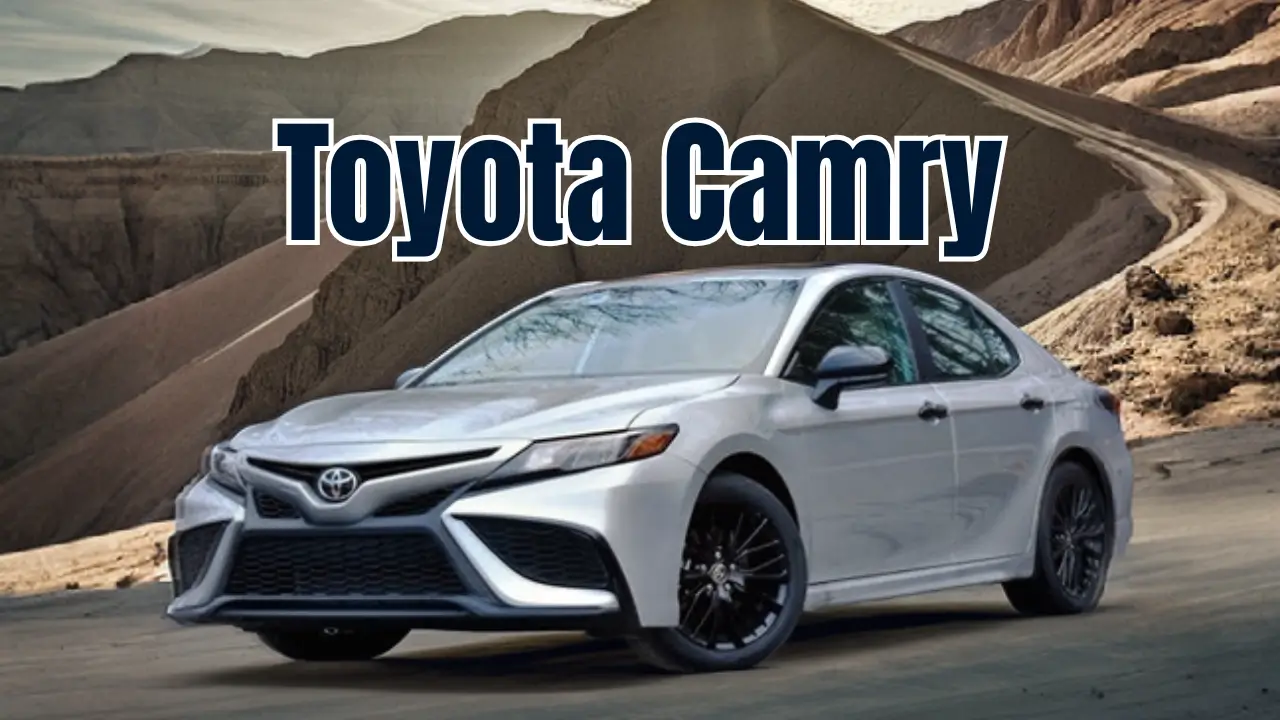
Introduction to the Toyota Camry
Why the Camry is a Top Choice
When you’re browsing for a reliable, stylish, and efficient sedan, the Toyota Camry almost always tops the list. It’s not just a fan favorite—it’s a household name. Why? Because the Camry balances affordability, reliability, fuel efficiency, and a comfortable driving experience like few others. It’s been one of America’s best-selling sedans for decades, and for good reason.
Think about this: you want a car that’s not going to break the bank but still makes you feel good behind the wheel. The Camry does just that. It delivers impressive mileage whether you go for the gasoline or hybrid version. It’s spacious enough for families, sleek enough for professionals, and safe enough for anyone.
Another reason the Camry stands out is Toyota’s reputation. Toyota is known globally for building cars that go the distance—literally. It’s not uncommon to see a Camry cruising smoothly even after 200,000 miles. Plus, with a solid resale value, it’s an investment that pays off over time.
You also get a solid mix of tech and comfort features. Apple CarPlay, Android Auto, Bluetooth, high-end audio systems, adaptive cruise control—you name it. And let’s not forget the smooth ride, quiet cabin, and strong crash test ratings that come standard with most models.
Whether you’re looking for a first car, a commuter-friendly vehicle, or something reliable for your daily errands, the Toyota Camry fits right into the picture. It’s practical, yet stylish. Efficient, yet powerful. And most importantly, it’s built to last.
Brief History of the Camry
The Toyota Camry’s story begins back in 1982. Originally a compact car, it evolved into the mid-size sedan we recognize today. Over the years, it has morphed from a boxy, fuel-efficient car of the 80s to a bold, tech-forward sedan designed for modern drivers.
Throughout its eight generations, the Camry has consistently been a symbol of quality and dependability. From its early days, it was engineered to provide excellent fuel economy and long-lasting performance. That formula hasn’t changed—Toyota just keeps refining it.
In the 1990s, the Camry started becoming a mainstay in suburban driveways. It offered better space, improved comfort, and upgraded technology with each generation. The introduction of hybrid models in the mid-2000s gave eco-conscious drivers a reason to smile.
Today’s Camry models are packed with advanced safety features, luxurious trims, and sporty options like the XSE or TRD variant that appeal to younger, performance-minded drivers.
In short, the Camry has grown with its customers. It’s become more than just a car—it’s a nameplate that represents trust, innovation, and long-term value. From soccer moms to solo commuters, the Camry has earned its place in driveways across the country.
Toyota Camry Generations and Model Years
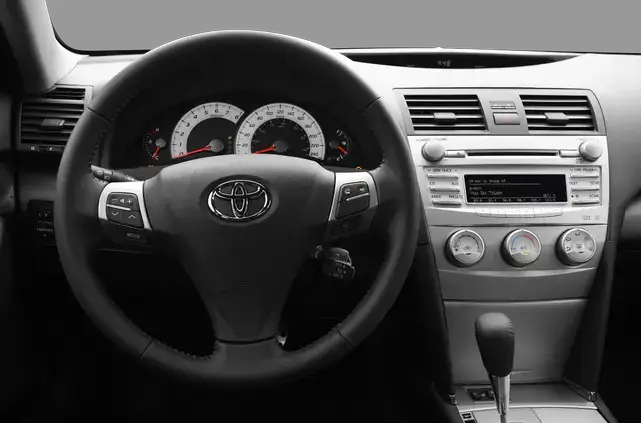
Image Credit: cars.com
Key Features by Generation
Let’s break it down by generation. Understanding what each generation of the Camry offers can help you choose the right model year for your needs and budget.
- 1st Generation (1982–1986): Compact and fuel-efficient, basic in features but rock-solid in reliability.
- 2nd Generation (1987–1991): Slightly larger, better styling, and improved suspension.
- 3rd Generation (1992–1996): Sleeker design, optional V6 engine, improved cabin quality.
- 4th Generation (1997–2001): More refinement, better fuel economy, increased safety features.
- 5th Generation (2002–2006): Modernized interior, better ride quality, larger body.
- 6th Generation (2007–2011): Introduction of hybrid variant, stronger engines, advanced features.
- 7th Generation (2012–2017): Bold styling update, touchscreen infotainment, fuel efficiency.
- 8th Generation (2018–Present): Aggressive design, powerful TRD trim, full tech suite, and Toyota Safety Sense.
What stands out is that Toyota didn’t just stick to the basics. They kept evolving the Camry to meet changing consumer tastes—from plain commuter car to a feature-rich, good-looking, high-performing sedan.
How Each Generation Improved
Every generation brought in significant upgrades—not just in terms of styling, but under the hood and inside the cabin. Where early Camrys focused on simplicity and reliability, newer models aim to deliver that plus luxury and driving excitement.
The newer Camrys (2018 onwards) introduced:
- Dynamic Force Engines for better fuel efficiency and performance.
- TNGA (Toyota New Global Architecture) platform for improved handling and safety.
- 8-speed automatic transmission for smoother shifts.
- Enhanced infotainment systems with smartphone integration.
Hybrid models have also made huge strides. The Camry Hybrid now offers over 50 MPG, making it one of the most efficient non-electric sedans available. If you’re looking to save on fuel without compromising on space and comfort, this is the one.
With these continuous improvements, Toyota managed to retain the Camry’s legendary dependability while making it a lot more fun to drive. Whether you go for a 2005 or a 2023 model, you’re bound to get excellent value.
Comparing Trim Levels
L, LE, SE, XLE, XSE Explained
Picking the right trim can be confusing, especially when you’re faced with so many options. Let’s simplify it:
- L Trim: Basic, no-frills entry-level option. Great for budget-conscious buyers.
- LE Trim: Adds more comfort and convenience features like power-adjustable seats, upgraded audio, and rear-seat vents.
- SE Trim: The sporty variant with a stiffer suspension, paddle shifters, and sportier exterior styling.
- XLE Trim: Luxurious trim with leather upholstery, larger touchscreen, and advanced driver aids.
- XSE Trim: Combines luxury and sport—think of it as the best of both XLE and SE. Bigger wheels, premium audio, and sport-tuned suspension.
TRD is another exciting variant built for enthusiasts. With sport-tuned suspension, aggressive styling, and performance brakes, it turns the Camry into a surprisingly capable sport sedan.
Choosing the Right Trim for You
Here’s the thing: your ideal trim depends on your lifestyle and preferences.
If you’re just looking for a commuter that gets the job done, the LE or L is perfect. They give you good mileage, basic features, and Toyota reliability without the extra price tag.
Want a little more excitement? The SE or XSE trims give you that sporty edge with added tech and style. They’re great if you care about how your car looks and feels on the road.
Need comfort and luxury? XLE is your go-to. You’ll get leather seats, wood-grain trim, and advanced safety tech, making it perfect for long drives or daily family use.
Performance and Engine Options
Fuel Economy and Hybrid Options
Fuel economy is one of the Camry’s strongest selling points. The standard gas engine gives impressive mileage—around 28 MPG in the city and 39 MPG on the highway. But if you want to take it further, the Camry Hybrid can get you over 50 MPG combined.
You can thank Toyota’s hybrid tech for that. The Camry Hybrid pairs a 2.5-liter four-cylinder engine with an electric motor and an eCVT (electronically controlled continuously variable transmission). The result? Smooth performance and wallet-friendly fuel costs.
Whether you drive in the city, suburbs, or highways, you’ll notice the savings add up quickly. Plus, the transition between gas and electric modes is nearly seamless.
In fact, if you’re an Uber or Lyft driver, or you just hate stopping for gas, the hybrid version will be your best friend.
Interior, Comfort & Technology
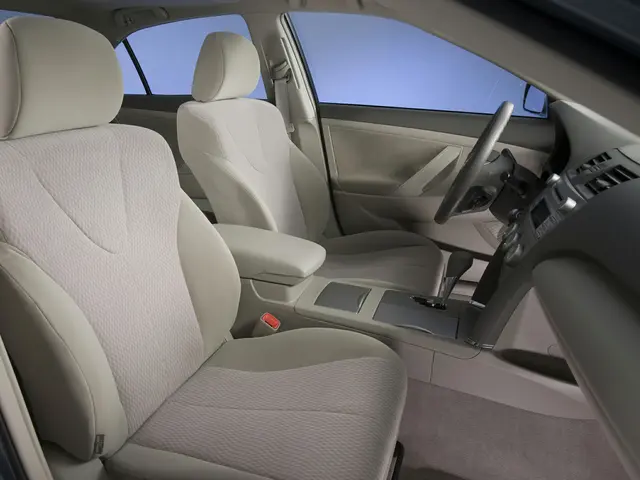
Image Credit: cars.com
Infotainment Features
When you slide into the cabin of a Toyota Camry, you’ll immediately notice one thing—it doesn’t skimp on technology. Even the base models come equipped with an impressive suite of infotainment features that make driving more enjoyable and connected.
Let’s start with the centerpiece: the touchscreen display. Depending on the trim, you’ll get a 7-inch or 9-inch touchscreen that’s snappy, intuitive, and easy to use. The interface is straightforward—no fumbling around with buttons or confusing menus.
Now, let’s talk about smartphone integration. Apple CarPlay and Android Auto are standard across all trims, allowing you to connect your device and mirror your apps for navigation, music, and calls. Need directions? Use Google Maps. Want to queue up your favorite playlist on Spotify? Just tap and go. It’s seamless.
The Camry also supports Amazon Alexa integration, so you can use voice commands to check the weather, add items to your shopping list, or control smart home devices—all from the driver’s seat.
Higher trims take things up a notch with premium sound systems like the JBL audio system, which delivers crisp highs, deep bass, and a concert-like experience. Add in features like SiriusXM, wireless charging, Bluetooth connectivity, and multiple USB ports, and you’ve got one of the most tech-savvy sedans in its class.
Don’t overlook the optional Wi-Fi hotspot, which turns your Camry into a mobile internet hub—great for road trips or staying connected on the go.
Toyota doesn’t just pack the Camry with tech for the sake of it; they ensure it enhances the driving experience without overwhelming you. It’s smart, user-friendly, and totally tailored for the modern driver.
Comfort and Space Comparison
Whether you’re in the driver’s seat or lounging in the back, the Toyota Camry makes comfort a priority. The seats are plush, ergonomically designed, and supportive enough for long-haul drives. Even base models come with high-quality fabric, while upper trims boast power-adjustable heated and ventilated leather seats.
Legroom? Generous. The Camry offers 38 inches of rear legroom, making it ideal for adult passengers or growing teens. Headroom is equally accommodating, even for taller occupants. The wide-opening doors make entry and exit a breeze—something seniors and families with car seats will appreciate.
There’s also a noticeable attention to detail inside the cabin. Soft-touch materials, ambient lighting, and smart storage compartments make the interior feel upscale and user-focused.
Another unsung hero? The trunk space. With around 15.1 cubic feet, you’ve got plenty of room for groceries, luggage, or sports equipment. Fold down the rear seats, and you can expand that space even more.
Cabin insulation is top-tier. Even at highway speeds, you’ll notice how quiet the ride is—thanks to sound-dampening materials and a well-sealed cabin. No annoying rattles or excessive wind noise here.
In a nutshell, the Camry delivers a refined interior that’s both functional and inviting, whether you’re commuting, road-tripping, or just running errands.
Safety Features in the Toyota Camry
Toyota Safety Sense Suite
When it comes to safety, the Toyota Camry doesn’t just meet the standard—it sets it. Every new Camry comes equipped with Toyota Safety Sense™ (TSS-P), a comprehensive suite of advanced safety technologies designed to protect you and your passengers.
Here’s a quick rundown of what’s included:
- Pre-Collision System with Pedestrian Detection: Warns you of potential collisions and automatically applies the brakes if necessary.
- Lane Departure Alert with Steering Assist: Helps you stay in your lane and gently guides you back if you start to drift.
- Dynamic Radar Cruise Control: Maintains a set distance from the vehicle ahead, adjusting speed as needed—even in stop-and-go traffic.
- Automatic High Beams: Automatically switches between high and low beams depending on the lighting and oncoming traffic.
- Lane Tracing Assist (on newer models): Keeps the car centered in its lane during highway driving.
These features aren’t reserved for high-end trims—they come standard on most modern Camrys, making safety accessible to all buyers. That’s a big deal, especially for families or new drivers.
What sets Toyota apart is how seamlessly these systems work. They’re not intrusive or clunky—they quietly support you in the background, adding confidence without distraction.
In addition to the TSS suite, the Camry also offers Blind Spot Monitoring, Rear Cross-Traffic Alert, and Parking Assist features on upper trims. These extras give you an added layer of protection during lane changes and tight parking situations.
Ratings and Real-World Safety Performance
Safety ratings speak volumes, and the Camry consistently earns top marks from the industry’s leading organizations.
- IIHS (Insurance Institute for Highway Safety): The Camry frequently earns a Top Safety Pick+ rating—the highest possible.
- NHTSA (National Highway Traffic Safety Administration): It has received a 5-star overall safety rating, underscoring its crashworthiness.
What’s even more impressive is the real-world data. Insurance claims on the Camry tend to be lower than average, and it has a solid track record for protecting occupants in serious accidents.
Parents love it, insurers respect it, and drivers appreciate the peace of mind. If safety is at the top of your checklist, the Camry checks every box.
Used vs New Toyota Camry
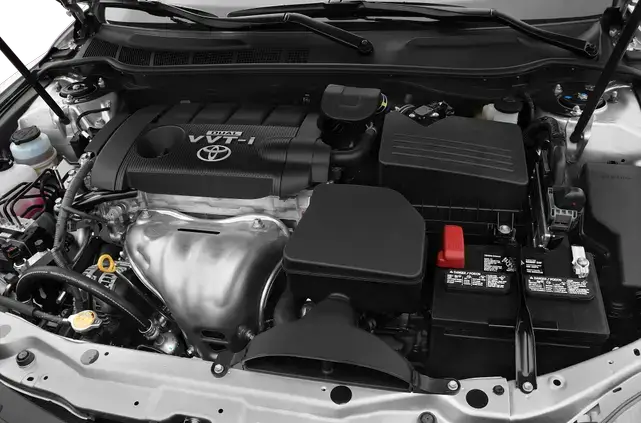
Image Credit: cars.com
When to Consider Buying Used
Buying a used Toyota Camry is one of the smartest financial decisions you can make in the car world. Why? Because you’re getting a vehicle that holds up extremely well over time but costs significantly less than buying new.
Here’s the deal: new cars depreciate fast. In fact, most lose about 20–30% of their value in the first year alone. That means if you buy a Camry that’s two or three years old, you’re getting nearly all the same features at a much lower price point.
Toyota’s legendary reliability means a well-maintained Camry can easily run past 200,000 miles. That means even if you’re buying a model with 60,000–80,000 miles on it, you’ve still got years of solid performance ahead.
Look for Camrys from 2018 or later for modern features like Apple CarPlay, a full suite of safety tech, and better fuel efficiency. Certified Pre-Owned (CPO) models come with warranty coverage and a full inspection, which adds extra peace of mind.
One insider tip? Camry Hybrid models tend to be underappreciated in the used market, which means you can score excellent fuel efficiency at a great price.
Depreciation and Value Over Time
Unlike many competitors, the Camry holds its value surprisingly well. That’s great news whether you’re buying used or thinking long-term for resale.
Here’s a quick look at average depreciation for a Toyota Camry:
- After 1 year: ~20% loss
- After 3 years: ~35% loss
- After 5 years: ~45% loss
Compare that to other sedans in its class that lose 50–60% of their value in 5 years, and you can see why the Camry stands out.
If you keep up with routine maintenance, your Camry will not only last but also retain a respectable resale value. It’s not just a car—it’s a smart financial asset.
Price Ranges and Financing Options
What You Can Expect to Pay
Camrys come in a wide range of prices depending on the model year, trim, mileage, and condition. Here’s a general guide:
| Year/Trim | Average Price Range (USD) |
|---|---|
| 2021–2023 New Models | $26,000 – $36,000 |
| 2018–2020 Used Models | $17,000 – $25,000 |
| 2015–2017 Used Models | $12,000 – $17,000 |
| 2010–2014 Budget Used | $7,000 – $11,000 |
Hybrid trims usually cost $1,500–$3,000 more, but the fuel savings often make up for it in a few years.
One of the Camry’s advantages is that it provides premium-level features without the luxury car price tag. So whether you’re looking for an entry-level option or a top-tier XSE, you’ll find something that fits your budget.
Leasing vs Buying a Camry
Now, should you lease or buy?
- Leasing is great if you like having the latest model every few years. Monthly payments are usually lower, and maintenance costs are minimal. But you’re restricted by mileage limits and don’t own the car.
- Buying makes more sense for the long haul. Once the loan is paid off, the car is yours. It’s especially wise with a Camry, given its longevity. You can drive it for a decade or more, making it one of the most cost-effective options on the road.
Toyota often offers low APR financing and lease deals, so always check with your local dealer or online listings to snag the best deal.
Where to Find a Toyota Camry for Sale
Best Dealerships and Online Platforms
Finding the right Toyota Camry is a mix of timing, research, and knowing where to look. Luckily, there are plenty of reliable options both online and in-person to help you score the best deal.
Let’s start with official Toyota dealerships. These are your go-to if you’re looking for new models, Certified Pre-Owned (CPO) vehicles, or manufacturer-backed warranties. Toyota’s CPO program is especially solid—it includes a 160-point inspection, a 7-year/100,000-mile powertrain warranty, and roadside assistance.
CarMax and Carvana are two online giants worth checking. CarMax offers upfront pricing with a 30-day return policy, while Carvana lets you shop entirely online and delivers the car to your door. These platforms are ideal if you want a no-pressure buying experience.
Looking for private sellers? Try platforms like:
- Facebook Marketplace
- truecar.com
- cars.com
- Autotrader
Just be extra cautious—always get a vehicle history report (from services like Carfax or AutoCheck), and ideally, have the car inspected by a mechanic before buying.
Local used car lots can also have hidden gems. The key is to verify their reputation through online reviews or by asking locals.
Before you buy, don’t forget to compare prices on Kelley Blue Book (KBB) and Edmunds. These sites let you check the fair market value and avoid overpaying.
truecar.com
Tips for Online and Local Shopping
- Set Your Budget First: Know what you’re willing to spend, including taxes, fees, and registration costs.
- Use Search Filters: Narrow results by year, trim, mileage, and price to avoid wasting time.
- Ask for Maintenance Records: This helps gauge how well the car was taken care of.
- Look for One-Owner Vehicles: These tend to have fewer issues.
- Check Dealer Reviews: Yelp, Google, and BBB are your friends.
- Negotiate Smart: Just because it’s listed at $24,000 doesn’t mean that’s the bottom line. Always ask for a better price or added perks.
With the right strategy, you’ll find a Camry that meets your needs, budget, and expectations—without the stress.
How to Inspect a Used Camry
Visual and Mechanical Checks
Buying a used Camry? Great choice—but don’t skip the inspection process. Even with Toyota’s stellar reputation, you’ll want to make sure you’re not buying someone else’s problem.
Here’s a basic visual inspection checklist:
- Exterior: Look for rust, mismatched paint (which may indicate previous accidents), dents, or scratches. Check all lights and turn signals.
- Tires: Uneven wear can signal alignment or suspension problems.
- Glass & Mirrors: Cracks in the windshield or side mirrors could cost you later.
- Interior: Inspect the seats, dashboard, carpets, and headliner. Watch for water stains or weird smells—these could mean water damage.
Next up, the mechanical inspection:
- Engine: Look under the hood. Leaks, corrosion, or strange smells are red flags.
- Transmission: Check if shifts are smooth and responsive—no jerking or hesitation.
- Brakes: Listen for squeaks or grinding noises. Brakes should feel firm.
- Steering & Suspension: Take a test drive and see if the car drives straight and absorbs bumps well.
- Air Conditioning/Heater: Test both thoroughly.
- Electronics: Try the infotainment system, power windows, locks, and mirrors.
If you’re not comfortable inspecting the car yourself, hire a mobile mechanic or take it to a shop for a pre-purchase inspection. It typically costs between $75–$150 but can save you thousands in potential repairs.
Importance of a Vehicle History Report
Never buy a used Camry (or any used car) without a vehicle history report. Services like Carfax or AutoCheck can reveal:
- Accident History
- Title Issues (like salvage or flood)
- Odometer Rollbacks
- Service Records
- Ownership History
Why risk it? Spending $25–$40 on a report is a small price to pay for peace of mind. Plus, if a seller hesitates to provide one, that’s a red flag right there.
Bottom line: a thorough inspection plus a clean vehicle history equals a smart, safe used car purchase.
Negotiating the Best Deal
How to Negotiate With Dealers
Negotiation isn’t just for pros. With a little preparation, you can confidently walk into a dealership and come out with a better deal. Here’s how to do it right:
- Do Your Homework: Use KBB, Edmunds, and NADA to know the fair market price for the Camry you want—based on year, mileage, and condition.
- Start Low, Aim High: Make an offer that’s slightly lower than your target price, leaving room to meet in the middle.
- Be Willing to Walk Away: The most powerful phrase you can use? “I’ll think about it.” This puts pressure on the seller to sweeten the deal.
- Focus on Out-the-Door Price: Ask for the total cost, including taxes, registration, and fees—not just the sticker price.
- Avoid Monthly Payment Talk: Dealers love to frame deals by monthly cost. Stick to the actual vehicle price.
- Ask for Perks: Free oil changes, tire rotations, or extended warranties are all fair game.
Don’t get emotional or rushed. Buying a car is one of the biggest purchases you’ll make—take your time and stay firm.
Hidden Fees to Watch Out For
Dealers love to tack on extras at the last minute. Here are some hidden fees to keep an eye on:
- Dealer Prep Fee: Supposedly covers cleaning and basic inspection. Often unnecessary.
- Documentation Fee: A fee for filing paperwork. $100–$200 is fair, but anything higher? Question it.
- VIN Etching: Sometimes optional, but often added without consent. You can do this yourself cheaper.
- Extended Warranties: Only worth it if you get a solid policy. Otherwise, skip it.
Ask for a breakdown of all charges and question anything that feels padded. A reputable dealer will be transparent.
Ownership Costs
Maintenance and Repairs
Toyota Camrys are known for being low-maintenance, but that doesn’t mean they’re maintenance-free. Here’s what you can expect on average:
- Oil Changes: Every 5,000–10,000 miles ($50–$100)
- Brake Pads: Every 40,000–60,000 miles ($150–$300)
- Tire Replacement: Every 40,000–70,000 miles ($400–$800)
- Battery Replacement: Every 3–5 years ($100–$200)
- Spark Plugs: Every 100,000 miles ($200–$400)
Hybrid models have their own maintenance schedules, but they’re surprisingly cheap to maintain. The battery pack is built to last 8–10 years and is often covered under warranty.
The Camry also has one of the lowest long-term repair costs in its class. Parts are widely available and relatively inexpensive, and most mechanics are familiar with the car.
To save more, follow a preventive maintenance schedule and avoid deferred repairs. A little upkeep now avoids big bills later.
Insurance Costs
Insurance for the Camry is generally affordable, especially compared to sportier or luxury sedans. Here’s what affects your rate:
- Model Year: Newer cars cost more to insure.
- Trim Level: Higher trims (like XSE or TRD) may have higher premiums.
- Location: Urban areas typically have higher rates.
- Driving Record: Clean records = discounts.
On average, expect to pay between $1,200–$1,500 per year for full coverage. Teens or high-risk drivers may pay more, while bundling with home insurance or maintaining a good credit score can lower your rate.
Real Owner Reviews and Feedback
What People Love
Toyota Camry owners are some of the most loyal drivers on the road—and they’re not shy about sharing what they love. Scroll through any online forum, YouTube comment section, or customer review site, and a few themes appear over and over.
First and foremost: reliability. Camry owners often boast about driving their vehicles well past 200,000 miles with little more than routine maintenance. It’s not unusual to hear stories like, “My Camry is still running strong after 15 years!” That kind of longevity builds brand trust—and keeps buyers coming back.
The fuel economy is another big plus. Whether it’s the standard four-cylinder engine or the hybrid model, most Camry drivers enjoy excellent MPG, even after years of ownership. Many say they’ve saved thousands just by avoiding frequent trips to the pump.
Then there’s the comfort and space. Even taller drivers mention how roomy the front seats are, while families love the rear seat legroom. Plus, the quiet cabin and smooth ride make it a favorite for commuters and long-distance travelers alike.
Finally, owners rave about the safety features and tech. From adaptive cruise control to the intuitive touchscreen system, the Camry delivers high-end features at a surprisingly affordable price. People love the balance of simplicity and sophistication—it’s a “Goldilocks” car that gets everything just right.
Common Complaints
No car is perfect, and the Camry has a few drawbacks that some owners point out. One common gripe, especially with older models, is the lack of excitement in driving. Some say the Camry feels “bland” or “too soft” on the road—though the newer SE, XSE, and TRD trims have largely addressed that.
Others mention that road noise can be noticeable on certain models, particularly older ones with less cabin insulation. It’s not a dealbreaker, but something to be aware of if you’re sensitive to sound.
Infotainment systems in pre-2018 models have been criticized for being outdated and lacking features like Apple CarPlay or Android Auto. Thankfully, Toyota fixed this in newer models.
And finally, higher trims can get pricey. Once you add leather, navigation, and a sunroof, the price can sneak into luxury car territory. But most owners still say the value is worth it.
Final Thoughts
Is the Camry Right for You?
If you’re looking for a car that delivers on practicality, comfort, efficiency, and longevity, the Toyota Camry is a top-tier contender. It’s a smart choice whether you’re a first-time car buyer, a parent shuttling kids around town, or someone looking to squeeze every mile out of a tank of gas.
It’s not the flashiest car on the market, but that’s the point. The Camry isn’t trying to be trendy—it’s trying to be reliable. And it succeeds in every way that matters. From its stellar safety ratings to its bulletproof resale value, the Camry continues to set the benchmark for what a midsize sedan should be.
You’ve got options, whether you want a fuel-sipping hybrid, a budget-friendly used model, or a top-trim XSE with all the bells and whistles. And thanks to Toyota’s proven track record, you can buy with confidence.
Bottom line? The Camry is a well-rounded, no-compromise sedan that keeps getting better with age. If you’re hunting for a car that will serve you well for years to come, this is it.
FAQs
1. What is the best year to buy a used Toyota Camry?
The 2018–2021 models are great options. They feature updated styling, advanced safety features, and Apple CarPlay/Android Auto support. Plus, they still benefit from Toyota’s solid reliability reputation.
2. How long will a Toyota Camry typically last?
With proper maintenance, a Camry can easily last 200,000–300,000 miles. Many owners report driving their Camrys for over 15 years without major issues.
3. Is the Toyota Camry good for road trips?
Absolutely. The Camry offers a smooth ride, roomy cabin, and excellent fuel efficiency—especially in hybrid form. It’s one of the most comfortable sedans for long-distance driving.
4. Which Camry trim is best for performance?
The TRD trim is designed for performance enthusiasts. It features a sport-tuned suspension, 301-hp V6 engine, and aggressive styling. It’s a fun and dynamic version of the typically practical Camry.
5. Can I use regular gas in a Toyota Camry?
Yes, all current Camry models—including the V6 and hybrid variants—are designed to run on regular unleaded gasoline, which helps keep fuel costs down.