Imagine giving your car a flawless, showroom-quality paint job without lifting a single brush. Automatic car painting technology is changing the game, making the process faster, cleaner, and more precise than ever before.
If you want your vehicle to stand out with a perfect finish that lasts, understanding how automatic painting works can save you time, money, and frustration. Keep reading to discover how this innovative method can transform your car’s appearance and why it might be the smartest choice for your next paint job.
Benefits Of Automatic Car Painting
Automatic car painting offers many clear benefits for car manufacturers and repair shops. It improves the quality of the paint job and saves valuable resources. This process uses machines to paint cars evenly and quickly. It also reduces waste and pollution, making it better for the environment.
Enhanced Precision And Consistency
Machines apply paint with high accuracy and repeat the same process every time. This means no uneven spots or drips on the car’s surface. The paint layer is smooth and uniform. This level of precision is hard to achieve with manual painting.
Consistent results ensure every car looks perfect. It also reduces the need for touch-ups and corrections.
Time And Cost Efficiency
Automatic painting speeds up the entire process. Cars get painted faster than by hand. This saves time in production or repair. Less time means more cars can be painted in a day.
Faster work lowers labor costs. It also reduces paint waste, cutting material expenses. Overall, automatic painting is a cost-effective choice for businesses.
Eco-friendly Painting Processes
Automatic systems use paint efficiently, producing less waste. They apply only the needed amount of paint on the car. This reduces harmful overspray and pollution.
Many machines use water-based or low-VOC paints. These paints release fewer toxic chemicals into the air. Automatic car painting helps protect the environment and meet regulations.
Key Technologies Behind Automatic Painting
Automatic car painting uses several advanced technologies. These technologies improve the quality and speed of painting. They reduce waste and make the process safer. Understanding these key technologies helps appreciate how modern cars get their smooth, even coats.
Robotic Arms And Sprayers
Robotic arms perform most of the painting work. They move with precision and can reach tight spots. These arms use sprayers that apply paint evenly. The sprayers control the amount of paint released. This reduces overspray and saves paint. Robots work fast and do not tire. This means consistent paint jobs every time.
Ai And Machine Learning Integration
Artificial intelligence helps robots learn from each job. Machine learning adjusts painting patterns for better coverage. It detects errors and corrects them quickly. AI improves the speed and accuracy of painting. It also helps robots adapt to different car shapes. This technology lowers defects and boosts efficiency.
Advanced Paint Formulations
New paint formulas dry faster and last longer. They resist scratches, chips, and fading. These paints work well with robotic sprayers. The formulas produce smooth finishes with less paint. Some paints are eco-friendly and reduce pollution. Advanced paints help cars look new for years.
Steps Involved In Automatic Car Painting
Automatic car painting involves several precise steps. Each step ensures a smooth and lasting finish. Machines handle most tasks with high accuracy. This process helps cars get a flawless look fast. The steps include cleaning, priming, coloring, and finishing.
Surface Preparation And Cleaning
The first step is surface preparation. Machines clean the car to remove dirt and grease. Any old paint or rust gets stripped away. This step ensures paint sticks well to the surface. A clean surface prevents defects and uneven coating.
Primer Application
Next, a primer layer is sprayed on the car. Primer protects the metal and improves paint adhesion. Robots apply the primer evenly over the entire car body. This layer also fills small surface imperfections. Proper primer use leads to a smooth final finish.
Color Coating And Layering
After priming, the color coat is applied. The paint machine sprays multiple thin layers of color. Each layer dries before the next one starts. Layering builds depth and richness in the paint color. Controlled layering prevents runs and splotches.
Clear Coat Finishing
The last step is clear coat application. This transparent layer protects the paint from damage. It adds shine and resistance to weather and scratches. Robots spray the clear coat smoothly and evenly. This final coat gives the car a polished look.

Credit: www.youtube.com
Comparing Automatic And Traditional Painting
Automatic car painting and traditional painting differ in several ways. Each method offers unique benefits and challenges. Understanding these differences helps in choosing the right technique for your vehicle.
Quality And Finish Differences
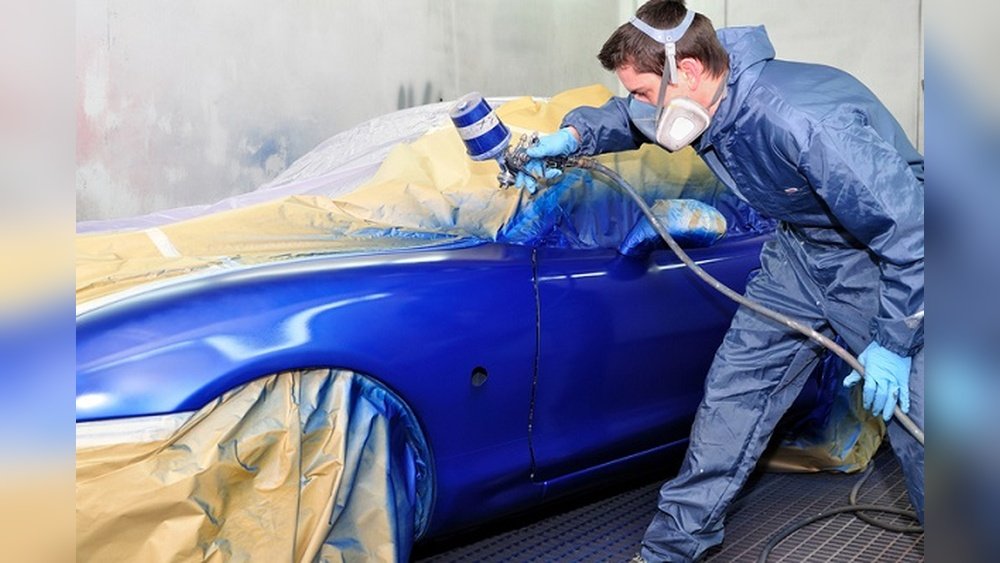
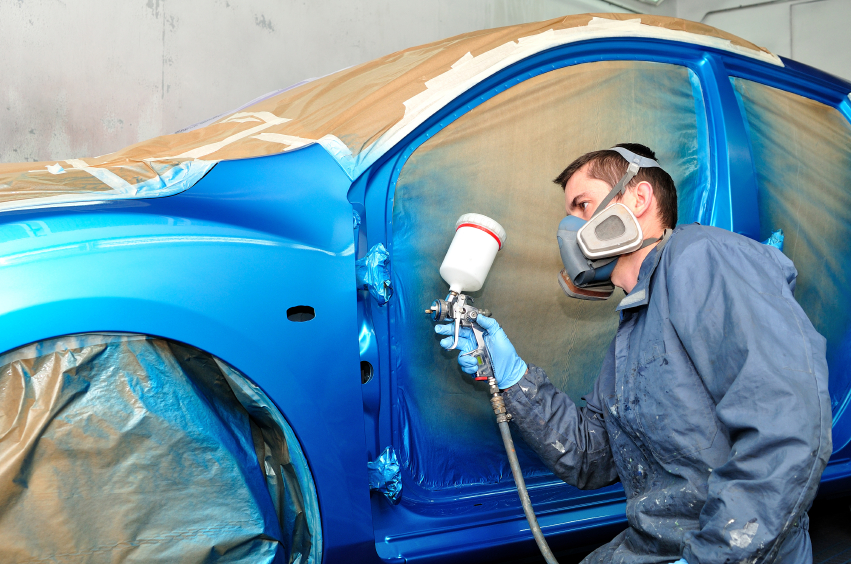
Automatic painting uses machines for a smooth, even coat. This reduces human error and creates a consistent finish. Traditional painting depends on a painter’s skill. It can have small variations in thickness and texture. Automatic methods often produce a glossy, uniform look. Traditional methods may offer more artistic detail in custom jobs.
Labor And Skill Requirements
Automatic painting requires less manual labor. Machines handle the spraying process with precision. Workers mainly set up and monitor equipment. Traditional painting demands skilled painters with steady hands. It takes years to perfect brush and spray techniques. Labor costs are usually higher for traditional painting due to these skills.
Durability And Maintenance
Paint applied automatically tends to be more durable. Even layers protect the car from chips and rust. Traditional paint may wear faster if applied unevenly. Maintenance is easier with automatic paint since it is consistent. Traditional paint may need more touch-ups to keep the car looking good.
Future Trends In Car Painting Automation
The future of car painting automation is full of exciting changes. Technology is making painting faster, smarter, and more accurate. This helps car makers save time and reduce waste. New tools will also let customers get more choices in car colors and styles.
These trends will shape how cars look and how they are made. Automation will not just speed up painting but also improve its quality and flexibility.
Smart Sensors And Real-time Adjustments
Smart sensors can check paint thickness and color during painting. They send data instantly to control systems. The system fixes any errors right away. This means fewer mistakes and less need for rework. Paint jobs will be more even and last longer.
Customization And Personalization Options
New machines can paint unique designs on cars. Customers will choose colors and patterns easily. Automation makes it possible to paint small batches with different styles. This meets the demand for more personal and special cars. Each car can look unique without extra cost.
Integration With Autonomous Vehicle Manufacturing
Car painting will link closely with self-driving car production. Robots in factories will work together to build and paint cars. This will speed up the whole process. Data sharing between robots will reduce errors. Painted cars will be ready faster for the road.
Credit: www.autotrainingcentre.com
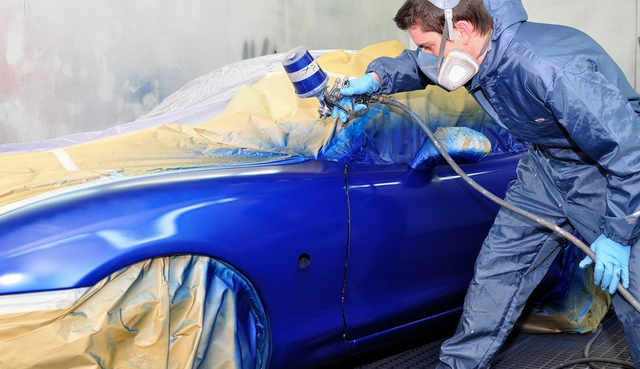
Credit: www.citypaintandbody.com
Frequently Asked Questions
What Is Automatic Car Painting?
Automatic car painting uses robotic systems to apply paint evenly and quickly. It improves consistency and reduces human error in the painting process.
How Does Automatic Car Painting Improve Quality?
Robotic painting ensures uniform coverage and precise control of paint thickness. This results in a smooth, durable finish with fewer defects compared to manual painting.
What Are The Benefits Of Automatic Car Painting?
It increases efficiency, reduces paint waste, and lowers labor costs. Automatic painting also enhances environmental safety by controlling emissions better than manual methods.
Is Automatic Car Painting Cost-effective?
Yes, it reduces labor expenses and minimizes paint usage. The initial investment is offset by long-term savings and improved production speed.
Conclusion
Automatic car painting saves time and ensures a smooth finish. It reduces mistakes and keeps colors even. This technology helps car makers produce more cars faster. It also cuts down on paint waste and pollution. Many shops now use automatic painting to improve quality.
Choosing this method means better results and less effort. It shows how machines can help in car care. Automatic painting is a smart choice for today’s car industry.