
Introduction to Car Audio Alternators
When you think about upgrading your car audio system, most people focus on big subwoofers, powerful amplifiers, and crisp tweeters. But here’s the truth – none of those matter if your car’s electrical system can’t keep up. That’s where your alternator comes in. The alternator is essentially your car’s power plant. It converts mechanical energy from the engine into electrical energy to run everything from your headlights to your sound system.
For stock vehicles with basic stereos, the factory alternator is fine. But once you start adding high-powered amplifiers, extra speakers, and booming subwoofers, the stock alternator often falls short. The result? Dimming headlights, poor bass performance, and even damaged electrical components.
A high-output alternator solves this problem by providing more amperage than a stock alternator. This means your amplifiers get the clean, consistent power they need to perform at their best. Think of it like upgrading from a basic phone charger to a high-speed, heavy-duty charging station – everything just runs smoother.
Why Your Alternator Matters for Car Audio
The alternator’s main job is to keep your car’s battery charged while supplying electricity to all systems. For car audio enthusiasts, this means delivering enough current for amplifiers without starving other systems like the AC, lights, or ECU.
A powerful amplifier can draw hundreds of amps during peak bass hits. If your alternator can’t supply that power, the battery compensates, leading to voltage drops. When voltage drops too much, your amp can go into protection mode or distort the audio. Worse, repeated strain can shorten battery life and damage sensitive electronics.
In short, your alternator isn’t just a background player – it’s the backbone of your sound system. Without the right one, even the best speakers and amps won’t perform as they should.
Understanding the Relationship Between Alternators and Amplifiers
Amplifiers are like thirsty athletes – they need a steady flow of energy to perform at their peak. When you push your car audio system to high volumes, amplifiers demand more power, especially during deep bass notes. This is when your alternator’s limits become very clear.
Here’s the catch: the alternator has to supply both the vehicle’s normal electrical load and the extra demand from your audio system. If it can’t, the system will tap into your battery, causing it to discharge while driving – something it’s not designed to do continuously.
By upgrading to a high-output alternator, you give your amplifiers breathing room. The voltage stays stable, distortion is minimized, and your sound remains clean even when the bass hits hard. For anyone serious about car audio, this upgrade is just as important as buying a quality subwoofer.
Signs You Need a High-Output Alternator
If you’re reading this, there’s a good chance you’re already experiencing some issues with your electrical system. Knowing the symptoms can help you decide whether it’s time to invest in a better alternator.
Common Symptoms of a Failing Alternator
A weak or failing alternator can cause a range of issues:
- Dimming headlights when the bass hits or when driving at night.
- Battery warning light appearing on your dashboard.
- Electrical accessories cutting out or behaving erratically.
- Unusual noises like whining or grinding coming from the alternator area.
- Dead battery even after long drives.
In the context of car audio, if you notice your system sounds great at low volume but struggles or distorts at higher levels, it’s a clear sign your alternator is not keeping up.
How Car Audio Systems Strain Your Electrical System
A factory alternator is designed for standard vehicle needs – starting the engine, running lights, powering the ECU, and maybe charging your phone. High-performance audio systems, on the other hand, can demand double or triple the amperage of a stock setup.
For example, a 2,000-watt RMS audio system can draw around 160 amps at full tilt. Add that to your vehicle’s standard electrical load (often around 50–70 amps), and you’re looking at over 200 amps total. Most stock alternators output 80–120 amps – nowhere near enough.
The result? Constant strain on your alternator and battery, leading to early failure. Upgrading to a high-output alternator ensures your audio gear gets the juice it needs without sacrificing the reliability of your vehicle.
How to Choose the Best Alternator for Car Audio
With so many options on the market, picking the right alternator can feel overwhelming. But if you break it down into a few key factors, the decision becomes much easier.
Key Factors to Consider – Output, Voltage, and Amperage
When shopping for a high-output alternator, you’ll see specs like 250A, 320A, or 370A. The higher the amperage, the more power it can supply. But bigger isn’t always better – it should match your actual needs.
- Amperage Output: Calculate your total system draw and add a safety margin.
- Voltage Regulation: Most car audio systems run best at a steady 14–14.4 volts.
- Idle Output: Many alternators produce less power at idle, so check the specs for idle amperage.
Compatibility with Your Vehicle and Audio Setup
Not every alternator fits every car. Always check:
- Mounting style and pulley type.
- Belt size and alignment.
- Electrical connections.
It’s also worth noting that some high-output alternators require an upgraded Big 3 wiring kit (upgraded battery cables, chassis ground, and alternator power wire) to handle the increased current safely.
Top 10 Best Alternators for Car Audio in 2025
Upgrading your alternator isn’t just about picking the one with the biggest amperage number. It’s about finding the balance between output, reliability, cost, and compatibility with your car. Below are some of the top-rated alternators for car audio enthusiasts in 2025, each offering something unique for different needs and budgets.
1. Mechman Elite Series 300 Amp Alternator
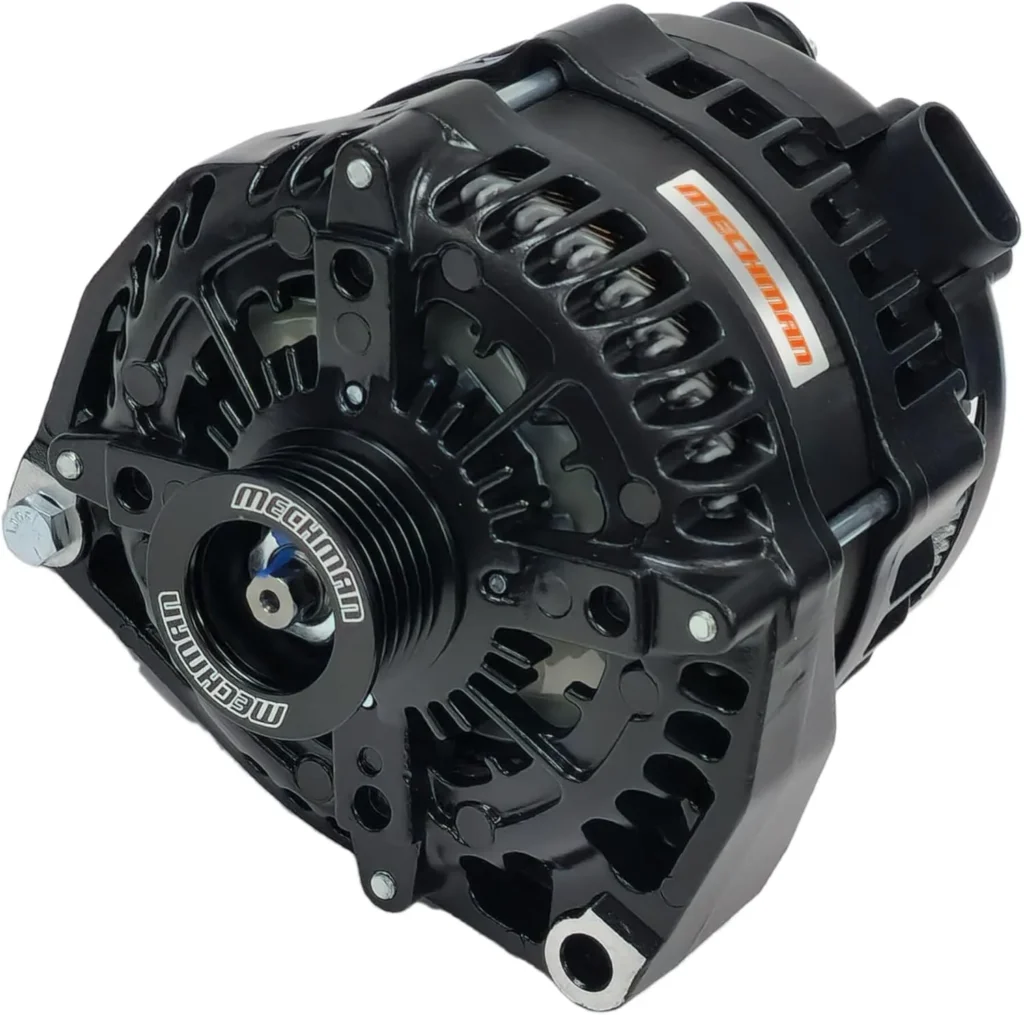
Image Source: Amazon
The Mechman Elite Series 300 Amp Alternator brings professional-grade hardware to your vehicle. Featuring advanced 6-phase technology, dual heavy-duty rectifiers, and 12 oversized diodes, it delivers over 200 A at idle and 300 A at cruise. Ideal for powering performance audio systems, it ensures consistent voltage even under extreme load (Amazon).
Pros:
- Strong idle amperage for parked listening
- Durable components built for heavy usage
- Modern internal design with enhanced cooling
Cons:
- May require a shorter serpentine belt due to taller pulley
- Relatively high price point
Crank your audio system confidently—get reliable, high-output power with this elite Mechman alternator!
2. Mechman E-Series 370 Amp Billet Alternator for GM Trucks
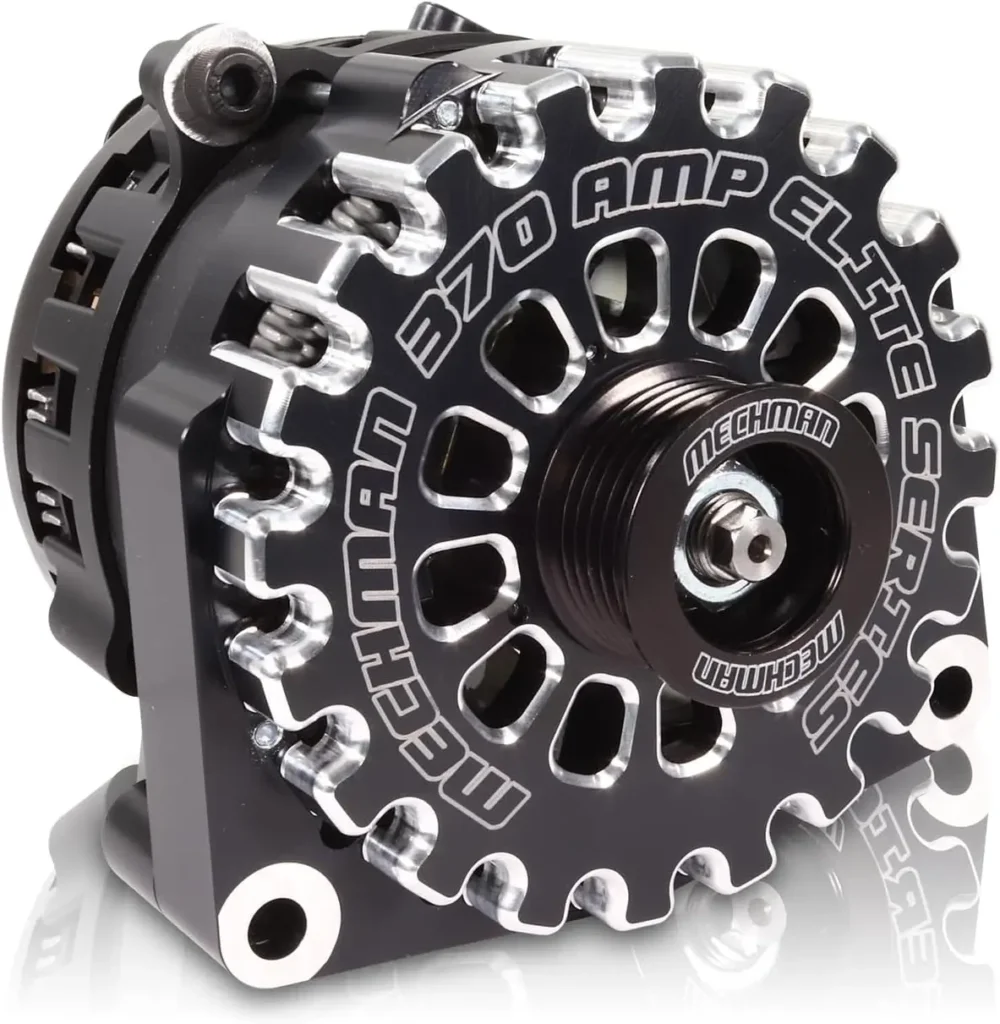
Image Source: Amazon
Designed for modern GM trucks (2005-2018), this Mechman E-Series billet alternator outputs 370 A, featuring a rugged 1-wire setup and 6-rib serpentine pulley. Built for serious upgrades, it’s a go-to for daily drivers and performance rigs alike (Amazon).
Pros:
- Massive amp output for high-demand systems
- Bolt-in installation with OEM-style fitment
- Long-lasting anodized billet construction
Cons:
- May exceed needs for mild setups
- Premium cost reflects its high performance
Upgrade to 370 A of clean power—push your audio system to the next level with Mechman!
3. Speedway Motors GM AD244 Style High-Output 220 Amp Alternator
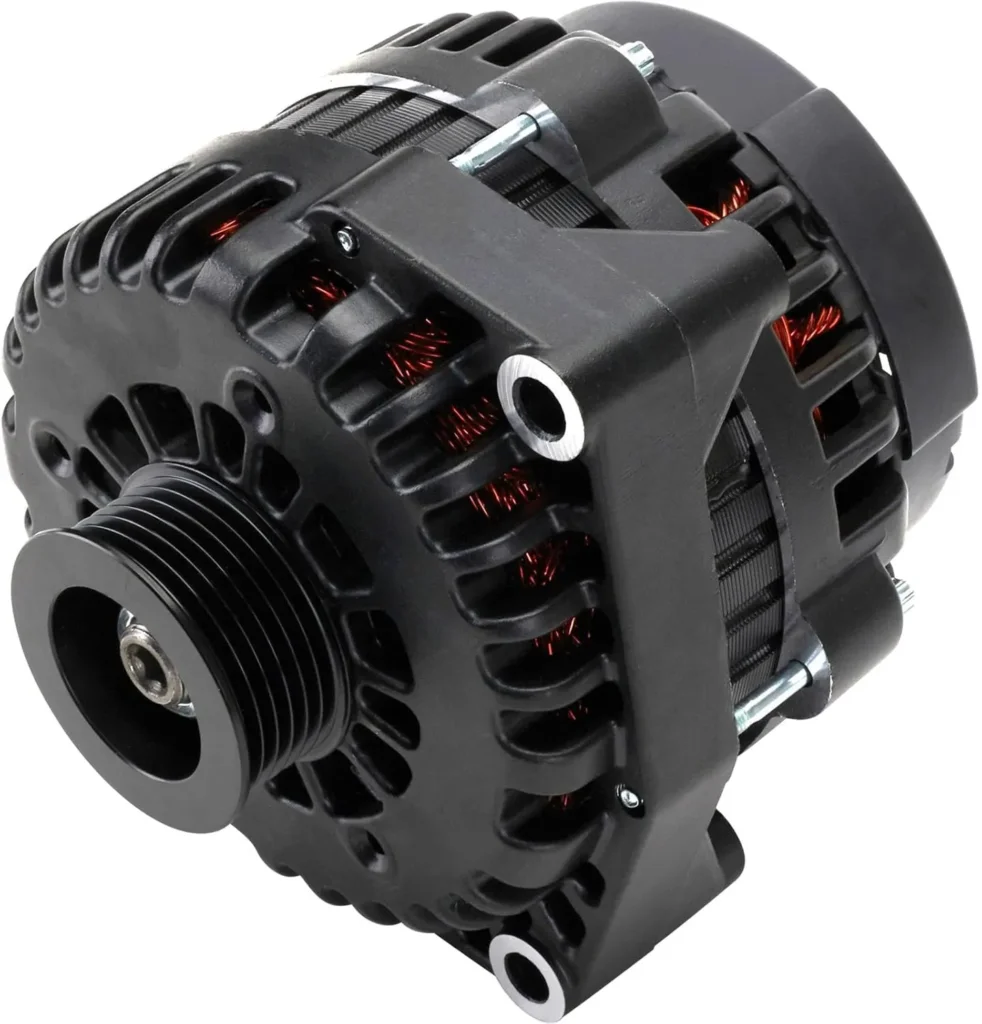
Image Source: Amazon
This AD244-style alternator from Speedway Motors delivers 220 A. Its all-black finish and LS-era truck compatibility make it a seamless, high-performance upgrade for Chevy and GMC drivers (Amazon).
Pros:
- Stark visual upgrade with solid power boost
- Direct fit for LS-era trucks
- Well-rated among users for reliability
Cons:
- Limited to LS-platform vehicles
- Not designed for ultra-high audio demands
Need more power under the hood? Grab this potent plug-and-play alternator today!
4. Mechman 370 Amp Black Billet Alternator (GM Trucks)
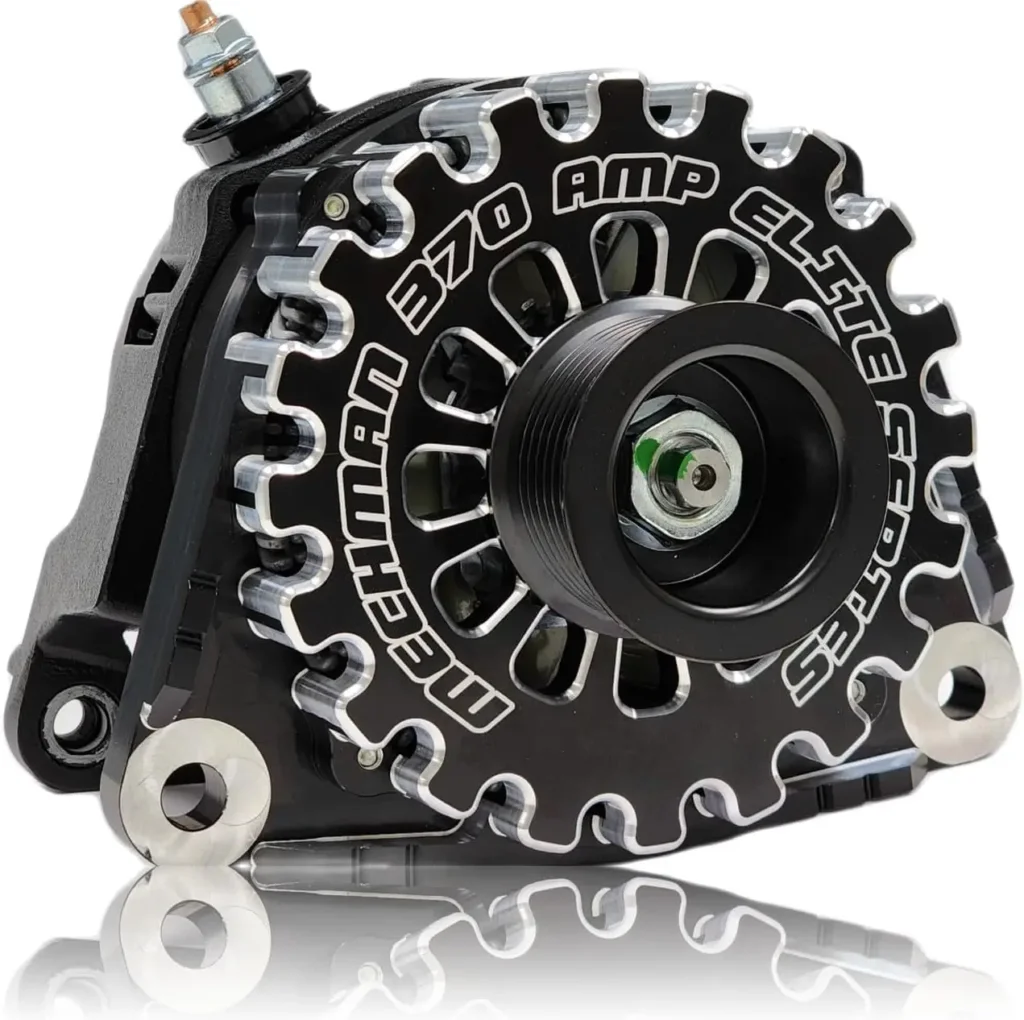
Image Source: Amazon
A high-output champion for GM truck owners, this 370 Amp Mechman alternator offers a durable anodized finish, reliable 1-wire setup, and fitment for popular truck platforms (Amazon).
Pros:
- High amperage for demanding audio systems
- Straightforward installation
- Sturdy billet construction
Cons:
- Premium price
- Exclusive to GM trucks
Ready to push your truck’s audio system beyond limits? Let this alternator do the heavy lifting.
5. Powermaster GM AD244 Black 220 Amp Alternator
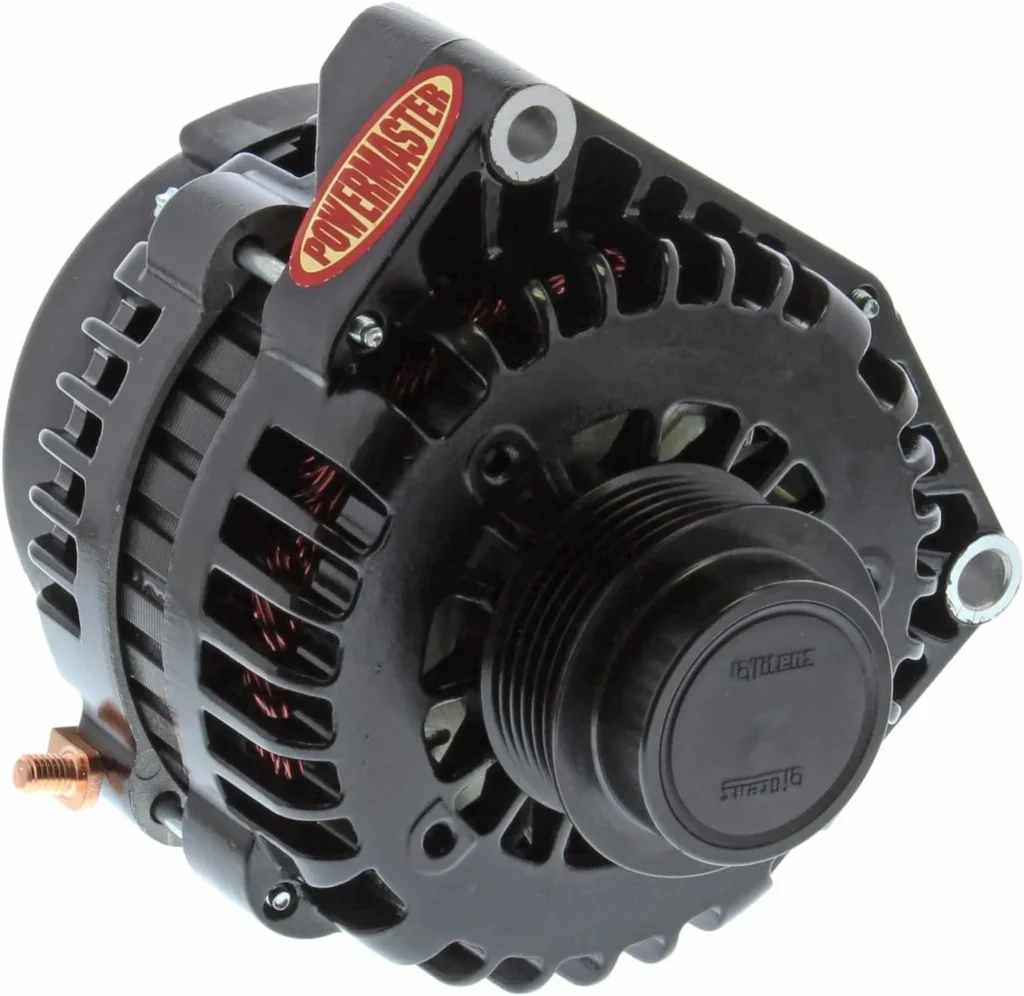
Image Source: Amazon
The Powermaster 58969 alternator delivers a strong 220 A output in an AD244-style housing. It’s a classic upgrade for Corvette owners seeking dependable electrical performance (Amazon).
Pros:
- OEM-style swap for classic vehicles
- Reliable performance and blacked-out design
Cons:
- Not a massive power jump for hardcore audio setups
- Aging model with possibly limited stock
Keep it classic—and powerful. Upgrade your Corvette’s alternator today.
6. Tuff Stuff Performance GM AD244 Alternator – 230 A
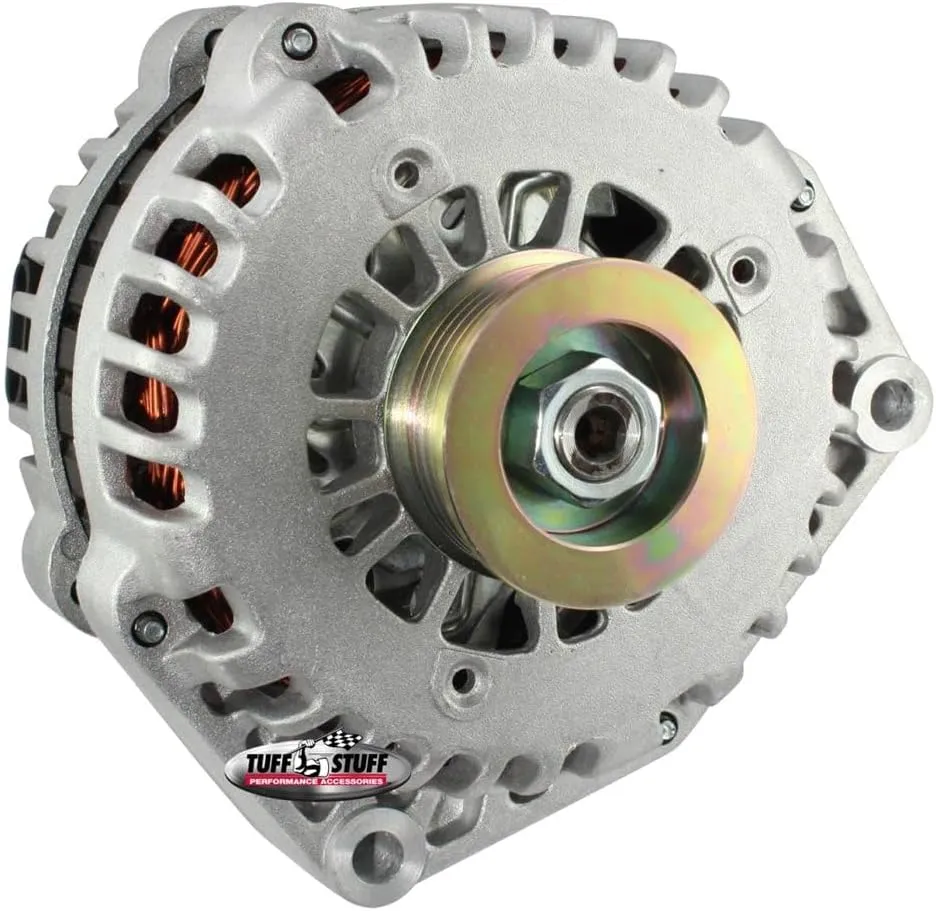
Image Source: Amazon
Hand-built in Cleveland, Tuff Stuff Performance’s AD244 alternator offers 230 A with a 6-groove serpentine pulley and OEM wiring. Crafted to exceed factory standards for muscle cars and hot rods (Amazon).
Pros:
- Precision construction with new components
- 1-year limited warranty
- Stylish performance fit for show cars
Cons:
- Warranty duration could be longer
- Limited to classic car applications
Add horsepower to your electrical system—power your show ride with Tuff Stuff quality today!
7. A-Team Performance GM AD244 Style High-Output 220 Amp Alternator
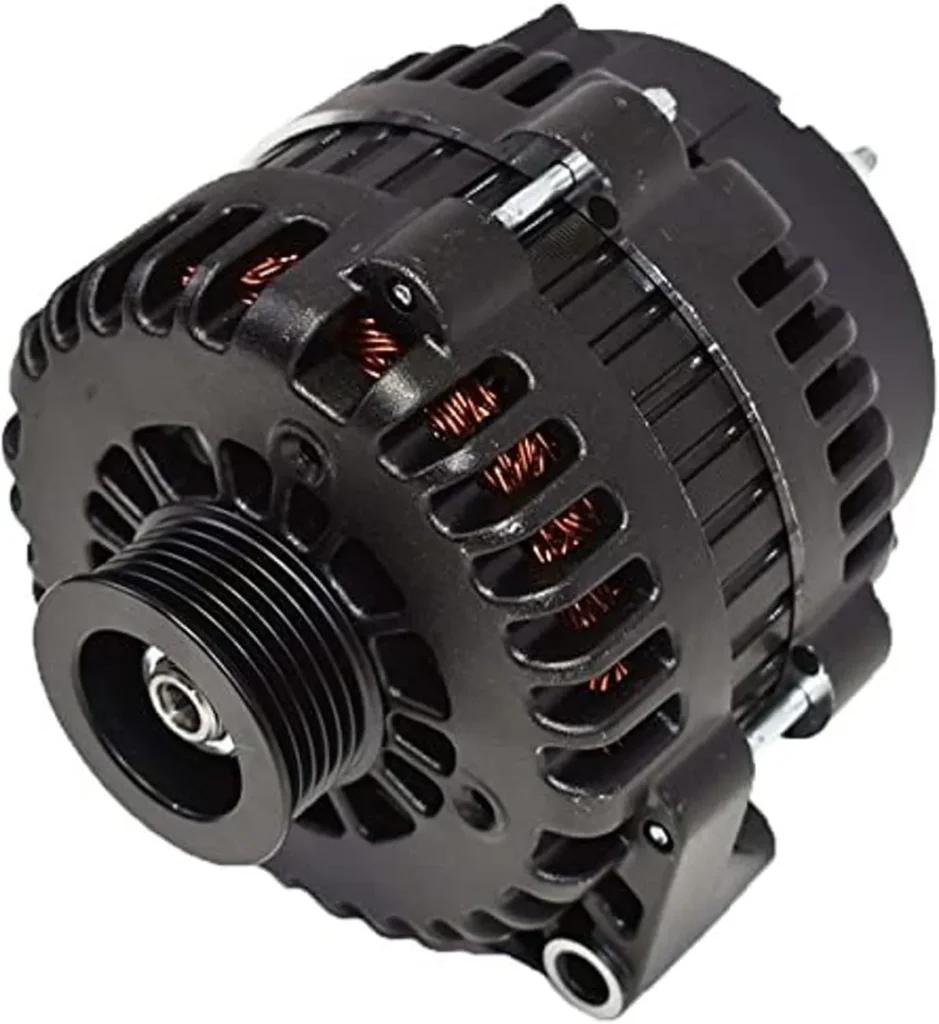
Image Source: Amazon
With a bold 220 A output, A-Team Performance’s AD244 alternator is built for accessorized LS builds. It’s a major jump from stock and pairs well with LS relocation brackets (Amazon).
Pros:
- Significant output boost
- Built for LS engine conversion setups
- Straightforward integration
Cons:
- Designed specifically for LS-related builds
- Larger electrical demands can strain OEM wiring
Max your LS setup—click now to deliver serious amperage to your engine bay.
8. Woosphy 220 Amp AD244 Replacement Alternator (GM LS Trucks)
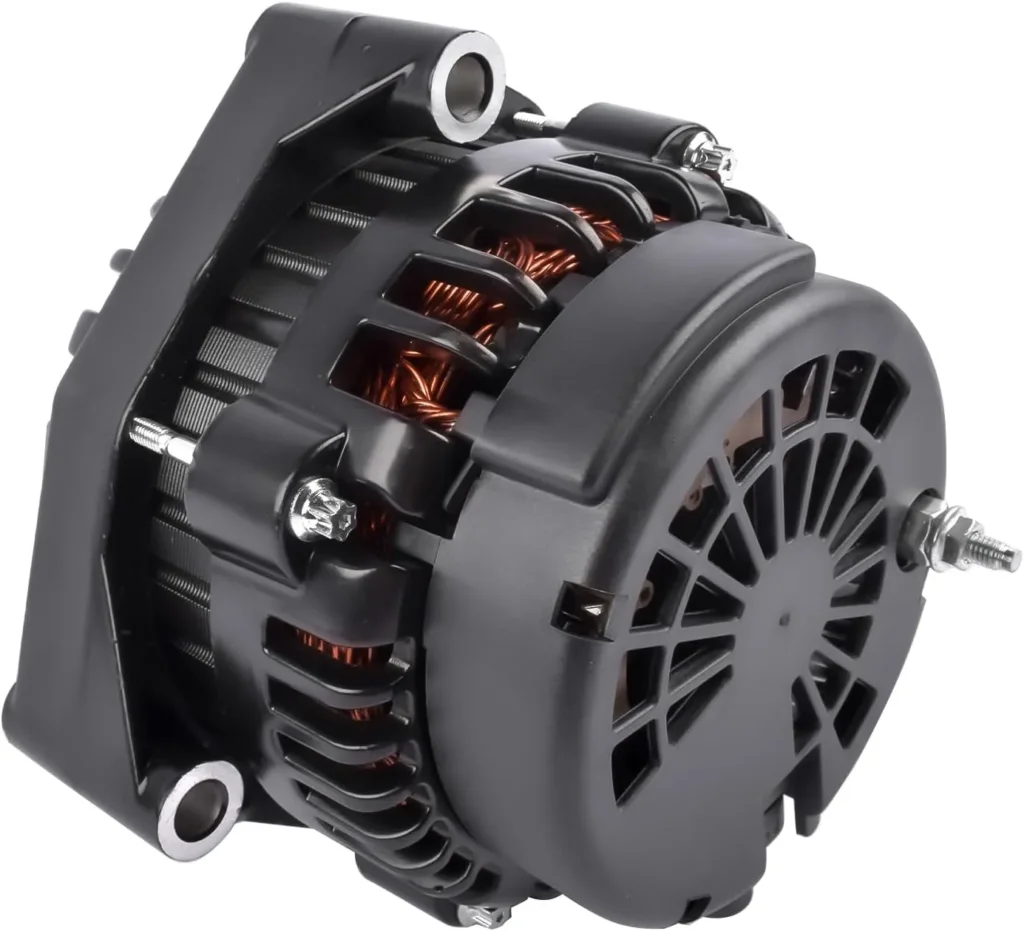
Image Source: Amazon
Offering 220 A output, this Woosphy alternator replaces the AD244 on GM LS-based trucks and vans (1999–2006), delivering a reliable amperage upgrade tailored to your needs (Amazon).
Pros:
- Affordable AD244 alternative
- Smooth fit for early LS pickups
- Easy swap with familiar form factor
Cons:
- May lack the refinement of high-end custom units
- Limited to electrics match
Give your GM LS truck more juice—upgrade with Woosphy’s dependable alternator now.
9. A-Premium 220 Amp Alternator for GM LS Trucks
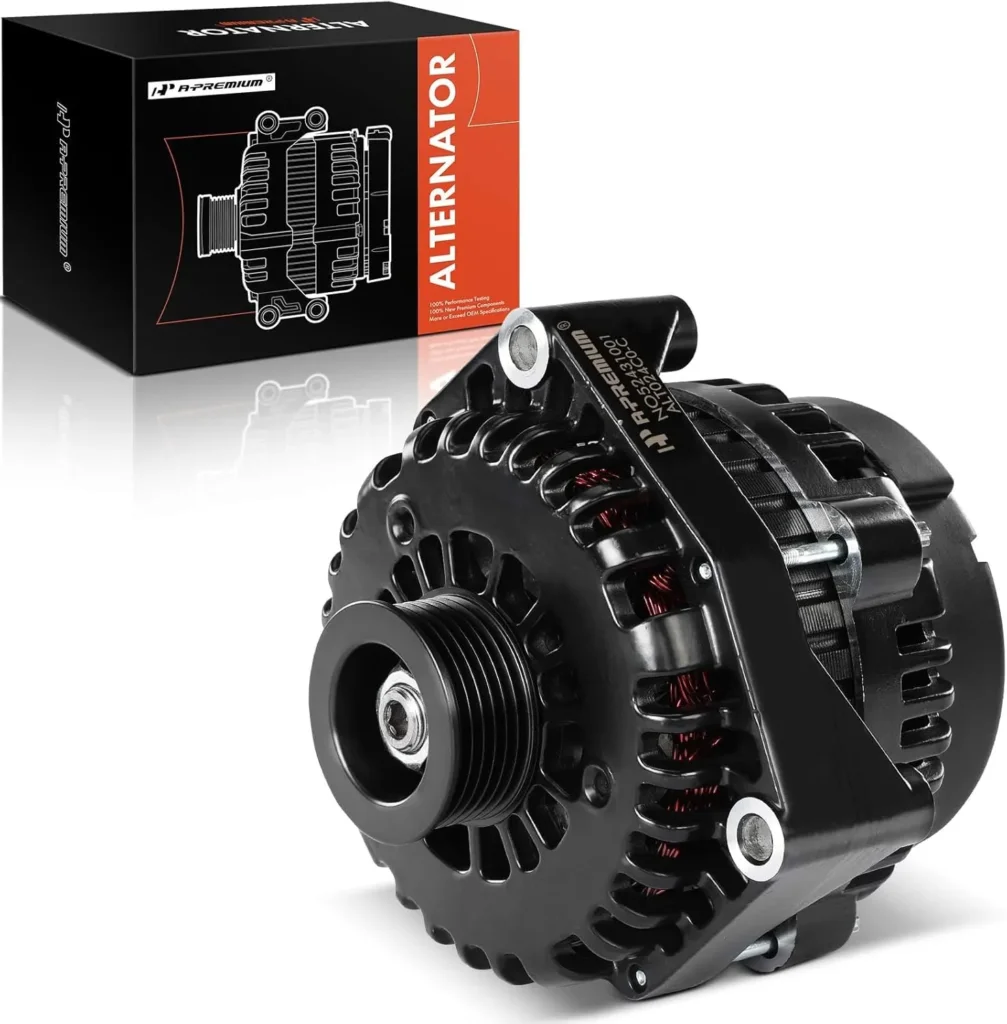
Image Source: Amazon
A-Premium’s alternator delivers 220 A power via a 6-groove pulley for popular GM LS engine models between 1999–2006. Perfect for Chevy, GMC, Cadillac, and Duramax setups (Amazon).
Pros:
- Broad LS compatibility
- Affordable solution for more power
- Smooth installation with OEM-style parts
Cons:
- Lower customer rating (2.7/5)
- Mixed feedback may reflect quality issues
Need a straightforward power boost for your GM LS ride? Lock in this affordable choice today!
10. High Output 300 Amp Alternator for Chevy/GMC/BBC
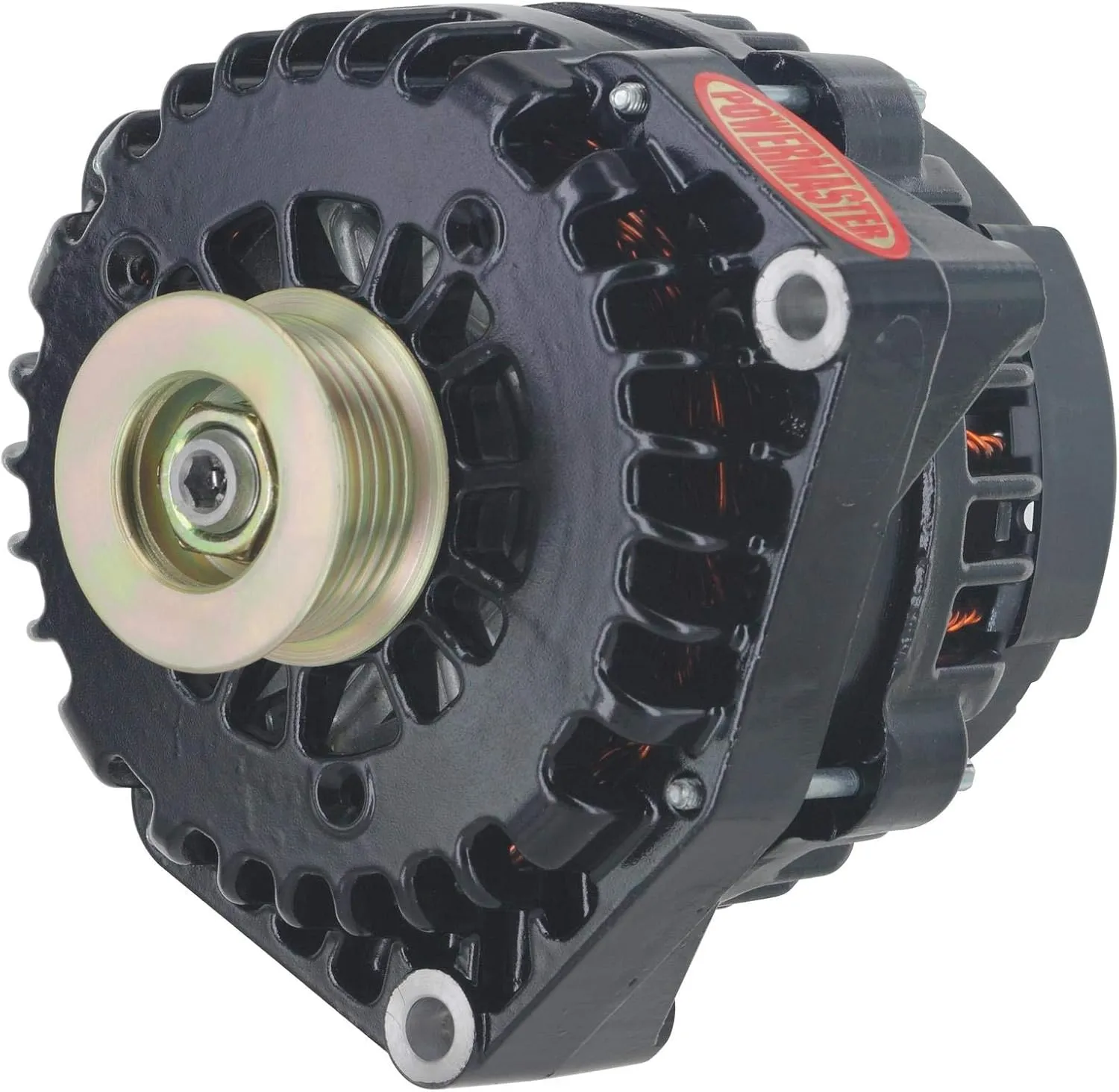
Image Source: Amazon
This 300 A high-output alternator fits a wide range of GM vehicles, including Chevy, Cadillac, GMC, and Pontiac, featuring a hairpin design and 6-phase output—perfect for dual-alternator systems or heavy audio upgrades (Amazon).
Pros:
- Massive amperage for serious systems
- Compatible with many GM platforms
- Great value considering the power
Cons:
- Bulky; may require custom fitment
- Demands upgraded wiring and accessories
Turn up the power—your audio will appreciate the serious amperage this alternator can deliver!
Comparing the Best Alternators for Car Audio
With so many options available, it’s worth looking at price vs. performance, durability, and customer feedback before making a final decision.
Price vs. Performance
High-output alternators can range from $300 to over $1,000. Budget options like Eagle High or AD244 upgrades are great for moderate systems, while premium brands like Mechman and Ohio Generator are best for serious competition setups.
Durability and Warranty
Brands like Nations and DC Power are known for their long-lasting designs, while companies like Singer and JS stand out for their personalized builds and customer service.
Customer Reviews and Real-World Performance
Forums, YouTube reviews, and car audio Facebook groups are gold mines for feedback. Look for real-world idle output numbers and heat performance reports, as these often reveal more than just the spec sheet.
Installing a High-Output Alternator for Car Audio
Upgrading to a high-output alternator isn’t just about buying the part—it’s about ensuring it’s installed correctly so it delivers its full potential. A poorly installed alternator can cause voltage drops, overheating, or even damage to your vehicle’s electrical system.
DIY vs. Professional Installation
If you’re mechanically inclined, installing an alternator can be a rewarding DIY project. Most alternator swaps are straightforward—unbolt the old one, install the new one, connect the wiring, and you’re good to go. But with high-output alternators, there are some extra considerations:
- Wiring Upgrades – A high-output alternator can produce double or triple the current of a stock unit. If your wiring can’t handle it, you risk melted cables or electrical fires. This is where the Big 3 wiring upgrade (alternator-to-battery wire, battery-to-chassis ground, and engine-to-chassis ground) comes in.
- Pulley Sizes – Some high-output alternators use different pulley sizes to optimize output at idle. Installing the wrong pulley can reduce performance.
- Voltage Regulation – Some units require an external voltage regulator. Skipping this can cause unstable voltage and damage your system.
Pros of DIY Installation:
- Saves labor costs (often $100–$200).
- Full control over the quality of wiring and connections.
- Satisfaction of doing it yourself.
Cons of DIY Installation:
- Mistakes can be costly.
- Requires proper tools and electrical knowledge.
- Warranty may be void if improperly installed.
If you’re unsure about wiring or have never worked with automotive electrical systems, a professional installation is worth the investment. Many audio shops specialize in high-output alternators and can ensure everything is done safely.
Common Mistakes to Avoid
- Not Upgrading the Wiring – Your new alternator is only as good as the cables connecting it to the battery. Stock wiring often can’t handle the extra amperage.
- Skipping the Belt Check – A high-output alternator may require a stronger belt to handle the extra load without slipping.
- Forgetting Ground Connections – Poor grounds cause voltage drops and overheating. Always upgrade your ground points.
- Ignoring Idle Output – If your alternator’s idle output isn’t high enough, your audio will still suffer when the engine isn’t revving.
- Overtightening Bolts – This can crack the alternator case or damage the bracket.
Maintaining Your Alternator for Long-Term Performance
Even the best alternator will eventually fail if not maintained. The good news? With a few simple habits, you can make yours last for years, even under heavy audio loads.
Routine Inspections and Cleaning
- Visual Checks – Look for frayed wires, loose connections, or burnt insulation.
- Pulley and Belt Inspection – A worn belt can slip, reducing alternator performance. Listen for squealing noises.
- Cleaning – Keep the alternator free from oil, dirt, and debris. Contaminants can cause overheating and reduce efficiency.
A good rule of thumb is to inspect your alternator every 3–6 months if you’re running a big audio system.
Electrical Load Management Tips
- Avoid Overdriving Your System – Constantly pushing your amplifiers to max output puts a huge strain on your alternator.
- Use a Capacitor – While not a substitute for a high-output alternator, a capacitor can help smooth voltage fluctuations.
- Idle-Up Mods – Some cars can be tuned to increase idle speed slightly when the audio system is in use, boosting alternator output.
- Battery Health – A weak battery forces your alternator to work harder, shortening its lifespan.
Alternatives to Upgrading Your Alternator
Sometimes a full alternator upgrade isn’t necessary. If your electrical needs are moderate, you might be able to improve your system’s stability with a few other upgrades.
Big 3 Wiring Upgrade
The Big 3 upgrade replaces your factory electrical cables with thicker gauge wire, allowing more current to flow with less resistance. This alone can improve voltage stability for many audio systems without changing the alternator.
Adding a Second Battery
If you regularly play music with the engine off, a second deep-cycle battery can store extra energy. This doesn’t replace the need for a strong alternator, but it helps maintain voltage during heavy bass hits.
Myths About High-Output Alternators
Do They Damage Your Vehicle?
A properly installed high-output alternator won’t harm your vehicle. In fact, it reduces strain on the electrical system. Problems only arise from poor installation or mismatched components.
Do You Really Need One for Small Audio Systems?
If your audio system is under 1,000 watts RMS, your stock alternator is probably fine. But anything above 1,500 watts RMS will benefit from an upgrade, especially if you experience voltage drops.
Conclusion – Choosing the Right Alternator for Your Audio Dreams
A high-output alternator is the heartbeat of a powerful car audio system. It ensures your amplifiers get steady, clean power so your music hits as hard as it should. Whether you go for a budget-friendly option like Eagle High or a competition-grade beast from Ohio Generator, the key is matching the alternator to your actual power needs and installing it correctly.
With the right alternator, your car audio system will sound better, last longer, and perform at its full potential every time you turn up the volume.
FAQs
1. What size alternator do I need for 2000 watts RMS?
You’ll need an alternator with at least 200–250A output, depending on your vehicle’s other electrical loads.
2. Can I run my audio system on the stock alternator?
For small setups under 1,000 watts RMS, yes. Bigger systems need a high-output alternator for reliable performance.
3. Do high-output alternators affect fuel economy?
Slightly, but the difference is minimal unless you’re constantly pulling maximum power.
4. How long does a high-output alternator last?
With proper maintenance, 5–8 years is typical—even under heavy audio loads.
5. What’s the difference between a stock alternator and a high-output alternator?
A high-output alternator can produce significantly more amperage, especially at idle, to support power-hungry systems.