Introduction
Keeping your synthetic leather car seats clean doesn’t just make your interior look great—it also prolongs the life of your seats and keeps your vehicle feeling like new. But here’s the kicker: synthetic leather (also known as faux leather, leatherette, or vegan leather) isn’t the same as genuine leather. It doesn’t react the same way to cleaners, and using the wrong product could do more harm than good.
Many car owners make the mistake of treating synthetic leather the same way they treat natural leather. They’ll grab any cleaner off the shelf or even use harsh household cleaners, and before long, the seats start to fade, crack, or peel. That’s not what you want. You want your car to smell fresh, look smooth, and last for years—and that starts with using the right cleaner.
This guide isn’t just a list of products. We’ll dive deep into why synthetic leather needs unique care, how to spot a high-quality cleaner, and which products outperform the rest. If you’ve ever looked at your car seats and thought, “What happened to them?”—this guide is for you.
Understanding Synthetic Leather
What is Synthetic Leather?
Synthetic leather, often labeled as PU (polyurethane) or PVC (polyvinyl chloride), is a man-made material designed to mimic the look and feel of real leather. While it may not have the same luxurious touch as top-grain leather, it offers some unique benefits: it’s more affordable, easier to maintain, and highly resistant to moisture and stains.
But here’s the thing—synthetic leather is essentially a plastic-based material layered over a fabric backing. That makes it more durable in some ways, but also more vulnerable in others. Unlike genuine leather, synthetic doesn’t “breathe.” It can’t absorb conditioners the same way, and certain solvents or alcohol-based cleaners can eat away at its surface.
Differences Between Synthetic and Genuine Leather
Let’s make this simple:
| Feature | Genuine Leather | Synthetic Leather |
|---|---|---|
| Made from | Animal hide | Plastic & fabric layers |
| Porosity | High (breathable) | Low (non-porous) |
| Absorption | Absorbs oils/conditioners | Doesn’t absorb well |
| Durability | Can crack over time | Can peel or flake |
| Cost | Expensive | More affordable |
Because of these differences, you can’t just treat them the same way. What works for your genuine leather wallet or sofa won’t necessarily be safe for your synthetic car seats.
Why Regular Cleaning Matters
Just because synthetic leather is “easier” to maintain doesn’t mean you can ignore it. In fact, regular maintenance is what prevents the ugly stuff—like surface grime, embedded stains, fading, or premature peeling.
Dust, oils from your skin, spilled drinks, sunscreen, and even sweat can build up fast. And since synthetic leather doesn’t breathe, these contaminants just sit on the surface, breaking it down little by little. A good cleaner doesn’t just remove the dirt; it helps protect the material so your seats stay fresh, flexible, and looking sharp.
Features to Look for in a Synthetic Leather Cleaner
pH Balance and Chemical Composition
When you’re shopping for the best cleaner, don’t just go for the one that “smells the nicest” or promises instant shine. You want to look for something that is pH-balanced—typically around neutral (7) or slightly acidic. This helps maintain the synthetic material’s surface without causing deterioration or dullness.
Avoid cleaners that contain:
- Ammonia
- Bleach
- Alcohol-based solvents
These might clean well on other surfaces, but on synthetic leather, they can dry it out or cause it to peel over time.
Conditioning vs. Cleaning Agents
Here’s where many people get confused. Do you need a cleaner, a conditioner, or a 2-in-1 combo?
- Cleaners focus on removing dirt, oil, and stains.
- Conditioners are meant to moisturize and protect the surface from drying or cracking.
- 2-in-1 products can do both, but they’re often a compromise.
For synthetic leather, a mild cleaner with protective polymers is usually ideal. Conditioners are less essential than with genuine leather, but some still help keep the surface flexible and smooth.
Spray vs. Wipe: Which is Better?
Sprays are more versatile and allow for better control, especially if you’re trying to reach between tight seams or curves. Wipes, on the other hand, are convenient for quick clean-ups but may lack the strength for deeper cleaning.
Best option? Use a spray for routine care and wipes for quick maintenance. It’s not a matter of either/or—it’s about how and when you use them.
Top 5 Best Cleaner for Synthetic Leather Car Seats
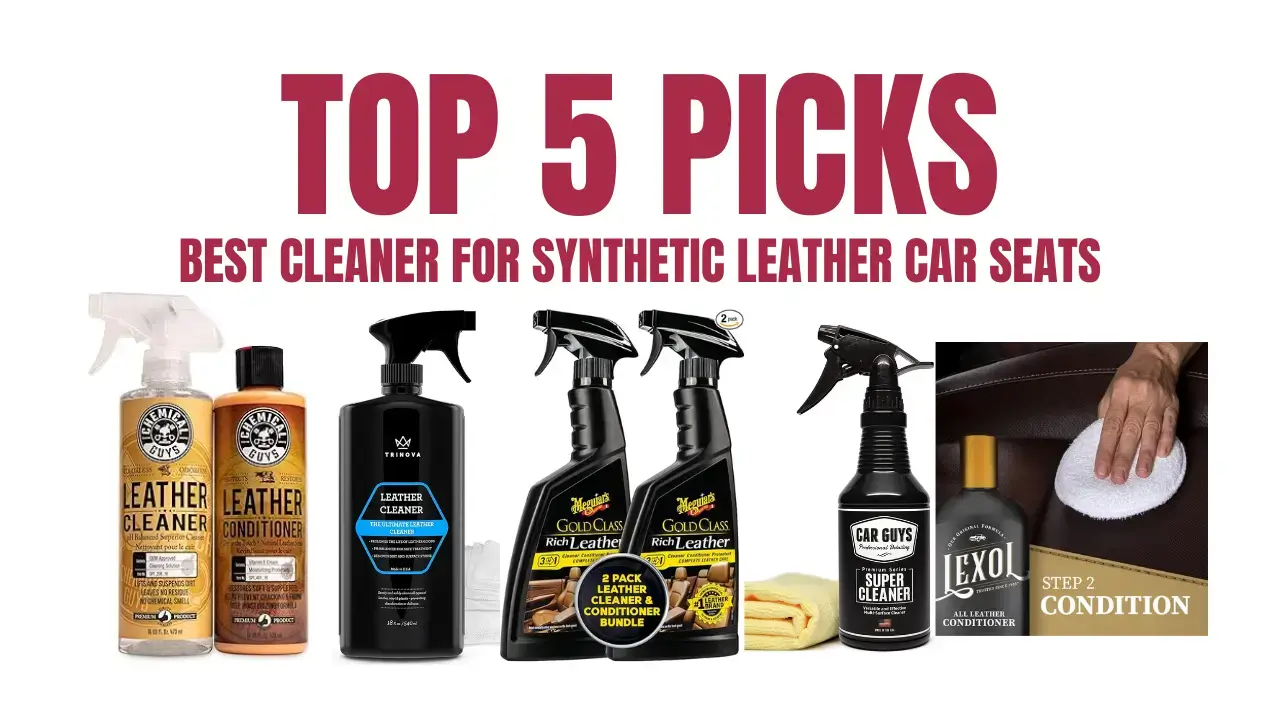
Ready to dive into the best products for the job? Here are the top 5 cleaners that car enthusiasts, detailers, and everyday drivers swear by.
1. Chemical Guys Leather Cleaner and Conditioner
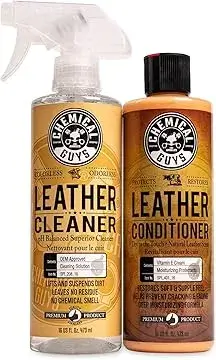
Image Source: Amazon
If you’re after a complete care kit, this one checks all the boxes. It’s pH-balanced, odorless, and comes with both a cleaner and a conditioner in separate bottles. Unlike harsh formulas, this cleaner gently lifts dirt without leaving behind a greasy film.
Pros:
- Two-step system for better control
- Safe for synthetic and genuine leather
- Leaves no residue or shine
Cons:
- Requires extra time (clean and then condition)
- Slightly more expensive
Why it’s great for synthetic leather: It’s specifically formulated to avoid drying agents and works well on non-porous materials.
2. Meguiar’s Gold Class Rich Leather Cleaner and Conditioner
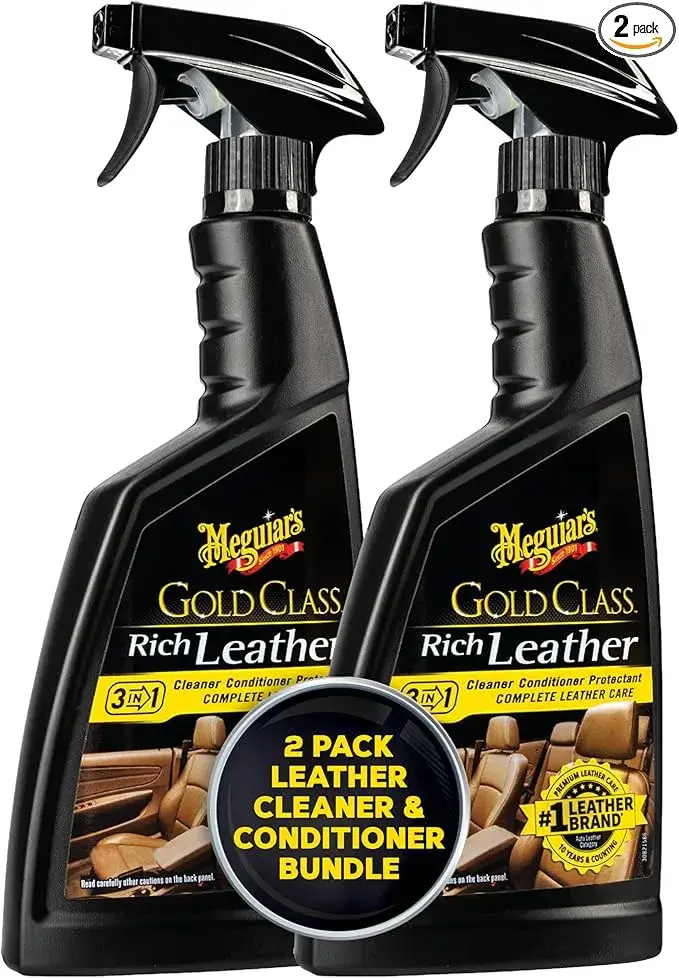
Image Source: Amazon
Meguiar’s has been a household name in auto care for years—and for good reason. This product is a 3-in-1 cleaner, conditioner, and protector, which makes it ideal for quick maintenance.
Pros:
- Easy application
- Leaves seats looking richer and cleaner
- Trusted brand reputation
Cons:
- Slightly more suited to genuine leather, though still safe for synthetic
- Might feel a bit slick initially
Still, it’s gentle enough for synthetic leather and a good all-in-one option.
3. TriNova Leather Cleaner
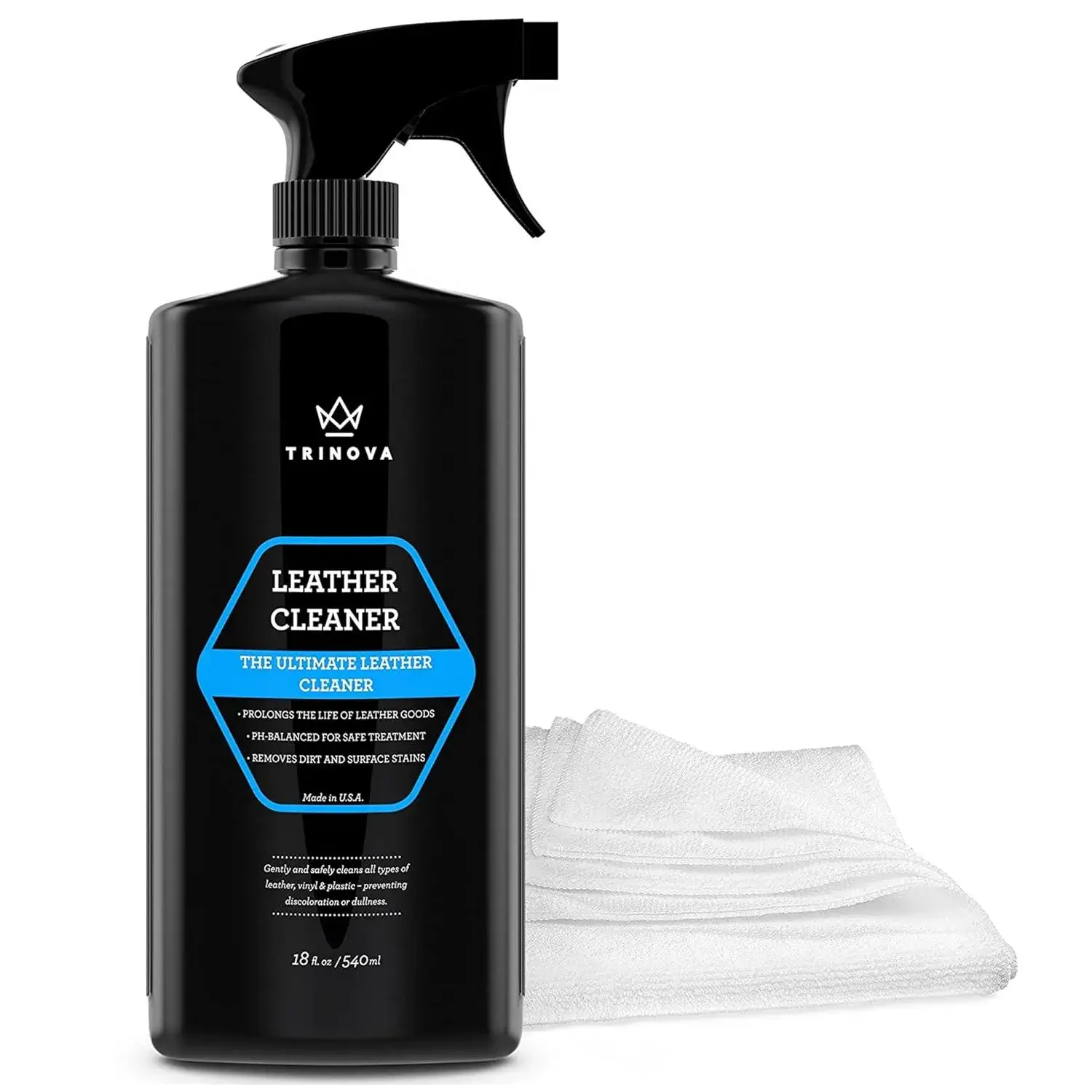
Image Source: Amazon
TriNova Leather Cleaner is a fan favorite when it comes to cleaning synthetic leather. It’s marketed as a universal cleaner for all types of leather—including PU and faux—making it perfect for synthetic car seats. What sets TriNova apart is its gentle yet effective formula. It doesn’t contain harsh alcohols or petroleum-based solvents, which are notorious for damaging synthetic materials.
Pros:
- Safe for synthetic leather
- Non-toxic and easy to apply
- Comes with a spray bottle for even distribution
Cons:
- No conditioning properties
- May require a second application for deep stains
This cleaner is best when paired with a microfiber cloth and applied in a circular motion. It’s particularly effective at lifting oily residues and daily grime without compromising the integrity of the seat’s surface. What we love about TriNova is that it gives you that “just detailed” look without the mess, greasy feel, or overpowering scent.
If you have light-colored synthetic leather or seats that are used heavily (kids, pets, commuting), this cleaner offers a great balance of power and gentleness. It’s also biodegradable, which makes it an eco-conscious option for those looking to reduce their environmental impact.
4. CarGuys Super Cleaner
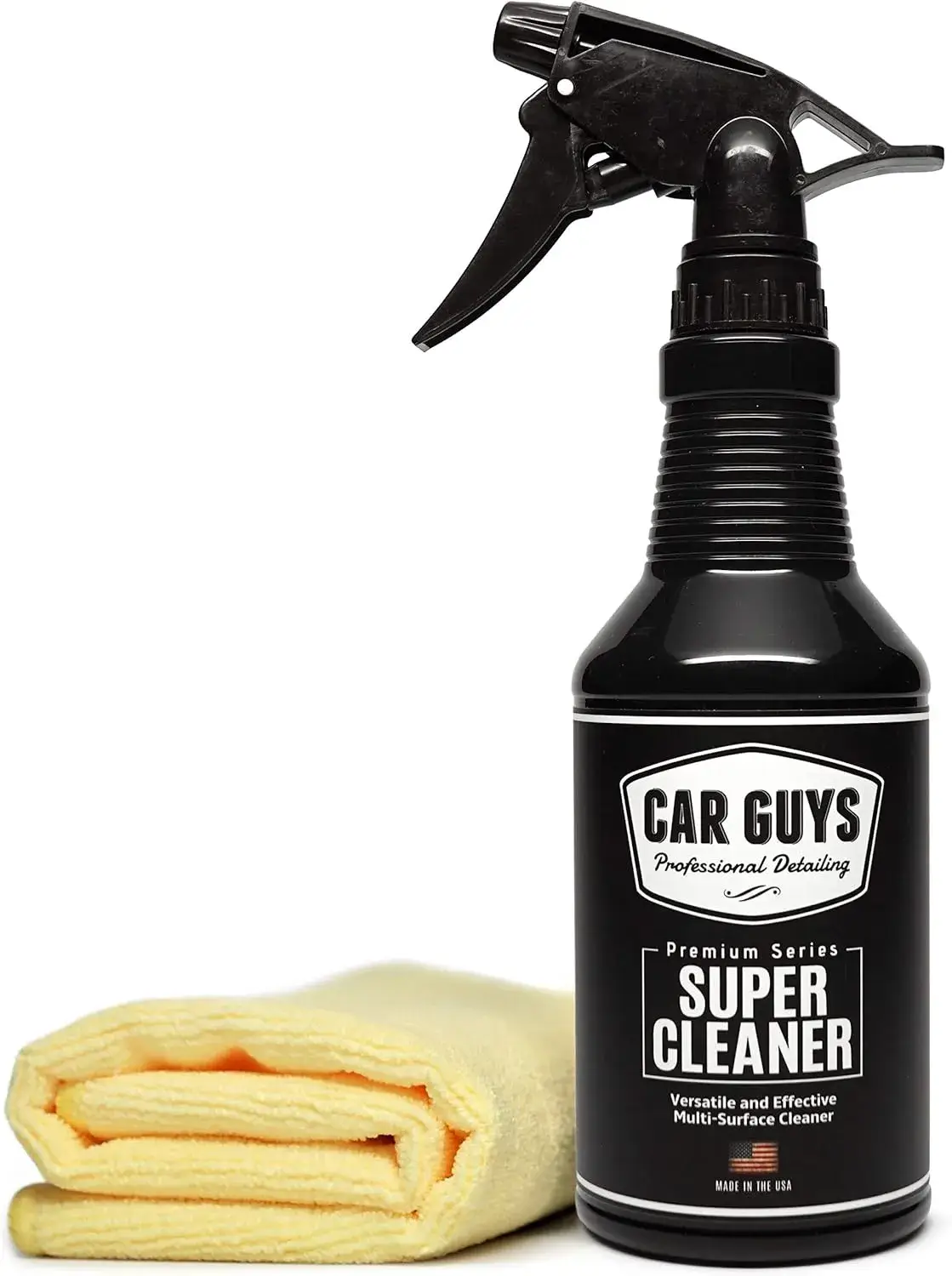
Image Source: Amazon
Don’t let the name mislead you—CarGuys Super Cleaner isn’t just for gearheads. It’s actually one of the most versatile and powerful all-purpose cleaners on the market, and it works exceptionally well on synthetic leather. While it’s not a dedicated “leather cleaner,” it’s tested and proven to be safe on PU and faux leather surfaces.
Pros:
- All-purpose use (interior, exterior, fabric, leather, plastic)
- Very effective on stains
- Fast-drying and residue-free
Cons:
- Doesn’t condition the surface
- Slightly pricey for a multi-purpose product
This cleaner is ideal for those who want one bottle to do it all—whether it’s the dashboard, door panels, or car seats. What’s impressive is its ability to break down grime, soda spills, food stains, and even ink marks with just a few sprays. Just spritz it on a microfiber towel, gently scrub, and you’ll notice the seats looking almost brand new.
Although it doesn’t include conditioners, you can pair it with a dedicated protectant if needed. If you’re someone who values time, simplicity, and serious results, this one’s for you.
5. Lexol All Leather Cleaner and Conditioner
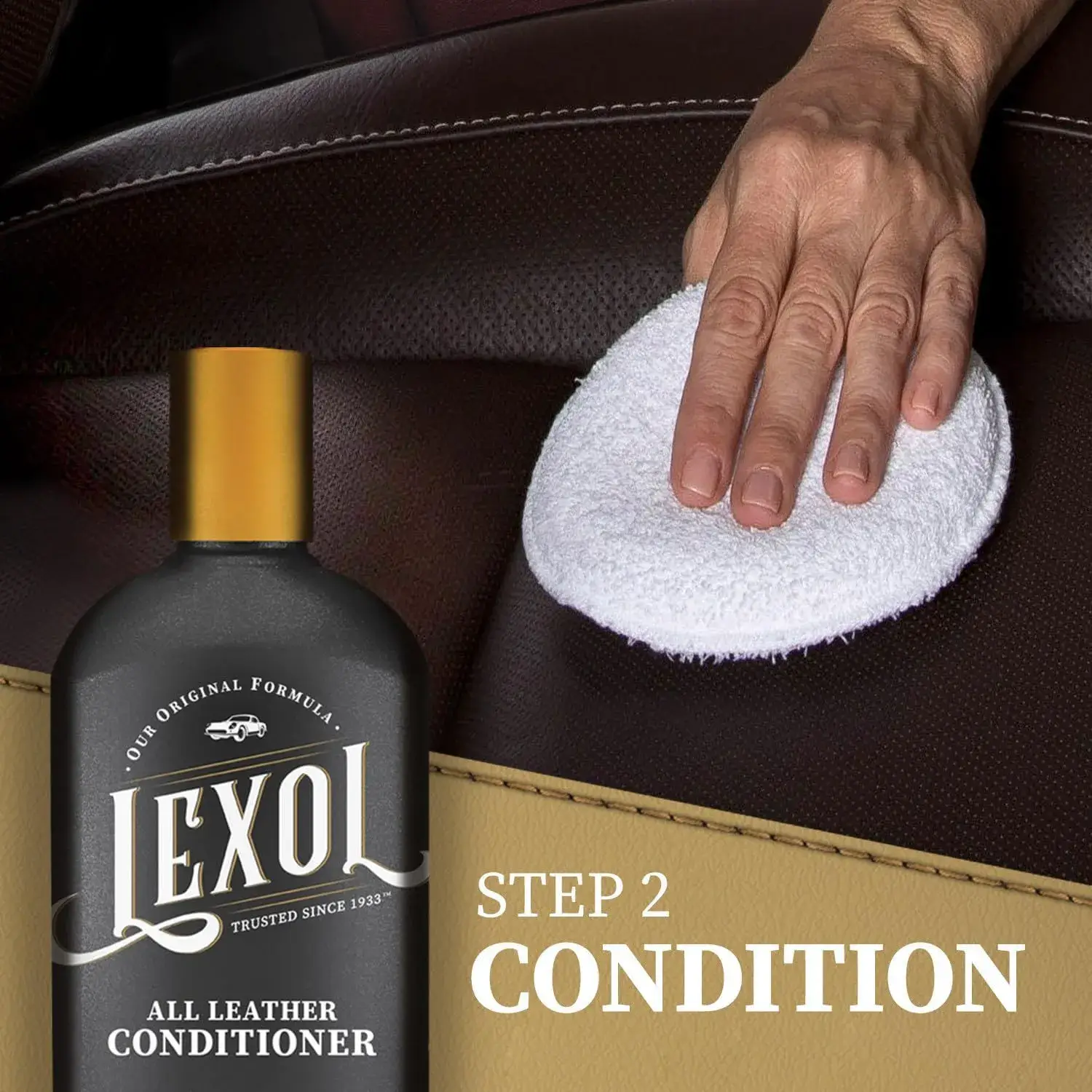
Image Source: Amazon
Lexol is a staple in leather care, but did you know it works quite well on synthetic leather too? Their cleaner and conditioner combo is specially formulated to clean without stripping away essential surface coatings, making it a gentle yet effective option for maintaining your synthetic seats.
Pros:
- Two-step system ensures thorough care
- Doesn’t leave a greasy finish
- Known for extending the life of seat materials
Cons:
- Slightly more work to use both products
- Some users find the smell strong
One key benefit of Lexol is its ability to restore the softness and suppleness of synthetic seats, which tend to feel stiff over time. When applied regularly, it helps reduce the risk of cracking and keeps your seats looking vibrant.
Use the cleaner first to break down the dirt, then follow with the conditioner to lock in moisture and protection. It’s a process, yes—but the results are well worth it. If your synthetic leather seats are starting to look faded or feel rough, Lexol can revive them beautifully.
How to Properly Clean Synthetic Leather Car Seats
Cleaning synthetic leather isn’t hard—but there’s a right way and a wrong way. Doing it incorrectly can shorten the lifespan of your seats or make them look worse than before. So let’s break it down step-by-step.
Step-by-Step Guide to Cleaning
- Vacuum the Seats: Before you apply any cleaner, remove all dust, crumbs, and debris using a vacuum with a soft brush attachment. This prevents dirt from scratching the surface during cleaning.
- Apply Cleaner: Spray your cleaner of choice onto a microfiber cloth, not directly on the seat. This gives you better control and prevents over-saturation.
- Gently Scrub: Use circular motions to scrub the seat surface. Don’t press too hard—you’re not sanding wood. Let the cleaner do the work.
- Wipe Clean: Use a clean, dry microfiber towel to wipe away the loosened dirt and cleaner residue.
- Apply Conditioner (Optional): If using a 2-step system, now’s the time to apply conditioner. Let it sit for 10–15 minutes, then buff it out with a clean towel.
- Air Out the Car: Leave the doors open for 5–10 minutes to allow any remaining vapors to dissipate.
Dos and Don’ts of Maintenance
Do:
- Use microfiber cloths
- Clean spills immediately
- Stick to pH-balanced products
Don’t:
- Use bleach or alcohol-based products
- Scrub aggressively
- Leave seats wet for too long
How Often Should You Clean?
- Light use: Once every 4–6 weeks
- Heavy use (kids/pets): Every 2–3 weeks
- After spills or stains: Immediately
The more you stay consistent, the easier it is to keep your seats in great shape. Regular maintenance prevents buildup and saves you from deep-cleaning marathons later.
DIY Alternatives for Cleaning Synthetic Leather
Professional cleaners are great, but sometimes you want a quick fix or don’t have a product on hand. There are DIY alternatives you can try—just know when and how to use them safely.
Homemade Cleaner Recipes
1. Vinegar and Water Mix
- Mix equal parts white vinegar and water in a spray bottle.
- Add a few drops of dish soap for extra cleaning power.
- Shake well and apply with a microfiber cloth.
2. Baking Soda Paste
- Make a paste of baking soda and water.
- Apply to stubborn stains and let it sit for 5–10 minutes.
- Wipe clean with a damp cloth.
3. Olive Oil and Lemon Juice
- Mix 1 part lemon juice with 2 parts olive oil.
- Use as a conditioner substitute after cleaning.
- Buff with a soft towel to add shine.
When You Should Avoid DIY Methods
While DIY methods are handy, they’re not always safe:
- Don’t use on colored synthetic leather—vinegar may dull or fade the dye.
- Avoid using essential oils—they can stain and attract more dirt.
- Don’t rely on DIY cleaners for heavily soiled or stained seats.
When in doubt, do a spot test in a hidden area first. If you see any discoloration or texture change, avoid using the DIY cleaner on the entire surface.
Preventive Maintenance Tips
They say prevention is better than cure, and when it comes to synthetic leather seats, that couldn’t be more true. You could have the best cleaner in the world, but if you’re not taking preventive steps, you’re still fighting a losing battle. So let’s look at how to keep your seats cleaner for longer—and reduce wear and tear in the process.
Using Seat Covers
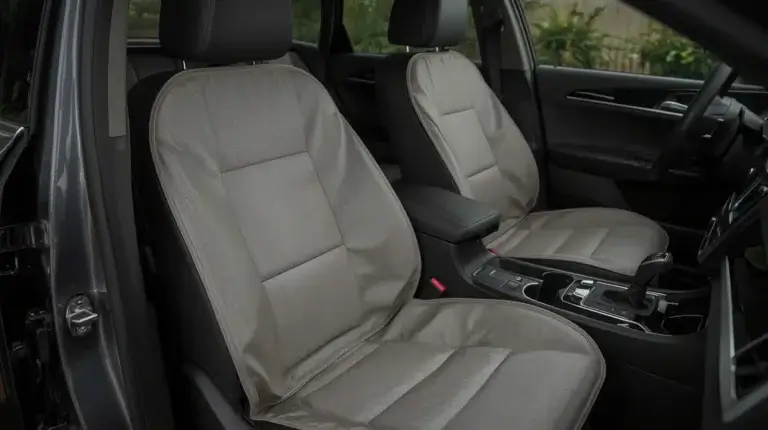
Let’s start with the obvious but often overlooked option—seat covers. These are your first line of defense against dirt, moisture, UV rays, and even your morning coffee spill. Modern seat covers come in a variety of styles and materials, many designed specifically for synthetic leather. They’re breathable, easy to remove, and even washable.
If you have kids, pets, or frequently transport tools or gym gear, seat covers are a must. They save your seats from stains and keep that synthetic leather in top shape.
UV Protection and Parking Tips
Sunlight is a silent killer when it comes to synthetic leather. Extended exposure to UV rays can cause the material to fade, dry out, and eventually crack. If your car sits in the sun all day, invest in:
- Windshield sun shades
- Tinted windows (where legal)
- Covered parking or carports
Even something as simple as parking in the shade can prolong your seat’s life. UV rays degrade the outer coating on synthetic leather, making it more vulnerable to peeling and flaking.
Avoiding Harsh Conditions
Extreme heat and cold can also damage synthetic leather. In high heat, the material becomes more brittle. In freezing temps, it loses flexibility. During winter, avoid using heated cleaning products or excessively hot water. And during summer, allow the car to cool before cleaning or conditioning the seats.
Protective sprays and UV-blocking products can add an extra layer of defense. Use them every few months, especially during seasonal transitions, to keep your seats looking fresh year-round.
Myths About Synthetic Leather Care
There’s a lot of bad advice floating around the internet when it comes to caring for synthetic leather. Some of it’s outdated, and some is just flat-out wrong. Let’s bust some of the most common myths that might be ruining your seats.
Myth #1: Water Damages Synthetic Leather
This is a half-truth. Yes, excessive water—especially when it seeps into the seams—can cause damage over time. But water itself isn’t harmful to synthetic leather. In fact, many cleaners are water-based. The key is not soaking the material. Always apply water or cleaner to a cloth, not directly to the seat, and dry any moisture quickly.
Myth #2: More Conditioner Equals Better Results
Conditioners for synthetic leather don’t work the same way they do on genuine leather. Since synthetic leather doesn’t absorb the product, excess conditioner just sits on the surface—and that can lead to a greasy feel or even attract more dirt. A light coat is more than enough. Buff it off properly and your seats will look brand new without feeling like an oil slick.
Myth #3: Any Leather Cleaner Will Do
Nope. Many leather cleaners are designed for absorbent natural leather, and some contain oils or solvents that can degrade synthetic surfaces. Always check if the cleaner is compatible with PU, faux, or synthetic leather before using it.
Myth #4: You Can Use Household Cleaners
Using all-purpose household sprays on your synthetic leather? That’s a big no. Many contain alcohol, ammonia, or bleach—each of which can break down synthetic coatings, causing fading, drying, or cracking. Stick to cleaners specifically made for automotive interiors.
When you know what to avoid, caring for your synthetic seats becomes way easier. Don’t fall for these common myths and you’ll save yourself both money and frustration.
Signs Your Cleaner is Damaging Your Seats
Even if you’re cleaning regularly, using the wrong product can backfire—sometimes quickly, sometimes gradually. So how do you know if your cleaner is doing more harm than good? Here are the red flags to watch out for.
Discoloration and Fading
One of the earliest signs of a harmful cleaner is color fading. Synthetic leather is typically dyed and then sealed with a protective coating. Harsh chemicals or abrasive scrubbing can wear down that coating, causing uneven fading—especially on darker-colored seats.
If you notice lighter patches forming after cleaning, stop using that product immediately and switch to something gentler.
Cracks and Surface Degradation
Cracking usually means the material is drying out, which can be caused by alcohol-based cleaners. Over time, the synthetic surface loses its flexibility and starts to split. This is irreversible. While conditioners can slow the damage, prevention is the best strategy.
If you see cracks forming shortly after you begin using a new product, that’s your cue to throw it out.
Sticky or Greasy Feel
A sticky residue after cleaning is often a sign the cleaner is too oily or hasn’t been buffed properly. Over time, this builds up and actually attracts dust and grime, making your seats dirtier faster.
Proper cleaners should leave your seats clean and dry to the touch—not slippery, oily, or sticky.
Unpleasant Odors
A strong chemical or plastic smell after cleaning is another red flag. It might mean the cleaner contains volatile compounds that aren’t safe for closed spaces like your car’s interior. Opt for low-VOC, fragrance-free, or naturally scented options when possible.
If you notice any of these symptoms, it’s time to rethink your cleaning routine.
Best Practices for Long-Term Care
If you want your synthetic leather seats to go the distance—5, 10, even 15 years—then consistency is key. Long-term care isn’t about deep-cleaning once in a while; it’s about small habits done regularly that keep everything looking and feeling like new.
Seasonal Cleaning Tips
Your cleaning routine should change with the seasons:
- Spring/Summer: Clean more frequently to combat sweat, sunscreen, and UV exposure.
- Fall/Winter: Focus on salt, moisture, and mud from boots and coats.
In each season, give your car a thorough cleaning every 6–8 weeks, and spot-clean as needed in between.
How to Store Your Car for Long Periods
If you’re planning to park your vehicle for weeks or months:
- Clean and condition the seats beforehand
- Cover the seats with breathable fabric covers
- Use a sunshade or car cover to block UV rays
- Leave windows slightly cracked (if safe) to prevent moisture buildup
Monthly Maintenance Routine
A simple monthly routine can prevent 90% of damage:
- Vacuum and wipe down seats
- Use a light cleaner to remove oils and surface grime
- Apply a protectant or conditioner
- Check for early signs of cracking or fading
By sticking to this simple routine, you’ll save money on repairs and avoid the need for costly replacements.
Recommended Tools for Cleaning
Even the best cleaner won’t work well without the right tools. Think of your synthetic leather like your skin—it needs gentle care, not rough scrubbing. The tools you use can either enhance your cleaning efforts or accidentally scratch and damage your seats. So let’s look at the best gear to keep on hand for the job.
Best Brushes and Cloths to Use
- Microfiber Cloths: These are your best friends. Soft, absorbent, and lint-free, microfiber cloths are ideal for applying cleaners and wiping away dirt. Keep a separate cloth for cleaning and buffing to avoid spreading residue around.
- Soft-Bristle Detailing Brushes: For stubborn grime stuck in seams or textured surfaces, a soft-bristle brush does wonders. Look for brushes labeled “interior safe” or “leather safe.” Nylon or horsehair bristles are gentle enough not to scratch but firm enough to loosen dirt.
- Foam Applicator Pads: These pads are great for applying conditioners or protectants evenly without soaking the surface.
What Not to Use on Synthetic Leather
- Paper Towels: They can leave lint and are too rough for repeated use.
- Abrasive Sponges: Anything labeled as a “scrubber” or “scouring” tool is a no-go. These can damage the coating and finish.
- Old T-Shirts or Bath Towels: While tempting to repurpose, these materials aren’t as absorbent or gentle and may cause micro-scratches.
Other Handy Accessories
- Vacuum with Soft Brush Attachment: Perfect for removing crumbs and dust before you start cleaning.
- Spray Bottles (if not included): Useful for diluting DIY cleaners or applying your product of choice evenly.
Having the right tools makes cleaning faster, more effective, and less likely to result in damage. Think of it as investing in your car’s long-term appearance.
Budget vs. Premium Cleaners
Not all cleaners are created equal—but price doesn’t always tell the whole story. Some budget cleaners perform better than their expensive counterparts, while some premium options come with added benefits like conditioning agents, better packaging, or enhanced protection. Let’s break it down.
What You Get for the Price
Budget Cleaners ($5–$15):
- Usually sold in smaller bottles
- Focused more on cleaning than conditioning
- May require more frequent application
- Often lack UV protection or advanced formulas
Premium Cleaners ($15–$30+):
- 2-in-1 cleaner and conditioner formulas
- Better ingredients and pH balance
- Added protection like UV blockers or anti-static agents
- More ergonomic bottles and fine mist sprayers
The big difference? Effectiveness and long-term value. Premium products often last longer because you need less per use, and they deliver better results with less effort.
Is Expensive Always Better?
Not necessarily. Some budget cleaners like CarGuys or TriNova offer excellent results at a mid-range price. However, if you drive a luxury vehicle or want to preserve your interior for resale, premium cleaners can be worth the splurge for their protective and conditioning benefits.
Ultimately, the best product for you depends on your priorities—whether it’s price, performance, or added features.
Eco-Friendly and Pet-Safe Options
Many synthetic leather cleaners today are going green—and for good reason. With families spending more time in their cars, the demand for non-toxic, eco-conscious options is rising. If you have pets or kids riding along regularly, using safer products isn’t just nice—it’s smart.
Safe Products for Families with Kids or Pets
Look for labels that mention:
- Non-toxic
- Biodegradable
- No VOCs
- Cruelty-free
- No dyes or fragrances
Products like TriNova Leather Cleaner or Chemical Guys InnerClean (with natural scents) are excellent examples. They clean effectively without harsh chemicals, making them safer for everyone in the car—including four-legged passengers.
Best Green Cleaning Brands
- Method (car care line)
- Eco Touch
- TriNova
- Mothers Natural Line
These brands use plant-based surfactants, natural preservatives, and recyclable packaging to keep your car clean and your conscience clear.
Why It Matters
Cars are enclosed spaces. When you use harsh cleaners, fumes linger and can affect air quality, especially during hot weather. Eco-friendly cleaners ensure that you’re not breathing in harmful chemicals every time you hit the road.
Going green doesn’t mean sacrificing performance. In fact, many eco-friendly cleaners offer excellent results—without the side effects.
Real User Reviews and Experiences
Still not sure which cleaner to go for? Sometimes the best advice comes from those who’ve been there. We scanned online reviews, forums, and detailing groups to see what real users had to say about synthetic leather cleaners—and here’s what we found.
Testimonials and Common Feedback
- Chemical Guys: Most praised for its two-step system. Users love the deep clean and “like-new” feel. Some say the process takes longer but the results are worth it.
- Meguiar’s Gold Class: Popular for its rich finish. Common among luxury car owners and praised for quick results and a subtle, classy scent.
- CarGuys Super Cleaner: Users love the all-purpose flexibility. Great for seats, dashboards, and even floor mats. One common note: it works best with a microfiber towel, not paper towels.
- TriNova Leather Cleaner: Highly rated for ease of use and safety. Great for families with allergies or sensitivities. Some say it’s not strong enough for deep stains but perfect for maintenance.
- Lexol: Valued for restoring dry or aged leather. Users appreciate the non-greasy finish and long-term improvement in flexibility.
What Users Love (and Hate)
Love:
- Clean, fresh scent
- Non-greasy finish
- Quick, visible results
- Compatibility with synthetic surfaces
Hate:
- Strong chemical smells (some brands)
- Overly slick finishes
- Products that require too many steps
- Sprayers that clog easily
User feedback is a goldmine when choosing the right product. The consensus? Pick a cleaner that balances safety, performance, and ease of use—and pair it with the right tools.
Conclusion
Your synthetic leather car seats deserve more than a quick wipe-down with random sprays. Whether you drive a luxury vehicle or a family SUV, maintaining clean, crack-free seats can completely transform your driving experience. From understanding what synthetic leather needs to choosing the right cleaner, using the correct tools, and sticking to a regular routine—you now have a blueprint for keeping your interior looking (and smelling) like new.
If you’re looking for a go-to product, our top pick is the Chemical Guys Leather Cleaner and Conditioner. It’s effective, safe for synthetic leather, and easy to use with excellent results. But if you want something simple and versatile, CarGuys Super Cleaner won’t disappoint.
Your car is an extension of your lifestyle—treat it like it deserves. Happy cleaning!
FAQs
1. Can I use vinegar to clean synthetic leather?
Yes, but with caution. A diluted mix of vinegar and water (50/50) can clean light grime, but avoid using it frequently as it may cause fading over time.
2. Is baby wipe safe for synthetic leather car seats?
Occasionally, yes. But most baby wipes contain moisturizers and alcohols that can damage synthetic coatings with regular use.
3. How can I restore faded synthetic leather seats?
Use a color-restoring product made for synthetic leather, clean thoroughly, and finish with a protectant. Avoid re-dyeing unless you’re experienced.
4. Should I use a leather conditioner on synthetic leather?
Only if it’s labeled safe for synthetic leather. Traditional leather conditioners may not absorb properly and could leave a greasy residue.
5. How do I remove a stain from synthetic leather without damage?
Use a pH-balanced cleaner with a microfiber cloth. For tougher stains, try a soft-bristle brush and avoid scrubbing too hard.