

Introduction to Lancia – A Forgotten Italian Icon
The Birth and Legacy of Lancia
Lancia may not be a household name like Ferrari or Lamborghini, but its contributions to the automotive world are undeniable. Founded in 1906 by Vincenzo Lancia, the brand quickly became synonymous with innovation, luxury, and motorsport excellence. Lancia introduced the first production V6 engine, the first monocoque chassis in a production car, and the first five-speed gearbox. That’s not something many car brands can claim.
Throughout the mid-20th century, Lancia was the thinking man’s Alfa Romeo—more elegant, refined, and technically advanced. Its cars appealed to those who appreciated clever engineering over brute power. The company had a knack for designing cars that were both stylish and mechanically unique, pushing boundaries without relying solely on flash or branding. While it never reached the global fame of other Italian marques, Lancia quietly built a legacy of rally dominance and stylish road cars that still captivate enthusiasts to this day.
Unfortunately, mismanagement and financial difficulties led to Lancia’s decline. It was absorbed by Fiat and later became part of the Stellantis group. Today, the brand is barely alive in Italy, with a single model—the Ypsilon—still in production. Yet for enthusiasts around the world, especially those in the U.S. and other non-European countries, Lancia represents an untapped reservoir of classic automotive charm. Thanks to the 25-year import rule in the U.S., more of these legends are becoming available each year.
Why Lancia Still Matters Today
Despite its near-obscurity in modern lineups, Lancia still holds immense value among collectors and classic car fans. Its rich motorsport history—especially in rallying—has left an indelible mark. The Lancia Delta Integrale, for example, dominated the World Rally Championship (WRC) in the late ’80s and early ’90s, earning six consecutive constructors’ titles. And then there’s the Stratos, a purpose-built rally monster that changed the sport forever.
Beyond racing, Lancia’s road cars were beautifully crafted and technologically daring. Models like the Fulvia, Aurelia, and Flaminia weren’t just good-looking—they were ahead of their time. That combination of engineering bravery and Italian design makes them irresistible to classic car lovers.
Lancia is experiencing a renaissance in the collector community. Prices are going up, interest is building, and more importers are specializing in these Italian treasures. Whether you’re after rally history, luxury, or quirky charm, Lancia has something to offer. It’s a brand for those in the know—a true connoisseur’s choice.
The Appeal of Importing a Lancia
So why import a Lancia? Why not just settle for a domestic or more accessible European classic? The answer is simple: Lancia offers a unique blend of rarity, innovation, and heritage you won’t find elsewhere.
Importing allows you to get your hands on models never officially sold outside Europe. That means you can stand out at cars and coffee events or local meets with something no one else has. Plus, older Lancias often fall into a sweet spot—affordable enough for passionate enthusiasts, but rare and valuable enough to make great investments.
The thrill of owning a car that was engineered for both performance and luxury, that you had to search for and bring across borders, is a different kind of automotive joy. If you’ve ever dreamed of owning a piece of Italian motoring history, importing a Lancia might just be your best move.
What to Know Before Importing a Lancia
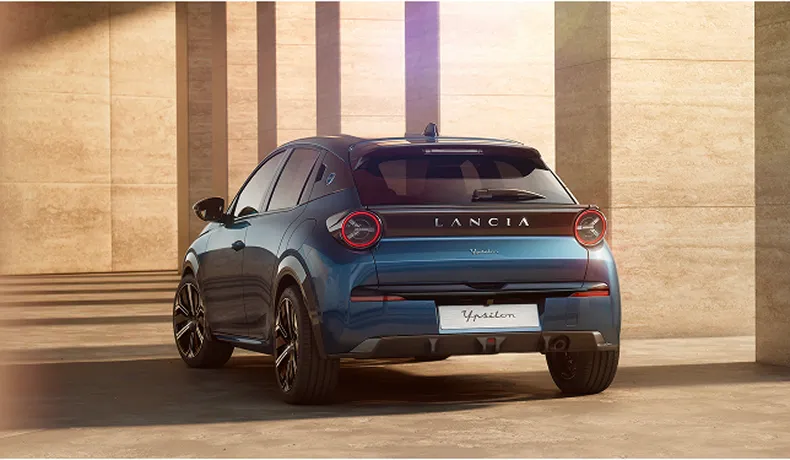
Image Credit: Lancia.com
Import Laws and 25-Year Rule Explained
Before you start browsing listings for a Delta Integrale or Fulvia Coupe, it’s crucial to understand the rules around importing cars. In the U.S., the 25-year rule allows you to legally import a car that is at least 25 years old without needing to meet Federal Motor Vehicle Safety Standards (FMVSS). This is a golden ticket for enthusiasts because many iconic cars—like Lancias—were never sold stateside due to safety or emissions restrictions.
Here’s how it works: the car must be 25 years old to the month. So if a Lancia Delta HF Integrale was manufactured in March 1999, you can import it starting March 2024. Once imported, you’ll still need to deal with registration, titling, and emissions compliance depending on your state. California, for instance, has some of the strictest requirements, while states like Florida or Texas are more lenient.
Importing from Europe (especially Italy, Germany, and the UK) is the most common route. You’ll need a trusted exporter on that end and a qualified importer on your side. It’s not just about paperwork; you need someone who understands customs, shipping logistics, and compliance.
Common Challenges With Imported Lancias
While owning a Lancia is rewarding, it doesn’t come without headaches. First off, parts can be tricky to find—especially for rarer models like the Thema 8.32 or Beta Montecarlo. And if you do find parts, they often come from European suppliers with high shipping costs and long wait times.
Then there’s the language barrier. Factory manuals and service documentation are often in Italian, and English-language support is minimal. That means you’ll either need a bilingual mechanic or a strong DIY mindset. Also, electrical issues are common in older Lancias—especially those made in the ’80s and ’90s. Think of it as part of the Italian car charm, but be prepared.
Rust is another big concern. Lancias weren’t known for their corrosion protection, so inspect any potential purchase thoroughly. And finally, don’t expect modern conveniences—many of these cars are purely analog, with finicky carburetors, manual windows, and sometimes unpredictable climate control systems.
Cost Considerations: Purchase, Shipping, Registration
Let’s talk money. A decent Lancia Delta HF Integrale Evo II can cost anywhere from $30,000 to $80,000 depending on condition and mileage. The Stratos, being ultra-rare, can run into six figures—easily exceeding $500,000 for authentic models. More affordable options like the Fulvia or Beta Coupe can be found for under $20,000.
Shipping typically ranges between $1,500 and $4,000, depending on the country of origin and shipping method (RoRo vs container). Add in import duties (2.5% for cars), broker fees, and potential port storage fees, and you’re looking at another $2,000 to $5,000 on top of the purchase price.
Once the car arrives, you’ll need to budget for registration, taxes, inspection, and possibly modifications (especially for states with emissions testing). And don’t forget insurance—classic car insurance is often cheaper but requires appraisals and mileage restrictions.
Despite these costs, many Lancia owners will tell you it’s worth every penny. You’re not just buying a car—you’re buying into a legacy, a conversation starter, and a rolling piece of art.
Lancia Delta Integrale – The Rally Legend
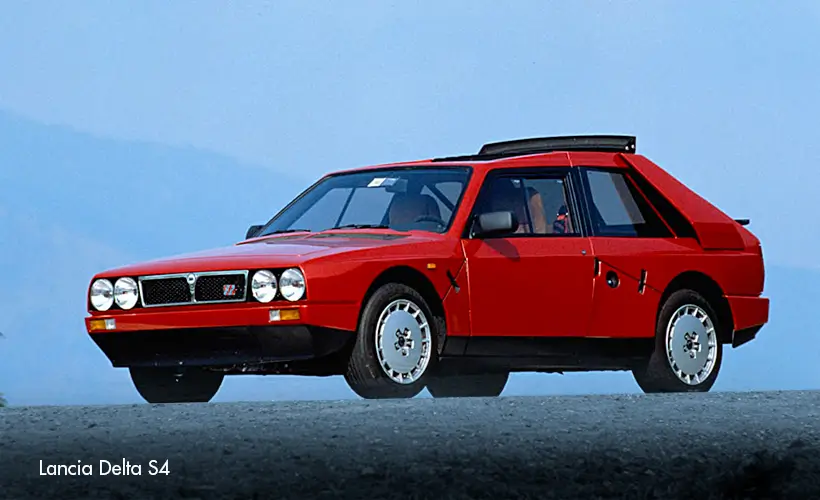
Image Credit: www.stellantisheritage.com
History and Evolution of the Delta Integrale
The Lancia Delta Integrale is perhaps the most recognizable and desirable Lancia for enthusiasts and collectors alike. Born from the need to compete in Group A rallying after the demise of the monstrous Group B cars, the Delta HF 4WD was introduced in 1986. What followed was one of the most dominant eras in rally history. The Integrale won the World Rally Championship Constructors’ title six times in a row from 1987 to 1992—a record that still stands.
Lancia continuously refined the car. Starting with the HF 4WD, they moved through various evolutions: 8V, 16V, Integrale Evoluzione I, and finally the Evo II. Each version brought more power, better handling, wider track widths, and distinctive boxy arches that gave the car its iconic, muscular look.
Performance, Features, and Specs
The Integrale Evo II, the final and most advanced version, came with a 2.0-liter turbocharged inline-four producing around 215 horsepower. It may not sound impressive by today’s standards, but paired with a five-speed manual gearbox and a sophisticated all-wheel-drive system, the car was blisteringly quick—especially on twisty roads and loose surfaces.
Inside, the car is very ’90s: simple, functional, and driver-focused. Recaro bucket seats, Alcantara trim, and a Momo steering wheel make it feel like a proper rally machine. The Delta isn’t about luxury; it’s about the raw driving experience. You feel every bump, hear every rev, and grin every second.
Why It’s a Top Choice for Enthusiasts
Simply put, the Integrale is a legend. It’s as close as you can get to driving a WRC car on public roads. The handling is razor-sharp, the turbo punch is addicting, and the attention you get from fellow car lovers is unmatched.
It’s also a solid investment. Prices for clean, low-mileage Evo IIs are steadily rising. And since it falls under the 25-year rule, many of the best models (like the 1993–1995 Evos) are now fully legal to import.
Whether you’re a rally fan, a collector, or someone who just appreciates obscure Italian performance cars, the Delta Integrale checks every box.
Lancia Stratos – The Homologation Supercar
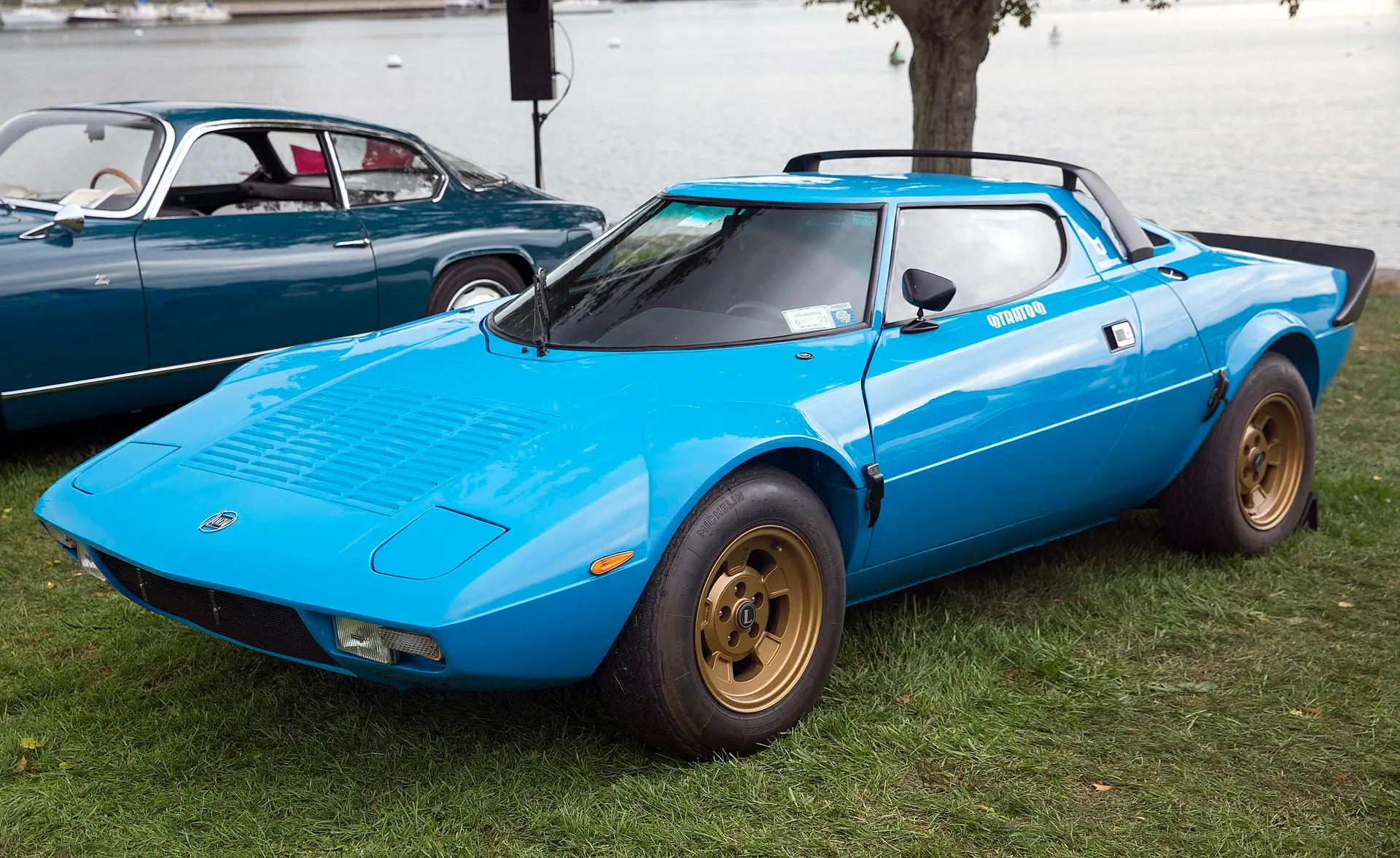
Image Credit: www.wikipedia.org
Iconic Design and Racing Pedigree
The Lancia Stratos HF isn’t just one of the best Lancia cars—it’s one of the most iconic cars ever built. Developed in the early ’70s with rallying in mind, it was the first car designed from the ground up for rally competition. The design came from none other than Bertone, and the car’s shape is instantly recognizable: a wedge silhouette, short wheelbase, and wild proportions that scream ‘70s cool.
Under the hood was a 2.4-liter V6 borrowed from the Ferrari Dino, producing around 190–280 horsepower depending on the version. Weighing in at just over 2,100 lbs, the Stratos could sprint from 0–60 mph in under 5 seconds—mind-blowing for the era.
What Makes the Stratos a Rare Import Gem
Lancia only built around 500 Stratos units to meet homologation rules, and many of them were modified or raced, making original road-going examples incredibly rare. Importing one requires deep pockets and careful sourcing, but for those who can manage it, you’re owning a piece of automotive royalty.
The Stratos not only won three consecutive WRC titles (1974–1976) but also helped redefine rallying. It’s a car that changed the game, and its rarity only adds to its mystique. Whether it’s parked in a garage or blasting down a backroad, the Stratos is an event.
Import Tips and Buyer Considerations
Because of their value and racing history, many Stratos cars have unclear histories. Always check for matching VINs, original engine numbers, and authentic coachwork. Expect to pay $400,000 or more for a well-preserved example.
Shipping and customs clearance for a car of this value should be handled by professionals only. Consider using a containerized shipment with extra insurance. And once it arrives, find a specialist who understands Ferrari engines and vintage Italian electrics.
If you want something truly special, few cars match the allure of a Lancia Stratos.
Lancia Fulvia – The Underrated Classic Coupe
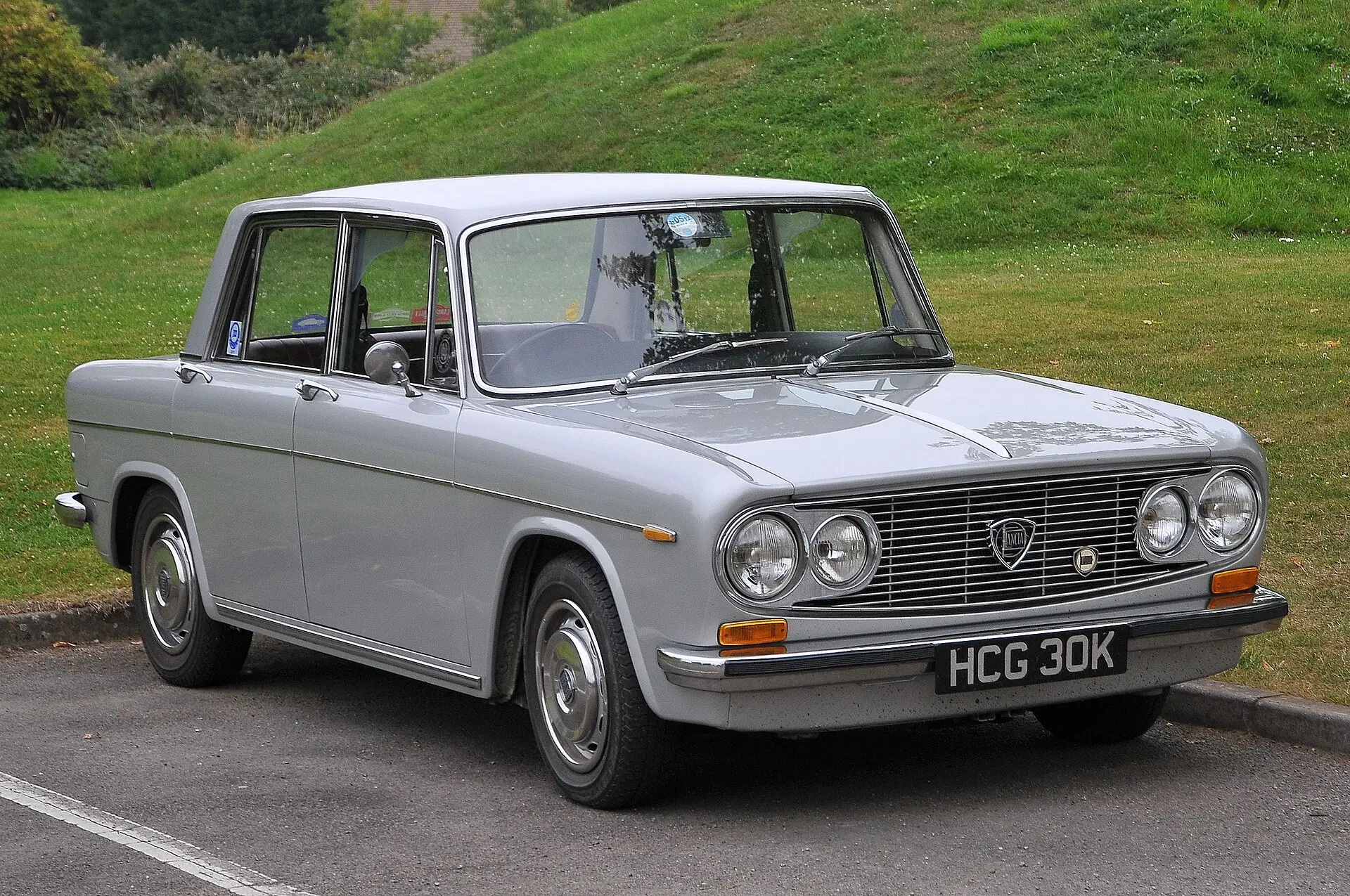
Image Credit: www.wikipedia.org
Overview and Key Specs
If the Lancia Delta Integrale is the rock star of the lineup, then the Fulvia is the soulful jazz musician—elegant, refined, and criminally underrated. Produced between 1963 and 1976, the Lancia Fulvia was one of the most advanced compact cars of its time. It featured front-wheel drive (a rarity for performance cars back then), an all-aluminum narrow-angle V4 engine, and impeccable handling balance.
The Fulvia Coupe, especially the HF models, is where the magic really happens. Designed by Piero Castagnero, the body is slender, almost delicate, yet purposeful. It’s the kind of car you could picture zipping through narrow Italian alleyways or climbing Alpine passes.
Most Fulvias come with engines ranging from 1.1 to 1.6 liters, with the more desirable Fulvia HF 1.6 producing around 115 hp. That might sound mild, but paired with its low weight and precision handling, it offers a true vintage driving thrill.
Why the Fulvia is a Smart Collector’s Choice
The Fulvia might not have the outright power of the Delta or the outrageous design of the Stratos, but it has something that many classic cars lack: usability. It’s small, easy to drive, and—by Italian standards—surprisingly reliable. For collectors, this makes it a more practical classic, one that can be enjoyed on weekends without constantly worrying about breakdowns.
It’s also a standout in terms of value. While prices are rising, Fulvias are still relatively affordable compared to other Italian classics. You can often find solid examples for under $30,000. That’s a steal when you consider its rally pedigree—the Fulvia HF won the International Rally Championship in 1972 and set the stage for Lancia’s rally dominance.
In the world of vintage cars, the Fulvia is like a hidden treasure. It’s not as flashy, but those who know, know. It’s a piece of Italian motoring history that you can actually drive and enjoy without needing a millionaire’s budget.
Importing and Maintenance Tips
When considering a Fulvia for import, look for models that have been properly maintained or restored. Rust is the biggest enemy—especially around the floor pans, suspension mounts, and rear arches. Originality matters to collectors, but reliability should be your priority unless you’re building a show car.
Parts are still available, especially from European suppliers and enthusiast clubs. The Fulvia community is strong and passionate, and forums like Lancisti.net or classic Lancia Facebook groups are invaluable resources for advice, parts sourcing, and restoration tips.
As for the import process, the Fulvia is well past the 25-year mark, so legality isn’t an issue. Make sure you get a model with a clean history, translated ownership documents, and ideally one that has been recently serviced. A properly sorted Fulvia can provide decades of charming, spirited driving.
Lancia Thema 8.32 – The Ferrari-Engined Sleeper
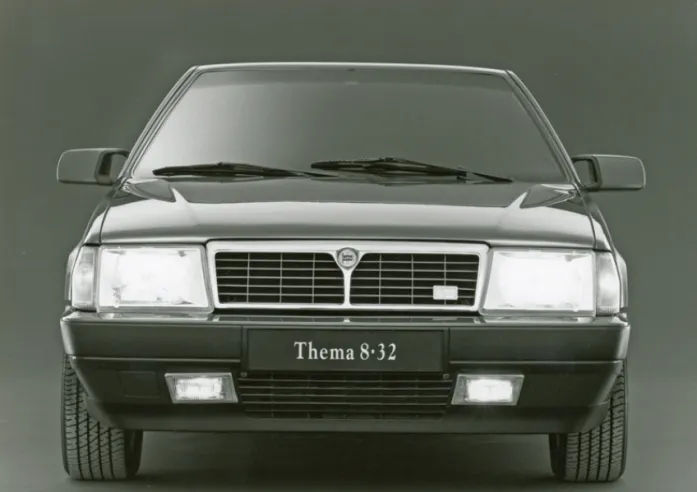
Image Credit: www.ixocollections.com
Collaboration Between Lancia and Ferrari
Yes, you read that right—there’s a Lancia sedan with a Ferrari engine under the hood. The Lancia Thema 8.32, produced from 1986 to 1992, might look like a regular luxury sedan from the outside, but it hides some serious firepower within.
The car is powered by a 2.9-liter V8 engine derived from the Ferrari 308 and Mondial. Lancia made some modifications for smoothness and front-wheel-drive compatibility, but the soul of Maranello remains. The result? A four-door executive car that delivers 215 horsepower and a top speed of over 140 mph. Back in the late ’80s, this made it one of the fastest sedans in the world.
Beyond the engine, the Thema 8.32 came loaded with high-end features: Connolly leather, wood-trimmed dashboards, electronically adjustable suspension, and even a pop-up rear spoiler. It was a car that blended performance with opulence—truly ahead of its time.
Driving Experience and Features
Behind the wheel, the Thema 8.32 feels like a mix of a luxury cruiser and a muscle car. The engine revs freely, delivering a raspy note that’s unmistakably Italian. Acceleration is brisk, and the torque-rich V8 makes overtaking a breeze. However, being front-wheel-drive, it’s not a canyon carver like the Delta—expect understeer if you push too hard in the corners.
Inside, the experience is pure late-80s Italian luxury. The cabin feels more Maserati than Fiat, with high-quality materials and an ergonomic, driver-focused layout. It’s comfortable for long drives and quiet at cruising speeds—ideal for those looking for a usable classic with flair.
Rarity and Import Considerations
Only about 3,500 units of the Thema 8.32 were made, and fewer than 20 are believed to be in the U.S. today. That makes it an incredibly rare import. Finding a clean example in Europe isn’t impossible, but prices are rising fast, especially for well-maintained models with low mileage.
As with any old Italian car, service history is key. Make sure the timing belts have been changed (Ferrari engine = expensive maintenance). Also, verify that the electronically controlled suspension is functioning properly—replacement parts are nearly impossible to find and very costly.
If you’re looking for the ultimate sleeper sedan—something that will confuse car spotters and delight Ferrari enthusiasts—the Thema 8.32 is an absolute unicorn.
Lancia Beta Montecarlo – A Mid-Engine Bargain
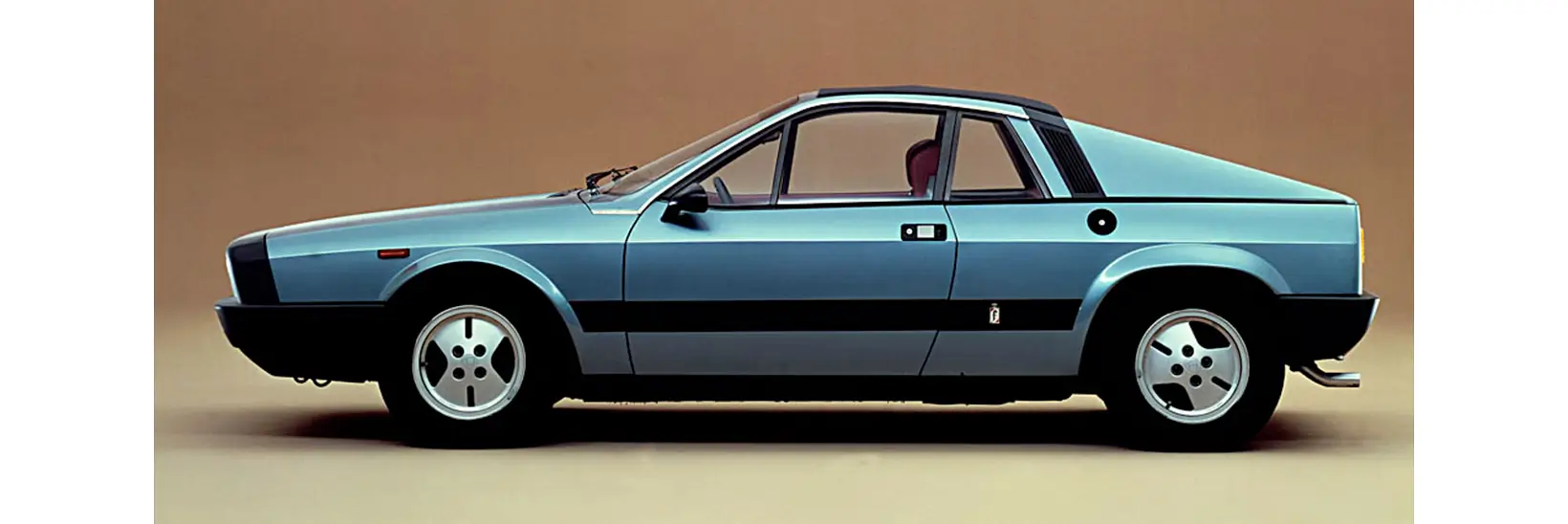
Image Credit: www.stellantisheritage.com
Design and Engineering Details
Often overlooked, the Lancia Beta Montecarlo is one of the most underrated mid-engine sports cars from Italy. Designed by Pininfarina and built between 1975 and 1982, this two-seater was positioned as a more affordable alternative to the Fiat X1/9 or even the Ferrari Dino.
At its heart lies a 2.0-liter inline-four engine mounted transversely behind the driver. With around 120 horsepower (depending on the version), the Montecarlo isn’t a rocket ship—but it weighs just over 2,200 pounds and offers excellent balance. With rear-wheel drive and that mid-engine layout, it delivers go-kart-like agility and a pure, connected feel.
The car went through two series. Series 1 models featured distinctive design cues like panelled rear windows and manual steering. Series 2 models improved reliability and received styling updates. There was also a race version—the Montecarlo Turbo—that dominated Group 5 endurance racing.
Why It’s Gaining Popularity
For years, the Montecarlo flew under the radar. But as prices of other Italian mid-engine cars have skyrocketed, collectors and enthusiasts are now turning to hidden gems like this. It has the looks, the pedigree, and the driving experience—without the jaw-dropping price tag.
The Montecarlo is also relatively easy to work on, especially compared to more exotic Lancias. Parts can be sourced through Fiat and Lancia suppliers, and the DIY community is strong. Plus, the car’s simplicity makes it a great platform for light modifications or full restorations.
It’s stylish, unique, and fun—a perfect recipe for a classic car that’s enjoyable without being overly precious. For those who want something truly different, the Montecarlo offers great bang for the buck.
Things to Watch When Importing
The biggest issue with early Montecarlos is the infamous “brake lock” problem, which was due to a poor vacuum servo design. Lancia fixed it in later models, so if you’re buying a Series 1, check whether this has been upgraded. Rust is also a common concern—especially around the front subframe and wheel arches.
As with any classic Lancia, make sure the paperwork is clean and the car has been regularly maintained. Imported examples are often more affordable than their classic contemporaries, with prices ranging from $15,000 to $30,000 for clean, running cars.
If you want a mid-engine Italian coupe without the headaches (and cost) of a Ferrari, the Lancia Beta Montecarlo should be at the top of your list.
Lancia Flaminia – Post-War Italian Luxury
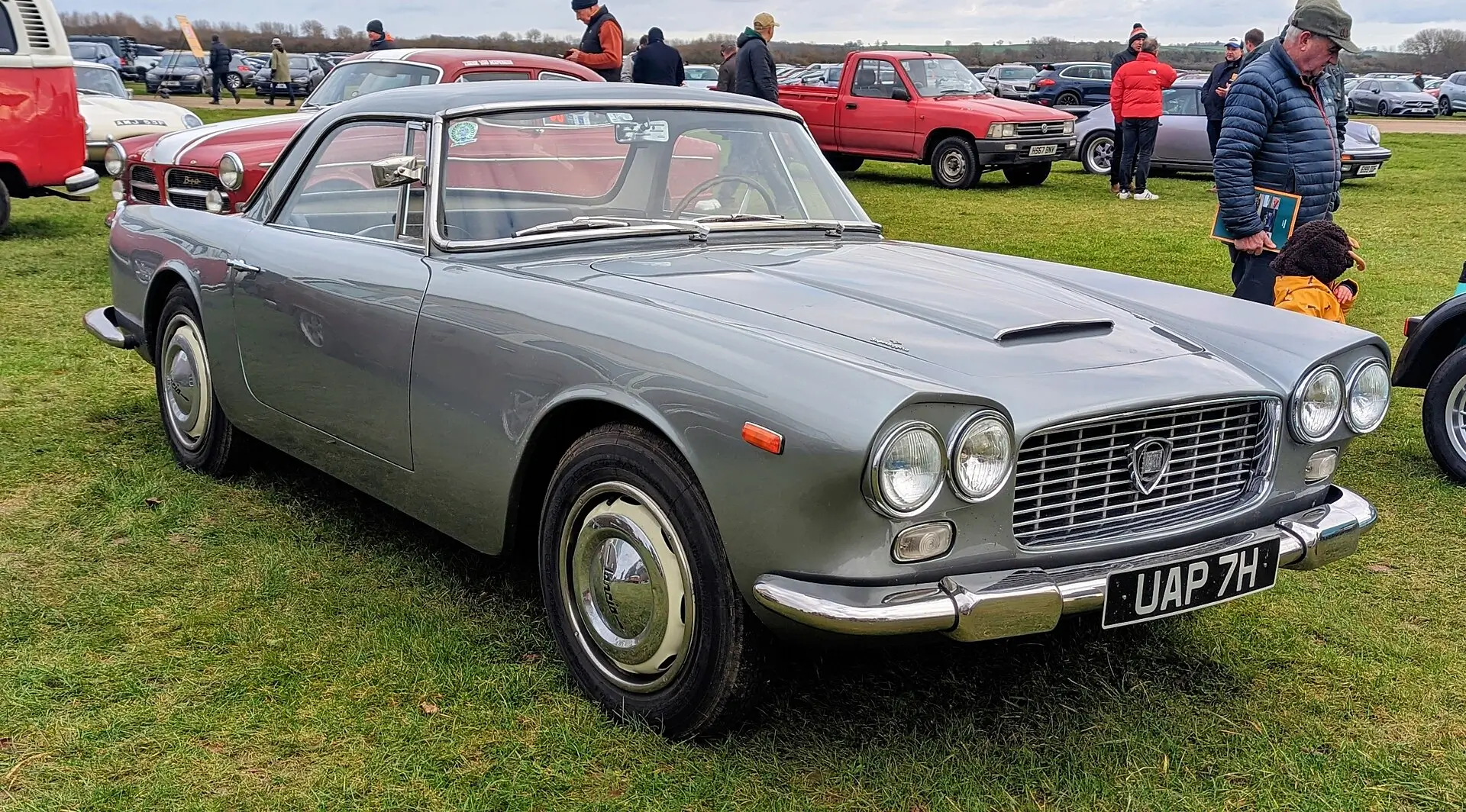
Image Credit: wikipedia.org
Variants: Coupe, Sedan, and Convertible
The Lancia Flaminia is the epitome of understated Italian elegance. Produced from 1957 to 1970, this flagship model replaced the Lancia Aurelia and was available in several stunning body styles. The sedan (Berlina) was dignified and stately, but the real head-turners were the Flaminia Coupé, GT, and Convertible variants, bodied by legendary coachbuilders such as Pininfarina, Zagato, and Touring.
Each version carried its own aesthetic identity. The Pininfarina Coupé was refined and graceful, the Touring GT was lightweight and airy, and the Zagato-bodied Sport featured striking double-bubble roofs and a racier persona. All were powered by a 2.5 to 2.8-liter V6—evolved from the Aurelia’s groundbreaking design—mated to a rear-mounted transaxle for excellent weight distribution.
These weren’t just cars—they were rolling works of art, built for the post-war elite who valued engineering excellence wrapped in timeless design.
Collectibility and Value Appreciation
The Flaminia has long been a connoisseur’s car, quietly appreciating in value as collectors catch on to its significance. The coachbuilt models—especially those by Zagato—are among the most sought after. Rarity plays a big role here. For example, only 599 Flaminia Sport Zagatos were built, making them highly collectible and increasingly expensive, with values ranging from $200,000 to over $500,000 depending on condition.
Even the Berlina, while less exotic, is gaining traction thanks to its sophistication and engineering. For those looking to enter the Lancia world with a touch of class and elegance, the Flaminia represents a highly respected and rapidly appreciating investment.
These cars are also often welcome at vintage shows and concours events. Their rarity and beauty make them ideal for those who appreciate the quieter, more elegant side of Italian motoring history.
Restoration and Import Advice
Given their age and hand-crafted construction, Flaminias can be restoration-intensive. Always seek examples with minimal rust and intact original components. Replacement parts—especially body panels or trim—can be expensive and hard to source due to their low production numbers.
If you’re considering importing one, it’s critical to get a full inspection from a Lancia expert before purchase. Look for a strong service history, especially relating to the V6 engine and rear transaxle. The 25-year rule easily covers all Flaminia models, making import legally simple, but the logistics and shipping for such valuable vehicles demand white-glove service.
Owning a Flaminia is a statement—one of taste, appreciation for history, and love for Italian craftsmanship.
Lancia Aurelia – The Grandfather of GT Cars
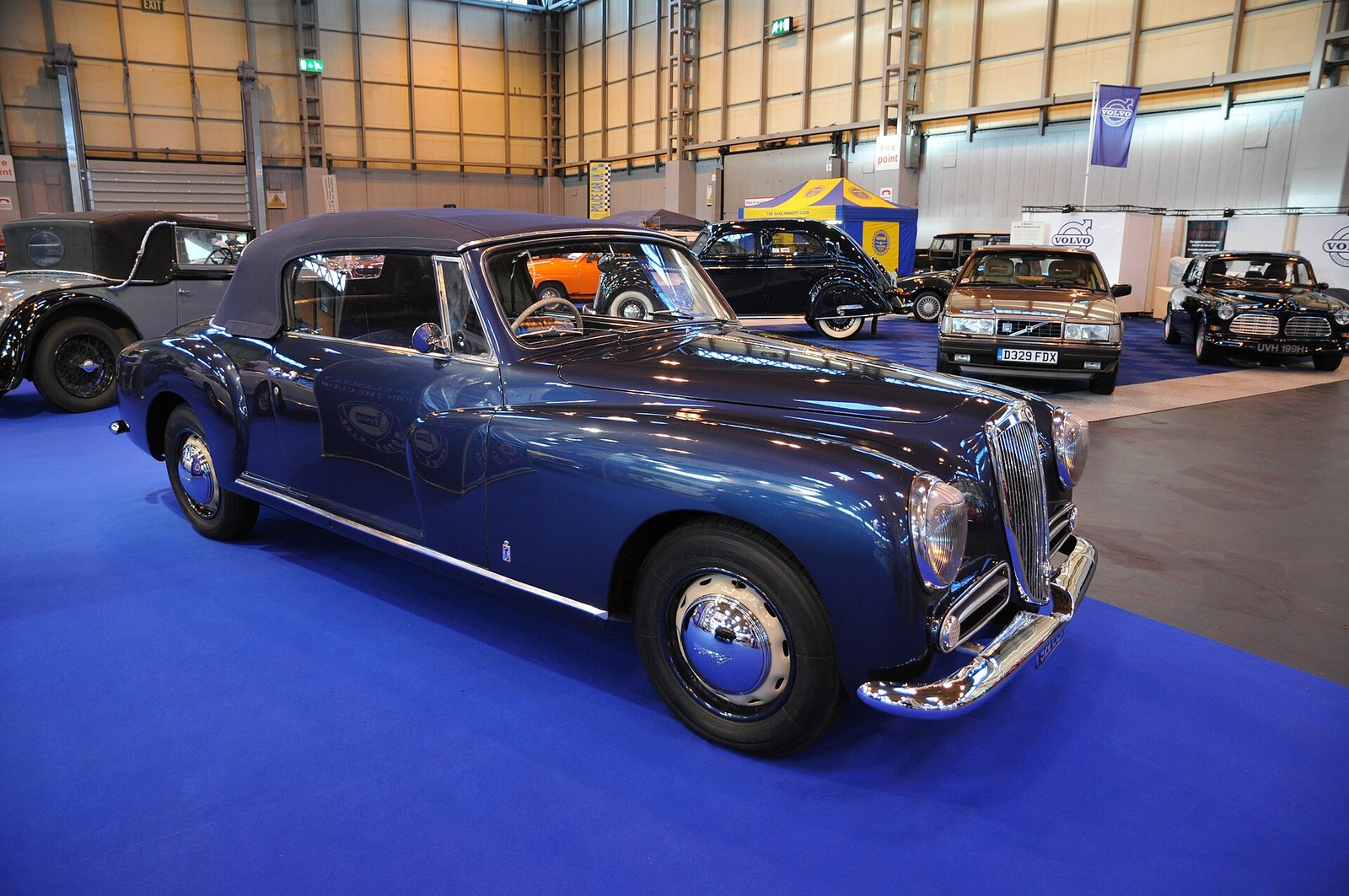
Image Credit: wikipedia.org
Historical Significance
The Lancia Aurelia isn’t just important to the brand—it’s one of the most influential cars in automotive history. Introduced in 1950, the Aurelia was the world’s first production car with a V6 engine. Designed by Vittorio Jano, the 1.8 to 2.5-liter engines were marvels of engineering, providing smooth, powerful delivery in a compact package.
But the Aurelia did more than innovate under the hood. It also introduced a rear-mounted transaxle, fully independent suspension, and sleek Pininfarina styling that laid the foundation for the modern Gran Turismo (GT) car. It’s no exaggeration to say that without the Aurelia, cars like the Ferrari 250 GT or Maserati 3500 GT might never have existed in the same form.
In motorsports, the Aurelia made its mark with class wins in the Mille Miglia and other endurance races. It was a car that combined comfort, speed, and technical excellence—a true trailblazer.
Aesthetic and Mechanical Appeal
The most collectible variants are the B20 GT Coupé and the B24 Spider America. The B20 GT offered fastback styling and strong performance for its time, while the B24 Spider America, with its open-top design and flowing lines, is a dream car for collectors.
Inside, the Aurelia is a testament to 1950s luxury and simplicity—large Jaeger gauges, thin-rimmed steering wheels, and beautiful leatherwork. Mechanically, it was ahead of its time. The car handles with poise and comfort, with an unmistakably analog, engaging feel.
It’s a car that feels every bit as special to drive today as it did 70 years ago, especially when paired with its period-accurate performance and intoxicating V6 soundtrack.
Importing a True Italian Classic
Importing an Aurelia is more about patience and passion than paperwork. Most Aurelias have long been legal under the 25-year rule, but finding a good one can take time. Many have been extensively restored, and condition varies wildly depending on past ownership and care.
Rust and body integrity are primary concerns, especially since many of these cars were used in their time and stored in less-than-ideal conditions later in life. Always consult a marque specialist and consider a professional appraisal if you’re buying at auction.
Prices for the B24 Spider America can exceed $1 million, while the B20 GT is more accessible, often ranging from $100,000 to $300,000. Regardless of which variant you choose, the Aurelia offers unmatched historical significance in a world increasingly dominated by soulless modern machines.
Lancia Ypsilon – A Modern Option (For European Markets)
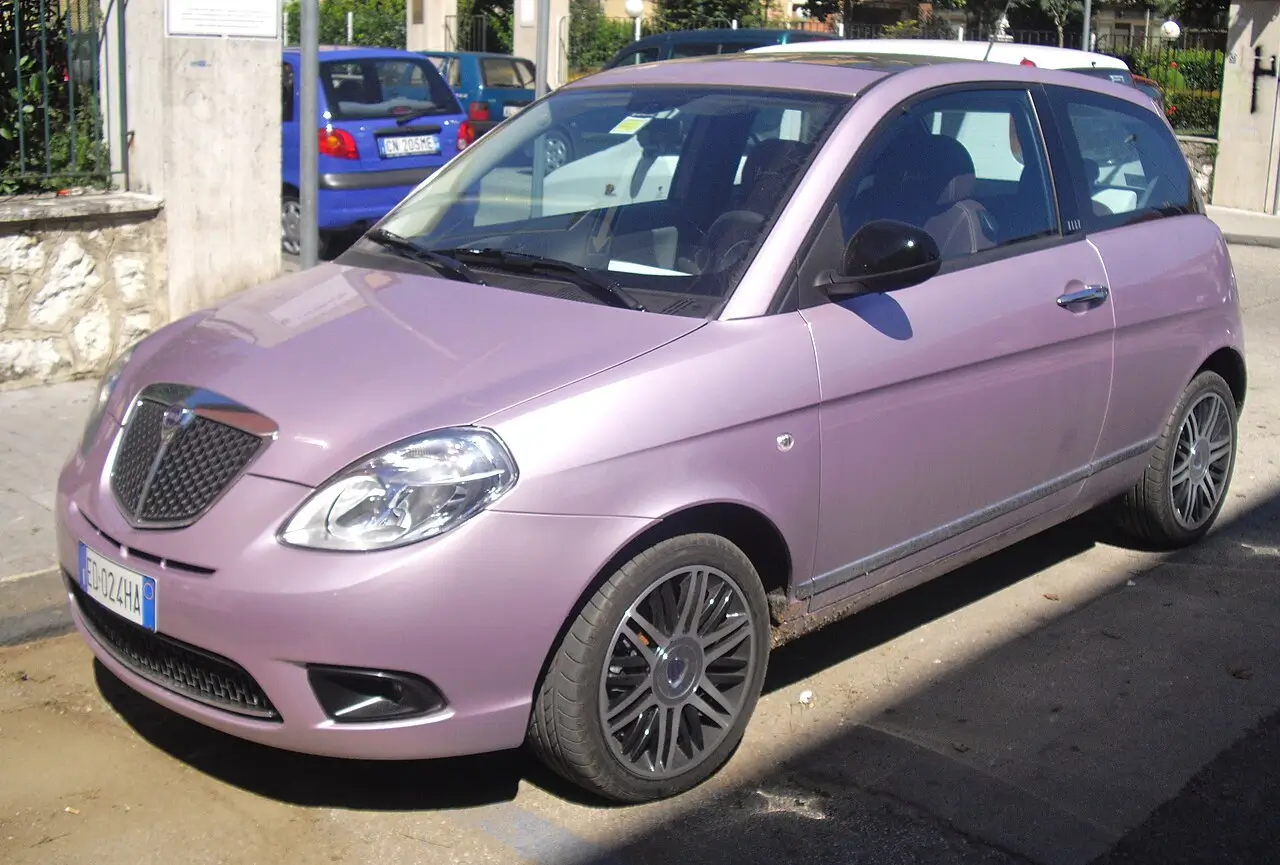
Image Credit: wikipedia.org
Compact, Stylish, and Urban-Friendly
The Lancia Ypsilon might not be a fire-breathing rally car or a hand-built classic, but it holds a different kind of appeal. Launched in the mid-1990s and still in production today (though only sold in Italy), the Ypsilon is Lancia’s attempt at compact luxury for urban drivers. It’s small, efficient, stylish, and surprisingly refined for a city car.
Later versions, especially the third-generation models (2011–present), come with premium interiors, Fiat’s reliable 1.2L and TwinAir engines, and features like touchscreen infotainment and leather upholstery. It’s the ideal car for zipping through tight European city streets while standing out with a bit of flair.
Availability and Market Trends
Although it’s still in production, the Ypsilon is only available in Italy, making it a niche choice for those considering import. Earlier models from the late ’90s and early 2000s are now eligible under the 25-year rule and can be imported into the U.S. The latest models, however, will need to wait unless brought in under special show-and-display exemptions or by relocating individuals.
In Europe, the Ypsilon is experiencing a mini-revival thanks to its affordability, low running costs, and unique personality. It’s not fast, but it’s charming and functional—and that counts for a lot in the world of urban motoring.
Is It Worth Importing Compared to Classic Models?
Let’s be honest: if you’re looking to import a Lancia for its performance or historical pedigree, the Ypsilon probably won’t cut it. But if you want something unusual, stylish, and easy to live with—especially for city use—it could be a smart and affordable choice.
The Ypsilon is more about practicality and flair than raw emotion. It’s best suited to someone who wants a second car or a fun, offbeat commuter with a strong Italian identity. And with modern safety and comfort features, it’s easier to daily drive than many of Lancia’s classics.
For those who simply want to own a piece of Lancia’s modern era—before it potentially disappears for good—the Ypsilon is a quirky, low-risk entry point.
Factors That Affect Lancia Import Prices
Condition, Rarity, and Location
When it comes to importing a Lancia, pricing can swing wildly depending on three primary factors: condition, rarity, and location. Condition speaks for itself—a fully restored Lancia Delta Integrale Evo II in concours state will command significantly more than a project car with rust issues. For rare models like the Lancia Stratos or Flaminia Zagato, even a rough example could break six figures due to their scarcity.
Rarity also dictates demand. Some Lancia variants were produced in extremely low numbers. For example, the Lancia Thema 8.32 had a total production run of under 4,000 units, while the Fulvia Sport Zagato numbers are even lower. These cars are not only hard to find but also increasing in value due to collectors looking for obscure and exotic alternatives to mainstream classics.
Location plays a critical role too. If the car is located in a remote part of Italy or Eastern Europe, it may cost more to inspect, arrange transportation, and secure shipping. However, these areas may offer better deals if you’re willing to put in the work. Cars in Germany or the UK might be easier to deal with logistically and may even be better maintained thanks to stricter MOT or TÜV inspections.
Market Trends for Classic Lancias
Classic Lancia prices are rising. As other Italian brands become out of reach for the average enthusiast, Lancia is getting the spotlight it has long deserved. The rise in demand is also driven by nostalgia, particularly for rally legends like the Integrale, which continues to appreciate year over year.
Another market trend is the growing interest in “restomods”—classic cars upgraded with modern tech. Some Lancia owners are opting to upgrade braking systems, suspension components, and even engine internals while preserving the vehicle’s original look. This has broadened the market appeal beyond just purist collectors to a younger, performance-focused audience.
If you’re considering a Lancia, it’s wise to buy sooner rather than later. The combination of history, performance, and limited numbers makes them prime candidates for serious appreciation over the next decade.
Tips for Finding the Best Deals
- Join Lancia owner forums: These communities are goldmines for insider info, cars for sale, and trusted sellers.
- Use specialized importers: Partner with those who understand the quirks of importing Italian classics.
- Look beyond big cities: Sometimes the best deals are tucked away in smaller towns or rural garages.
- Buy with documentation: A well-documented Lancia with a clear service and ownership history will always fetch a higher resale price.
- Act fast on quality listings: Good cars don’t last long—especially when priced right.
Where to Find Lancia Cars for Import
Trusted Online Marketplaces
If you’re serious about importing a Lancia, your search will likely begin online. Trusted sites like Bring a Trailer, Classic Driver, Car & Classic (UK), and Mobile.de in Germany regularly feature Lancia listings. Italian platforms such as Autoscout24.it and Subito.it also list great finds, although you may need to use Google Translate or speak Italian to navigate effectively.
Be wary of listings that seem “too good to be true.” Scams exist, especially for high-demand models like the Delta Integrale or Fulvia HF. Always ask for detailed photos, video walkarounds, service records, and proof of ownership before making a deposit.
Auction Sites and Importers
Well-established auction houses like RM Sotheby’s, Bonhams, and Artcurial occasionally offer Lancias at public sales. While prices here tend to be higher, the cars are often well-documented and verified. You can also monitor government and customs auctions where rare European imports occasionally appear.
Importers specializing in Japanese and European classics are another route. These businesses often handle everything from inspection to delivery, making your life significantly easier. Reputable names include Duncan Imports, Montu Motors, and J-Spec Auto.
Working with Specialist Dealers
If you’re after a rare or highly valuable Lancia, you might consider working with a Lancia specialist. Dealers like Kaiser Classic, Lancia Motor Club UK, or Milan-based classic car sellers often maintain personal networks that can help locate off-market gems.
The benefits? They often offer pre-inspection, warranties, and restoration services—ensuring you know exactly what you’re getting. Yes, you’ll pay a premium, but peace of mind is priceless when dealing with vintage European iron.
Ownership Experience After Importing
Insurance, Registration, and Legalities
Once your Lancia touches down in your country, the work isn’t quite over. First comes customs clearance, followed by registration. In the U.S., requirements vary by state. Some, like California, have stringent emissions rules that may require additional inspections or exemptions.
You’ll also need classic car insurance, which usually comes with perks like lower premiums, agreed-upon value policies, and special coverage for restoration. Providers like Hagerty, Grundy, or American Collectors Insurance specialize in vintage imports.
Documentation is key. Make sure you retain the bill of lading, customs forms, translated ownership documents, and proof of payment. Without them, registration can become a bureaucratic nightmare.
Parts Availability and Maintenance
Lancia ownership can be a dream if you’re proactive with maintenance. Common wear parts like filters, belts, and gaskets can still be sourced from Italian suppliers or eBay Europe. For rarer items—like interior trim or model-specific engine parts—you’ll likely need to tap into enthusiast forums or Lancia-specific networks.
A few trusted parts sources include:
Consider finding a local mechanic familiar with Italian cars, or better yet, an independent Alfa Romeo specialist. Their experience with similar engines and electrical systems will come in handy.
Community and Clubs for Lancia Enthusiasts
Owning a Lancia isn’t just about the car—it’s about the people. The Lancia community is passionate, knowledgeable, and incredibly welcoming. Joining groups like the Lancia Motor Club, Lancisti.net, or even Reddit’s r/classiccars can connect you with helpful enthusiasts, event invitations, and access to rare parts.
Many local classic car clubs also welcome Lancia owners, even if the brand isn’t as well-known. These communities make a huge difference in the ownership experience—offering advice, support, and friendship along the journey.
Future of Lancia in the Import Scene
Revival Plans and Stellantis Strategy
In recent years, Lancia has been more ghost than presence, but that might change soon. As part of Stellantis (the automotive mega-merger that includes Fiat, Peugeot, and Chrysler), Lancia is slated for a revival. A new electric Ypsilon is on the horizon, with rumors of more EVs and potential performance models in development.
What does this mean for importers? Increased brand awareness usually drives up interest in heritage models. As Lancia re-emerges, enthusiasts new and old will start scouring for classics—and prices are likely to rise further.
Modern Classics Likely to Gain Value
While everyone’s chasing the Delta Integrale and Stratos, keep an eye on modern classics like the Delta HPE, Kappa Coupe, and even later Thema models. These cars are still affordable but offer engaging driving dynamics and unique styling.
As they hit the 25-year mark, these sleeper Lancias will become eligible for import and may experience a similar appreciation curve as earlier icons.
Lancia’s Role in the Global Collector Market
Lancia is no longer just a cult classic. It’s stepping into the spotlight as one of the most historically rich and innovative car brands in Europe. Whether you’re looking at it from a collector’s angle or as a driver wanting something with soul, Lancia is a worthy contender.
Expect more auctions, more specialist dealers, and growing demand in the next 5–10 years. The time to buy is now—before the rest of the world catches on.
Conclusion
Lancia might have faded from today’s new car showrooms, but it’s alive and well in the hearts and garages of enthusiasts worldwide. From the rally-conquering Delta Integrale to the Ferrari-powered Thema and elegant classics like the Aurelia and Flaminia, the Lancia lineup is packed with character, performance, and Italian soul.
Importing a Lancia isn’t just about buying a car—it’s about reviving a piece of automotive art, one that’s equal parts obscure, beloved, and unforgettable. With careful research, a good importer, and a bit of passion, you can bring home a driving experience that’s unlike anything on the road today.
So whether you’re after a homologation special, a stylish coupe, or a quirky modern city car, Lancia has a model waiting to be rediscovered. And trust us—it’ll be worth the journey.
FAQs
1. Is it expensive to maintain a Lancia after import?
Yes and no. Routine maintenance is manageable, especially for models like the Fulvia or Delta. However, parts for rare or exotic Lancias (like the Stratos or Thema 8.32) can be costly and require overseas sourcing.
2. Which Lancia model is best for first-time importers?
The Lancia Fulvia is a great starting point. It’s affordable, relatively reliable, and has strong community support. The Delta Integrale is another popular pick but demands more upkeep and carries a higher price tag.
3. Are Lancias reliable for daily driving?
Some are, particularly newer models like the Ypsilon. However, most classic Lancias are best enjoyed as weekend cars. Their age and parts availability make them less ideal for daily use unless meticulously maintained.
4. How long does it take to import a Lancia?
The process usually takes 6–10 weeks from purchase to delivery, depending on shipping routes, port delays, and customs clearance.
5. Can I import a Lancia not yet 25 years old?
In most cases, no—unless you qualify for a show-and-display exemption or other legal workaround. The 25-year rule is the standard guideline for full import legality in the U.S.