
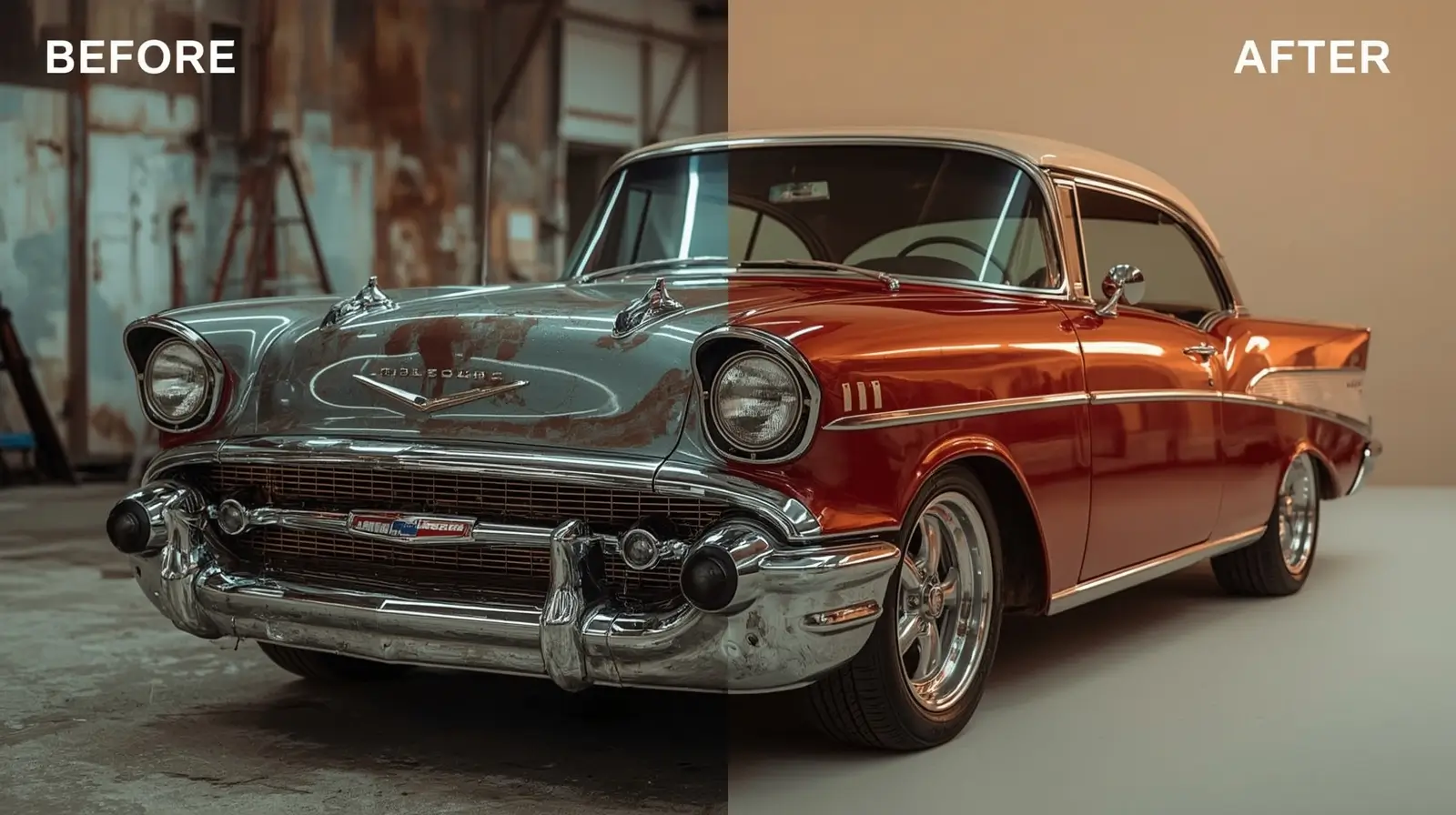
Introduction to Classic Car Paint Restoration
Classic cars are more than just vehicles; they’re pieces of history on wheels. Their sleek curves, chrome details, and distinct personalities set them apart from modern machines. But nothing kills the charm faster than a dull, faded, or chipped paint job. That’s why choosing the best paint for classic cars is an art form in itself. It’s not just about color—it’s about preservation, authenticity, and making sure your beloved ride turns heads for years to come.
Restoring paint on a classic car isn’t as simple as picking up a can and spraying away. These vehicles often have older metal compositions, unique body lines, and rare colors that require a careful approach. Unlike modern cars that rely on factory-mixed formulas, many classics demand custom matching to bring their original beauty back to life.
A fresh coat of the right paint can add thousands to a car’s value and breathe new life into its appearance. On the flip side, the wrong type of paint—or an unskilled application—can lead to peeling, bubbling, or premature fading. That’s why knowing your paint types, understanding the process, and picking the right product is crucial.
Why Paint Quality Matters for Classic Cars
Think of paint as your car’s skin—it’s the first thing people notice and the first line of defense against weather, rust, and corrosion. High-quality paint not only makes your car look stunning but also protects the bodywork underneath.
Classic cars are especially vulnerable because they often lack the advanced rustproofing found in modern vehicles. A cheap or poorly applied paint job might save you money now, but it can cost far more in repairs down the road. Quality paints resist fading from UV rays, stand up better to road debris, and maintain their gloss for decades when properly cared for.
Plus, for purists and collectors, authenticity is everything. Using the wrong type or finish of paint could hurt your car’s resale value and make it less appealing to buyers at auctions or shows.
Common Challenges in Painting Vintage Vehicles
Painting a classic car is like restoring an old painting—it’s a delicate, detailed job. Here are some common hurdles restorers face:
- Surface imperfections – Older cars often have dents, rust, or old paint layers that need careful sanding and filling.
- Finding original color codes – Some shades haven’t been produced for decades, requiring a skilled painter to custom mix them.
- Different metal compositions – Vintage steel behaves differently during painting than modern alloys, affecting adhesion.
- Delicate trim and features – Chrome parts, moldings, and rare emblems can complicate masking and spraying.
Because of these challenges, many enthusiasts turn to specialized body shops that focus on vintage restoration rather than general automotive painting.
Image Credit: Amazon
How To Paint Classic Cars: Tips, Techniques & Step-By-Step Procedures For Preparation & Painting (Enthusiast’s Restoration Manual)
Understanding Different Types of Automotive Paint
When it comes to classic cars, not all paints are created equal. Choosing the wrong type can lead to disappointing results or even damage to the body. Here’s a breakdown of the most common types you’ll encounter.
Acrylic Lacquer
In the golden age of American cars—think 1950s and 60s—acrylic lacquer was king. It delivers a glass-like finish with incredible shine, making it perfect for show cars. The downside? It’s not as durable as modern options, requiring regular waxing and maintenance to keep it looking fresh.
Collectors love acrylic lacquer for its period-correct appearance, but in some regions, environmental laws have restricted its use due to high VOC emissions. If you’re aiming for absolute authenticity in a concours restoration, lacquer might be the right choice—just be prepared for the upkeep.
Acrylic Enamel
Acrylic enamel became popular in the late ’60s and ’70s because it offered a hard, glossy finish with better durability than lacquer. It can be applied as a single-stage paint (color and gloss in one) or in a two-stage process with a separate clear coat.
For classic cars, enamel strikes a good balance between vintage authenticity and lasting performance. It’s less maintenance-heavy than lacquer but still delivers that rich, deep color enthusiasts love.
Urethane Paint
Urethane is the modern standard for professional auto painting. It’s incredibly durable, resists chipping, and retains its gloss for years. It can also be color-matched to older shades, making it a popular choice for classic car restorations where durability is key.
However, urethane requires precise mixing, special safety equipment, and skill to apply correctly—it’s not something a weekend hobbyist should experiment with without experience.
Water-Based Paints
Water-based automotive paints are an eco-friendly option that’s becoming more common, especially in areas with strict environmental regulations. While traditionally used for newer cars, they can be adapted for classic vehicles when paired with a high-quality clear coat for protection.
The color depth might not perfectly replicate vintage finishes, but for those who prioritize sustainability, this option is worth exploring.
Factors to Consider When Choosing Paint for a Classic Car
Choosing the best paint for a classic car isn’t just about picking a pretty color. Several factors come into play to ensure your investment looks stunning and lasts for decades.
Durability and Longevity
You don’t want to be repainting your classic every few years. The best paints for vintage cars resist chips, fading, and oxidation. Urethane paints, for example, are well-known for their long-lasting performance.
Gloss and Finish Quality
Some collectors love the mirror-like finish of lacquer, while others prefer the deep, modern gloss of urethane. The right choice depends on whether you’re going for a showpiece or a daily driver.
Color Matching and Authenticity
If you’re restoring for resale or show competitions, matching the original factory color is vital. This often means tracking down old paint codes or having samples color-matched by a professional.
Maintenance and Care Requirements
Some paints require more upkeep than others. Lacquer needs frequent polishing, while urethane can go years without losing its shine. Factor in how much time and effort you’re willing to invest in maintenance before deciding.
Top Brands for Classic Car Paint
Not all paint brands are created equal—especially when it comes to classic cars. Trusted brands not only offer high-quality finishes but also provide excellent color-matching services for vintage shades.
PPG Industries
PPG is a favorite among professional restorers for its durability, color accuracy, and wide range of finishes. Their Deltron and Envirobase lines are top choices for both authentic and custom jobs.
DuPont (Axalta Coating Systems)
Known for its Chromabase and Imron series, Axalta provides professional-grade automotive paints that deliver brilliant color depth and resilience.
House of Kolor
This brand is a go-to for custom jobs, offering a wide array of vibrant, unique shades. If you want your classic to stand out while still having show-quality paint, this is an excellent choice.
BASF Glasurit
Glasurit specializes in high-end finishes and is often the brand of choice for concours-level restorations. They have an impressive library of vintage color codes, making them ideal for authenticity-focused projects.
Step-by-Step Process for Painting a Classic Car
Painting a classic car isn’t just a matter of spraying color onto metal—it’s a meticulous, multi-stage process that demands patience, precision, and the right tools. Skipping steps or rushing through can mean the difference between a flawless finish and a frustrating mess.
Surface Preparation
Think of paint as makeup—it only looks as good as the skin underneath. If the car’s body is riddled with dents, rust, or old paint imperfections, these flaws will be amplified once the new coat is applied.
The preparation process typically involves:
- Stripping old paint – This can be done through sanding, chemical stripping, or media blasting.
- Repairing dents and rust – Any corrosion must be removed completely; otherwise, it will spread beneath the paint.
- Sanding for smoothness – Achieving a perfectly even surface is crucial for a mirror-like finish.
- Masking – All chrome trims, glass, and rubber seals must be carefully covered to avoid overspray.
A well-prepped surface ensures the paint adheres correctly and lasts for years.
Priming the Body
Primer is the foundation of your paint job. It provides a smooth, even base and helps paint stick to the metal. For classic cars, epoxy primer is often recommended because it offers excellent adhesion and corrosion resistance.
Multiple coats may be applied, with sanding in between to maintain a glass-smooth surface. The goal here is to create the perfect canvas for your color coats.
Applying Base Coat
This is where the magic happens. The base coat is your car’s color layer. Whether you’re using a single-stage or two-stage system, it’s crucial to apply multiple thin, even coats rather than one thick layer.
Professional painters often start with lighter “tack coats” to build adhesion, followed by “wet coats” that give the depth of color. Between coats, they may lightly sand or use a tack cloth to remove any dust particles.
Adding the Clear Coat
The clear coat is the armor of your paint job—it protects against UV rays, scratches, and environmental damage while adding depth and gloss. Classic cars with a well-polished clear coat can look like they’re dripping in glass.
Like the base coat, multiple layers are applied, with fine sanding and polishing after curing to achieve that show-quality shine.
Best Paint Colors for Classic Cars
When restoring a classic, color choice can make or break the final result. Some colors are timeless, others period-specific, and some simply scream “collector’s dream.”
Timeless Blacks and Whites
Black is the ultimate statement of elegance. A deep, glossy black finish on a classic car commands attention and highlights body lines like no other. White, on the other hand, offers a clean, crisp, and sophisticated look that never feels outdated.
Deep Reds and Burgundy Shades
From the candy apple reds of hot rods to the deep maroons of luxury cruisers, red tones have always been a favorite among enthusiasts. They evoke passion, performance, and pure automotive charisma.
Metallic Blues and Greens
Metallics give a car a shimmering effect under sunlight, and shades like midnight blue, British racing green, and turquoise are often associated with specific eras and manufacturers. They add character and individuality to a restoration project.
Costs Involved in Painting a Classic Car
Painting a classic car can be an investment—sometimes a substantial one. Costs vary greatly depending on whether you’re doing it yourself or hiring a professional.
DIY vs. Professional Painting Costs
- DIY – If you have the skills, tools, and workspace, you could spend anywhere from $500 to $2,000 on materials. However, the risk of mistakes (and costly do-overs) is higher.
- Professional – Expect to pay between $3,000 and $15,000+ for a high-quality professional paint job, especially if extensive prep work is required.
Factors That Influence Price
- Condition of the car – Rust repair, bodywork, and old paint removal add to the bill.
- Type of paint used – Premium brands and custom colors cost more.
- Level of detail – Show-quality jobs require more layers, wet sanding, and polishing.
Tips for Maintaining Classic Car Paint
Once you’ve invested in the perfect paint job, protecting it is a top priority.
Regular Washing and Waxing
Use pH-balanced car shampoos and soft microfiber cloths to avoid scratches. Waxing every few months adds a protective layer against UV rays and pollutants.
Protecting Against Sun Damage
Whenever possible, store your classic in a garage or use a high-quality car cover. Prolonged sun exposure can cause fading and clear coat damage. Ceramic coatings are also a modern option for long-term protection.
Mistakes to Avoid When Painting Classic Cars
Many classic car paint jobs fail not because of poor materials, but because of avoidable errors.
Using Low-Quality Paint
Cheap paints might look fine at first but quickly fade, peel, or chip. Always invest in trusted brands.
Ignoring Proper Surface Prep
Skipping sanding, rust removal, or priming is a guaranteed way to ruin your finish. Preparation is just as important as painting itself.
Environmental Considerations in Choosing Paint
Restoring a classic car isn’t just about making it look good—it’s also about being mindful of the environmental impact. Automotive paints, especially older formulas, can contain harmful chemicals that contribute to air pollution and health hazards. Modern alternatives give enthusiasts a way to keep their cars gorgeous while reducing their carbon footprint.
VOC Emissions
VOC stands for volatile organic compounds—chemicals that evaporate into the air as paint dries. They contribute to smog, respiratory issues, and other environmental problems. Older paints like acrylic lacquer often have high VOC content, which is why many states have restricted or banned their use.
If you want to be eco-conscious without sacrificing quality, choose paints labeled as low-VOC or VOC-compliant. Urethane and water-based options are increasingly available in formulas that meet strict environmental regulations without compromising on durability or finish quality.
Eco-Friendly Paint Alternatives
Water-based paints are the most environmentally friendly option for automotive use. They use water as the primary solvent instead of harsh chemicals, significantly reducing VOC emissions. These paints also tend to produce less overspray and odor, making them more pleasant to work with.
However, water-based paints need a high-quality clear coat for protection—especially on classics that may spend time outdoors. When paired with a durable clear layer, they can deliver vibrant colors and impressive longevity while keeping your conscience clean.
Conclusion – Choosing the Perfect Paint for Your Classic Ride
A classic car’s paint job is more than just a cosmetic touch—it’s a statement of style, authenticity, and preservation. Whether you’re chasing factory originality or a custom show-stopping look, your choice of paint will define the character and longevity of your vehicle.
By understanding the different paint types, considering durability and authenticity, and working with trusted brands, you can ensure your restoration not only looks incredible but also stands the test of time. Pair that with proper maintenance, and your classic will turn heads for decades to come.
When it comes to classic cars, paint isn’t just a finish—it’s the soul of the ride. Choose wisely, and you’ll keep that soul shining for years.
Frequently Asked Questions About Classic Car Paint
1. What is the most durable paint for classic cars?
Urethane paints are generally the most durable, offering excellent resistance to chipping, fading, and UV damage. They also require less frequent maintenance than older paint types.
2. Can I use modern paint on a vintage car?
Absolutely. Many restorers use modern urethane or water-based paints while matching the original color. This approach combines period-correct aesthetics with improved protection.
3. How long does a classic car paint job last?
With proper care, a high-quality professional paint job can last 10–20 years. The lifespan depends on the paint type, environmental exposure, and maintenance routine.
4. Is it worth doing a DIY paint job on a classic car?
If you have the skills, tools, and space, a DIY job can save money. However, the margin for error is high—especially when prepping and applying multiple layers. For show-quality results, professionals are often worth the investment.
5. What’s the best way to protect a new paint job?
Regular washing, waxing, and garage storage are key. For long-term protection, consider applying a ceramic coating to guard against UV rays, dirt, and water spots.