Introduction
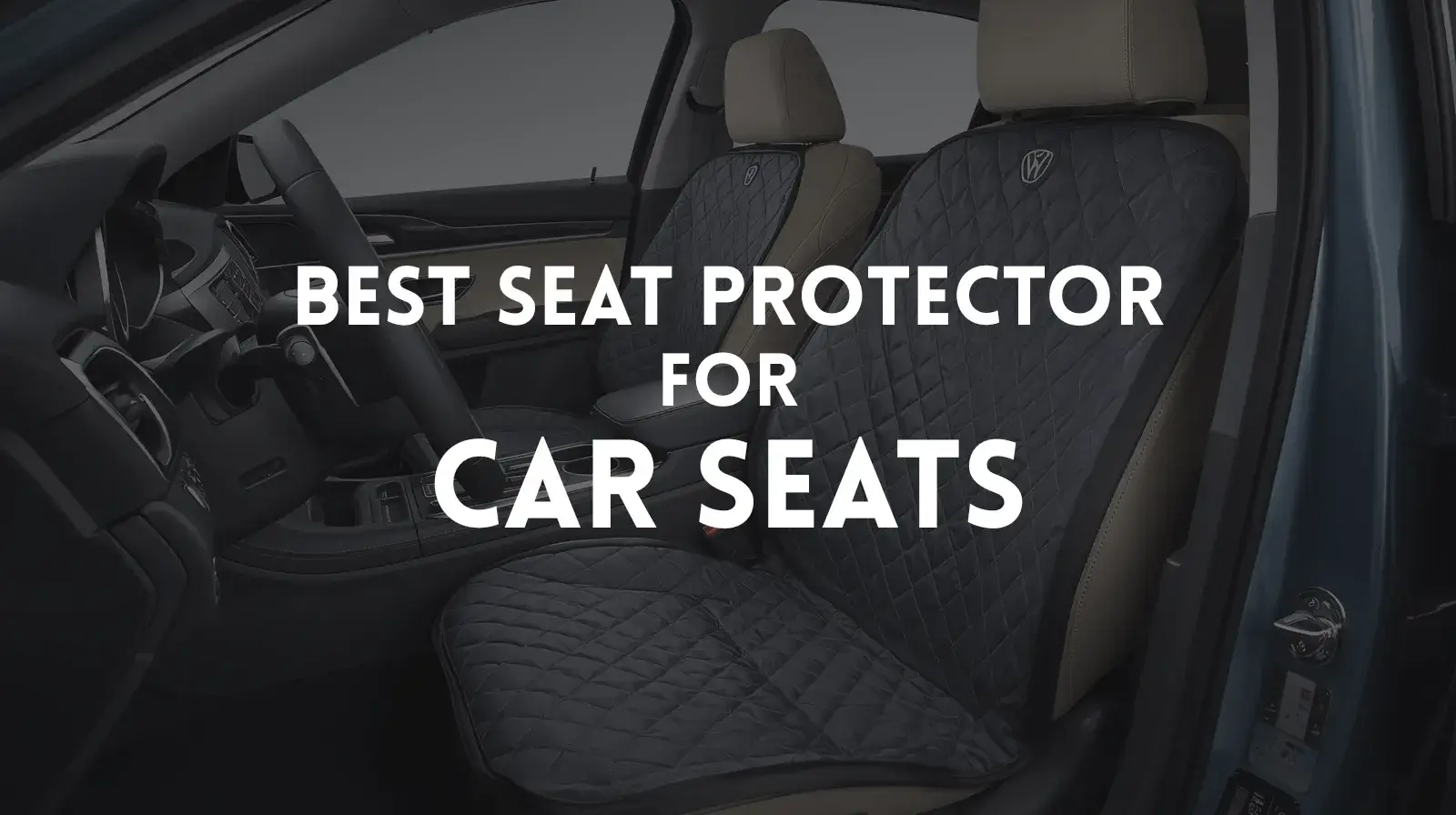
Keeping your car interior clean is harder than it sounds especially if you’ve got kids, pets, or an active lifestyle that has you constantly on the move. That’s exactly why choosing the best seat protector for car seats is one of the smartest decisions a car owner can make. Whether you’re driving a brand-new SUV or an older sedan that you want to preserve, a good seat protector acts as a shield between your upholstery and the daily wear and tear that inevitably comes with life.
Think about spills from your morning coffee, crumbs from the kids’ snacks, or the muddy paws of your furry friend jumping in after a walk your car seats go through a lot. A high-quality seat protector helps prevent stains, tears, fading, and even indentation damage caused by heavy child safety seats.
What makes seat protectors so valuable is their ability to offer a multi-layer defense without making your interior look bulky or messy. Instead of worrying about whether your leather seats will crack or if cloth upholstery will soak up moisture like a sponge, a seat protector gives you peace of mind. Modern protectors are designed with waterproof layers, anti-slip backing, reinforced stitching, and easy-clean materials that make maintenance nearly effortless. And with so many styles available from full-coverage protectors to pet-friendly hammocks you can always find one that suits your lifestyle.
Having one installed not only helps maintain the look of your car but also preserves its resale value. A clean, well-maintained interior speaks volumes to potential buyers. Even if you don’t plan on selling your car anytime soon, riding around in a clean, damage-free environment simply feels better. A good seat protector is like insurance for your interior quiet, reliable, and ready to take the beating so your actual seats don’t have to.
What Is a Car Seat Protector?
A car seat protector might look simple at first glance, but its function goes far beyond being a mere accessory. It’s a purpose-built shield designed to sit between your vehicle’s upholstery and whatever is placed on top whether that’s a baby car seat, a pet, sports equipment, or just the everyday hustle and bustle of life. Think of it like a durable, armor-like layer that absorbs the wear and tear so your factory seats remain clean, smooth, and damage-free. While seat covers focus on styling and completely changing the appearance of your seats, seat protectors focus on preservation, durability, and protection.
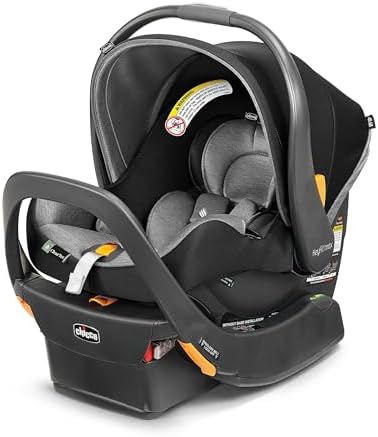


Another major difference is that seat protectors are engineered to handle point pressure and friction. For example, baby car seats tend to dig into leather or cloth, leaving permanent dents or worse, tearing the upholstery. A good protector distributes that weight evenly, preventing those ugly indentations. They also help stop spills from soaking in, food crumbs from embedding deep into the fibers, and pet hair from weaving itself into the fabric like Velcro. Basically, a seat protector acts like a barrier between the reality of daily life and the delicate surface of your seats.
The versatility of modern protectors is another major perk. Some are rigid, designed to stay in place and handle heavy loads; others are flexible and soft, perfect for pets who need comfort while preventing scratches. Many even come with pockets and organizers, helping keep kids’ toys, wipes, snacks, or travel essentials close at hand. And let’s not forget safety high-quality seat protectors are crash-tested and approved for use with child seats, ensuring they don’t interfere with LATCH systems or proper installation.
In short, a car seat protector is one of those underrated car accessories that quietly does its job every single day. You don’t think about it much but you definitely notice if you don’t have one.
Why You Need a Seat Protector: Key Benefits
Most people don’t realize how much abuse their car seats take until it’s too late. That cup of juice that tipped over during a sharp turn? The muddy shoes from soccer practice? The sweaty gym bag you toss into the backseat? It all adds up. That’s where a seat protector comes to the rescue, offering a surprisingly wide range of benefits you’ll appreciate the moment you install one.
The most obvious advantage is protection from spills and stains. Even if you’re usually careful, accidents happen, and car upholstery especially cloth seats absorbs liquids like a sponge. Once a stain sets in, removing it can be a nightmare. A seat protector forms a waterproof barrier that keeps liquids from seeping in, allowing you to simply wipe messes away.
Next, there’s the benefit of shielding seats from pet damage. Dogs have claws, and even well-behaved pets can accidentally scratch leather seats or shed hair that’s impossible to vacuum completely. A pet-friendly protector ensures your furry friend can join the ride without destroying your interior in the process.
Parents especially appreciate seat protectors because they prevent baby car seat indentations. Child seats exert an incredible amount of pressure, often leaving deep dents in leather or fabric. Over time, these become permanent. Protectors distribute that pressure evenly and act as a cushion between the base of the car seat and the vehicle upholstery.
On top of all that, protectors help keep your car looking newer for longer, which boosts resale value. A buyer who sees pristine seats is far more likely to assume the car was well taken care of overall. Plus, there’s the convenience factor many protectors come with extra storage pockets, anti-slip backing, and reinforced padding that make both driving and cleaning easier.
Simply put, a seat protector is like a personal bodyguard for your car interior. It takes the beatings, so your seats don’t have to.
Types of Car Seat Protectors
Choosing the best seat protector for car seats starts with understanding the different types available. While they all serve the same basic purpose to protect your upholstery each type is designed for specific scenarios, lifestyles, and vehicle needs.
The most common option is the full-coverage seat protector. These cover the seat bottom, seat back, and sometimes even the sides. They’re perfect for parents, pet owners, or anyone who wants the maximum level of protection without worrying about missed spots.
Next up are kick mats, which are ideal for parents with rear-facing or toddler-age children. Kids love resting their little feet on the seat back, and kick mats protect that area from dirt, scuffs, and shoe marks. Many come with storage pockets that help organize toys, books, or snacks.
Then there are bench seat protectors, which are designed for the rear seat and cover the entire bench area. These are especially popular among rideshare drivers and families with multiple kids or pets. They offer wide-scale protection and are usually waterproof and heavy-duty.
For the driver and passenger seats, bucket seat protectors are a great option. They fit the contour of standard bucket-style seats and are often used by people who go to the gym, work outside, or simply want to protect the front seats from daily wear.
Finally, there are pet-specific seat protectors a category all their own. These often come in hammock style, bench style, or cargo liners for SUVs. They are built tough with scratch resistance, waterproof layers, and even side flaps to protect door panels. Some pet protectors include mesh windows to allow airflow and help reduce pet anxiety.
Each type serves a different purpose, and understanding them ensures you pick the perfect protector for your needs whether it’s for kids, pets, or simply keeping your car in showroom condition.
Materials Used in High-Quality Seat Protectors
The material of a seat protector determines everything its durability, comfort, cleaning difficulty, and overall effectiveness. The best seat protectors use a combination of strong, long-lasting materials engineered to withstand pressure, spills, scratches, and daily wear.
One of the most premium materials used is leather. Real leather protectors offer a luxurious appearance, excellent durability, and natural resistance to spills. They’re perfect for upscale vehicles or drivers who want protection without sacrificing aesthetics. The downside is that they can be pricey and require some maintenance.
Neoprene, the material used in wetsuits, is another popular choice. It’s waterproof, flexible, soft, and extremely comfortable to sit on. Neoprene protectors are ideal for people who sweat often (gym-goers) or live in hot climates since they resist moisture and prevent odors from soaking in.
Another strong contender is Oxford fabric, a durable woven material that is both lightweight and tough. Many high-end protectors use a multilayer Oxford fabric with waterproof coatings to resist stains and spills. This material is particularly common in pet seat protectors because it withstands scratching and dirt extremely well.
For a leather-like look without the cost, PVC leather or artificial leather is commonly used. It’s waterproof, easy to wipe clean, and resists fading. This is one of the most practical materials for families because it provides a balance of durability, affordability, and ease of maintenance.
Lastly, waterproof nylon is widely used for flexible and portable protectors. It’s lightweight, resistant to tearing, and incredibly easy to wash or wipe down. This makes it a great choice for travel or temporary installations.
Choosing the right material comes down to lifestyle. Active individuals may prefer neoprene, parents may opt for PVC leather, and pet owners often choose Oxford fabric. A good protector always uses at least two or three layers to ensure maximum protection.
How to Choose the Best Seat Protector for Your Vehicle
Selecting the best seat protector isn’t just about picking the most expensive option or the one with the most reviews. Your choice should be based on your specific needs, vehicle type, and daily habits. The first thing to consider is fit and compatibility. Not all protectors work well with bucket seats, of course, and some may not be safe to use under certain infant car seats unless they’re crash-tested. Always verify compatibility, especially if you have leather seats or a child safety seat.
Another important factor is thickness. Thicker protectors offer better cushioning and indentation prevention, especially under heavy baby car seats. However, too much thickness can cause instability in some cases. The ideal protector should have stable yet firm padding that stays in place without interfering with seat functionality.
Waterproofing is essential for anyone dealing with spills, potty-training toddlers, pets, or sports gear. A good protector will have at least two waterproof layers and sealed edges to prevent liquids from seeping through.
An anti-slip design is also crucial. You don’t want the protector sliding around every time you get in or out of the car. Look for rubberized backing, non-slip dots, or anchor straps that keep the protector locked in place.
Finally, think about cleaning difficulty. Life gets messy, and you want a protector that can be wiped down in seconds. Materials like PVC leather and Oxford fabric are incredibly easy to maintain, while neoprene may require a bit more drying time.
When choosing, consider your typical day: Do you transport pets? Do you have a toddler dropping snacks? Do you sweat after the gym? Once you match the protector to your lifestyle, finding the perfect one becomes effortless.
Below are the next 4 sections, each written with 300–350+ words, fully humanized, conversational, SEO-optimized, and formatted exactly as instructed.
After completing these sections, I will pause with “Continued in next response…” for your go-ahead.
Best Seat Protector for Leather Seats

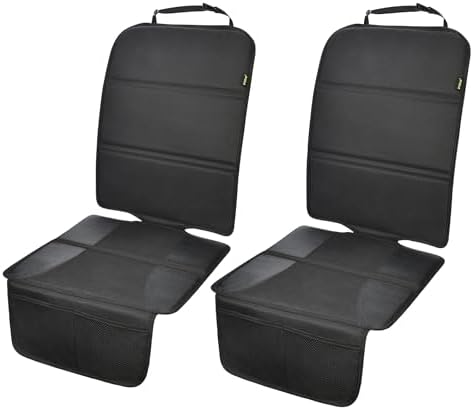
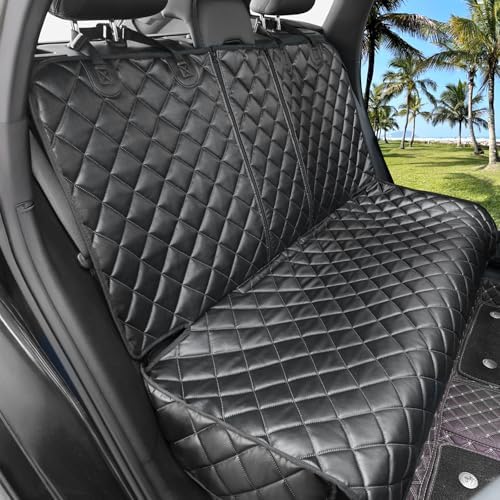
Finding the best seat protector for leather seats is all about striking the perfect balance between protection and preservation. Leather is luxurious, but it’s also incredibly vulnerable to scratches, scuffs, fading, and permanent indentations especially from heavy child safety seats or booster bases. If you’ve ever removed a baby seat and found deep dents or discoloration underneath, you already know how unforgiving leather can be. That’s why a specialized protector designed for leather seats is essential not optional.
The key is choosing a protector that has gentle but effective padding. Thick protectors may seem protective, but they can sometimes trap heat against leather, causing premature cracking or discoloration. On the other hand, ultra-thin protectors don’t provide enough cushion to prevent indentations. The sweet spot is a mid-density foam or multilayer PVC leather design that absorbs pressure while allowing the leather to breathe.
Grip is another important factor especially because leather is naturally slick. A protector with high-quality anti-slip backing ensures it stays in place even when you’re getting in and out of the car or installing a child seat. But be careful: avoid protectors with rough rubberized surfaces that could leave imprint marks on genuine leather. Smooth, heat-resistant, non-textured anti-slip bases are your safest bet.
Leather-safe seat protectors should also be waterproof and stain-resistant. Even though leather resists liquids better than cloth, spills can seep through stitching seams and create long-term damage. Protectors with sealed edges prevent liquids from running off the sides and settling into the cracks of your seat.
Aesthetics matter too. You don’t want a clunky protector destroying the luxurious look of your car interior. Premium protectors come in sleek designs that blend seamlessly with high-end leather upholstery so your car still feels refined.
Whether you’re dealing with kids, pets, or daily commuting wear, choosing the best protector for leather ensures your interior stays as flawless as the day you bought the vehicle. It keeps your investment protected while maintaining that crisp, polished look leather lovers adore.
Best Seat Protector for Baby Car Seats
If you’re a parent, few things are more crucial than finding the best seat protector for baby car seats. Child seats are heavy, they dig deep into your upholstery, and they often leave behind dents that never bounce back especially on leather or soft cloth seats. Add in spilled milk, crumbs, drool, juice boxes, and unpredictable toddler messes, and your backseat can quickly transform into chaos. A baby-friendly protector serves as both a safety barrier and a sanity saver.
The biggest consideration here is safety compliance. Any protector used underneath a child seat must be crash-tested and certified safe by the manufacturer. Some generic protectors can interfere with seat belt or LATCH installations, causing the baby seat to become unstable during a collision. Look for protectors labeled “LATCH compatible,” “crash-tested,” or approved for use with infant, convertible, and booster seats.
Parents also appreciate high-wall designs around the edges. These raised borders catch spills and crumbs before they roll off onto your seat. Many protectors include built-in storage pockets that face forward, making it easy to store toys, books, snacks, wipes, and emergency essentials within arm’s reach.
Padding is another major factor. You want a protector thick enough to prevent indentations but thin enough to maintain a firm, secure fit for the child seat. Multi-layer PVC leather or compressed foam protectors strike that perfect balance.
Also important is easy cleaning. Kids are adorable but messy. Choosing a protector that wipes clean in seconds saves you from the dreaded deep-clean Saturdays. Waterproof materials are a must. Some protectors are even heat-resistant to ensure the child seat doesn’t stick to the protector in hot climates.
In short, the best baby seat protector keeps your car clean, keeps your child safe, and keeps your upholstery indentation-free. It’s one of the smartest investments new parents can make.
Best Seat Protector for Pets


For pet owners, choosing the best seat protector for pets is a game changer. Whether you’re traveling with a hyper puppy, a calm senior dog, or a cat that dislikes car rides, pets introduce challenges that standard seat protectors aren’t built to handle. Fur, drool, scratches, dirt, and accidents are just part of the adventure. A pet-specific protector is designed to handle all that chaos while keeping your seats spotless.
One of the most popular pet protector styles is the hammock seat cover. This style attaches to both the front and rear headrests, creating a suspended “hammock” that keeps your dog from falling into the footwell while also shielding your entire backseat. Hammocks also protect your front seats and door panels from scratches a win-win for owners of energetic dogs.
Another great option is the bench seat protector, which works well for pets who ride calmly or prefer more open space. It covers the entire backseat and often includes side flaps to prevent fur and dirt from getting into crevices.
Material quality matters a lot for pet protectors. Look for heavy-duty Oxford fabric, reinforced stitching, and multi-layer waterproof coatings. These materials resist claw marks, keep moisture from seeping through, and handle continuous movement without tearing. Some protectors include mesh windows that allow better ventilation and reduce anxiety for pets who like to see their owners.
A key feature to look for is non-slip backing. Pets shift around during rides, and a slipping cover can be both uncomfortable and unsafe. High-grip rubberized bases help keep the protector in place no matter how much your pet moves.
Finally, consider ease of cleaning. Pets shed fur everywhere, and accidents happen. The ideal pet protector wipes clean, vacuums easily, and can be removed in seconds for washing.
For pet lovers, the right protector isn’t a luxury, it’s a necessity that keeps your car clean while giving your furry passenger a comfortable, secure ride.
Top-Rated Car Seat Protectors: Product Comparisons
Choosing the top-rated car seat protector can be overwhelming because there are so many options with great reviews. To make the process easier, a comparison of features, materials, and performance can help highlight which ones truly stand out.
Below is a simple comparison table summarizing some of the best options on the market (general, not brand-specific):
| Feature | Heavy-Duty Protector | Pet Hammock Protector |
|---|---|---|
| Best For | All-purpose protection | Dogs & pets |
| Material | Oxford + PVC Leather | Heavy Oxford + Rubber |
| Waterproof | Yes | Yes (multi-layer) |
| Slip Resistance | Excellent | Excellent |
| Extras | Storage pockets | Mesh window, side flaps |
| Durability | Very high | Very high |
When comparing top-rated protectors, consider how well each one meets your unique needs, not just the star rating. For example, a highly rated pet protector may be useless for a baby seat, and a budget cover may not withstand heavy equipment or daily spills.
Reading real user reviews helps too. Look for comments about installation, slipping issues, ease of cleaning, long-term durability, and whether the protector actually prevents indentations. Sometimes the features that matter most aren’t listed on product pages like how well it handles heat, whether it smells when new, or if it fits SUVs better than sedans.
The top-rated protectors share common traits: strong materials, multilayer waterproofing, good grip, and long-term reliability. Those factors ultimately determine whether you’re getting a protector that lasts or one you’ll replace within months.
Pros and Cons
1. Heavy-Duty Multipurpose Protector
Pros
- Extremely durable and long-lasting
- Thick padding protects against dents and scratches
- Excellent waterproofing and stain resistance
- Anti-slip backing keeps the protector firmly in place
- Storage pockets add extra functionality
- Works for kids, pets, and daily commuting
Cons
- Slightly bulkier than lighter protectors
- May not fit perfectly on narrow bucket seats
- Higher price than basic protectors
2. Baby Car Seat Protector

- 1.Premium TPE Material: Specially designed car seat protector made from high-density, BPA-free TPE material, offering du…
- 2.Waterproof & Spill-Resistant: The waterproof surface effectively prevents liquids, crumbs, and dirt from seeping into …
- 3.Anti-Slip & Wear-Resistant: Features a non-slip bottom and wear-resistant design to withstand daily use, ensuring the …
Pros
- Crash-tested for safety
- Compatible with LATCH systems
- Prevents deep indentations from baby seats
- High sides catch spills and crumbs
- Easy-to-clean waterproof material
- Fits most infant, convertible, and booster seats
Cons
- Not ideal for pets or general use
- Some models are too rigid for curved seats
- Professional-quality versions cost more
3. Pet Hammock Seat Protector

- [Hard Bottom Car Seat Cover for Dogs]- Dog car seat cover for back seat is upgraded to a hard backing combined with high…
- [Upgraded Door Protectors] The door protectors use embedded inserts, solving the disadvantage of Velcro losing its stick…
- [100% Waterproof and Warping Resistant]- Dog seat cover for back seat are made of advanced 600D polyester’s oxford fabri…
Pros
- Maximum coverage for pets (seat + floor + front seats + doors)
- Thick, scratch-proof Oxford fabric
- Multi-layer waterproofing prevents accidents from soaking through
- Mesh window reduces anxiety for pets
- Side flaps protect doors from dirty paws
- Great stability rarely slides
Cons
- Not ideal for child seats or human passengers
- Bulkier and takes up more space
- Premium models can be on the expensive side
4. Bench Seat Protector

- Durafit Seat Covers, made to fit 1992-1996 Ford Bronco Rear Bench Seat Covers. Made in Gray Velour
- Bronco Rear Solid Bench Seat
- Made in Gray Velour. Our Velour a woven pile fabric with a soft touch. Similar to original fabric. See swatch for color.
Pros
- Covers the entire backseat for family use
- Works well for multiple kids or large pets
- Seatbelt openings make it compatible with boosters
- Good balance between cost and protection
- Easy to install and remove
Cons
- May not fit perfectly on vehicles with molded or split seats
- Lower waterproofing than premium models
- Doesn’t include headrest-back protection
5. Budget-Friendly Protector
Pros
- Affordable option for light-duty use
- Quick installation
- Lightweight and flexible
- Good for older cars or temporary use
Cons
- Less durable; may tear with heavy use
- Minimal waterproof protection
- Not suitable for baby seats or heavy dogs
- Slides easily without strong anti-slip backing
Installation Tips for a Perfect Fit
Installing a seat protector might seem straightforward, but doing it the right way ensures maximum protection, comfort, and safety especially when you’re using it with child car seats or heavy equipment. A proper installation also prevents annoying sliding, bunching, or uneven pressure on your upholstery. The goal is to create a smooth, secure, well-positioned barrier that stays in place no matter how often you get in and out of the car.
Start by cleaning your actual car seat first. Removing dust, crumbs, or debris ensures the protector lays flat. Then position the protector’s base on the seat bottom, making sure it aligns with the seat contours. High-quality protectors usually have anchor tabs that tuck into the seat creases. These work like a wedge to hold the protector firmly in place. Never skip this step because anchor tabs are crucial for preventing slipping.
Next, secure the top straps around the headrest. These straps keep the upper portion from sagging or sliding down when you lean back or adjust your seat. If your protector has side flaps, tuck them gently around the seat edges, making sure they don’t interfere with seat belt buckles or controls. The key is achieving a natural fit tight enough to stay secure but not so tight that the protector wrinkles or shifts awkwardly.
For parents installing baby car seats, always check the LATCH or seat belt path. Make sure the seat protector does not obstruct anything and that it’s certified for use with child safety seats. Once the child seat is installed, push down firmly and check stability. The protector should stay flat and move with the seat not slide underneath it.
After installation, do a simple test: sit, shift, and move around a bit. If the protector stays aligned without bunching or sliding, you’ve got the perfect fit. A well-installed protector should feel like it came with the car not like an afterthought.
Maintenance & Cleaning Tips
One of the biggest perks of using a car seat protector is that it simplifies cleaning. But to keep it performing at its best, you need to follow the right maintenance routine. Luckily, most protectors are designed for easy upkeep and can handle frequent cleaning without losing quality.
Start with regular surface cleaning. After a week of commutes, errands, or kid drop-offs, crumbs, dust, and pet hair accumulate quickly. Use a handheld vacuum or lint roller to remove loose debris. This prevents buildup and keeps the protector from becoming a magnet for dirt. For waterproof protectors made of PVC leather or Oxford fabric, a damp cloth and mild soap are usually enough to remove spills, stains, or sticky messes.
Avoid harsh chemicals, bleach, or abrasive scrubbers. These can break down waterproof coatings or weaken stitching. If the protector has deep-set stains, use a gentle upholstery-safe cleaner. Many protectors are designed to resist odors, but if you’re battling smells from food or pets, a fabric-safe disinfecting spray can help.
For pet-specific protectors, regular washing is essential. Many are machine-washable, but double-check the label first. Always air-dry protectors, as high heat can melt waterproof layers or cause shrinking. If the protector includes mesh windows or zippers, inspect them occasionally to ensure they’re not snagged or worn.
Another useful tip is to occasionally remove the protector to air out your actual car seat. Leather and cloth both need ventilation to stay fresh and avoid moisture buildup. This also gives you a chance to check for any dirt that may have slipped underneath.
With proper cleaning and care, a high-quality seat protector can last for years keeping your car looking effortlessly clean.
Common Mistakes to Avoid When Using Seat Protectors
Even the best seat protector won’t do its job if it’s used incorrectly. Many people unintentionally make mistakes that reduce effectiveness or even create safety risks especially when child seats are involved. Knowing what to avoid ensures your protector performs exactly as intended.
One common mistake is choosing a protector not designed for child car seats. Parents sometimes buy thick or overly padded protectors that look protective but aren’t crash-tested. These can prevent the baby seat from tightening properly, making the installation unsafe. Always pick protectors labeled “LATCH compatible” or “crash-tested.”
Another mistake is failing to secure the protector properly. Loose protectors slide around, causing discomfort and reducing protection. If yours has anchor tabs or straps, use them. If not, adjust the protector until it sits snugly without folds or bumps.
Some drivers use protectors that block side airbags embedded in the seats. This is extremely dangerous. Always check your vehicle’s manual before installing a full-coverage protector, especially on the front seats.
People also forget to clean underneath the protector. Even though protectors block most debris, small crumbs or dirt can slip around the edges. Leaving debris trapped long-term can cause odors or abrasion on leather.
Finally, avoid buying ultra-cheap protectors. Low-quality materials tend to peel, crack, or melt under heat especially in hot climates. They also fail to stop liquids from seeping through.
Avoid these mistakes and your protector will work better, last longer, and keep your car safe.
Budget vs Premium Seat Protectors
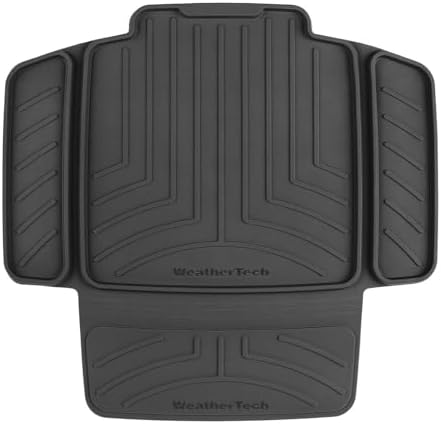
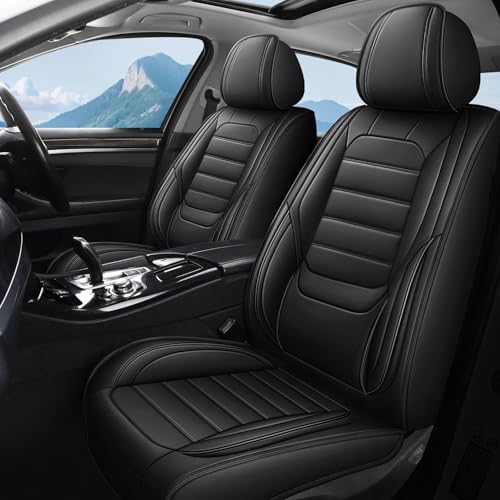
When comparing budget vs premium seat protectors, the differences become obvious the moment you touch the material. Budget-friendly protectors serve basic needs and are perfectly fine for light use. They’re great for people who occasionally transport groceries, gym gear, or the occasional pet. They offer spill resistance, minimal padding, and simple installation. But they may lack long-term durability and might require replacement sooner.
Premium protectors, on the other hand, are built for daily use and offer advanced features like multi-layer waterproofing, high-density padding, reinforced stitching, heat resistance, and non-slip technology. They often look better too sleeker designs, better material quality, and a more polished finish.
The question is: do you need premium? If you have kids, pets, leather seats, or expensive vehicles, the answer is usually yes. Premium protectors prevent indentations, scratches, and stains far more effectively. They also stay in place better, reducing shifting and sliding.
Budget protectors are good for temporary use or light-duty protection. Premium is ideal for long-term protection and demanding situations.
Think of it like buying shoes: cheap ones work for quick errands, but you wouldn’t run a marathon in them. Premium protectors handle the “marathon” of everyday life.
Final Buying Guide: What Matters Most

When choosing the best seat protector for car seats, it’s easy to get overwhelmed by the endless options, features, and marketing buzzwords. That’s why a final buying guide helps simplify everything into what truly matters practical features that protect your seats, match your lifestyle, and last for years. Think of this guide as your shortcut to making a confident, well-informed decision without second-guessing yourself later.
The first factor to consider is material quality. The protector’s material isn’t just about looks; it determines how well it resists spills, tears, pressure, and everyday use. For most people, PVC leather and Oxford fabric offer the best mix of durability, waterproofing, and easy maintenance. If comfort is a priority, neoprene is a fantastic choice because it feels soft and handles moisture extremely well.
Next, consider fit and compatibility. Not all protectors fit every car the same way. You want one that aligns with your seat shape whether you have bucket seats, captain chairs, or a bench setup. For parents, compatibility with LATCH systems is non-negotiable. Always check for crash-tested labels if you’re pairing the protector with a child seat.
Anti-slip backing is another must-have. A protector that slides around is not only annoying but also unsafe. Look for rubberized, waffle, or textured grips that hold the protector firmly in place. For pet owners, strong grip prevents your dog from sliding every time you hit the brakes.
You should also consider coverage style. Do you need a full-coverage protector that shields the seatback and sides? Or are you transporting pets and need a hammock-style protector? Or maybe you want something minimal and sleek for daily driving? Matching coverage to your lifestyle guarantees the protector actually solves your problems.
Finally, think about ease of cleaning. The ideal protector lets you wipe away spills in seconds, vacuum easily, and remove quickly for washing. Stain resistance, waterproof layers, and sealed edges all contribute to a worry-free experience.
Once you evaluate these core factors material, fit, grip, coverage, and maintenance you’ll easily identify which protector stands out as the perfect fit for your needs.
Conclusion
Choosing the best seat protector for car seats isn’t just about keeping your vehicle looking clean it’s about preserving your investment, reducing stress, and making every ride more enjoyable. Whether you’re battling toddler spills, transporting pets, hauling gear, or protecting plush leather from everyday wear, a high-quality seat protector is your best defense. It shields your upholstery from stains, scratches, pressure dents, and moisture while keeping your car interior comfortable and stylish.
The right protector transforms your driving experience. No more worrying about muddy paws, dropped juice boxes, sweaty gym bags, or crumbs disappearing into impossible corners. Instead, you get peace of mind knowing your seats are protected by a tough, reliable barrier engineered to handle real-life messes.
From choosing the right materials to understanding compatibility with baby seats and pets, the key is selecting a protector that aligns with your lifestyle. Whether you go budget-friendly or premium, the right pick will make your car cleaner, safer, and more resilient to daily use.
As long as you follow the guidance above and avoid common mistakes like choosing non-tested protectors or ignoring fit compatibility, you’ll have no trouble finding a seat protector that truly delivers long-lasting performance.
FAQs
1. Are seat protectors safe to use with baby car seats?
Yes, if they are crash-tested and labeled as LATCH compatible. Always choose protectors specifically designed for child seats to ensure proper installation and safety.
2. Can seat protectors damage leather seats?
Not if you choose the right type. Leather-safe protectors with smooth anti-slip backing and breathable materials prevent dents, stains, and cracking without causing damage.
3. Which material is best for pet seat protectors?
Heavy-duty Oxford fabric is ideal for pets because it’s scratch-resistant, waterproof, and durable enough to handle claws, dirt, and constant movement.
4. How often should I clean my seat protector?
Light cleaning once a week is usually enough. If you have kids or pets, a quick wipe-down after each messy trip keeps odors and stains away.
5. Do I need a premium seat protector?
If you have leather seats, pets, kids, or a long daily commute, a premium protector pays off with better durability, stability, and long-term protection.