Introduction to UV Protection for Car Paint
Your car isn’t just a machine that gets you from point A to point B—it’s an investment, a statement, and in many cases, a source of pride. But here’s the problem: the sun doesn’t care about your investment. Just like human skin, car paint suffers from the relentless assault of ultraviolet (UV) rays. Over time, these invisible rays can fade, dull, and even crack your paint, leaving your car looking far older than it is.
Think about it: when you leave your car parked in the open on a hot summer day, the paint is exposed to hours of intense UV radiation. This isn’t just a cosmetic problem—it’s a structural one. As the sun’s rays break down the paint molecules, the clear coat (your car’s outer protective layer) weakens. Once the clear coat is compromised, the paint beneath becomes vulnerable to oxidation, corrosion, and even peeling.
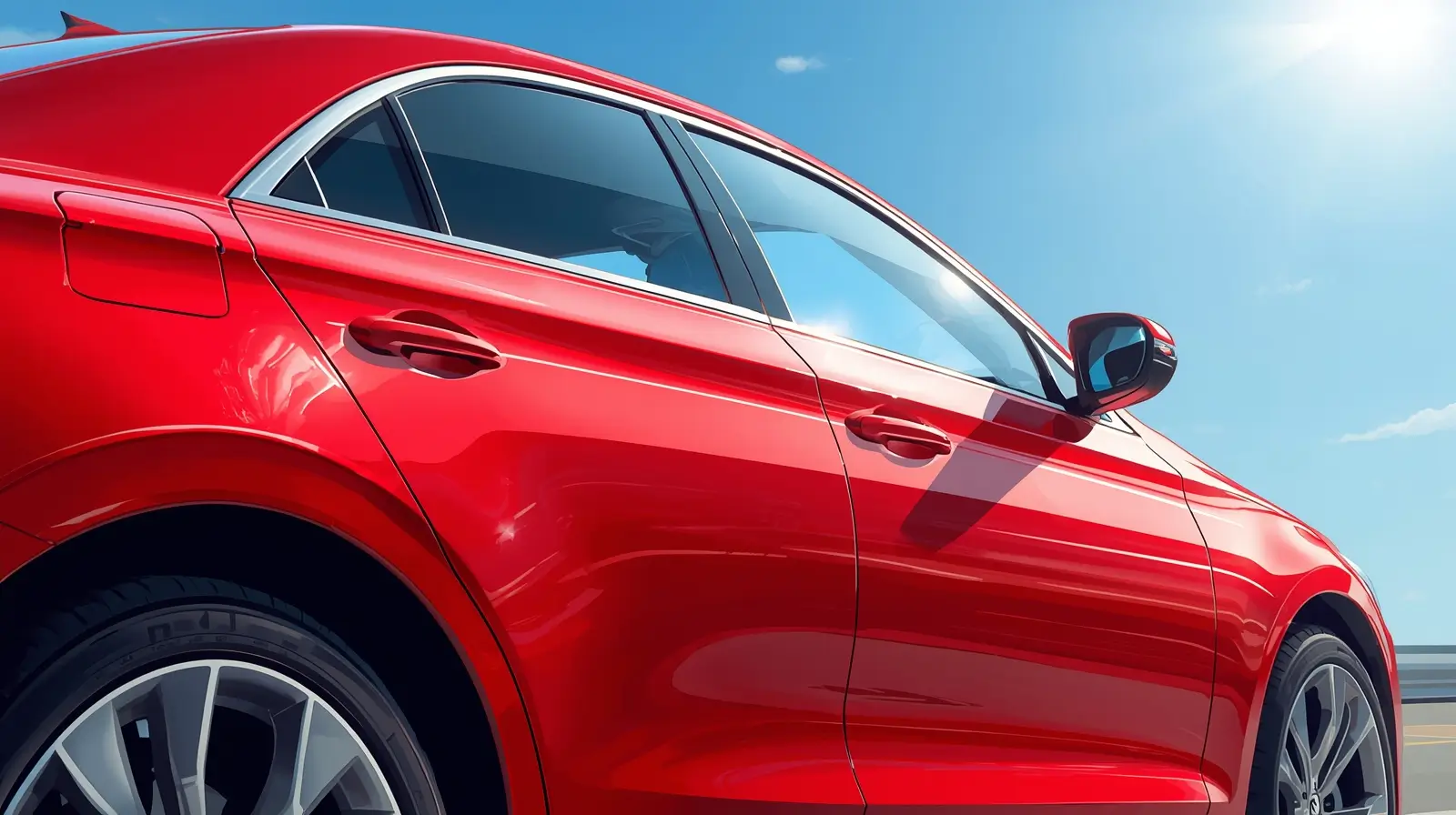
If you’ve ever seen a once-shiny red car turned into a chalky pink mess, you’ve witnessed UV damage in action. The good news? You don’t have to let the sun win. With the right UV protection, you can keep your car looking brand new for years. In this guide, we’ll explore the most effective methods, from budget-friendly waxes to high-tech ceramic coatings, so you can choose the best option for your car and budget.
Why UV Rays are Harmful to Car Paint
UV rays are high-energy radiation from the sun, and they’re especially destructive to colored surfaces. For car paint, the main problems caused by UV exposure include:
- Fading – UV rays break down the chemical bonds in pigments, making colors appear dull.
- Oxidation – The paint surface reacts with oxygen in the air, creating a chalky layer.
- Clear Coat Degradation – The transparent layer that protects your paint becomes brittle and starts to peel.
Unlike scratches or dents, UV damage is subtle at first but can accelerate quickly. The effect is cumulative, meaning every day your car spends in the sun without protection adds up. Over the years, this damage can significantly reduce your car’s resale value.
Signs of Sun Damage on Your Vehicle
Recognizing early signs of UV damage can save you hundreds (or even thousands) in repainting costs. Look for:
- Color Fading: Bright colors like red, blue, and yellow are most at risk.
- Surface Roughness: A gritty texture means the clear coat is breaking down.
- Peeling or Bubbling: Clear coat failure often starts with small patches that spread.
- White, Chalky Dust: This is oxidized paint coming off your car’s surface.
If you notice any of these, it’s time to act fast. The sooner you apply UV protection, the easier it is to stop further damage and restore your car’s shine.
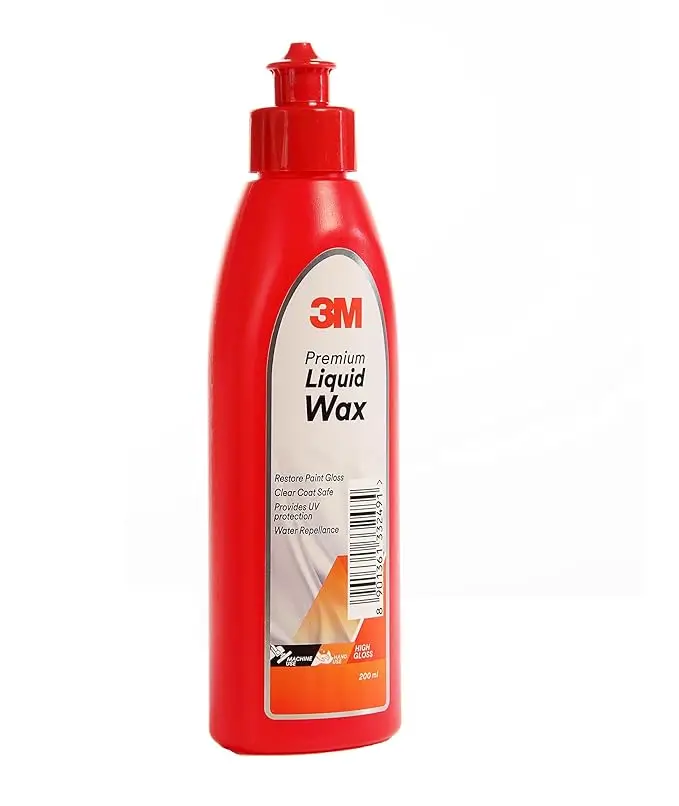
Image Source: Amazon
3M Premium Liquid Wax, Restores Car Paint Gloss and Lustre, Water Repellent, UV Protection
Understanding How UV Rays Affect Car Paint
To protect your car effectively, you need to understand how UV rays actually cause damage. Sunlight contains UVA and UVB rays. While UVB rays are responsible for sunburn in humans, UVA rays are the real villains for your car paint. They penetrate deeply into the paint layers, breaking down molecular bonds and causing discoloration.
The heat that comes with sunlight also worsens the problem. As your car heats up, the paint expands, and when it cools at night, it contracts. This constant expansion and contraction create tiny microcracks in the clear coat, allowing moisture and pollutants to get in. Over time, this can lead to rust formation on exposed metal parts.
The Science Behind UV Damage
Paint is made up of pigments (color particles) and binders (resins that hold the pigment together). UV rays attack both. When the binder weakens, the pigment particles lose their grip, leading to fading and chalking. The clear coat, which is meant to act like sunscreen for your car, also degrades under prolonged exposure, losing its transparency and turning yellow or cloudy.
Common Myths About Sun Damage and Car Paint
- Myth 1: “Only dark-colored cars fade in the sun.”
False. While dark colors absorb more heat, UV rays affect all paint colors. Light colors just fade differently, often becoming dull or chalky. - Myth 2: “If I park in the shade sometimes, my car is safe.”
Partial shade helps but doesn’t eliminate UV exposure. Reflected UV rays from pavement and nearby buildings still reach your car. - Myth 3: “Modern car paints are UV-proof.”
Today’s paints are more UV resistant than older formulas, but they are far from immune. Without extra protection, even new cars can fade within a few years in harsh sunlight.
Benefits of UV Protection for Your Car
Protecting your car’s paint from UV damage is more than a vanity project—it’s a smart financial decision. The exterior of your car is the first thing people notice, and a faded, oxidized finish can make even a well-maintained vehicle look old.
Extending the Lifespan of Your Vehicle’s Paint
Regular UV protection ensures your car’s paint lasts for decades, not just years. By creating a protective barrier, you reduce the direct impact of UV rays on the paint surface. This means less fading, less peeling, and fewer costly repaint jobs in the future.
Maintaining Aesthetic Appeal and Resale Value
When it comes time to sell or trade in your vehicle, appearance matters—a lot. Dealers and buyers are more willing to pay top dollar for a car that looks showroom-fresh. A glossy, vibrant paint job tells them the car has been well cared for, and that’s a big trust factor.
Plus, if you’re leasing your car, UV protection can save you from end-of-lease charges for paint damage.
Types of UV Protection for Car Paint
There’s no one-size-fits-all solution to UV protection. The right method depends on your budget, time commitment, and desired level of protection. Here are the main options:
Ceramic Coatings
Ceramic coatings are liquid polymers that bond chemically with your car’s paint, creating a hard, hydrophobic surface. This coating acts like a long-term sunscreen for your vehicle, blocking UV rays and preventing oxidation.
Car Wax and Sealants
Waxes and synthetic sealants form a temporary layer over your car paint. They’re budget-friendly, easy to apply, and great for short-term protection. However, they need to be reapplied more often—every few months for best results.
Paint Protection Films (PPF)
PPF is a clear, urethane-based film applied directly to the car’s surface. It offers physical protection not just against UV rays but also against stone chips, scratches, and road debris.
UV Protection Sprays
These are quick-application sprays that can be used between washes to boost your car’s UV defense. While they’re not as durable as coatings or PPF, they’re great for touch-ups and extra protection.
Ceramic Coatings – The Long-Term Shield
Ceramic coatings are the gold standard in UV protection for car paint. Unlike waxes that sit on top of the paint, ceramic coatings chemically bond with it, forming a semi-permanent shield that lasts years instead of months.
How Ceramic Coatings Work Against UV Damage
Ceramic coatings contain silicon dioxide (SiO₂), which creates a transparent, rock-hard barrier over your paint. This barrier reflects UV rays, reduces heat absorption, and prevents oxidation. The hydrophobic nature of the coating also means dirt, bird droppings, and water spots are less likely to stick, further preserving your car’s finish.
Pros and Cons of Ceramic Coatings
Pros:
- Long-lasting (2–5 years with proper maintenance)
- Excellent UV and chemical resistance
- Enhances gloss and depth of color
- Reduces maintenance time
Cons:
- Expensive initial cost
- Requires professional application for best results
- Doesn’t protect against deep scratches or dents
Car Wax and Sealants – Affordable UV Protection
If ceramic coatings are the luxury option for UV protection, then waxes and sealants are the tried-and-true, budget-friendly champions. They’ve been around for decades, and for good reason—they work. While they don’t last as long as ceramic coatings, they’re easy to apply, affordable, and can still offer impressive protection when used consistently.
Car wax, typically made from natural carnauba or synthetic blends, creates a shiny, protective barrier that reflects UV rays and shields the clear coat from oxidation. Sealants, on the other hand, are entirely synthetic and designed for longer durability—sometimes lasting up to six months compared to a few weeks for traditional wax.
The key difference between the two is in their chemical structure: waxes are softer and more natural, while sealants form a harder, more resilient layer. Think of wax as your everyday sunscreen and sealants as your long-lasting SPF moisturizer—it’s all about how long you want the protection to last.
Differences Between Wax and Sealants
- Longevity:
- Wax: 4–8 weeks
- Sealant: 4–6 months
- Finish:
- Wax: Deep, warm, glossy look
- Sealant: Crisp, reflective, glass-like shine
- UV Resistance:
- Both offer solid UV protection, but sealants generally last longer between applications
Waxes are perfect for enthusiasts who love to hand-apply and buff their cars for that showroom glow. Sealants are better for those who want set-it-and-forget-it convenience.
How to Apply for Maximum UV Defense
- Wash Your Car Thoroughly: Any dirt or grime left behind will trap heat and damage the paint over time.
- Dry Completely: Applying wax or sealant to a wet surface weakens the bond.
- Apply in Thin, Even Layers: Thick layers don’t improve protection—they just waste product.
- Buff to a Shine: Use a clean microfiber towel for a streak-free finish.
- Reapply Regularly: For wax, every 1–2 months; for sealant, every 4–6 months.
The biggest mistake people make? Waiting too long between applications. UV protection is only effective as long as the barrier is intact, so be consistent.
Paint Protection Films (PPF) – The Physical Barrier
Paint Protection Film (PPF) is like giving your car an invisible suit of armor. Made from thermoplastic urethane, PPF is applied directly to the car’s painted surfaces and provides not just UV protection but also defense against road debris, stone chips, and minor abrasions.
While waxes and coatings work on a chemical level, PPF physically blocks UV rays from ever reaching your paint. Some modern PPF products even come with self-healing properties, meaning minor scratches disappear with heat exposure (sunlight or warm water).
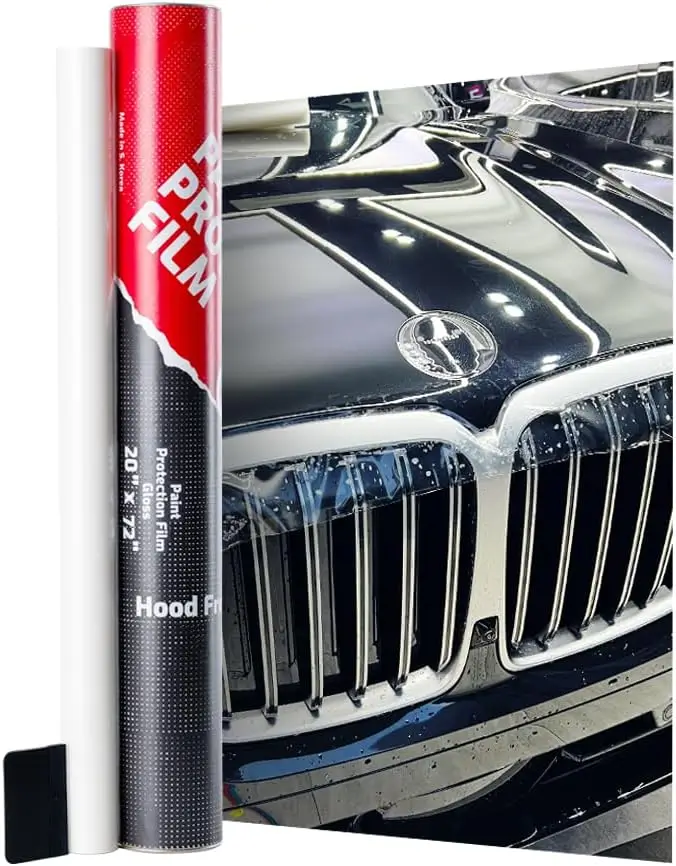
Image Credit: Amazon
[ARMOR UP] Do-It-Yourself Paint Protection Film 20-by-72-inch Hood Car Clear Bra ppf wrap for Compact Pickup Trucks, SUV, Cars. TPU Material, 8-mil Thick, Automotive Protector Wrap
Advantages of PPF for UV Protection
- Complete Coverage: Blocks nearly all UV penetration.
- Multi-Protection: Guards against chips, scratches, and staining in addition to UV damage.
- Longevity: Can last 5–10 years with proper care.
- Self-Healing Technology: Minor swirl marks vanish with heat.
PPF is especially beneficial for new cars or freshly repainted vehicles. By applying it early, you lock in that factory-fresh look for years.
Professional vs. DIY Installation
While there are DIY kits available, PPF installation is best left to professionals. The film must be precisely aligned and applied without bubbles or wrinkles, which can be tricky for beginners. Professional installers also have access to high-grade films and can pre-cut them to fit your vehicle perfectly.
DIY Pros:
- Lower cost
- Satisfying for car enthusiasts who enjoy hands-on projects
DIY Cons:
- Risk of bubbles, peeling, or misalignment
- May not last as long as professional installation
UV Protection Sprays – Quick and Easy Solution
UV protection sprays are the “grab-and-go” option for car owners who want a fast, simple way to defend their paint between washes. These sprays contain polymers or silicones that form a thin, reflective coating over your paint, helping to deflect UV rays and prevent oxidation.
They’re especially useful if you don’t have time for a full waxing or if you live in an area with intense sunlight year-round. While sprays don’t offer the long-term benefits of ceramic coatings or PPF, they’re great for topping up existing protection layers.
When to Use Sprays for Best Results
- After washing your car for a quick shine and added protection
- Between wax or sealant applications to extend their lifespan
- On hot summer days before long outdoor parking sessions
Sprays can also be used on other parts of your car, like headlights and trim, to prevent UV yellowing and fading.
Choosing the Right Spray Formula
When selecting a UV protection spray, look for:
- SiO₂ or Polymer-Based Formulas: Better water resistance and durability
- Non-Greasy Finish: Won’t attract dust or leave streaks
- Multi-Surface Use: Suitable for paint, glass, and trim
Additional Tips for Protecting Car Paint from UV Rays
Even with the best products, your car’s UV defense will benefit from a few practical habits. These can significantly reduce sun exposure and prolong the life of your paint.
Using Car Covers
A high-quality, UV-resistant car cover is one of the simplest ways to protect your vehicle when parked outdoors for extended periods. Look for breathable materials to prevent moisture buildup underneath.
Parking in Shaded Areas
Whenever possible, choose shaded parking spots—whether under a tree, in a garage, or beside tall buildings. Even partial shade can make a difference.
Regular Washing and Maintenance
Dust, dirt, and road grime can act like sandpaper when baked onto the paint by the sun. Regular washing removes these contaminants, while routine waxing or sealing ensures the UV barrier is always fresh.
Professional UV Protection Services
If you want your car to have the best UV protection possible without the hassle of DIY, professional services are the way to go. These services usually include advanced products, precise application, and specialized tools that ensure maximum durability and coverage.
Professional detailers can apply ceramic coatings, install paint protection film, or perform multi-layer treatments that combine several forms of protection. Many also offer warranties, giving you peace of mind that your investment is covered for years.
Cost and What to Expect
The cost of professional UV protection depends on the service you choose:
- Ceramic Coating: $500–$2,000, depending on vehicle size and coating quality
- Paint Protection Film (PPF): $1,000–$5,000 for full-body coverage, less for partial coverage
- High-End Sealant Application: $150–$300
Expect the process to take several hours to a few days, especially for PPF or multi-layer ceramic coatings. The shop will first deep-clean and decontaminate the paint, ensuring it’s free of swirls, scratches, and oxidation before applying the protective layer.
How to Choose the Right Service Provider
- Check Reviews: Look for consistent positive feedback about product quality and workmanship.
- Ask About Products Used: Higher-end coatings and films last longer and offer better UV resistance.
- Request a Portfolio: A reputable shop will proudly show before-and-after photos of past work.
- Confirm Warranty Details: Ensure the coverage includes UV damage, not just defects in the coating or film.
Choosing the right shop can make all the difference between a job that lasts a few months and one that protects your paint for a decade.
Common Mistakes to Avoid in UV Protection
Even the best products won’t help if they’re applied incorrectly or neglected afterward. Many car owners unintentionally shorten the life of their UV protection by making avoidable mistakes.
Skipping Regular Maintenance
UV protection isn’t “set it and forget it.” Waxes need reapplication every few months, sealants every 4–6 months, and even ceramic coatings benefit from annual checkups. If you let the barrier wear away completely, your paint becomes vulnerable again.
Using the Wrong Products
Not all car care products are UV-friendly. Harsh detergents, abrasive cleaners, or cheap polishing compounds can strip away protective layers. Always choose pH-balanced car shampoos and microfiber towels to avoid scratching the surface.
DIY vs. Professional UV Protection – Which is Best?
The decision between DIY and professional application comes down to your budget, time, and willingness to learn proper techniques.
Pros and Cons of Each Approach
DIY Pros:
- Lower cost
- Flexibility to reapply anytime
- Satisfaction of doing the work yourself
DIY Cons:
- Risk of streaks, swirls, or uneven application
- Products may not last as long as professional-grade options
Professional Pros:
- Longer-lasting results with top-tier products
- Expert application ensures even coverage
- Often includes warranties for peace of mind
Professional Cons:
- Higher upfront cost
- Requires scheduling and leaving your car for service
If you want ultimate longevity and a “showroom finish” without trial and error, go professional. If you’re comfortable with regular upkeep and enjoy detailing your car, DIY can save money.
How to Maintain UV Protection Over Time
Once you’ve applied UV protection, the goal is to keep it working at peak performance for as long as possible.
Reapplication Schedules
- Wax: Every 1–2 months
- Sealant: Every 4–6 months
- Ceramic Coating: Touch-up or booster coating annually
- PPF: Check every 6 months for lifting edges or damage
Seasonal Care Tips
- Summer: Wash more frequently to remove dust and heat-baked contaminants.
- Winter: Use a garage or cover to protect from snow glare and road salt, which can weaken coatings.
- Rainy Seasons: Apply a hydrophobic top-up spray to keep water from sitting on the paint and causing spots.
Final Thoughts on Protecting Your Car’s Paint from UV Rays
The sun is one of the most relentless enemies of your car’s exterior, but with the right combination of products and habits, you can beat it. Whether you go for a budget-friendly wax, a high-tech ceramic coating, or the ultimate shield of PPF, the key is consistency.
By understanding how UV rays work, spotting early signs of damage, and taking proactive steps, you’ll keep your car looking showroom-ready for years.
FAQs
1. How often should I reapply UV protection to my car paint?
It depends on the product. Wax needs reapplication every 1–2 months, sealants every 4–6 months, ceramic coatings annually, and PPF can last up to 10 years.
2. Can I use sunscreen on my car paint?
No. Human sunscreen contains chemicals that can stain or damage car paint. Use products specifically designed for automotive surfaces.
3. Is ceramic coating better than wax for UV protection?
Yes. Ceramic coatings last years, while wax only lasts weeks. However, ceramic coatings are more expensive and require professional application for best results.
4. How can I tell if my car paint is already sun-damaged?
Look for fading, chalky residue, surface roughness, or peeling clear coat.
5. What’s the most budget-friendly UV protection option?
A good quality synthetic sealant offers strong protection for up to six months at a low cost.