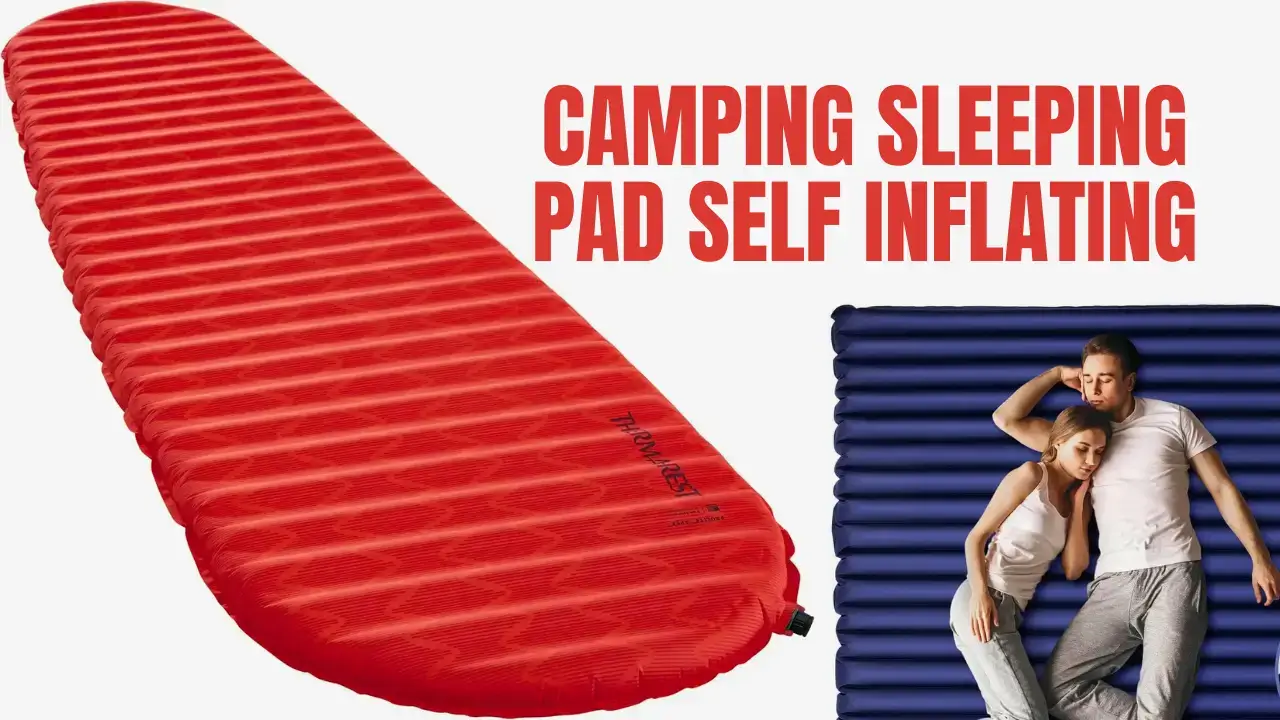
Camping isn’t just about escaping to the great outdoors—it’s about sleeping under the stars in comfort too. And nothing ruins a perfect day in the wilderness like a night spent tossing and turning on hard, cold ground. That’s where self-inflating sleeping pads come in. These game-changers offer a perfect mix of convenience, comfort, and insulation, all rolled up into a compact, easy-to-carry package. Whether you’re a backpacking enthusiast or a car-camping weekend warrior, a self-inflating pad might just be the best upgrade you can make to your gear.
In this ultimate guide, we’re diving deep into everything you need to know about self-inflating sleeping pads—from how they work to what to look for when shopping, and which ones are worth your money in 2025. Ready to transform your camping sleep setup? Let’s get started.
Introduction to Camping Sleeping Pad Self Inflating
What Is a Self-Inflating Sleeping Pad?
A self-inflating sleeping pad is exactly what it sounds like: a camping pad that inflates itself. But how? Inside the pad is a layer of open-cell foam. When you unroll the pad and open the valve, the foam expands by pulling in air, essentially “inflating” the pad. You might still need a few breaths to top it off to your desired firmness, but for the most part, the pad does the heavy lifting.
This technology blends the comfort of foam with the packability of air pads. No need for a pump or frantic blowing into a valve for 10 minutes straight. Just unroll, twist the valve, wait a few minutes, and boom—you’ve got yourself a soft, supportive place to rest.
How It Differs from Other Sleeping Pads
There are three major types of sleeping pads out there: foam pads, air pads, and self-inflating pads. Foam pads are ultra-reliable and cheap but often bulky and not very comfortable. Air pads pack down small and are light, but they require manual inflation and can feel unstable or cold.
Self-inflating pads hit the sweet spot in the middle. They’re easier to set up than air pads and more comfortable than basic foam pads. They’re also warmer, thanks to the foam’s insulation properties. The trade-off? They’re usually a bit heavier and bulkier than air pads. But for many campers, that’s a fair price to pay for a good night’s sleep in the wild.
Why You Need a Self-Inflating Sleeping Pad for Camping
Comfort and Support
When you’re out in the woods, you don’t have your memory foam mattress—or even your trusty couch. The ground is hard, uneven, and cold. A self-inflating pad provides a layer of soft foam and air that cushions pressure points, especially for side sleepers or those with back issues. Some pads offer 2 to 4 inches of padding, which can feel surprisingly luxurious in a tent.
What really sets these pads apart is how they contour to your body. The combination of air and foam helps distribute your weight more evenly than a traditional air mattress, which can feel like sleeping on a water balloon. It’s not quite a hotel bed, but it’s miles better than a rock or root in your back.
Insulation from the Ground
A big part of staying warm while camping is keeping yourself insulated from the cold ground. Self-inflating sleeping pads have a built-in R-value—a measure of insulation. The higher the R-value, the better the pad is at keeping heat in and cold out.
Most self-inflating pads have R-values between 3.0 and 6.0, making them suitable for 3-season or even winter use. This insulation is thanks to the foam core, which traps air and prevents heat loss. Compared to air-only pads, which can get chilly, especially in shoulder seasons, self-inflating pads keep your body warmer for longer.
Convenience and Portability
Setting up camp can be exhausting. The last thing you want to do is spend 15 minutes puffing up a sleeping pad. That’s the beauty of self-inflating pads—you just unroll and open the valve. Go pitch your tent or make a fire, and when you return, your bed is ready.
Many self-inflating pads are designed to be compact and lightweight, making them great for car camping and even for backpacking if you pick a lighter model. They typically roll up into a stuff sack and can be strapped to your pack or tossed into your trunk without hassle.
Types of Self-Inflating Sleeping Pads
Lightweight Pads for Backpackers

Therm-a-Rest NeoAir Xlite
Source: Amazon
Backpackers need gear that’s light, compact, and efficient. Self-inflating pads in this category are usually under 2 pounds and roll up to the size of a loaf of bread. While they may not be the thickest or plushest, they strike a great balance between comfort and packability.
Look for pads with a lower R-value (2.5 to 3.5) for summer and early fall hiking. Many brands now make mummy-shaped pads that cut weight by trimming unused surface area. And yes, even though they’re light, they still offer far more comfort than foam pads or minimalist air mats.
Thick Pads for Car Campers
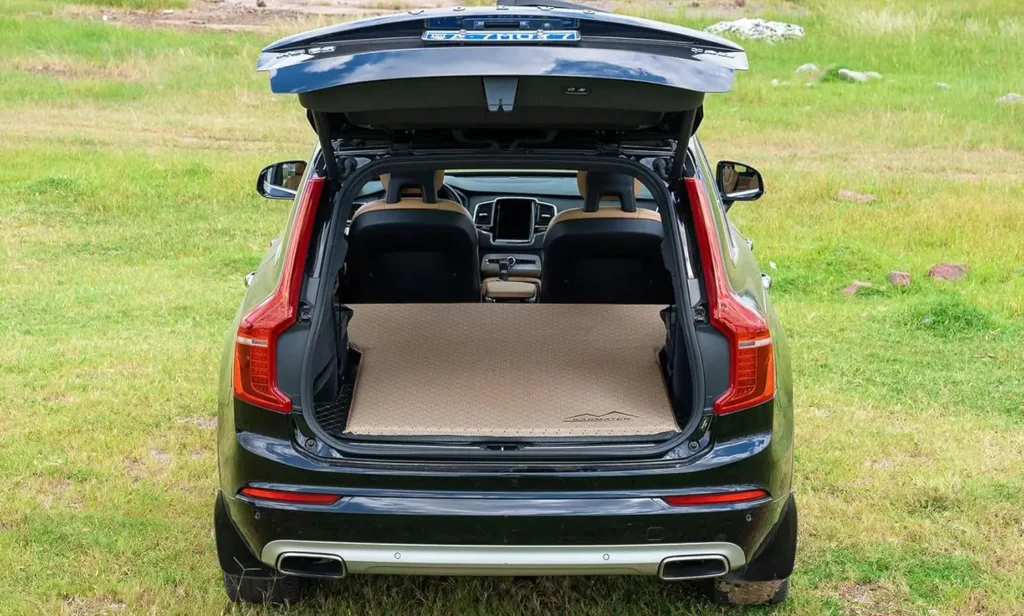
Self Inflating Car Sleeping Pad for Camping
Source: Amazon
When weight isn’t a concern, thickness is your best friend. Car campers can indulge in 3-4 inch thick self-inflating pads that feel nearly as comfy as your bed at home. These pads often come with built-in pillows, dual valves for quick inflation/deflation, and extra-durable materials.
They also tend to have higher R-values, sometimes up to 7.0, making them suitable for cold weather or shoulder-season trips. If you’re driving to the campsite, this is the kind of sleeping pad that makes a difference between a restless night and real rest.
Double Pads for Couples
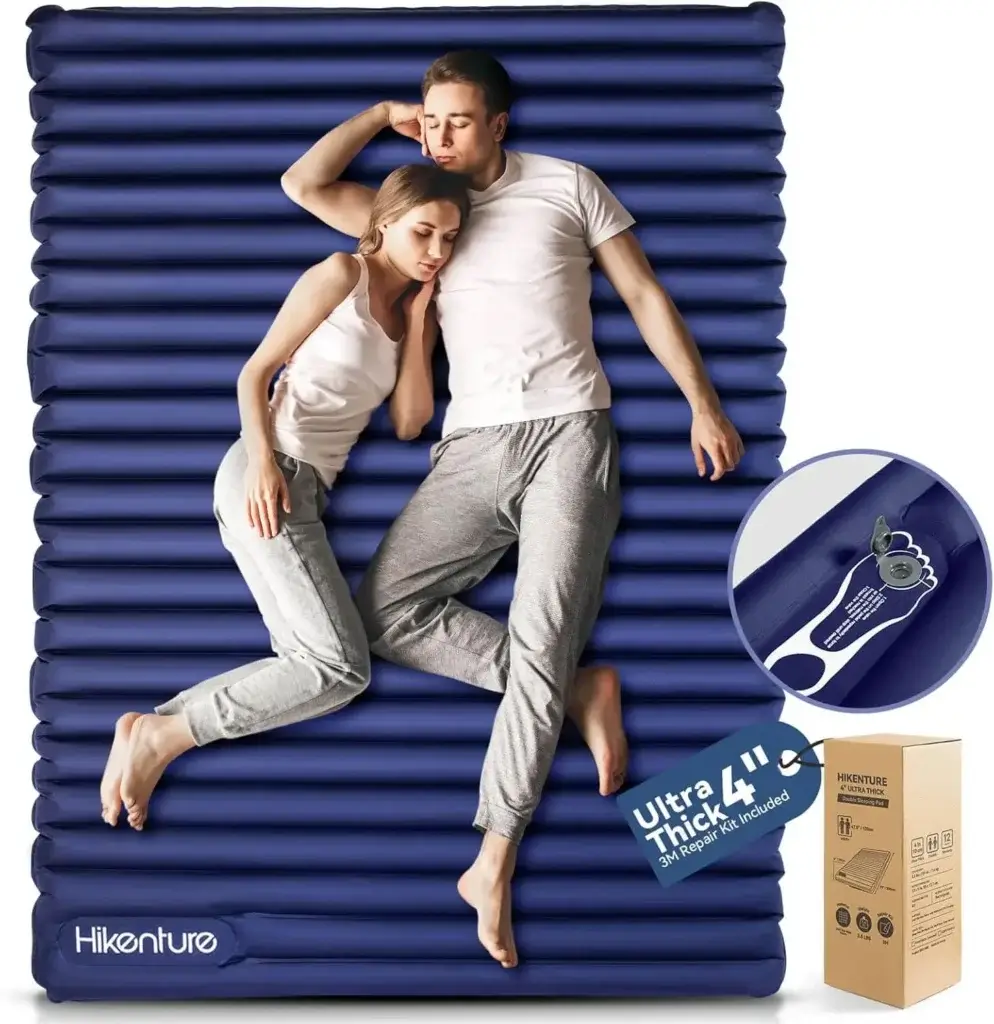
Hikenture Double Sleeping Pad for Camping
Source: Amazon
Why settle for squeezing two pads together when you can cuddle comfortably on one? Double self-inflating sleeping pads are made for two people, offering a wide, shared surface without the awkward gap in the middle. These pads are great for couples, families, or anyone sharing a tent.
They’re heavier and bulkier, of course, but some even come with individual inflation zones so each person can adjust their firmness. They’re perfect for glamping or base camp setups where comfort outweighs portability.
Key Features to Consider Before Buying
R-Value and Insulation
The R-value is crucial if you plan on camping in colder environments. A higher R-value means better insulation. Here’s a quick breakdown:
- 1.0 – 2.0: Good for summer
- 2.1 – 3.5: Ideal for spring and fall
- 3.6 – 5.0+: Suitable for winter camping
Choose based on the lowest temperature you expect. Remember, even in summer, mountain or desert nights can get chilly.
Top 5 Self-Inflating Sleeping Pads in 2025
Choosing the right self-inflating pad can be overwhelming with all the options out there. To make it easier, here’s a breakdown of the top-rated pads for 2025, based on performance, comfort, value, and user reviews.
Best Overall: Therm-a-Rest ProLite Apex
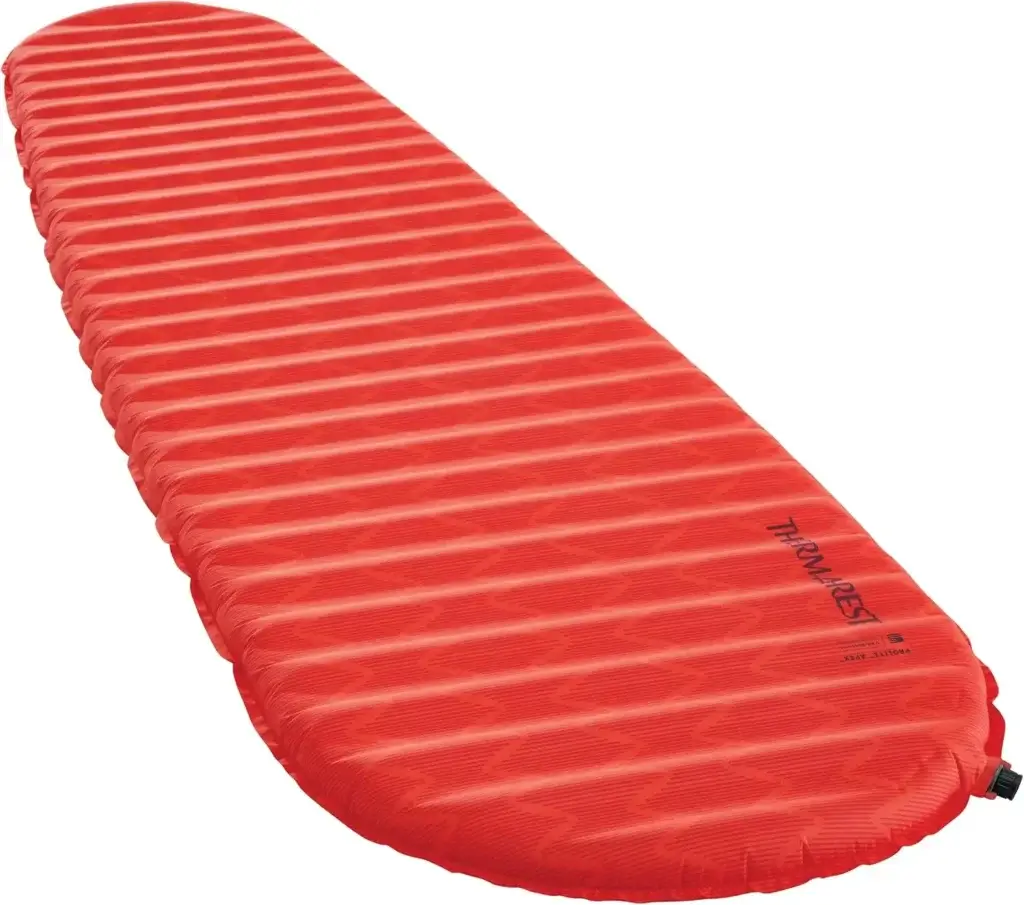
Therm-a-Rest ProLite Apex
Source: Amazon
The Therm-a-Rest ProLite Apex has earned its spot as the best all-around self-inflating pad. It’s lightweight enough for backpacking yet plush enough for car camping. The 2-inch thickness and 3.8 R-value make it suitable for 3-season use, and it packs down nicely.
Pros:
- Lightweight (about 1.5 lbs)
- Compact pack size
- Solid insulation and comfort balance
- Durable with high-quality valve
Cons:
- A bit thin for side sleepers
Best Budget Option: REI Co-op Trailbreak Self-Inflating Pad
If you’re new to camping or just don’t want to drop a lot of cash, the REI Co-op Trailbreak is a fantastic choice. It offers comfort, decent insulation (R-value around 4.0), and reliable performance at a very affordable price point.
Pros:
- Budget-friendly
- Thick and comfortable
- Durable polyester fabric
Cons:
- Bulky when packed
- Heavier than higher-end options
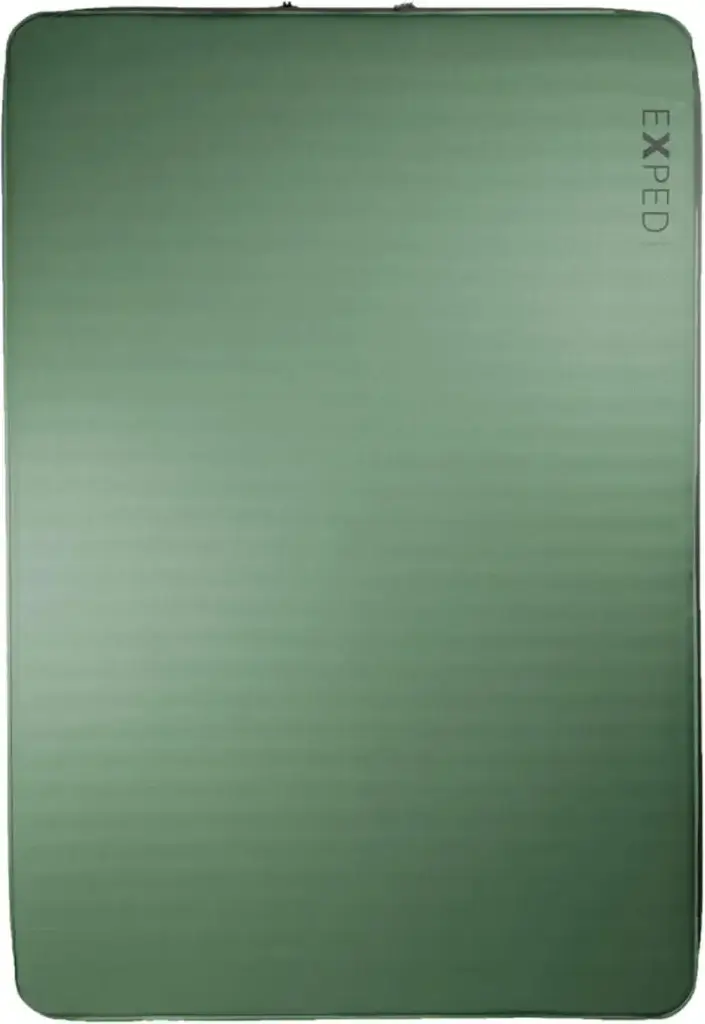
Best for Cold Weather: Exped MegaMat 10
Therm-a-Rest ProLite Apex
Source: Amazon
The Exped MegaMat 10 is the king of winter camping. With a whopping R-value of 8.1 and over 3.9 inches of plush foam, you’ll stay warm and cozy even on snow-covered ground. It’s bulky, yes, but unbeatable for cold conditions.
Pros:
- Ultimate comfort
- Extremely warm
- Suitable for all-year camping
Cons:
- Heavy and large
- Expensive
Best for Couples: NEMO Roamer Double
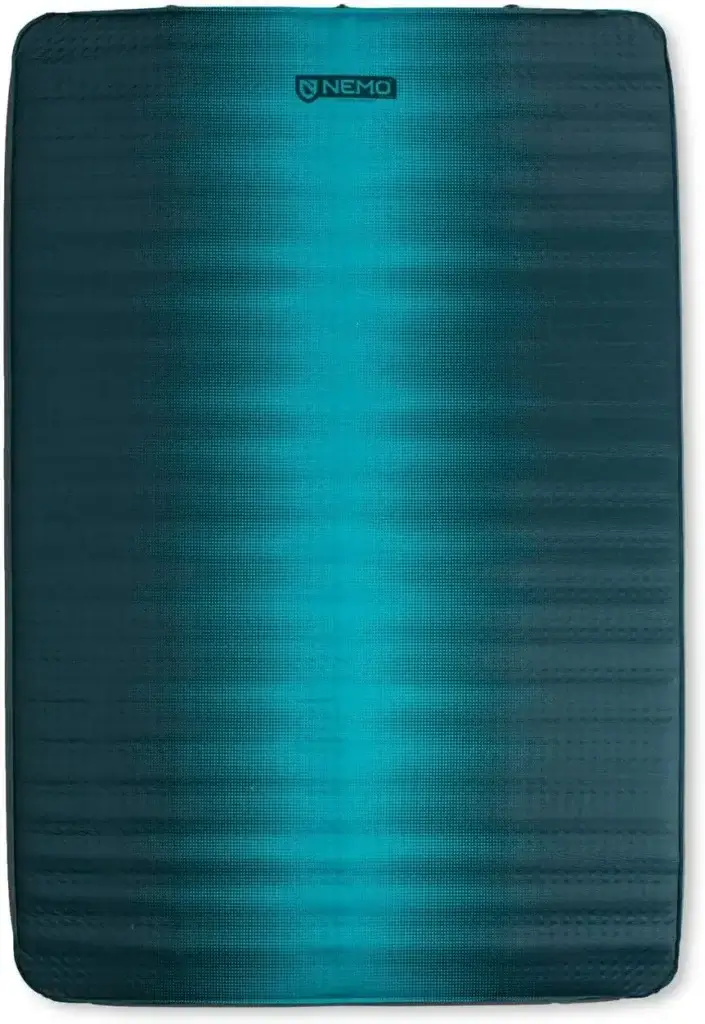
NEMO Equipment Roamer Sleeping Pad
Source: Amazon
For couples who camp together, the NEMO Roamer Double offers an ultra-wide, plush sleeping experience. It inflates easily and has dual valves so each person can adjust firmness individually. Plus, it folds up more easily than you’d expect for its size.
Pros:
- Spacious and comfortable
- Easy inflation/deflation
- Great insulation (R-value 6.0)
Cons:
- Pricey
- Takes up space when packed
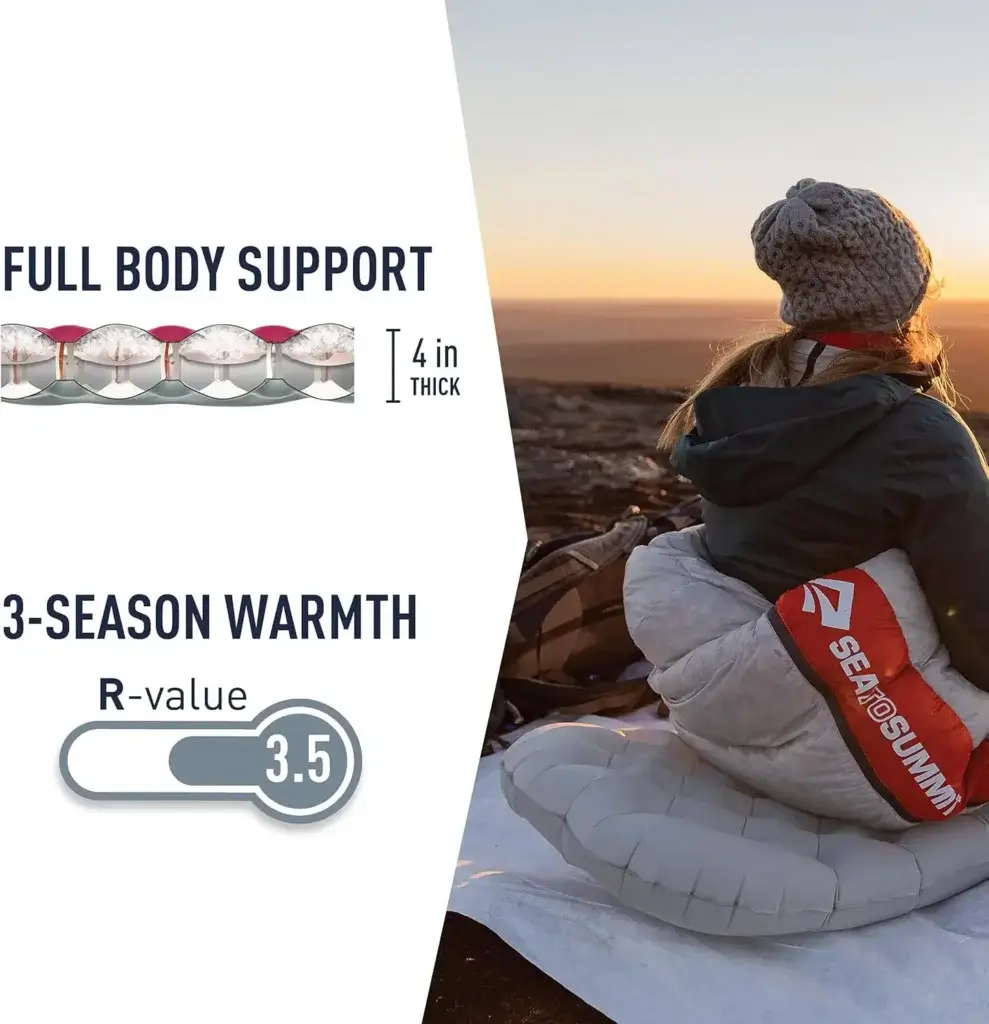
Best for Ultralight Camping: Sea to Summit Ultralight SI Pad
Sea to Summit Ultralight SI Pad
Source: Amazon
For minimalist adventurers, the Sea to Summit Ultralight Self-Inflating Pad is hard to beat. It weighs less than a pound but still offers enough comfort for a decent night’s rest. Ideal for thru-hikers and long-distance backpackers.
Pros:
- Super lightweight (under 1 lb)
- Packs down small
- Anti-slip surface
Cons:
- Minimal padding
- Lower R-value (around 2.6)
How to Properly Inflate and Deflate a Self-Inflating Pad
Step-by-Step Inflation Process
- Unroll the pad: Lay it flat on your tent floor or campsite.
- Open the valve: Twist it counter-clockwise to allow air to enter.
- Wait 5–10 minutes: The open-cell foam will expand and suck in air.
- Add a few breaths (if needed): Top off the pad to your preferred firmness.
- Close the valve tightly: Once inflated, twist the valve clockwise.
Pro tip: If your pad is new or has been stored compressed, it may need a few extra breaths or more time to inflate.
Tips to Speed Up Inflation
- Store unrolled at home: This keeps the foam expanded and responsive.
- Use a pump sack: Some pads include or are compatible with a pump bag for faster inflation.
- Inflate before setting up camp: Let the pad self-inflate while you pitch your tent or cook dinner.
Safe Deflation and Storage Tips
Deflating is easy but must be done carefully to prolong your pad’s life:
- Open the valve and start rolling the pad from the foot end.
- Push out as much air as possible by pressing firmly.
- Close the valve to trap the air out, then unroll and roll again tighter.
- Store loosely rolled or flat with the valve open in a cool, dry place.
Avoid storing your pad tightly compressed for long periods, as it can damage the foam and reduce its self-inflation capabilities.
Maintenance and Cleaning Tips
Daily Use Care
- Always place a groundsheet or footprint under your pad to avoid punctures.
- Avoid setting up on sharp rocks, thorns, or sticks.
- Keep pets’ nails trimmed if they’ll be inside your tent with you.
- After use, allow your pad to air out before packing.
Deep Cleaning and Storage
To clean:
- Use warm water and mild soap.
- Wipe the pad with a soft cloth.
- Avoid soaking or submerging the pad.
- Allow it to air dry completely before storing.
Storage tips:
- Store with the valve open.
- Avoid tight compression—store rolled loosely or flat.
- Keep in a dry and cool place, away from direct sunlight or heat sources.
Proper maintenance will not only extend the life of your pad but also improve its performance each time you take it out.
Common Issues and How to Fix Them
Slow Inflation
If your pad isn’t inflating as quickly as it used to:
- Check if it’s been stored compressed—this can cause foam memory loss.
- Give it a few uses or store unrolled with the valve open for a few days.
- Lightly blow air into it manually to restore shape.
Leaks and Punctures
Punctures are inevitable if you’re camping on rough terrain. Here’s how to deal:
- Find the leak: Submerge the pad in water and look for bubbles.
- Mark the spot and dry it.
- Use a patch kit: Most pads come with one. Apply the adhesive and patch, press down, and let it cure for 24 hours.
- Avoid using duct tape—it’s only a temporary fix.
Valve Problems
Sometimes the valve might get stuck or not seal properly:
- Clean around the valve area with warm water.
- Check for debris or sand inside.
- Lubricate the valve with silicone-based lubricant if it’s sticky.
In extreme cases, some brands sell replacement valves that can be installed easily at home.
Comparing Self-Inflating Pads vs Air Pads vs Foam Pads
Comfort Level
- Self-inflating pads: Offer the best balance of comfort and insulation.
- Air pads: Can be thick and cushy but may feel bouncy or unstable.
- Foam pads: Minimal comfort; better used as a backup or underlay.
Ease of Use
- Self-inflating pads are nearly effortless to use—just unroll and open the valve.
- Air pads require full manual inflation or a pump.
- Foam pads are instant but don’t pack well.
Weight and Portability
- Air pads are the lightest and pack smallest—ideal for ultralight hikers.
- Foam pads are lightweight but bulky.
- Self-inflating pads are middle-of-the-road—more compact than foam but heavier than air-only options.
Price Comparison
| Type | Avg Price Range |
|---|---|
| Foam Pads | $20–$40 |
| Air Pads | $40–$200 |
| Self-Inflating Pads | $60–$250 |
Self-inflating pads offer excellent value considering their durability and comfort, making them a favorite among seasoned campers.
Safety Tips for Using Sleeping Pads in the Wild
Avoiding Moisture
Moisture is the enemy of any outdoor gear, and sleeping pads are no exception. Self-inflating pads contain open-cell foam that can trap water if exposed to rain, dew, or internal condensation. A damp pad not only compromises your comfort but also loses insulating ability.
Here’s how to stay dry:
- Use a ground tarp or footprint beneath your tent.
- Keep the pad inside your tent during setup and pack-up.
- Dry it thoroughly before storing, especially after a rainy trip.
- Avoid inflating the pad with moist breath in cold weather—this can lead to internal condensation. Instead, let the foam do most of the work or use a pump sack.
Proper Placement
Where you place your pad makes a big difference. You want it flat, level, and away from hazards like:
- Sharp rocks or sticks that could puncture it.
- Slopes that cause you to slide during the night.
- Wet or low-lying areas that may collect water.
Use your tent’s footprint to mark a dry, protected area and clear debris before laying the pad down.
Wildlife Safety
Believe it or not, animals may be attracted to your sleeping pad. Some materials carry smells or retain sweat, oils, and crumbs from snacks. This can lure raccoons, mice, or even bears.
To stay safe:
- Never eat in or on your sleeping pad.
- Keep your pad zipped inside your tent or sleeping bag when not in use.
- If you’re in bear country, follow all local food storage regulations—even for non-food gear.
Your pad is your bed in the wild. Treat it with care, and it’ll treat you to restful nights.
Best Brands for Self-Inflating Camping Pads
Choosing a sleeping pad from a reliable brand gives you peace of mind and consistent quality. Here are the top names leading the charge in 2025:
Therm-a-Rest
The pioneer of self-inflating pad technology, Therm-a-Rest remains the gold standard. Known for its durable, field-tested pads, this brand covers everyone—from ultralight hikers to glamping enthusiasts. Products like the NeoAir, ProLite, and Trail Pro are loved for their durability, innovation, and comfort.
Why Choose Therm-a-Rest?
- Decades of trusted performance
- Wide range of R-values and pad thicknesses
- Excellent repair and warranty service
Sea to Summit
This Australian brand is a favorite among backpackers and minimalist campers. Sea to Summit excels at making lightweight gear without sacrificing durability or comfort. Their sleeping pads feature advanced valve systems and slick anti-slip surfaces.
Popular Picks:
- Comfort Light SI
- Ultralight SI
- Camp Plus SI
Best For: Ultralight travelers and tech-focused users
REI Co-op
REI Co-op delivers great performance at affordable prices. The brand has pads for every camping style and is known for its excellent customer service and return policy. If you’re just getting started with camping, REI’s Trailbreak line is an excellent entry point.
What Makes REI Stand Out?
- Competitive prices
- Well-balanced performance
- Great return and membership perks
Big Agnes
Big Agnes combines comfort with ruggedness. Their pads are known for creative designs, often tailored for specific user types (e.g., women-specific models or couples pads). The pads tend to be wider and warmer, perfect for car camping or cold-weather adventures.
Top Products:
- Hinman Pad
- Q-Core Deluxe
Ideal For: Campers looking for extra width, warmth, or custom fit
How to Pack and Store Your Sleeping Pad
Rolling Techniques
Packing your pad right not only saves space but also helps preserve its structure. Here’s a proven method:
- Open the valve fully.
- Start rolling from the bottom (foot end), pressing out air as you go.
- Once rolled halfway, close the valve, unroll, and then roll again for a tighter fit.
- As you reach the valve again, open it to release any trapped air.
- Secure it with compression straps or store it in its sack.
For double or extra-thick pads, you may need to fold in half lengthwise first, then roll.
Long-Term Storage Advice
Your pad deserves a break too. Don’t just cram it in the garage and forget it.
Follow these tips:
- Store unrolled and flat, with the valve open.
- Keep it in a cool, dry location, away from sunlight and moisture.
- Avoid storing in a stuff sack long-term—this compresses the foam and ruins its ability to self-inflate.
If space is tight, hang it from a garage wall or slide it under a bed. Treat your pad right, and it’ll return the favor with years of reliable use.
Real Camper Experiences and Reviews
Pros Shared by Experienced Campers
Campers who’ve logged hundreds of nights under the stars often swear by their self-inflating pads. Here’s what they say:
- “After switching from foam to a self-inflating pad, my back pain on trips disappeared.”
- “I love how easy it is to set up and how much warmer I feel at night.”
- “The durability has amazed me. My pad’s survived five years of rocky campsites.”
Many appreciate the versatility. Whether it’s a weekend car camp or a multi-day backpacking trip, they can rely on the same pad.
What Beginners Should Know
If you’re new to camping, the learning curve with gear can be steep. Here are beginner-friendly takeaways:
- Don’t worry if it doesn’t self-inflate fully the first time—it gets better with use.
- Invest in a pad with a moderate R-value (3–5) for three-season flexibility.
- Test your pad at home before your first trip—get used to inflation and deflation.
Real users agree: the best camping investment after your sleeping bag is a quality sleeping pad. Sleep better, explore more.
Eco-Friendly Options and Sustainability
Recycled Materials
Today’s outdoor gear manufacturers are becoming more eco-conscious. Many self-inflating sleeping pads now use:
- Recycled polyester fabrics
- Bluesign®-approved materials
- PVC-free valves and coatings
Therm-a-Rest and Sea to Summit, in particular, lead the way with sustainable production processes and recycled packaging.
Brands Leading Green Innovations
- Therm-a-Rest: Actively reduces waste through in-house recycling and durable design.
- Big Agnes: Focused on carbon footprint tracking and sustainable materials.
- NEMO: Committed to ethical manufacturing and minimal environmental impact.
When shopping, look for certifications like Bluesign®, Oeko-Tex, or recycled content tags. Choosing green gear doesn’t just feel good—it helps preserve the places you love to camp in.
Conclusion
Self-inflating sleeping pads have revolutionized camping comfort. They strike the perfect balance between ease of use, insulation, and sleep quality. Whether you’re a weekend car camper or a hardcore trekker, there’s a self-inflating pad out there that fits your needs, budget, and style.
From top brands like Therm-a-Rest and Sea to Summit to budget options from REI, 2025 offers more choices than ever. Take the time to understand features like R-value, weight, and thickness—and invest in a pad that helps you rest better, so you can explore harder.
Ready to sleep like a baby under the stars? A self-inflating sleeping pad is your ticket to sweet dreams in the wild.
FAQs
1. How long do self-inflating sleeping pads last?
With proper care, a high-quality self-inflating pad can last 5–10 years or more. Longevity depends on use, storage, and maintenance.
2. Can I use a self-inflating pad in winter?
Yes, especially those with R-values above 5.0. Pair with a closed-cell foam pad for added insulation in extreme cold.
3. How do I fix a leak in my pad?
Use a patch kit to seal small holes. Find leaks with soapy water or submersion, mark the spot, clean it, and apply a durable patch.
4. Is it okay to sleep directly on the pad?
Yes, but for hygiene and added warmth, consider using a sleeping bag liner or lightweight sheet. It also helps protect the surface.
5. Do I still need a sleeping bag with a pad?
Absolutely. Sleeping pads provide cushion and insulation from the ground, but they don’t cover you or trap body heat like a sleeping bag.