
Your car is more than just a way to get from point A to point B—it’s a key part of your daily life. But how often do you stop to think about its health?
Skipping regular car maintenance can lead to unexpected breakdowns, costly repairs, and even safety risks. Imagine being stranded on the side of the road or facing a huge repair bill that could have been avoided. This article will show you simple, practical steps to keep your car running smoothly and save you money in the long run.
Keep reading to discover how easy it is to take control of your car’s care and protect your investment.
Regular Oil Changes
Regular oil changes keep your car running smoothly. Oil lubricates engine parts and reduces friction. Over time, oil gets dirty and loses its power. Changing oil regularly protects your engine. It also improves fuel efficiency and extends engine life.
Choosing The Right Oil
Pick oil that matches your car’s manual instructions. Different cars need different oil types. Some need synthetic oil, while others use conventional. Check the oil’s viscosity rating, like 5W-30. This number shows how thick the oil is. Using the right oil helps your engine work well.
How Often To Change Oil
Many cars need oil changes every 3,000 to 5,000 miles. Some newer cars can go 7,500 miles or more. Check your car’s manual for exact guidelines. Driving conditions affect oil change frequency. Stop-and-go traffic or dusty roads may need more changes. Regular checks help keep the schedule right.
Signs You Need An Oil Change
Dark, dirty oil on the dipstick shows it’s time to change. Engine noise or knocking can mean low or dirty oil. The oil change light on the dashboard warns you. Your car may run hotter than normal. If your engine feels sluggish, check the oil. Don’t ignore these signs to avoid damage.
Tire Care
Tire care is a key part of car maintenance. Good tires help your car drive safely and smoothly. Taking care of tires can save money and avoid accidents.
Checking Tire Pressure
Check tire pressure regularly. Use a tire pressure gauge for accuracy. Proper pressure improves fuel efficiency and tire life. Low pressure can cause poor handling and tire wear. High pressure may reduce traction. Check pressure when tires are cold for best results.
Rotating Tires
Rotate tires every 5,000 to 8,000 miles. This helps tires wear evenly. Front and rear tires wear differently due to weight and driving. Rotating extends tire life and improves performance. Follow your car’s manual for rotation pattern.
When To Replace Tires
Replace tires if tread is below 2/32 inch. Worn tread reduces grip, especially on wet roads. Look for cracks, bulges, or uneven wear. Old tires can become unsafe even with good tread. Replace tires every six years, even if they look fine.
Brake Maintenance
Brake maintenance is crucial for safe driving and vehicle performance. Good brakes help stop your car quickly and avoid accidents. Regular care keeps braking smooth and reliable. Neglecting brakes can cause serious problems and costly repairs.
Identifying Brake Wear
Brake wear shows in many ways. Listen for squeaking or grinding sounds. These noises mean brake pads may be thin. Feel for vibration when braking. This can indicate warped rotors. Check the brake pedal for softness. A spongy pedal often means worn parts. Early detection prevents bigger damage.
Brake Fluid Importance
Brake fluid transfers pressure from the pedal to brakes. It must be clean and at the right level. Old or dirty fluid can reduce braking power. Moisture in the fluid causes corrosion inside the system. Regular fluid checks keep brakes working well and safe.
Scheduling Brake Inspections
Brake inspections should happen regularly. Follow your car’s manual for timing. Inspections catch problems before they grow. Mechanics check pads, rotors, and fluid condition. Timely checks save money and ensure safety. Don’t wait for warning signs to act.
Credit: getdriversed.com
Battery Health
Car battery health is key to your vehicle’s performance. A weak battery can cause starting problems. It also affects electronic parts and lights. Regular battery care saves you from unexpected breakdowns. Simple checks and cleaning keep it in good shape. Knowing when to replace the battery avoids bigger issues.
Cleaning Battery Terminals
Dirty battery terminals block electrical flow. Corrosion looks like white or green powder. Cleaning removes this layer and improves contact. Use a mix of baking soda and water. Apply with a brush to scrub terminals gently. Rinse with water and dry with a cloth. Always disconnect the battery before cleaning to stay safe.
Testing Battery Performance
Testing shows the battery’s real condition. A multimeter measures voltage and tells health. Healthy batteries read around 12.6 volts or more. Lower voltage means weak or dead cells. Testing helps catch problems early and avoid surprises. Visit a mechanic or use a tester at home.
Replacing An Old Battery
Batteries last about three to five years. Old batteries lose capacity and fail often. Replacement ensures your car starts every time. Choose the right size and power for your vehicle. Install carefully, matching positive and negative terminals. Dispose of the old battery at a recycling center.
Fluid Checks
Checking your car’s fluids is a key part of regular maintenance. Fluids keep your car running smoothly and help avoid costly repairs. Simple checks can spot problems early. Focus on the most important fluids to keep your car healthy.
Coolant Levels
Coolant stops your engine from overheating. It also protects against freezing in cold weather. Check the coolant reservoir when the engine is cool. The fluid should be between the minimum and maximum marks. Low coolant can cause engine damage.
Transmission Fluid
Transmission fluid lubricates gears for smooth shifting. It also cools transmission parts. Check the fluid level with the engine running and the car in park. The fluid should be clear or light red. Dark or burnt-smelling fluid needs changing.
Power Steering Fluid
Power steering fluid helps you steer easily. Low fluid can make steering hard and noisy. Find the power steering reservoir under the hood. The fluid should be at the right level and look clean. Top it up or replace if dirty.

Credit: www.mysonoraford.com
Filter Replacements
Filters play a crucial role in keeping your car running smoothly. They stop dirt, dust, and other particles from damaging vital parts. Regular filter replacements help your engine and cabin stay clean and efficient. Neglecting these filters can cause poor performance and expensive repairs. Understanding the different types of filters and their care is key to good car maintenance.
Air Filter Care
The air filter stops dust and debris from entering the engine. A clean air filter improves fuel efficiency and engine power. Check it every 12,000 miles or as your manual suggests. Replace it if it looks dirty or clogged. A fresh air filter helps your engine breathe better and last longer.
Cabin Air Filter
The cabin air filter cleans the air inside your car. It catches dust, pollen, and pollution. A dirty cabin filter can cause bad smells and foggy windows. Change it every 15,000 to 20,000 miles or yearly. Clean air inside the car makes driving more comfortable and healthier.
Fuel Filter Importance
The fuel filter blocks dirt from reaching the engine fuel system. A clean fuel filter keeps fuel flowing smoothly. Replace it every 20,000 to 40,000 miles based on your car’s needs. A clogged fuel filter can cause engine misfires and poor fuel economy. Keeping it clean protects your engine and saves money.
Engine Tune-ups
Engine tune-ups keep your car running smoothly and efficiently. They help prevent breakdowns and costly repairs. Regular tune-ups improve fuel economy and reduce emissions. A well-tuned engine gives better power and performance. This section covers key parts of an engine tune-up.
Spark Plug Replacement
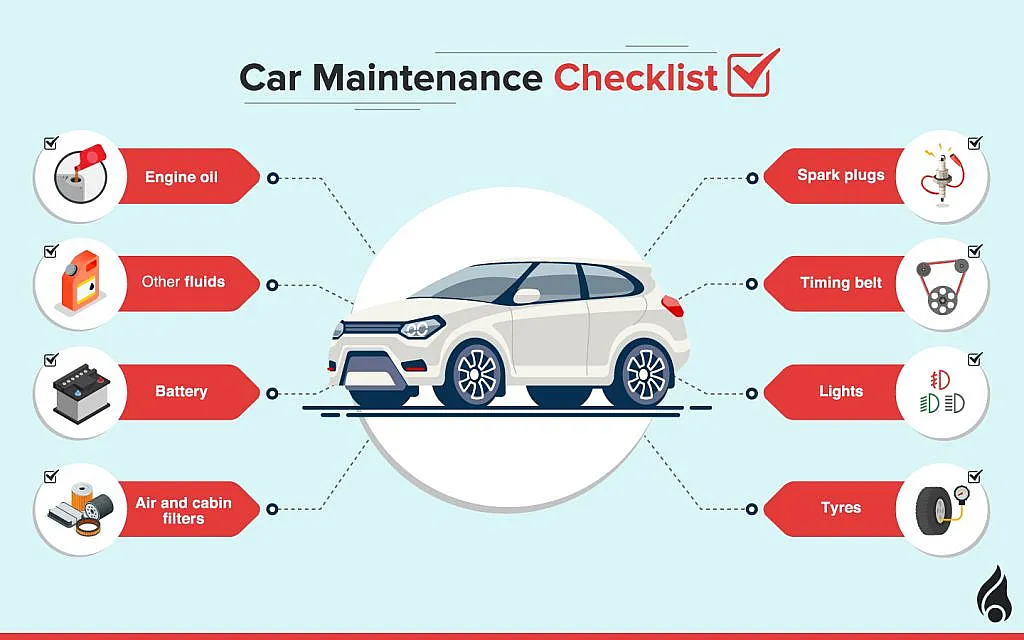
Spark plugs ignite the air-fuel mixture in the engine. Old or worn plugs cause misfires and poor fuel economy. Replacing spark plugs restores proper combustion. This leads to smoother engine running and easier starts. Check spark plugs every 30,000 miles or as recommended.
Timing Belt Inspection
The timing belt controls engine valve timing. A worn belt can slip or break, causing severe engine damage. Inspect the belt for cracks, fraying, or wear. Replace the belt based on your car’s service schedule. Timely replacement avoids costly engine repairs.
Diagnostic Testing
Diagnostic tests identify hidden engine issues early. Mechanics use scanners to read trouble codes from the engine computer. These codes point to specific problems like sensors or fuel system faults. Early detection helps fix problems before they worsen. Regular diagnostics keep the engine healthy and reliable.
Exterior And Interior Care
Taking care of your car’s exterior and interior keeps it looking fresh and protects its value. Clean surfaces prevent damage from dirt and weather. Inside, regular care stops wear and tear. A well-kept car feels comfortable and lasts longer.
Regular Washing And Waxing
Washing your car removes dirt, salt, and grime that harm the paint. Use gentle soap and soft cloths to avoid scratches. Waxing adds a protective layer that shines and repels water. It helps prevent rust and fading caused by sun exposure. Wash your car every two weeks and wax it every few months.
Protecting Upholstery
Upholstery needs cleaning to avoid stains and odors. Vacuum seats regularly to remove dust and crumbs. Use fabric or leather cleaners suitable for your car’s interior. Avoid eating inside the car to reduce spills. Sunshades protect seats from fading and cracking. A clean interior makes driving more pleasant.
Maintaining Headlights And Taillights
Clear headlights and taillights improve safety by making your car visible. Dirt and grime can dim the lights over time. Clean them with a soft cloth and mild cleaner. Check for cracks or moisture inside the light covers. Replace bulbs as soon as they burn out. Bright lights help prevent accidents and keep your car street-legal.
Seasonal Maintenance Tips
Car maintenance changes with the seasons. Each season brings unique challenges for your vehicle. Following seasonal tips helps keep your car safe and efficient all year.
Preparing For Winter
Check your tires for good tread and proper pressure. Use winter or all-season tires for better grip on ice and snow. Test your battery; cold weather can reduce power. Replace wiper blades and fill washer fluid with antifreeze. Keep your gas tank at least half full to avoid fuel line freeze. Carry an emergency kit with blankets, flashlight, and basic tools.
Summer Care Essentials
Inspect your cooling system to prevent overheating. Check coolant levels and hoses for leaks. Test your air conditioner to stay comfortable on hot days. Monitor tire pressure regularly as heat can cause it to rise. Protect your car’s paint with regular washing and waxing. Park in shaded areas to reduce interior heat damage.
Handling Rainy Season
Ensure your tires have deep tread to avoid hydroplaning. Check brakes for strong and even stopping power. Replace wiper blades to maintain clear visibility. Keep headlights and taillights clean and functioning. Avoid driving through deep water to protect the engine. Drive slowly on wet roads and maintain safe distances.
Credit: sethwadleyautoconnection.com
Frequently Asked Questions
How Often Should I Perform Car Maintenance?
Regular maintenance is essential every 5,000 to 7,500 miles. Check your owner’s manual for specific intervals. Timely service prevents costly repairs and keeps your car running smoothly.
What Are The Essential Car Maintenance Tasks?
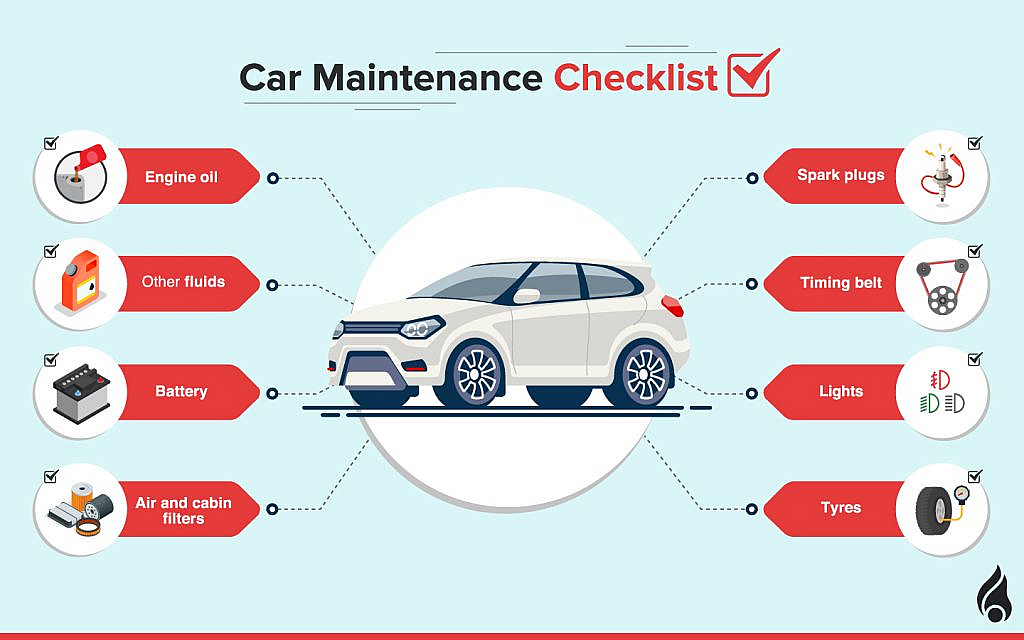
Key tasks include oil changes, tire rotation, brake inspection, fluid checks, and air filter replacement. These tasks ensure safety, improve performance, and extend your car’s lifespan.
How Can I Check My Car’s Fluid Levels?
Check engine oil, coolant, brake fluid, and transmission fluid monthly. Use the dipstick or reservoir markings. Proper fluid levels prevent engine damage and maintain smooth operation.
When Should I Replace My Car’s Tires?
Replace tires when tread depth is below 2/32 inch or if there are visible damages. Proper tire maintenance improves safety, fuel efficiency, and driving comfort.
Conclusion
Taking care of your car saves money and keeps you safe. Regular checks help spot problems early. Clean oil, check tires, and change filters often. Small actions prevent big repairs later. A well-maintained car runs better and lasts longer. Stay consistent with your car care routine.
Enjoy smoother drives and fewer breakdowns. Simple steps make a big difference every day. Keep your car healthy, and it will serve you well.