Introduction
When you slide into the driver’s seat of your Honda Accord, it’s more than just a commute—it’s an experience. But over time, even the most pristine interiors begin to show signs of wear. Cracks, fading, stains, and everyday dirt all creep in, reducing the visual appeal and comfort of your beloved car. That’s where the magic of car seat covers comes in. Especially tailored for models like the Honda Accord, seat covers are not just an aesthetic upgrade—they’re an essential layer of protection and style.
Whether you’re driving a 2010, 2015, 2020, or 2025 model, seat covers give you the power to preserve your original upholstery while adding your own flair to the cabin. Want to go sporty? Try neoprene. Want something luxurious? Leather or faux leather might be your best bet. Have kids or pets? Waterproof and washable materials are lifesavers.
This guide isn’t just a random list of car accessories. It’s a full breakdown of the best car seat cover choices for Honda Accord drivers, including the must-have features, material types, top-rated brands, and real-world buying tips. So buckle up—by the end of this read, you’ll know exactly what to get and where to look to give your Accord’s interior the upgrade it deserves.
Understanding the Importance of Seat Covers
Protection Against Wear and Tear
Let’s be honest: daily driving takes a toll. From crumbs to coffee spills, from friction to fading—your Accord’s original seats are silently taking all the damage. Over time, this builds up into unsightly wear, permanent stains, and even rips in the upholstery. But guess what? Seat covers act as a first line of defense. Think of them as a shield, preserving the factory finish underneath.
For newer models, keeping those seats fresh maintains the resale value. And if you’re driving an older Accord, it’s a chance to cover up years of aging and make the inside feel new again. With the right covers, you won’t have to worry about sweat from workouts, dog hair after a vet visit, or muddy jeans from a weekend hike.
Custom seat covers, in particular, fit snugly over the original seats and act like armor. They’re especially useful if you’re leasing your car—you’ll want to return it in top-notch condition to avoid any penalties. Bottom line? If you want to protect your investment, seat covers aren’t optional—they’re essential.
Enhancing Aesthetics and Resale Value
Looks matter. And inside a car, the seats often set the tone. Imagine stepping into a clean, stylish interior with custom-stitched leather seats—it immediately elevates the vibe. Whether you’re a rideshare driver trying to impress clients or a car enthusiast who takes pride in aesthetics, seat covers give you the power to transform your interior without breaking the bank.
From elegant tan leather to edgy black-and-red sports designs, seat covers allow you to personalize your Accord in a way that reflects your personality. And when it comes time to sell or trade in your car, potential buyers will appreciate a well-kept interior, which often leads to a higher resale value. No one wants to buy a car with torn, stained seats—but a clean, covered interior shows you took care of the vehicle.
Seat covers are like giving your Accord a wardrobe. Just like you wouldn’t go to a meeting in wrinkled clothes, don’t let your car roll around in ripped upholstery. Upgrade the look, and the value will follow.
Comfort and Driving Experience
Ever climbed into a freezing cold car in winter or a scorching hot one in summer? The seat material plays a huge role in how comfortable your ride feels. Some materials retain heat or cold, while others adapt to your body temperature and provide cushioning for long drives.
Neoprene and mesh fabrics are breathable and great for those who spend hours commuting or driving. Leather covers add a luxurious touch, but they can get warm—unless they’re ventilated or paired with cooling technology. Padded polyester blends, meanwhile, offer plush comfort, ideal for road trips or long hauls.
Good seat covers also support posture and reduce fatigue by providing a firm, consistent surface. Add features like lumbar support, and you’re not just protecting your seats—you’re improving your own comfort and driving ergonomics. Because let’s face it: a comfortable driver is a safer, happier driver.
Types of Car Seat Covers for Honda Accord
Universal vs. Custom Fit Seat Covers
When shopping for seat covers, one of the first choices you’ll encounter is whether to go with universal or custom-fit options. This decision can dramatically affect both the look and functionality of your car’s interior.
Universal seat covers are designed to fit a wide range of vehicle makes and models. They’re usually cheaper and easier to find at local auto stores or online. If you need a quick fix or a temporary solution, universal covers are an okay option. But be warned—they often look loose, may slide around, and might not align perfectly with your Accord’s seat contours, seat belts, or airbags.
Custom-fit seat covers, on the other hand, are made specifically for your Honda Accord’s year and model. They hug the seat’s every curve, cover all necessary areas including headrests and armrests, and usually look like factory-installed upholstery. Though they cost more, the snug fit enhances safety, especially if your car has side airbags embedded in the seats. These covers also stay put better and last longer due to reduced friction and wear.
If you’re serious about getting the best experience—comfort, aesthetics, and protection—custom-fit covers are the way to go. You wouldn’t wear a suit two sizes too big, right? The same logic applies here.
Material Options
Choosing the right material for your seat cover is just as important as getting the right fit. Each material offers unique benefits depending on your lifestyle, climate, and personal preferences.
- Leather and faux leather: These offer a sleek, luxurious feel and are easy to clean. They’re great for professional or luxury aesthetics but can get hot in the summer.
- Neoprene: Known for being water-resistant and durable, neoprene is a favorite for outdoorsy folks and families.
- Fabric: Breathable and budget-friendly, fabric covers are great for daily commuting. They come in various colors and patterns.
- Mesh: Perfect for hot climates, mesh materials provide airflow and prevent sweat build-up during long drives.
- Canvas: Built for toughness, canvas is ideal if you have pets, kids, or work in rugged environments.
Each material has trade-offs. Leather looks great but can be pricey. Neoprene is resilient but might not offer the premium look. Consider what your day-to-day driving looks like and go from there.
Front vs. Rear Seat Covers
While most people focus on front seat covers, rear seat protection is equally important—especially if you have kids, pets, or frequent passengers. Think about it: the back seat often becomes a mobile daycare or snack bar, leading to spills, scratches, and surprises.
Front seat covers usually get the most attention because that’s where drivers and front passengers sit. They’re often designed with added padding, lumbar support, and more style options.
Rear seat covers, though, ensure full interior consistency and protection. They can include split-fold designs (e.g., 60/40), armrest access, and seatbelt compatibility. Some even come with storage pockets, which are great for organizing road trip essentials.
When shopping, make sure the rear covers are compatible with your Honda Accord’s seat configuration—especially if your model has foldable seats or built-in cup holders. A full interior seat cover set brings a unified look and guards every inch of your car.
Best Materials for Honda Accord Seat Covers
Leather and Faux Leather
Nothing says luxury quite like leather. It’s the go-to choice for drivers looking to upscale their cabin without actually replacing the upholstery. Leather and faux leather seat covers offer a high-end look and feel, and they’re surprisingly practical too.
The key benefit here is ease of maintenance. A quick wipe with a damp cloth and leather cleaner will remove most spills, dirt, or sweat. They’re also resistant to odors, which is a blessing if you carpool, eat in your car, or transport pets.
Genuine leather is more expensive and requires occasional conditioning to prevent cracking or drying. It’s incredibly durable and molds to your body over time. Faux leather, on the other hand, gives you 80% of the same benefits at a fraction of the cost. It’s synthetic, usually made from vinyl or polyurethane, and still looks pretty classy.
On the downside, leather and faux leather can get hot in summer and cold in winter—unless you opt for ventilated or insulated variants. Still, for a polished, executive vibe, leather materials are hard to beat.
Neoprene
Neoprene is like the wetsuit of car seat covers—literally, because it’s made from the same material used in scuba gear. It’s water-resistant, durable, and perfect for active lifestyles.
If you regularly deal with sweat, rain, coffee spills, or beach sand, neoprene has your back. It offers a snug fit, resists fading from UV exposure, and provides just enough cushioning to be comfortable on long drives.
What makes neoprene unique is its ability to insulate temperature, meaning it won’t freeze in winter or scald in summer. It also resists mildew and odors, which is fantastic for anyone who deals with wet gear or messy kids.
The only downside? It can be a bit bulky, and not everyone loves its sporty aesthetic. But for function-first drivers, neoprene is often the smartest choice.
Canvas and Polyester
Canvas and polyester seat covers are like the blue jeans of the automotive world: rugged, reliable, and made to last. These materials are ideal if you’re looking for maximum durability at a reasonable price.
Canvas covers are especially popular among pet owners and tradespeople. They’re scratch-resistant, tear-resistant, and easy to vacuum or wipe clean. They may not offer the same plushness as leather, but they get the job done when it comes to protection.
Polyester blends often include additional padding or soft linings, making them more comfortable than raw canvas. They’re budget-friendly, widely available, and come in dozens of styles—from military camo to modern grays and blacks.
These covers won’t scream “luxury,” but they’re functional workhorses, perfect for high-traffic interiors. If you’re more concerned with safeguarding your seats than turning heads, these materials offer unbeatable value.
Top Features to Look for in Seat Covers
Waterproofing
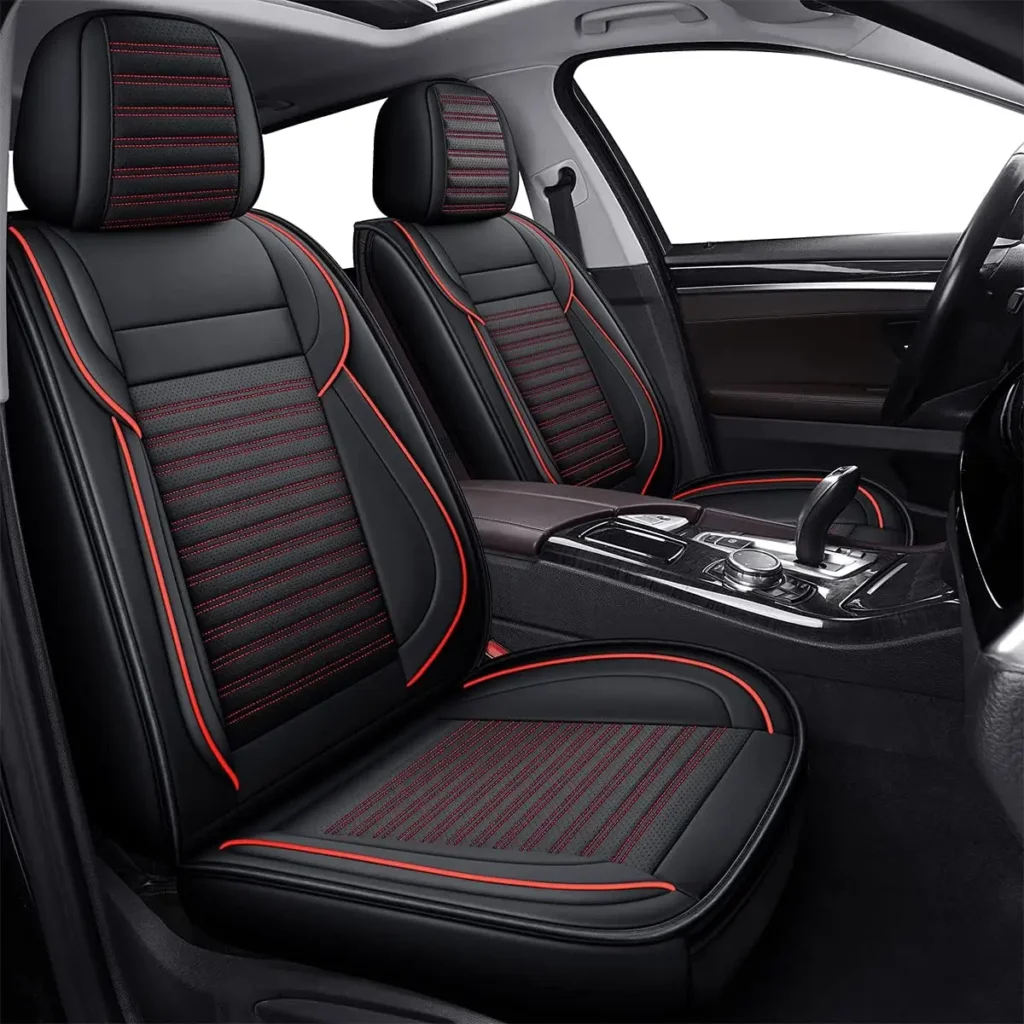
LINGVIDO Car Seat Covers,Breathable and Waterproof Faux Leather Automotive Driver Seat Covers for Cars SUV Pick-up Truck Sedan,Universal Anti-Slip with Backrest (Full Seat, Red)
Image Credit: Amazon
Spills happen. Whether it’s a tipped-over latte on your morning commute, juice boxes from your kid’s lunch, or your wet gym clothes after a workout, waterproof seat covers can be a lifesaver. For Honda Accord owners, waterproofing should be at the top of the list when selecting seat covers.
Materials like neoprene, vinyl, and certain treated fabrics are great at repelling liquids. They form a barrier that prevents moisture from soaking into the seat cushions beneath. This is critical not just for cleanliness but also for preventing mold, mildew, and lingering odors that come from soaked seats.
If you frequently drive in rainy areas, live near the beach, or just want peace of mind, go for waterproof or water-resistant seat covers. Some premium covers also have an extra foam lining underneath that helps absorb the shock of spills without letting it reach the actual seat.
Aside from liquids, waterproofing also makes seat covers easier to clean. Most messes can be wiped away with a damp cloth or cleaned using a spray cleaner—no need for deep shampooing or vacuuming.
When shopping, check the product specs. True waterproof covers will state it outright. Some cheaper versions are only water-resistant, meaning they’ll hold off a small spill but not a major one. If your lifestyle involves kids, pets, or outdoor gear, waterproofing isn’t just a bonus—it’s a necessity.
UV Resistance
You know what’s even sneakier than spills? Sun damage. If your Honda Accord sits in the sun all day—at work, school, or home—the seats will take a beating over time. UV rays can fade, dry out, and crack upholstery, especially if it’s made of leather or lighter fabrics.
That’s where UV-resistant seat covers come in. These are specially designed to block harmful ultraviolet rays that penetrate your windows and degrade your interior. They’re especially important if you live in sunny climates like California, Arizona, or Florida.
UV-resistant covers not only protect your seats but also keep the interior cooler. By reflecting sunlight instead of absorbing it, these covers reduce heat buildup, making it more comfortable when you first step into your car on a hot day.
Look for covers that explicitly mention UV protection in the description. Some may also include heat-shielding materials or reflective backing. Not all seat covers offer this feature, so don’t assume it’s built-in.
If you’re the kind of person who wants your car to look as new in five years as it does today, UV resistance is one of those hidden features that makes a massive difference.
Easy Installation and Maintenance
Let’s face it—no one wants to spend their weekend wrestling with straps, clips, and headrest loops. The best seat covers are the ones that are easy to install and just as easy to maintain.
When it comes to installation, look for seat covers with:
- Elastic edges or adjustable straps for a snug fit
- Hook-and-loop fasteners (Velcro) or buckles for security
- Pre-cut holes for headrests, seat belts, and airbags
Many modern covers are slip-on designs that don’t require special tools. Some even come with YouTube tutorial links or printed guides to walk you through the process. If you’re not into DIY, there are also semi-custom or custom-fit options that practically snap into place with minimal fuss.
Maintenance is another big deal. Machine-washable fabric covers make life a whole lot easier, especially if you have kids or pets. Leather and vinyl varieties typically require just a quick wipe-down, while neoprene can be hand-washed and air-dried.
No matter the material, regular upkeep is important. You want something that can handle daily use without constant care. So when buying, check if the product is labeled as low-maintenance, machine washable, or stain-resistant. These features can save you a lot of time and hassle in the long run.
Best Brands and Recommended Products
EKR
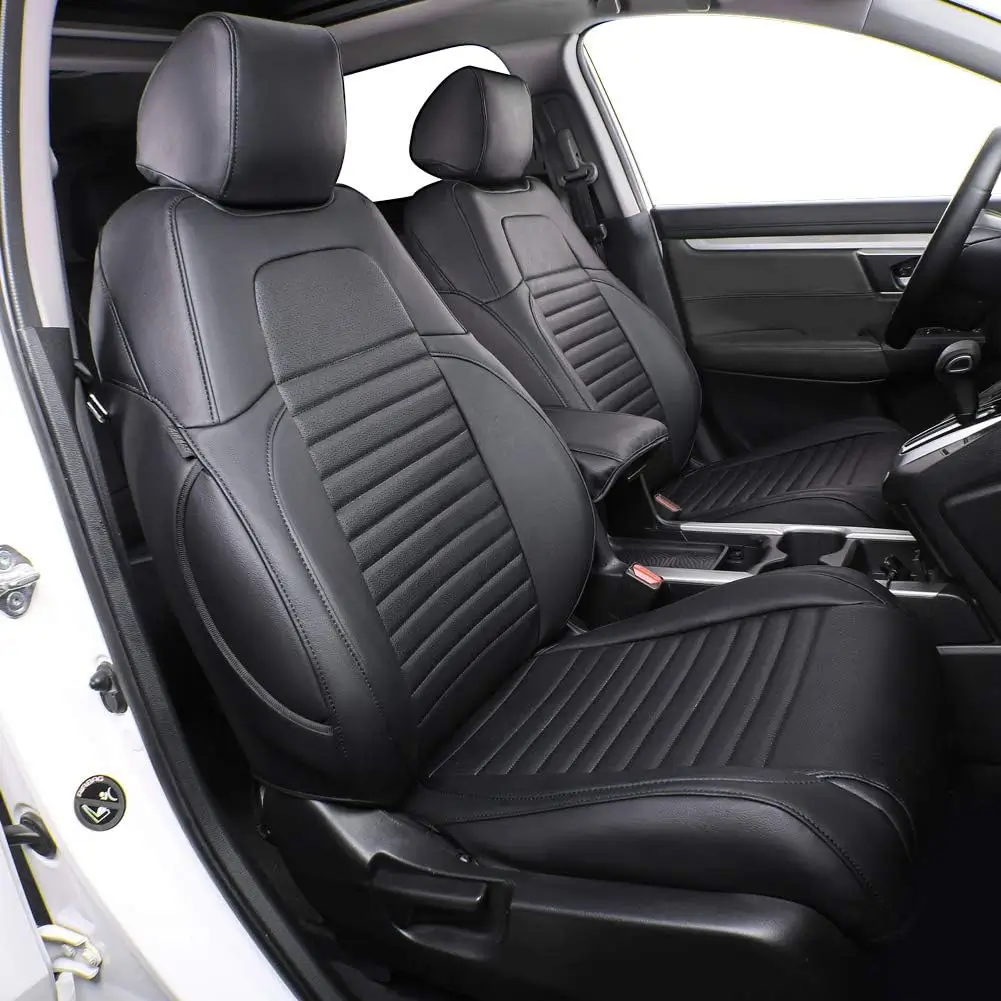
EKR Accord Car Seat Covers for Honda Accord EX-L,Touring,Sport,EX,Hybrid 2018 2019 2020 2021 2022(Rear Row 40/60 Split Backrest),Car Seat Protector,Waterproof Automotive Seat Covers,Leather(Black)
Image Credit: Amazon
EKR is a household name when it comes to car accessories, and their seat covers are no exception. Known for their precision-fit covers, they offer a wide range of materials and designs that cater specifically to Honda Accord models.
What sets Coverking apart is their attention to detail. You can choose from neoprene, leatherette, ballistic nylon, and even suede. They also allow customizations like embroidery, two-tone styles, and colored stitching.
Their covers offer:
- Airbag compatibility
- UV and water resistance
- Easy installation guides
- Factory-style fit
Though they lean toward the higher price point, the quality and durability justify the investment. If you’re looking for a tailored look that doesn’t sacrifice function, Coverking is a top-tier choice.
FH Group
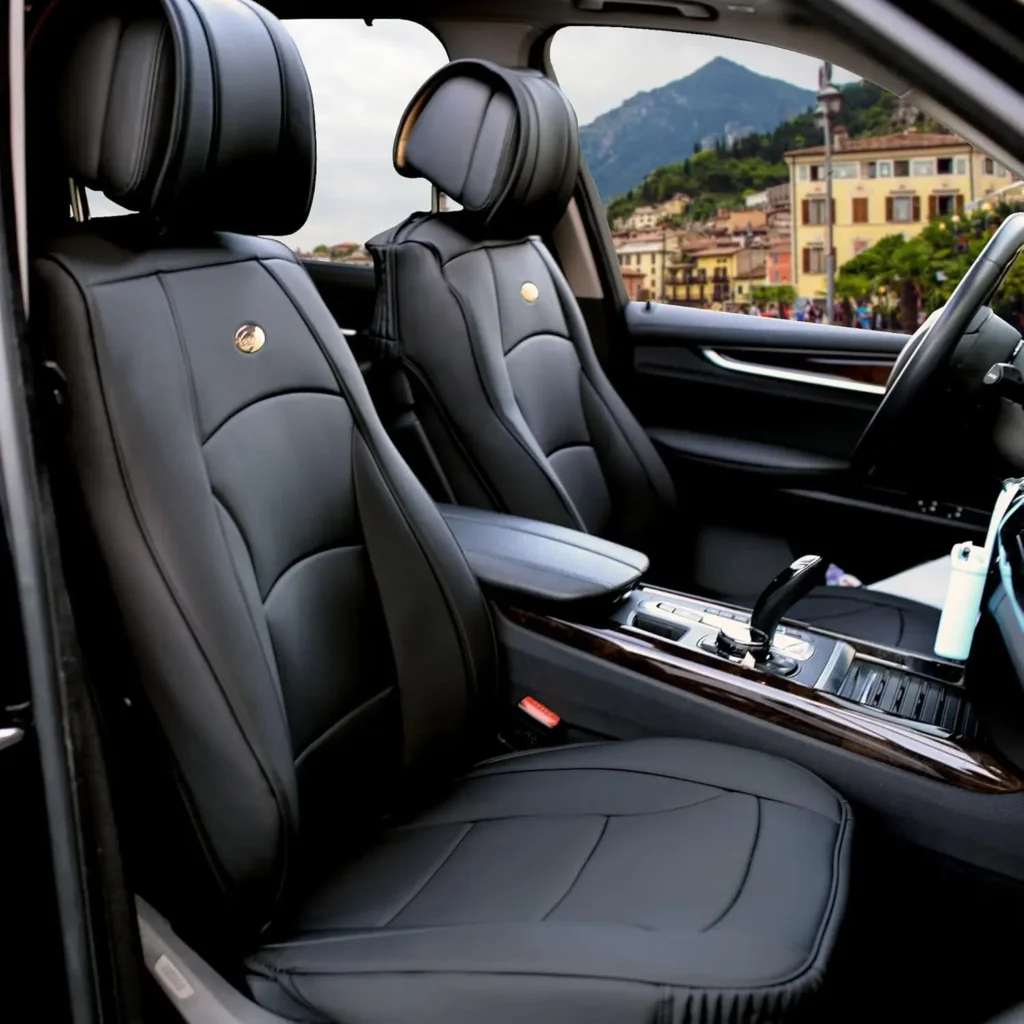
FH Group Front Set Faux Leather Seat Cushions – Car Seat Covers for Low Back Seat, Universal Fit, Airbag Compatible Car Seat Cover for SUV, Sedan, Solid Black
Image Credit: Amazon
If you want value without compromising style, FH Group is your brand. They offer affordable, universal, and semi-custom seat covers in various materials and patterns. Their offerings are especially popular on platforms like Amazon and Walmart.
What makes FH Group stand out?
- Budget-friendly options
- Vibrant color combinations
- Airbag compatibility in selected models
- Easy to install and wash
While not as snug as custom covers, their semi-custom line fits Honda Accords reasonably well and looks great for the price. It’s the perfect entry-level option for someone looking to enhance their car without spending a fortune.
Coverdream
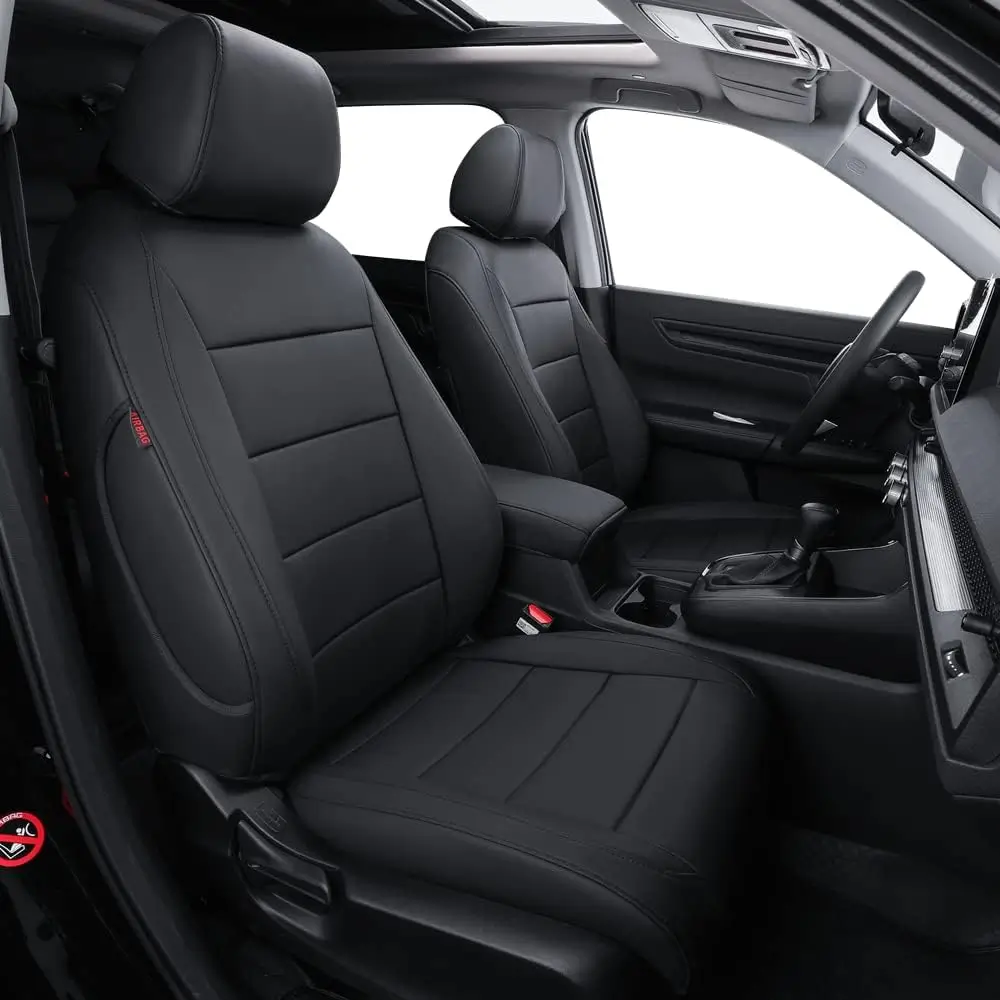
coverdream Accord Waterproof Leather Seat Covers Custom Fit for 2013-2017 Honda Accord,Rear Seat W/One-Piece Backrest,Full Coverage,Airbag Compatible,Car Seat Protector (Full Set,Black)
Image Credit: Amazon
For those who crave premium, almost-factory-grade upgrades, Coverdream deliver luxury in spades. These brands specialize in leather and high-end faux leather seat covers that don’t just sit on top of your seats—they replace the original upholstery entirely or fit over it with surgical precision.
Coverdream offers full interior leather conversion kits with dozens of customization options. It’s like giving your Accord a luxury makeover. These are typically installed by professionals, but the results are showroom-worthy.
Coverdream is slightly more DIY-friendly, offering slip-on leather seat covers that hug every curve of your seat. Their covers include:
- Perforated leather sections
- Memory foam inserts
- Waterproof backing
- Color customization
Both brands are more expensive than typical covers but deliver exceptional fit, finish, and feel. If you plan to keep your Accord for years to come, they’re well worth the splurge.
How to Choose the Right Seat Cover for Your Honda Accord
Consider Your Model and Year
Not all Honda Accords are built the same. Over the years, seat sizes, headrest shapes, and backrest configurations have changed. That’s why the first rule of picking the right seat cover is to match it to your car’s model and year.
For instance, a seat cover made for a 2013 Accord might not fit properly on a 2022 model. Even small design tweaks like side airbags, seat belt placements, or split-folding rear seats can make a big difference. So before you click “Buy Now,” double-check the manufacturer’s specifications. Most high-quality sellers will provide a compatibility list—use it.
If you own a newer model, going custom-fit is the safest route. For older models, you might find more affordable options, but you’ll still want to make sure they account for things like bucket or bench style seats. A poor fit can lead to bunching, slipping, or even interfering with your seatbelt or airbag systems.
Lifestyle-Based Selection
Your daily habits should influence your choice. Are you constantly on the go? Do you have pets? Do your kids treat the backseat like a snack zone? Your lifestyle matters more than the brand name when choosing seat covers.
- Pet owners should prioritize waterproof, scratch-resistant materials like canvas or neoprene.
- Parents might lean towards stain-resistant, washable fabric covers with pockets for storage.
- Commuters who spend hours driving may prefer padded, breathable fabrics for comfort.
- Outdoor enthusiasts will benefit from all-weather covers that repel dirt, mud, and water.
Ask yourself: What do my seats go through daily? The answer will help guide your material, design, and feature choices.
Climate and Usage Conditions
Climate isn’t just about weather—it’s about how your seat cover holds up over time in your environment. For example, if you live in a hot climate like Arizona, leather can get blisteringly hot unless it’s ventilated. A mesh or fabric cover is a better pick there.
In colder regions, faux leather or neoprene may feel too stiff during winter mornings unless pre-warmed. Breathable, soft fabric covers might be more comfortable.
If your Accord sees heavy use, like for delivery driving or rideshare services, you’ll want something that’s not only comfortable but durable enough to take a beating day in and day out. Think reinforced seams, anti-slip backing, and washable material.
Matching your seat cover to your driving environment isn’t a luxury—it’s a smart investment in long-term comfort and seat preservation.
Installation Tips and Tricks
DIY vs. Professional Installation
One of the most common questions: Should I install these myself or hire a pro?
For universal and semi-custom covers, DIY is often more than enough. Most come with straps, hooks, or buckles and can be installed with a bit of patience and elbow grease. Expect it to take 30 minutes to an hour, depending on the complexity.
Custom leather kits from brands like EKR may require professional installation, as they involve removing existing upholstery. These installations can cost a few hundred dollars but result in a factory-grade finish that looks like it came straight from Honda.
DIY pros:
- Save money
- Learn about your car
- Quick if the fit is straightforward
Professional installation pros:
- Perfect fit and finish
- No risk of improper fitting
- Ideal for premium kits
The right choice depends on your budget and how “hands-on” you want to be with your car.
Tools You Might Need
Most basic seat covers don’t require anything fancy, but having a few tools on hand can make the job smoother:
- Flathead screwdriver (to tuck fabric into seat crevices)
- Scissors (to trim excess straps if needed)
- Zip ties or clips (for securing loose ends)
- Vacuum cleaner (clean the seats before installing)
- Gloves (if working with leather or adhesives)
You’ll also want to move the seats forward/backward as needed to get better access. Read any included instructions carefully—every brand has its quirks.
Step-by-Step Installation Process
Here’s a quick breakdown for most standard Honda Accord seat covers:
- Remove headrests and any accessories from the seats.
- Clean the seat surface thoroughly—vacuum and wipe down.
- Slide the seat cover over the top of the seatback. Make sure it’s aligned.
- Pull the bottom portion over the seat cushion. Adjust for a snug fit.
- Tuck excess material into the crevices between seat back and cushion using your hand or flat tool.
- Secure straps and buckles under the seat. Tighten until the cover is firmly in place.
- Reattach headrests, making sure any holes in the cover line up properly.
- Repeat for rear seats, adjusting around any fold-down sections or armrests.
Take your time—tight, clean installation makes all the difference.
Maintenance and Care of Seat Covers
Cleaning by Material Type
Proper cleaning extends the life of your seat covers and keeps your interior smelling fresh. Different materials require different approaches:
- Leather/faux leather: Wipe with a damp microfiber cloth. Use leather cleaner and conditioner occasionally.
- Neoprene: Hand wash with cold water and mild detergent. Air dry only—never use a dryer.
- Fabric/Polyester: Many are machine washable. Use cold water, gentle cycle, and air dry.
- Canvas: Spot clean or vacuum. Some rugged covers are hose-friendly for heavy messes.
Always read the manufacturer’s cleaning recommendations. Avoid harsh chemicals that can damage color or texture. Clean spills quickly to prevent staining.
Preventive Care Tips
- Vacuum weekly to remove dirt and debris.
- Use seat protectors (like towels or pads) during extra-messy days (beach trips, pets).
- Avoid sharp objects or tools that might puncture the cover.
- Use sunshades to minimize sun damage and fading.
- Re-tighten straps every few months to keep the fit snug.
Treat your seat covers like furniture in your home. With a little regular care, they’ll last for years and protect the seats underneath perfectly.
Cost and Budget Considerations
Price Ranges by Type and Brand
Seat cover prices vary wildly, depending on material, fit, and brand. Here’s a rough breakdown:
| Type | Price Range (USD) |
|---|---|
| Universal Fit Fabric | $25 – $60 |
| Semi-Custom Neoprene | $70 – $120 |
| Custom Leatherette | $150 – $300 |
| EKR Leather Kits | $700 – $1,500 (with install) |
| Canvas/Heavy Duty | $80 – $200 |
Keep in mind, price isn’t just about looks—it’s about protection and longevity. Spending a bit more upfront can save you a lot on upholstery repair or cleaning down the road.
Are Expensive Covers Worth It?
In most cases, yes. Especially if:
- You plan to keep your car for several years
- You drive often or with messy passengers
- You want to maintain resale value
Premium covers fit better, feel better, and last longer. But if you’re on a tight budget or need a temporary solution, mid-tier options from FH Group or basic neoprene styles offer solid protection at a fair price.
Customer Reviews and Real-World Feedback
Common Praises
Customers who’ve invested in quality Honda Accord seat covers often highlight:
- Snug fit and factory-like appearance
- Easy cleaning and stain resistance
- Added comfort on long drives
- Quick installation with clear instructions
Many reviews mention how a good set of covers makes the car feel brand new, improving both aesthetics and driving satisfaction.
Common Complaints
Not all feedback is sunshine. Common complaints include:
- Poor fit on universal covers (especially rear seats)
- Fading or peeling on cheaper materials
- Complicated instructions or unclear labeling
- Loose straps or shifting covers over time
These issues are typically avoidable by choosing a reputable brand and matching your model year properly.
Conclusion
Car seat covers are more than just fabric or leather thrown over your seats—they’re an investment in comfort, cleanliness, and long-term vehicle value. Whether you drive your Honda Accord to work, take road trips, or haul kids and pets around town, there’s a seat cover out there that fits your needs like a glove.
From rugged canvas to sleek leather, from budget-friendly FH Group options to premium EKR installs, the right cover not only protects your seats but also elevates your daily drive. Take the time to choose based on your car’s model, your lifestyle, and your budget—and your Accord will thank you with years of clean, comfortable rides.
FAQs
1. Are seat covers safe for heated seats in Honda Accord?
Yes, most modern seat covers—especially custom ones—are compatible with heated seats. Always check the label to be sure.
2. How often should I replace my seat covers?
With regular care, good seat covers can last 3–5 years. Replace them when you notice wear, sagging, or loss of comfort.
3. Can I wash seat covers in the washing machine?
Yes, but only certain materials like fabric or polyester. Leather, neoprene, or faux leather should be cleaned by hand.
4. Do seat covers interfere with airbags?
Only if they’re not airbag-compatible. Always choose covers labeled “airbag-safe” for cars with side airbags.
5. What is the best material for pet owners?
Canvas or neoprene seat covers are best—they’re scratch-resistant, waterproof, and easy to clean.