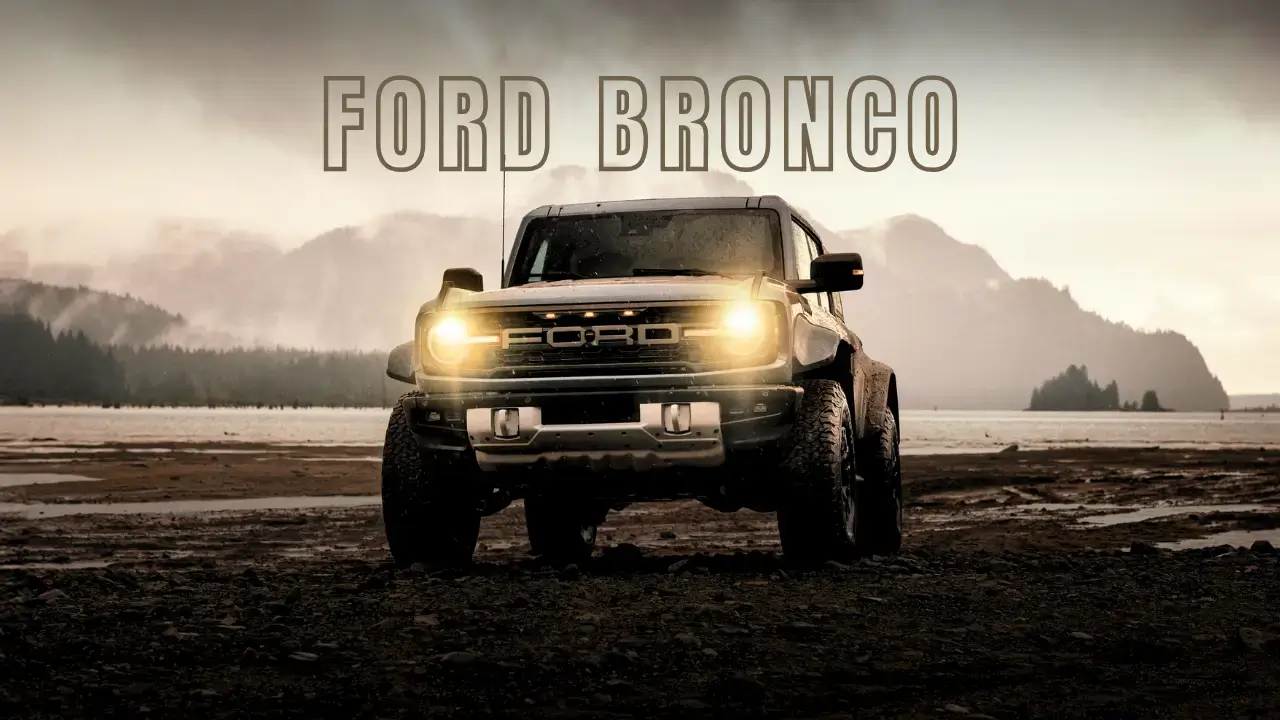
Introduction to the Ford Bronco
Why the Bronco Still Rules the Off-Road
There’s something about the Ford Bronco that just screams freedom. You don’t buy a Bronco just to get from A to B—you buy one because you’re planning to blaze your own trail. It’s not just a vehicle; it’s a lifestyle. Since its first roll off the production line in 1966, the Bronco has represented adventure, rebellion, and raw, dirt-kicking capability. Unlike many of today’s cushy SUVs, the Bronco wasn’t built for suburbia—it was crafted for rugged terrain, steep hills, and uncharted paths.
Even with dozens of modern SUVs on the market, few can match the Bronco’s charisma. Why? It boils down to authenticity. Ford has kept the soul of the Bronco intact through every iteration, and today’s models still offer removable doors, roof options, and old-school utility with modern tech. The Bronco is that rare combo of retro charm and next-gen performance—and it shows every time you see one barreling down a trail or flexing on a rock crawl.
And let’s not ignore the comeback story. After vanishing from the lineup for 25 years, the Bronco returned in 2020 with a vengeance, and it wasn’t just hype—it lived up to the legacy. Whether you’re a weekend warrior, a full-time overlander, or someone who just wants to look cool at the grocery store, the Bronco makes you feel unstoppable.
A Quick Glimpse at Its Legacy
The Bronco didn’t just show up and fit in—it carved out its own category. Back in the mid-60s, when muscle cars were all the rage, Ford saw a gap in the market: something smaller than the heavy-duty trucks but tougher than a station wagon. Enter the Bronco. It was Ford’s answer to Jeep’s CJ models and the International Harvester Scout, and it came out swinging with simple mechanics, go-anywhere performance, and a boxy design that was love at first sight for adventurers.
It wasn’t always a smooth ride. The Bronco evolved across five generations before Ford halted production in 1996. During that time, it went from compact off-roader to full-size SUV. Then, it disappeared—almost like an old cowboy riding into the sunset. But fans never forgot, and neither did Ford. When the sixth-generation Bronco was announced, anticipation reached fever pitch.
Now, the Bronco isn’t just back—it’s better than ever. It’s modern, bold, and packed with options for both casual drivers and hardcore 4×4 junkies. It’s still the hero of the dirt, the icon of the backcountry, and a legend reborn for a new generation.
The History of the Ford Bronco
The Birth in 1966
When Ford introduced the Bronco in 1966, it launched what many consider the original SUV. It wasn’t marketed as a luxury vehicle or a family hauler. No, the Bronco was advertised as a “sports utility vehicle,” ready for hunting, fishing, camping, or hauling gear over just about anything. Designed by Donald N. Frey (the same genius behind the Mustang), the Bronco was a utilitarian dream—compact, tough, and capable.
With a straight-six engine and optional V8, short 92-inch wheelbase, and solid front and rear axles, the Bronco was built to compete directly with Jeep. And it did. Early models featured a simple, boxy design with flat glass and minimal creature comforts. You could buy one as a wagon, pickup, or roadster—each geared toward a different kind of rugged lifestyle. The first-gen Bronco quickly became a favorite for ranchers, weekend warriors, and off-road enthusiasts.
It was basic but beautiful in its simplicity, and over the years, it became a symbol of Americana. From its appearance in movies to its role in pop culture (yes, we’re talking about that infamous white Bronco), this SUV became part of history.
Evolution Through the Generations
From 1966 to 1996, the Bronco morphed from compact crawler to full-size bruiser. The second generation (1978-1979) got a massive size increase to share parts with the F-Series trucks. By the third and fourth generations, the Bronco had become a staple in the full-size SUV market, beloved for its removable roof, spacious cabin, and solid off-road chops.
The fifth generation, ending in 1996, was the swan song—marking the end of the classic Bronco era. Changes in the market, fuel efficiency concerns, and the rise of the four-door SUV spelled doom for the two-door off-roader. Still, demand for the Bronco never truly died. Collectors kept vintage models alive, and fans lobbied for a comeback for decades.
The 25-Year Hiatus and Triumphant Return
For 25 years, Ford left Bronco fans hanging. And then, in 2020, the company dropped a bombshell—Bronco was back. Not just as a nameplate slapped on a crossover, but as a full-fledged, off-road, boxy-beauty beast that paid homage to the original.
The sixth-generation Bronco features a body-on-frame build, advanced 4×4 systems, removable doors and roofs, and modern tech galore. It’s not just a comeback—it’s a resurrection done right. The design echoes the first-gen models with round headlights and slab sides, while under the hood, it’s all 21st-century firepower and finesse.
With multiple trims, turbocharged engine options, hardcore Sasquatch packages, and a thriving aftermarket, the Bronco has reestablished itself as the king of the off-road jungle.
Ford Bronco Models & Variants
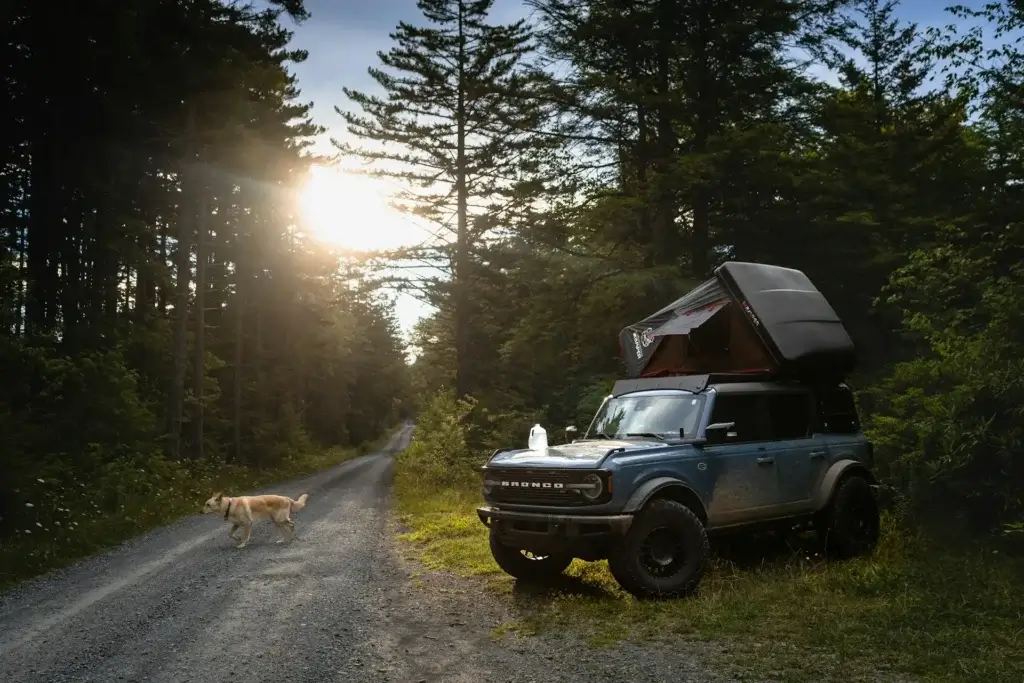
Credit: unsplash
2-Door vs 4-Door Bronco
The new Bronco gives you a big decision right off the bat—do you go 2-door or 4-door? This isn’t just a cosmetic difference; it changes the whole character of the vehicle.
The 2-door Bronco is the purist’s choice. It’s closer in size to the original, with a shorter wheelbase that makes it more agile on tight trails. It also just looks more classic, more rugged. If you want the most authentic Bronco experience, this is the one.
The 4-door Bronco, on the other hand, is all about versatility. With more cargo space, rear passenger room, and easier access, it’s the better option for families, weekend campers, and people who want adventure and practicality. It may be a bit longer, but it still performs admirably off-road and gives you more ways to use your Bronco every day.
Core Differences
| Feature | 2-Door Bronco | 4-Door Bronco |
|---|---|---|
| Wheelbase | 100.4 inches (shorter) | 116.1 inches (longer) |
| Overall Length | 173.7 inches | 189.4 inches |
| Cargo Space (Rear Seats Up) | 23.6 cu ft | 35.6 cu ft |
| Rear Seat Access | Less convenient (fold front seat) | Easy access (dedicated doors) |
| Turning Circle | 33.8 ft (tighter) | 37.4 ft |
| Approach Angle | Up to 43.2° (Sasquatch) | Up to 43.2° (Sasquatch) |
| Breakover Angle | Up to 26.3° (Sasquatch) | Up to 21.1° (Sasquatch) |
| Departure Angle | Up to 37.2° (Sasquatch) | Up to 37.0° (Sasquatch) |
| Starting Price (2024) | ~$39,000 | ~$42,000 |
Strengths of Each Model
- 2-Door Bronco:
- Off-Road Agility: Shorter wheelbase excels on tight trails, rock crawling, and steep inclines.
- Classic Look: Authentic retro styling reminiscent of the original Bronco.
- Maneuverability: Easier parking and navigating urban areas.
- Weight: Lighter (~300-400 lbs less), aiding fuel efficiency and acceleration.
- 4-Door Bronco:
- Practicality: Spacious rear seats, ample cargo space, and family-friendly access.
- Daily Usability: Better for commuting, road trips, or carrying passengers.
- Aftermarket Storage: Roof racks, cargo systems, and overlanding gear fit easier.
- Resale Value: Higher demand (80% of Bronco sales are 4-door).
Shared Features
- Removable Roof & Doors: Both offer Ford’s modular top system and removable doors.
- Engine Options: 2.3L EcoBoost I4 (300 hp) or 2.7L EcoBoost V6 (330 hp).
- Off-Road Tech: Available Trail Control™ (cruise for off-roading), Terrain Management System, and front/rear lockers.
- Sasquatch Package: Adds 35″ tires, lifted suspension, locking diffs, and upgraded gearing (available on both).

Mabett Rear Seat Back Cover Backrest Protector for Ford Bronco
Credit: Amazon
Trim Levels (Available for Both)
- Base: Entry-level, essential off-road hardware.
- Big Bend: Added comfort features (upgraded infotainment).
- Black Diamond: Heavy-duty underbody plates, washable interior.
- Outer Banks: Premium on-road focus (leather, signature lighting).
- Badlands: Top off-road trim (disconnecting sway bar, reinforced suspension).
- Everglades: Snorkel-equipped for water fording.
- Heritage/Limited: Retro styling or luxury features.
- Raptor: High-performance desert runner (4-door only).
Sport vs Classic Bronco

Credit: unsplash
When people hear “Bronco,” they often confuse the rugged off-roader with its younger cousin, the Bronco Sport. But don’t be fooled—these are two very different beasts.
The Classic Bronco, also known as the full-size Bronco, is built for hardcore off-roading. It’s body-on-frame, boasts true 4×4 capabilities, and includes options like locking differentials, high ground clearance, and powerful turbocharged engines. It’s meant to crawl rocks, bash dunes, and take a beating. When Ford revived the Bronco name in 2020, this was the model enthusiasts had been begging for.
Now, enter the Bronco Sport. It’s built on a unibody platform shared with the Ford Escape, which makes it more like a soft-roader. While it carries the Bronco name and has some rugged design cues, it’s really more suited for light off-road trips, gravel roads, and urban jungle driving. It’s comfortable, efficient, and better for daily commuting, but it doesn’t come close to the Classic Bronco in terms of trail performance.
If you want serious 4×4 fun, choose the Classic Bronco. But if you just like the Bronco vibe and want something manageable for city life, the Sport is a solid pick. Just know what you’re getting into—because no amount of rugged styling can turn the Bronco Sport into the backwoods bruiser its big brother is.
Special Editions and Trims
Ford didn’t just bring back the Bronco—they brought it back with options. Tons of options. Whether you’re a luxury lover or a mud-splattered trail junkie, there’s a trim for you. Here’s a quick breakdown:
- Base Model: Stripped down, pure utility. Great for those who want to build their own dream rig from scratch.
- Big Bend: A step up with convenience features like heated seats and remote start.
- Black Diamond: Geared for off-road use with heavy-duty bumpers, skid plates, and rubberized flooring.
- Outer Banks: Luxury meets off-road with leather trim, 12” infotainment, and a sleeker design.
- Badlands: One of the most capable trims with advanced off-road features like front stabilizer bar disconnect.
- Wildtrak: Built for high-speed off-roading, perfect for sand dunes and Baja-style driving.
- Heritage Edition: Retro styling and unique colors that call back to the OG Bronco designs.
Each trim has its own vibe and purpose. Some are built for crawling over rocks, others for cruising highways in style. The Sasquatch package—available on most trims—adds even more off-road prowess with 35” tires, locking diffs, and more.
Design and Aesthetics
Rugged Exterior Styling
The moment you lay eyes on a Bronco, you know it’s not just another SUV. It’s boxy. It’s bold. And it practically dares you to get it dirty.
The exterior design is a clear throwback to the original 1966 model—right down to the round headlights and upright windshield. Ford knew what it was doing here. This wasn’t a generic crossover; it was a design statement. The Bronco has a wide stance, aggressive fender flares, and an overall utilitarian silhouette that screams capability. Whether you choose the 2-door or 4-door, it looks ready to tackle the wild straight from the factory.
The best part? Modularity. You can remove the doors. Take off the roof. Flip down the windshield. Add roof racks, mount gear, or bolt on a snorkel. This is a vehicle designed to be personalized, and Ford made sure that even the stock model comes adventure-ready. The color palette adds to the appeal—options like Area 51, Cactus Gray, and Cyber Orange turn heads and stand out in a crowd of monotone crossovers.
Want to make a statement? You don’t need a sports car. You need a Bronco.
Interior Comfort Meets Adventure
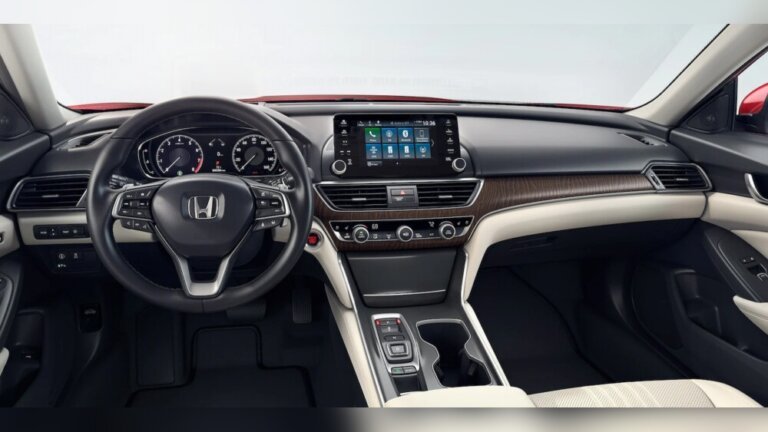
Inside the Bronco, rugged meets refined. It’s not the kind of SUV that forces you to sacrifice comfort for capability—instead, it finds a perfect middle ground. The dashboard is clean and flat, echoing the utilitarian roots of the original, but it’s filled with the latest tech and materials that can take a beating.
Depending on the trim, you’ll find marine-grade vinyl seats, rubberized flooring, and drain plugs that let you hose it out after a muddy weekend. Or, if you’re leaning more toward the luxury side, leather upholstery, a massive touchscreen, and high-end sound systems are available.
There’s plenty of headroom and legroom, especially in the 4-door variant. And Ford smartly built in lots of adventure-focused features: MOLLE straps on the seat backs, built-in grab handles, and even a trail map system on the infotainment screen. This isn’t your mom’s crossover—it’s a rolling basecamp.
Customization and Accessories
One of the Bronco’s biggest wins is how customizable it is. Straight from the factory, you’ve got hundreds of accessories to make it your own. Roof racks, tube doors, winches, rock rails, off-road lights—you name it, there’s a kit for it.
And because Ford knew people would want to mod their Broncos, they made it easy. The dashboard has pre-wired switches for extra lighting and gear. The doors and fenders are easy to swap or remove. And the aftermarket community? Already exploding. From lift kits to overlanding setups, there are entire businesses now dedicated to turning Broncos into the ultimate trail rigs.
So whether you’re building a daily driver or a full-on rock crawler, the Bronco gives you the perfect canvas to create something epic.
Engine, Performance, and Off-Road Capabilities
Powertrain Options
Under the hood, the Bronco gives you multiple ways to unleash power, and each is built to handle different kinds of terrain and driver preferences.
You’ve got two main engine options:
- 2.3L EcoBoost I4: Packs 300 horsepower and 325 lb-ft of torque. Great for those who want efficiency with plenty of punch.
- 2.7L EcoBoost V6: This twin-turbo beast delivers 330 horsepower and 415 lb-ft of torque. It’s the go-to for anyone looking to conquer steep climbs and fast trails.
Both engines are paired with a 10-speed automatic transmission, but the 2.3L version offers an available 7-speed manual with a crawler gear—perfect for off-road purists who like to shift through the dirt manually.
The Bronco isn’t about breakneck speed—it’s about controllable power. It’s torque-rich, so you get the push you need when you’re climbing, fording, or bogging. And with the available 4.70 final drive ratio, the torque is delivered exactly when and where you need it most.
G.O.A.T. Modes and Terrain Management
One of the Bronco’s coolest features is its G.O.A.T. Modes (Goes Over Any Terrain). This isn’t marketing fluff—it’s a serious system that transforms how the Bronco behaves depending on the terrain under your tires.
Here’s a breakdown of available modes:
- Normal: Daily driving, smooth roads.
- Eco: Better fuel economy.
- Sport: Sharper throttle and steering.
- Slippery: Rainy or icy conditions.
- Sand: Looser terrain like dunes and beaches.
- Mud/Ruts: Uneven, slick trails.
- Rock Crawl: Slow and technical off-roading.
- Baja: Fast-paced desert driving (available on select trims).
Each mode tweaks throttle response, shift points, traction control, and even locking differentials if you’ve got them. G.O.A.T. Modes make off-roading intuitive—even if you’re new to it. Just turn the dial, and the Bronco adapts.
Suspension, Tires, and Ground Clearance
When it comes to tackling tough terrain, suspension and ground clearance can make or break your adventure. The Ford Bronco comes loaded with the kind of hardware that makes off-roaders drool.
Let’s start with suspension. The Bronco features independent front suspension—a rarity in hardcore 4x4s—paired with a solid rear axle. This setup gives it better on-road comfort while still delivering outstanding off-road performance. On higher trims or with the Sasquatch package, you get Bilstein position-sensitive dampers, which adjust automatically based on the terrain, smoothing out your ride even when you’re hammering over rocks or roots.
Need to climb over boulders or drop into a gully? No problem. The Bronco offers up to 11.6 inches of ground clearance when equipped with 35-inch tires. That’s enough to clear most natural obstacles without breaking a sweat. Approach angles go up to 43.2 degrees, with a departure angle of 37 degrees—numbers that put the Bronco in elite off-roading company.
Water fording? Yep. Up to 33.5 inches. Whether you’re crossing a creek or dealing with a flooded trail, the Bronco’s got you covered. The large, aggressive all-terrain or mud-terrain tires (depending on trim) give it the grip to power through sand, mud, snow, and rocks like a beast.
Bottom line: if you’re serious about off-roading, the Bronco’s suspension, tires, and clearance give you pro-level capability, straight from the showroom floor.
Ford Bronco Technology and Features
Infotainment and Connectivity
Sure, the Bronco is built to be rugged—but that doesn’t mean it skimps on tech. Step inside, and you’ll find a surprisingly modern infotainment suite designed to keep you connected, informed, and entertained whether you’re cruising on asphalt or navigating backwoods trails.
At the heart of it all is Ford’s SYNC 4 system, accessed through either an 8-inch or massive 12-inch touchscreen. The interface is fast, intuitive, and highly customizable. You can split the screen to show navigation on one side and off-road data on the other. Plus, it supports wireless Apple CarPlay and Android Auto, so you don’t need to fumble with cables.
Want to keep track of your trail? Use the trail mapping system, which not only tracks your route but allows you to share it with other Bronco drivers. There are also over-the-air software updates, so the system keeps improving over time—just like a smartphone.
For audiophiles, the optional B&O Sound System by Bang & Olufsen delivers crisp, clear sound whether your doors are on or off. And yes—there are plenty of USB ports, power outlets, and even a wireless charging pad in select trims.
Safety Features and Driver Assistance
Even the most adventurous drivers appreciate a little backup, and the Bronco delivers on safety tech. You’re not just driving a trail machine—you’re piloting a smart SUV that’s got your back.
Key safety features include:
- Ford Co-Pilot360: This suite includes automatic emergency braking, lane-keeping assist, blind-spot monitoring, and rear cross-traffic alert.
- Adaptive Cruise Control: Perfect for long road trips.
- Rear View and 360-Degree Cameras: Ideal for spotting rocks or backing out of a tight garage.
- Trail Turn Assist: A nifty feature that locks the inside rear wheel to help you pivot around tight corners on the trail.
And don’t overlook trail-specific features, like Trail Control (a low-speed cruise control for rough terrain) and one-pedal driving for precise throttle and brake control on technical climbs. These tools not only protect your investment—they protect your peace of mind.
Smart Trail Tech for Off-Roaders
What truly separates the Bronco from the SUV pack is its trail tech. This isn’t just about comfort or safety—it’s about giving you tools to dominate the trail.
Here’s what makes it special:
- Trail Maps with Breadcrumb Navigation: You can leave a digital trail of where you’ve been, making it easy to backtrack or share your route.
- Off-Road Hero Switches: Located right above the center console, these quick-access buttons control sway bar disconnect, front and rear lockers, and other vital off-road functions.
- 360-Degree Off-Road Camera with Spotter View: It’s like having a drone hovering around your Bronco, showing every rock, stump, and rut you need to avoid.
Ford even partnered with GoPro and other action camera platforms to integrate mounts and power options—so you can capture every heart-pounding moment.
In short, the Bronco isn’t just ready for off-road. It’s optimized for it.
On-Road Driving Experience
Daily Drive Comfort
You might think something this off-road-focused would be a pain to drive on pavement. But Ford made sure the Bronco could handle weekday commutes just as well as weekend climbs.
Ride quality is surprisingly smooth—thanks in large part to that independent front suspension. Even with 35-inch mud tires, the road manners are solid. The cabin is well-insulated against wind and road noise, and visibility is excellent, especially in the 2-door model.
The steering has a nice weight to it, and while you won’t mistake it for a sports sedan, it’s composed at high speeds and predictable in traffic. The automatic transmission shifts cleanly, and the manual is fun for those who like to feel more involved.
The seats are comfortable enough for long trips, and with dual-zone climate control, heated front seats, and available remote start, daily life in the Bronco is pretty plush—at least in the mid-to-upper trims. You can also haul quite a bit of gear, especially in the 4-door version with the rear seats folded flat.
Handling and Ride Quality
You’d expect a vehicle this tough to ride like a tank—but the Bronco defies expectations. Even on bumpy streets and pothole-ridden urban roads, it absorbs the hits well.
The steering is tight for a vehicle of this size and style, especially when compared to something like a Jeep Wrangler. Where the Wrangler can feel vague and floaty, the Bronco feels planted and in control. It doesn’t wallow around corners or nose-dive under braking.
Body roll? Sure—it’s a tall, off-road SUV. But Ford tuned the suspension well enough that it doesn’t feel top-heavy or scary to drive fast. The adaptive dampers in high trims make a noticeable difference when switching from trail to highway.
And for people who’ve driven older SUVs or lifted 4x4s, the Bronco feels like a revelation. It’s the rare beast that doesn’t punish you for driving it every day.
Fuel Economy and Efficiency
Let’s be honest—nobody buys a Bronco expecting Prius-level MPG. But even so, it delivers decent fuel economy for what it is.
Here are the rough numbers:
- 2.3L EcoBoost: Around 20-22 MPG combined (better with the manual transmission).
- 2.7L V6: About 18-20 MPG combined, depending on trim and tire size.
- Sasquatch Package: Slightly lowers MPG due to the 35-inch tires and added weight.
The 4-door models consume a bit more fuel than the 2-doors, but not dramatically. And if you’re hauling gear, people, or towing (the Bronco can tow up to 3,500 lbs), your mileage will vary.
Ford hasn’t released an official hybrid version yet, but rumors suggest it may come in future models. Until then, expect solid (if not stellar) efficiency for an SUV designed to conquer the wilderness.
Off-Roading Adventures
Trail Testing and Real World Performance
If you haven’t taken a Ford Bronco on the trail yet, you’re missing out on one of the most capable factory-built off-road vehicles of the modern era. Whether it’s rock crawling in Moab, sand-drifting in Glamis, or mudding through southern backwoods, the Bronco is a beast that thrives where other vehicles tap out.
Real-world testing has proven its mettle time and time again. With lockable front and rear differentials, high ground clearance, one-pedal driving, and Trail Turn Assist, the Bronco can handle tight switchbacks, sharp drops, and vertical climbs like a pro. It’s agile for its size, and the short front and rear overhangs mean you’re less likely to get stuck on obstacles.
Off-roaders love the Sasquatch Package, which comes with 35” mud-terrain tires, Bilstein shocks, 4.7 final drive ratio, and front and rear lockers. It’s built to take abuse. Add the electronic sway bar disconnect (available on trims like Badlands), and you’ll get even more articulation and control over tough terrain.
Even stock Broncos (like the Big Bend or Outer Banks) can hold their own in moderate trail conditions. It’s one of those rare vehicles where you feel encouraged to go beyond the beaten path.
Comparisons with Jeep Wrangler and Land Rover Defender
Let’s be honest: the Bronco wouldn’t exist without the Jeep Wrangler and its legendary off-road legacy. But now that it’s back, the Bronco is giving Jeep—and even the premium Land Rover Defender—a serious run for their money.
Bronco vs Wrangler:
- The Wrangler has solid axles front and rear, which are ideal for rock crawling. The Bronco uses independent front suspension, which offers better road comfort and handling but slightly less flex.
- The Bronco feels more refined inside, especially with tech and layout. It also has more intuitive G.O.A.T. Modes versus Jeep’s Off-Road Pages.
- Wrangler has more engine options, including a diesel and plug-in hybrid. But the Bronco’s 2.7L V6 is a sweet spot of torque and performance.
Bronco vs Defender:
- The Defender is more luxurious and refined, but also far more expensive.
- Off-road, both are immensely capable, though the Defender relies more on software and electronics, while the Bronco gives you more mechanical control.
- The Bronco feels more like a classic off-roader with removable doors and roof—something the Defender doesn’t offer.
If you want a rugged SUV with a retro soul, modern tech, and impressive capability, the Bronco edges out both—especially for the price.
Community and Bronco Off-Road Clubs
The Bronco isn’t just a vehicle—it’s a movement. Since its relaunch, owners have banded together to form one of the most passionate 4×4 communities around.
Across the U.S., Bronco clubs are hosting meetups, trail rides, and overland expeditions. You’ll find online groups with thousands of members sharing mod tips, trail maps, and recovery stories. Ford even runs Bronco Off-Roadeos—experiential driving schools designed to teach owners how to maximize their Bronco’s potential on real trails.
Whether you’re a first-timer or a seasoned rock crawler, these communities offer education, camaraderie, and inspiration. It’s proof that the Bronco is more than just steel and rubber—it’s a tribe.
Pricing and Value
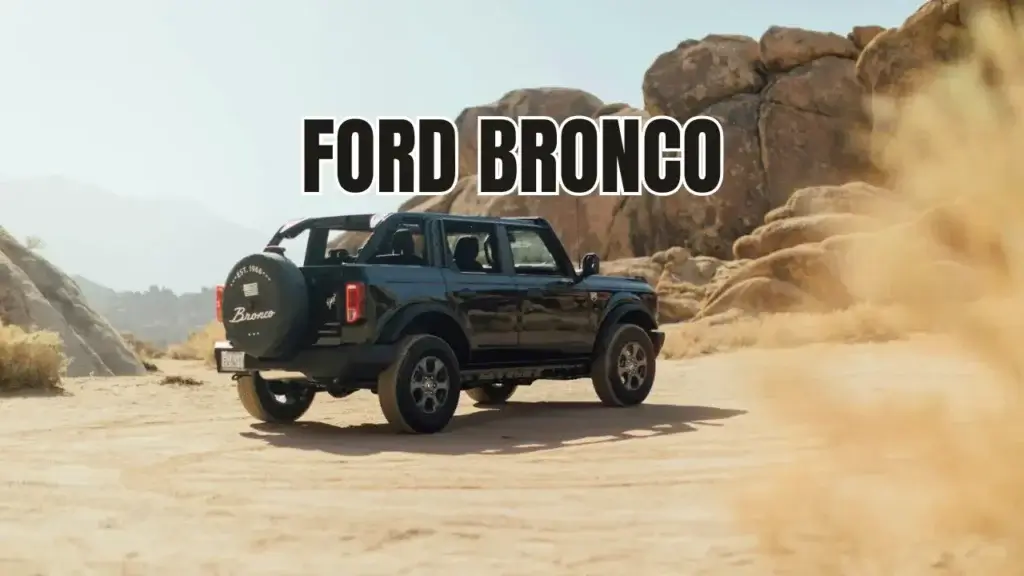
Credit: unsplash
MSRP Breakdown by Model
The Bronco offers a wide pricing range depending on what you’re after. Here’s a general breakdown (prices may vary based on options and region):
| Model | Starting MSRP |
|---|---|
| Base | $39,000 |
| Big Bend | $41,500 |
| Black Diamond | $44,000 |
| Outer Banks | $47,500 |
| Badlands | $50,000 |
| Wildtrak | $58,000 |
| Heritage Edition | $49,000 |
| Raptor | $89,000+ |
The Raptor is a performance monster with 418 horsepower and extreme suspension. It’s expensive, but it’s built for desert dominance.
Cost of Ownership
Owning a Bronco isn’t cheap, but it’s also not outrageous. Maintenance costs are reasonable—on par with most full-size SUVs—and Ford’s dealer network means service is widely available.
Insurance is typically higher than average due to its off-road nature and popularity. Gas mileage isn’t stellar, but manageable. And because it holds value well, your resale outlook is strong, especially for limited editions and off-road-focused trims.
Is It Worth the Price?
In one word: Absolutely. The Ford Bronco is more than a vehicle—it’s an experience. It’s built to do things most SUVs can’t even dream of, and it looks damn good doing it.
If you’re just looking for a daily driver, the Bronco might be overkill. But if you want capability, style, and street cred wrapped in one iconic package, there’s nothing better for the money.
Ford Bronco vs the Competition
Bronco vs Wrangler: The Classic Rivalry
This rivalry is legendary. The Wrangler has decades of off-road cred, but the Bronco fights back with better handling, modern tech, and comparable trail performance. It’s also more comfortable as a daily driver.
Bronco vs 4Runner: Modern Matchup
The Toyota 4Runner is reliable and proven, but it’s dated. The Bronco offers a fresher design, better tech, and more off-road flexibility right out of the gate.
Bronco vs Land Rover Defender: Premium Off-Road Battle
The Defender brings sophistication, but at a steep price. The Bronco gives you nearly the same off-road capabilities at a much more accessible cost—and it’s way more customizable.
Modifications and Aftermarket Upgrades
Popular Bronco Mods
From the moment you buy a Bronco, the modding itch starts. Most popular upgrades include:
- Lift kits
- Wider fenders
- Snorkels
- Performance exhausts
- ECU tunes
Lift Kits, Roof Racks, and Winches
A 2–4” lift gives you added clearance and attitude. Roof racks help with overlanding setups, and winches are essential for recovery and trail survival.
Off-Road Tires and LED Light Bars
Switching to 37” tires makes a noticeable difference in grip and stance. Light bars and pods enhance night runs and give the Bronco that aggressive safari look.
Owner Experience and Reviews
What Real Owners Say
Bronco owners rave about the balance between ruggedness and comfort. They love how it feels solid but fun, and how easy it is to customize. Complaints? Some mention software bugs and long delivery times—but overall, satisfaction is high.
Common Complaints and Praises
- Praises: Trail capability, design, versatility, tech.
- Complaints: Road noise with big tires, rear visibility, occasional electronic glitches.
Longevity and Reliability
The Bronco is built tough. With a robust frame, simple drivetrains, and widespread parts availability, it’s likely to be a long-term keeper.
Buying a Ford Bronco
Tips for First-Time Buyers
- Choose your trim based on use, not just looks.
- Get the Sasquatch package if you plan serious trail use.
- Don’t overlook the base model—it’s a great blank canvas.
New vs Used Bronco
Used models are still pricey due to high demand. If you want specific features, it’s often better to order new.
hat to Look for When Buying Used
- Check for trail damage.
- Ensure all tech updates have been installed.
- Look at tire wear and suspension condition.
Future of the Ford Bronco
Upcoming Features and Innovations
Ford is expected to introduce:
- Hybrid powertrains
- More electric accessories
- Advanced trail automation
Electric or Hybrid Bronco Rumors
There’s talk of a hybrid Bronco with increased torque and range. An electric model could follow by 2026, competing directly with the Rivian R1S.
Continued Reign or Falling Behind?
As long as Ford keeps listening to its audience and pushing boundaries, the Bronco’s future looks bulletproof.
Conclusion
The Ford Bronco isn’t just a comeback story—it’s a statement. A modern legend that honors its roots while forging new ground. Whether you’re buying it for adventure, heritage, or street presence, one thing’s clear: the Bronco is back, and it’s better than ever. With class-leading off-road chops, undeniable style, and a deeply engaged community, it’s more than a vehicle—it’s a movement. Get behind the wheel, and you’re not just driving—you’re living.
FAQs
Is the Ford Bronco good for daily driving?
Yes, especially in trims like the Outer Banks. It’s smooth on roads, has excellent tech, and feels refined for an off-road SUV.
Can the Bronco really handle extreme off-roading?
Absolutely. With locking differentials, G.O.A.T. Modes, and Sasquatch upgrades, it’s ready for everything from rock crawling to sand dunes.
What is the difference between the Bronco and Bronco Sport?
The Bronco is a full-body-on-frame SUV built for serious trails. The Bronco Sport is a smaller, unibody crossover better for light off-roading and urban life.
How does the Bronco compare to the Wrangler?
The Bronco offers better on-road comfort, more modern tech, and comparable trail performance—making it a strong Wrangler rival.
Is it worth modifying a stock Bronco?
Yes. While it’s capable out of the box, mods like tires, lifts, and lighting can enhance performance and personalize your ride.