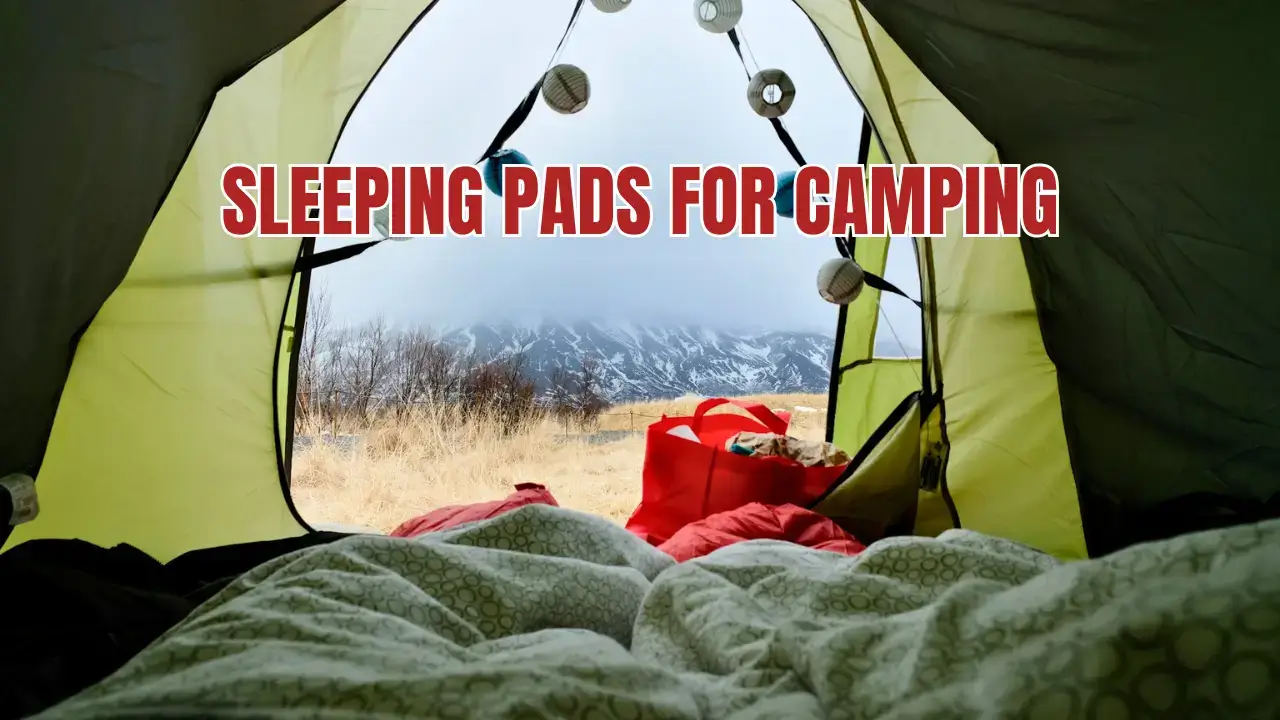
Introduction to Sleeping Pads for Camping
Why Sleeping Pads Matter in Camping
Let’s be honest—nobody goes camping to toss and turn all night. Yet, that’s exactly what happens when you skip one key piece of gear: the sleeping pad. A sleeping pad isn’t just a soft surface to rest on; it’s your personal buffer from the hard, cold ground. Without one, even the best sleeping bag won’t keep you warm or comfy. That little layer between you and the earth? It’s a total game changer.
Sleeping pads provide two essential things—comfort and insulation. While comfort is obvious (nobody likes rocks poking their ribs), insulation is where most campers get tripped up. The ground draws heat from your body, especially in cooler temps, making it impossible to stay warm without some kind of padding. That’s where the sleeping pad steps in. It prevents heat loss, keeps you warm, and helps your body relax, which is vital after a day of hiking or setting up camp.
And yes, even if you’re “roughing it,” a good night’s sleep is priceless. You’ll wake up more refreshed, less cranky, and ready to take on whatever the wild throws at you.
The Evolution of Camping Comfort
Gone are the days when campers slept on a thin layer of leaves or used their backpacks as pillows. Thanks to advances in outdoor gear, sleeping pads have come a long way. The earliest models were just pieces of foam—bulky, heavy, and not very comfy. Today’s pads are ultra-light, self-inflating, compact, and tailored for different sleeping styles and temperatures.
We’ve moved from military-grade foam to high-tech materials like open-cell polyurethane, air chambers with insulation, and fabrics designed to resist punctures and moisture. Some pads even have memory foam layers or heat-reflective technology. It’s wild to think you can now pack a mattress that weighs less than a pound and still sleep like a baby under the stars.
This evolution isn’t just about luxury—it’s about making camping more accessible. Whether you’re a rugged backpacker or a casual weekend warrior, there’s a sleeping pad out there built just for you.
Types of Sleeping Pads
Air Pads
Air pads are like the high-tech superheroes of the sleeping pad world. Lightweight, compact, and incredibly comfortable, they’ve become a favorite among backpackers and lightweight campers. These pads require manual inflation—either with your breath or a pump—but what you get in return is a pad that’s thick enough to smooth over rocky terrain and bumpy ground.
One of the best parts? They pack down super small, often to the size of a water bottle. This makes them ideal for backpacking, where every ounce counts. Some models come with built-in insulation or reflective materials to boost warmth without adding bulk.
But there’s a downside too. Air pads can be noisy—think crinkling sounds when you move—and are prone to punctures. You’ll need to carry a patch kit just in case, especially if you’re camping in rough terrain. Still, with a little care, they can last for years and make sleeping outdoors feel like a dream.
Self-Inflating Pads
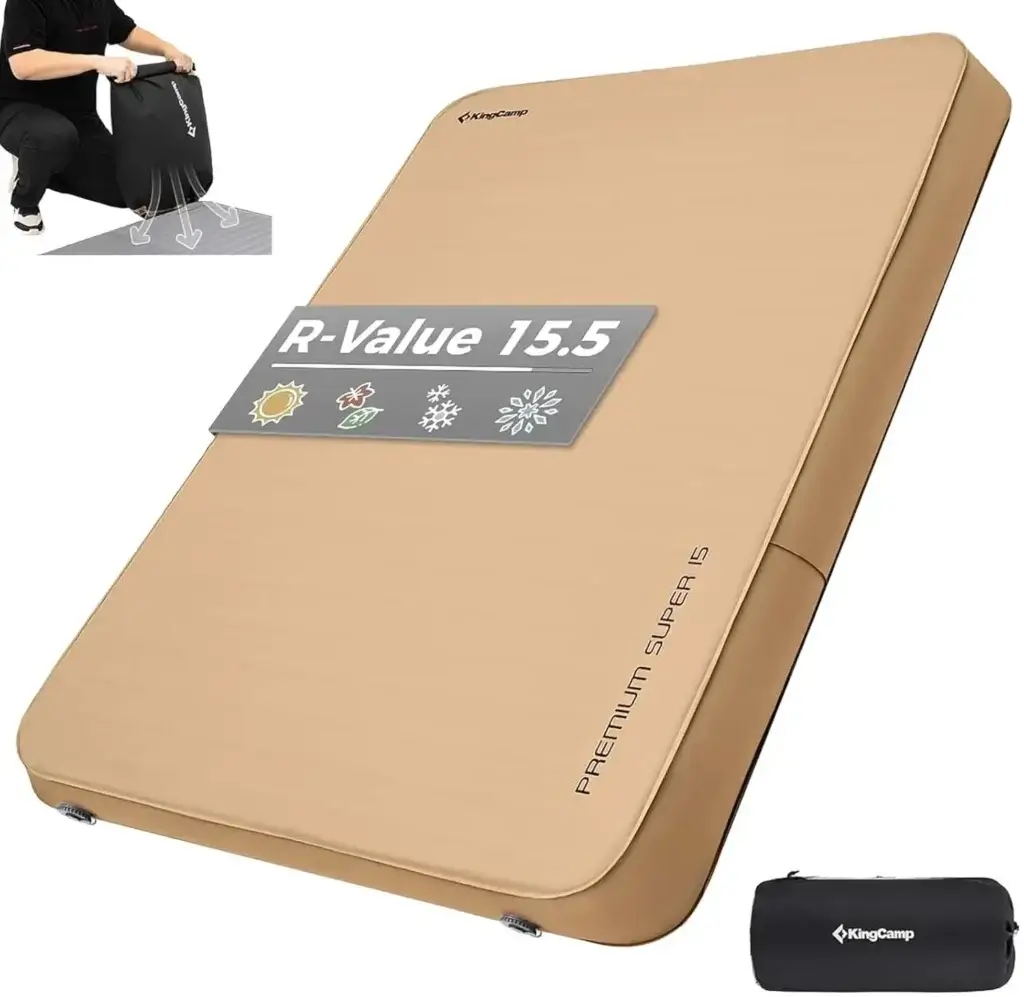
KingCamp Self Inflating Sleeping Pad
Self-inflating pads are a beautiful blend of foam and air. Open the valve, and the foam inside expands to suck in air—just like that, your pad inflates on its own. They offer a nice balance between comfort, insulation, and convenience. You can adjust the firmness by adding or letting out air, giving you more control over how cushy your bed feels.
These pads are bulkier and heavier than air pads, which makes them more popular for car camping or short hikes rather than long backpacking trips. But they’re tough, quieter than air pads, and usually warmer thanks to the foam core. They’re also less likely to deflate in the middle of the night, which is always a plus.
If you’re someone who wants easy setup without sacrificing comfort, a self-inflating pad might be your best bet.
Closed-Cell Foam Pads
The old-school warrior of the bunch. Closed-cell foam pads are simple, durable, and nearly indestructible. They’re made of dense foam filled with tiny closed air cells that provide insulation and a bit of padding. These pads don’t inflate, so there’s zero chance of popping or leaking.
They’re super affordable and incredibly reliable in rough conditions, which makes them a favorite for thru-hikers and ultralight adventurers. You can strap them outside your pack and not worry about damage. Plus, they work great as a backup layer under another pad for added warmth and protection.
However, the comfort factor isn’t great. These pads are thin, stiff, and not ideal for side sleepers or anyone who needs a soft surface to sleep well. But for the rugged minimalist, they’re an essential piece of gear.
Key Features to Consider Before Buying
Insulation and R-Value
If you’ve ever woken up shivering in your sleeping bag despite a warm forecast, chances are your sleeping pad’s R-value was too low. R-value measures a pad’s ability to resist heat flow—basically, how well it keeps the cold ground from sucking the warmth out of you.
For summer camping, an R-value of 1–2 is usually enough. For spring and fall, shoot for 3–4. Winter? You’ll want at least 5 or higher. Some hardcore winter pads go up to 7+. And yes, layering pads increases your total R-value (they’re additive!).
Keep in mind, R-value is now standardized across brands thanks to ASTM testing methods, so you can actually compare pads apples-to-apples. If you’re a cold sleeper or planning on alpine adventures, don’t skimp here—your warmth and safety depend on it.
Weight and Portability

When you’re trekking miles into the backcountry with everything on your back, every ounce counts. That’s why weight and portability are critical factors to consider when choosing a sleeping pad. You want something that won’t slow you down or eat up valuable space in your backpack—but also doesn’t sacrifice comfort and warmth.
Ultralight sleeping pads, especially air pads, can weigh as little as 8 to 12 ounces and pack down to the size of a soda can. These are ideal for fastpackers, thru-hikers, and minimalist adventurers. However, they may compromise a bit on durability or insulation. Some super-compact pads have low R-values, which means they’re best for warm weather trips only.
On the other hand, if you’re car camping or not hiking far, you have more flexibility. You can opt for thicker, heavier options that deliver luxurious comfort without worrying about weight. Some of these pads come in their own carry bags and inflate with built-in pumps or valves for extra ease.
Portability also involves how easy the pad is to set up, pack down, and carry. Roll-up designs are common, but newer foldable designs (especially for closed-cell foam pads) make it easier to stash them externally. And don’t forget about the repair factor—lighter pads tend to be more fragile, so a patch kit is a must in your packing list.
The bottom line? Match your pad’s weight and packability with your camping style. Going light is great, but not at the expense of a good night’s rest in harsh environments.
Size and Thickness
Size absolutely matters when it comes to sleeping pads—both in terms of your body and the terrain you’re setting up camp on. Pads come in a range of lengths, widths, and thicknesses, and the right combination can drastically improve your sleep.
For length, the general rule is to choose a pad that matches your height. Standard regular-size pads are about 72 inches long, but taller folks might want to look for “long” versions (typically 78 inches). Short or “three-quarter” pads, around 48–52 inches, are ultralight options designed to cover just your torso and hips—letting you use your pack or clothes under your legs.
Width-wise, most sleeping pads are around 20 inches, which is enough for many people. But if you tend to toss and turn, or just like a bit of wiggle room, wider pads (25 to 30 inches) are a lifesaver. Double pads are also available for couples or those who just want to stretch out like royalty.
Then there’s thickness. Ultra-thin closed-cell foam pads might only offer 0.5 to 1 inch of cushioning. Air and self-inflating pads can go up to 4 inches or more. Thicker pads mean more comfort, especially for side sleepers or older campers with joint issues. However, with thickness often comes extra weight and bulk.
In short: don’t settle. Get a pad that fits your body, suits your sleep style, and balances comfort with practicality. A cramped or overly thin pad can turn your camping trip into a chiropractic appointment.
Durability and Material Quality
Out in the wild, your gear has to endure rough surfaces, moisture, temperature swings, and the occasional accidental abuse. That’s where material quality and durability become critical.
High-denier fabrics (like 30D to 75D nylon or polyester) tend to be more resistant to punctures, tears, and abrasions. Some pads also feature TPU coatings or ripstop textures to enhance strength and waterproofing. When shopping for a pad, always check the denier rating—higher numbers mean tougher materials, but they might add a bit of weight.
Air pads, being lightweight and compressible, are more vulnerable to leaks. That’s why quality brands reinforce seams and include patch kits. If you’re heading into rocky or thorny terrain, consider placing a groundsheet or tent footprint under your pad for extra protection.
Self-inflating pads generally offer a good balance of foam padding and outer durability. They’re less prone to sudden deflation but can still be punctured. Closed-cell foam pads, meanwhile, are practically indestructible—but not always comfortable.
Also, watch out for valves and seams—these are weak points where air leaks are most likely to develop. Look for models with high-quality, easy-to-use valves that don’t stick or pop open accidentally.
In the end, investing in a more durable pad might cost a little more upfront, but it’ll save you the pain (literally and financially) of replacing a busted pad mid-trip.
Best Sleeping Pads by Camping Style
Backpacking Sleeping Pads
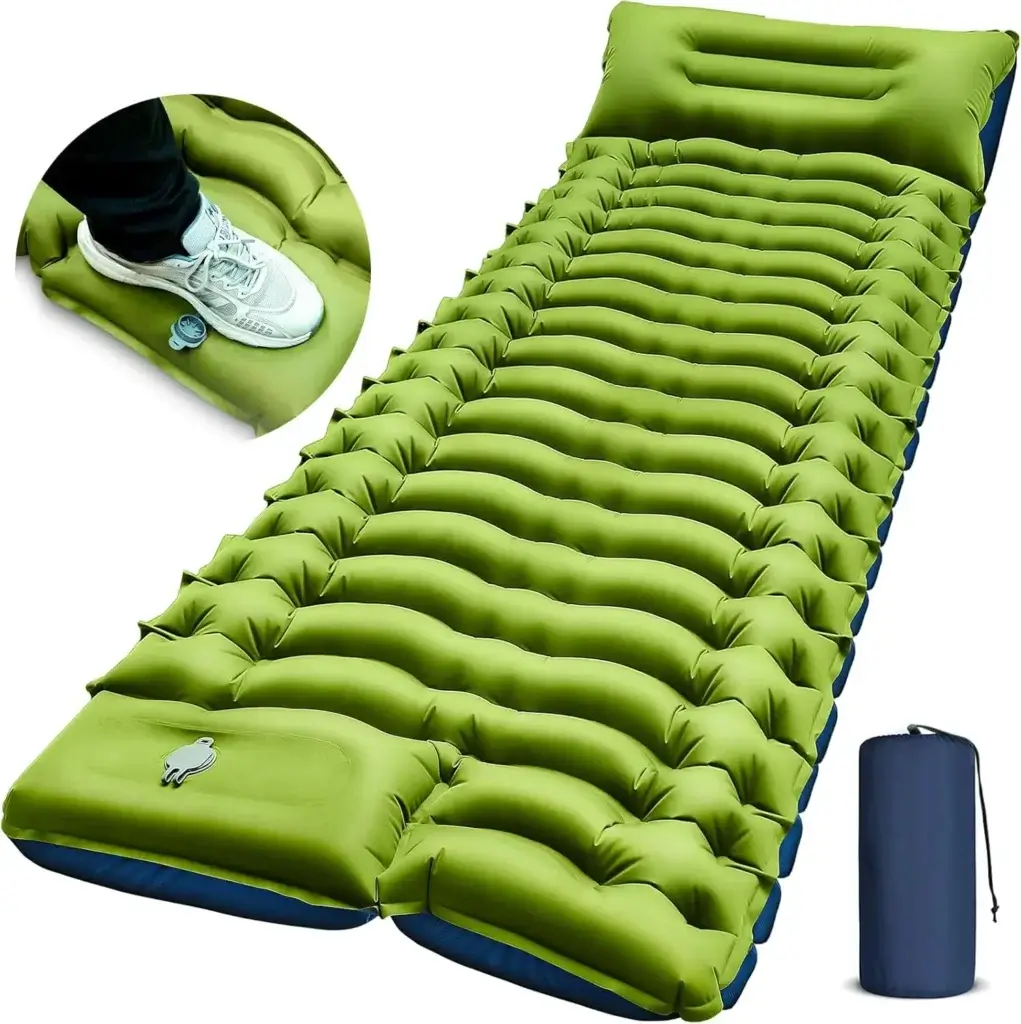
Backpacking Sleeping Pads
Backpacking pads need to strike a perfect balance between weight, comfort, insulation, and packability. The ideal choice is an ultralight air pad or a minimalist closed-cell foam pad, depending on your preference.
Air pads like the Therm-a-Rest NeoAir XLite or Sea to Summit Ether Light are popular for their lightweight builds and surprising comfort. They compress down to the size of a water bottle and offer impressive warmth for their size. For colder weather, look for insulated versions with higher R-values.
Closed-cell foam pads like the Z-Lite Sol are perfect for ultralight hikers or thru-hikers who want durability without the risk of a leak. They’re bulkier to carry, but you can strap them outside your pack without a second thought.
In backpacking, every ounce counts. So if you’re carrying a heavy load or covering serious mileage, a lighter pad can make a huge difference. Just make sure you’re not sacrificing too much in comfort, especially if you’re a side sleeper.
Pros and Cons of Backpacking Sleeping Pads
When it comes to lightweight adventures and outdoor expeditions, backpacking sleeping pads are essential gear. Designed for portability and efficiency, these pads offer a balance of comfort and packability. But like any piece of outdoor gear, they come with their own strengths and weaknesses. Here’s a comprehensive SEO-optimized breakdown of the pros and cons of backpacking sleeping pads to help you decide if they’re the right choice for your next trek.
Pros of Backpacking Sleeping Pads
1. Lightweight and Compact Design
- One of the biggest advantages of backpacking sleeping pads is their ultra-lightweight construction.
- Most models weigh under 1 pound and pack down to the size of a water bottle.
- Perfect for long hikes, thru-hiking, or minimalist setups where every ounce matters.
2. Excellent Portability
- Easy to strap onto or store inside your backpack without taking up valuable space.
- Many pads come with stuff sacks or integrated straps for quick packing.
3. Variety of Options
- Available in air, self-inflating, and foam types to suit different comfort and insulation needs.
- Ultralight air pads offer maximum comfort with minimal weight.
- Closed-cell foam pads are nearly indestructible and great for rugged terrains.
4. Insulation and R-Value Choices
- High-quality backpacking pads offer varying R-values, allowing you to camp in different climates.
- Some insulated models are suitable even for snow camping and high-altitude adventures.
5. Durability with the Right Brand
- Top-tier brands like Therm-a-Rest, Sea to Summit, and Nemo Equipment offer rugged materials, strong seams, and reliable valves.
- Many come with repair kits and multi-year warranties.
6. Versatile Use
- Can be used not just for backpacking, but also for emergency kits, bikepacking, or minimalist car camping.
- Great for travelers who value mobility and function over bulk.
Cons of Backpacking Sleeping Pads
1. Less Comfortable Than Car Camping Pads
- Due to their ultralight nature, many backpacking sleeping pads are thinner or narrower than traditional camping pads.
- Side sleepers or those with back issues might find them less cushy.
2. Prone to Punctures (Especially Air Pads)
- Air-filled backpacking pads can be vulnerable to tears and leaks from sharp rocks, twigs, or even overinflation.
- Requires careful handling and sometimes a patch kit in the field.
3. Can Be Noisy
- Some lightweight materials crinkle or squeak when you shift during sleep.
- This can be disruptive, especially in quiet outdoor environments or shared tents.
4. Inflation and Deflation Time
- Unlike foam pads that require no setup, air and self-inflating pads take time to blow up and deflate.
- In cold weather or at high altitudes, inflation can be more difficult or require extra effort.
5. Limited Width and Length Options
- Standard sizes may not accommodate larger individuals comfortably.
- Some ultralight models sacrifice dimensions to save weight, which can lead to off-pad rolling during the night.
Car Camping Sleeping Pads
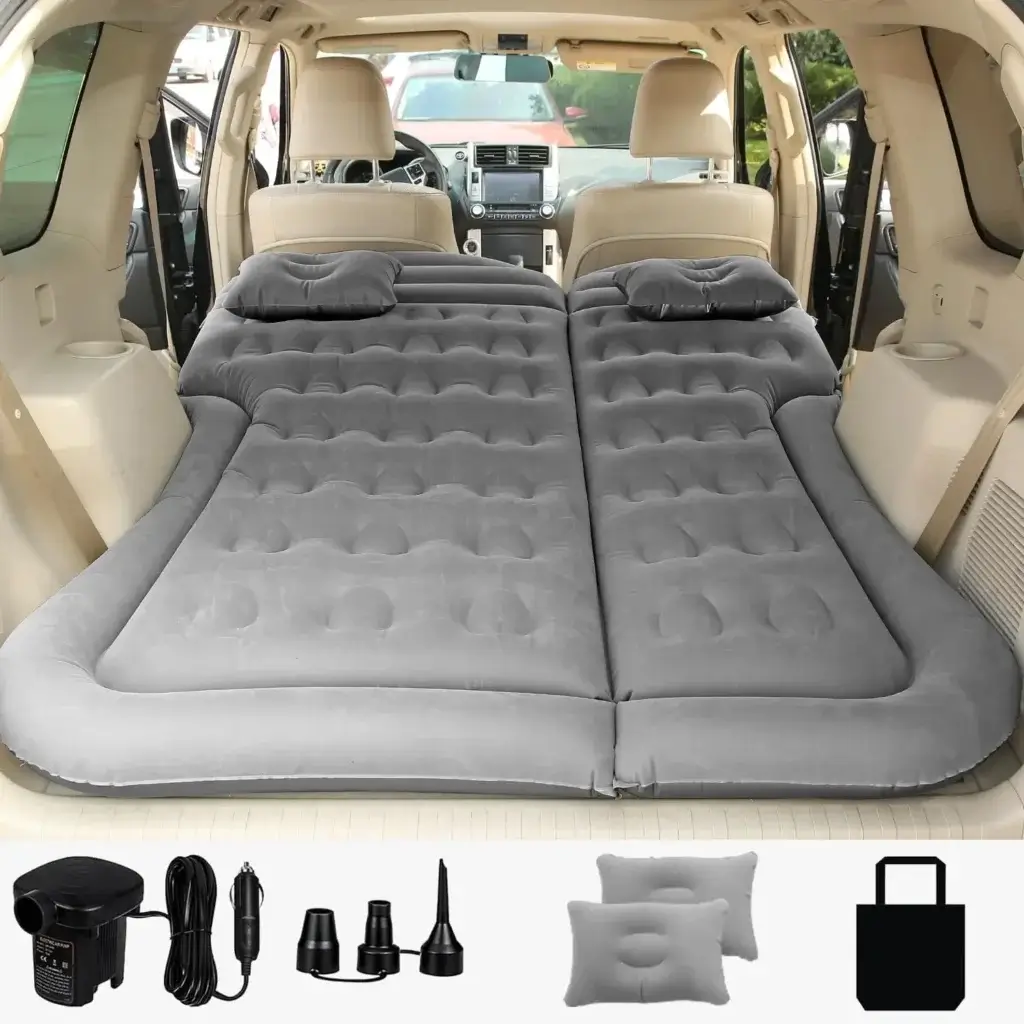
Car Camping Sleeping Pads
With car camping, weight isn’t an issue. You can bring the Cadillac of sleeping pads if you want, and many do. These pads are thicker, wider, and far more luxurious than their backpacking counterparts.
Self-inflating pads rule here—think Therm-a-Rest MondoKing or REI Camp Dreamer. They provide excellent cushioning, insulation, and ease of use. Some even rival your mattress at home in terms of comfort.
Because you’re not carrying your pad far, you can prioritize plush materials, extra insulation, and larger sizes. You might even opt for a double-wide pad or a fold-out cot system.
For families or glampers, comfort is king. And with space and weight off the table, your options are wide open.
Pros of Car Camping Sleeping Pads
1. Superior Comfort
- The biggest selling point of car camping sleeping pads is their luxurious thickness and cushioning.
- Often 3–6 inches thick, these pads feel closer to your mattress at home.
- Great for side sleepers, older campers, or anyone who struggles with sleep in the outdoors.
2. No Worries About Weight
- Since you’re not carrying your gear on your back, weight isn’t an issue.
- This allows for thicker, plusher, and heavier pads with better support and insulation.
3. Generous Dimensions
- Wider and longer than backpacking pads, making them ideal for tall campers or those who toss and turn.
- Many models are available in double sizes, perfect for couples or families sharing a tent.
4. Easy to Set Up
- Most car camping pads are self-inflating or come with built-in pumps.
- Setup and breakdown are usually fast and hassle-free, especially with electric or foot pumps.
5. Excellent Insulation
- High R-values mean these pads can be used in colder weather without adding layers.
- Foam cores and air chambers provide both comfort and warmth for year-round use.
6. Durable and Long-Lasting
- Made from high-denier fabrics and heavy-duty materials, car camping pads are built to withstand years of use.
- Less prone to punctures or wear due to better ground insulation and materials.
7. Ideal for Car-Based Adventures
- Whether you’re road tripping, overlanding, or just pitching a tent at a drive-in site, these pads fit the bill.
- Perfect for festival camping, family outings, or glamping.
Cons of Car Camping Sleeping Pads
1. Bulky and Heavy
- Due to their size and materials, car camping sleeping pads can be heavy and take up significant trunk space.
- Not suitable for backpacking or long-distance hikes.
2. More Expensive
- High-quality car camping pads often cost more than ultralight alternatives.
- Features like memory foam, dual valves, and premium fabrics drive up the price.
3. Takes Up Tent Space
- Larger pads can dominate small tents, leaving less room for other gear.
- Not ideal for compact or ultralight tents with limited floor area.
4. Slower to Inflate and Deflate
- Some thick self-inflating pads take time to fully expand.
- While many include pumps, deflation can still be time-consuming compared to a roll-up foam pad.
5. Overkill for Short Trips
- If you’re only camping for one night or in ideal conditions, the extra luxury might be unnecessary.
- A simpler pad could do the job just fine with less hassle.
Winter Camping Sleeping Pads
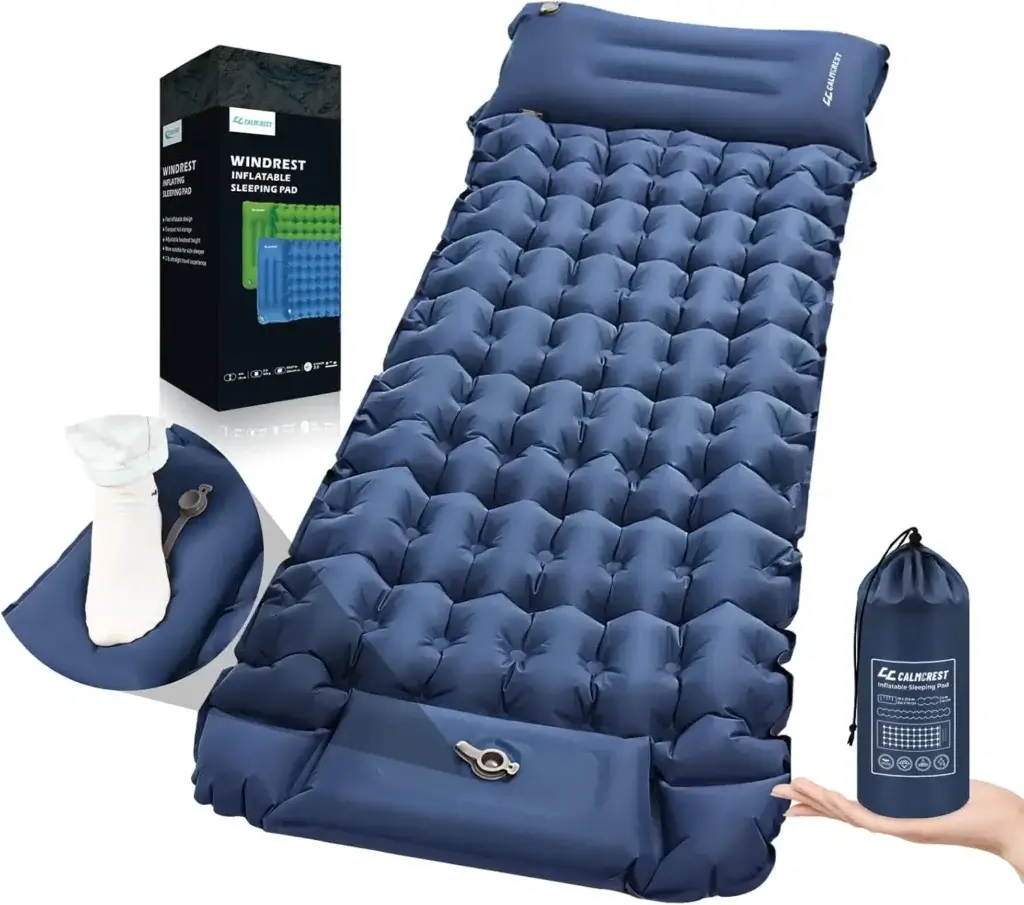
Winter Camping Sleeping Pads
Winter camping isn’t for the faint of heart—and neither is choosing the right sleeping pad. In freezing conditions, ground temperatures can rob your body of heat faster than you might expect, and even the warmest sleeping bag won’t help much if you’re lying on a poorly insulated pad.
For cold weather, insulation is the top priority. You’ll want a pad with an R-value of at least 5. Some winter-specific pads go even higher, reaching R-values of 7 or more. Therm-a-Rest’s NeoAir XTherm, for example, is a popular choice among alpine adventurers and mountaineers for its lightweight design and extreme insulation.
Layering is also a smart strategy. Many winter campers stack a closed-cell foam pad underneath an insulated air pad. This combo not only boosts R-value but also gives you redundancy—if your air pad fails in the cold, you still have the foam to keep you off the ice-cold ground.
Thickness matters too. The thicker the pad, the more insulation and comfort you’ll get. Also, consider wider pads to prevent cold air seeping in from the sides when you move around.
And don’t forget durability. Cold can make materials brittle, so you’ll want a pad built with tough, cold-resistant fabrics and high-quality valves that won’t crack in low temps. When temperatures plunge below freezing, every detail counts.
Pros of Winter Camping Sleeping Pads
1. Superior Insulation (High R-Value)
- The main advantage of winter camping sleeping pads is their high R-value—usually 5.0 or above.
- These pads insulate your body from the icy ground, preventing heat loss through conduction.
- Essential for snow camping, mountaineering, or any below-freezing overnight trip.
2. Built for Harsh Conditions
- Designed with durable, cold-resistant materials that perform well in sub-zero temperatures.
- Many include heat-reflective layers (like Thermacapture™ or foil linings) to retain body warmth.
3. Compatible with Layering Systems
- Easily pairable with closed-cell foam pads for added warmth and backup insulation.
- Many winter campers layer a foam pad underneath their insulated pad for extra R-value and protection.
4. Comfortable Despite the Cold
- Most models offer thick padding or self-inflating cores that remain soft even in freezing conditions.
- Designed to provide consistent support in a variety of winter terrains—snow, ice, frozen dirt.
5. Long-Term Investment
- High-quality winter pads are built to last and can be used year-round in alpine or cold-weather locations.
- Reliable brands offer multi-season usability, making the higher cost worthwhile in the long run.
6. Prevents Cold-Related Sleep Disruption
- With proper insulation, you’ll stay warmer, sleep deeper, and reduce the risk of cold-induced wake-ups or hypothermia.
Cons of Winter Camping Sleeping Pads
1. Heavier and Bulkier
- Compared to summer or three-season pads, winter camping pads are often thicker and heavier due to added insulation.
- Not ideal for ultralight or fast-and-light trips where every ounce matters.
2. More Expensive
- High R-values, advanced materials, and specialized design come with a steeper price tag.
- Premium winter pads often range from $100 to $250 or more.
3. Slower to Pack Down
- Self-inflating or dual-layer pads may take longer to deflate and pack.
- Bulky designs can eat up backpack space or require external storage.
4. Risk of Over-Reliance
- Some winter campers neglect layering or proper ground insulation thinking the pad alone is enough.
- Cold still seeps in without proper shelter setup or if you’re sleeping directly on ice.
5. Puncture Vulnerability (Air Pads)
- Inflatable models, while warm and comfy, are still vulnerable to punctures from sharp ice, gear, or debris.
- Always carry a patch kit or backup foam pad for emergencies.
How to Choose the Right Sleeping Pad
Match the Pad to Your Sleeping Style
Are you a back sleeper, side sleeper, or stomach sleeper? Your sleeping position affects how much support and padding you need—and where. Back sleepers can get away with thinner pads since their weight is more evenly distributed. But side sleepers often need extra thickness to cushion hips and shoulders.
If you tend to toss and turn, a wider pad gives you more space without slipping off. And for stomach sleepers, something a bit firmer and flatter can help prevent that awkward lower back arch.
Also consider firmness. Some people like a soft, cushy feel, while others prefer something more supportive. Adjustable air pads let you tweak the firmness to your liking, while foam or self-inflating models provide a consistent feel.
Take time to try a few pads out if you can—especially if you’re new to camping. It’s a personal choice, and comfort varies widely. A little testing can save you from sleepless nights under the stars.
Terrain and Weather Considerations
Not all campsites are created equal. Sometimes you’re sleeping on soft grass, but often it’s gravel, roots, or uneven terrain. For rocky or rough conditions, durability and puncture resistance are a must.
Closed-cell foam pads shine here, acting as a buffer between you and the ground. They’re also perfect for placing under air pads for added protection.
As for weather, colder climates demand higher R-values and better insulation. Humid areas may call for water-resistant or quick-dry materials. And in extremely hot conditions, breathability and ventilation matter—a sweaty back is no fun.
Consider where you’re going, what season it is, and how rough the ground will be. The right pad can adapt to your surroundings, but the wrong one might turn your trip into a survival exercise.
Budget vs. Features Trade-Off
Let’s face it—gear shopping can get expensive fast. But that doesn’t mean you need to blow your budget to get a good sleeping pad. The key is knowing which features are worth the money.
If you’re camping a few times a year in mild conditions, a $30–$50 pad can serve you well. You might sacrifice some comfort or insulation, but the basics will be covered.
For frequent campers, winter adventurers, or backpackers, investing in a higher-end pad with better materials, a higher R-value, and compact storage is worth it. Spending $100–$200 can get you a lightweight, insulated, long-lasting pad from trusted brands.
Always read reviews, compare specs, and consider long-term use. Sometimes a budget pad ends up costing more if you have to replace it every season. A solid mid-range option is often the best blend of value and performance.
Top Brands in the Market
Therm-a-Rest
Therm-a-Rest is one of the biggest names in sleeping pads—and for good reason. They practically invented the self-inflating pad back in the 1970s and have continued to lead the charge in innovation ever since.
Known for their quality, reliability, and cutting-edge insulation, Therm-a-Rest offers options for every type of camper. Their NeoAir series is wildly popular with backpackers, while the MondoKing and Trail Pro cater to comfort-seekers and car campers.
They’re not the cheapest, but you get what you pay for: top-tier performance, durable materials, and industry-leading R-values.
Nemo Equipment
Nemo brings a unique blend of innovation and style to the camping world. Their sleeping pads are known for luxurious comfort and thoughtful designs. Take the Nemo Tensor, for example—it’s lightweight, super quiet, and ridiculously comfortable for an air pad.
Many Nemo pads come with integrated pumps or Vortex inflation bags, making setup a breeze. They also feature unique construction to minimize noise and maximize support, which is perfect for light sleepers.
Nemo may not have the same legacy as Therm-a-Rest, but they’re quickly becoming a go-to for modern adventurers who want comfort without compromise.
Sea to Summit
Sea to Summit is all about pushing the limits—of both performance and packability. Their ultralight pads are engineered for minimalist backpackers who don’t want to sacrifice a good night’s sleep.
From the Ether Light XT to the Comfort Plus Insulated, Sea to Summit pads offer multi-layer construction, anti-slip surfaces, and dual valves for faster inflation and deflation.
What sets them apart? Their Air Sprung Cell design, which mimics the feel of a traditional mattress while being light enough to take anywhere. It’s a favorite among serious hikers and climbers.
Klymit
Klymit pads are recognizable by their quirky, V-shaped design—and they work surprisingly well. Their Static V and Insulated Static V pads offer solid comfort, good insulation, and competitive pricing.
Klymit stands out for offering budget-friendly, durable options that punch above their weight. They’re not as luxurious as some high-end brands, but they’re dependable, easy to inflate, and perfect for casual to intermediate campers.
If you’re looking for an entry-level pad that won’t break the bank, Klymit should be on your radar.
Setup and Maintenance Tips
Proper Inflation Techniques
Getting your sleeping pad properly inflated isn’t just about comfort—it can actually extend the life of your pad. Overinflation can put stress on seams and valves, while underinflation leads to a saggy, uncomfortable night’s sleep.
For air pads, most brands recommend inflating the pad until it’s firm, but still has a bit of give when you press your hand into it. If your pad comes with a pump sack or built-in pump, use it. Not only does it save your lungs, but it also prevents moisture from your breath from collecting inside the pad. That moisture can lead to mold, mildew, or internal damage over time.
Self-inflating pads work a bit differently. Open the valve and give the foam time to expand—this might take a few minutes. You can then top it off with a few breaths to get your desired firmness. Be patient; good inflation equals better rest.
When packing up, make sure to roll the pad tightly to force out all the air. Some models may need a few rolls to fully compress. Secure the valve tightly to avoid air leakage and store it loosely at home to preserve the foam’s memory and elasticity.
Cleaning and Storing the Pad
Like any piece of gear, your sleeping pad needs love and care if you want it to last. After each trip, wipe it down with a damp cloth and mild soap. Avoid using harsh cleaners or soaking the pad, especially if it’s an air model with insulation inside.
Always dry your pad completely before storing it. Moisture trapped inside can lead to funky smells or even mold growth. Air pads should be stored with the valve open, ideally hung or loosely rolled, not tightly packed. Self-inflating pads should also be stored flat or loosely rolled to keep the foam in good shape.
For long-term storage, avoid extreme temperatures—don’t leave your pad in a hot car trunk or a damp basement. Treat your sleeping pad like a valuable tool, not an afterthought, and it’ll reward you with years of reliable comfort.
DIY Tricks for Extra Comfort
Layering Pads
Here’s a little secret from seasoned campers—sometimes, one pad just isn’t enough. Layering pads is a clever way to combine comfort and insulation, especially in cold conditions.
Place a closed-cell foam pad under an air or self-inflating pad. The foam pad protects your inflatable pad from punctures and adds insulation by increasing the overall R-value. This setup also helps reduce noise and gives you a bit of cushioning even if your air pad deflates.
If weight isn’t a concern (like with car camping), you can even layer two plush self-inflating pads or add a mattress topper for hotel-like luxury.
Adding Blankets or Pillows
Don’t underestimate the power of a cozy blanket or a real pillow. A fleece throw or compact down blanket can add warmth and softness, especially on chilly nights. Lay it on top of your pad to create a more mattress-like feel.
As for pillows, ditch the bundled-up hoodie and go for a purpose-built camping pillow. Some are inflatable, others filled with foam, but all offer better neck support and help align your spine for a more restful night.
These little extras don’t weigh much, but they can completely change your camping sleep game.
Common Mistakes to Avoid
Overinflation or Underinflation
One of the biggest rookie mistakes is not inflating the pad properly. Overinflation makes the pad stiff and uncomfortable—and more likely to pop if you shift your weight wrong. Underinflation, on the other hand, leads to sinking hips and poor insulation.
Always test your pad’s firmness before lying down for the night. Adjust it based on how you sleep and the terrain beneath you.
Ignoring R-Value for Cold Weather
Many campers focus on sleeping bags and forget that the pad is just as important—sometimes more so—in staying warm. A high-end sleeping bag won’t help much if your pad lets the cold ground suck out your heat.
Check the R-value before buying. And remember, it’s always safer to go a bit higher than you think you need. Cold nights are not the time for minimal gear.
Comparing Sleeping Pads vs Air Mattresses
Pros and Cons
Air mattresses are bigger, thicker, and feel more like your bed at home. That can be a plus for comfort, especially for car camping. But they come with major downsides—bulkiness, risk of leaks, and poor insulation.
Sleeping pads are more versatile. They’re designed for outdoor use, offer better insulation, and pack much smaller. They’re not as plush, but they’re way more practical.
When to Use Which
Use an air mattress when:
- You’re car camping and want maximum comfort.
- You have room for a pump or battery inflater.
- Warm weather is expected, and insulation isn’t a concern.
Use a sleeping pad when:
- You’re backpacking or hiking.
- Space and weight matter.
- You’re camping in colder climates.
Eco-Friendly and Sustainable Options
Materials to Look For
Look for pads made from recycled fabrics, PVC-free plastics, or Bluesign®-approved materials. These reduce your environmental footprint without sacrificing performance.
Brands like Sea to Summit and Nemo are investing in greener materials and packaging. Some also use durable materials that extend the life of the product—reducing waste over time.
Brands Leading in Sustainability
- Nemo Equipment uses recycled materials and eco-conscious practices in their production.
- Therm-a-Rest offers repair kits and encourages pad maintenance to reduce unnecessary waste.
- Big Agnes includes sustainability statements and eco-friendly product lines.
Every small decision matters, and choosing eco-conscious gear helps protect the very nature we camp in.
Budget-Friendly Sleeping Pads That Work
Best Value Options
You don’t have to spend a fortune for comfort. Brands like Klymit, REI Co-op, and Decathlon offer budget pads that perform surprisingly well. Look for options like:
- Klymit Static V
- REI Trailbreak
- Decathlon Quechua Self-Inflating Pads
These pads provide decent insulation and comfort at under $75, making them perfect for occasional campers or those just starting out.
How to Spot Quality at Low Cost
Focus on:
- Customer reviews
- R-value ratings
- Thickness
- Valve quality
A pad might be cheap, but if it holds up, stays inflated, and insulates well—you’ve got a winner.
Real Camper Reviews and Experiences
Lessons Learned in the Wild
Ask any seasoned camper, and they’ll tell you: don’t underestimate your sleeping pad. Many have stories of freezing nights, deflated pads, or backaches from going cheap.
But they also have hacks—like using reflective emergency blankets under a pad or stuffing clothes under your hips for support.
Tips from Seasoned Outdoor Enthusiasts
- Always test your pad at home first.
- Carry a patch kit, no matter how “durable” your pad is.
- Match the pad to your trip—don’t bring a foam pad to a glacier.
The right pad can mean the difference between counting stars and counting down until morning.
Conclusion
Camping is about enjoying the wild, not suffering through sleepless nights. A good sleeping pad transforms your tent into a cozy sanctuary, insulating you from the cold, cushioning your body, and letting you wake up refreshed and ready for adventure.
Whether you’re a hardcore backpacker or a weekend glamper, there’s a sleeping pad designed for you. Focus on comfort, match the pad to your style, and never ignore insulation. You’ll sleep better, feel better, and love camping even more.
FAQs
1. What R-value do I need for cold weather?
You’ll need at least an R-value of 5 for winter camping. Higher is better for extreme cold. Layering two pads is also a great way to increase insulation.
2. Can I use a yoga mat instead of a sleeping pad?
Not recommended. Yoga mats provide minimal insulation and cushioning. They might work in a pinch during summer, but not for regular camping.
3. How long do sleeping pads last?
With proper care, most sleeping pads can last 5 to 10 years. Regular cleaning, proper storage, and avoiding punctures extend their lifespan.
4. Are self-inflating pads better than air pads?
Depends on your needs. Self-inflating pads offer more consistent insulation and are easier to use. Air pads are lighter and pack smaller—ideal for backpacking.
5. How do I fix a puncture in my sleeping pad?
Use a repair kit with adhesive patches. Clean the area, apply the patch, and let it dry fully. Some pads even come with quick-fix solutions that work on the trail.