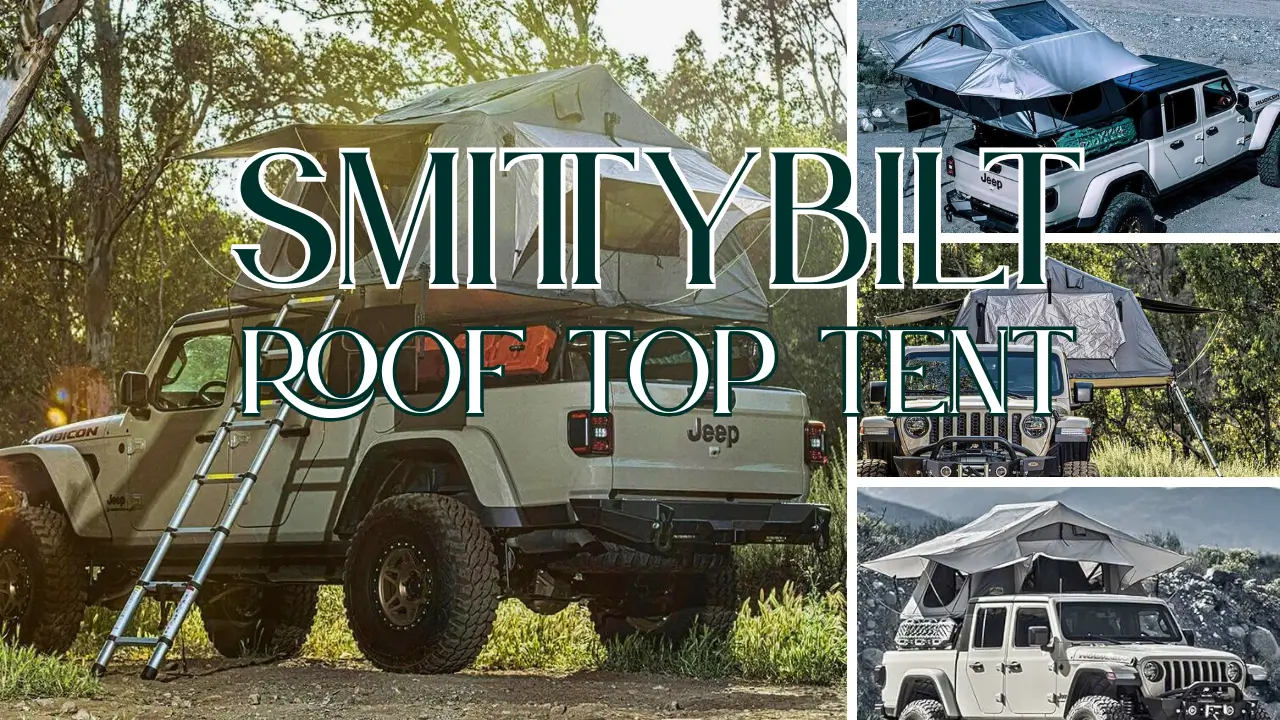
Looking to turn your SUV or truck into a full-on mobile campsite? Then you’re probably eyeballing a roof top tent—and chances are the Smittybilt Roof Top Tent has popped up more than once. It’s rugged, well-built, and gets you off the ground in just minutes. But is it really worth the hype? Whether you’re an off-road junkie or a casual camper, this in-depth guide breaks down everything you need to know about the Smittybilt RTT before you throw it on your roof rack.
Let’s unpack what makes this tent such a favorite among overlanders, weekend warriors, and adventure seekers.
Introduction to Roof Top Tents
What Is a Roof Top Tent?
A roof top tent (RTT) is exactly what it sounds like—a tent that mounts directly on top of your vehicle, usually on a roof rack or crossbars. Unlike traditional ground tents, RTTs give you an elevated sleeping space, keeping you away from wet ground, bugs, and curious critters. Think of it as a treehouse, but on wheels.
These tents usually fold out accordion-style or pop up like a clamshell. You’ll often find them with built-in mattresses, zippered windows, mesh screens, and even telescopic ladders for easy access. They’re designed to deploy quickly and withstand the elements far better than many ground tents.
In a world where convenience meets capability, RTTs offer a way to camp practically anywhere your vehicle can go—desert dunes, forest clearings, mountain ridges, or even a Walmart parking lot if you’re really in a pinch.
Why Roof Top Tents Are Gaining Popularity
So why are RTTs blowing up in the camping and overlanding world?
Simple—they eliminate setup hassles and expand your travel possibilities. You no longer have to look for flat, debris-free terrain. Just park, pop it open, and you’ve got a home in the sky. They’re perfect for nomads, road trippers, and anyone who values mobility.
Plus, they come with tons of perks:
- No need to pack and unpack a tent every night.
- Built-in mattress = no sleeping on rocks or uneven ground.
- Elevated position means better views and better safety.
- Many are 4-season rated and can handle extreme weather.
For anyone serious about outdoor travel, RTTs feel like an evolution—not just an upgrade.
Overview of the Smittybilt Brand
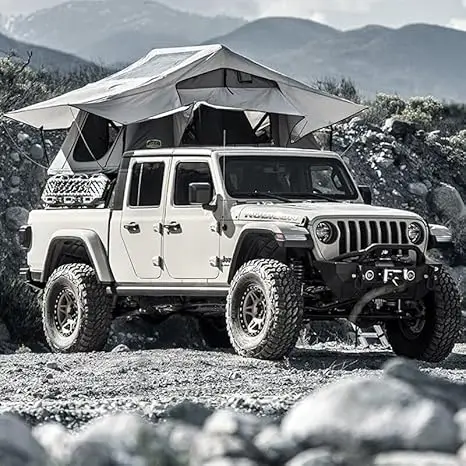
SmittyBilt Overland GEN2 Tent STD – SB2583
History and Background
Smittybilt has been around for over 60 years, originally starting as a small off-roading accessory company founded by Basil “Smitty” Smith in the 1950s. What began as gear for Jeeps has grown into a full-blown adventure lifestyle brand, known for building rugged products that hold up to the rigors of trails, deserts, and remote expeditions.
With a legacy rooted in utility and toughness, Smittybilt’s gear—ranging from winches to bumpers and now roof top tents—caters to off-road enthusiasts who demand performance without breaking the bank.
Over time, they’ve built a reputation for offering reliable, no-frills equipment that works hard and lasts long.
Smittybilt’s Reputation in Off-Roading and Overlanding Gear
Within the off-roading community, Smittybilt is a name that comes up often. Their gear might not have all the luxury bells and whistles of some premium brands, but it delivers where it counts: durability, practicality, and affordability.
That’s exactly the same philosophy they brought into the roof top tent market. The Smittybilt RTT isn’t just designed for the weekend glamper—it’s built for those who tackle rocky trails, deep mud, and unpredictable conditions. It’s the tent you buy when you want your equipment to keep up with your lifestyle.
Unpacking the Smittybilt Roof Top Tent
Product Variants (Overlander Gen1, Gen2, XL Models)
Smittybilt offers several versions of its RTT to suit different needs:
- Overlander Gen1: The original that got everyone talking. Basic but tough, with room for 2–3 people.
- Overlander Gen2: The upgraded model with better materials, reinforced components, and more premium finishes.
- Overlander XL: Ideal for families or group travelers, this tent sleeps 3–4 adults comfortably and has more headroom.
Each model builds on the same core design: durable frame, integrated foam mattress, telescoping ladder, and ample ventilation. The Gen2 and XL versions include improved hardware, a skylight, and upgraded zippers—subtle improvements that make a big difference in long-term use.
What’s in the Box?
When you crack open the packaging for a Smittybilt RTT, here’s what you can expect:
- The tent itself (pre-assembled on the base frame)
- Telescopic aluminum ladder
- High-density foam mattress (with removable cover)
- LED strip light and wiring kit
- Mounting brackets and hardware
- Rain fly and support rods
- Travel cover (heavy-duty PVC)
- Setup instructions
Everything you need is included—though you’ll want a sturdy roof rack, basic tools, and possibly an extra pair of hands to lift it during installation.
Design and Build Quality
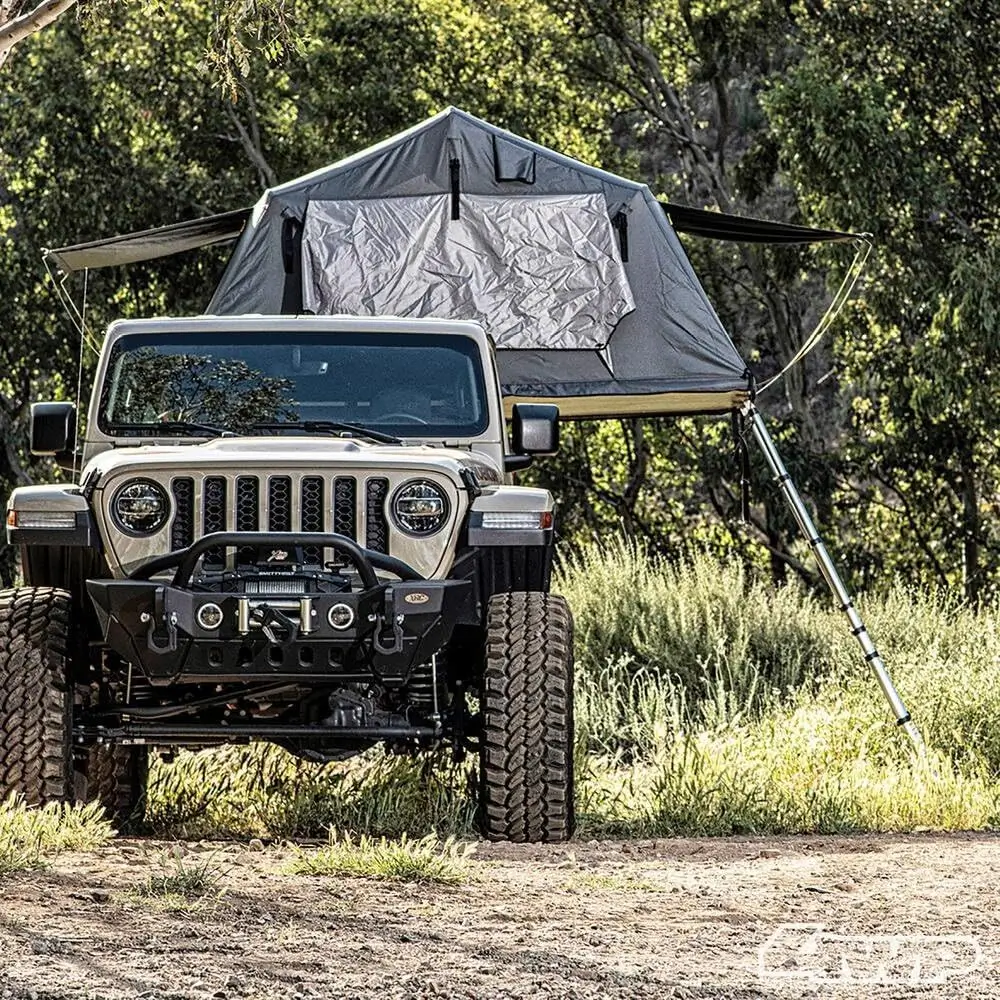
SmittyBilt Overland GEN2 Tent STD – SB2583
Materials Used – Canvas, Aluminum, and Zippers
The Smittybilt RTT stands out for its military-grade build materials. The tent fabric is a heavy-duty 600D ripstop polyester canvas, which is water-resistant and UV-treated to handle brutal sun exposure. It’s built to take a beating in all seasons—rain, wind, or desert heat.
The tent base is a solid aluminum honeycomb panel that’s both lightweight and ultra-strong. It’s framed with anodized aluminum poles, giving it a sturdy skeletal structure. This combination offers stability during high winds and keeps the weight manageable for most mid-size SUVs and trucks.
Zippers and mesh windows are also surprisingly high quality, especially in the Gen2 model. No snagging, no breaking teeth—just smooth, consistent operation, even after repeated use.
Durability and Weather Resistance
Here’s where Smittybilt really shines. Their tents are made to handle some pretty harsh conditions. The rainfly is coated with polyurethane for extra water resistance, and the seams are double-stitched and taped to prevent leaks. The ladder? Fully aluminum and rugged enough to handle 265 lbs or more.
Thanks to its smart design, the tent stays dry in heavy rain, stable in gusty wind, and breathable in humid climates. It even comes with a sunroof so you can stargaze at night or let fresh air circulate during the day.
This tent isn’t just an accessory—it’s a survival shelter when Mother Nature gets aggressive.
Setup and Installation Process

SmittyBilt Overland GEN2 Tent STD – SB2583
Mounting on Different Vehicles
Setting up the Smittybilt Roof Top Tent on your vehicle is simpler than you’d expect, but there are still some critical steps and considerations to keep in mind. First off, you’ll need a solid roof rack or crossbars that can handle the weight of the tent—ideally 150 lbs minimum dynamic weight capacity. That means the rack needs to support the tent while driving, not just when stationary.
Smittybilt RTTs are compatible with most SUVs, trucks, Jeeps, and crossovers, assuming they have a proper rack system installed. Some compact cars might not be ideal, mainly due to their roof structure and lower load-bearing limits.
If you’re unsure whether your vehicle can handle a rooftop tent, check these:
- Roof Load Rating: Found in the owner’s manual.
- Rack Compatibility: Make sure your crossbars are spaced correctly and have strong mounting points.
- Clearance: The tent does add height to your vehicle. Garages, drive-throughs, and parking decks suddenly become obstacles.
Once your rack is good to go, mounting the tent involves lifting it into position, aligning the base, and securing it with the included U-bolts or mounting brackets. It’s best done with two or three people because the tent is bulky—even if not too heavy.
Time and Tools Required for Installation
Installation takes roughly 45 minutes to 1.5 hours, depending on your experience and the type of vehicle. The tent comes mostly pre-assembled, so you’re not building it from scratch. The hardest part is simply lifting it onto your roof and getting everything lined up correctly.
Here’s what you’ll typically need:
- Socket wrench set
- Allen keys (included)
- Ladder (for easier rooftop access during install)
- Rubber washers and bolts (included)
After securing it to your roof rack, you’ll want to check for tightness and go over all the fasteners after the first few trips. Vibration can cause things to loosen over time, especially on bumpy trails.
One bonus? Once it’s mounted, daily setup and takedown are a breeze—less than five minutes each way.
Space and Comfort
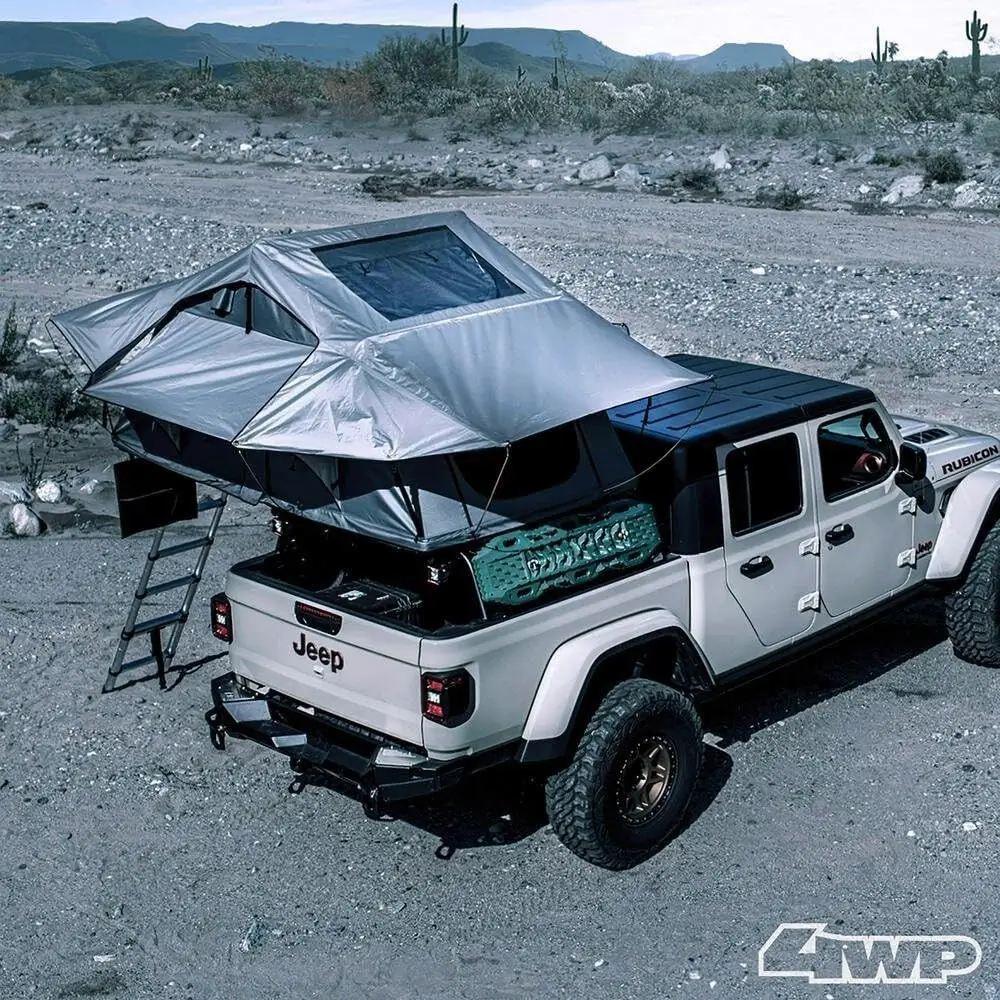
SmittyBilt Overland GEN2 Tent STD – SB2583
Sleeping Capacity and Mattress Quality
One of the biggest selling points of the Smittybilt RTT is how roomy it feels compared to ground tents. Even the standard Overlander fits two full-size adults comfortably, while the XL model gives enough space for three adults or two adults plus two small kids. That’s a game-changer for families or those who just like to stretch out.
The included mattress is a 2–3 inch high-density foam pad, and surprisingly comfy. It’s not luxury memory foam, but it’s better than sleeping bags on the ground any day. The removable cover makes it easy to clean, and most users report good sleep without needing an extra pad.
Dimensions:
- Overlander Gen1 & Gen2: 95” x 56” (roughly full-size bed)
- Overlander XL: 122” x 76” (roughly king-size bed)
There’s also room to store pillows and bedding inside the tent when it’s closed, which is a big plus. No daily bed-making required.
Ventilation and Climate Control
Ventilation is something Smittybilt clearly didn’t overlook. With multiple zippered windows, a mesh door, and integrated vents, airflow is solid—even on warm nights. You can open the rainfly partially or fully for more breeze without losing protection from sudden showers.
During colder nights, the tent retains heat pretty well thanks to the thick canvas walls. However, if you’re camping in sub-zero temps, you’ll want to add an insulated liner or use a thermal sleeping bag. On the flip side, in hot weather, the tent doesn’t turn into a sauna—air can flow through mesh panels without letting bugs in.
That said, the included sunroof is a cool feature not just for air but for stargazing. Pop it open and enjoy a night under the stars without leaving the comfort of your tent.
Features That Stand Out
Integrated LED Lighting
This one’s a real bonus, especially for those who love little luxuries. The newer Smittybilt RTT models come with integrated LED light strips inside the tent. They’re powered by a USB cord and give off a soft glow that’s perfect for reading, organizing gear, or just hanging out after sunset.
You’ll need to power it with a battery pack, USB port, or your vehicle’s 12V outlet. It’s simple, energy-efficient, and eliminates the need to hang up battery-powered lanterns or deal with flashlights at night.
Mosquito Netting and Windows
Every window and opening comes with fine mesh screens that block mosquitoes, gnats, and other annoying insects. These mesh layers are dense enough to keep even the tiniest pests out while still letting air in.
Windows are strategically placed for 360° visibility, giving you panoramic views wherever you set up camp. Whether you’re watching the sunrise or just scoping out your surroundings, it adds a level of comfort and situational awareness you won’t find in ground tents.
The window zippers and tie-down loops are heavy-duty and well-placed, so you can roll up the flaps and secure them out of the way without hassle.
Storage Pockets and Accessories
You’ll find multiple internal storage pouches inside the tent to stash phones, flashlights, books, or even snacks. There’s also a ceiling net for hanging light gear, making the tent feel more like a cozy, organized mini-cabin than a temporary shelter.
Some Smittybilt RTTs come with an annex room sold separately, which gives you extra standing room or space to change clothes, cook, or even store gear. It’s ideal for longer trips or when you’re camping with multiple people.
Other notable features:
- Ladder bag for storage
- Velcro ties for rolling windows
- Mounting space for optional awnings
These details show that Smittybilt didn’t just slap together a tent—they designed it with real-world camping in mind.
Pros and Cons
Benefits of Choosing Smittybilt RTT
Let’s start with the good stuff, because there’s a lot of it:
- Affordable Pricing: You get premium features without the premium price tag.
- Built Tough: Designed to handle rugged conditions without flinching.
- Roomy and Comfortable: Space for two or more adults with ease.
- Quick Setup: Up and ready in 2–3 minutes.
- Weatherproof: Resists rain, wind, and even snow to some extent.
- Upgrades Available: Add-ons like annexes and awnings.
Most people find the value-for-money ratio incredibly high, especially when compared to tents costing 2–3x more with similar features.
Areas Where It Could Be Improved
Nothing’s perfect, and the Smittybilt RTT has its quirks:
- Weight: It’s heavy, which makes solo installation a challenge.
- Bulky Storage: Takes up a lot of real estate on your roof rack.
- Limited Color Options: Most models come in just tan or olive drab.
- Annex Not Included: Sold separately, which adds to the total cost.
- Not Ideal for Frequent Removal: Once it’s on, you’ll want to leave it there.
If you’re willing to accept those trade-offs, it’s a solid pick—but it’s always worth evaluating how often you’ll use it and what your vehicle can realistically handle.
Performance in Real-World Conditions
Cold Weather Use
When it comes to cold weather camping, the Smittybilt Roof Top Tent holds its ground surprisingly well. Its 600D heavy-duty polyester canvas retains warmth far better than thin nylon ground tents. Combine that with the elevated design, and you’re staying above frost-covered ground, which helps reduce heat loss significantly.
Campers who’ve braved snowy conditions in the Gen2 or XL models report that the tent holds warmth decently overnight—especially when using a good sleeping bag or thermal blanket. However, since it’s not a true 4-season tent, you might want to consider adding an insulated liner or thermal wrap for below-freezing trips.
Additional cold-weather tips:
- Use a reflective blanket under the mattress to reduce heat loss from below.
- Ventilate slightly to prevent condensation buildup inside.
- Layer your bedding with a fleece or wool blanket on top.
You won’t get cabin-level insulation, but with a bit of prep, the Smittybilt RTT becomes a surprisingly cozy shelter in winter conditions.
Wind and Rain Performance
This is where the tent truly earns its stripes. Smittybilt tents are built to withstand wind gusts over 40 mph without flapping around like a kite. Thanks to reinforced seams, telescoping support poles, and a well-secured rainfly, you won’t wake up mid-storm wondering if you’ll get blown off your roof.
The rainfly is polyurethane-coated, keeping moisture out even during extended downpours. The seams are heat-sealed and double-stitched to prevent leakage. Water tends to bead off the fabric, and the tent’s sloped design channels it away from key areas.
Bonus: You’re up off the ground—so even if the campsite floods, you’re dry and safe above it all. For many campers, the RTT’s performance in poor weather alone justifies the purchase.
Comparisons With Other Roof Top Tents
Smittybilt vs. iKamper
iKamper is one of the most talked-about RTT brands—and with good reason. Their Skycamp series is sleek, quick to deploy, and built like a tank. But it comes at a steep price—often 3 to 4 times more expensive than Smittybilt.
Here’s how they stack up:
| Feature | Smittybilt Overlander | iKamper Skycamp 3.0 |
|---|---|---|
| Price Range | $1,000–$1,600 | $3,500–$4,000 |
| Setup Time | 3–5 minutes | Under 2 minutes |
| Material Quality | Heavy-duty canvas | Hardshell + polycotton |
| Sleeping Capacity | 2–4 adults | 2–4 adults |
| Weight | Heavier | Lighter |
If you want premium and fast setup, iKamper wins. But if you want a budget-friendly workhorse that holds up in all conditions, Smittybilt offers excellent bang for your buck.
Smittybilt vs. Tepui/Thule
Thule (formerly Tepui) is another RTT heavyweight. They offer a wider range of tents, from ultralight softshells to expedition-grade hardshells.
How Smittybilt compares:
- Build Quality: Slight edge to Thule with more refined zippers and materials.
- Pricing: Smittybilt is much more affordable.
- Warranty: Thule has a stronger warranty and better international support.
- Comfort: Smittybilt wins on mattress thickness and interior space, especially with the XL model.
For most budget-conscious campers, Smittybilt still pulls ahead unless you’re committed to name-brand prestige or frequent overseas travel.
User Reviews and Community Feedback
What Owners Are Saying
Across off-roading forums, Reddit threads, and YouTube reviews, Smittybilt RTT owners tend to share a common message: “You get way more than you pay for.” The tent consistently scores high marks for durability, ease of use, and comfort. Even those who’ve camped in more premium RTTs say the Smittybilt holds its own.
Here are a few user sentiments echoed often:
- “Held up through a hurricane last year—no leaks, no rips.”
- “Takes a little longer to set up than others, but it’s solid and spacious.”
- “The mattress is better than I expected—slept great for five nights in a row.”
- “A bit bulky on my Tacoma, but worth it for the convenience.”
Most negative reviews relate to weight and the lack of included accessories like the annex. Still, these are usually minor trade-offs for what you save upfront.
Top-Rated User Experiences
Many overlanders post full walkthroughs on YouTube showing the Smittybilt RTT in action. Common highlights include:
- Fast deployment in remote areas
- Weather resistance in heavy storms
- Interior layout and bedding storage
- Family use with kids or pets
Some users even mod the tent by adding fans, lights, or insulation layers, which makes it even more versatile.
Pricing and Value for Money
Budget-Friendly or Premium Investment?
The Smittybilt RTT is hands-down one of the best-value tents on the market today. It typically retails for around $1,100 to $1,600, depending on the model and accessories. Compared to other RTTs that can run up to $4,000, it’s a steal—especially for beginners or those building a rig on a budget.
Key value points:
- High build quality for the price
- Comfortable sleeping quarters
- All-season capability
- Trusted brand with a strong warranty
You’re not sacrificing safety or comfort—you’re just skipping the luxury finish and rapid setup of pricier brands.
Warranty and Customer Support
Smittybilt offers a 1-year limited warranty on their RTTs, which covers material defects and workmanship. While it’s not the longest in the industry, their customer service is responsive, and parts like ladders, covers, or poles can be replaced easily.
Their support team is based in the U.S., and most issues are resolved within a few days. Just keep your proof of purchase and product serial number handy in case you need to file a claim.
Maintenance and Longevity
Cleaning and Storing Tips
To keep your Smittybilt RTT in top shape, follow these simple maintenance tips:
- Clean it after every trip, especially if it’s been exposed to salt, mud, or rain.
- Use a soft brush or sponge and mild soap to clean the canvas.
- Never pack it away wet. Let it dry fully to prevent mold or mildew.
- Store in a garage or under a cover when not in use for extended periods.
Treat it well, and this tent can last you 5–10 years or longer.
Replacement Parts Availability
One of the best things about Smittybilt is that they offer a wide range of replacement parts, from poles and covers to mattresses and brackets. If something breaks or wears out, you don’t need to toss the whole tent—you can fix or upgrade it affordably.
Most parts are available directly through Smittybilt’s website, Amazon, or 4×4 accessory retailers. It’s one of the reasons the tent is so popular with DIYers and overlanding tinkerers.
Who Should Buy a Smittybilt Roof Top Tent?
Ideal Users and Vehicle Types
If you’re still wondering whether the Smittybilt RTT is right for you, here’s the bottom line: it’s ideal for budget-conscious adventurers, weekend campers, overlanding enthusiasts, and anyone who wants to explore the outdoors without compromising comfort.
It’s a match made in heaven for:
- Jeep Wranglers, Toyota Tacomas, Ford Broncos, and 4Runners – the classic overlanding rigs.
- Full-size trucks and SUVs – with roof racks that can handle 150+ lbs.
- Families or couples – who want a cozy sleeping space with minimal setup.
This tent isn’t about glamping or flexing luxury gear—it’s for people who want real-world performance and long-term durability without draining their wallet. Whether you’re parking off-grid, heading into the mountains, or just car-camping by a lake, this tent delivers.
That said, it might not be the best fit for:
- Compact sedans or hatchbacks – unless heavily modified.
- People who remove gear often – since this tent is bulky to dismount.
- Minimalists who camp solo and want ultra-light setups.
But if you’re serious about adventure-ready, versatile camping, then this tent is built for your journey.
Overlanding, Camping, or Weekend Warriors?
Smittybilt’s RTT truly shines in overlanding scenarios—where you’re constantly moving, need fast setups, and want to camp almost anywhere your tires can go. The elevated design means you can camp in rocky terrain, muddy forests, or snowy valleys without worry.
For weekend warriors and road-trippers, it’s a huge convenience upgrade over traditional tents. Spend less time staking tarps and more time cooking, hiking, or lounging under the stars.
In short, if your lifestyle involves campfires, gear racks, road trips, and dusty boots, this tent has your name written all over it.
Final Verdict
The Smittybilt Roof Top Tent punches far above its weight class. For the price, you’re getting a feature-rich, rugged, and dependable tent that holds its own against much pricier competitors. It’s built with tough materials, offers solid weather resistance, and has enough comfort features to keep you sleeping like a baby on the trail.
Sure, it’s not the lightest or most luxurious tent on the market. But when you consider its value, ease of use, and sheer durability, it’s an unbeatable choice for thousands of campers and overlanders across the globe.
If you’re looking to start your overlanding journey or want a serious upgrade from a ground tent, the Smittybilt RTT is absolutely worth your consideration.
FAQs
1. Is the Smittybilt RTT waterproof?
Yes, the tent is made from 600D heavy-duty polyester with a waterproof polyurethane coating. The rainfly, sealed seams, and sloped roof design keep water out even in heavy rainstorms.
2. Can it fit on any SUV or truck?
It fits on most trucks and SUVs with a compatible roof rack or crossbars. Just make sure your rack supports at least 150 lbs dynamic weight and check spacing for the mounting brackets.
3. How many people can sleep in it?
The standard Overlander fits 2–3 adults, while the XL version can sleep up to 4 people comfortably. There’s also room to store bedding when it’s closed.
4. Can you leave bedding inside when closed?
Absolutely. Most users leave sleeping bags, pillows, and blankets inside when collapsing the tent, which saves setup time and interior vehicle space.
5. Is the Smittybilt RTT good for full-time overlanding?
Yes, many full-time overlanders use it year-round. With proper care, add-ons like the annex or insulation kits, and a good rack system, it performs well even during long-term travel.