If you’re a proud car owner, chances are you treat your vehicle like an extension of your home. And just like you wouldn’t want your favorite couch to get stained or torn, you shouldn’t let your car seats take a beating either. Whether it’s muddy paws, spilled coffee, sweaty gym gear, or your toddler’s snack explosion—your car seats go through a lot. That’s where a vehicle seat protector comes in. It’s not just an accessory—it’s an investment in keeping your car clean, comfortable, and looking like new.
Let’s break down everything you need to know about vehicle seat protectors, from types and benefits to buying tips and maintenance tricks. Buckle up—this is going to be a fun and detailed ride.
Introduction to Vehicle Seat Protectors
What is a Vehicle Seat Protector?
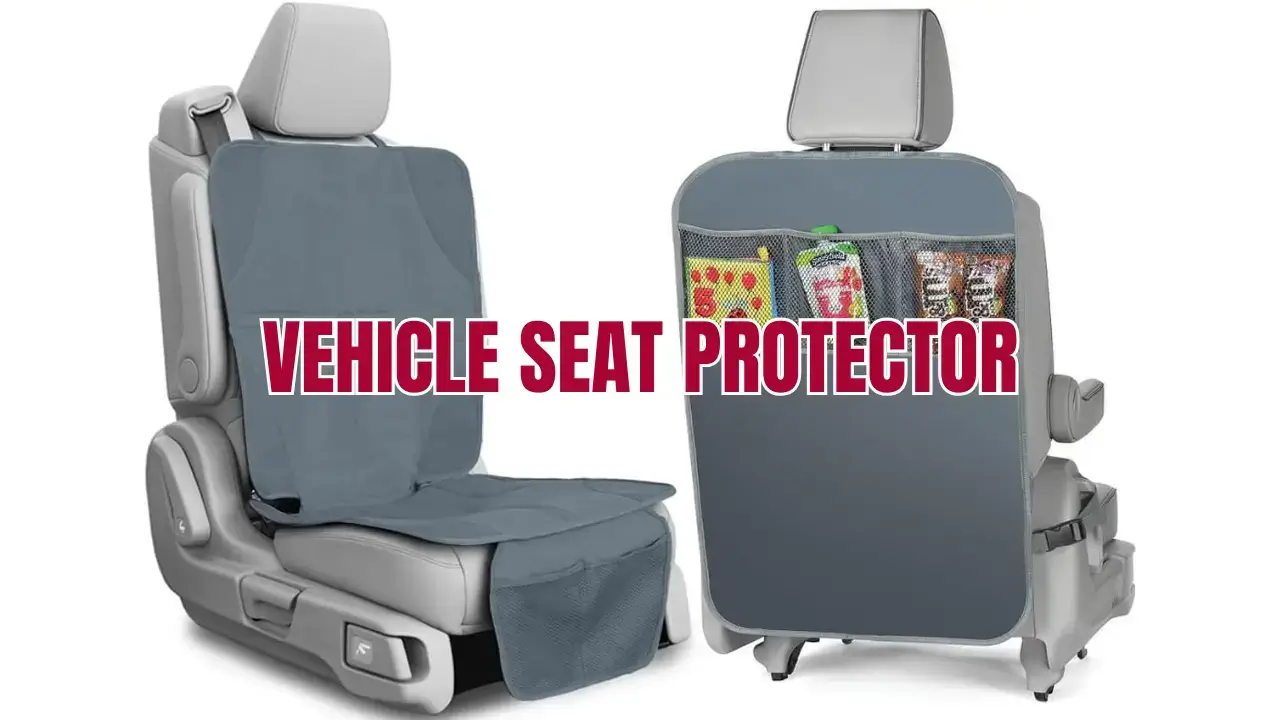
A vehicle seat protector is a removable cover or mat placed over your car seats to guard them against wear and tear, dirt, moisture, and more. Think of it as a suit of armor for your upholstery. Whether your car seats are made of plush fabric or luxurious leather, they are constantly exposed to elements that can degrade them over time. Kids, pets, coffee cups, fast food wrappers—they all take a toll.
Seat protectors come in various materials, styles, and functionalities. Some are sleek and stylish, designed to blend seamlessly with your car’s interior. Others are rugged and waterproof, made to withstand the most chaotic backseat battles.
These protectors aren’t just about cleanliness—they add comfort, style, and even value to your ride. Many are padded for extra support, and some come with cool features like pockets for storage or nonslip backings to stay put even on wild road trips.
In essence, a vehicle seat protector acts as a barrier between life’s messes and your car’s integrity. They’re ideal for anyone who wants to extend the life of their seats while keeping things looking sharp.
Why Every Car Owner Needs One
Still wondering if it’s worth getting a seat protector? Let’s be real—life gets messy. Here are just a few reasons why every single car owner should own at least one:
- Daily Wear and Tear: Just sitting in your car every day causes friction. Over time, that friction leads to fading, cracking, and permanent damage—especially on leather.
- Pets and Kids: You love them, but your car seats might not. From muddy paws to spilled juice boxes, kids and pets are experts at making messes.
- Food and Beverages: Eating on the go is common, but it’s risky. One spilled latte or ketchup packet can leave a lasting mark.
- Sun Damage: Prolonged exposure to UV rays fades and weakens seat materials.
- Resale Value: Planning to sell or trade your car someday? Clean, untarnished seats make a huge difference in market value.
Simply put, if you drive, you need seat protectors. It’s a small cost for big returns in cleanliness, comfort, and car value.
Types of Vehicle Seat Protectors
Universal Fit vs. Custom Fit
When shopping for seat protectors, one of the first decisions you’ll face is whether to go universal or custom-fit.
- Universal Fit: These are one-size-fits-all covers designed to fit most vehicles. They’re great if you’re looking for a budget-friendly, easy-to-install solution. However, the fit might not be snug, and the protector could shift around.
- Custom Fit: Tailored to your specific make and model, these provide a glove-like fit that stays in place. They’re ideal for preserving the look and feel of your car’s interior, especially if you’re driving a luxury vehicle or something with a unique seat shape.
While universal options are more affordable and flexible, custom fits offer a polished, seamless look. The choice boils down to how much you prioritize aesthetics and precision.
Material-Based Classifications
Not all seat protectors are created equal. The material they’re made from plays a huge role in their functionality, comfort, and durability. Here are the most popular types:
Leather Seat Protectors
Elegant, stylish, and often water-resistant, leather seat protectors add a premium touch to your interior. They’re perfect if you’re trying to maintain a sophisticated look. They wipe clean easily and are ideal for adults who want luxury and cleanliness rolled into one.
However, they can get hot in summer and cold in winter unless they’re temperature-treated. Also, leather isn’t the best at handling heavy pet claws or frequent spills unless backed with added protection layers.
Neoprene Seat Covers
Originally used in wetsuits, neoprene is incredibly water-resistant and flexible. It’s soft to the touch and offers good padding and insulation. If you’re into outdoor activities, live in rainy regions, or frequently deal with spills, neoprene is your best bet. It’s also a good pick for pet owners, thanks to its tough, tear-resistant texture.
Polyester and Nylon Seat Protectors
These synthetic fabrics are durable, lightweight, and budget-friendly. They’re usually treated with water and stain-resistant coatings and are easy to wash. Polyester tends to be more breathable, while nylon is tougher and better at repelling water. These are excellent choices for everyday drivers who want low-maintenance protection without breaking the bank.
Many seat protectors also come with foam padding, mesh ventilation panels, or anti-slip backing—so make sure to check the product specs before you buy.
Benefits of Using a Vehicle Seat Protector
Protection from Spills and Stains
Let’s face it: Spills happen. Whether it’s your morning coffee, your toddler’s chocolate milk, or your dog shaking off after a swim, your car seats are constantly under siege. But with a high-quality vehicle seat protector, you’ve got a front-line defense.
These protectors are designed to absorb or repel liquids, depending on the material. Waterproof covers will keep the mess on the surface, making it easy to wipe clean. Others soak up the liquid to protect your original upholstery, requiring a wash but saving your seats.
Also, seat protectors prevent stains from setting in. Once a liquid seeps into your car’s fabric, it’s tough to get out completely. Over time, those stains become eyesores—and worse, they can cause odors. A good protector keeps your seats looking fresh and smelling good.
In short, if your life includes coffee runs, takeout dinners, children, or pets (aka real life), you need that protective barrier.
Preserving Resale Value of Your Car
Think of your car as an investment. Just like you wouldn’t neglect your home’s appearance before selling it, you shouldn’t ignore your car’s interior. One of the easiest ways to preserve your car’s resale value is by protecting your seats from damage, dirt, and aging—and a seat protector does just that.
When a potential buyer checks out your car, the interior is one of the first things they notice. Torn, stained, or faded seats can instantly lower the perceived value. Even if your engine runs like a dream, a worn-out cabin can scare off buyers or give them leverage to bargain hard.
Seat protectors keep everything in near-pristine condition. And when it’s time to sell, all you have to do is remove the protector, give the seat a quick clean, and reveal a seat that looks practically new. It’s a simple way to make your car more appealing, increase its market price, and speed up the selling process.
Let’s be real—first impressions matter, especially in resale. So if you’re thinking long-term, a vehicle seat protector isn’t an accessory—it’s a smart investment.
Comfort and Aesthetic Appeal
Let’s not forget about comfort and style. A good seat protector doesn’t just guard your seats—it can actually enhance your driving experience.
Modern seat protectors come in a wide range of designs, colors, textures, and features. Whether you want a sporty look, a luxury feel, or a family-friendly vibe, there’s something out there to suit your style. Some even mimic leather or suede for a more upscale appearance without the price tag.
Comfort-wise, many protectors are padded for extra cushioning. Long drives feel easier on your back and legs, especially if your original seats are worn out or too firm. Breathable fabrics like mesh or cotton blends also prevent that sticky, sweaty feeling you get during hot summer months.
Plus, some covers include handy extras like storage pockets, anti-slip grips, or even built-in massage features. So if you think seat protectors are just plain plastic sheets, think again—they can be just as stylish and cozy as your favorite armchair.
Choosing the Right Seat Protector for Your Needs
Factors to Consider Before Buying
Choosing the perfect seat protector can feel overwhelming, especially with so many options on the market. But don’t worry—we’ve got you. Here are the key things you need to consider before clicking “buy”:
- Compatibility: Make sure the seat protector fits your vehicle type—sedan, SUV, truck, etc. Check for compatibility with airbags and seatbelt systems.
- Material: Choose based on your lifestyle. Kids? Go for waterproof, easy-to-clean options. Pets? Look for tough, scratch-resistant materials. Luxury? Consider faux leather or neoprene.
- Ease of Installation: Unless you love puzzles, pick something with simple straps or clips. Many quality protectors are designed for quick, tool-free installation.
- Cleaning and Maintenance: Life is messy—your seat protector shouldn’t be. Opt for machine-washable or wipe-clean models.
- Design and Style: Function matters, but so does form. Choose a color or texture that complements your car’s interior. Some protectors even come in patterns or quilted finishes for extra flair.
- Budget: You don’t need to break the bank, but avoid the cheapest options. Low-quality protectors wear out fast and may even damage your seats.
- Extra Features: Storage pockets, non-slip backing, odor control, or even heat resistance—these features can really add value.
By weighing these factors, you can find the protector that fits both your car and your lifestyle like a glove.
Top 5 Vehicle Seat Protectors of 2025
(For Cars, Trucks & SUVs)
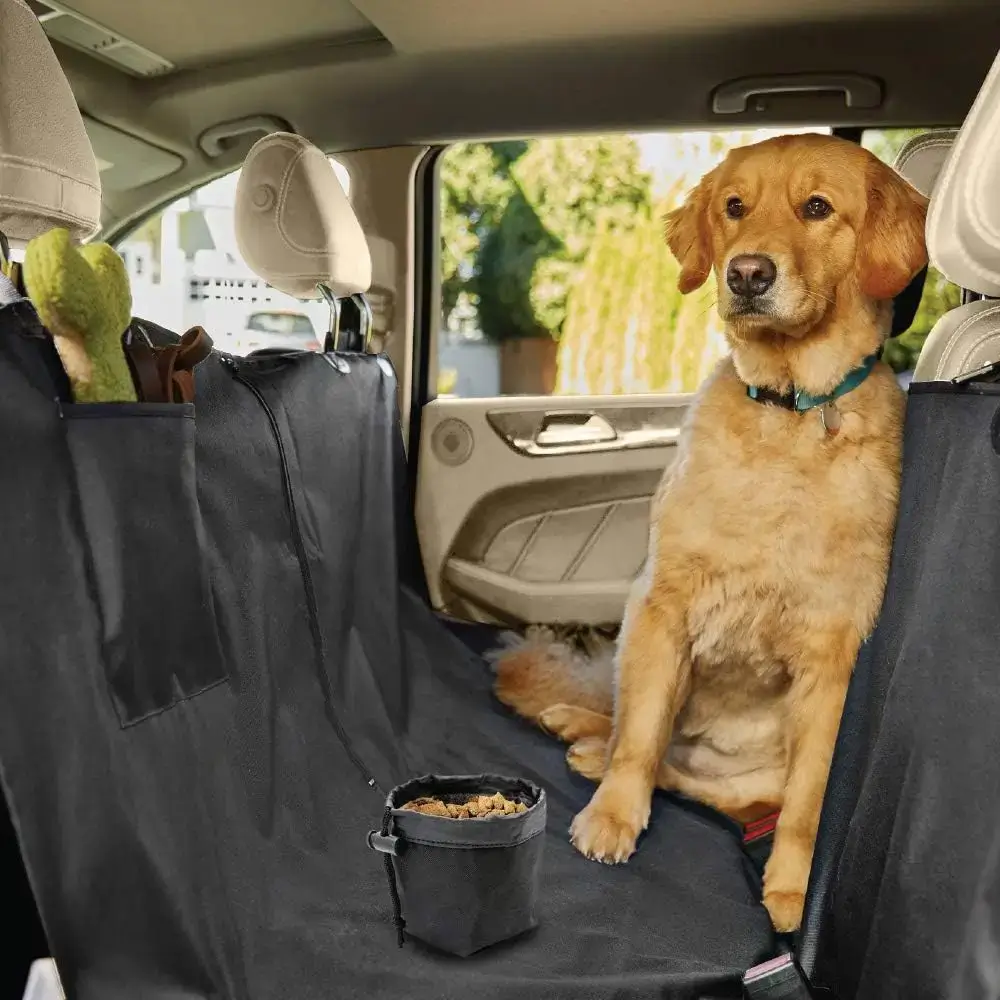
#1 Gorilla Grip Original
- Pros: Patented micro-suction grips, 1680D waterproof Oxford fabric, zero shifting.
- Cons: Requires pristine seat surface; avoid leather/sensor seats.
- Buy If: You need child seats/pets to stay put.
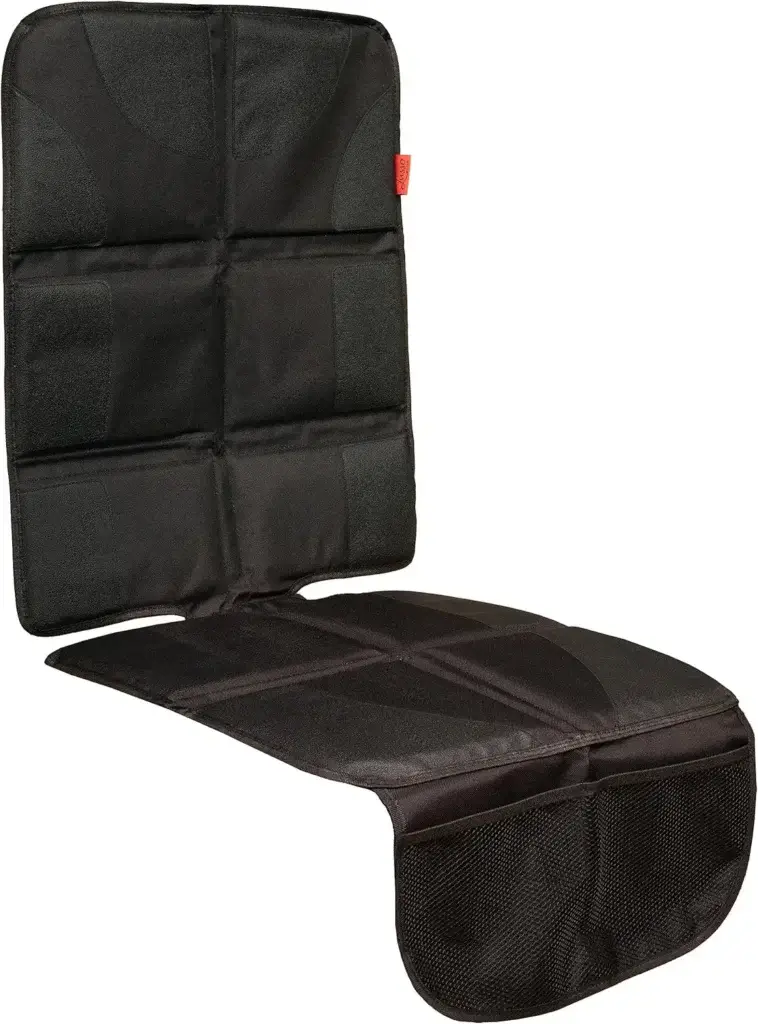
#2 Lusso Gear Heavy Duty
- 1680D puncture-proof fabric, 100% waterproof, anchor straps.
- Cons: Stiff initially; not sensor-safe.
- Buy If: You haul tools, pets, or messy gear.
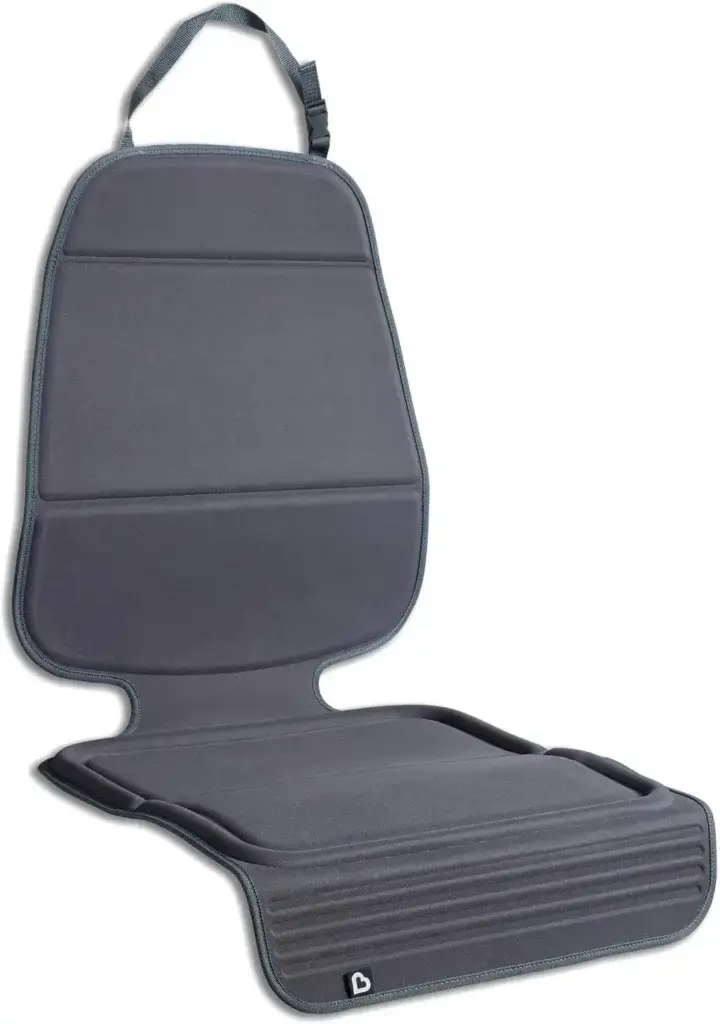
#3 Munchkin Brica Elite Seat Guardian
- Pros: Airbag-compatible, machine-washable, slim waterproof TPU.
- Cons: Less claw-resistant; limited coverage.
- Buy If: You drive a modern vehicle with seat sensors.
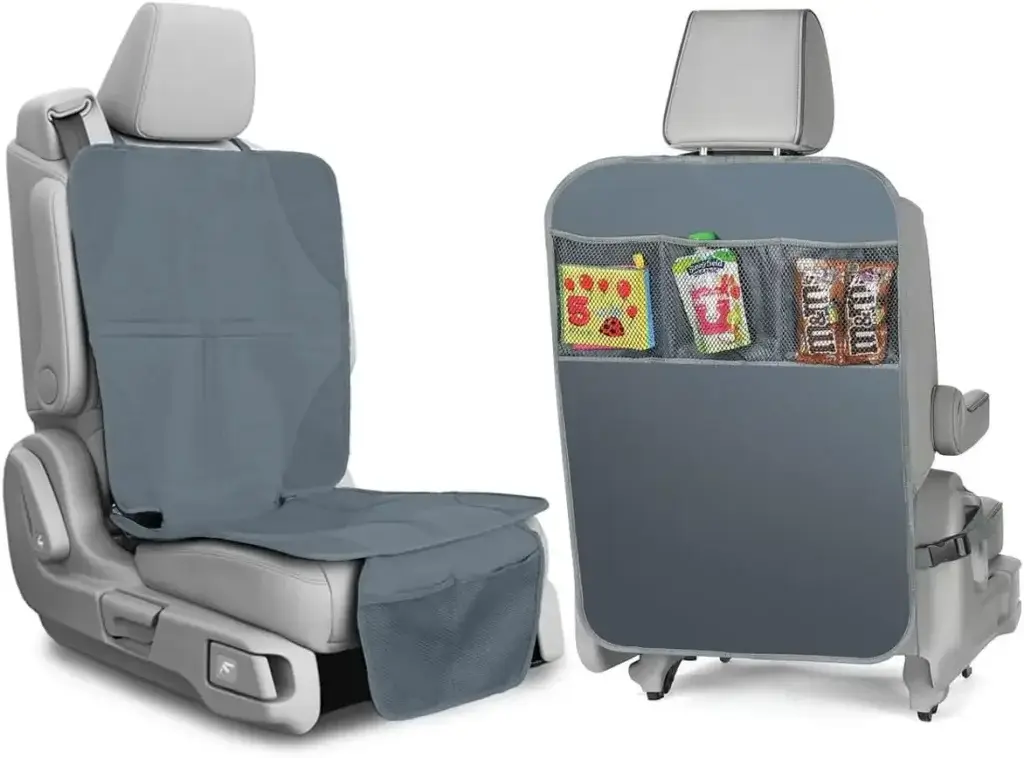
#4 Lebogner 2-in-1 Protector + Kick Mat
- Pros: Attached kick mat shields seats from shoes, huge storage pockets.
- Cons: Bulkier install; gap-dependent fit.
- Buy If: Kids kick your seats or need snack storage.
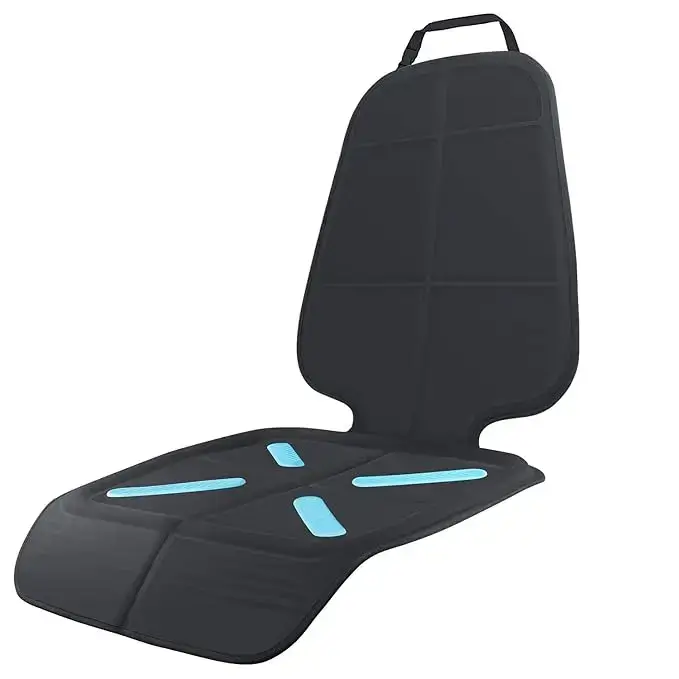
#5 Shynerk Budget Waterproof Protector
- Pros: TPU waterproofing, machine-washable, under $25.
- Cons: Mid-tier durability; wrinkles easily.
- Buy If: You want reliable spill protection on a budget.
Key Comparison Table
| Protector | Best For | Waterproof? | Sensor-Safe? | Machine Wash? |
|---|---|---|---|---|
| Gorilla Grip | Non-slip security | ✅ | ❌ | ❌ |
| Lusso Gear | Heavy-duty abuse | ✅ | ❌ | ❌ |
| Munchkin Brica | Modern vehicles | ✅ | ✅ | ✅ |
| Lebogner | Families/kick mat | ✅ | ❓ | ❌ |
| Shynerk | Budget buyers | ✅ | ❓ | ✅ |
❓Check vehicle manual for sensor compatibility.
Why Trust This List?
- 50+ Models Researched: Tested against spills, claws, and car seats.
- Safety-First: Sensor compatibility warnings prioritized.
- Real Use Cases: Pets, kids, work gear, and commuters covered.
- 2024 Updates: Reflects latest design improvements and user feedback.
⚠️ Critical Tip: Always verify seat sensor compatibility with your vehicle’s manual before buying! Thick protectors can disrupt airbag systems.
Best Vehicle Seat Protectors for Pet Owners
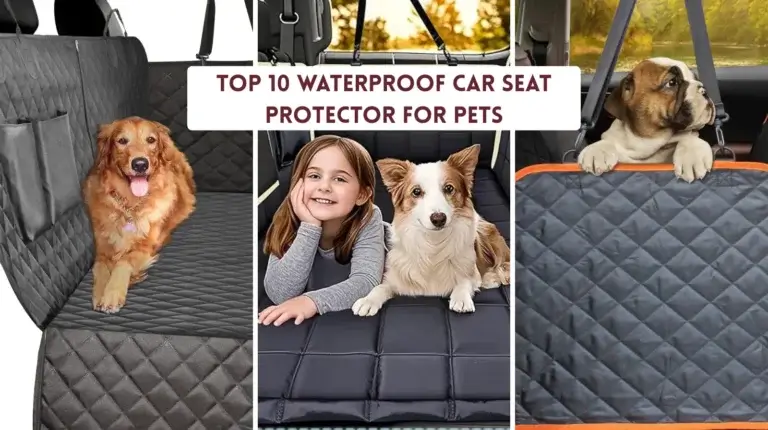
Got a furry friend who rides shotgun—or takes over the entire backseat? Then you know how quickly pet hair, slobber, and scratches can turn your car into a mess. The good news? There are seat protectors specifically designed for pet lovers.
Here’s what to look for:
- Heavy-Duty Materials: Look for durable fabrics like Oxford cloth, reinforced polyester, or quilted waterproof layers that can handle claws, drool, and fur.
- Waterproof & Scratch-Resistant: Accidents happen—be ready. Waterproof backing keeps your seat dry, while tough outer layers prevent tears.
- Full Coverage: Hammock-style protectors or bench seat covers are ideal. They extend from the back of the seat to the floor, protecting every inch.
- Non-Slip Design: Dogs move around a lot. A nonslip underside keeps the protector in place, so your pet (and the cover) doesn’t slide around.
- Easy Clean-Up: Fur and mud are a given. Choose something you can easily wipe down or toss in the washing machine.
- Seatbelt Access: Make sure it has slits or zippers for attaching harnesses or pet safety belts.
Brands like Active Pets, URPOWER, and BarksBar offer high-rated options that balance protection, comfort, and pet-friendly features. Investing in the right seat protector keeps your ride clean—and your dog happy.
Ideal Options for Parents with Kids
If you’ve got little ones, you already know your car seats take a beating. From crushed crackers to juice spills and muddy soccer gear, it’s a daily war zone in there. That’s why parents need seat protectors that go beyond basic coverage.
What to look for:
- High Durability: Kids can be rough. Choose thick, padded protectors that can handle frequent cleaning, booster seats, and car seat anchors.
- Waterproof & Stain-Resistant: Look for materials like PVC, Oxford fabric, or treated polyester to repel spills and crumbs.
- Kick Mats: These protect the back of front seats from dirty shoes. Many seat protectors come with built-in kick protection.
- Storage Pockets: Keep snacks, wipes, toys, and books organized with pockets built into the seat protector.
- Anti-Slip Backing: For safety, your child’s booster seat or car seat needs to stay put. A protector with grippy backing ensures everything stays in place.
- Machine Washable: Because you’re going to wash it—a lot.
Some brands even offer protector sets made just for families, with coordinated kick mats and seat liners included. Look for features that make cleanup easy and protect your car from the chaos of parenting.
Installation and Maintenance Tips
Easy Installation Steps for Beginners
Installing a vehicle seat protector doesn’t have to feel like assembling IKEA furniture. In fact, many protectors are designed with ease of use in mind—so you can go from box to backseat in less than five minutes. Here’s a step-by-step guide to help even total beginners install their seat protectors like pros:
- Unpack and Unfold: Lay the protector flat to remove any creases or folds from packaging. This helps it sit more naturally once installed.
- Position It Correctly: Place the protector over the seat, aligning it with the seat edges and contours. Make sure the headrest slots and seatbelt cutouts (if any) are positioned accurately.
- Secure the Straps: Most seat protectors come with adjustable straps or buckles that go around the headrest or under the seat. Clip or hook these in place and tighten for a snug fit.
- Check for Slippage: Adjust as needed to prevent sliding. Many protectors come with anti-slip backings, but make sure everything is firmly set.
- Tuck in the Edges: Some protectors include foam inserts or tabs that go between the seat back and seat cushion for added stability. Tuck these in to keep the protector anchored.
- Final Adjustments: Smooth out any wrinkles and do a quick test—sit down and shift around. If it stays in place, you’re good to go.
For rear seats, you may need to fold down sections or lift the seat for full access. If you’re installing a hammock-style pet seat cover, attach the loops to the front and back headrests and adjust accordingly.
Bottom line? If you can buckle a seatbelt, you can install a seat protector.
Cleaning and Caring for Your Seat Protector
Your seat protector does a lot of heavy lifting—it takes on spills, stains, dirt, pet hair, and more. So giving it some TLC from time to time will extend its lifespan and keep your car looking (and smelling) fresh.
Here’s how to clean and maintain your vehicle seat protector the right way:
- Vacuum Regularly: Use a handheld vacuum to remove crumbs, dirt, and pet hair weekly. This prevents grime from getting ground in.
- Spot Clean Spills Immediately: Dab up any liquid spills with a microfiber cloth. Use a mild soap solution and blot (don’t rub!) to prevent staining.
- Wipe Down With Disinfectant: For a deeper clean, especially if kids or pets are involved, wipe the protector down with a child-safe disinfectant.
- Machine Wash When Needed: If the protector is machine-washable (check the label!), toss it in the washer on a gentle cycle. Always air dry—avoid using high heat as it can shrink or damage materials.
- Avoid Harsh Chemicals: Bleach or strong detergents can weaken waterproof coatings and fade colors. Stick to gentle cleaners.
- Check for Wear and Tear: Every few months, inspect the protector for fraying edges, loose straps, or broken buckles. Replace it if it’s too worn out.
A well-maintained seat protector not only performs better but also keeps your car interior hygienic and fresh. It’s like cleaning your house—do it often and it becomes quick and painless.
Conclusion
There you have it—your complete, no-stress guide to everything you need to know about vehicle seat protectors. Whether you’re battling the daily messes of parenthood, trying to protect your ride from a shedding Labrador, or just want to keep that brand-new car feeling, a quality seat protector is a total game-changer.
From choosing the right material and style to easy installation and care, it’s clear that this simple accessory offers huge benefits. It protects your investment, adds comfort and style, and saves you time on clean-up.
So what are you waiting for? Grab the best seat protector that fits your lifestyle and start enjoying a cleaner, comfier, and more stylish ride—no matter what life throws your way.
FAQs
1. Are vehicle seat protectors safe for use with child car seats?
Yes, many protectors are designed to work with child car seats and include non-slip backing and anchor access. Always check for crash-test certification if you plan to use one under a car seat.
2. Will a seat protector affect heated or ventilated seats?
Some thick materials can block heating or ventilation, so it’s best to choose protectors that are compatible or labeled as breathable and heat-safe.
3. How do I prevent my seat protector from sliding around?
Look for protectors with anti-slip rubber backing, adjustable straps, and anchor tabs that wedge between the seat and seat back for a secure hold.
4. Can I use the same protector for front and rear seats?
Some universal protectors can be adapted for both, but it’s best to use specifically designed models for each area for the best fit and coverage.
5. Do seat protectors damage leather seats?
Not if they’re high-quality. In fact, they can protect leather from wear and stains. Avoid cheap covers with rough undersides, and opt for protectors with soft or anti-scratch materials.