
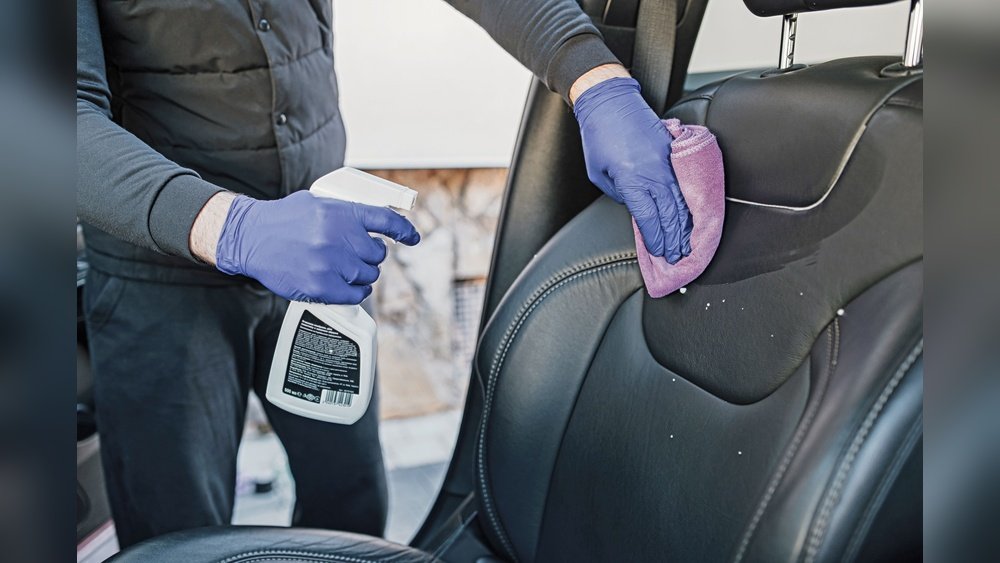
Your leather car seats add a touch of luxury and comfort to every drive. But over time, dirt, spills, and sweat can make them look dull and worn out.
If you want your car’s interior to feel fresh and inviting again, knowing how to wash leather car seats properly is key. You’ll discover simple, effective steps to clean your leather seats safely without causing damage. Keep reading to learn how to restore that smooth, clean look and keep your car feeling like new every time you hit the road.
Choosing The Right Cleaner
Choosing the right cleaner for leather car seats matters a lot. The wrong product can cause damage or dry out the leather. Using the best cleaner keeps seats soft and looking new. It also helps remove dirt and stains safely.
Types Of Leather Cleaners
Leather cleaners come in many forms. Some are sprays, others are creams or foams. Each type suits different leather finishes. Spray cleaners work well for light dirt. Creams help moisturize while cleaning. Foams can reach tight areas easily. Always pick a cleaner made for leather, not for other materials.
Avoiding Harsh Chemicals
Harsh chemicals can ruin leather quickly. Avoid cleaners with ammonia, bleach, or alcohol. These substances dry out leather and cause cracks. Choose gentle formulas that protect leather’s natural oils. Mild pH-balanced cleaners keep leather soft and strong. Protect your seats by reading labels carefully.
Natural Cleaning Alternatives
Natural cleaners offer a safe way to clean leather. A mix of mild soap and water works well. White vinegar diluted with water can remove stains gently. Olive oil or coconut oil can condition leather after cleaning. These options avoid harmful chemicals and keep leather healthy. Test any natural cleaner on a small spot first.
Preparing The Seats
Preparing leather car seats before washing is very important. It helps clean the seats properly and protects the leather. Taking time to prepare the seats makes the cleaning process easier and more effective.
Start by removing loose dirt and dust. Check the leather for any damage or stains. Protect areas around the seats to avoid unwanted mess.
Vacuuming Dirt And Debris
Use a vacuum cleaner with a soft brush attachment. Gently remove dirt from seat crevices and surface. Dirt left on the leather can scratch it during cleaning. Make sure to vacuum all parts of the seats.
Spot Testing Cleaners
Test any cleaner on a small hidden area first. This check prevents damage or discoloration to the leather. Apply the cleaner lightly and wait a few minutes. Look for any change in color or texture before full use.
Protecting Surrounding Areas
Cover door panels and carpets near the seats. Use plastic sheets or old towels to shield these areas. Protecting surroundings stops cleaners from causing stains or damage. This step keeps your car clean and safe during washing.
Cleaning Techniques
Cleaning leather car seats requires careful techniques to keep them soft and shiny. Using the right tools and methods protects the leather from damage. It also removes dirt and stains effectively. Follow these simple steps to clean your leather seats with care.
Using Soft Cloths And Brushes
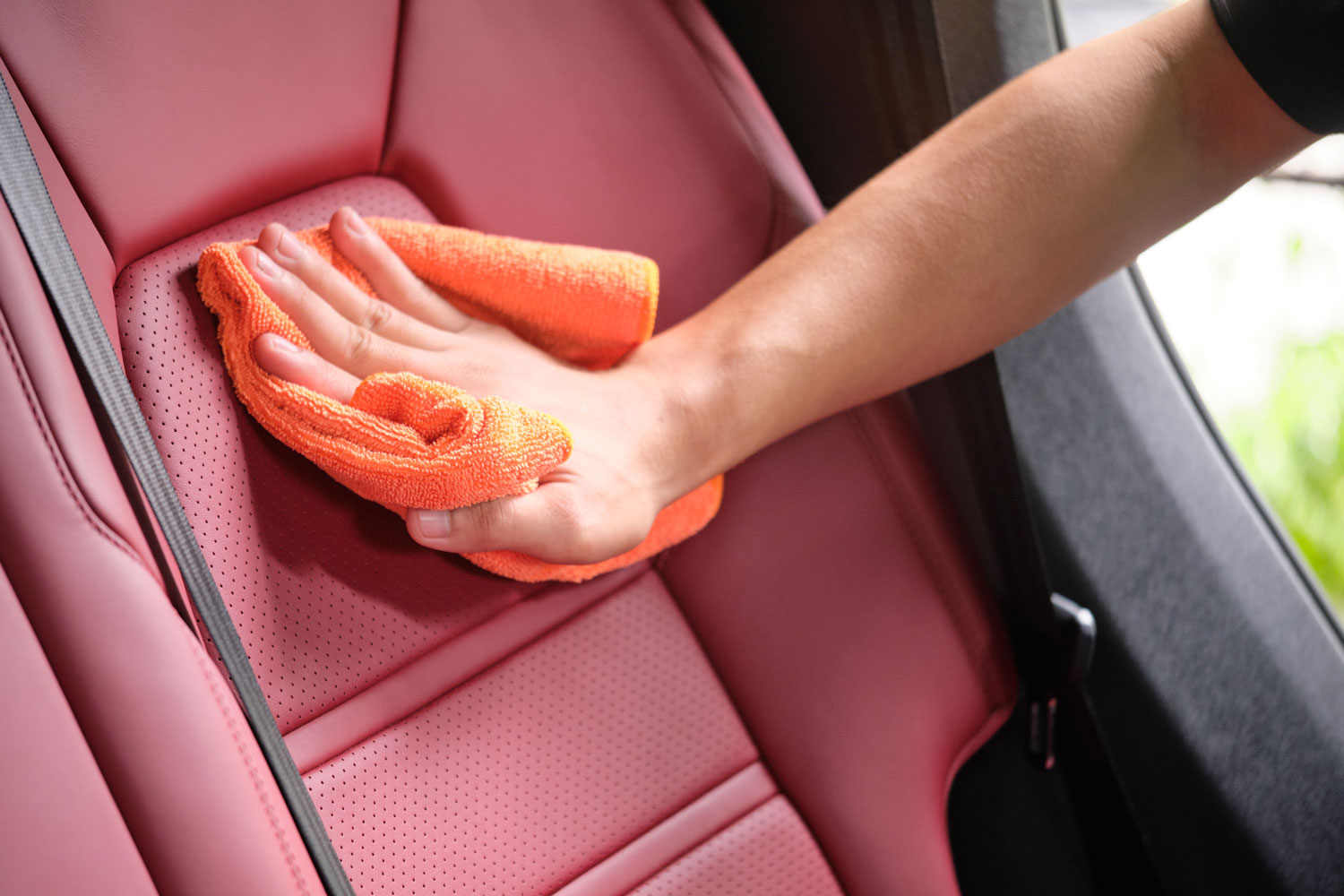
Use soft cloths to wipe leather gently. Microfiber cloths work best. Avoid rough fabrics that can scratch the leather surface.
Soft brushes help reach small creases and corners. Choose brushes with soft bristles only. Hard brushes may harm the leather finish.
Proper Application Methods
Apply leather cleaner in small amounts. Use a soft cloth to spread it evenly.
Do not soak the leather. Excess moisture can cause damage. Clean in gentle circular motions for best results.
After cleaning, wipe off any leftover cleaner. Use a dry cloth to prevent residue buildup.
Dealing With Stubborn Stains
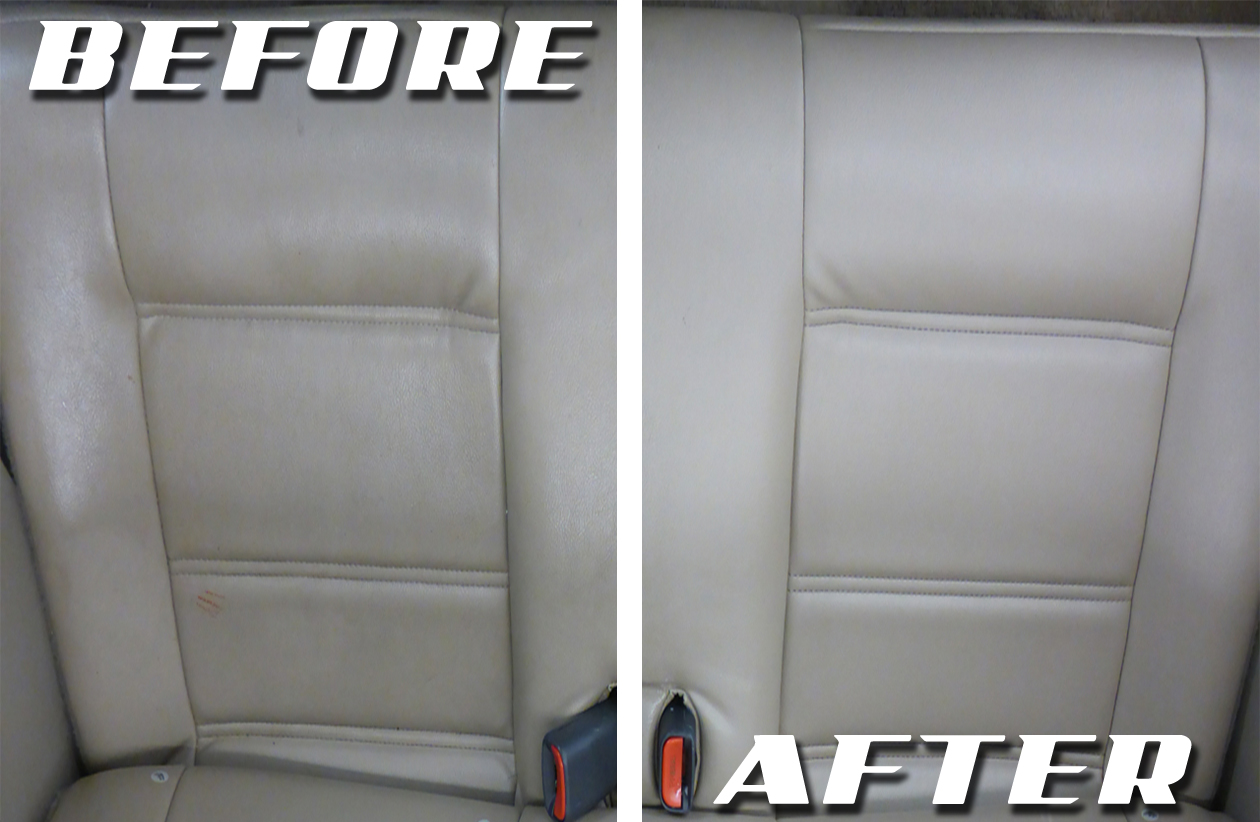
Stubborn stains need extra care. Use a mild leather cleaner designed for tough spots.
Test the cleaner on a hidden area first. This avoids discoloration or damage.
Gently rub the stain with a soft cloth. Avoid scrubbing hard to protect the leather.
Repeat if needed, but keep leather moisture low. Dry the area with a clean cloth afterwards.
Credit: www.drivebydetail.net
Conditioning Leather
Conditioning leather car seats keeps them soft and strong. It stops the leather from drying out and cracking. Regular conditioning protects the seats from damage and wear. It also helps maintain the car’s value and look over time.
Benefits Of Conditioning
Conditioning leather prevents it from becoming stiff and brittle. It adds moisture that the leather loses from sun and heat. This keeps the seats smooth and comfortable to sit on. Conditioning also restores the leather’s natural shine. It protects against stains and dirt too.
Choosing The Right Conditioner
Select a conditioner made for car leather. Avoid products with harsh chemicals or dyes. Look for conditioners with natural oils or waxes. These nourish the leather without causing harm. Test the product on a small hidden spot first. This ensures no color change or damage occurs.
How To Apply Conditioner
Clean the seats before applying conditioner. Use a soft cloth or sponge to spread it evenly. Apply a thin layer, not too much at once. Let the conditioner soak in for 15 to 20 minutes. Wipe off any extra product with a dry cloth. Repeat every few months for best results.
Maintaining Leather Seats
Leather car seats add style and comfort to your vehicle. They need special care to stay soft and clean. Maintaining leather seats helps avoid cracks and fading. Simple habits keep your seats looking new for years.
Regular Cleaning Schedule
Clean leather seats every two weeks. Use a soft cloth and a cleaner made for leather. Gently wipe all surfaces to remove dirt and dust. Avoid harsh chemicals that can dry out the leather. Regular cleaning stops stains from setting deep.
Avoiding Sun Damage
Sunlight can make leather dry and crack. Park your car in the shade when possible. Use window shades or sun protectors inside the car. Apply leather conditioner to keep the material soft and hydrated. Protecting seats from sun keeps them strong and shiny.
Quick Daily Care Tips
Wipe spills immediately with a dry cloth. Avoid eating or drinking on leather seats. Use a soft brush to remove dust often. Keep sharp objects away to prevent scratches. Small daily steps help your leather stay fresh and smooth.
:max_bytes(150000):strip_icc()/how-to-clean-leather-car-seats-5204366-hero-a9e1643de2804141afa2639918981c29.JPG)
Credit: www.thespruce.com
Common Mistakes To Avoid
Cleaning leather car seats needs care and attention. Many make mistakes that harm the leather. These errors can cause stains, cracks, or fading. Knowing what to avoid helps keep seats looking new longer.
Over-wetting The Leather
Leather does not like too much water. Over-wetting can soak into the material and cause damage. The leather may become stiff or develop dark spots. Use a damp cloth, not a wet one. Wring out excess water before wiping the seats.
Using Abrasive Tools
Harsh brushes or scrubbing pads can scratch leather surfaces. These tools remove the leather’s protective layer. Always choose soft cloths or sponges for cleaning. Gentle strokes protect the leather’s texture and shine.
Skipping Conditioning
Leather needs moisture to stay soft and smooth. Skipping conditioning dries out the material. This leads to cracks and peeling over time. Apply a quality leather conditioner after cleaning. Conditioning nourishes and protects the seats.
Credit: www.capitalone.com
Frequently Asked Questions
How Do I Wash Leather Car Seats Safely?
Use a gentle leather cleaner and a soft cloth. Avoid harsh chemicals and excessive water. Clean in small sections and dry immediately to prevent damage.
What Household Items Can Clean Leather Seats?
Mild soap mixed with water works well. Avoid bleach or ammonia. Always test on a small area first to ensure no discoloration.
How Often Should Leather Car Seats Be Cleaned?
Clean your leather seats every 3-6 months. Regular cleaning prevents dirt buildup and keeps leather supple and looking new.
Can I Use Conditioner After Washing Leather Seats?
Yes, applying a leather conditioner after cleaning restores moisture. It prevents cracking and maintains the leather’s softness and shine.
Conclusion
Cleaning leather car seats keeps them looking fresh and lasting longer. Use gentle cleaners and soft cloths for best results. Avoid harsh chemicals that can damage the leather. Regular care prevents cracks and stains. A clean seat adds comfort and value to your car.
Take a few minutes each week to maintain your seats. Small steps lead to big improvements. Enjoy your clean, smooth leather every time you drive.