Introduction
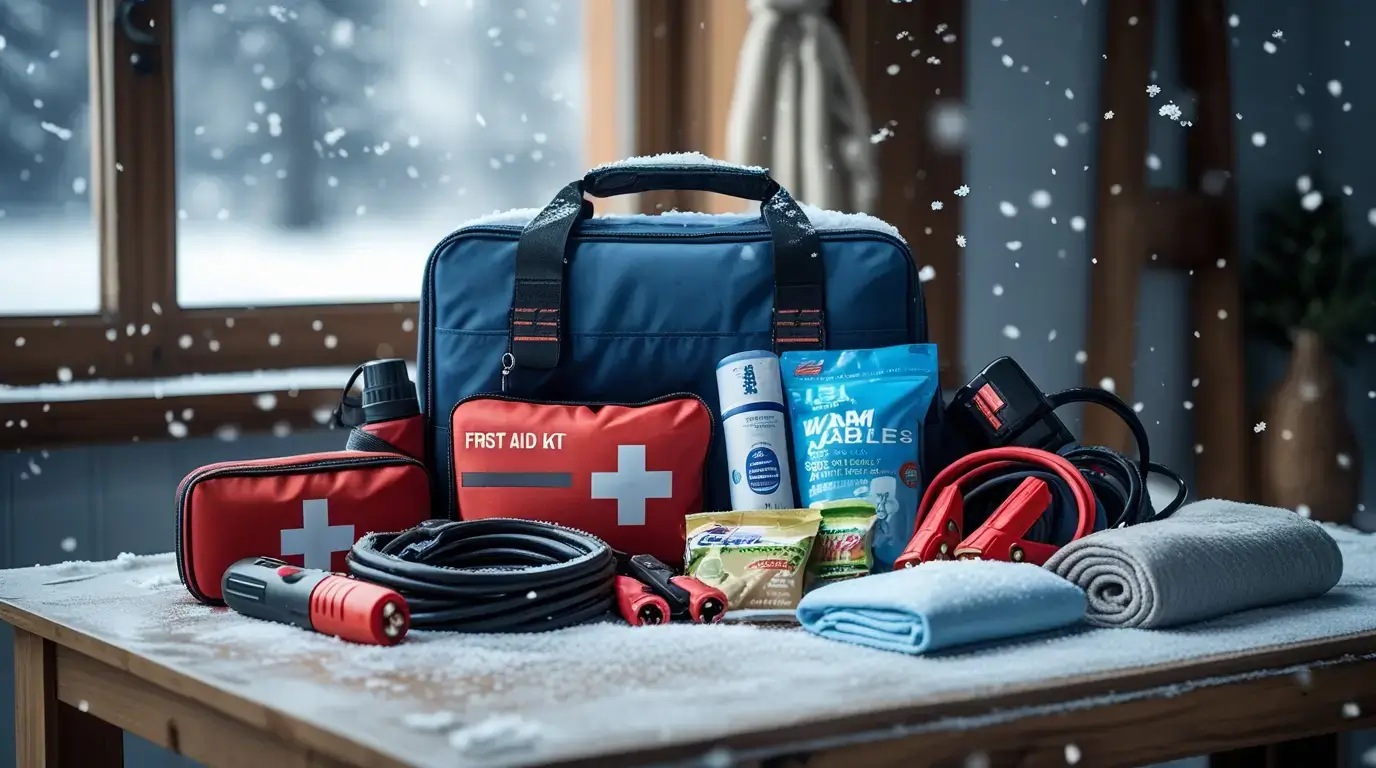
Staying safe on the road during harsh winter months is crucial, and having the right car emergency kit can make all the difference. If you’re searching for the 5 Best Car Emergency Kits for Winter, you’re in the right place. Winter car emergency kits are packed with essential supplies like ice scrapers, thermal blankets, portable jump starters, first aid kits, and traction aids to help you handle snow, ice, and freezing temperatures.
Whether you’re facing a sudden breakdown, getting stuck in a snowbank, or just want peace of mind for your winter travels, choosing the best winter car emergency kit ensures you’re prepared for any roadside emergency. In this guide, we’ll review the top-rated options and must-have items to keep you safe, warm, and ready for whatever winter throws your way.
Why You Need One
When temperatures drop and roads get icy, having a winter car emergency kit isn’t just a good idea—it’s absolutely essential. Winter weather brings a unique set of challenges that can turn a simple roadside delay into a dangerous situation. From blizzards and black ice to stalled engines and snowdrifts, drivers often face unpredictable hazards. You can’t control the weather, but you can control how prepared you are when it strikes.
Imagine getting stuck in a remote area with no cell signal, your battery dying, and snow piling up around you. Without the right gear, waiting for help can be not only uncomfortable but also life-threatening. That’s where a winter emergency kit becomes your safety net—giving you heat, visibility, nourishment, and even the tools to dig yourself out or signal for help.
Even short commutes in winter can take unexpected turns. Black ice can spin you into a ditch, or a snow squall might leave you trapped in a parking lot. With an emergency kit in your trunk, you’re not helpless—you’re prepared.
Risks of Driving in Winter Without an Emergency Kit
Going without a winter car emergency kit is like heading into a snowstorm in flip-flops—dangerous and foolish. Every winter, countless drivers are stranded due to storms, poor visibility, or mechanical failure. Without proper supplies, being stuck in freezing conditions can lead to frostbite, hypothermia, or worse.
Here’s the harsh reality: rescue isn’t always immediate. Emergency services may be overwhelmed or unable to reach you. In rural or mountainous areas, it could take hours for anyone to find you. That’s a long time to be without food, water, warmth, or light.
Winter weather also brings vehicle-specific risks: your battery may die faster, tires lose traction, and even the fuel in your tank can freeze if levels are low. A proper kit helps mitigate those risks, keeping you safe and giving you peace of mind every time you hit the road.
So, skipping out on a winter emergency kit isn’t saving time or money—it’s gambling with your safety.
Essential Components of a Winter Car Emergency Kit
Safety and Survival Items
Let’s talk about the lifesavers—the items you hope you never need but will be thankful for if you do. These are the non-negotiables when it comes to winter survival:
- Thermal blankets or sleeping bags to retain body heat
- Hand warmers and body warmers
- First aid kit with bandages, antiseptics, and basic medicines
- Flashlight (preferably LED) with extra batteries
- Whistle to signal for help
- Reflective vest or emergency triangle for visibility
- Non-perishable snacks like protein bars, trail mix, or jerky
- Bottled water (or water pouches that won’t burst in the cold)
You want to focus on items that provide warmth, hydration, energy, and visibility. Many of these items take up minimal space but can make a world of difference in survival situations.
Tools and Equipment
Now onto the gear that gets things done. These are the tools that can help you get unstuck, make minor repairs, or signal for help:
- Multi-tool or Swiss army knife
- Ice scraper and snow brush (dual-ended ones save space)
- Small folding shovel (essential if you’re buried in snow)
- Tow rope (preferably 10,000+ lbs. rated)
- Jumper cables or a portable jump starter
- Duct tape (because you always need duct tape)
- Tire pressure gauge and portable inflator
- Road flares or LED signal lights
This category makes sure you’re equipped not just to survive—but to respond to problems. Whether it’s a dead battery or a snowbank in your way, having the right tools can mean getting back on the road instead of waiting in the cold.
Vehicle Recovery Gear
Winter loves to trap your vehicle. Whether you’re spinning wheels on ice or buried under snow, these tools are your ticket to freedom:
- Tire chains or traction mats
- Sand, cat litter, or traction aid material
- Winch (for off-road or rural drivers)
- Jack and lug wrench (make sure it works with your car!)
- Spare tire (fully inflated and accessible)
Traction is everything in winter. Your recovery gear doesn’t need to be elaborate, but it must be reliable. A bag of sand might seem old-school, but it’s saved more drivers than you can count.
Top 5 Best Car Emergency Kits for Winter
Let’s get down to what you’re really here for—the best of the best. There are countless kits on the market, but not all are built for the coldest, most dangerous driving conditions. The following five emergency kits rise above the rest in terms of completeness, quality, and value. Whether you’re driving through blizzards or simply want to be cautious, one of these kits is bound to fit your needs.
1. AAA Premium Traveler Road Kit
Source: Amazon
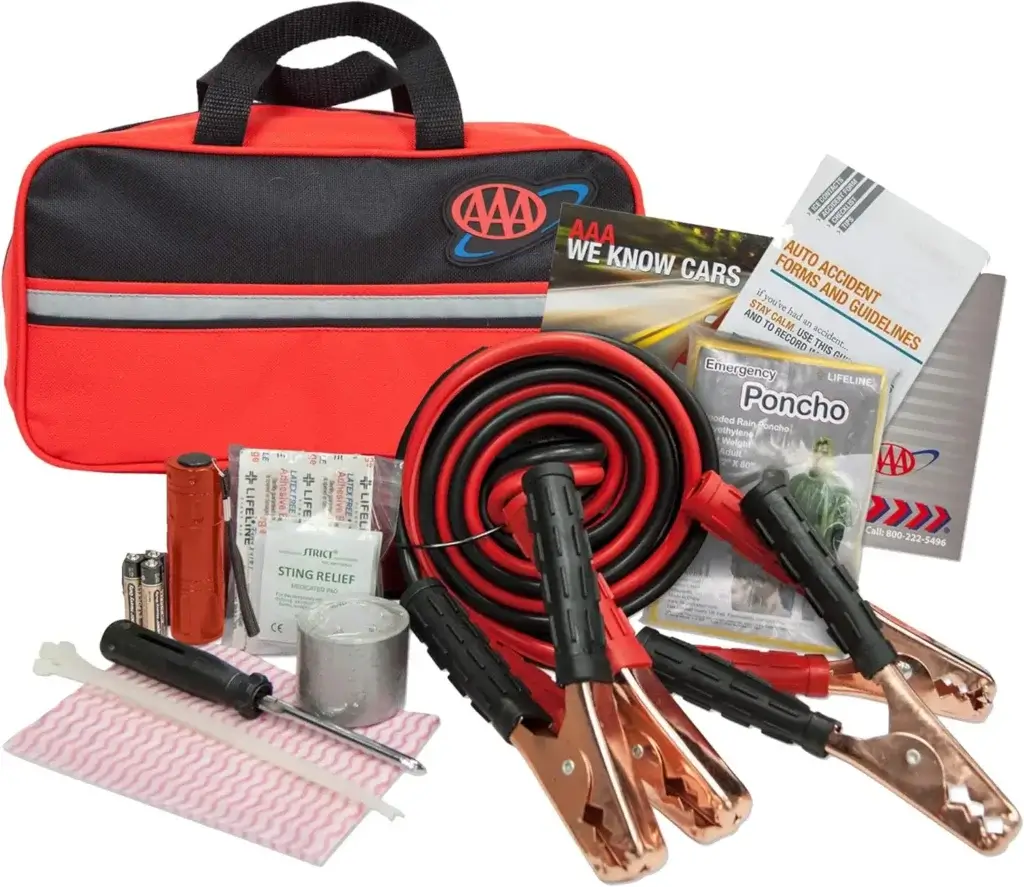
If there’s one brand you can trust on the road, it’s AAA. Their Premium Traveler Road Kit is not only one of the most recognized options on the market but also one of the most comprehensive—especially for winter travel.
Key Features:
- 64 essential items
- Heavy-duty jumper cables
- Emergency poncho and blanket
- Flashlight with batteries
- Ice scraper, screwdrivers, and duct tape
What makes this kit stand out for winter is the inclusion of both practical tools and comfort-focused items. The thermal blanket, poncho, and gloves are lifesavers if you’re stuck in your car during a snowstorm. Plus, the carrying case is compact and fits snugly in your trunk without taking up valuable space.
Pros:
- Trusted brand with roadside expertise
- Excellent mix of tools and survival gear
- Ideal for sedans and compact vehicles
Cons:
- Doesn’t include a shovel or food supplies
- Flashlight quality could be better
This is the perfect starter kit if you want high-quality, brand-backed peace of mind without going overboard on price or size.
2. Lifeline 4388AAA Winter Severe Weather Kit
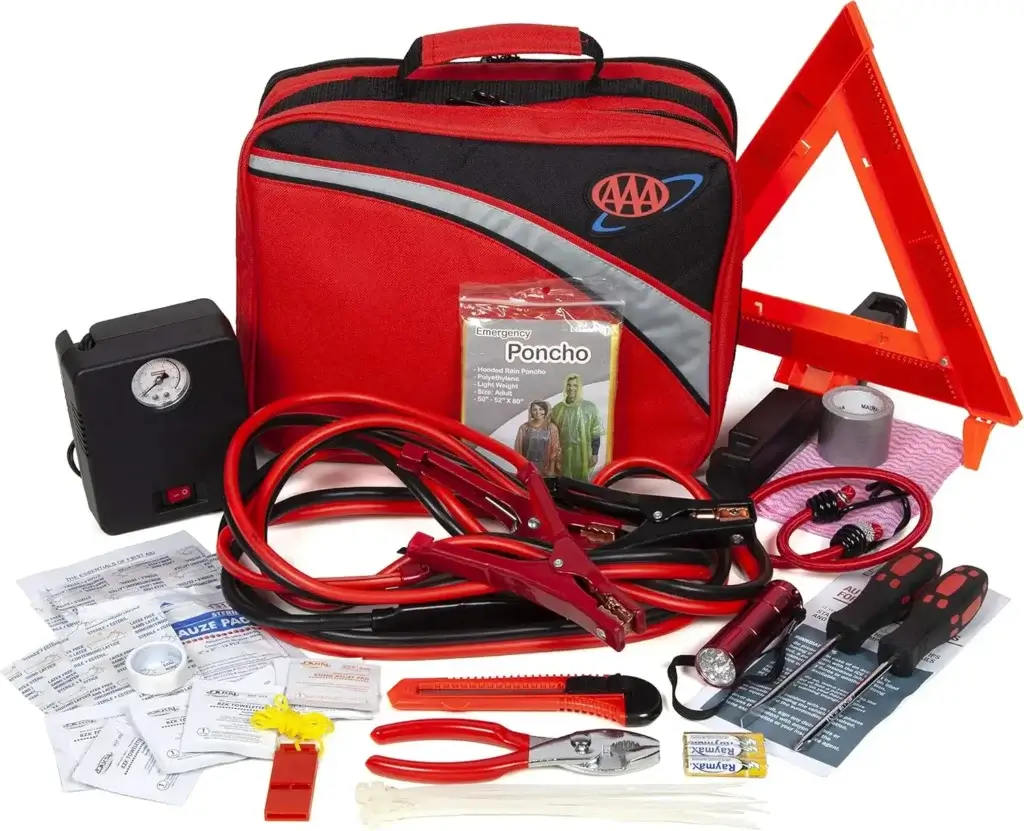
When you think of surviving a brutal snowstorm, the Lifeline 4388AAA Winter Severe Weather Kit should come to mind. This kit is specifically engineered for cold climates and is endorsed by AAA, which gives it a seal of trustworthiness. It’s not just a general roadside kit—it’s tailored for severe winter conditions, making it ideal for snowbelt regions or mountainous areas.
Key Features:
- Heavy-duty snow shovel
- Thermal blanket and hand warmers
- Flashlight and emergency whistle
- High-traction rope and reflective safety triangle
- Includes jumper cables, first-aid kit, and tools
One of the standout items in this kit is the collapsible snow shovel, which is surprisingly durable despite its compact design. The inclusion of a whistle is a small but vital addition for signaling in poor visibility, while the high-traction rope can help get you out of a snowbank if you’re stuck.
Pros:
- Custom-made for extreme winter weather
- Features high-visibility and high-traction tools
- Foldable, easy-to-store shovel
Cons:
- Slightly bulky for compact cars
- Doesn’t come with food or water
If you live where snowstorms are a regular occurrence, this kit provides a robust arsenal of survival tools to help you navigate and endure even the harshest winter roadside emergencies.
3. First Secure Car Emergency Kit
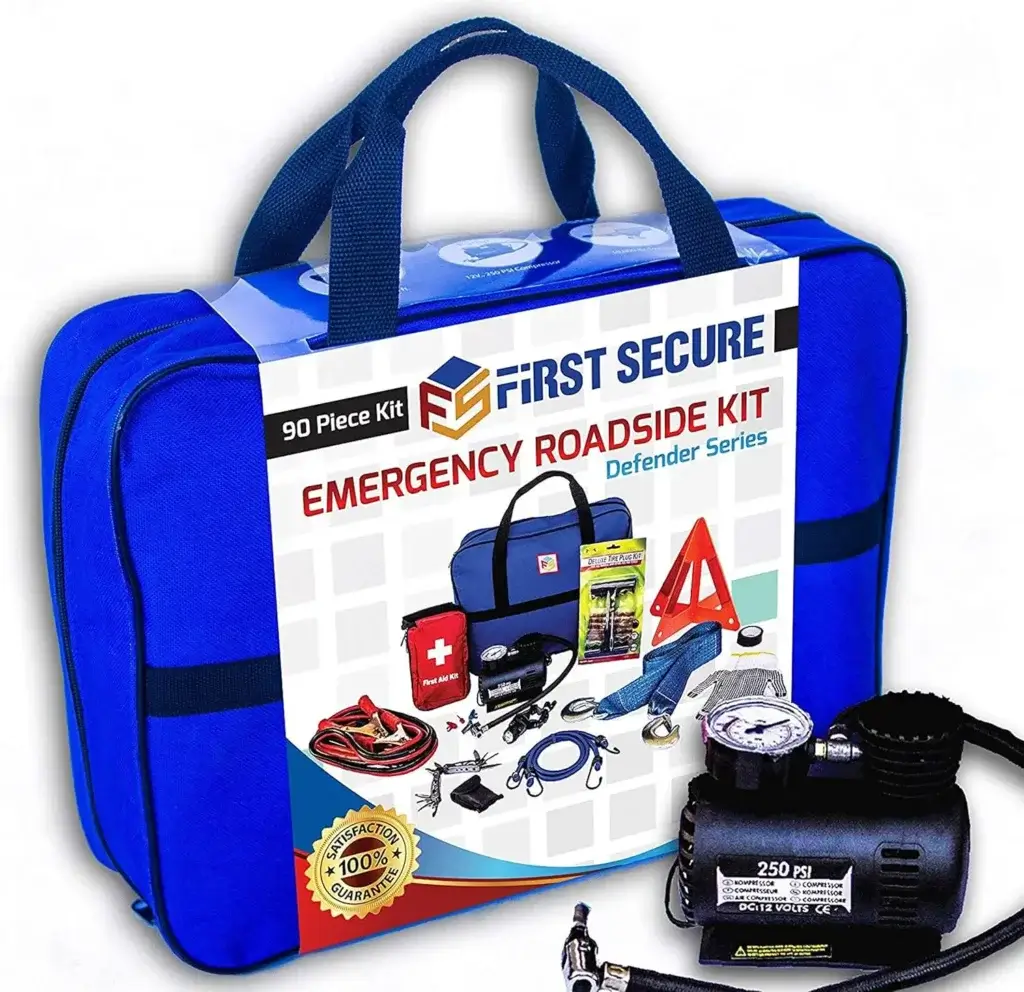
The First Secure Car Emergency Kit is a great choice if you’re looking for a balanced combination of everyday roadside assistance gear and winter survival tools. With high-quality items and a neat, organized storage bag, this kit offers peace of mind to drivers of all experience levels.
Key Features:
- Heavy-duty jumper cables with copper clamps
- Tire repair tools and air compressor
- First aid kit and safety vest
- Thermal blanket, rain poncho, and glow sticks
- Multi-tool with pliers, knife, screwdriver, and more
What really shines in this kit is the inclusion of a mini air compressor, which can be a game-changer when dealing with low tire pressure in the cold. Coupled with tire repair gear, this makes the First Secure kit incredibly practical for real-life roadside fixes.
Pros:
- Multi-functional and adaptable to all seasons
- High-grade tools and compressor
- Well-organized storage bag
Cons:
- Lacks snow-specific tools like a shovel or ice scraper
- No hand warmers or water provisions
It’s ideal for drivers who want to be self-sufficient during a breakdown, particularly those who feel confident making minor repairs themselves.
4. Stalwart Emergency Roadside Kit
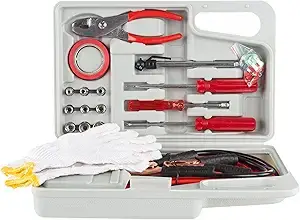
If you’re shopping on a budget but don’t want to compromise on quality, the Stalwart Emergency Roadside Kit is one of the most cost-effective kits you can get your hands on. It packs in the basics, adds some thoughtful extras, and doesn’t break the bank.
Key Features:
- Jumper cables and warning triangle
- Hand crank flashlight (no batteries needed)
- Flat tire repair tools
- Emergency blanket and poncho
- Lightweight tool set and gloves
A standout feature here is the hand crank flashlight. Since battery power can die quickly in freezing weather, having a light source that doesn’t rely on batteries is a major plus. You’ll also appreciate the inclusion of gloves and a reflective poncho—small items that make a big difference when working in the cold.
Pros:
- Budget-friendly and dependable
- Great for new drivers or backup vehicles
- Hand crank flashlight is perfect for cold climates
Cons:
- Basic kit with no food, water, or heating pads
- Not ideal for extremely remote or snowy areas
Perfect for city dwellers or people who drive in light winter weather, the Stalwart kit keeps you covered for most situations without overwhelming your wallet.
5. Thrive Roadside Assistance Auto Emergency Kit
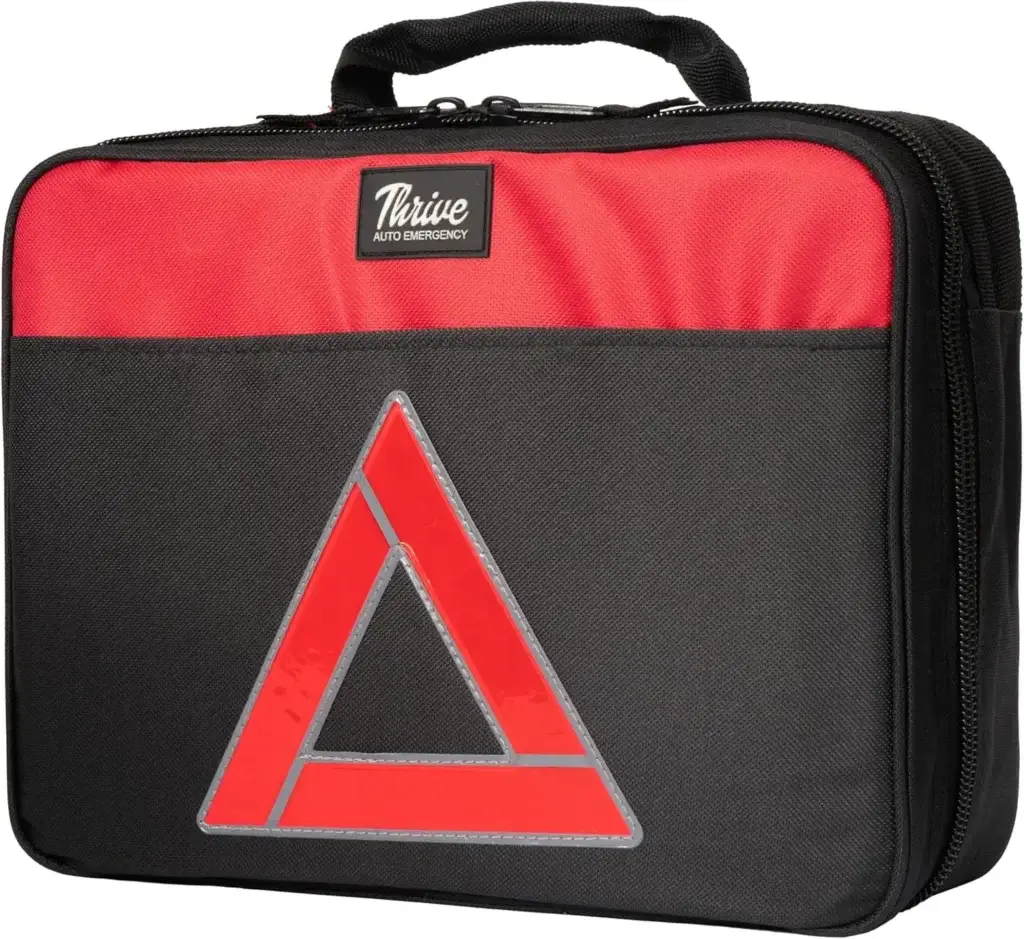
The Thrive Roadside Assistance Auto Emergency Kit is one of the most comprehensive all-in-one kits you’ll find. Designed for cars, trucks, and SUVs, it balances practical repair tools with crucial survival gear. Whether you’re caught in a blizzard or dealing with a dead battery, this kit has your back.
Key Features:
- 104-piece kit with tools and survival items
- Heavy-duty tow rope, jumper cables, and air compressor
- First aid kit, flashlight, and emergency whistle
- Reflective vest, triangle, and blanket
- Compact yet roomy carry case
What sets this kit apart is its versatility. The Thrive kit includes a tow rope rated for full-size SUVs, and the air compressor means you’re never stuck with a flat tire in sub-zero conditions. The emergency whistle and vest make you more visible in dark or snowy environments—crucial for roadside safety.
Pros:
- Ideal for larger vehicles and long-distance travel
- Includes survival gear and practical tools
- Extremely well-organized and durable case
Cons:
- Heavier and bulkier than smaller kits
- Some users report flashlight quality as average
If you frequently take road trips in the winter or drive through rural snowy areas, this kit is a powerhouse solution that covers just about every base.
DIY Winter Emergency Kit: What to Include
Advantages of Building Your Own Kit
Building your own winter emergency kit has a lot of advantages. First off, it’s personalized. You get to include items that cater specifically to your climate, your car, and your needs. Whether you’re a solo commuter, a parent with toddlers, or a pet owner, a DIY kit ensures you don’t waste space or money on unnecessary extras.
Another huge perk? Quality control. Pre-packaged kits often come with low-grade tools or generic supplies. By hand-picking your gear, you can ensure everything is durable, functional, and reliable. You also avoid duplication—no more ending up with five flashlights but no batteries.
Budget-wise, building your own kit can actually save money in the long run. You might already own several essential items like gloves, an old sleeping bag, or tools. Instead of paying for things you already have, you just fill in the gaps.
Lastly, the DIY route builds awareness. When you assemble the kit yourself, you’re more likely to remember where everything is and how to use it. That could save precious minutes during an emergency.
Detailed Checklist for a DIY Kit
If you’re ready to assemble your own winter car emergency kit, here’s a detailed checklist of everything you should consider packing:
Warmth & Survival:
- Thermal blankets
- Extra winter gloves and hats
- Body warmers
- Waterproof poncho or jacket
- Wool socks
Food & Water:
- Bottled water (in freeze-resistant containers)
- Protein bars
- Trail mix or granola
- Small can opener (if using canned food)
Vehicle Support Tools:
- Ice scraper
- Snow brush
- Foldable shovel
- Jumper cables or power bank jumper
- Multi-tool
Traction & Mobility:
- Cat litter or sand
- Traction pads
- Tire chains (check compatibility with your tires)
Visibility & Signaling:
- LED flashlight with batteries
- Road flares or emergency beacon
- Reflective vest or emergency triangle
First Aid & Hygiene:
- Bandages, antiseptic wipes
- Painkillers (like ibuprofen)
- Tissues or toilet paper
- Hand sanitizer
Bonus Essentials:
- Phone charger or power bank
- Ziplock bags for organization
- Notebook and pen (to leave a note if you must leave the car)
- Cash (coins and small bills)
Use a durable storage container—like a waterproof tote or a soft-sided duffel with compartments—to organize these items in your trunk. Keep critical items in the cabin if possible, in case the trunk freezes shut.
How to Store and Organize Your Emergency Kit in the Car
Best Storage Containers
Choosing the right storage container can make your winter emergency kit more accessible and easier to manage. You want something that’s tough, water-resistant, and easy to move. Hard plastic bins with locking lids are popular because they protect the contents from moisture and breakage. Look for bins made from heavy-duty polypropylene or similar materials that can handle cold without cracking.
Soft-sided bags, like tactical backpacks or duffel bags, are another excellent option—especially if you need flexibility in how your trunk space is used. Some even have MOLLE webbing and internal compartments for better organization.
Insulated bags are also a smart move for items that need to be temperature-stable, like batteries or snacks. A small cooler or thermal pouch inside your main kit can keep these items from freezing.
Always label your container and make it easy to spot—use bright colors or reflective tape. The last thing you want is to dig through clutter during a snowstorm to find your emergency gear.
Placement Tips for Quick Access
Storing your kit isn’t just about space—it’s about strategy. Ideally, you should split your kit into two parts:
- Primary Gear in the Trunk:
This includes tools, traction aids, shovel, and most of your bulky gear. Store these items in a large container secured so it doesn’t slide around. - Essential Gear in the Cabin:
Keep your flashlight, phone charger, snacks, water, hand warmers, and first aid kit within arm’s reach. This ensures that if you’re stuck and can’t access the trunk, you still have the basics.
Use cargo nets or trunk organizers to keep items from moving around. If your car has a hatch or underfloor compartment, use it to store flatter items like blankets and flares. Don’t forget to periodically check for any leaks or moisture buildup—especially after snowy trips.
Make it a habit to check your emergency gear monthly during winter. A well-placed, easy-to-reach kit could mean the difference between frustration and real danger when emergencies strike.
Seasonal Maintenance of Your Emergency Kit
When and What to Replace
Like your car’s oil or your tires, your emergency kit needs seasonal checkups. Some items degrade over time, especially when exposed to extreme cold, heat, or moisture. Winter is particularly harsh on batteries, food items, and anything plastic or rubber.
Set a schedule—ideally every 3-4 months—to do a full inventory of your kit. Replace expired food and medications. Check batteries in flashlights and devices. Make sure all electronic items still work, including your portable charger or jump starter.
Water bottles can crack in freezing temps, so if you’re using standard plastic bottles, inspect them regularly. Consider switching to foil pouches or insulated water containers for longer shelf life.
Also, check soft goods like blankets and gloves for mildew or damage. If something smells off, it probably needs replacing. This upkeep ensures your kit stays functional, not just present.
Storage Conditions and Preservation Tips
Your car’s interior can swing from below zero to over 100°F depending on the season, and your kit has to survive both. Here’s how to preserve it:
- Use vacuum-sealed bags to store clothes and blankets—they save space and prevent moisture damage.
- Place silica gel packs inside your container to absorb humidity.
- Wrap batteries and electronics in bubble wrap and place them in airtight containers to prevent corrosion.
- Use Mylar or foil packaging for food items whenever possible—these materials are less prone to freezing damage.
- Label everything with a date. That includes food, meds, and batteries. Having a system saves you time later.
Consider rotating duplicate items between your car and home to keep everything fresh. With a bit of prep, you’ll ensure your emergency gear is ready when you need it most.
Real-Life Winter Emergency Stories and Lessons Learned
Drivers’ Experiences
Sometimes, the best way to understand the importance of winter preparedness is through real stories. Take Sarah, a nurse in Wisconsin who got stuck on a rural road during a whiteout. Her car battery died after running the heater too long, and with no cell service, she was stranded for nearly 9 hours. Thanks to her emergency kit—complete with a mylar blanket, hand warmers, and a power bank—she stayed warm and kept her phone alive long enough to call for help when the signal returned.
Or Michael, a truck driver in Colorado, who slid off a mountain pass during an unexpected blizzard. He had food, traction mats, and flares. Rescue services were delayed 14 hours. His preparation meant he didn’t just survive—he was able to help another stranded driver who had nothing.
These aren’t rare stories—they happen every winter, and they drive home one point: you never think it’ll be you until it is.
What Could Have Been Avoided with a Proper Kit
What’s heartbreaking is how many emergencies could be shortened—or outright avoided—with a good kit. Take flat tires, dead batteries, or getting stuck in snowbanks. These aren’t freak accidents; they’re common problems with common solutions—like having a portable air compressor, a jump starter, or a shovel.
Without those tools, even a 15-minute problem becomes a day-long ordeal. In the worst-case scenarios, unprepared drivers have suffered frostbite, dehydration, and even fatal outcomes.
So what could have been avoided? A lot. And all it takes is the simple decision to prepare.
Special Considerations for Families and Pets
Kids’ Needs in Emergencies
Traveling with children during winter adds a whole new layer of preparation. Kids are more vulnerable to cold temperatures and may not understand the seriousness of a situation. That’s why a winter emergency kit for families must include child-specific items to ensure their safety and comfort.
Start with extra clothing—gloves, socks, hats, and thermal layers in their sizes. Include a warm blanket or a small sleeping bag that fits your child’s height. Pack a few individually packaged snacks that they enjoy (and don’t expire quickly), such as granola bars, crackers, and fruit leather.
Don’t forget about entertainment—a bored child in a stuck car can escalate stress quickly. Include coloring books, crayons, a deck of cards, or a tablet with downloaded videos and games (along with a portable charger).
You should also have hygiene essentials: diapers (if needed), wet wipes, tissues, and a travel potty for emergencies.
Above all, keep a family emergency plan in the glove box. Write down emergency contacts, allergy information, and any special medical notes for your child. These small additions could make a massive difference in an extended roadside emergency.
Winter Safety for Pets in Vehicles
If your furry friend travels with you, you must prepare for their needs as well. Pets can suffer from cold just like humans—and in some cases, faster. So if you often take your dog or cat in the car, make sure your emergency kit includes:
- A pet blanket or small thermal mat
- Bottled water and a collapsible bowl
- Dry pet food or treats in airtight packaging
- Pet-safe deicer for paws
- Booties or sweaters for short-haired dogs
- Leash and waste bags
Also, ensure your pet is properly restrained in the vehicle. In emergencies, a scared animal might bolt when a door opens. A crate or pet seatbelt harness helps avoid accidents.
Lastly, consider keeping a copy of your pet’s vaccination records and a photo of them in the glove box, in case you’re separated or need to prove ownership during a rescue.
Being prepared for your pet is just as critical as being prepared for yourself—after all, they rely entirely on you in emergencies.
Winter Emergency Preparedness Beyond the Kit
Driving Tips During Winter
A winter emergency kit is essential, but your driving habits matter just as much. Winter driving is not about speed—it’s about control. The key principles are: go slow, stay alert, and give space.
- Accelerate and brake gradually to avoid skidding.
- Keep at least a 6-second distance from the vehicle in front.
- Know your brakes—whether ABS or not, and how to use them properly.
- Never use cruise control on icy roads.
- Keep your gas tank at least half full to avoid fuel line freeze.
Additionally, before any trip, check the weather and road conditions. Carry a printed map or GPS backup in case signals drop. Always tell someone your route and estimated arrival time, especially on rural or unfamiliar roads.
And here’s a golden rule: If visibility is near zero, pull over and wait. No schedule is worth your life. Use your kit to stay safe until it’s smart to move again.
Preparing Your Car Mechanically
Your vehicle is your first line of defense against winter emergencies—so it needs to be in peak condition. Start by checking:
- Battery: Cold weakens batteries fast. Get it tested and replaced if necessary.
- Tires: Use winter tires with proper tread depth. Don’t rely on all-seasons in icy areas.
- Brakes: Ensure they’re responsive and balanced.
- Antifreeze and windshield washer fluid: Top them off regularly, and use winter-grade washer fluid.
- Wipers: Upgrade to winter wiper blades if you live in a snow-heavy region.
- Heater and defroster: Confirm they’re functioning fully.
Consider switching to a winter-grade motor oil if you live in extremely cold areas—it flows better in freezing temps.
Lastly, keep a routine maintenance schedule and carry a checklist in your glove compartment. A well-maintained car is less likely to leave you stranded—and if something still goes wrong, at least you’ll know it wasn’t due to neglect.
Buying Guide: What to Look for in a Quality Winter Emergency Kit
Brand Reputation and Reviews
Not all emergency kits are created equal. Some look great on paper but fail when tested in the field. That’s why brand reputation matters. Look for companies known for outdoor gear, automotive accessories, or emergency preparedness. Brands like Lifeline, Ready America, INCLAKE, and Vetoos are solid choices.
Before buying, dig into user reviews—but read carefully. Look for insights from people in snowy or cold regions. Did the gear hold up in freezing weather? Did any tools break or fail when needed? Real-world testimonials offer goldmine information that you won’t find on a product label.
Also, check the brand’s warranty and return policy. A company confident in its product usually backs it with a guarantee. That’s especially important with expensive kits containing electronics or mechanical tools.
If buying from Amazon or other major retailers, stick with verified purchases and high-volume sellers. Niche brands might offer good value, but only if they’re tested and reviewed extensively.
Material Durability and Weather Resistance
A great kit doesn’t just have a lot of items—it has gear that works when it matters most. That means durability is non-negotiable. Prioritize materials that withstand moisture, cold, and impact.
- Tools should be steel or reinforced plastic
- Blankets should be thermal or wool, not thin fleece
- Flashlights must be waterproof and shock-resistant
- Storage bags need to be water-resistant or have sealed seams
Electronics like portable jump starters or power banks must be cold-rated—cheap models often fail below freezing.
Avoid kits that pack flashy but fragile tools. A multipurpose tool that breaks under stress is worse than useless—it gives a false sense of security.
And always test your gear before the season starts. Better to find a weak link in your driveway than on the side of a mountain.
Mistakes to Avoid When Choosing or Packing a Winter Kit
Common Oversights
Even experienced drivers make mistakes when it comes to winter preparedness. One of the most common? Assuming all-weather = winter-ready. Just because a product says “all-season” doesn’t mean it performs in freezing conditions. That includes tires, wiper fluid, and emergency gear.
Another frequent mistake is packing everything in the trunk. If your trunk freezes shut or is jammed with snow, you’ll have no access to anything. That’s why you need a split setup: one in the cabin, one in the trunk.
Other oversights include:
- Not replacing expired food or batteries
- Using low-quality tools that break under pressure
- Skipping critical items like water or traction mats
- Packing too much or too little—clutter can hurt, too
Tips for Avoiding Useless Gear
Let’s face it—many pre-made kits come with filler items you’ll never use. Instead of blindly trusting the package list, apply a “use test”: Can I realistically see myself using this in freezing conditions, in the dark, with gloves on?
Avoid gear that:
- Requires setup too complex for emergencies
- Has only one function (e.g., a single-use plastic poncho)
- Looks impressive but lacks quality (e.g., tiny shovels or gimmicky tools)
And lastly, test everything before you pack it. If you can’t figure it out in your garage, you won’t figure it out in a blizzard.
Top Brands That Specialize in Winter Emergency Kits
Comparison Table of Top Brands
Choosing the right brand can be a time-saver and a lifesaver. Here’s a comparison of top-rated winter emergency kit brands known for their reliability, quality, and customer satisfaction:
| Brand | Best For | Price Range | Notable Features | Average Rating |
|---|---|---|---|---|
| Lifeline | All-in-one preparedness | $$ | AAA endorsed, high-quality tools, compact design | ★★★★☆ (4.6/5) |
| Ready America | Emergency survival focus | $$$ | Emergency food/water, blankets, medical-grade first aid | ★★★★☆ (4.5/5) |
| INCLAKE | Harsh winters and pros | $$$$ | Military-grade items, durable storage, high-end jump starter | ★★★★★ (4.8/5) |
| Vetoos | Budget & practical kits | $ | Affordable, good for beginners, decent traction tools | ★★★★☆ (4.4/5) |
| First Secure | Vehicle-focused kits | $$$ | Heavy-duty jumper cables, tire repair, full roadside set | ★★★★☆ (4.5/5) |
Each of these brands has a unique edge, depending on your needs. Whether you’re just looking for peace of mind during a short winter commute or gearing up for long road trips in sub-zero weather, one of these will meet your requirements.
Where to Buy
Winter emergency kits are available in-store and online, but online retailers often offer better deals and more variety. Amazon, Walmart, and Home Depot carry a wide range, and their user reviews help guide your purchase.
For premium kits or specialized gear, go directly to brand websites or preparedness-focused retailers like REI or Survival Frog. Some auto parts stores, like AutoZone or Advance Auto Parts, also carry select kits during winter months.
If you’re building a custom kit, local stores like Target, Cabela’s, or even Dollar Tree can help source specific items affordably.
How Technology Enhances Winter Emergency Preparedness
Emergency Apps and GPS Tools
Technology has changed the way we prepare for winter travel. Your smartphone can be your best tool if you load it with the right apps:
- Weather Apps like AccuWeather or Weather Underground provide real-time storm tracking.
- Navigation Tools like Google Maps, Waze, or offline GPS apps like Maps.me are essential.
- Emergency Apps such as FEMA, Red Cross Emergency, or Winter Survival Kit app offer alerts, shelter locations, and emergency guides.
- Vehicle Tracking Apps (OnStar, FordPass, etc.) allow remote diagnostics and emergency SOS features.
Just remember to keep these apps updated and, if possible, accessible offline. In emergencies, cell signals can be weak or completely down.
Portable Chargers and Power Banks
In cold weather, batteries die quickly. That includes your car’s battery and your phone’s. A good portable jump starter with USB output can power your vehicle and recharge your devices—look for ones with cold weather ratings.
Also carry at least two power banks: one fully charged and stored in an insulated pouch, and another as backup. Solar-powered or hand-crank chargers are slow but better than nothing.
With the right tech on hand, you don’t just survive a winter emergency—you stay connected, aware, and safe.
Eco-Friendly and Compact Options
Sustainable Emergency Gear
Looking to reduce your environmental impact even during emergencies? You can assemble a winter kit with eco-conscious materials:
- Wool blankets instead of synthetic
- Rechargeable flashlights and headlamps
- Biodegradable wet wipes and natural first aid products
- Solar chargers for low-waste power
- Bamboo utensils and cloth napkins
Many outdoor brands now offer sustainable emergency products made from recycled or biodegradable materials. While these may cost slightly more, they offer peace of mind that you’re being kind to the planet too.
Compact Kits for Small Cars
Not everyone drives an SUV with a huge trunk. If you own a compact car or live in an urban area, space is limited. That’s why compact kits are crucial—they should be efficient without sacrificing functionality.
Look for foldable gear:
- Telescoping shovels
- Compact first aid kits
- Roll-up blankets
- Space-saving food bars
- Mini traction pads
You can even build a kit into a modular system, like packing essentials in a backpack for quick removal and storing tools under seats. Just remember—compact doesn’t mean incomplete. Prioritize multi-use items and save space for what truly matters.
Conclusion: Be Ready Before the Storm Hits
Winter emergencies are unpredictable—but your response doesn’t have to be. A well-prepared car emergency kit isn’t just another checklist item; it’s a vital layer of protection for you, your passengers, and even fellow motorists. Whether you’re navigating urban snowstorms or venturing through remote mountain roads, having the right gear on hand can turn a potentially dangerous situation into a manageable inconvenience.
Don’t wait until it’s too late. Winter comes every year—but so can peace of mind. So stock your kit, know your tools, prep your vehicle, and travel with confidence. Because when the snow starts falling, preparation is the warmest blanket you can have.
FAQs
What is the most important item in a winter car emergency kit?
A thermal blanket or sleeping bag is arguably the most important item. It helps preserve body heat if you’re stuck in freezing conditions for extended periods. However, tools like a portable jump starter and shovel also rank high in terms of immediate utility.
How often should I check or replace items in my kit?
Check your kit every 3-4 months. Replace expired food, used batteries, and any damaged tools. Before every winter season, do a complete inventory to ensure everything is functional and intact.
Can I use a regular emergency kit for winter?
A general emergency kit may cover some basics, but winter requires specialized items—thermal gear, snow tools, and cold-resistant supplies. It’s best to either enhance your regular kit or get a winter-specific version.
What should I do if my car breaks down in a snowstorm?
Stay inside your vehicle unless help is visible and within safe walking distance. Run the engine sparingly for warmth, keep the exhaust pipe clear of snow, use flares or signal lights, and stay hydrated. Always notify someone of your location if possible.
Are there winter emergency kits designed for electric vehicles?
Yes. Several kits are now tailored for EVs, including portable EV chargers, thermal management tools for battery preservation, and items that don’t rely on the car’s electrical system for operation.