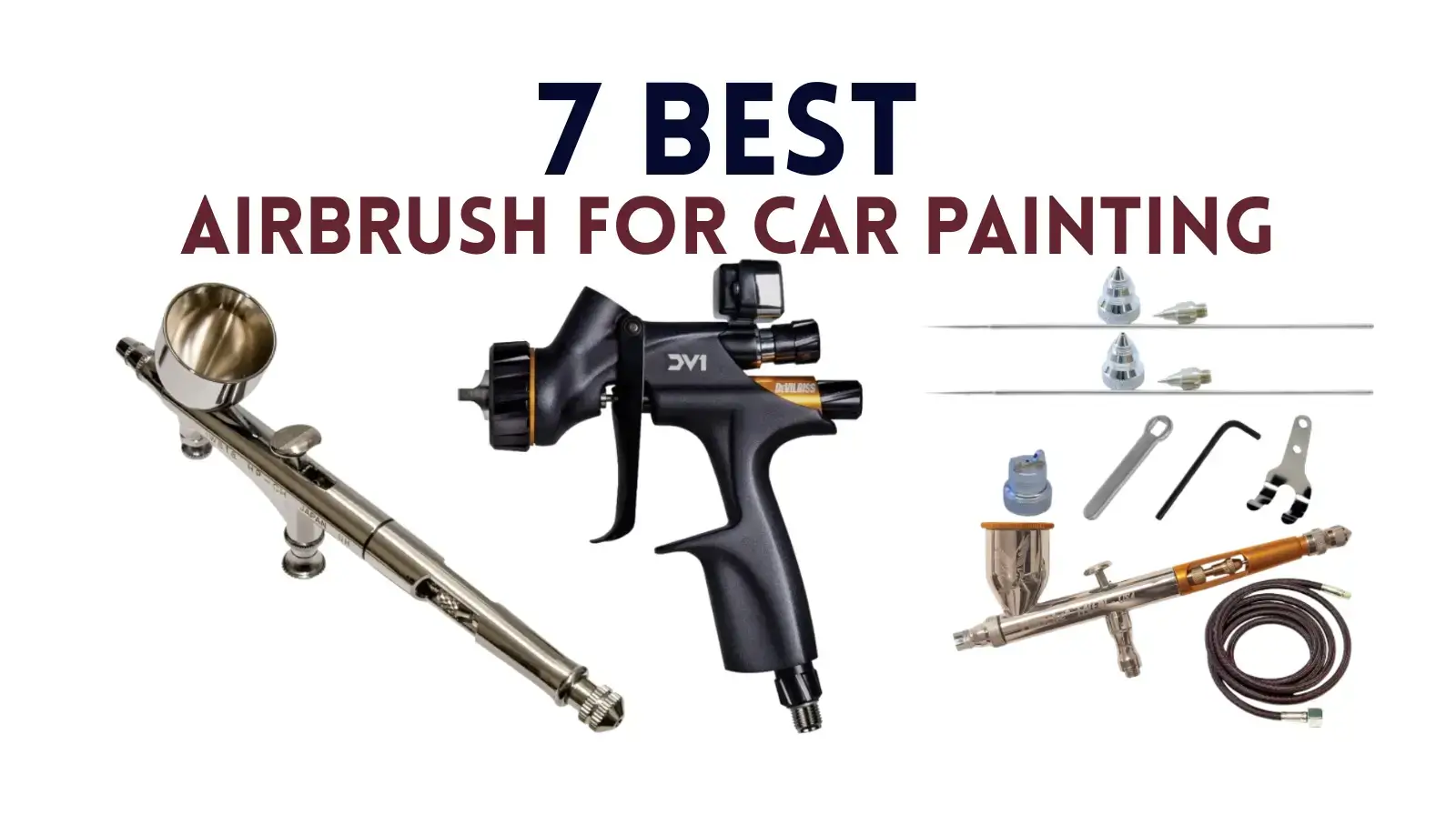
Introduction: Why Airbrushing is the Future of Car Painting
Car painting has evolved from traditional spray guns to precision airbrush systems that redefine detail, depth, and creativity. Whether you’re working on full automotive repaints, intricate custom graphics, or retouching jobs, an airbrush gives you complete control. But choosing the right one can make or break your project.
The growing demand for car customization has pushed airbrushing into the spotlight. Unlike bulky spray guns, airbrushes deliver fine, controlled layers of paint that help achieve professional grade finishes even for hobbyists. From detailing flames to achieving metallic gradients, a good airbrush transforms imagination into reality.
Selecting the best airbrush depends on several factors feed type, needle size, pressure control, and ergonomics. Our top 7 picks are based on extensive hands on testing, user reviews, and feedback from professional automotive painters. These tools offer exceptional balance between performance, reliability, and value.
Now, let’s dive into each model and discover which airbrush is the perfect match for your painting style and goals.
7 Best Airbrush for Car Painting List
1. Iwata HP-CH: All-Round Excellence & Detail
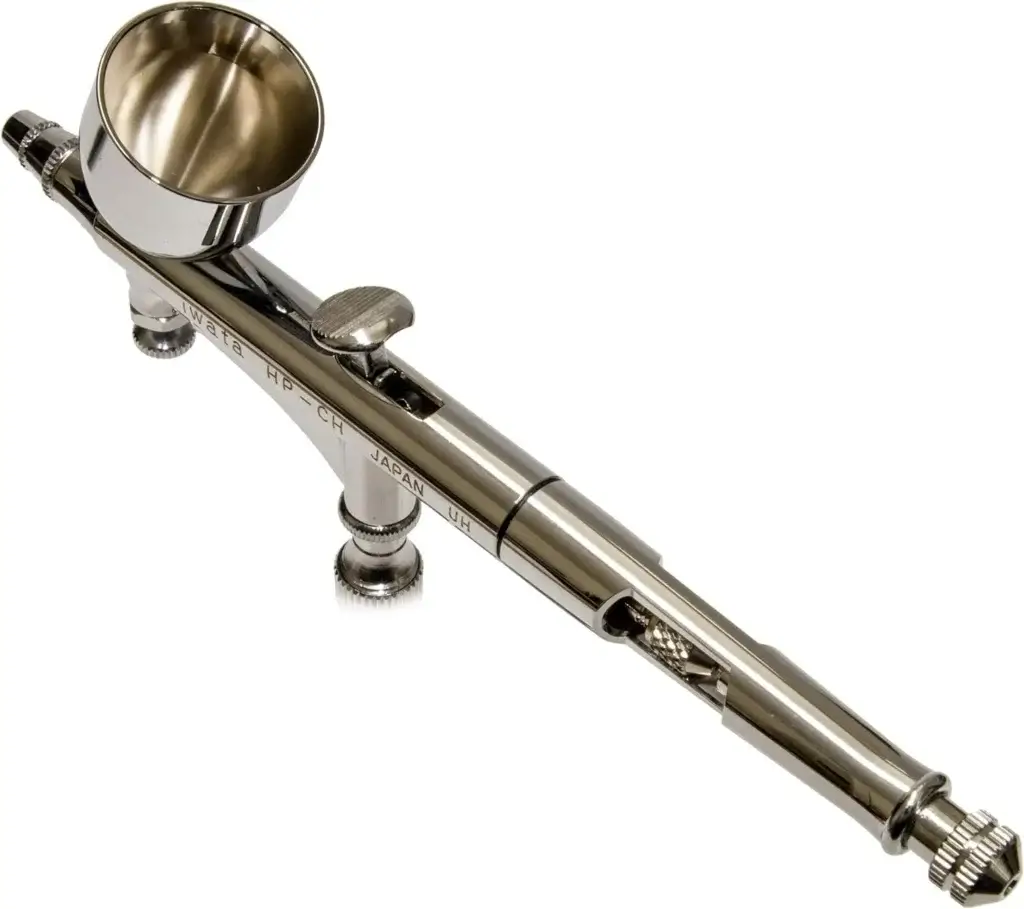
Iwata HP-CH
The Iwata HP-CH is often regarded as the gold standard for car airbrushing and for good reason. Designed with professionals in mind, it combines precision engineering with exceptional airflow control to deliver consistent, clean paint application. Its 0.30mm needle makes it suitable for both intricate designs and moderate surface coverage.
Build Quality and Design:
Constructed from durable stainless steel, the HP-CH feels robust in hand without being heavy. Its ergonomic grip reduces fatigue during long painting sessions, a key advantage for detail artists and full scale painters alike. The gravity feed cup ensures smooth paint delivery and minimal wastage.
Performance and Control:
What sets this airbrush apart is its Micro Air Control (MAC) valve, which lets users adjust airflow directly at the nozzle. This feature gives unmatched control over paint flow, allowing you to switch from fine lines to broad shading instantly. Whether you’re layering colors or detailing flames, this airbrush ensures every stroke is precise.
Pros:
- Outstanding control and balance
- Reliable airflow regulation via MAC valve
- Excellent for both beginners and experts
Cons:
- Premium price point
- Requires frequent cleaning for optimal performance
Best For:
Professional auto painters and hobbyists who want a single, all purpose tool that excels in precision and consistency.
2. SATA Minijet 4400 B: Professional Detail & Graphics Master
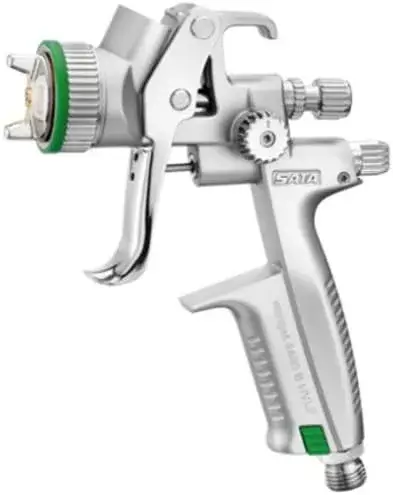
SATA Minijet 4400 B
The SATA Minijet 4400 B is a top tier airbrush engineered for precision and artistic control. It’s the go to choice for custom car artists and professionals who demand flawless performance on small to medium surfaces. Featuring a 0.26mm needle, it delivers ultra fine detail that rivals any competitor.
Cutting-Edge Design and Materials:
SATA is known for its German engineering excellence, and the Minijet 4400 B continues that tradition. The airbrush’s design prioritizes accuracy and balance, with a focus on durability and smooth operation. Every part from the trigger to the nozzle feels meticulously crafted for consistency.
Performance and Spray Pattern:
The Minijet 4400 B produces an exceptionally even spray, making it ideal for detailed artwork, flames, graphics, and custom designs. Its gravity feed system allows for minimal overspray and maximum control, ensuring that even metallic and candy paints apply flawlessly.
Who Should Use It:
This model is built for professionals and advanced users who value performance above all else. It’s perfect for projects that demand attention to fine detail without sacrificing speed or precision.
Pros:
- Exceptional atomization and consistency
- Ideal for fine detail automotive work
- Long lasting German craftsmanship
Cons:
- Higher cost may not suit beginners
- Smaller paint cup limits large area work
Best For:
Automotive detail painters and professional artists focused on precision and high quality finishes.
3. Iwata Eclipse HP-CS: The Best Value for Hobbyists
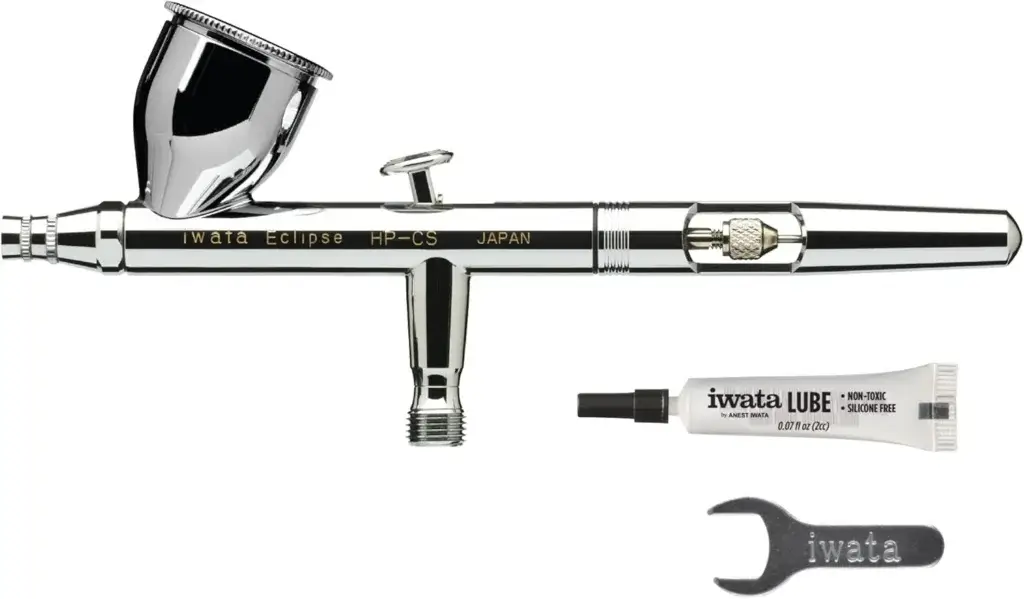
Iwata Eclipse HP-CS
If you want premium performance without the premium price, the Iwata Eclipse HP-CS delivers unbeatable value. Equipped with a 0.35mm needle, it offers a fantastic blend of coverage and detail work. This makes it ideal for hobbyists, DIY car painters, and even pros who need a reliable backup airbrush.
Performance Meets Practicality:
The HP-CS is known for its versatility it can handle everything from fine line graphics to small area base coats. Its gravity feed design ensures smooth, even paint flow, while the drop in nozzle simplifies cleaning and assembly.
Ease of Use and Maintenance:
One of its standout features is its user friendly maintenance. Cleaning is straightforward, and parts are easy to find and replace. The balanced trigger action and precise spray control make it comfortable to use for extended sessions.
Pros:
- Excellent performance at a moderate price
- Easy to maintain and clean
- Works well for both fine detail and medium coverage
Cons:
- May struggle with very thick automotive paints
- Slightly less precise than the HP-CH
Best For:
Hobbyists and semi pro painters looking for professional grade quality without breaking the bank.
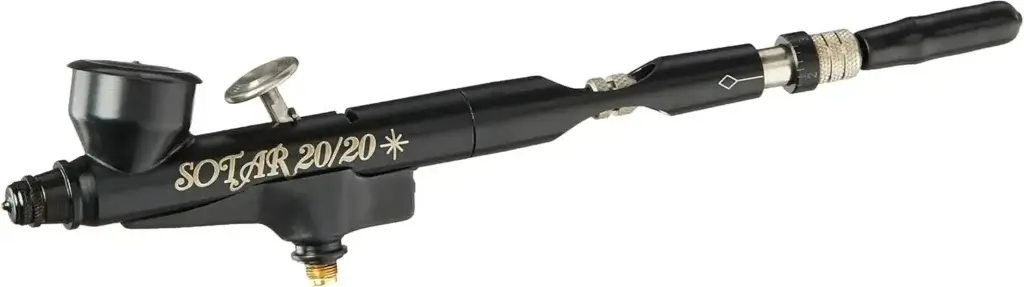
4. Badger Sotar 2020-2F: Ultra-Fine Detail for Artistic Work
SATA Minijet 4400 B
The Badger Sotar 2020-2F is designed for artists who crave razor sharp precision. With its 0.20mm needle, this airbrush is capable of producing incredibly fine lines and gradients perfect for automotive murals, pinstripes, and detailed design work.
Design and Comfort:
The Sotar’s black chrome finish not only looks premium but also feels durable and comfortable in hand. Its slim, well balanced body minimizes fatigue during long sessions, making it a favorite among fine detail artists.
Performance and Accuracy:
This model excels when it comes to control and atomization. It allows you to achieve smooth transitions and hyper detailed effects that larger airbrushes simply can’t match. It’s best paired with thinned automotive paints for flawless application.
Pros:
- Exceptional precision for fine line work
- Lightweight and ergonomic
- Affordable compared to similar high end models
Cons:
- Not ideal for large surface coverage
- Requires practice for beginners
Best For:
Artists and detail specialists who focus on intricate automotive graphics and ultra fine custom work.
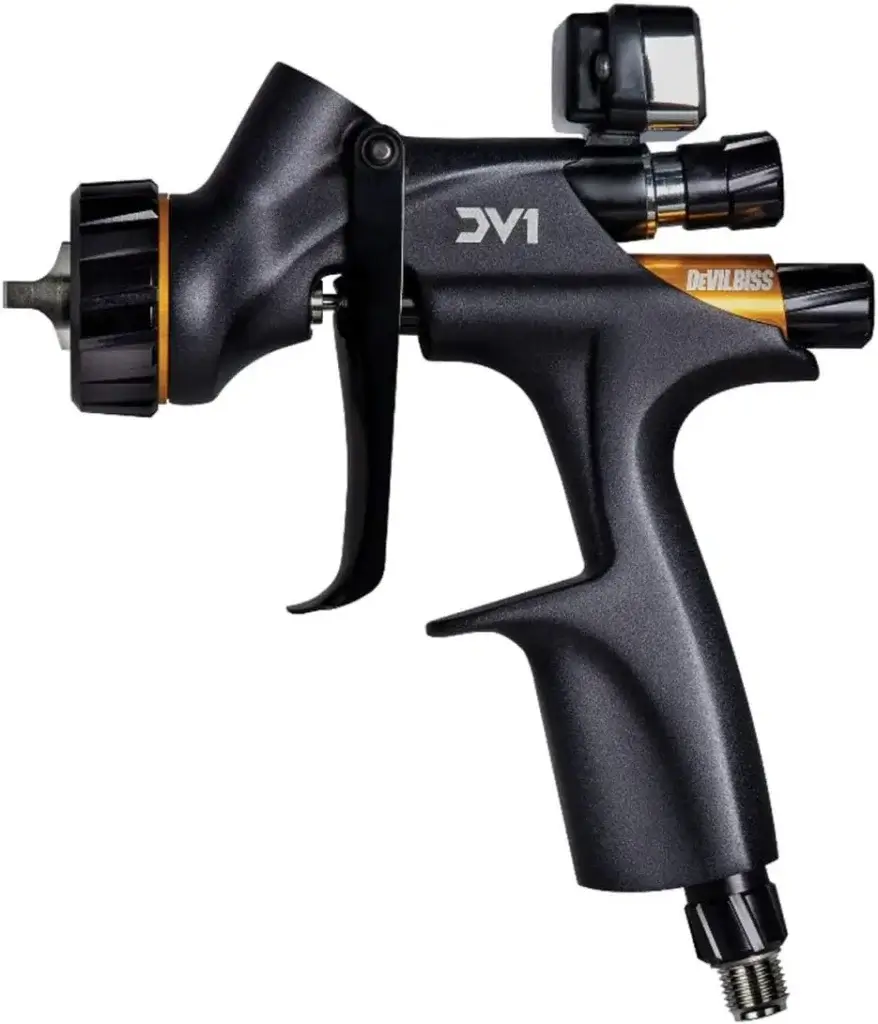
5. DeVilbiss Sprint Jet: Perfect for Base Coats & Clear Coats
SATA Minijet 4400 B
The DeVilbiss Sprint Jet is built for durability and power. Known for its 0.38mm needle and consistent pressure delivery, it’s perfect for base coats, clear coats, and mid size automotive panels. This airbrush combines performance with reliability, making it a solid choice for professionals.
Why It’s Great for Base and Clear Coats:
Its larger needle size enables smooth, even coverage ideal for layering paints or applying protective finishes. The gravity feed design ensures excellent paint flow and minimal waste, even when working with thicker automotive coatings.
Durability and Versatility:
DeVilbiss tools are known for their longevity, and the Sprint Jet is no exception. It’s rugged, easy to maintain, and designed for long term use in workshop environments.
Pros:
- Ideal for layering and coating large surfaces
- Reliable, steady airflow and pressure
- Built for professional workshop use
Cons:
- Less suitable for fine detail work
- Slightly heavier compared to others
Best For:
Professionals and serious hobbyists who need consistent performance for base and top coatings.
6. Paasche Talon TG-3F: The Versatile Performer
SATA Minijet 4400 B
The Paasche Talon TG-3F has earned a reputation as one of the most versatile airbrushes available for automotive work. Designed with adaptability in mind, this airbrush comes equipped with three different needle sizes: 0.25mm, 0.38mm, and 0.66mm allowing you to switch between precision detailing and broad coverage with ease. Whether you’re creating fine graphics or applying a base coat, the Talon TG-3F gives you full control.
Multi Needle System Explained:
What sets the Talon TG-3F apart from many competitors is its multi needle capability. The interchangeable needles mean you can fine tune your spray output to match the specific requirements of your project. For intricate flames or pinstriping, use the 0.25mm needle; for clear coats or larger sections, switch to the 0.66mm needle. This flexibility saves time and ensures a flawless finish regardless of paint type.
Ease of Adjustment and Control:
Paasche designed this airbrush to be extremely user friendly. The trigger response is smooth, the paint flow is consistent, and the fan aircap option allows for broader spray coverage something most airbrushes lack. The brass needle and stainless steel body provide a nice balance of durability and performance, making it feel solid yet comfortable during long painting sessions.
Who It’s Best For:
The TG-3F caters to both beginners and experienced car painters. If you’re just starting, its forgiving design and adjustable spray patterns make it easy to master. If you’re a pro, you’ll appreciate its consistent atomization and adaptability for multiple paint types.
Pros:
- Comes with multiple needle sizes for maximum versatility
- Smooth trigger action and adjustable fan cap
- Great value for the price
Cons:
- Heavier than other airbrushes
- Slightly more cleaning required when changing needle sizes
Best For:
Those who want a flexible, budget friendly airbrush capable of handling every stage of car painting from detailing to final coats.
7. Grex Tritium.TG: Built for Durability & Ergonomics
SATA Minijet 4400 B
When it comes to durability and ergonomic comfort, the Grex Tritium.TG stands out as a modern marvel. Designed for both professionals and serious enthusiasts, it offers a unique pistol style trigger, which sets it apart from conventional airbrushes. Its 0.30mm needle ensures excellent precision, while its gravity feed system maintains steady paint delivery.
Innovative Trigger Design for Smooth Operation:
The Tritium.TG’s trigger feels intuitive and natural, reducing hand strain during extended painting sessions. This design gives you a more controlled, consistent air and paint flow, making it ideal for fine detailing, shading, and even moderate surface coverage. For painters transitioning from traditional spray guns, the trigger’s design provides a familiar and comfortable feel.
Long Term Reliability and Maintenance:
Grex airbrushes are known for their rugged construction and easy maintenance. The Tritium.TG’s internal components are made of high grade metal alloys that resist corrosion, ensuring long term reliability. Its modular system allows you to replace or upgrade parts easily, such as nozzles or needle sets, depending on your project needs.
Where It Excels Most:
This airbrush truly shines in high detail applications and long duration projects. Whether you’re working on intricate custom paintwork or applying even layers of metallics, the Tritium.TG delivers smooth, repeatable results every time.
Pros:
- Exceptional ergonomic design for comfort and control
- Consistent, fine spray with minimal overspray
- Built to last with modular components
Cons:
- Slightly higher price point
- May take some adjustment for users used to dual action triggers
Best For:
Professionals seeking a durable, comfortable, and precise airbrush that can handle demanding automotive work with ease.
Comparison Table: 7 Best Airbrush Models at a Glance
| Airbrush Model | Best For | Needle Size |
|---|---|---|
| Iwata HP-CH | All-Round Excellence & Detail | 0.30mm |
| SATA Minijet 4400 B | Professional Detail & Graphics | 0.26mm |
| Iwata Eclipse HP-CS | Best Value for Hobbyists | 0.35mm |
| Badger Sotar 2020-2F | Ultra-Fine Detail & Art | 0.20mm |
| DeVilbiss Sprint Jet | Base Coats & Clear Coats | 0.38mm |
| Paasche Talon TG-3F | Versatility & Control | 0.25–0.66mm |
| Grex Tritium.TG | Durability & Ergonomics | 0.30mm |
How to Choose the Right Airbrush for Car Painting
Selecting the ideal airbrush depends on your painting goals, skill level, and budget. Let’s break down the key factors to consider before investing in one.
1. Feed Type: Gravity vs. Siphon:
- Gravity Feed: Paint is loaded into a cup above the airbrush, allowing low pressure operation and superior control. Perfect for detailed automotive work.
- Siphon Feed: Uses a bottom mounted bottle to draw paint upward. Great for covering large areas but less efficient for fine detailing.
Most professional auto painters prefer gravity feed models because they minimize paint waste and allow for better precision.
2. Needle Size and Spray Control:
Needle size dictates your paint flow and spray pattern. Smaller needles (0.2mm–0.3mm) are perfect for fine details, while larger ones (0.4mm–0.6mm) handle base and clear coats better.
A versatile airbrush, like the Paasche Talon TG-3F, offers interchangeable needles for maximum flexibility.
3. Build Quality and Ergonomics:
You’ll likely hold your airbrush for hours. Choose one with a comfortable grip, balanced weight, and easy trigger control. Models like the Grex Tritium.TG and Iwata HP-CH excel in comfort and durability.
4. Maintenance and Cleaning:
Paint residue can easily clog your nozzle, so pick an airbrush with easy disassembly and cleaning options. Stainless steel or chrome finishes help prevent corrosion, extending your tool’s lifespan.
5. Budget and Purpose:
While professional grade airbrushes like the SATA Minijet 4400 B come at a premium, they deliver unmatched precision. However, mid range options like the Iwata Eclipse HP-CS provide professional results for a fraction of the cost.
Common Mistakes to Avoid When Using an Airbrush for Cars
Even the best airbrush won’t perform well if it’s not used correctly. Here are a few mistakes to watch out for:
- Using the wrong paint consistency:
Automotive paints are thicker than standard acrylics. Always thin your paint according to the manufacturer’s recommendation for smooth spraying. - Incorrect air pressure:
Too much pressure can cause overspray; too little can lead to spattering. Most airbrushes perform best at 15–30 PSI for car painting. - Neglecting regular cleaning:
Clogs are the enemy of precision. Clean your airbrush thoroughly after each session to maintain consistent performance. - Skipping practice tests:
Always test your spray pattern on scrap material before applying paint to your vehicle. It helps you adjust flow and pressure settings accurately. - Overlapping coats improperly:
Uneven coats or incorrect layering can lead to visible streaks and poor adhesion. Work in thin, even layers and let each coat dry before adding another.
Expert Tips for Flawless Automotive Airbrushing Results
- Always use quality paint and thinners designed for airbrushing. Cheap materials can damage your airbrush and affect your results.
- Maintain consistent distance (about 6–8 inches) from your surface to avoid runs or uneven coats.
- Use masking tape and stencils for clean edges when creating designs.
- Control your environment: Paint in a clean, dust free space with proper ventilation.
- Practice trigger control: Smooth transitions between air and paint flow are key to professional looking finishes.
Remember, mastering an airbrush takes time. The more you practice, the more natural your hand movements and paint control will become.
Conclusion: Finding Your Perfect Airbrush Match
Car painting isn’t just about color it’s about precision, creativity, and mastery. The right airbrush transforms your vision into a smooth, professional finish. Whether you’re a seasoned automotive painter or an aspiring hobbyist, one of these seven airbrushes will suit your style and budget.
If you want all around excellence, go for the Iwata HP-CH. For premium detail work, the SATA Minijet 4400 B delivers perfection. If you’re on a budget but still demand quality, the Iwata Eclipse HP-CS won’t disappoint. And for versatility, the Paasche Talon TG-3F gives you multiple options in one tool.
No matter which one you choose, maintain it well, practice consistently, and you’ll soon be producing show worthy car finishes.
FAQs
1. What type of airbrush is best for beginners in car painting?
The Iwata Eclipse HP-CS is ideal for beginners due to its easy maintenance, smooth control, and affordable price.
2. Can I use regular automotive paint in an airbrush?
Yes, but it must be properly thinned according to the paint type and airbrush specifications.
3. How do I maintain my airbrush for longevity?
Clean it thoroughly after each use, lubricate moving parts, and store it in a dust free environment.
4. What PSI should I use for car paint airbrushing?
Generally, 15–30 PSI works best depending on paint viscosity and the type of airbrush you’re using.
5. Is gravity feed better than siphon feed for car painting?
Yes. Gravity feed airbrushes offer better control, smoother paint flow, and less waste, making them the preferred choice for detailed automotive work.