Introduction: The Rise of Microfiber in Modern Cleaning
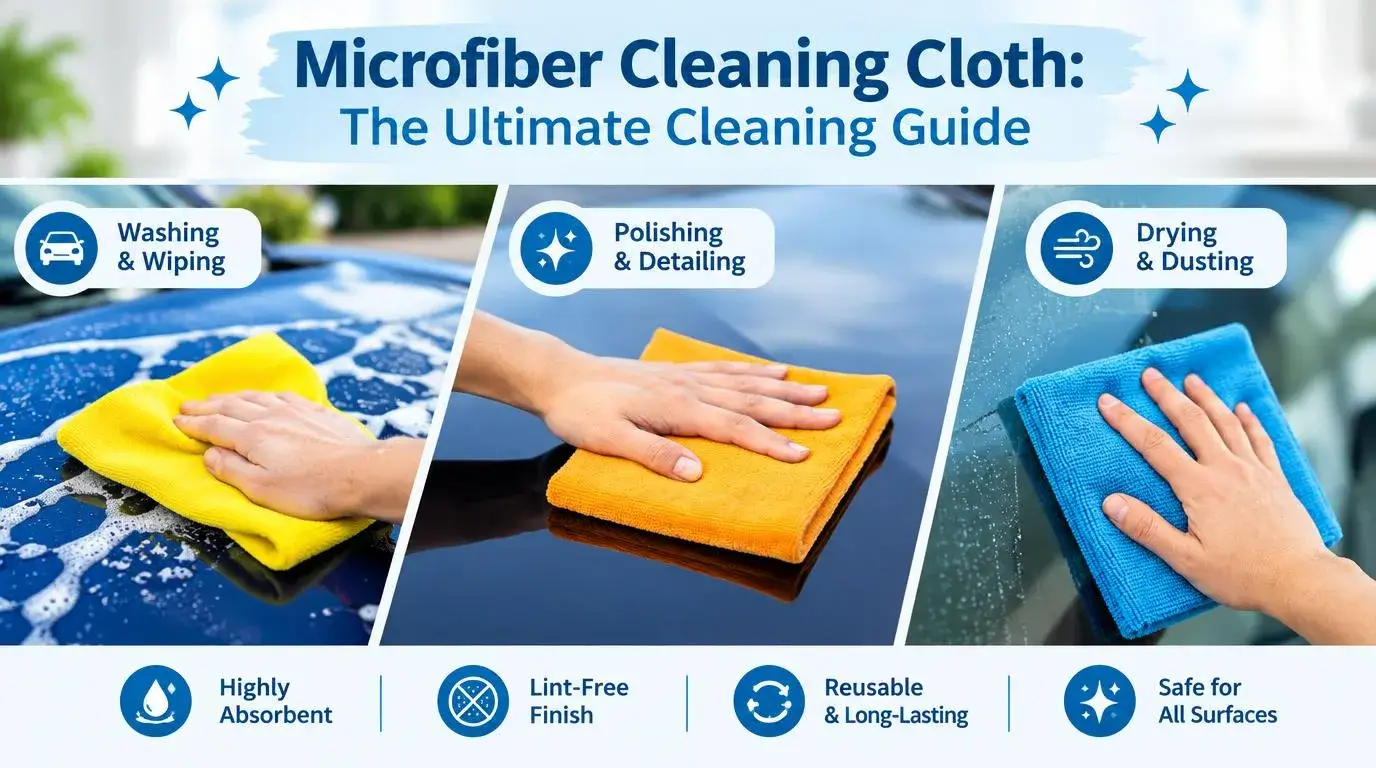
In our quest for cleaner homes and more efficient cleaning methods, one tool has consistently risen to the top: the microfiber cleaning cloth. These unassuming yet powerful cloths have transformed how we approach everyday tidying, offering a superior alternative to traditional cleaning rags. From tackling stubborn grime in the kitchen to gently polishing delicate electronics, microfiber has become a staple in households and professional cleaning services alike. We’ll explore what makes these cloths so effective, delve into their various types, and guide you on how to best utilize and care for them.
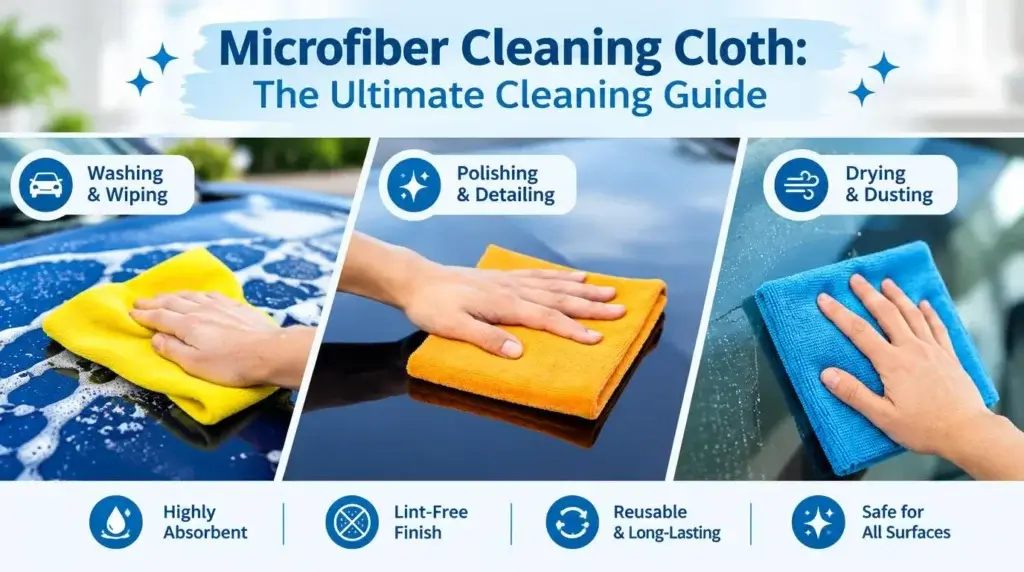
Image Credit: AI Generated
The Science Behind Microfiber’s Effectiveness
What exactly makes a microfiber cleaning cloth so exceptional? The answer lies in its unique composition and structure. Unlike cotton, which has relatively smooth fibers, microfiber is engineered with incredibly fine, synthetic threads. Typically, these cloths are made from a blend of more than 75% polyester and the remainder polyamide (nylon). These fibers are astonishingly small – up to 200 times finer than a human hair and even finer than silk, cotton, or wool.
This microscopic structure is key to microfiber’s cleaning prowess. The fibers are often “split,” creating millions of tiny hooks and loops that effectively trap and hold dirt, dust, and even bacteria. This isn’t just about physical trapping; microfiber cleaning cloths also leverage electromagnetism. As the tiny strands rub against each other during use, they generate static electricity, creating a positive charge. Since dust particles are typically negatively charged, the microfiber acts like a magnet, attracting and holding onto dust rather than just pushing it around.
This unique design means microfiber can clean on a microscopic scale. Studies have shown that using microfiber materials can reduce bacteria on a surface by an impressive 99%, compared to only 33% with conventional cleaning materials. Furthermore, the fine fibers are non-abrasive, making them safe for delicate surfaces without leaving lint or streaks.

- Non-Abrasive Microfiber Cloth: Our 11.5″ x 11.5″ microfiber cleaning cloths are suitable for a variety of uses. Ultra-so…
- Lint-Free & Streak-Free Shop Towels: Featuring quality microfiber, our microfiber towels for cars deliver exceptional pe…
- Ultra Soft & Highly Absorbent: Made from 87% polyester and 13% polyamide, these cleaning rags are ultra-soft and sturdy….
Types of Microfiber Cloths and Their Best Uses
Not all microfiber cleaning cloths are created equal. Their effectiveness and suitability for different tasks often depend on their weave, fiber density, and grams per square meter (GSM). GSM is a useful indicator: a higher GSM generally means a more absorbent and fluffier cloth, while a lower GSM is better for delicate tasks that don’t require extensive debris pickup.
Here’s a breakdown of common types and their ideal applications:
General-Purpose Microfiber Cloths
- Description: These are the most common type, featuring a super-soft, fluffy pile similar to a bath towel, often around 350 GSM. Their thick, looped fibers are gentle yet highly effective.
- Best Uses:
- General household cleaning tasks
- Wiping down spills
- Cleaning and polishing metal fixtures
- Deep-cleaning stovetops and ovens
- Dusting surfaces.
- Removing dust from delicate surfaces without scratching.
High-Pile Microfiber Cloths
- Description: Offering an extra boost of fluff and superior moisture absorption, these cloths typically have a higher GSM, such as 520.
- Best Uses:
- Drying and buffing cars
- Picking up large spills
- Achieving a high shine on metallic surfaces like stainless steel sinks.
Waffle Weave Microfiber Cloths
- Description: Characterized by their distinctive waffle pattern, these cloths excel in absorbency and quick drying time, usually around 320 GSM.
- Best Uses:
- Tasks requiring significant liquid absorption
- Wiping down glass shower doors
- Drying dishes
- As super-absorbent hand towels
- Pet towels or hair wraps (if large enough).
Flat-Weave Microfiber Cloths
- Description: With the lowest GSM (around 280), these cloths have a smooth, flat surface. They are designed for delicate tasks and are less prone to holding large debris.
- Best Uses:
- Cleaning eyeglasses
- Wiping computer screens, TVs, and cell phones
- Preventing streaking and scratching on delicate surfaces.
Here’s a comparative table summarizing the different types:
| Microfiber Cloth Type | Typical GSM | Primary Characteristics | Ideal Uses |
|---|---|---|---|
| General-Purpose | ~350 | Fluffy, soft, good all-rounder | Dusting, wiping spills, general cleaning, polishing metal, stovetops |
| High-Pile | ~520 | Extra fluffy, maximum absorbency | Car drying/buffing, large spills, high-shine metallic surfaces |
| Waffle Weave | ~320 | High absorbency, quick-drying, textured surface | Liquid absorption, drying glass/dishes, hand towels, pet towels |
| Flat-Weave (Low GSM) | ~280 | Smooth, delicate, low debris retention | Eyeglasses, electronics (screens, phones), delicate surfaces where streaking/scratching is a concern |
Key Benefits of Using Microfiber Cleaning Cloths
The widespread adoption of the microfiber cleaning cloth isn’t just a trend; it’s a testament to their numerous advantages over traditional cleaning materials.
- Superior Cleaning Power: As discussed, the unique structure of microfiber allows it to trap and hold dirt, dust, and even bacteria more effectively than cotton. This means less effort for a more thorough clean.
- Reduced Chemical Usage: One of the most significant benefits is microfiber’s ability to clean effectively with just water, or even dry. This reduces reliance on harsh chemical cleaners, making your home safer and more environmentally friendly.
- Lint-Free and Streak-Free Cleaning: Unlike many other fabrics, high-quality microfiber cloths are lint-free, making them excellent for polishing and cleaning glass or shiny surfaces without leaving behind annoying fibers or streaks.
- Highly Absorbent: Microfiber can absorb up to seven times its weight in water, making it ideal for tackling spills and drying surfaces quickly.
- Durable and Reusable: Microfiber cleaning cloths are incredibly durable. With proper care, they can withstand hundreds of washes and applications, lasting for years. This makes them a cost-effective and sustainable choice compared to disposable wipes or paper towels.
- Safe for Delicate Surfaces: The ultra-fine fibers are gentle enough not to scratch most delicate surfaces, including electronics, glass, mirrors, and automotive finishes.
- Hypoallergenic: By trapping allergens like dust and pet dander, microfiber can contribute to a healthier indoor environment, particularly for those with allergies or asthma.
- Non-Abrasive Microfiber Cloth: Our 11.5″ x 11.5″ microfiber cleaning cloths are suitable for a variety of uses. Ultra-so…
- Lint-Free & Streak-Free Shop Towels: Featuring quality microfiber, our microfiber towels for cars deliver exceptional pe…
- Ultra Soft & Highly Absorbent: Made from 87% polyester and 13% polyamide, these cleaning rags are ultra-soft and sturdy….
Choosing the Right Microfiber Cloth
With so many options available, selecting the best microfiber cleaning cloth can seem daunting. Here are some factors to consider to ensure you pick the right one for your needs:
1. Consider the Task
As outlined in the “Types of Microfiber Cloths” section, the specific cleaning job should dictate the type of cloth you choose.
- Dusting and General Cleaning: Opt for general-purpose or high-pile cloths.
- Spills and Drying: Waffle weave or high-pile cloths are excellent for absorption.
- Glass and Electronics: Flat-weave cloths are your best bet for streak-free and scratch-free results.
2. Check the GSM (Grams per Square Meter)
GSM is a good indicator of a cloth’s density and absorbency.
- Lower GSM (200-300): Better for delicate tasks, polishing, and light dusting.
- Mid-range GSM (300-400): Versatile for general cleaning, wiping, and moderate absorption.
- Higher GSM (400+): Excellent for heavy-duty absorption, drying, and buffing.
3. Assess Quality and Durability
Quality matters when it comes to microfiber. Look for cloths that:
- Feel dense and plush: This often indicates a higher fiber density.
- Are well-constructed: Check for reinforced edges to prevent fraying.
- Don’t leave lint: A key sign of poor quality is a cloth that sheds fibers.
While cost and quality often go hand-in-hand, investing in slightly more expensive, higher-quality cloths will pay off in their longevity and performance.
4. Read Reviews and Brand Specifications
Before purchasing, take a moment to read reviews from other users. They can offer valuable insights into a cloth’s real-world performance and durability. Also, check brand specifications for details on fiber blend (e.g., 80% polyester, 20% polyamide), GSM, and recommended uses.
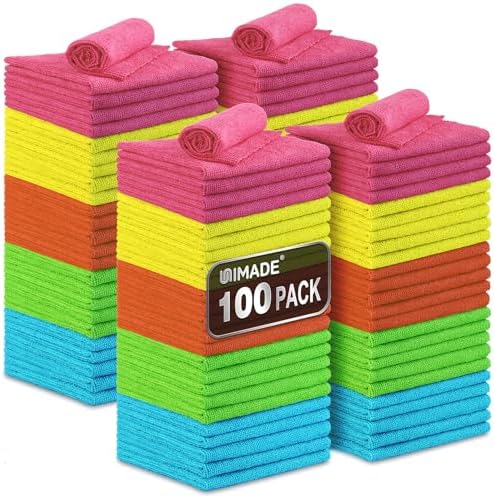
- No Scratching& Lint-Free: Our shop towels rags are luxuriously soft and designed to pamper without a trace. These cleani…
- Powerful Cleaning: Unimade commercial grade shop towels boast exceptional cleaning power, tackling messes with ease. Fro…
- Super Absorbent& Quick Dry: Crafted from premium microfiber, UNIMADE shop towels excel in soaking up oils, liquids, and …
Caring for Your Microfiber Cloths: Maximizing Longevity and Performance
To ensure your microfiber cleaning cloths remain effective and last for years, proper care is crucial. While durable, they require specific laundering techniques to maintain their unique properties.
1. Pre-Rinse After Use
After each use, especially if the cloth has picked up a lot of debris or cleaning product, give it a good rinse under cool, clean water. This helps remove excess dirt, grease, and product residue before washing.
2. Separate from Other Fabrics
Microfiber’s “magnetic” properties, which make it so good at cleaning, also mean it will attract lint from other fabrics in the washing machine. To prevent your cloths from becoming clogged with lint, wash them separately from cotton towels and other lint-shedding materials.
3. Wash with Cool or Warm Water
Use cool or warm water for washing. Hot water can damage the synthetic fibers over time.
4. Avoid Fabric Softener and Bleach
This is perhaps the most critical rule: NEVER use fabric softener or bleach on your microfiber cloths.
- Fabric Softener: It clogs the tiny fibers, diminishing their ability to absorb and trap dirt. This will significantly reduce the cloth’s effectiveness.
- Bleach: It can break down the delicate fibers, shortening the lifespan of your cloths.
If your cloths need deodorizing, a bit of white vinegar in the wash can help. Avoid detergents with added fabric softeners.
5. Use Minimal Detergent (or none)
Microfiber cleans best with minimal or no detergent. If you do use detergent, opt for a mild, liquid variety and use only a small amount. Some manufacturers even recommend washing without detergent altogether.
6. Tumble Dry on Low Heat or Air Dry
High heat can melt or damage the synthetic fibers, reducing their effectiveness and potentially making them less soft. Tumble dry on a low heat setting, or even better, air dry your cloths. Never iron microfiber, as this will destroy its surface properties.
By following these simple care instructions, you can ensure your microfiber cleaning cloths remain a powerful and long-lasting tool in your cleaning arsenal.
Conclusion: Embracing Microfiber for a Cleaner, More Efficient Future
The microfiber cleaning cloth has undeniably revolutionized how we clean. Its unique scientific design, with ultra-fine, split fibers and electrostatic properties, allows it to trap dirt, dust, and bacteria more effectively than traditional materials, often with just water. From the fluffy general-purpose cloths that tackle everyday grime to the delicate flat-weave cloths perfect for screens, there’s a microfiber solution for almost every cleaning task.
By understanding the different types, choosing high-quality options, and adhering to proper care guidelines, we can maximize the benefits of these durable and reusable cleaning tools. Embracing microfiber not only leads to a cleaner, streak-free shine but also supports a more sustainable approach to household maintenance by reducing the need for harsh chemicals and disposable products. As we move forward, the microfiber cleaning cloth will continue to be an indispensable ally in our pursuit of a cleaner, more efficient, and environmentally conscious living space.
Frequently Asked Questions (FAQs)
Can I use a microfiber cleaning cloth on all surfaces?
Generally, yes. Microfiber is safe for most surfaces, including delicate ones like electronics, glass, and automotive finishes, due to its ultra-fine and non-abrasive fibers. However, always ensure your cloth is clean and free of embedded debris to avoid accidental scratching.
Do I need to use cleaning solutions with microfiber cloths?
Not necessarily. Microfiber cleaning cloths are highly effective when used with just water, or even dry for dusting. This is one of their major benefits, as it reduces the need for chemical cleaning solutions. For heavy-duty cleaning or sanitizing, you can still use a mild cleaning solution if desired.
How often should I wash my microfiber cloths?
It depends on how frequently you use them and what you’re cleaning. For general household cleaning, it’s best to wash them after each significant use to maintain their effectiveness and prevent the spread of germs. If simply dusting lightly, you might get a few uses before washing.
My microfiber cloths aren’t as absorbent as they used to be. What happened?
This is a common issue often caused by using fabric softener during washing. Fabric softener clogs the tiny fibers, reducing their ability to absorb and trap particles. High heat drying can also damage the fibers. Ensure you always avoid fabric softener and tumble dry on low or air dry.
Can microfiber cloths spread germs?
While microfiber is highly effective at picking up bacteria (reducing them by 99% compared to conventional cloths), a dirty cloth can still redistribute germs. It’s crucial to wash your cloths regularly and thoroughly, especially after cleaning high-germ areas like bathrooms or kitchens, to prevent cross-contamination.