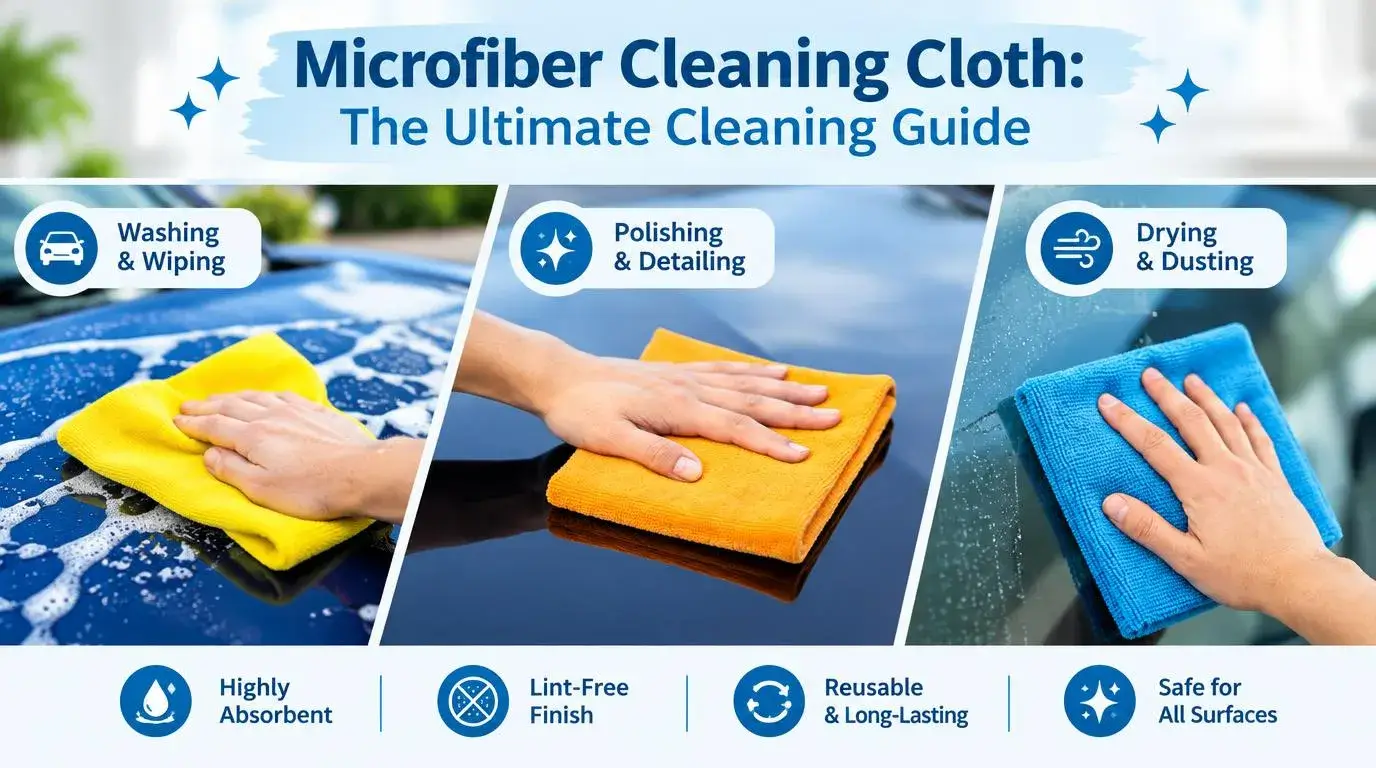
Microfiber Cleaning Cloth: The Ultimate Cleaning Guide
A microfiber cleaning cloth is one of the simplest upgrades you can make to the way you clean. In our quest for cleaner homes and more efficient cleaning methods, one tool has consistently risen to the top: the microfiber cleaning cloth. These unassuming yet powerful cloths have transformed how we approach everyday tidying, offering a superior alternative to traditional cleaning rags. From tackling stubborn grime in the kitchen to gently polishing delicate electronics, microfiber has become a staple in households and professional cleaning services alike. In this guide, we will explore what makes these cloths so effective, look at their various types, and show you how to choose, use and care for them so they last for years.
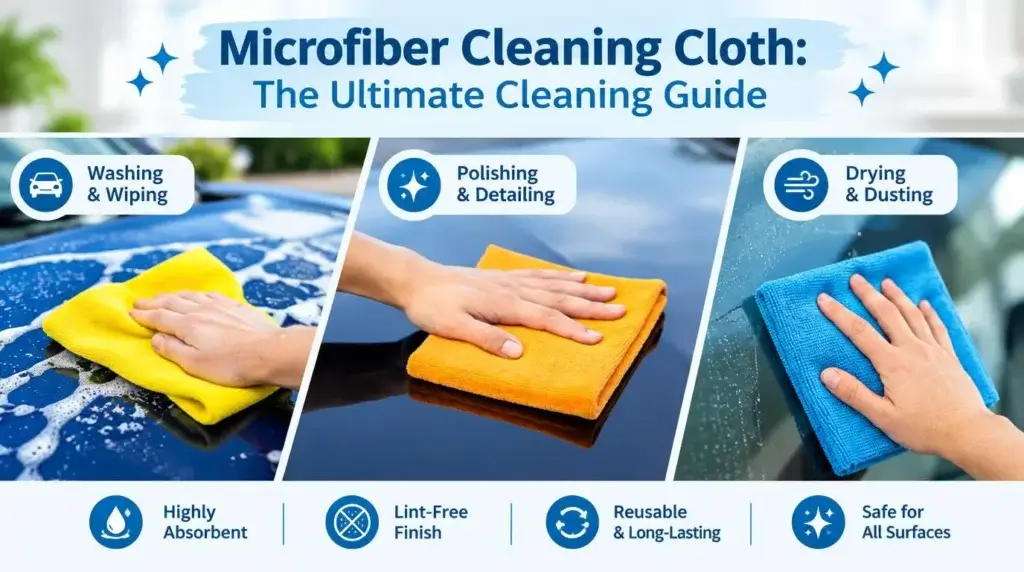
The Science Behind Microfiber Cleaning Cloth Effectiveness
What exactly makes a microfiber cleaning cloth so exceptional? The answer lies in its unique composition and structure. Unlike cotton, which has relatively smooth fibres, microfiber is engineered with incredibly fine, synthetic threads. Typically, these cloths are made from a blend of more than 75 percent polyester and the remainder polyamide, also known as nylon. These fibres are astonishingly small, up to 200 times finer than a human hair and even finer than silk, cotton or wool.
This microscopic structure is key to how the cloth works. The fibres are often split, creating millions of tiny hooks and loops that effectively trap and hold dirt, dust and even bacteria. This is not just about physical trapping. Microfiber cloths also make use of static electricity. As the tiny strands rub against each other during use, they generate a positive charge. Since dust particles are typically negatively charged, the fibres act like a magnet, attracting and holding onto dust rather than just pushing it around.
This unique design means microfiber can clean on a microscopic scale. Studies have shown that using microfiber materials can reduce bacteria on a surface by an impressive 99 percent, compared with only 33 percent with conventional cleaning materials. Furthermore, the fine fibres are non-abrasive, making them safe for delicate surfaces without leaving lint or streaks. That combination of trapping power and gentleness is why this cloth is trusted for glass, screens, car paint and polished metal, as well as for everyday kitchen and bathroom cleaning.
Types of Microfiber Cloths and Their Best Uses
Not all microfiber cloths are created equal. Their effectiveness and suitability for different tasks often depend on their weave, fibre density and grams per square metre, known as GSM. GSM is a useful indicator: a higher GSM generally means a more absorbent and fluffier cloth, while a lower GSM is better for delicate tasks that do not require extensive debris pickup.
General-Purpose Microfiber Cloths
General-purpose cloths are the most common type, featuring a super-soft, fluffy pile similar to a bath towel, often around 350 GSM. Their thick, looped fibres are gentle yet highly effective. They are the best starting point if you are buying your first set, because they handle the widest range of jobs.
Best uses include general household cleaning tasks, wiping down spills, cleaning and polishing metal fixtures, deep-cleaning stovetops and ovens, dusting surfaces, and removing dust from delicate surfaces without scratching. Keep a few of these in the kitchen and a few in the bathroom, and use a different colour for each room so you do not carry bathroom germs into the kitchen.
High-Pile Microfiber Cloths
High-pile cloths offer an extra boost of fluff and superior moisture absorption. They typically have a higher GSM, such as 520. The longer pile gives the cloth more surface area to hold water and dirt, which makes it a strong choice when you need to dry a large surface quickly.
Best uses include drying and buffing cars, picking up large spills, and achieving a high shine on metallic surfaces like stainless steel sinks. For car owners, a high-pile cloth is useful for drying after a wash, because it holds a lot of water and, when clean, is gentle on paint. Always check that the cloth is free of grit before you use it on paintwork, because any trapped sand or dirt can scratch.
Waffle Weave Microfiber Cloths
Waffle weave cloths are characterised by their distinctive waffle pattern. They excel in absorbency and quick drying time, usually around 320 GSM. The pattern creates small pockets that hold liquid, and the cloth dries faster than a thick, fluffy cloth.
Best uses include tasks requiring significant liquid absorption, wiping down glass shower doors, drying dishes, using them as super-absorbent hand towels, and using them as pet towels or hair wraps if they are large enough. A waffle weave cloth is also a good choice for windows and mirrors, because the texture helps lift water without leaving as many streaks as a heavy pile cloth can.
Flat-Weave Microfiber Cloths
Flat-weave cloths have the lowest GSM, around 280, and a smooth, flat surface. They are designed for delicate tasks and are less prone to holding large debris. Because they are thin and smooth, they glide easily and leave very little behind.
Best uses include cleaning eyeglasses, wiping computer screens, televisions and mobile phones, and preventing streaking and scratching on delicate surfaces. If you wear glasses or clean screens every day, keep a small flat-weave cloth in a case or drawer so it stays clean between uses.
Here is a comparative table summarising the different types:
| Microfiber Cloth Type | Typical GSM | Primary Characteristics | Ideal Uses |
|---|---|---|---|
| General-Purpose | Around 350 | Fluffy, soft, good all-rounder | Dusting, wiping spills, general cleaning, polishing metal, stovetops |
| High-Pile | Around 520 | Extra fluffy, maximum absorbency | Car drying and buffing, large spills, high-shine metallic surfaces |
| Waffle Weave | Around 320 | High absorbency, quick-drying, textured surface | Liquid absorption, drying glass and dishes, hand towels, pet towels |
| Flat-Weave (Low GSM) | Around 280 | Smooth, delicate, low debris retention | Eyeglasses, electronics such as screens and phones, delicate surfaces where streaking or scratching is a concern |
Key Benefits of Using a Microfiber Cleaning Cloth
The widespread adoption of this cloth is not just a trend. It is a testament to its numerous advantages over traditional cleaning materials.
- Superior cleaning power: the unique structure of microfiber allows it to trap and hold dirt, dust and even bacteria more effectively than cotton. This means less effort for a more thorough clean.
- Reduced chemical usage: one of the most significant benefits is that microfiber can clean effectively with just water, or even dry. This reduces reliance on harsh chemical cleaners, making your home safer and more environmentally friendly.
- Lint-free and streak-free cleaning: unlike many other fabrics, a high-quality cloth is lint-free, making it excellent for polishing and cleaning glass or shiny surfaces without leaving behind annoying fibres or streaks.
- Highly absorbent: microfiber can absorb up to seven times its weight in water, making it ideal for tackling spills and drying surfaces quickly.
- Durable and reusable: microfiber cloths are incredibly durable. With proper care, they can withstand hundreds of washes and applications, lasting for years. This makes them a cost-effective and sustainable choice compared with disposable wipes or paper towels.
- Safe for delicate surfaces: the ultra-fine fibres are gentle enough not to scratch most delicate surfaces, including electronics, glass, mirrors and automotive finishes.
- Hypoallergenic: by trapping allergens like dust and pet dander, microfiber can contribute to a healthier indoor environment, particularly for those with allergies or asthma.
How to Use a Microfiber Cleaning Cloth Properly
The cloth works best when you use it the right way. The technique is simple, but a few habits make a real difference to the result.
First, fold the cloth into quarters. That gives you eight clean faces to work with: fold it in half, then in half again, and flip or refold it as each face picks up dirt. When a face looks dirty, turn to a fresh one instead of rubbing the same dirty face over the surface again. This one habit prevents you from spreading dirt around and is the main reason a folded cloth cleans better than a bunched-up rag.
Second, decide whether to use the cloth dry or damp. Use it dry for dusting, because the static charge attracts dust and holds it in the fibres. Use it damp, not soaking wet, for wiping, polishing and cleaning. Wring out most of the water first. A damp cloth should feel slightly moist, not dripping. For glass and mirrors, a barely damp cloth followed by a dry flat-weave cloth gives the clearest finish.
Third, wipe in one direction rather than in circles when you are polishing glass or a screen. Circular wiping can leave swirl marks. A straight, overlapping pass lifts dirt away and leaves a more even finish. For a car, work panel by panel, and rinse or refold the cloth often so trapped grit does not drag across the paint.
Colour-code your cloths if you can: one colour for the kitchen, another for the bathroom, and another for glass and electronics, to avoid cross-contamination.
Finally, do not press hard. Microfiber works by contact and trapping, not by scrubbing force. Let the fibres do the work, and use a light, even pressure. If a mark does not come off with a damp cloth, dampen it again or use a small amount of a suitable cleaner rather than grinding the cloth into the surface.
Choosing the Right Microfiber Cleaning Cloth
With so many options available, selecting the best cloth can seem daunting. Here are some factors to consider to ensure you pick the right one for your needs.
1. Consider the Task
As outlined in the types section above, the specific cleaning job should dictate the type of cloth you choose. For dusting and general cleaning, choose general-purpose or high-pile cloths. For spills and drying, waffle weave or high-pile cloths are excellent for absorption. For glass and electronics, flat-weave cloths are your best bet for streak-free and scratch-free results. ### 2. Check the GSM (Grams per Square Metre)
GSM is a good indicator of a cloth’s density and absorbency. Lower GSM, from 200 to 300, is better for delicate tasks, polishing and light dusting. Mid-range GSM, from 300 to 400, is versatile for general cleaning, wiping and moderate absorption. Higher GSM, 400 and above, is excellent for heavy-duty absorption, drying and buffing. ### 3. Assess Quality and Durability
Quality matters when it comes to microfiber. Look for cloths that feel dense and plush, because this often indicates a higher fibre density. Check that they are well constructed, with reinforced edges to prevent fraying. A key sign of poor quality is a cloth that sheds fibres, so avoid cloths that leave lint on your hands or on a dark surface when you first use them. While cost and quality often go hand in hand, investing in slightly more expensive, higher-quality cloths will pay off in their longevity and performance.
4. Read Reviews and Brand Specifications
Before purchasing, take a moment to read reviews from other users. They can offer valuable insights into a cloth’s real-world performance and durability. Also, check brand specifications for details on fibre blend, such as 80 percent polyester and 20 percent polyamide, GSM and recommended uses. The blend in the original guide, more than 75 percent polyester with the remainder polyamide, is a common and effective mix, and a specification close to that is a good sign.
5. A Simple Buying Checklist
Use this checklist before you buy, especially if you are buying a bulk pack. Choose the weave for the job, check the GSM and the fibre blend, and look for reinforced edges. Pick a size that suits the job: a larger cloth covers a car panel faster, while a smaller cloth is easier to handle on a screen or a mirror. Buy enough cloths to rotate them, so you have clean cloths ready while others are in the wash. Choose different colours for different rooms if you want to avoid cross-contamination. Check the washing instructions and make sure you are happy to follow them, because proper care is what keeps microfiber working well.
Two bulk products mentioned in the original guide are the Microfiber Cleaning Cloth 100 Pack Cleaning Rags, available on Amazon at https://www.amazon.com/dp/B0BW3FDCD1, and the UNIMADE Microfiber Cleaning Cloth 100PK Commercial Grade Work Rags, available at https://www.amazon.com/dp/B0DX6P3JQ8. Either type of bulk pack makes sense if you want a fresh cloth for each job and do not want to wait for laundry day, but the same quality checks above still apply.

- Non-Abrasive Microfiber Cloth: Our 11.5" x 11.5" microfiber cleaning cloths are suitable for a variety of uses. Ultra-so…
- Lint-Free & Streak-Free Shop Towels: Featuring quality microfiber, our microfiber towels for cars deliver exceptional pe…
- Ultra Soft & Highly Absorbent: Made from 87% polyester and 13% polyamide, these cleaning rags are ultra-soft and sturdy….
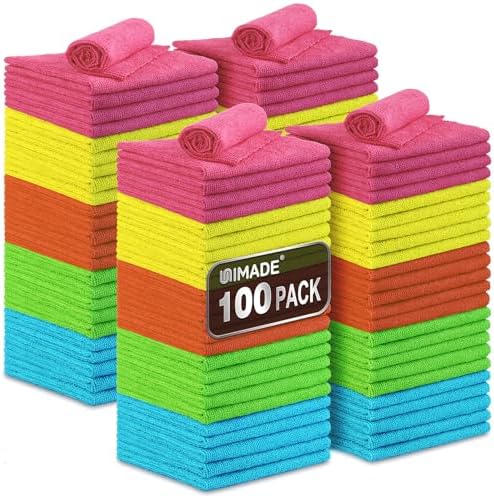
- No Scratching& Lint-Free: Our shop towels rags are luxuriously soft and designed to pamper without a trace. These cleani…
- Powerful Cleaning: Unimade commercial grade shop towels boast exceptional cleaning power, tackling messes with ease. Fro…
- Super Absorbent& Quick Dry: Crafted from premium microfiber, UNIMADE shop towels excel in soaking up oils, liquids, and …
Caring for Your Microfiber Cleaning Cloth
To ensure your cloths remain effective and last for years, proper care is crucial. While durable, they require specific laundering techniques to maintain their unique properties.
First, pre-rinse after use. After each use, especially if the cloth has picked up a lot of debris or cleaning product, give it a good rinse under cool, clean water. This helps remove excess dirt, grease and product residue before washing.
Second, separate microfiber from other fabrics. Its magnetic properties, which make it so good at cleaning, also mean it will attract lint from other fabrics in the washing machine. To prevent your cloths from becoming clogged with lint, wash them separately from cotton towels and other lint-shedding materials.
Third, wash with cool or warm water. Hot water can damage the synthetic fibres over time.
Fourth, avoid fabric softener and bleach. This is perhaps the most critical rule: never use fabric softener or bleach on your cloths. Fabric softener clogs the tiny fibres, diminishing their ability to absorb and trap dirt, and this will significantly reduce the cloth’s effectiveness. Bleach can break down the delicate fibres, shortening the lifespan of your cloths. If your cloths need deodorising, a bit of white vinegar in the wash can help. Avoid detergents with added fabric softeners.
Fifth, use minimal detergent, or none. Microfiber cleans best with minimal or no detergent. If you do use detergent, choose a mild, liquid variety and use only a small amount. Some manufacturers even recommend washing without detergent altogether.
Sixth, tumble dry on low heat or air dry. High heat can melt or damage the synthetic fibres, reducing their effectiveness and potentially making them less soft. Tumble dry on a low heat setting, or even better, air dry your cloths. Never iron microfiber, as this will destroy its surface properties.
Conclusion: Embracing Microfiber for a Cleaner, More Efficient Future
The microfiber cleaning cloth has undeniably revolutionised how we clean. Its unique scientific design, with ultra-fine, split fibres and electrostatic properties, allows it to trap dirt, dust and bacteria more effectively than traditional materials, often with just water. From the fluffy general-purpose cloths that tackle everyday grime to the delicate flat-weave cloths perfect for screens, there is a microfiber solution for almost every cleaning task.
By understanding the different types, choosing high-quality options, and following proper care guidelines, we can maximise the benefits of these durable and reusable cleaning tools. Embracing microfiber not only leads to a cleaner, streak-free shine but also supports a more sustainable approach to household maintenance by reducing the need for harsh chemicals and disposable products. As we move forward, the microfiber cleaning cloth will continue to be an indispensable ally in our pursuit of a cleaner, more efficient, and environmentally conscious living space.
Related guide: how we clean cloth car seats — useful if the cloths are for car seats with stains.
Frequently Asked Questions
Can I use a microfiber cleaning cloth on all surfaces?
Generally, yes. Microfiber is safe for most surfaces, including electronics, glass and automotive finishes, due to its ultra-fine and non-abrasive fibres. Always ensure your cloth is clean and free of embedded debris first.
Do I need to use cleaning solutions with a microfiber cleaning cloth?
Not necessarily. Microfiber cloths are highly effective when used with just water, or even dry for dusting. This is one of their major benefits, as it reduces the need for chemical cleaning solutions. For heavy-duty cleaning or sanitising, you can still use a mild cleaning solution if desired.
How often should I wash my microfiber cloths?
It depends on how frequently you use them and what you are cleaning. For general household cleaning, it is best to wash them after each significant use to maintain their effectiveness and prevent the spread of germs. If simply dusting lightly, you might get a few uses before washing. Wash them separately from lint-shedding fabrics, and avoid fabric softener and bleach.
My microfiber cloths are not as absorbent as they used to be. What happened?
This is a common issue often caused by using fabric softener during washing. Fabric softener clogs the tiny fibres, reducing their ability to absorb and trap particles. High heat drying can also damage the fibres. Ensure you always avoid fabric softener and tumble dry on low or air dry. If a cloth has already been damaged this way, it may not fully recover, and it is better to use it for rougher jobs and replace it for delicate work.
Can microfiber cloths spread germs?
While microfiber is highly effective at picking up bacteria, reducing them by 99 percent compared with conventional cloths, a dirty cloth can still redistribute germs. It is crucial to wash your cloths regularly and thoroughly, especially after cleaning high-germ areas like bathrooms or kitchens, to prevent cross-contamination. Use different colours for different rooms, wash the cloths after heavy use, and let them dry fully before storing them.