Introduction
Imagine this—you’re cruising down the highway, singing along to your favorite playlist, when suddenly your car jolts and sputters to a halt. It’s getting dark, you’re miles from the nearest town, and your phone is dying. Now, if you had a fully-equipped roadside emergency kit in your trunk, this story might end with a safe resolution rather than panic.
A roadside emergency kit is like a first-aid kit for your car. It’s your backup plan when things don’t go as expected. Flat tire? Dead battery? Minor injury? These aren’t just “what-ifs”—they’re likely scenarios that could happen to anyone, anytime. Having the right supplies at hand can mean the difference between a minor inconvenience and a major disaster.
In this guide, we’re diving deep into everything you need to know about building the perfect roadside emergency kit. Whether you’re a daily commuter, weekend adventurer, or a new driver, this guide will arm you with the knowledge and tools to handle the unexpected like a pro.
Let’s unpack what it really means to be road-trip-ready!
Why Every Driver Needs a Roadside Emergency Kit
Let’s not sugarcoat it—cars are machines, and machines fail. And it rarely happens at a convenient time. Ever had a tire blowout on a deserted road? Or a battery die in the middle of a storm? If you haven’t, consider yourself lucky—but don’t press that luck too far without a backup plan.
The truth is, even the most well-maintained vehicles can have a bad day. But here’s the kicker: it’s not just about the car; it’s about you—your safety, your passengers’ well-being, and your peace of mind.
Real-Life Scenarios That Prove the Point
Think about these common situations:
- A family driving through a rural area gets stuck in the snow—no cell service, no help nearby.
- A solo driver gets a flat tire at midnight on a lonely stretch of highway.
- A storm knocks out road access, stranding travelers in their vehicles for hours or days.
Now picture those same people, but with a comprehensive emergency kit: food, water, blankets, a flashlight, and a phone charger. Suddenly, the scenario is a lot less terrifying.
It’s More Than Just Safety—It’s Sanity
Imagine being able to jumpstart your own battery instead of waiting hours for a tow. Or treating a small injury without a pharmacy nearby. Having a roadside emergency kit is like giving yourself superpowers in situations that otherwise leave people helpless.
So ask yourself—why gamble with your safety when being prepared is so easy?
Essential Components of a Roadside Emergency Kit
Let’s get to the good stuff—what exactly should be in your roadside emergency kit? Think of it in layers: first safety, then health, then mechanical support. Each item plays a unique role and can make a major difference when you’re in a bind.
Basic Safety Gear
Your first priority in any roadside emergency is safety—both yours and that of other drivers. You need to be visible and protected, especially at night or in poor weather conditions.
Must-haves include:
- Reflective triangles or cones: Place them behind your vehicle to alert oncoming traffic.
- High-visibility safety vest: Helps ensure you’re seen if you need to step outside the vehicle.
- LED flares or road flares: Especially useful in foggy or nighttime conditions.
Why is this crucial? Imagine changing a tire in the dark—do you really want cars speeding past without knowing you’re there? A simple triangle could be your lifeline.
First Aid Supplies
Accidents happen—minor scrapes, burns, or even allergic reactions while on the road. A solid first aid kit is non-negotiable.
Your kit should include:
- Adhesive bandages (multiple sizes), View at Amazon
- Gauze and medical tape, View at Amazon
- Antiseptic wipes and ointment, View at Amazon
- Pain relievers (ibuprofen, aspirin), View at Amazon
- Tweezers and scissors, View at Amazon
- Instant cold packs, View at Amazon
- Gloves (nitrile or latex), View at Amazon
- CPR face shield, View at Amazon
- Emergency blanket, View at Amazon
Customize it based on your family’s specific needs. Got kids with allergies? Include antihistamines or EpiPens.
Car Repair Tools
Now for the gear that keeps your car moving. You don’t need to be a mechanic to use these tools—just a little know-how and confidence.
Must-have tools:
- Jumper cables (preferably at least 12 ft.), View at Amazon
- Tire inflator or air compressor, View at Amazon
- Tire pressure gauge, View at Amazon
- Multi-tool or Swiss Army knife, View at Amazon
- Duct tape (yes, it really can fix almost anything), View at Amazon
- Flashlight with extra batteries, View at Amazon
- Tow rope or strap, View at Amazon
- Work gloves, View at Amazon
- Basic socket or wrench set, View at Amazon
Imagine being stuck with a flat and realizing your spare tire is usable—but you forgot the jack or wrench. Don’t be that person.
You can either buy a ready-to-go car tool kit or assemble one tailored to your car’s make and model. Either way, these are non-negotiable essentials for any driver.
Seasonal Additions to Your Emergency Kit
The contents of your kit shouldn’t be static—just like your wardrobe changes with the seasons, your emergency kit should evolve too. Weather plays a huge role in how dangerous a breakdown can be.
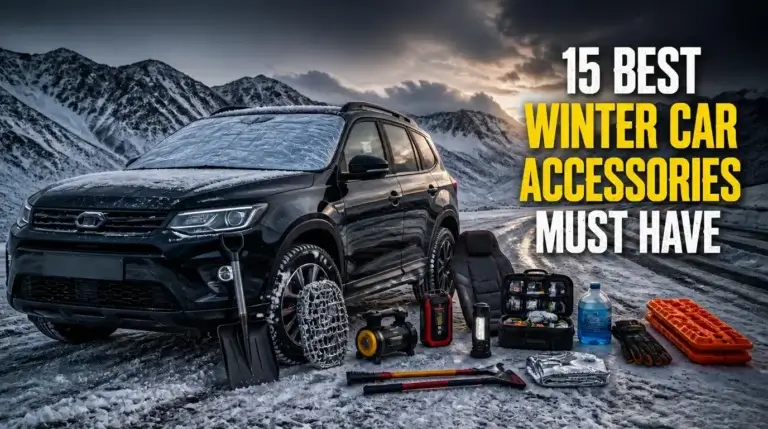
Winter Essentials
Winter adds a whole new level of risk. Low visibility, freezing temps, and icy roads can turn a minor issue into a crisis.
What to include for winter:
- Thermal blankets or space blankets
- Ice scraper and snow brush
- Collapsible shovel
- Sand or cat litter (for traction on icy roads)
- Hand warmers
- Extra warm gloves, hat, socks
- Windshield washer fluid rated for low temps
- Anti-freeze
One item you might not think of? A candle in a tin can. Light it inside the car for a tiny bit of warmth while you wait for help—yes, it works!
Summer Essentials
In summer, heatstroke and dehydration are real threats. Being stuck under the blazing sun with no AC can be deadly.
Summer must-haves:
- Extra bottled water (store in a cooler or insulated container)
- Sunscreen
- Cooling towels or misting fans
- Wide-brim hat
- Electrolyte powder packets
- UV-blocking window shades
The goal is to protect yourself not just from mechanical issues, but from Mother Nature herself.
High-Tech Gadgets Worth Including
We live in the age of convenience, so why not use a bit of tech to enhance your emergency readiness?
Gadgets to seriously consider:
- Portable car jump starter (with built-in air compressor and power bank)
- GPS tracker or personal locator beacon
- Battery-powered or solar phone charger
- OBD2 scanner to diagnose vehicle issues
- Bluetooth tire pressure monitors
- Emergency radio with NOAA weather alerts
These aren’t gimmicks—they’re game-changers. Imagine being able to jumpstart your car, inflate your tire, and charge your phone—all without another human in sight.
Food and Water Storage Tips
Ever been stuck in traffic for hours? Now, picture that—but in the middle of nowhere, with no gas station or diner for miles. That’s why storing food and water in your roadside emergency kit isn’t just smart—it’s essential.
Water Storage Tips
Let’s start with the lifeblood of survival—water. On average, a person needs about one gallon of water per day for drinking and minimal hygiene. But of course, you’re not prepping for a zombie apocalypse here. For short-term roadside emergencies, 1–2 liters per person should be your minimum.
Smart storage options:
- Factory-sealed water bottles: Simple, affordable, and available everywhere. Keep at least 4 in your kit.
- Water pouches: These are vacuum-sealed, have a longer shelf life (5+ years), and are easier to stash in small spaces.
- Collapsible water containers: Great for longer trips or families, and they save trunk space when empty.
Avoid: Storing water in soft plastic bottles long-term. Heat can degrade plastic and leach chemicals into the water—especially if your car is baking in summer sun.
Food Storage Tips
When it comes to food, you’re looking for non-perishable, high-calorie snacks that are compact and won’t spoil easily.
Top food options for emergency kits:
- Energy bars (especially ones with protein)
- Trail mix (without chocolate if you live in a hot climate)
- Jerky (beef, turkey, vegan options)
- Dried fruit
- Nuts and seeds
- Ready-to-eat canned foods with pull tabs (tuna, beans, soup)
Bonus tip: Keep a manual can opener in your kit if you include canned goods without easy-open lids.
Also consider special needs:
- Kids? Add some juice boxes or soft granola bars.
- Dietary restrictions? Choose gluten-free, vegan, or allergen-free snacks accordingly.
Don’t forget to check and rotate these items every 6–12 months to ensure freshness and safety.
Storage Solutions for Your Emergency Kit
Now that we’ve listed all these must-haves, here comes the million-dollar question: Where do you keep it all?
The last thing you want during a roadside emergency is to fumble through a messy trunk full of groceries, gym bags, and soccer balls. Your emergency kit needs to be organized, accessible, and durable.
Trunk Organizers
These are game changers. Choose one with adjustable compartments and secure fasteners to avoid your gear flying around the trunk.
Top features to look for:
- Waterproof base
- Reflective strips (for visibility)
- Hook-and-loop fasteners (to prevent sliding)
- Collapsible design for flexibility
Some even come with built-in cooler compartments—perfect for storing water or snacks.
Backpacks or Duffle Bags
These are great if you want a grab-and-go option. If your car becomes unsafe (think flood, fire, or accident), you can sling your emergency kit over your shoulder and get out fast.
Choose a heavy-duty, waterproof backpack and organize smaller items into zipper pouches.
Plastic Storage Bins
For more permanent trunk storage, plastic bins with snap-on lids are perfect. They’re:
- Stackable
- Waterproof
- Pest-resistant
- Easy to clean
Label different bins for categories: “Medical,” “Tools,” “Food/Water,” etc. That way, when you’re stressed out, you’ll still be able to find what you need fast.
Under-Seat Storage
Got a truck or SUV? Use that under-seat space for smaller essentials like your first-aid kit or a flashlight. It keeps them easy to reach without unloading the trunk.
Bottom line? No matter how great your kit is, it’s only useful if you can actually find and reach what you need—quickly.
DIY vs. Pre-Made Emergency Kits
So should you build your own emergency kit or buy one off the shelf? Like most things in life—it depends. Let’s break down the pros and cons of each.
DIY Emergency Kits
Building your own kit means complete customization. You choose the quality, the brands, and the specific items that suit your needs. Got young kids? Add diapers and toys. Drive a hybrid car? Include a special jumper pack. The possibilities are endless.
Pros:
- Tailored to your car, climate, and passengers
- Often higher quality individual items
- You know exactly what’s in your kit
Cons:
- Takes time to research and assemble
- Can cost more up front
- Easy to forget something essential
DIY is great if you’re detail-oriented, budget-flexible, and like being hands-on. It’s the best route for people who drive often or travel in extreme conditions.
Pre-Made Emergency Kits
These kits are sold by brands like AAA, Lifeline, and Ready America, and can be found at retailers like Amazon, Walmart, or auto parts stores.
Pros:
- Convenient and fast
- Usually cheaper as a bundled set
- Pre-vetted by safety organizations
Cons:
- “One-size-fits-all” approach
- May contain low-quality or unnecessary items
- Usually lacks customization for local climates or personal needs
If you go this route, do your homework. Read reviews, check the expiration dates when it arrives, and consider supplementing the kit with a few personal additions (like extra food or tools).
Pro tip: Even if you buy a pre-made kit, spend time familiarizing yourself with everything inside. What good is a multi-tool if you don’t know how to use it?
How to Maintain and Update Your Emergency Kit
Here’s the part most people overlook: your emergency kit isn’t a “set it and forget it” thing. It needs maintenance. Supplies expire. Batteries die. Items get used or damaged. Keeping your kit updated is as important as building it in the first place.
Routine Maintenance Checklist
Create a calendar reminder to check your kit at least twice a year—once in the spring, and once before winter. Here’s what to do:
- Check expiration dates on food, water, medications, and batteries.
- Test gear like flashlights, jump starters, and air compressors.
- Replace used items (bandages, gloves, pain meds).
- Switch seasonal items (winter gear out in spring, summer gear in).
- Inspect tools for rust, wear, or damage.
- Recharge power banks and emergency radios.
Track What You Use
If you ever dip into your emergency kit—even for something small like a band-aid or snack—make a note to replace it immediately. Don’t wait until you’re packing for a road trip and realize your kit is half empty.
Label and Log Your Kit
Keep an inventory sheet in a plastic sleeve inside the kit. List every item and its expiration date. It makes restocking a breeze and helps in case you’re not the one using it (like your spouse or teenage driver).
Where to Store Your Emergency Kit in the Car
You’ve assembled the perfect emergency kit—but where do you put it? This isn’t just about convenience; it’s about strategy. In a real roadside emergency, time and access matter.
Trunk or Cargo Area
This is the most common location and ideal for:
- Large storage bins
- Seasonal gear
- Extra food and water
Make sure everything is secure and doesn’t roll around—especially tools and glass bottles.
Glove Compartment
Perfect for:
- Flashlight
- First aid kit (smaller version)
- Emergency contacts
- Registration and insurance docs
It’s easy to reach and ideal for smaller items you may need fast.
Under the Seats
Great for flat kits or backpacks. Consider storing:
- Flares
- Tarp or poncho
- Thermal blanket
Out of sight, but still accessible in a hurry.
Backseat Pockets or Side Compartments
Good for maps, granola bars, or multi-tools. If you have kids, stash age-appropriate supplies where they can reach them too.
Avoid These Mistakes:
- Don’t pile stuff on top of your kit—it makes it useless in a hurry.
- Don’t bury essential items under luggage or groceries.
- Don’t store heat-sensitive items like batteries or medicines in direct sunlight areas.
Your goal? Make it easy to get to what you need when you need it—without digging, lifting, or panicking.
Teaching Your Family About the Kit
Having an emergency kit in the car is a great first step—but what happens if you’re not there when trouble strikes? Would your spouse, teenager, or even a friend borrowing your car know how to use everything? That’s where family education comes in.
Why Everyone in the Car Should Know the Kit
Emergencies don’t send invites. If your partner or teen is driving solo and something goes wrong, they shouldn’t be fumbling through an unfamiliar bag or calling you in a panic. Empowering everyone who uses your car to understand the kit can save lives.
Here’s what every driver in your household should know:
- What’s in the kit and where it’s stored
- How to use essential items like jumper cables, tire inflators, or first-aid gear
- Who to call in different emergency scenarios (breakdowns, injuries, etc.)
Making It a Family Activity
Instead of a boring lecture, make it hands-on:
- Lay out the kit on the garage floor
- Explain what each item does
- Role-play scenarios (like “pretend we have a flat tire”)
- Let your teen practice using a tire gauge or jump starter
This isn’t just practical—it’s empowering. Your kids will feel more capable, and your partner will be more confident behind the wheel.
Emergency Contact Cards
Create small laminated cards with:
- Family phone numbers
- Roadside assistance numbers
- Medical allergies
- Insurance details
Tuck one inside the glove box and another inside the emergency kit. It’s especially helpful if your phone dies or you’re helping someone else.
Remember: a tool is only useful if someone knows how to use it. Your emergency kit is no different.
Budget-Friendly Emergency Kit Ideas
Worried about the cost of building a top-notch kit? Good news—you can still build an effective, life-saving roadside emergency kit without blowing your budget. The trick is smart shopping and prioritizing the essentials.
Build a Kit for Under $50
Yes, it’s totally doable. Here’s an example budget setup:
| Item | Estimated Cost |
|---|---|
| Jumper cables | $12 |
| Basic first aid kit | $10 |
| Reflective triangle | $5 |
| Flashlight + batteries | $8 |
| Multi-tool | $5 |
| Bottled water (4-pack) | $3 |
| Granola bars (box) | $3 |
| Emergency blanket (2-pack) | $4 |
Total: ~$50
You don’t need all the fancy gadgets right away. Start with the basics and upgrade over time.
Where to Find Deals
- Dollar stores for basics like bandages, batteries, water, and snacks
- Thrift shops for backpacks or duffel bags
- Online marketplaces like Amazon or eBay for discounted emergency gear
- Local garage sales or Facebook Marketplace for tools and storage bins
DIY Hacks
Sometimes, the best tools are already in your home:
- Old flashlight? Toss it in (just check batteries).
- Extra water bottles? Add them now.
- Extra phone charging cable? Keep one in the glove box.
If your budget’s tight, think of it like this: every item you add to your kit is one step closer to peace of mind. Build slowly, but consistently.
What NOT to Include in Your Kit
Sometimes, less is more—especially when it comes to emergency kits. Packing the wrong items can actually take up precious space, add weight, or even pose safety risks.
Common Mistakes to Avoid
- Old or expired food and medicine
That granola bar from 2018? Trash it. Moldy food or outdated meds are not only useless but could make you sick. - Loose batteries
Unsecured batteries can leak or discharge over time. Always store them in original packaging or a battery case. - Flammable items (in hot climates)
Avoid aerosol cans or high-alcohol content hand sanitizers if you live in a hot region—they can expand or even explode in extreme heat. - Weapons or self-defense tools (in some states)
Items like pepper spray, batons, or knives may be illegal in certain areas. Always check your local laws. - Overly bulky or heavy tools
While having a wrench is great, carrying a full mechanic’s toolbox isn’t practical. Focus on compact, multipurpose items. - Too many duplicates
You don’t need five flashlights or three multi-tools. Keep it efficient and avoid clutter.
The Key Is Balance
Your emergency kit should be compact, complete, and clutter-free. The goal isn’t to carry everything—it’s to carry the right things. When in doubt, ask: Will I actually use this in a real emergency?
Legal Considerations
Did you know that carrying certain items in your emergency kit could get you in legal trouble—depending on where you live? It’s rare, but it happens. Staying informed about local laws and regulations is an essential (and often overlooked) step.
Flares and Fire Hazards
- Road flares are great for visibility but can be considered a fire hazard in dry regions like California or Arizona.
- In some areas, flares may be prohibited or restricted—opt for LED versions instead.
Knives and Tools
- Pocket knives or multi-tools are usually allowed, but some states have restrictions on blade length or locking mechanisms.
- If your kit includes tools that could be considered “weapons” (e.g., crowbars, pry bars), it’s best to keep them stored in a clear emergency context—like in a labeled bin.
Medications
- Carrying prescription meds without a label can be problematic. Always store them in original bottles, especially if they’re strong painkillers or controlled substances.
First Aid Kits
- Some countries (like Germany) require specific medical supplies by law. If you’re traveling internationally, look into the legal requirements for emergency kits in your destination country.
Pro Tip: If you travel across state lines often, pack a kit that complies with the strictest laws among those states. Better safe than sorry.
Conclusion
So there you have it—your ultimate roadmap to building a smart, effective roadside emergency kit. Whether you’re facing a flat tire on a backroad, a dead battery during a storm, or an unexpected medical issue on the highway, your kit becomes your lifeline.
It’s more than just tools and bandages—it’s peace of mind packed in a bag. Start with the essentials, tailor it to your climate and lifestyle, and don’t forget to teach your family how to use it. And remember, the best emergency kit is the one that’s ready when you need it most.
You don’t need to spend a fortune or be a survival expert. Just take the first step—and then keep building. Your future self will thank you.
FAQs
1. How often should I check my emergency kit?
You should inspect and update your kit at least twice a year—preferably in the spring and fall—to rotate seasonal gear and replace expired items.
2. Can I store my emergency kit in the trunk all year round?
Yes, but be mindful of extreme temperatures. Certain items like batteries, food, or medications may need to be stored in a temperature-controlled environment or rotated frequently.
3. Is it okay to build multiple kits for different cars?
Absolutely! If you have more than one vehicle, each one should have its own emergency kit tailored to the type of travel it’s used for.
4. Are pre-made emergency kits worth it?
They can be a great starting point, especially if you’re short on time. Just be sure to supplement them with personal items or higher-quality tools if needed.
5. What’s the best way to teach kids about the kit?
Turn it into a fun and interactive learning experience. Show them each item, explain what it does, and even role-play simple scenarios like calling for help or applying a bandage.