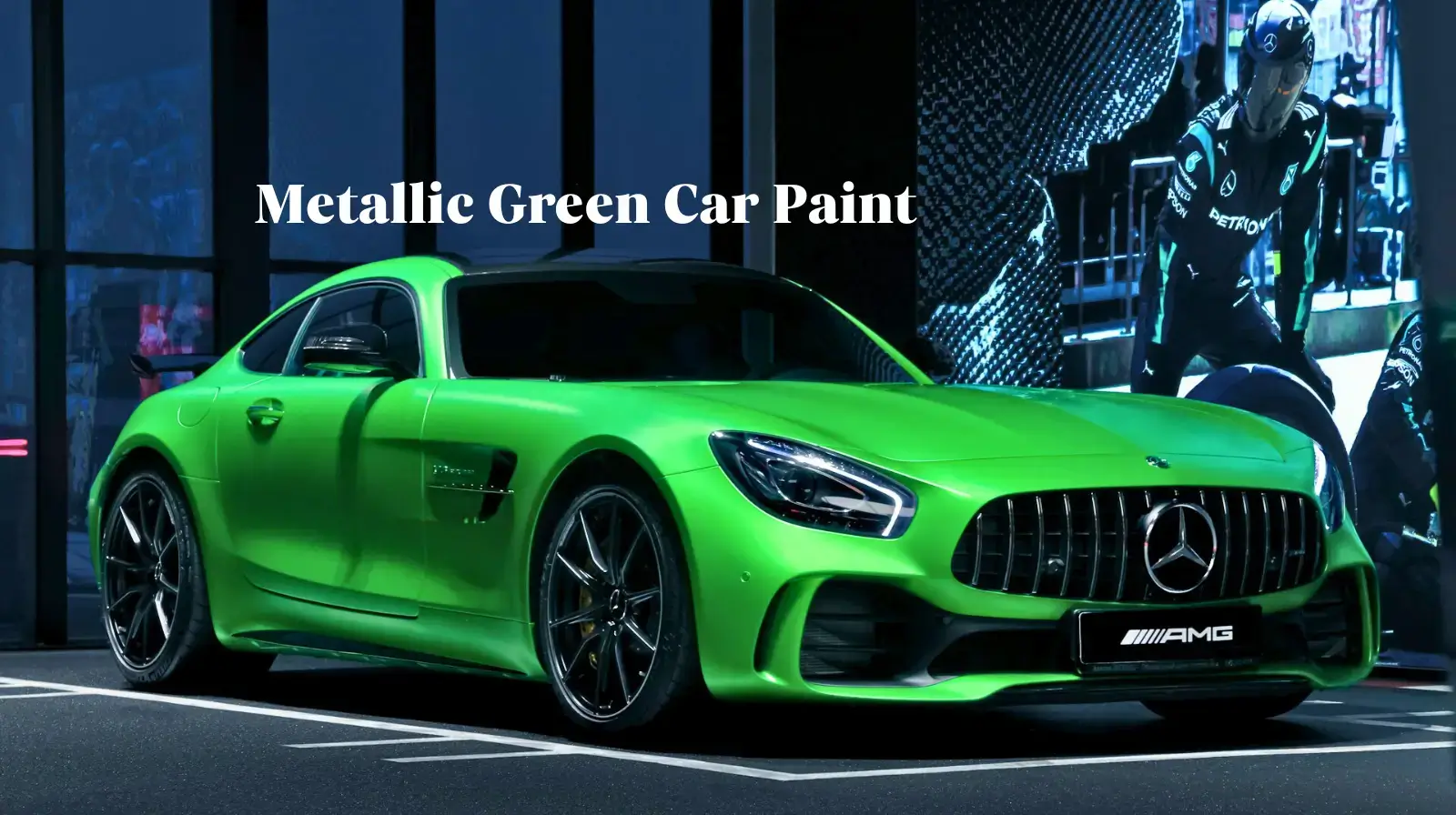
Introduction to Metallic Green Car Paint
If you’ve ever spotted a car gleaming in a rich, shimmering green that seems to change under the sunlight, you’ve likely witnessed the stunning appeal of metallic green car paint. This shade isn’t just about color it’s about depth, personality, and a luxurious touch that turns any vehicle into a statement piece. Metallic paints have long been admired for their ability to add a 3D-like sparkle to the bodywork, but metallic green? It’s where boldness meets elegance.
Over the past decade, automotive trends have seen a revival of expressive and daring hues. Drivers are no longer content with standard blacks, whites, and silvers. They want something that reflects their individuality and metallic green does just that. Whether it’s a forest green SUV or a lime-toned sports car, this paint option adds vibrancy and sophistication in equal measure.
The popularity of metallic finishes has surged, not only among luxury car owners but also among everyday drivers looking to upgrade their ride. Car manufacturers like BMW, Aston Martin, and Ford have embraced metallic green shades in their latest models, giving consumers access to eye-catching elegance straight from the factory.
The Rise of Metallic Finishes in the Automotive World
Metallic finishes first gained attention in the 1950s and 1960s, an era when car culture exploded and design innovation thrived. During this time, metallic pigments—made from fine aluminum flakes—were introduced to create a shimmering effect that reacted beautifully with sunlight. This unique finish soon became synonymous with luxury and modernity.
As automotive technology advanced, so did paint chemistry. Manufacturers developed formulas that made metallic finishes more durable, weather-resistant, and environmentally friendly. The once-exclusive metallic look became more accessible, allowing all car owners to enjoy that coveted glossy sheen.
Today, metallic paints dominate the premium vehicle segment. They add depth and richness to the surface, enhancing a car’s lines and contours. With advances in color-matching and computerized paint mixing, metallic shades like emerald, moss, and olive green have become more precise, consistent, and breathtaking than ever.
Why Green is Making a Comeback in Car Design
Green might once have been considered an unconventional car color, but times are changing fast. Today’s car enthusiasts are rediscovering its natural charm and association with freshness, energy, and sustainability. In fact, many luxury automakers are reintroducing various shades of green in their newest models—signifying not just style, but also a shift toward eco-conscious aesthetics.
Psychologically, green is linked to balance, renewal, and harmony—qualities that resonate deeply with modern consumers who crave connection with nature. In car design, metallic green captures that essence perfectly. It offers a futuristic vibe while retaining an organic, grounded appearance.
Moreover, green cars tend to stand out in a sea of black, white, and gray vehicles. They communicate confidence and uniqueness. Whether it’s a muted olive finish or a bright metallic lime, each tone tells a story. For car enthusiasts and collectors, owning a metallic green car is about celebrating individuality and sophistication in one polished package.
Understanding Metallic Paint
Before diving into the specifics of metallic green, it’s important to understand what makes metallic paint so special. Unlike traditional solid paints, metallic paint contains microscopic metal flakes—typically aluminum—that reflect light, creating a sparkling, mirror-like effect. This gives the car a sense of motion and dimension, even when standing still.
When viewed under different lighting conditions, metallic paint changes slightly in hue and brightness. That’s what gives it such visual appeal. It’s also why photographers love capturing metallic finishes—they play beautifully with light and shadow.

- Multi-Colored Pearl Particles that Dance in the Sun in this Dark Forest Green – Flake/Pearl Particle Size 10-65 Microns
- Catalyzed 2-Component Urethane Automotive Spray Paint for Unsurpassed Durability
- Highly Resistant to Ultra-Violet Rays, Chemicals and Paint Chips
What Makes Metallic Paint Different from Regular Paint?
The primary distinction between metallic and regular (solid) paint lies in their composition. Regular paint uses pigment particles that absorb and reflect light evenly, creating a flat, uniform color. Metallic paint, however, includes fine flakes that scatter light, producing a brilliant sparkle and a more dynamic appearance.
This added complexity makes metallic paint both desirable and challenging. It offers greater depth but can be trickier to apply evenly. Achieving a flawless metallic finish requires skill, proper lighting, and the right number of base and clear coats.
While standard paints can look dull over time, metallic finishes tend to maintain their luster longer—especially when cared for properly. The reflective metal particles act as a protective barrier, reducing the visible effects of small scratches and imperfections.
The Science Behind the Sparkle
At a microscopic level, metallic paint is a fascinating blend of chemistry and optics. The metallic flakes embedded in the paint are coated with layers that control reflectivity and orientation. When applied evenly, these flakes align parallel to the car’s surface, reflecting light consistently and producing that signature “metallic glow.”
Different metals and pigments can alter the final effect. For instance, aluminum flakes provide a bright, silvery reflection, while bronze or copper flakes add warmth. In metallic green paint, these flakes interact with the base color to produce anything from a cool, modern emerald to a warm, earthy moss tone.
The clear coat on top not only seals the paint but also enhances depth and gloss, giving the finish a “wet look” that seems almost liquid in motion.
Common Metallic Paint Types
There are several variations of metallic paint available, depending on the desired look and budget:
- Standard Metallic Paint: Contains fine metallic flakes and offers a smooth, consistent shimmer.
- Pearlescent (Mica) Paint: Uses mica particles instead of metal, giving a soft, iridescent glow with color-shifting effects.
- Flake or Glitter Paint: Uses larger metal flakes for a dramatic sparkle, often used in custom show cars.
- Tri-Coat Metallic Paint: A premium finish combining multiple color layers for maximum depth and richness.
Each type offers a unique finish, but metallic green in any of these styles exudes sophistication and individuality, making it a favorite among car enthusiasts and collectors alike.
The Beauty of Metallic Green Car Paint
Metallic green car paint is one of those colors that never fails to turn heads. It exudes luxury, boldness, and character all at once. Unlike plain greens, the metallic finish adds layers of depth and dimension. When sunlight hits it, the car seems to transform, shimmering with subtle silver or gold undertones depending on the blend.
The magic lies in how the metallic particles reflect and scatter light. A car painted in metallic green doesn’t just look green—it glows. Under daylight, it appears vibrant and dynamic, while at night or under artificial lights, it takes on a mysterious, darker tone. This versatility is one reason why the color is so admired in the automotive community.
For drivers who value exclusivity, metallic green offers the perfect balance between flashy and sophisticated. It’s not as aggressive as bright red or as neutral as silver—it’s right in between. That sweet spot makes it suitable for both sports cars and elegant sedans. Whether you’re customizing a vintage Mustang or a modern BMW, metallic green adds personality and prestige.
Shades and Variations of Metallic Green
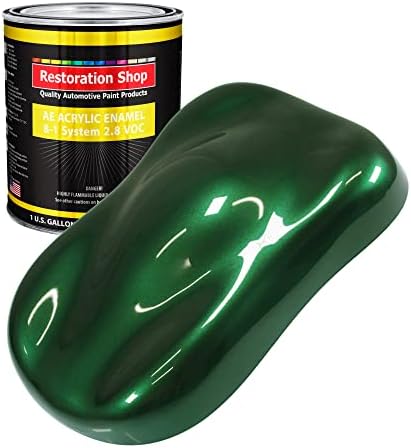

One of the most appealing aspects of metallic green is the wide range of shades available. Green isn’t a one-size-fits-all color—it’s a spectrum of hues that evoke different emotions and aesthetics.
From Emerald to Lime – Exploring the Palette
- Emerald Metallic Green: Deep, luxurious, and sophisticated. Often seen on luxury cars like Aston Martins or Jaguars. Perfect for those who want a royal and timeless look.
- Olive Metallic Green: A muted, earthy tone with a military-inspired edge. Popular among SUV owners and off-road enthusiasts who prefer a rugged yet classy finish.
- Lime Metallic Green: Bright, energetic, and youthful. It stands out in any crowd and is often used for sports cars or custom builds.
- Forest Metallic Green: A dark, moody tone with subtle reflections. Ideal for those who prefer understated elegance.
- Mint Metallic Green: A light, pastel-inspired tone with a soft shimmer. Great for compact cars or modern electric vehicles seeking a futuristic vibe.
Each shade tells a story. Emerald speaks of prestige, lime screams confidence, and olive whispers adventure. Choosing the right one depends on your personality, your vehicle type, and the statement you want to make on the road.
Custom Blends and Unique Finishes
For those seeking something truly distinctive, custom metallic green blends are the way to go. Painters can mix metallic flakes with pearls or tinted clear coats to create a one-of-a-kind hue. For example, a “chameleon” metallic green might shift between green, gold, and blue depending on the viewing angle—a mesmerizing effect that feels alive.
Some enthusiasts even experiment with dual-tone finishes, pairing metallic green with black or silver highlights to accentuate body lines. Professional detailers use layering techniques to give the paint extra depth and richness.
When done correctly, a custom metallic green job becomes more than just a paint color—it’s a piece of art.
Pros and Cons of Metallic Green Car Paint
Like any aesthetic choice, metallic green car paint comes with both advantages and drawbacks. Understanding these can help you make a confident, informed decision before painting or buying a metallic-finished vehicle.
Advantages of Metallic Finishes
Metallic paints are not just beautiful—they’re practical in many ways. The reflective flakes in the paint enhance light diffusion, making small scratches or dirt less visible. This can help your car look cleaner and newer for longer.
They also add a sense of dimension that flat paints simply can’t replicate. Metallic finishes emphasize a car’s curves, edges, and lines, creating a striking visual impact. For automakers, it’s a way to highlight design craftsmanship; for owners, it’s a way to express individuality.
Additionally, metallic paints are generally more resistant to fading under UV exposure due to their reflective properties. The metal flakes act as a protective layer against sun damage, meaning your metallic green will maintain its vibrancy for years if properly maintained.
Durability, Shine, and Style
Metallic green car paint is synonymous with luxury. The way it plays with light adds sophistication to any car model. Whether you’re driving a modest sedan or a high-performance coupe, the finish instantly elevates its appearance.
Durability is another strong point. Most modern metallic paints use advanced formulations that resist corrosion, chipping, and environmental damage. Paired with a quality clear coat, it can handle harsh weather and road conditions while retaining its glossy sheen.
And let’s not forget style—metallic green stands out from the crowd without screaming for attention. It’s elegant yet bold, a perfect combination for drivers who want something special but not overly flashy.
Potential Drawbacks to Consider
While metallic green paint has undeniable appeal, it’s not without challenges. For one, repairs and touch-ups can be tricky. Matching the metallic flake orientation and color intensity requires professional expertise—DIY patch jobs often stand out awkwardly.
Metallic finishes are also slightly more expensive than standard paints, both for initial application and maintenance. The paint itself costs more due to the metallic pigments and multi-layer process involved.
Washing and polishing need to be done carefully to avoid micro-scratches that can dull the reflective finish. Using harsh cleaning products can strip the protective clear coat, causing the paint to lose its sparkle.
Despite these drawbacks, most enthusiasts agree that the stunning, luminous results are well worth the investment.
Choosing the Perfect Shade of Metallic Green

- 1 Quart Restoration Shop Urethane Basecoat Color Only. No urethane reducer is included with this quart of paint color, b…
- UB paint color has a 2 to 1 mixing ratio when it’s used with along with urethane reducer. The required pint of urethane …
- The Restoration Shop (UB) Urethane Basecoat and Premium Clearcoat System is a State-of-the-Art High-Performance Professi…

- Complete 1 Gallon Restoration Shop Urethane Basecoat with Clearcoat Auto Paint Kit with Medium Drying Reducer (Used when…
- UB Paint Kit includes 1 Gallon of UB Urethane Basecoat Paint Color, 1 Gallon of UR70 Medium Urethane Reducer, 1 Gallon o…
- The Restoration Shop (UB) Urethane Basecoat and Premium Clearcoat System is a State-of-the-Art High-Performance Professi…
Choosing the right shade of metallic green isn’t as simple as picking your favorite color. The shade you select should complement your car’s design, your personality, and even your lifestyle.
Factors to Consider – Car Type, Brand, and Personality
Each car model has its own personality. A metallic lime green might look incredible on a sporty Ford Mustang, but it might not suit a luxury sedan like a Mercedes-Benz S-Class. Similarly, a deep emerald green works beautifully on larger vehicles like SUVs, where it emphasizes power and refinement.
Your own personality also plays a role. Are you bold, adventurous, and energetic? Then a brighter metallic green will reflect that. Prefer sophistication and subtlety? A darker or muted green will be more fitting.
Some brands even have signature shades. For example, Lamborghini’s “Verde Ithaca” is an iconic metallic green associated with performance and style. Aston Martin’s “British Racing Green” remains a timeless choice rooted in heritage and prestige.
Matching Paint to Car Shape and Lighting
Not all metallic greens look the same under every condition. Car shape and lighting can drastically affect how the color appears. For instance, curved body panels amplify reflections, while flat surfaces showcase color depth.
If your car has aggressive lines or sculpted features, a lighter metallic green with fine flakes can accentuate those contours. Conversely, darker metallics look better on smoother, larger panels, creating a luxurious mirror-like effect.
Before committing, always view paint samples in different lighting—sunlight, shade, and under street lamps. What looks stunning indoors might appear too bright or too dull outside.
Inspiration from Luxury and Sports Cars
Many of the world’s most prestigious carmakers have embraced metallic green as a defining color. Some examples include:
- Aston Martin DB11 – Emerald Metallic: Refined and classic.
- Porsche 911 – Aventurine Green Metallic: Modern and sleek with a subtle silver undertone.
- Lamborghini Huracán – Verde Metallic: Bold and sporty with a futuristic vibe.
- Range Rover Velar – Olive Metallic: Earthy, balanced, and elegant.
These examples demonstrate how versatile metallic green can be—it adapts effortlessly to both elegance and performance.
Application Process of Metallic Green Car Paint
Applying metallic green paint is a meticulous art that requires precision, patience, and experience. The finish is only as good as the preparation and technique behind it.
Preparing the Surface for a Flawless Finish
Preparation is key. The car surface must be perfectly clean and smooth before any paint is applied. Any dirt, grease, or imperfections will ruin the final result. Professionals typically follow these steps:
- Sanding: Removes the old paint and smooths out surface flaws.
- Cleaning: Degreases and clears contaminants.
- Priming: Ensures the new paint adheres properly and prevents corrosion.
For metallic finishes, the primer color also affects the final shade. A gray or black primer gives the green a deeper tone, while a white primer can make it brighter and more reflective.
Spraying Techniques and Professional Tips
The spraying technique determines how evenly the metallic flakes distribute across the surface. If sprayed inconsistently, you may end up with streaks or “tiger stripes.” Professionals use a cross-coat method—spraying horizontally and then vertically—to ensure uniform coverage.
Air pressure, spray distance, and temperature all play crucial roles. The goal is to have the metallic flakes lay flat and evenly within the paint layer. After the base coat dries, multiple layers of clear coat are applied to protect the paint and enhance the gloss.
Clear Coating and Polishing
The clear coat acts as both protection and polish. It shields the metallic flakes from oxidation, UV rays, and scratches. Once cured, it’s polished to a glass-like finish, creating that signature “showroom shine.”
A well-applied metallic green paint job should look deep enough to feel like you could dive into it—a visual richness that comes only from skill, precision, and high-quality materials.
Maintenance Tips for Metallic Green Cars
Owning a metallic green car means you’re driving a piece of art—and like any masterpiece, it requires proper care to maintain its brilliance. Metallic paints are more delicate than standard finishes, primarily due to the metal flakes and clear coat layers that give them their depth. Regular maintenance not only preserves that shimmering look but also protects your investment in the long run.
Washing and Waxing for Longevity
The first rule of caring for metallic paint is gentle cleaning. Harsh methods or abrasive brushes can easily scratch the clear coat, dulling the reflective surface. Instead, use the two-bucket method: one for soapy water and another for rinsing your wash mitt. This prevents dirt particles from scratching the paint.
Choose a pH-balanced car shampoo specifically formulated for high-gloss finishes. Avoid dish soap—it strips protective wax and reduces shine. Once the wash is complete, dry your vehicle using a microfiber towel or air blower to prevent water spots.
Waxing is equally important. A high-quality wax or sealant adds a protective layer that enhances gloss while guarding against UV rays, road salt, and pollutants. For metallic green cars, opt for synthetic polymer sealants—they offer longer-lasting protection and make the metallic particles appear more vivid.
Experts recommend waxing every 2–3 months or using ceramic coatings for more durable, year-round protection.
Protecting the Paint from Sun and Scratches
UV rays are a major enemy of car paint, and while metallic finishes resist fading better than flat paints, prolonged exposure can still dull their luster. Whenever possible, park in shaded areas or use a car cover to shield your vehicle from the sun.
Avoid automatic car washes with spinning brushes—they can cause micro-swirls that scatter light unevenly across the surface. Hand washing, though time-consuming, is the safest way to maintain that glassy finish.
Also, invest in paint protection film (PPF) for high-impact areas like the hood, bumper, and mirrors. This invisible shield absorbs scratches and chips, ensuring your metallic green finish stays pristine for years.
DIY Touch-Ups vs. Professional Detailing
For minor blemishes or chips, DIY touch-up kits can be useful. However, matching metallic green paint precisely is challenging due to the metal flakes. Even a slight variation in flake orientation can make the repaired area stand out.
For larger or more noticeable damage, always consult a professional. Expert detailers use color-matching technology and spray techniques to blend new paint seamlessly with the original finish. They also offer polishing, clay-bar treatments, and ceramic coatings that revive faded or oxidized paint.
A well-maintained metallic green car can retain its showroom sparkle for years—and even boost resale value compared to neglected finishes.
Cost and Value of Metallic Green Car Paint
The price of beauty doesn’t come cheap, and metallic green paint is no exception. Its cost reflects both the materials and the meticulous labor required to achieve a flawless, reflective finish.
Average Cost Ranges
On average, a professional metallic car paint job can cost between $2,000 and $5,000, depending on the type of paint, car size, and quality of materials used. Premium tri-coat or custom metallic blends can exceed $10,000, especially for luxury or exotic cars.
If you’re buying a new car with a factory metallic finish, expect to pay an additional $500–$1,500 as a color upgrade. High-end brands like Mercedes-Benz, Aston Martin, and Porsche often offer metallic green as part of their premium paint collections.
How Paint Quality Affects Car Value
While metallic green paint adds upfront costs, it can actually increase the car’s resale value. Buyers tend to associate metallic finishes with better quality and luxury appeal. Vehicles with well-maintained metallic paint often fetch higher prices in the used car market.
However, poor maintenance or visible scratches can have the opposite effect. Since metallic paint repairs are complex, potential buyers might lower their offers to account for possible repainting expenses.
In essence, think of your metallic green finish as an investment—it enhances your car’s beauty, value, and desirability when properly cared for.
Comparing Metallic Green with Other Finishes
When choosing a paint type, it’s helpful to understand how metallic green stacks up against other popular finishes like matte and pearl. Each has its own strengths, visual effects, and care requirements.
Metallic vs. Matte vs. Pearl Paint
| Feature | Metallic Paint | Matte Paint | Pearl (Mica) Paint |
|---|---|---|---|
| Appearance | Reflective, shimmering with light | Flat, non-reflective | Iridescent, color-shifting |
| Maintenance | Moderate | High | Moderate |
| Cost | Medium to High | High | High |
| Durability | Very good | Good but scratch-sensitive | Excellent |
| Repair Difficulty | Moderate | High | High |
Metallic paint is often the sweet spot between elegance and practicality. It gives your car a vibrant, eye-catching shine without being overly flashy like pearlescent tones or difficult to maintain like matte finishes.
Which Finish Offers the Best Balance of Style and Durability?
For most drivers, metallic paint wins the balance game. It provides superior gloss, long-lasting durability, and manageable upkeep. Matte finishes, while trendy, require specialized cleaning products and can’t be polished easily. Pearlescent paints are breathtaking but significantly more expensive and complex to repair.
If you want a head-turning finish that’s both resilient and expressive, metallic green remains one of the best all-around choices.
Environmental Impact of Metallic Paints
In the age of sustainability, car paint manufacturing has undergone significant changes. Traditional metallic paints once contained heavy metals and solvents that were harmful to both health and the environment. Thankfully, modern technology has introduced greener, safer alternatives.
Eco-Friendly Alternatives and Water-Based Options
Most modern car paints are now water-based, replacing the old solvent-based formulas. These emit fewer volatile organic compounds (VOCs), reducing air pollution during the painting process.
Manufacturers have also developed low-toxicity metallic flakes made from coated aluminum or biodegradable materials. This innovation preserves the shimmering effect without the environmental drawbacks of traditional metallic pigments.
If you’re environmentally conscious, look for shops certified for eco-friendly auto painting. They use compliant materials and controlled spray booths to minimize chemical waste.
Reducing Chemical Waste in Auto Painting
Eco-conscious car owners can further reduce their environmental footprint by choosing powder coating or ceramic paint protection. These coatings last longer and reduce the frequency of repainting—saving both resources and money over time.
Recycling paint containers, proper disposal of solvents, and using energy-efficient curing systems are also part of modern sustainable practices in automotive refinishing.
In short, enjoying a metallic green car no longer means compromising the planet.
Popular Car Models Featuring Metallic Green Paint
Metallic green has graced some of the most iconic cars ever made. From luxury sedans to track-ready sports cars, this color has a unique way of enhancing design lines and emphasizing performance.
Luxury Cars that Rock Metallic Green
- Aston Martin DB11 – Emerald Green Metallic: A symbol of timeless British sophistication.
- Bentley Continental GT – Olive Green Metallic: Refined elegance blended with raw power.
- Porsche 911 Carrera – Aventurine Green Metallic: Subtle yet sporty, perfect for modern enthusiasts.
- Jaguar F-Type – Racing Green Metallic: A nod to classic racing heritage.
- Mercedes-AMG GT – Green Hell Magno: Aggressive, bold, and unforgettable.
These models prove that metallic green isn’t just a color—it’s a lifestyle choice associated with confidence and prestige.
Classic and Sports Models with Green Finishes
The love for green extends to classic and performance cars as well. The 1960s Ford Mustang Fastback, for instance, looked striking in metallic dark green, famously featured in the movie Bullitt. Similarly, the Chevrolet Camaro and Dodge Challenger have offered various green metallic options over the decades, reinforcing their muscle-car appeal.
In the electric age, brands like Tesla and Lucid Motors have introduced custom metallic finishes for eco-friendly drivers who still crave flair.
How Lighting Affects Metallic Green Appearance
Lighting plays a massive role in how metallic paint is perceived. Unlike solid paints, metallic finishes constantly change based on their environment.
Daylight, Artificial Light, and Shade Differences
Under bright sunlight, metallic green explodes with brilliance, showcasing every reflective particle. The same car might look deeper and more mysterious under shade or cloudy skies. Streetlights and indoor lighting bring out silvery undertones, giving it a luxurious, jewel-like glow.
This dynamic color-shifting effect is part of what makes metallic green so mesmerizing. Every time you see the car, it feels slightly different—like it’s alive.
Tips for Showcasing the Best Look
- Keep the car polished: A glossy surface enhances light reflection.
- Photograph in golden hour light: Early morning or late afternoon brings out the richest tones.
- Use neutral backgrounds: They make the green pop without distraction.
If you’re buying or painting a car metallic green, always view color samples under multiple lighting conditions before making a final decision.
DIY vs. Professional Metallic Paint Job
If you’re considering giving your car a fresh metallic green coat, you’ll face one major decision: do it yourself or hire a professional? Both approaches have their advantages, but your choice depends on your budget, skill level, and desired results.
What You Can Do at Home
DIY painting can be rewarding if you have the patience and a controlled workspace. You’ll need essential tools like a spray gun, air compressor, primer, base coat, metallic paint, clear coat, and proper safety gear.
Start by sanding the old paint off and applying a primer to ensure a smooth surface. Once dry, you can spray the metallic green paint in thin, even coats. The key is consistency—any uneven spray can lead to blotches or visible lines.
After applying multiple layers of paint, finish with two to three coats of clear lacquer to protect the finish and boost its gloss. Once it’s fully dry, polish it to achieve that reflective, professional sheen.
However, it’s crucial to note that metallic paints are more challenging to apply than solid colors. The metal flakes need to be distributed evenly, and environmental factors like temperature and humidity can drastically affect the final look.
DIY is a great option if you’re experienced with auto refinishing or want to experiment on a secondary car. But for a show-quality finish, professional services are often worth the investment.
When to Call in the Experts
Professional auto body shops have the right tools, experience, and environment to deliver a flawless metallic finish. They use high-grade paints, precision spray booths, and advanced curing systems that ensure durability and color consistency.
Professionals also know how to layer the paint properly to achieve maximum depth. They can blend shades, add pearl or candy effects, and polish the final coat to perfection.
Most importantly, pros can match color accurately if you’re repainting part of your car—something DIY methods rarely achieve. While it may cost more upfront, you save money and frustration by avoiding mistakes or uneven results.
If your car holds sentimental or market value, a professional metallic green paint job is the safest, most rewarding route.
Trends and Future of Metallic Car Paints
The automotive world is evolving fast, and so are paint technologies. Metallic paints, once seen as a premium luxury feature, are now becoming more accessible and eco-friendly, thanks to innovation and consumer demand for bold, personalized looks.
Technological Innovations in Paint Formulation
Modern metallic paints are not only more durable but also smarter. Nanotechnology and ceramic-infused coatings are revolutionizing the industry. These advanced formulas enhance scratch resistance, reduce fading, and make cleaning easier by repelling dirt and water.
Manufacturers are also experimenting with color-shifting pigments that allow cars to change tone depending on the viewing angle and light intensity. Imagine a metallic green that subtly transitions into teal or gold under different conditions—it’s already becoming a reality.
Furthermore, self-healing clear coats are entering the market. These coatings can repair light scratches using heat activation, maintaining the pristine finish of your metallic green car without frequent polishing.
The Growing Popularity of Bold Colors
Gone are the days when neutral shades dominated showrooms. Today’s buyers want cars that express their identity. Bold tones like metallic green, deep blue, and fiery orange are making strong comebacks.
Luxury brands and electric car makers are especially leading the charge, embracing vibrant metallic hues as part of their futuristic aesthetics. Green, in particular, symbolizes sustainability, innovation, and individuality—all values aligned with the modern driver.
As environmental awareness grows, expect to see more water-based metallic paints and customizable finishes, allowing consumers to design their dream shades with less environmental impact.
The future of car paint is not just about beauty, it’s about technology, personality, and sustainability working together.
Conclusion
Metallic green car paint perfectly balances boldness and sophistication. It’s not just a color—it’s a statement. The shimmer of metallic flakes, the richness of green hues, and the way light dances across the surface combine to create a finish that’s both futuristic and timeless.
Whether you choose emerald, olive, or lime, metallic green speaks to confidence and individuality. It’s the perfect way to transform any car into something that feels exclusive and powerful.
Yes, it requires more maintenance and investment than regular paint, but the payoff is worth it—a head-turning, long-lasting finish that never goes unnoticed.
In the end, owning a metallic green car isn’t about following trends—it’s about setting them. It’s about embracing innovation, artistry, and a deep appreciation for craftsmanship. If you’re thinking about repainting your car or buying a new one, metallic green might just be the perfect choice to reflect your unique personality and style.
FAQs
1. What is the best way to maintain a metallic green car finish?
The best way is through regular washing using pH-balanced soap, waxing every few months, and avoiding automatic car washes with abrasive brushes. Using a ceramic coating or paint protection film can also preserve the shine and prevent scratches.
2. Does metallic green paint fade faster than other colors?
Not necessarily. Thanks to the reflective metal flakes, metallic paints actually resist UV fading better than flat paints. However, if neglected, the clear coat can dull over time, reducing the sparkle.
3. Can I apply metallic paint myself?
Yes, but it’s challenging. You’ll need the proper tools, spray equipment, and a dust-free environment. Metallic paints require skill to apply evenly since uneven spraying can cause patchy or streaked areas.
4. How much does it cost to repaint a car metallic green?
A professional metallic green paint job typically costs between $2,000 and $5,000, depending on the vehicle size and paint quality. Custom or tri-coat finishes can cost upwards of $10,000 for high-end vehicles.
5. Which car brands offer factory metallic green options?
Brands like Aston Martin, Porsche, Mercedes-Benz, Jaguar, Lamborghini, and Range Rover offer factory metallic green finishes. Each brand gives the shade a unique identity—from classic British Racing Green to futuristic lime metallics.