A dash cam is a small camera that sits on your windshield or dashboard and records the road while you drive. It is simple gear, and it does not change how your car runs. What it changes is what you can show afterwards. After a crash, during an insurance claim, or when someone tries to blame you for something you did not do, a short video clip can settle questions that words alone cannot.
This guide walks through the real benefits of having a dash cam in your car, in plain words. It also covers the honest limits, because a dash cam is not magic. It records what happens. It does not stop bad things from happening, and it is not a legal guarantee. Knowing both sides helps you decide if one belongs in your car.
What a Dash Cam Actually Does
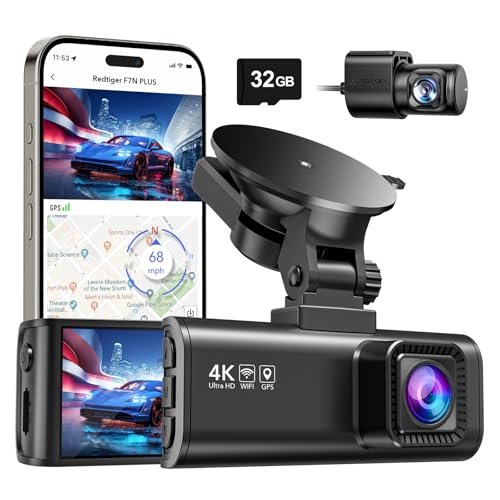
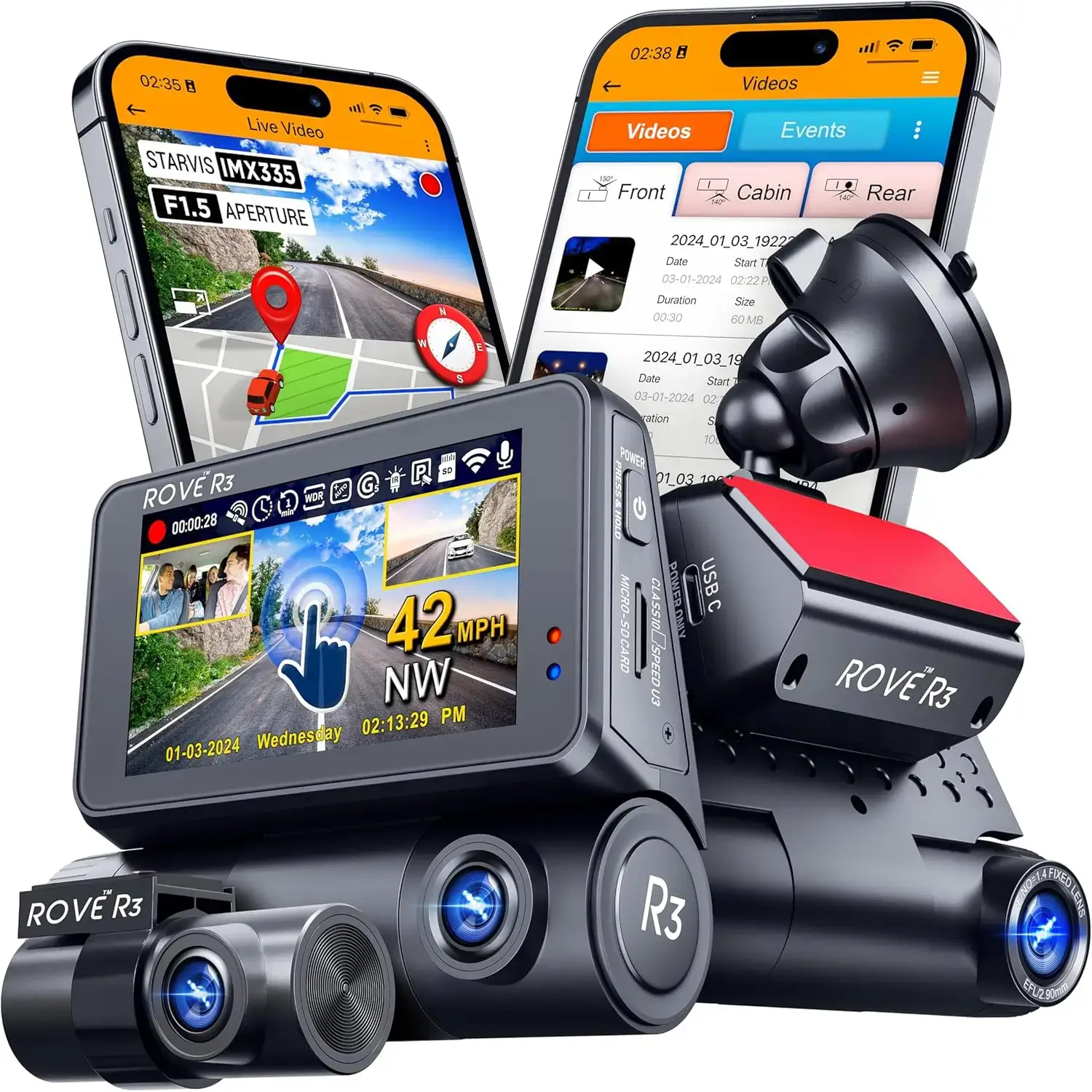
Most dash cams start recording when you turn the car on and stop when you turn it off. They save video in short clips on a memory card, and when the card fills up, the oldest clips get replaced by new ones. That way the camera keeps working without you having to manage files every day.
Many models also have a sensor that notices a sudden bump or hard stop. When that happens, the camera locks the current clip so it does not get erased later. Some cameras record only the road ahead. Others add a second camera for the cabin or the rear window. Some can keep watch while the car is parked, which we will get to below.
That is the whole job: record, save, and keep the important clips safe. Everything else in this article flows from that one simple job.
Video Evidence After a Crash
The biggest benefit is also the most obvious one. After a crash, people remember things differently. The other driver may swear the light was green. A witness may have seen only part of it. Your video shows what the camera saw, second by second, with the time and date stamped on it.
Your memory fades, the video does not
A crash is stressful, and stress makes memory fuzzy. You might forget small details like which lane a car came from or how fast traffic was moving. The recording does not forget. You can watch it calmly at home and describe the event clearly to your insurer or to the police.
It shows the moments before impact
Fault often depends on what happened just before the crash, not just the crash itself. The video can show a car drifting into your lane, running a stop sign, or braking hard with no warning. Those few seconds of context are hard to argue with, and they are exactly what gets lost when a claim turns into one word against another.
Help With Insurance Claims and Fault Disputes
Insurance claims move faster when the facts are clear. Adjusters deal with conflicting stories all day, and a claim with clear video often needs fewer rounds of questions. You send the clip, the adjuster watches it, and the story is no longer a guessing game.
Fewer long disputes
When two drivers blame each other and there is no proof, a claim can drag on for weeks. Sometimes each insurer pays part of the cost, even when one driver did nothing wrong. Video gives your side real weight. It will not win every dispute, because fault also depends on traffic law and the full picture, but it gives the person reviewing your claim something solid to work with.
Protecting your record
If an accident was not your fault, clear proof helps keep it off your record as an at fault accident. That matters because at fault accidents can raise your premium for years. A short clip that shows how the other driver caused the crash is one of the cheapest forms of protection a car owner can have, not in money saved on repairs, but in money saved on future bills.
Protection Against Fraud
Crash fraud is real. Some people stage accidents on purpose. A common trick is braking hard in front of you for no reason, hoping you hit them, then claiming injuries and damage. Others back into your car in a parking lot and claim you drove into them.
A dash cam makes these tricks much harder to pull off. The video shows the sudden brake, the empty road ahead, or the other car rolling back into yours. Fraudsters also tend to avoid cars with visible cameras, because they know the footage can expose them. You may never know if your camera scared one off, but the ones who do try something will have a hard time making a false claim stick.
Parking Mode: A Watchful Eye While You Are Away
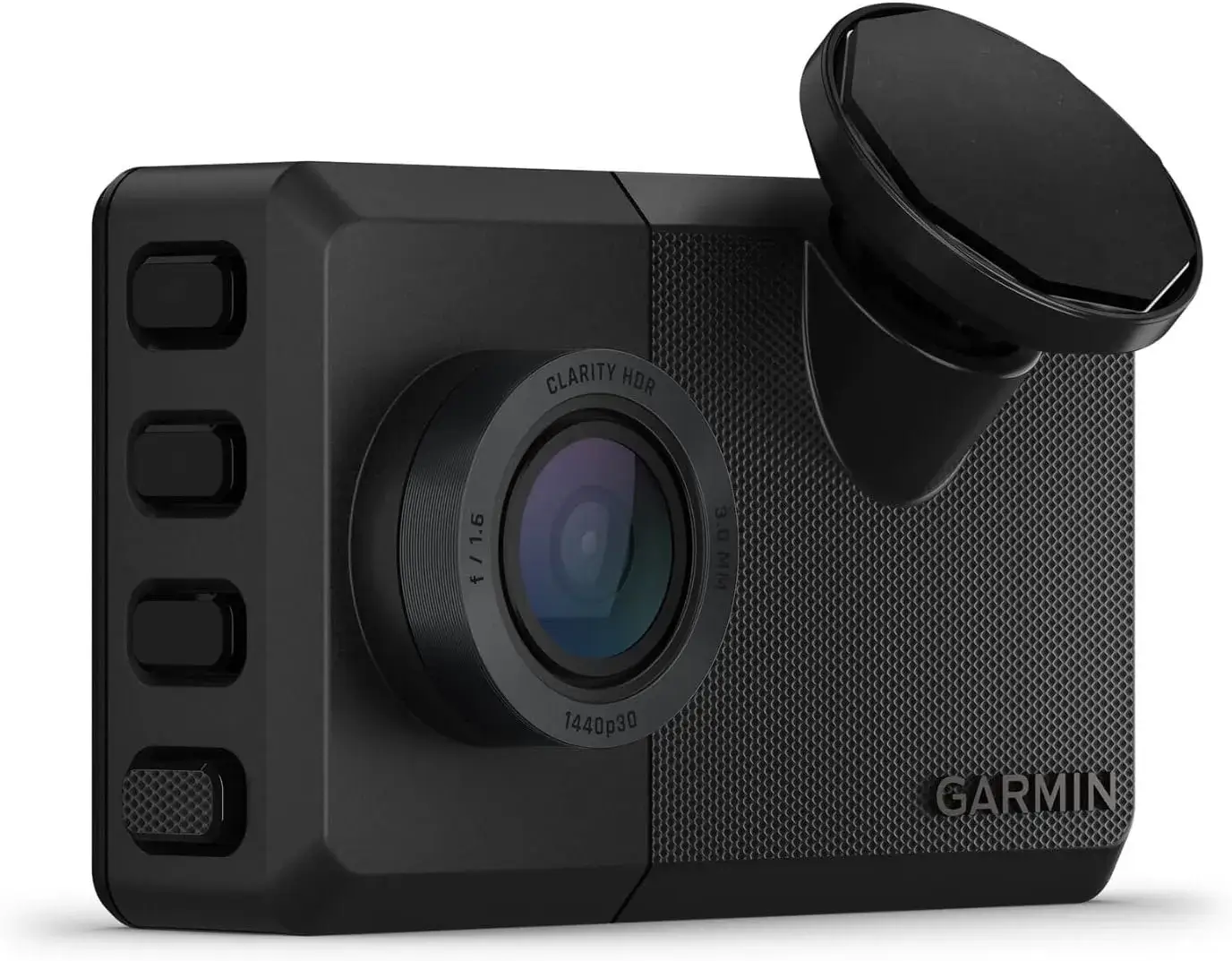
Some dash cams keep working after you park and turn the car off. In parking mode, the camera either records in a low power state or wakes up when it senses a bump or movement near the car. This is useful for hit and run damage, break ins, or a shopping cart rolling into your door.
Recording bumps and movement
If another driver clips your parked car and drives off, the camera may catch the plate number or the car model. If someone tries a door handle in a parking lot at night, the clip can help the police and your insurer. It will not stop the damage from happening, but it gives you a record of it.
What parking mode needs
Parking mode needs power. Some cameras draw a small amount from the car battery. Others use a hardwire kit that cuts power if the battery gets low, so you can still start the car in the morning. A few models use a separate battery pack. If you want parking mode, check how the camera is powered before you buy, and read our guide on how to install a dash cam with no wires showing to see how a clean install is done.
Calmer Driving Habits
A camera does not change how a car drives, but it can change how a driver drives. Knowing that your driving is recorded can make you more careful. You are less likely to speed through a yellow light, check your phone, or tailgate when you know the footage is there. Many drivers say they notice the effect within a week.
The same effect applies to family cars. A teen who knows the camera is running tends to drive more carefully. A dash cam is not a replacement for good habits, but it can be a quiet reminder to keep them.
Keeping an Eye on Teen and Family Drivers
For parents of new drivers, a dash cam is one of the simplest safety tools available. It shows how a teen drives when no adult is in the car. You can review the footage together and talk about mistakes in a calm way, instead of arguing about what happened after the fact.
Some cameras also record the cabin, which helps parents see if the driver was distracted by a phone or passengers. This is not about spying. It is about coaching a new driver and building good habits early.
Capturing Road Trip Moments
A dash cam is not only for bad days. It also records the good ones. A scenic mountain pass, a sunset on a long highway, or a funny moment on a road trip can all be saved from the footage. Some drivers pull clips from their camera to share with family or keep as a memory.
If you drive a truck for work or travel, the same footage can be a record of the roads you have covered. Our guide to the best dash cam for truck drivers covers models that suit long hauls and big cabs.
Extra Protection for Work and Delivery Drivers
Drivers who work on the road face more risk than most. Delivery drivers, rideshare drivers, and truck drivers spend many hours in traffic, which means more chances of an incident. A dash cam gives them a record of every trip.
For rideshare drivers, a cabin camera can protect against false claims from passengers. For delivery drivers, a camera can show that a package was handled with care, or that a parking ticket was given in error. For truck drivers, the footage can prove that a delivery was made on time and in good shape.
The Honest Limits of a Dash Cam
A dash cam is a useful tool, but it is not magic. It records what happens. It does not stop bad things from happening, and it is not a legal guarantee. Here are the limits to keep in mind.
It records events, it does not prevent crashes
A dash cam will not stop a crash. It can help you drive more carefully, and it can help after a crash, but it will not make a bad driver in the next lane behave better.
Footage rules differ by place
Some places have rules about recording audio or video in public. Some require a sticker on the window to show that a camera is in use. Check the rules where you drive, especially if you cross state lines or country borders.
Privacy needs care
Dash cam footage can include other people, their faces, and their license plates. If you share clips online, be careful about what you show. Blur faces and plates when in doubt, and do not post footage that could harm someone else.
It is evidence, not a legal guarantee
Footage is strong evidence, but it is not a guarantee. A court or insurer may still need other evidence, and a blurry or incomplete clip may not be enough. Keep your camera clean, your memory card in good shape, and your settings correct.
Cameras need a little upkeep
A dash cam needs a memory card that is not full, a lens that is clean, and a power supply that works. Check the camera now and then to make sure it is still recording. A camera that stopped working months ago will not help you today.
Frequently Asked Questions
Is a dash cam legal?
In most places, yes, as long as it is mounted so it does not block your view of the road and you follow local rules about recording. Check your local laws before you buy.
Do dash cams record all the time?
Most record while you drive and stop when you turn the car off. Some models also have a parking mode that records when the car is parked. Check the settings on your model.
Will a dash cam drain my car battery?
While you drive, no, because the camera runs on the car power supply. In parking mode, it draws a small amount of power. A hardwire kit with a low voltage cut off will protect your battery.
How much storage do I need for a dash cam?
Most drivers use a 64GB or 128GB memory card, which holds many hours of footage. Larger cards are better for longer trips or for cameras that record in high resolution.
Can a dash cam record at night?
Yes. Most modern dash cams have night vision or low light sensors that record clearly in the dark. The quality varies by model, so check the night video samples before you buy.
Does a dash cam lower my insurance premium?
Some insurers offer a small discount for drivers who use a dash cam, but not all do. Ask your insurer if they offer one.
What happens if the memory card fills up?
Most dash cams use loop recording, which means they erase the oldest clips to make room for new ones. Important clips are locked so they are not erased. Check your card now and then to make sure it is still working.
Conclusion
A dash cam is a small investment that can pay off in a big way. It gives you video evidence after a crash, helps with insurance claims, protects against fraud, and watches your car while you are away. It can also help you drive more carefully and keep an eye on family drivers.
It will not prevent crashes or replace good driving habits, and it needs a little care to keep working. But for most drivers, the benefits are clear. If you drive often, a dash cam is one of the simplest ways to protect yourself on the road.