
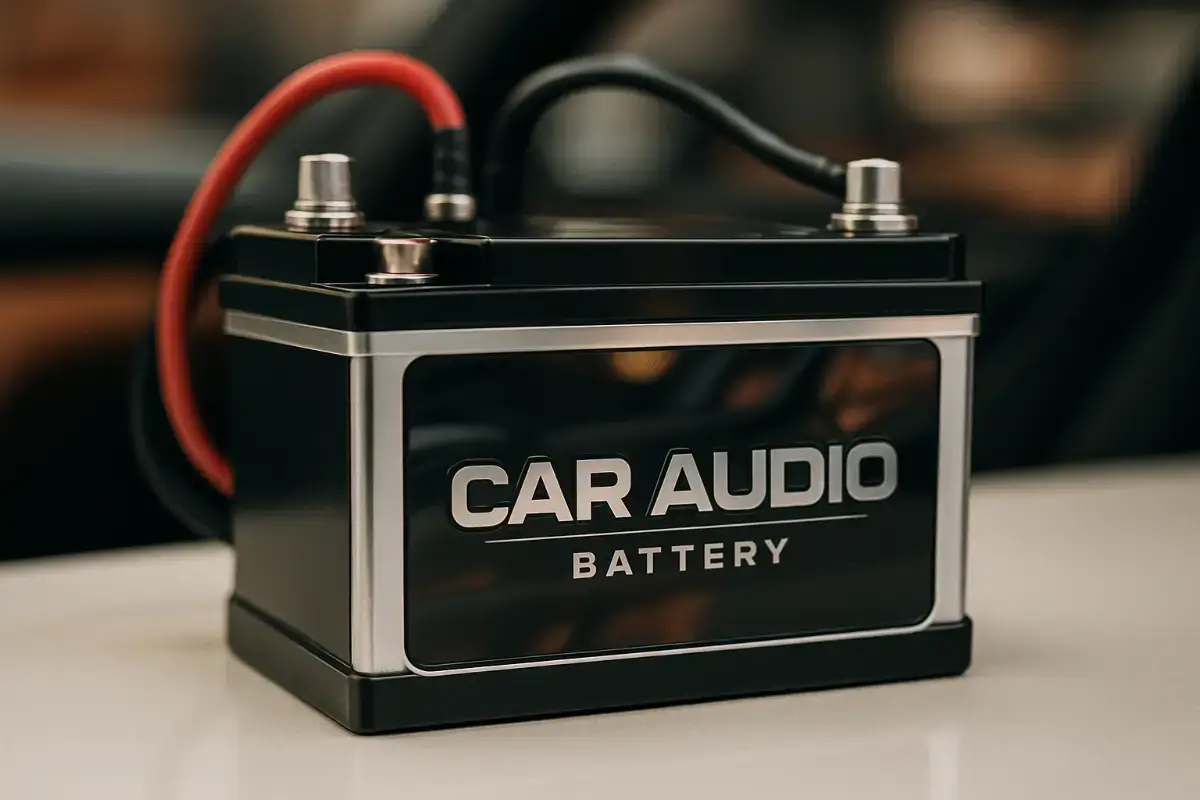
Introduction to Car Audio Batteries
If you’re passionate about car audio, you’ve probably noticed that upgrading your speakers, subwoofers, and amplifiers makes your car sound incredible but it can also drain your battery fast. A car audio battery is specifically designed to handle the high electrical demands of powerful sound systems. Unlike a regular starting battery that’s focused on cranking your engine, an audio battery provides consistent, clean power to your amps and subwoofers without overloading your vehicle’s main electrical system.
When you push your sound system to its limits bass thumping, lights flickering, amps drawing constant power your regular battery and alternator may struggle to keep up. That’s where a dedicated car audio battery steps in, delivering the extra juice your system craves. It keeps your voltage stable, prevents dimming lights, and ensures your music stays distortion-free even at high volumes.
But here’s the thing: not all car batteries are made equal. Some are designed to start the engine and then rest, while others are built for deep cycling and continuous discharge exactly what your audio system needs. In this article, we’ll dive deep into how car audio batteries work, how to choose the right one, and how to maintain it for long-lasting performance.
Why You Need a Dedicated Car Audio Battery
If you’ve ever noticed your headlights dimming when your subwoofers hit hard, that’s your car telling you it’s under power stress. A high-powered audio setup can easily pull more amperage than your factory alternator can produce, leaving your battery to pick up the slack. Over time, this drains your main starting battery, shortens its lifespan, and can even leave you stranded with a car that won’t start.
A dedicated car audio battery acts as a backup power source exclusively for your sound system. It helps share the electrical load, ensuring your amplifiers get steady power while your main battery remains healthy. Think of it as having a “power reserve” just for your music especially useful if you like to listen to your system with the engine off.
Moreover, a second battery prevents voltage drops that can cause amplifiers to clip or speakers to distort. It keeps your system running at its peak, preserving sound clarity and protecting your equipment. For serious car audio enthusiasts, it’s not just an upgrade it’s a necessity.
How Car Audio Batteries Work
At its core, a car audio battery functions on the same principles as a standard automotive battery: it stores energy in chemical form and releases it as electrical energy when needed. However, what sets it apart is its design for sustained, high-current output.
Car audio batteries are typically deep-cycle batteries, meaning they can be repeatedly discharged and recharged without damage. This makes them ideal for powering amplifiers that demand consistent voltage. When your audio system calls for a surge of power like during heavy bass drops the battery releases stored energy instantly, maintaining stable voltage across your entire electrical system.
Three key terms to understand here are:
- Voltage (V): The electrical pressure that pushes current through your system. Most car audio batteries operate at 12V, though some high-end setups use 14V or 16V for performance.
- Amperage (A): The flow of electric current. Amplifiers draw high amperage during loud music playback.
- Reserve Capacity (RC): The amount of time a battery can sustain a certain load before voltage drops too low.
These factors together determine how well a battery can support your sound system.
Types of Car Audio Batteries
When it comes to powering a high-performance sound system, the type of battery you choose makes all the difference. Each battery type has unique characteristics that influence how well it handles the electrical demands of your setup. Let’s break down the most common types used in car audio systems: AGM, Gel Cell, and Lithium-Ion batteries.
AGM (Absorbent Glass Mat) Batteries are the most popular choice among car audio enthusiasts. They use fiberglass mats soaked with electrolyte, which makes them spill-proof, maintenance-free, and capable of handling deep discharges. AGM batteries deliver strong bursts of power and recharge quickly, making them ideal for audio systems that demand fast current delivery. Their sealed design also means you can mount them in various positions without worrying about leaks perfect for trunk or under-seat installations.
Gel Cell Batteries, on the other hand, use a silica-based gel to hold the electrolyte. They’re known for excellent vibration resistance and long life cycles, but they don’t handle high current draw as efficiently as AGM batteries. For moderate sound systems or users who prioritize longevity over raw power, Gel Cell batteries are a solid option. However, they can be sensitive to charging voltages, so proper care is crucial to avoid overcharging.
Then there are Lithium-Ion Batteries, the modern game-changer in the car audio world. These lightweight powerhouses pack incredible energy density, meaning they deliver more power in a smaller size. They recharge extremely fast, produce steady voltage, and last much longer than traditional batteries. However, they come at a higher cost and require special charging systems to ensure safety and performance. Still, for enthusiasts chasing top-tier efficiency and minimal weight, lithium-ion batteries are worth every penny.
Understanding the difference between these types helps you choose the right balance of cost, performance, and reliability for your car audio setup.
AGM Batteries: The Popular Choice
AGM batteries have earned a reputation as the “go-to” option for car audio applications and for good reason. They’re built to deliver consistent power while withstanding the demands of today’s high-output amplifiers. The technology behind AGM batteries uses tightly packed glass mats that absorb the electrolyte, allowing for rapid energy transfer without the risk of spilling acid.
What really makes AGM batteries stand out is their ability to handle high discharge rates without voltage drops. When your subwoofers demand a surge of current, an AGM battery can deliver it smoothly, preventing distortion or dimming lights. They also perform exceptionally well in cold and hot environments, making them ideal for year-round use.
Another huge advantage is maintenance-free operation. Unlike traditional flooded lead-acid batteries that require topping up with water, AGM batteries are sealed units you simply install them and forget them. They also have lower internal resistance, which means faster recharging and better overall efficiency.
However, they’re not perfect. AGM batteries can be heavier than lithium options, and while they’re more affordable, they still cost more than standard car batteries. But considering their durability, safety, and power delivery, the investment is well worth it.
If your goal is to enhance your car’s audio performance without breaking the bank, AGM batteries strike an excellent balance between reliability, cost, and sound performance.
Lithium-Ion Batteries: The Modern Solution
In the last few years, lithium-ion car audio batteries have completely revolutionized the industry. These batteries are significantly lighter, more compact, and deliver higher efficiency compared to traditional lead-acid types. They maintain a steady voltage level even under heavy load, which means your amplifiers receive cleaner, more consistent power translating to better sound clarity and performance.
One of the biggest advantages of lithium-ion technology is energy density. You get more usable power in a smaller package, which not only saves space but also reduces strain on your vehicle’s electrical system. Plus, they recharge much faster than AGM or Gel Cell batteries, allowing you to enjoy long listening sessions without long downtime.
Another key benefit is longevity. While an AGM battery may last 3–5 years, a high-quality lithium battery can last up to 10 years with proper maintenance. They also have lower self-discharge rates, meaning they hold their charge for months even when your car isn’t in use.
But, of course, the premium performance comes at a higher price. Lithium-ion batteries can cost 2–3 times more than AGM batteries, and you’ll need a compatible charger or management system to prevent overcharging. Despite this, for serious audiophiles and competitors, the upgrade is more than justified.
In short, lithium-ion batteries are the future of car audio power. They combine cutting-edge technology, exceptional performance, and long-term value making them the ultimate choice for those who want the best of the best.
How to Choose the Right Car Audio Battery
Choosing the right car audio battery isn’t just about grabbing the most expensive option it’s about matching your system’s power requirements with the right battery specifications. Let’s walk through the essential factors you should consider before making a purchase.
- Power Capacity (Amp Hours or Ah): The higher the Ah rating, the more energy your battery can store. For large systems with multiple amplifiers, aim for a higher capacity battery to avoid voltage drops.
- Cold Cranking Amps (CCA): While not as critical for audio systems as for starting engines, a higher CCA indicates stronger performance and durability.
- Reserve Capacity (RC): This tells you how long the battery can sustain power before dropping below 10.5V. A higher RC means more consistent performance during long listening sessions.
- Voltage Stability: Look for batteries that can maintain 12V or more under load. Systems running on 14V–16V setups benefit from specialized high-voltage batteries.
- Compatibility with Amplifier Output: Calculate your amplifier’s total wattage. A 2000W system will require a stronger battery than a 600W setup. As a rule of thumb, add an additional battery for every 1500–2000 watts of RMS power.
- Space and Mounting Options: Always check the battery’s dimensions and weight. Some cars have limited trunk space, making compact lithium batteries an attractive option.
By evaluating these factors carefully, you’ll ensure your car audio battery delivers optimal performance without stressing your electrical system.
Top Brands and Models in 2025
When you’re investing in a car audio battery, brand reputation matters a lot. Established brands have spent years fine-tuning their products for reliability, performance, and safety. In 2025, the car audio battery market is packed with outstanding options, but a few names consistently stand above the rest. Let’s take a look at some of the top brands and models that dominate the car audio world this year.
1. XS Power

- XS Power D3400R AGM Battery/Powercell
XS Power has long been a favorite among professional installers and audio competitors. Known for their high-output AGM batteries, XS Power products like the D3400 and XP3000 provide incredible cranking amps and reserve capacity. They’re designed to handle extreme current draw without voltage drop, making them ideal for systems exceeding 2000 watts RMS. Their sleek design and robust construction make installation easy and long-lasting.
2. Kinetik

- Kinetik HC2000-Blu Power Cell 2000 Watt 12V High Current Power Cell
- Designed With More Plates For Stronger Energy Density
- Sealed Non-Spillable Design Can Be Mounted In Any Position
Kinetik’s HC Series remains one of the most respected in the car audio community. Models like the HC2400 offer exceptional performance at a fair price point. Built with ultra-low ESR (Equivalent Series Resistance), these batteries allow for quick energy transfer perfect for powering big amplifiers and heavy subwoofers. Kinetik batteries are also built to withstand vibrations, making them reliable even for daily drivers with powerful setups.
3. Optima Batteries

- BATTERY SPECS: 12-Volt, 880 Cold Cranking Amps, Size: 12.44″ Length x 6.88″ Wide x 7.5″ Tall, Weight: 54 pounds, C20 Cap…
- RESERVE CAPACITY of 155 minutes for constant performance. Faster charging capabilities.
- PUREFLOW TECHNOLOGY: PUREFLOW Technology made with 99.99% pure lead in highly compressed radial grid plates provide resi…
Optima’s YellowTop batteries have earned a legendary status for their dual-purpose design they’re strong enough for starting your engine and robust enough to handle deep cycling for audio systems. Their SpiralCell Technology ensures durability and vibration resistance, while providing consistent voltage for smooth amplifier performance. For those who want a versatile, maintenance-free option, Optima remains a top contender.
4. Stinger
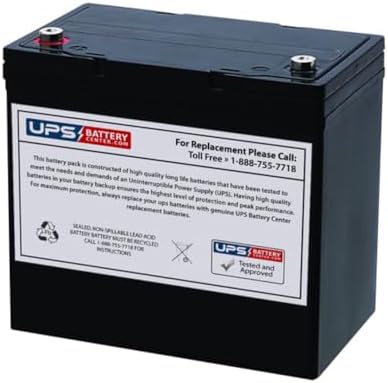
Stinger batteries are popular for their compact design and excellent power-to-weight ratio. Models like the SPV44 and SP1700 pack serious punch without taking up much space. They use high-purity lead for faster energy delivery and feature corrosion-resistant terminals for long-term use. Stinger is particularly favored by DIY installers looking for quality and affordability in one package.
5. Odyssey

- Voltage: 12v – PHCA: 1500
- Cold Cranking Amps (CCA): 850 – HCA: 1250
- Reserve Capacity in Minutes: 134
Odyssey’s Extreme Series batteries are beasts when it comes to power delivery. Designed for both starting and deep-cycle performance, they provide over 800 cold cranking amps and have a longer cycle life than most AGM batteries. Their rugged design and ability to recharge quickly make them a smart pick for both competition and daily-use vehicles.
Each of these brands brings something unique to the table whether it’s raw power, long lifespan, or compact design. The key is matching your system’s demands with the right product. If you’re running a monster audio setup, go for XS Power or Kinetik. For versatile performance, Optima or Odyssey might be your best bet.
Installation Tips for Car Audio Batteries
Installing a car audio battery the right way is just as important as choosing the right model. Poor installation can lead to voltage drops, blown fuses, or even fire hazards. So, let’s break down the steps and tips to make sure your setup runs efficiently and safely.
1. Choose the Right Location
Most users install their second battery in the trunk, near the amplifier. This reduces the length of the power cable and minimizes resistance. Always ensure the battery is mounted securely and away from metal surfaces or flammable materials.
2. Use Proper Wiring
Use high-quality oxygen-free copper (OFC) cables for both positive and ground connections. The wire gauge should match your system’s power needs typically 0-gauge or 4-gauge for high-output setups. Poor wiring can lead to heat buildup and voltage loss.
3. Fuse Protection Is a Must
Install a fuse within 18 inches of both battery terminals. This acts as a safeguard against short circuits and prevents damage in case of accidental contact. Never skip this step it’s your first line of defense.
4. Connect the Batteries Correctly
If you’re running two batteries, connect them in parallel (positive to positive, negative to negative). This keeps the voltage the same (12V) while doubling the capacity. Using a battery isolator can also help manage charging between the two batteries, ensuring one doesn’t drain the other.
5. Grounding
Always use a solid grounding point free from paint or rust. The ground cable should be the same gauge as the power cable to maintain proper electrical balance.
6. Test Before Use
After installation, check voltage levels using a multimeter. With the engine running, the system should read between 13.5V and 14.8V. Anything lower could indicate an alternator or wiring issue.
Proper installation not only ensures maximum efficiency but also extends your battery’s lifespan. Take your time during setup rushing through connections can lead to costly mistakes later.
Upgrading Your Electrical System for Better Audio Performance
Even with the best car audio battery, your system might still struggle if the rest of your electrical setup isn’t up to the task. That’s why many serious audio enthusiasts perform what’s known as the “Big 3 Upgrade.”
The Big 3 Upgrade involves upgrading three key cables in your vehicle’s charging system:
- The wire from the alternator to the battery positive terminal
- The wire from the battery negative terminal to the chassis ground
- The wire from the engine block to the chassis
By replacing these cables with thicker, high-quality OFC wiring, you reduce resistance and improve current flow throughout your electrical system. This ensures that your alternator, battery, and amplifiers work together efficiently, minimizing voltage drops during high-demand situations.
If your sound system is over 2000 watts RMS, you might also consider upgrading your alternator. A high-output alternator can generate more power than the factory one, keeping your batteries fully charged even when your music is cranked up.
Some users also add capacitors to their systems. A capacitor stores and releases power rapidly, helping stabilize voltage during heavy bass hits. While it’s not a substitute for a proper battery or alternator upgrade, it can help smooth out performance in demanding setups.
The bottom line? A strong electrical foundation is the secret weapon of every great audio build. Pairing your new car audio battery with these upgrades ensures clean, distortion-free sound and long-term reliability.
Battery Maintenance and Longevity Tips
A powerful car audio setup is only as good as the battery that fuels it. Once you’ve invested in a quality car audio battery, taking proper care of it is crucial for maximizing its lifespan and maintaining consistent performance. Neglecting maintenance can lead to premature failure, voltage drops, and reduced sound quality. Fortunately, keeping your battery in great shape is easier than you might think.
1. Keep It Fully Charged
Car audio batteries perform best when they remain above 12.6 volts. If your system pulls a lot of power or you frequently play music with the engine off, your battery can discharge quickly. Using a smart charger helps maintain optimal voltage levels without overcharging. For lithium batteries, always use a charger specifically designed for lithium cells. AGM and Gel Cell batteries, on the other hand, can benefit from a trickle or float charger to prevent sulfation.
2. Avoid Over-Discharging
Deep discharges where voltage drops below 10.5V are harmful to most batteries. Over time, it causes chemical buildup on the battery plates, reducing efficiency and capacity. To prevent this, install a voltage monitor or battery management system (BMS) that alerts you when the voltage dips too low.
3. Regularly Check Terminals
Loose or corroded terminals can significantly affect voltage flow, leading to poor amplifier performance. Clean terminals using a wire brush and apply dielectric grease to prevent oxidation. Always ensure that your connections are tight and secure.
4. Keep It Cool
Excessive heat is one of the biggest enemies of battery health. It speeds up chemical reactions that degrade internal components. Try mounting your battery away from direct engine heat or ensure there’s proper ventilation around it. For trunk-mounted setups, heat isn’t usually a problem but avoid placing your battery near amplifiers that generate excessive warmth.
5. Store It Properly
If you don’t drive your car often, disconnect the battery or use a maintenance charger. Storing a discharged battery for extended periods can cause permanent damage. Keep it in a cool, dry location and recharge it every few months.
6. Inspect Frequently
At least once a month, check for physical damage like swelling, leaks, or cracks. Early detection can save you from potential hazards. AGM and lithium batteries are generally maintenance-free, but periodic inspection ensures safe operation.
With these practices, your battery can easily last years longer while delivering consistent power to your sound system. Think of maintenance as tuning your car, it ensures peak performance every time you turn the key or hit play.
Common Signs of a Weak or Failing Car Audio Battery
Even the best car audio battery will eventually show signs of wear and tear. Recognizing these symptoms early can help you avoid inconvenient breakdowns and costly damage to your audio equipment. Here are the most common warning signs that your car audio battery may be failing.
1. Dimming Lights
This is often the first clue. When your headlights or interior lights flicker or dim every time the bass hits, it’s a sure sign your battery can’t handle the electrical demand.
2. Distorted or Weak Sound
Amplifiers require stable voltage to perform optimally. If your battery is weak, the voltage fluctuates, causing distortion or reduced power output. You may notice your subwoofers sounding “muddy” or your highs losing clarity.
3. Slow Engine Cranking
If your starter motor struggles to crank the engine especially after using your sound system for a while, it’s likely that your main or auxiliary battery is drained.
4. Swollen or Leaking Battery Case
Overheating, overcharging, or internal failure can cause the battery case to bulge or leak. This is dangerous and indicates it’s time for an immediate replacement.
5. Frequent Low Voltage Readings
Using a voltmeter, check the battery when the car is off and while it’s running. A healthy battery should read around 12.6V when idle and 13.5–14.8V when charging. Consistently lower readings mean your battery is losing capacity.
6. Reduced Play Time
If you used to enjoy hours of music with the engine off but now the sound cuts off after a few minutes, your battery’s reserve capacity is declining.
When these symptoms appear, test your battery and charging system promptly. Replacing a weak battery before it fails completely not only prevents downtime but also protects your expensive amplifiers and speakers from voltage spikes.
Testing and Monitoring Your Car Audio Battery
Routine testing is the secret to catching potential battery problems before they escalate. Fortunately, testing your car audio battery is simple and requires just a few basic tools.
1. Using a Multimeter
A multimeter is your best friend for checking voltage. Set it to DC volts, place the red probe on the positive terminal and the black probe on the negative.
- A fully charged battery should read 12.6V–12.8V.
- If it’s below 12.0V, the battery is partially discharged.
- Below 11.8V, it’s deeply discharged and needs immediate charging.
2. Load Testing
Load testing measures how your battery performs under stress. Many auto parts stores offer this service for free. The tester applies a load similar to what your audio system would draw and checks if the voltage holds steady.
3. Using a Battery Monitor or Voltmeter Display
Modern audio enthusiasts often install voltage displays directly on the dashboard or amplifier rack. These real-time monitors show voltage fluctuations as your music plays, helping you spot dips that might indicate power strain.
4. Check Alternator Output
Sometimes, what appears to be a weak battery is actually a weak alternator. Start the car and measure voltage across the battery terminals. It should read between 13.5V–14.8V. Anything lower means the alternator isn’t charging properly.
5. Keep a Log
If you’re serious about your system, keep a voltage log. Record your readings weekly. Over time, trends will reveal whether your battery is maintaining capacity or slowly degrading.
Regular monitoring ensures you catch small issues early, keeping your car audio setup performing like new.
Environmental and Safety Considerations
While we often focus on performance, safety and environmental responsibility are equally important when it comes to car audio batteries. Improper disposal or handling can cause toxic leaks, fires, or even explosions.
1. Safe Disposal
Never throw a car battery in the trash. Lead-acid and lithium batteries contain hazardous materials that can contaminate soil and water. Most auto parts stores and recycling centers will safely dispose of or recycle old batteries for free.
2. Avoid Short Circuits
Always handle batteries with care. Accidentally bridging the positive and negative terminals with a metal tool can cause sparks or severe burns. Use insulated tools whenever possible.
3. Store Properly
If storing spare batteries, keep them upright in a cool, dry place. Avoid stacking or placing them near flammable materials.
4. Eco-Friendly Options
Lithium batteries, though more expensive, are more energy-efficient and have longer lifespans, reducing waste over time. Choosing a recyclable AGM or lithium model helps minimize environmental impact.
5. Follow Manufacturer Guidelines
Each battery type has specific charging and handling instructions. Always read and follow them carefully to avoid accidents or voiding your warranty.
Safety should always come first after all, there’s no point in powerful sound if it comes at the expense of safety or the environment.
Conclusion
A car audio battery isn’t just another accessory it’s the heartbeat of your entire sound system. Whether you’re powering a modest 600-watt setup or a competition-grade monster pushing thousands of watts, the right battery ensures stable voltage, crisp sound, and long-lasting performance.
From understanding the different battery types (AGM, Gel, and Lithium-Ion) to learning how to install, maintain, and test them, you now have all the knowledge you need to make an informed decision. Remember: your battery doesn’t just keep your system alive it protects your investment and enhances every listening experience.
So, don’t settle for just any battery. Choose one that matches your audio goals, maintain it properly, and enjoy distortion-free sound every time you hit play.
FAQs
1. What size battery do I need for a 2000-watt amp?
A 2000-watt RMS amplifier typically requires an additional battery rated between 80Ah and 100Ah. Pairing it with a high-output alternator will help sustain power under heavy load.
2. Can I use a deep-cycle marine battery for car audio?
Yes, deep-cycle marine batteries can work for car audio systems. They’re designed for prolonged power output, similar to what audio systems demand. However, they’re usually larger and heavier.
3. How long does a car audio battery last?
Depending on type and maintenance, AGM batteries last around 3–5 years, while lithium-ion batteries can last up to 10 years or more with proper care.
4. What’s the best place to install a second battery?
Most users install the second battery in the trunk near the amplifier to reduce power cable length and voltage loss. Ensure proper ventilation and secure mounting.
5. Do capacitors replace car audio batteries?
No, capacitors complement batteries but don’t replace them. They provide short bursts of power to stabilize voltage during sudden demand spikes, but they can’t sustain long-term energy supply.