Most drivers never think about tire pressure until a small light shows up on the dashboard. That light looks like a horseshoe with an exclamation mark inside it, and it comes from a system that watches your tires for you. The system is called a tire pressure monitoring system, or TPMS for short. If you have ever wondered how a wireless tire pressure monitoring system works, the short answer is simple. Small sensors sit at each wheel, measure the air pressure inside the tire, and send that reading to your car by radio signal. The car then warns you if a tire drops too low.
This guide explains the whole process in plain words. You will learn what TPMS is, why cars have it, and how the two sensor types differ. You will also see how direct and indirect systems compare, what the warning light means, how long sensor batteries last, and what happens when tires are rotated or replaced.
What Is a Tire Pressure Monitoring System?
A simple definition
A tire pressure monitoring system is a safety feature that keeps track of the air pressure inside your tires while you drive. Each tire has a sensor connected to it. The sensor checks the pressure, and in many systems the temperature too, then sends that information to a receiver in the car. The car compares the reading with the pressure the tires are supposed to have. If one tire falls well below that level, the car turns on the warning light and, in some models, shows which tire is low.
Table of Contents
Why cars have TPMS
Low tire pressure is easy to miss. A tire can lose a good amount of air and still look fine from the outside, especially on modern low profile tires. Driving on a soft tire hurts fuel use, wears the tread out faster, and makes the car handle poorly. In bad cases, an underinflated tire can overheat and fail. Because so many crashes were linked to low tires, the United States made TPMS a required feature. US law has required TPMS on new cars since 2008, so almost every car on the road today has the system built in.
Some drivers add an aftermarket wireless system to an older car, a truck, a trailer, or an RV. Those kits work on the same basic idea. Sensors go on the wheels, and a small display sits on the dashboard. It shows the pressure for each tire and beeps if one drops. Factory fitted or added later, the core job is the same. The system warns you early, before a small pressure loss turns into a bigger problem.
The Two Kinds of Wheel Sensors
The sensor is the heart of a wireless TPMS, and it has to live in a harsh place. Wheels spin fast, hit potholes, and deal with heat, cold, water, and road salt. Sensors come in two main styles, and the difference is where they sit.
External valve cap sensors
External sensors screw onto the valve stem, right where the cap normally goes. The valve stem is the small tube you use to add air to the tire. Instead of a plain plastic cap, you twist on a slightly larger cap that holds a pressure sensor, a tiny battery, and a small radio transmitter. Screwing it down presses the valve open so it can read the pressure inside the tire.
This style is common on aftermarket kits because it is easy to fit. You do not need to take the tire off the wheel. You just remove the old cap, screw the sensor on by hand, and match it to the right position on the display. Many of these sensors also read temperature. The trade off is that they sit outside the wheel, so they are exposed to weather, curbs, and theft.
Internal sensors mounted inside the tire
Internal sensors are the type fitted by car makers at the factory. The sensor sits inside the tire, attached to the inner end of the valve stem or strapped to the wheel itself. The only visible part is the valve stem, which may look a bit thicker or be made of metal rather than rubber.
Because the sensor lives inside the tire, it is protected from weather and road damage. It reads pressure directly from the air inside the tire, and it usually reads temperature as well. The down side is access. Fitting or replacing one means taking the tire off the wheel, which is a job for a tire shop. That is why sensor work is often done at the same time as new tires. Both sensor styles do the same measuring job. They just live in different places.
How the Sensors Measure and Send Their Readings
Measuring pressure and temperature
Inside each sensor is a small pressure sensing element. As air presses against it, it produces an electrical signal that changes with the pressure. The sensor electronics turn that signal into a number, such as the pounds per square inch figure you see on a display. A separate small element measures temperature. Temperature matters because pressure changes with heat. A tire warms up as you drive, and its pressure rises a bit. On a cold morning, the pressure reads lower. Knowing the temperature helps the system judge the reading fairly.
The sensors do not send readings nonstop. To save battery power, they send in short bursts. Many send more often while the car is moving and less often while it is parked. Some wake up when they sense motion or a quick pressure change, like the drop from a puncture. That is why a system may catch a fast leak quickly but take a few minutes of driving to report a slow one.
The radio signal and the receiver
Each sensor has a tiny radio transmitter and its own ID code. When it sends a reading, it also sends that code, so the car knows which wheel the reading came from. The signal is a short, low power radio burst, much like the signal from a key fob, and it only needs to travel a few feet. A receiver in the car picks up the signals from all four wheels. On factory systems, the readings go to the car computer, which handles the warning light and any pressure display. On aftermarket kits, they go to the separate display unit instead.
Since each sensor has its own ID, the system can point to a single tire. Some cars show a simple light only, while others show a pressure number at each wheel. If your car shows numbers, you can watch a tire slowly lose pressure over days, an early clue that something is wrong, like a nail in the tread or a leaking valve.
Direct TPMS vs. Indirect TPMS
There are two ways a car can keep an eye on tire pressure, and they work in very different ways. The sensor based system described so far is called direct TPMS. The other method is called indirect TPMS, and it uses no pressure sensors at all.
Direct TPMS
A direct system measures the actual air pressure in each tire. It knows the real number for every wheel, and it can warn you about one specific tire. This is the more exact method, and it is the one used by most cars sold in the United States. Its weak point is that the sensors have batteries and wear parts, so they need attention over the life of the car.
Indirect TPMS
An indirect system takes a clever shortcut. It uses the wheel speed sensors already fitted for the anti lock brakes. Here is the logic. A tire that loses air gets slightly smaller, and a smaller tire spins a little faster than the others to keep up. The car computer compares the spin speed of all four wheels. If one wheel keeps spinning faster, the computer guesses that tire is low and turns on the same warning light.
Indirect systems cost less because there are no extra sensors or batteries in the wheels. But they have real limits. They cannot show you a pressure number, because they never measure pressure. They may miss a slow leak that affects all four tires evenly, since all the wheels speed up together. After you adjust your tire pressure, the system also needs a reset so it can learn the new normal. A direct system tells you what the pressure is. An indirect system only tells you that something looks different from before.
What the Dashboard Warning Light Means
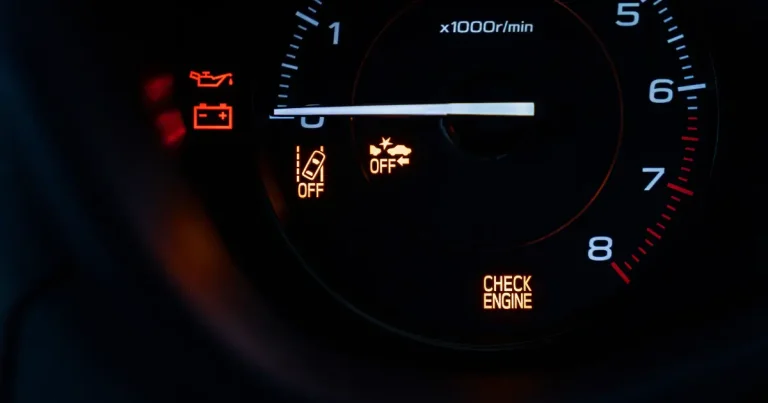
The TPMS warning light is the yellow symbol that looks like a cutaway tire with an exclamation mark in the middle. When it stays on while you drive, it usually means one or more tires are well below the recommended pressure. In most systems, the light comes on when a tire is about 25 percent low. That is a big drop. If your tires should be at 32 pounds per square inch, the light may not appear until one falls to around 24.
The light can behave in a few ways, and each way says something different. If it comes on during a cold morning and goes off after some driving, your pressure is probably right at the edge. Cold air lowered it overnight, and driving warmth raised it back up. The tire still deserves a check. If the light flashes for about a minute when you start the car and then stays on, that points to a fault in the system itself, such as a dead sensor battery. If the light is steady, check all four tires with a gauge as soon as you can. On some vehicles the spare tire has a sensor too, so a low spare can trigger the light even when the four main tires are fine.
Sensor Batteries and How Long They Last
Wireless sensors get their power from a small sealed battery inside the sensor. On internal factory sensors, the battery is built in and cannot be swapped on its own. When it dies, the whole sensor gets replaced. These batteries are made to last a long time, and in general terms they often keep working for five to ten years, depending on how much the car is driven. More driving means more sending, and more sending uses the battery faster.
External cap sensors are different. Many use a small replaceable coin battery that you can change yourself. Those tend to last a shorter time, often around a year or two, but the fix is quick and cheap. When an internal sensor battery dies, that tire stops reporting. The car notices the missing signal and turns the warning light on, often with the flashing pattern at startup. One dead sensor does not stop the others from working, but that wheel goes unwatched until the sensor is replaced. Tire shops can test each sensor with a handheld tool that reads its signal and battery status.
What Happens at Tire Rotation and Replacement
Rotation and position relearn
When tires are rotated, the wheels change places. The sensor that used to be at the front left may now sit at the rear right. The sensors still work, but the car needs to learn which sensor is now at which corner. If it does not learn, the display may blame the wrong tire when one goes low. This learning step is called a relearn.
A relearn sounds technical, but the idea is simple. The car is put into a learning mode, and each sensor is triggered one at a time in a set order, often starting at the front left. The car hears each sensor ID and matches it to that wheel position. Some cars do this on their own after a period of driving. Others need a shop tool, and some have a simple procedure the owner can do with dashboard buttons. Aftermarket cap sensors are easier here. You just move each cap to the correct new wheel, or reassign the positions on the display.
New tires and new sensors
When new tires are fitted, the old internal sensors are usually kept, as long as they still work and their batteries are healthy. The valve stem seals are often renewed, since old rubber seals can leak. If a sensor is dead or damaged during the tire change, a new one is fitted and relearned so the car accepts its ID. This is why a tire shop may ask about the age of your sensors when you buy tires. A sensor near the end of its battery life is cheaper to replace while the tire is already off the wheel.
The Limits of the System
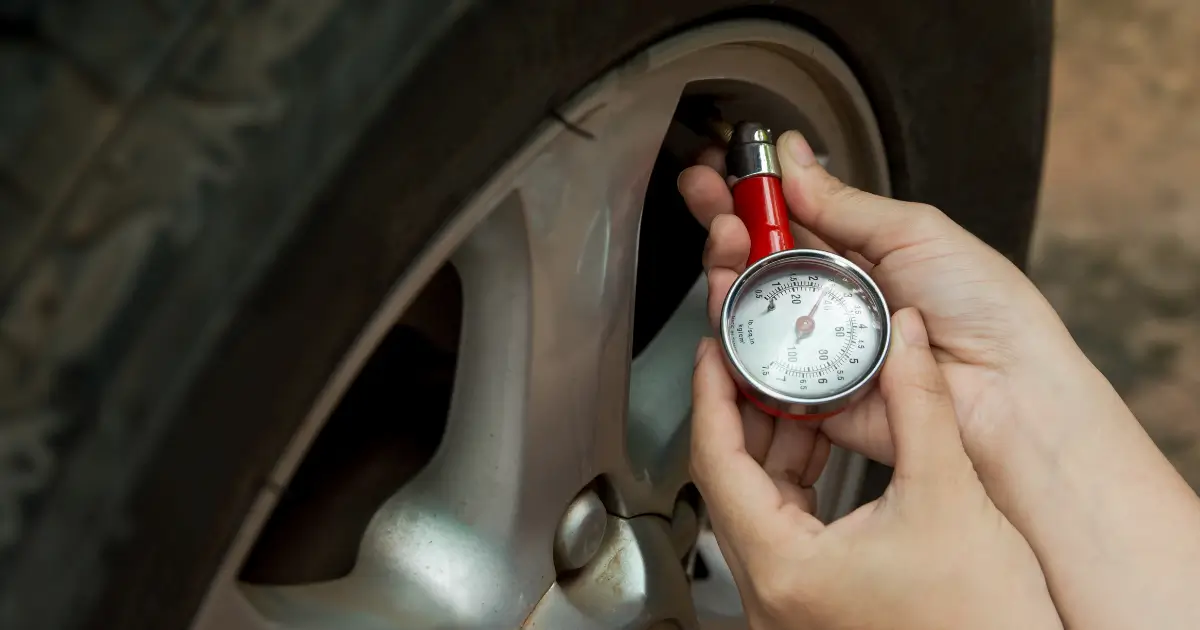
TPMS is a warning tool, not a replacement for a tire gauge. The light is set to come on only after a tire is already well below its proper pressure. A tire can be low enough to wear badly and waste fuel, yet still not low enough to trigger the light. So a dark dashboard does not promise that your pressures are right.
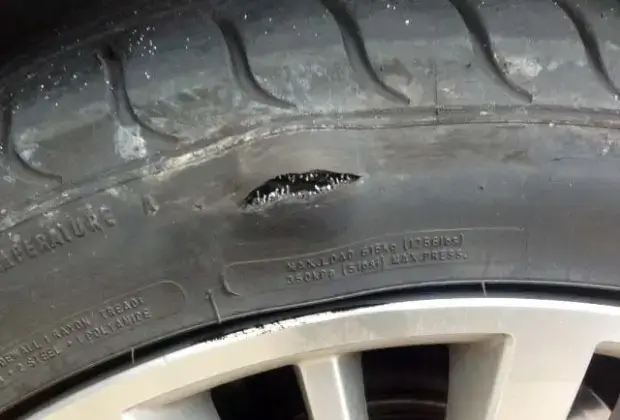
The system also cannot tell you why a tire lost air, and it cannot judge tire condition. It says nothing about worn tread, cracks, bulges, or sidewall damage. Indirect systems cannot even give you a number. Both types can be fooled by big temperature swings, and both depend on sensors and batteries that can fail with age. The healthy habit is simple. Check your pressure with a gauge about once a month and before long trips, set it to the figure on the driver door sticker, and treat the light as a backup that catches what you missed.
Conclusion: A Quiet Guard for Every Trip
A wireless tire pressure monitoring system works by putting a small sensor at each wheel, letting it measure pressure and temperature, and sending those readings to the car by radio. The car watches the numbers and warns you when a tire drops far below where it should be. Direct systems measure real pressure with wheel sensors. Indirect systems guess from wheel speed. Both aim to catch low tires before they cause harm. The system works best when you back it up with regular gauge checks of your own. When the little horseshoe light comes on, you will now know what your car is telling you, and what to do next.
Frequently Asked Questions
What does TPMS stand for?
TPMS stands for tire pressure monitoring system. It is the feature that watches the air pressure in your tires and warns you with a dashboard light when one tire drops too low.
How does a wireless TPMS send information to the car?
Each wheel sensor measures the pressure and sends the reading as a short radio signal. The signal carries the sensor ID code, so the car knows which wheel it came from. A receiver passes the readings to the car computer or to a display unit.
What is the difference between direct and indirect TPMS?
A direct system uses a sensor in each wheel to measure the real pressure. An indirect system has no pressure sensors. It watches wheel speed through the anti lock brake sensors and guesses a tire is low if one wheel spins faster than the others.
Why did my TPMS light come on during a cold morning?
Cold air makes tire pressure drop. Overnight cold can push a borderline tire low enough to trigger the light, and pressure rises again as the tire warms up while driving. Check it with a gauge, because the tire is likely a little low.
At what pressure does the warning light come on?
In most systems the light comes on when a tire is about 25 percent below the recommended pressure. That is a large drop, so the light is a late warning rather than an early one. Regular gauge checks catch low pressure sooner.
How long do TPMS sensor batteries last?
Internal factory sensors use sealed batteries that often last five to ten years, and the whole sensor is replaced when the battery dies. External cap sensors often use small replaceable batteries that last around a year or two.
Do TPMS sensors need anything after a tire rotation?
Yes. After a rotation, the wheels sit in new positions, so the car needs a relearn to match each sensor ID to its new corner. Some cars relearn on their own while driving. Others need a shop tool or a button procedure.
Can TPMS replace checking tire pressure with a gauge?
No. TPMS is a warning system, and it only reacts after pressure falls a long way. It cannot check tread wear or tire damage either. A monthly gauge check against the pressure listed on the driver door sticker is still the best habit.