Introduction: Why Painting Your Car Matters
A fresh coat of paint isn’t just about looks, it’s about protection, pride, and performance. Over time, exposure to sunlight, road salt, debris, and harsh weather can fade or damage your car’s paint. Once the clear coat starts peeling or oxidation sets in, your vehicle’s value can plummet. Repainting it not only revives its shine but also shields it from rust and corrosion.
But when exactly should you consider repainting? If you notice fading, chipping, or a dull surface that no longer reflects light evenly, it might be time. Sometimes, people repaint just to give their car a new personality—turning a simple silver sedan into a bold midnight blue machine. Whether you’re fixing damage or upgrading aesthetics, understanding the real cost of painting your car is essential before diving in.
Understanding What Affects the Cost of Car Painting
The cost to paint a car varies wildly from a few hundred dollars to over $10,000. Why such a huge range? Because several factors influence the final price.
Type of Paint Used
Different paints have different qualities. Enamel paints are durable and affordable, but they don’t shine as brightly as urethane or acrylic paints. Urethane paints, on the other hand, are more resistant to chipping and fading. Metallic or pearlescent finishes add that extra sparkle but come with a hefty price tag. The type of paint alone can change the total cost by thousands.
Quality of Materials and Labor
Cheap materials yield cheap results. The higher the quality of paint, primer, and clear coat, the longer your paint job lasts. Skilled labor also costs more—but that’s money well spent if you want a smooth, professional finish without drips, orange peel texture, or uneven coloring.
Vehicle Size, Shape, and Surface Condition
A compact hatchback requires far less paint than a full-size SUV or pickup truck. Also, cars with complex curves or body kits require more precision and time to paint evenly. If your vehicle has dents, rust, or old paint layers that must be removed, expect to pay more.
Prep Work and Body Repair
Preparation is everything. Before painting, the car needs sanding, masking, priming, and possibly rust or dent repair. The better the prep work, the smoother and more durable your paint job. Skipping these steps might save money short term but can cause peeling or uneven coverage later.
Average Cost to Paint a Car
So, how much does it actually cost? Here’s a general guide to help you estimate:
Budget or Basic Paint Jobs ($300–$1,000)
A basic paint job includes minimal prep and typically one or two coats of enamel paint. Don’t expect perfection it may look decent from afar but won’t stand up to close inspection. Maaco and similar budget chains offer services in this range, great for quick refreshes or older vehicles.
Standard or Mid-Range Paint Jobs ($1,000–$3,500)
This range offers better prep work, higher-quality paint, and a smoother finish. You’ll likely get a clear coat that adds depth and shine, lasting up to five years with proper care.
High-End or Showroom Quality ($4,000–$10,000+)
For car enthusiasts or luxury vehicle owners, high-end paint jobs include extensive bodywork, multiple paint layers, and hand-polished clear coats. These finishes often last a decade or more and can rival factory paint quality or even surpass it.
DIY vs. Professional Paint Job
If you have the time, tools, and patience, a DIY paint job can cost as little as $200–$500 in materials. However, achieving a smooth, even finish is challenging without professional equipment and a dust-free space. One mistake could cost more to fix than a pro job would have in the first place.
Cost Breakdown by Vehicle Type
The size and style of your car make a significant difference in paint costs. Let’s break it down.
Compact Cars and Sedans
Smaller vehicles like Honda Civics, Toyota Corollas, or Ford Focus models are the most affordable to repaint. A standard paint job typically ranges from $1,000 to $3,000 depending on the materials used.
SUVs and Trucks
Larger surfaces mean more paint and more labor. Expect to pay between $2,000 and $5,000 for a decent-quality job. If you’re painting a large pickup with a bed liner or unique contours, that price can rise quickly.
Luxury Cars and Sports Vehicles
Premium cars like BMWs, Teslas, or Porsches require high-end paints and expert labor to maintain their sleek finish. Professional paint jobs often range from $5,000 to $10,000+, especially for metallic or multi-layer finishes.
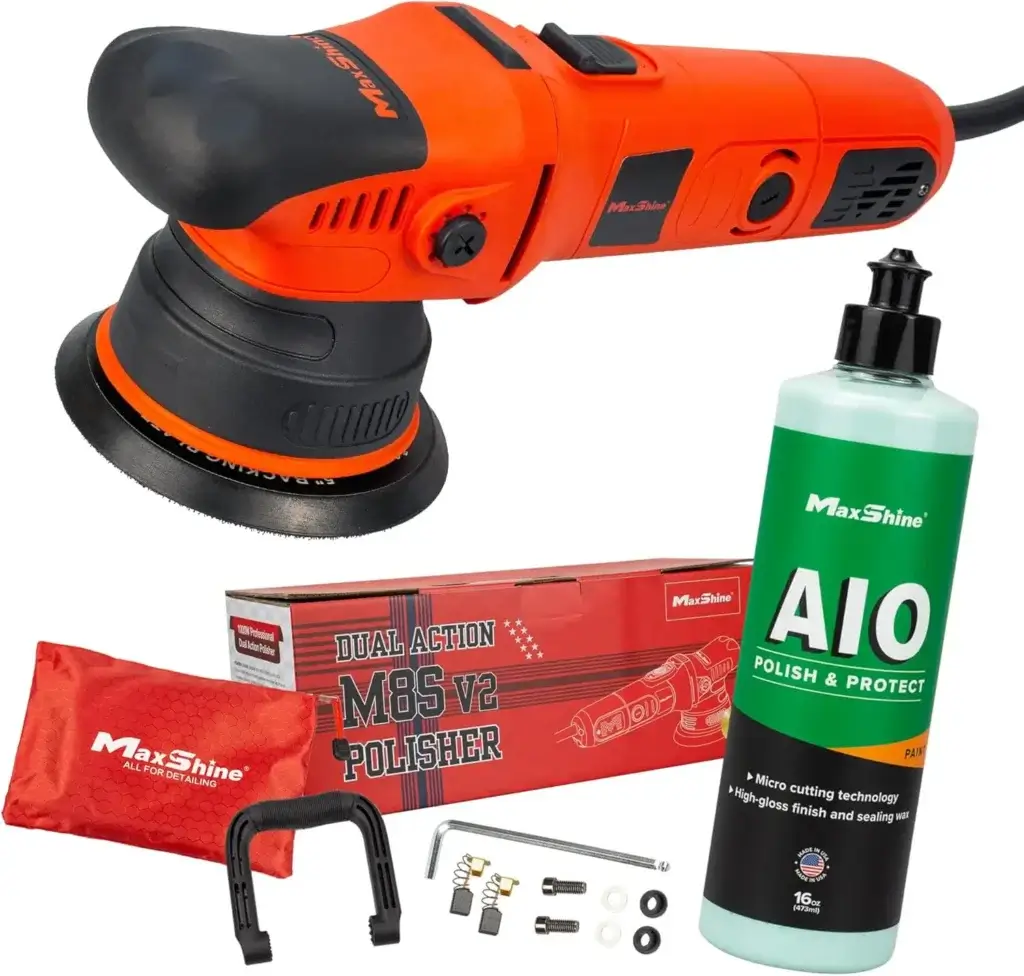
Image Credit: Amazon
Classic or Vintage Vehicles
Restoring a classic car? Prepare your wallet. Restoration paint jobs can range from $8,000 to $20,000, depending on how much bodywork is needed. These jobs often involve stripping the car down to bare metal before repainting to preserve authenticity.
Paint Options and Their Price Ranges
Choosing the right type of paint is crucial for both appearance and durability.
Single-Stage Enamel Paint
The most affordable option, single stage enamel combines color and gloss in one coat. It’s simple and durable but lacks the deep shine of multi-stage paints.
Urethane Paint
Urethane offers a glossy finish and excellent durability. It resists chips, UV damage, and fading making it the go-to choice for most modern vehicles. Expect costs between $1,000 and $4,000, depending on your vehicle size.
Metallic and Pearlescent Finishes
These paints give your car a luxurious shimmer that changes with light angles. They’re more complex to apply, so labor costs rise significantly. A good metallic or pearlescent paint job can cost $3,000 to $7,000.
Custom and Matte Finishes
Matte finishes are trendy but require specialized materials and application techniques. They’re beautiful but hard to maintain scratches can’t be buffed out easily. Custom designs, graphics, or color shifts (like chameleon paint) can push costs to $10,000 or more.
The Painting Process: Step-by-Step Overview
Painting a car isn’t just about spraying color it’s an art that involves precision, patience, and multiple stages of preparation. Understanding how the process works helps you appreciate what you’re paying for and why quality paint jobs are never cheap.
Preparation and Sanding
Before any paint touches your car, the surface must be perfectly smooth. This starts with thorough cleaning to remove dirt, grease, and old wax. Then comes sanding often the most time-consuming step. Technicians sand the entire car to remove old paint layers and create a surface that new paint can properly bond to. Depending on the car’s condition, this could take several hours or even days.
For vehicles with rust, dents, or scratches, extra repair work is done before painting begins. Body filler may be used to even out imperfections, and any rust spots are treated or replaced to ensure they don’t spread underneath the new paint. Skipping or rushing this step is a recipe for disaster no matter how high-end the paint, it won’t look right without a flawless surface.
Priming the Car
Once the surface is smooth, a primer coat is applied. Primer serves as a foundation it improves adhesion, enhances paint color, and provides a layer of protection against corrosion. Usually, professionals apply two to three coats of primer, allowing each to dry thoroughly before sanding again to ensure a perfect surface.
Different primers are used depending on the paint type. Epoxy primers, for example, work well with most paints and offer excellent durability. Urethane primers are great for filling minor imperfections. Getting this step right determines whether your paint job lasts five years or fifteen.
Painting and Clear Coating
Now comes the fun part: applying the paint. The painter uses a spray gun to apply several thin coats of paint evenly across the vehicle. The goal is smooth, consistent coverage without drips or uneven color. Most professional paint jobs use a base coat/clear coat system. The base coat provides the color, while the clear coat adds gloss and UV protection.
Typically, three to five coats of base color are applied, followed by two or three layers of clear coat. Between coats, the vehicle must sit in a controlled environment free from dust, humidity, and temperature fluctuations to ensure a smooth, even finish.
Curing and Polishing
After painting, the vehicle is cured, either through natural drying or by using heat lamps in a paint booth. This process can take anywhere from a few hours to a couple of days depending on the paint type and conditions. Once cured, the clear coat is polished and buffed to remove any imperfections and bring out a high-gloss shine.
Professional shops finish with detailing cleaning edges, removing tape, polishing chrome, and checking for consistency. The end result? A flawless, mirror-like finish that makes your car look brand new.
How to Save Money When Painting a Car
Painting a car doesn’t have to drain your bank account. With smart decisions and timing, you can get quality results at a fraction of the cost.
DIY Paint Kits
If you’re handy and patient, DIY paint kits can save you thousands. A decent kit, including primer, paint, and clear coat, can cost anywhere from $150 to $400. However, you’ll also need tools like spray guns, sanders, masking tape, and a ventilated space. The challenge? Achieving professional results takes skill and time. Even a minor mistake like overspray or uneven coats can make your car look worse instead of better. Still, for older vehicles or budget builds, DIY can be a solid choice.
Partial or Spot Painting
If your entire car doesn’t need a full repaint, consider partial or spot painting. For example, if only the hood or roof is faded, repainting just those sections can cut your cost by half or more. Many auto shops offer color-matching technology to blend new paint seamlessly with your existing finish, saving both time and money.
Choosing the Right Workshop
Not all paint shops are equal. Look for reputable local garages with strong reviews and samples of previous work. Sometimes, small family-owned body shops offer excellent craftsmanship for less than big-brand chains. Always ask for a written estimate, details about the paint brand they use, and warranty terms before committing.
Timing Your Paint Job During Discounts
Believe it or not, painting your car at the right time of year can save you money. Many body shops offer seasonal discounts especially during winter months when business is slow. Keep an eye out for promotions or coupons from local workshops. Also, avoid peak summer months when paint booths are busiest and prices tend to rise.
Common Mistakes to Avoid
Even the most enthusiastic car owners can make costly mistakes when painting or hiring someone to paint their car. Avoiding these errors can save you hundreds or even thousands of dollars.
Skipping Prep Work
Preparation is the foundation of any great paint job. Cutting corners on sanding, cleaning, or priming leads to paint that bubbles, peels, or chips within months. It might look fine initially, but soon you’ll see imperfections appearing beneath the surface.
Using Cheap Materials
Cheap paint and primer might seem tempting, but they rarely hold up over time. Low-quality paints fade faster, chip easily, and often have poor UV protection. Always invest in high-quality materials, especially clear coats, as they are the first line of defense against sunlight, moisture, and dirt.
Ignoring Environmental Conditions
Temperature, humidity, and dust all affect how paint adheres and dries. Professional paint booths maintain ideal conditions something most home garages can’t replicate. If you’re painting your car yourself, avoid humid days or extremely cold weather. Dust particles can ruin an otherwise perfect finish, leaving tiny imperfections that stand out under light.
Professional vs. DIY Car Painting: Which Is Better?
When it comes to repainting your car, the biggest question is whether to do it yourself or hire a professional. Both have advantages and drawbacks, depending on your budget, time, and skill level.
Pros and Cons of DIY Painting
Pros:
- Much cheaper (can be under $500 total)
- Flexibility you can take your time
- Great learning experience for enthusiasts
Cons:
- Requires significant skill and patience
- Results may not match professional quality
- Risk of uneven paint, dust contamination, or drips
DIY painting is ideal for older cars or project vehicles where perfection isn’t mandatory. However, if you plan to sell or showcase your car, you might regret not going pro.
Pros and Cons of Professional Painting
Pros:
- Expert results with guaranteed durability
- Access to professional-grade paints and tools
- Paint booths ensure dust-free and even finishes
Cons:
- Higher cost
- Longer turnaround time
- Some low-end shops may overcharge or cut corners
Professional painting is worth the investment for newer or valuable vehicles. A skilled technician ensures every detail from primer to clear coat is handled with precision.
Which Option Gives Better Long-Term Value
While DIY saves upfront costs, professional paint jobs tend to last longer and look better. A professional finish can enhance resale value, protect the car’s body, and prevent rust, saving money in the long run. For those keeping their car for several years, the professional route often pays off.
How Long Does a Car Paint Job Last?
Car paint longevity depends on factors like paint quality, maintenance, and environmental exposure. On average, a good-quality professional paint job lasts 7 to 10 years. Lower-end jobs might fade within 2 to 3 years, especially without proper care.
Factors Affecting Paint Longevity
- Type of paint: Urethane and acrylic paints last longer than enamel.
- Environment: Cars parked outdoors in sunny or coastal areas experience faster fading.
- Maintenance: Regular washing, waxing, and avoiding harsh chemicals keep paint fresh longer.
- Application quality: Proper priming, layering, and curing significantly affect durability.
Maintenance Tips for Longer-Lasting Paint
- Wash your car every two weeks using gentle, pH-balanced soap.
- Apply a high-quality wax every three months to protect against UV rays.
- Avoid automatic car washes with stiff brushes they can scratch your paint.
- Park in shaded or covered areas whenever possible.
With regular maintenance, even mid-range paint jobs can maintain their shine for nearly a decade.
Additional Costs to Consider
When budgeting for a car paint job, the base quote is rarely the full story. Several hidden or additional costs can significantly affect your total bill. Understanding these upfront helps you avoid unpleasant surprises later.
Removing Old Paint
If your car’s old paint is flaking, bubbling, or has several layers from past paint jobs, it must be stripped before repainting. Paint removal ensures a smooth and clean surface for the new coat to adhere properly. Professionals often use sanding, chemical strippers, or media blasting for this process.
- Estimated Cost: $300–$1,000, depending on vehicle size and paint condition.
Although it’s an extra expense, skipping this step can lead to a poor finish and premature peeling of your new paint.
Rust Repair and Dent Removal
Rust and dents are the silent killers of any paint job. Before painting, these issues need to be fixed or the new paint won’t last. Even a small patch of rust can spread under the paint, ruining your car’s appearance within months.
- Minor dent repairs: $50–$150 each.
- Rust treatment: $100–$500 depending on severity.
If the car’s body is badly corroded, metal panels might need replacement, dramatically increasing costs. This is why inspection before painting is critical what looks like a small job might turn out to be much more.
Polishing and Detailing
Once your car is painted, you might want it polished and detailed to perfection. Polishing enhances shine, smooths the finish, and removes minor surface imperfections. Some high-end paint jobs already include this, but in many cases, it’s an add-on.
- Cost: $100–$400 for professional polishing and detailing.
A detailed finish not only boosts visual appeal but also adds a layer of protection to the paint, making it more resistant to UV rays and road grime.
Eco-Friendly Car Painting Options
As the world moves toward sustainability, car painting has evolved too. Traditional automotive paints often contain harmful chemicals and volatile organic compounds (VOCs) that release toxins into the air. Eco-friendly paint alternatives are now available, offering great performance without compromising environmental health.
Water-Based Paints
Water-based paints use water as the primary solvent instead of harsh chemicals. They emit fewer VOCs and are less harmful to both the painter and the environment. Many manufacturers, including BMW and Toyota, already use water-based paints at the factory level.
Though slightly more expensive, these paints offer excellent color depth and durability when applied properly. They also dry faster and provide a cleaner, more even finish.
Low-VOC and Non-Toxic Alternatives
Low-VOC paints reduce toxic emissions while maintaining the same glossy appearance and toughness as conventional paints. These paints are ideal for eco-conscious car owners who want to minimize their environmental impact.
While they can cost 10–15% more than standard options, their benefits cleaner air, reduced odor, and safer application often outweigh the price difference. Some shops even recycle leftover paint and solvents to further cut waste.
By choosing eco-friendly painting methods, you’re not only giving your car a makeover but also contributing to a healthier planet.
How to Maintain a Freshly Painted Car
After spending hundreds or even thousands on a new paint job, proper maintenance is key to keeping that “just painted” shine for years. A fresh coat is vulnerable in its first few months, so following care guidelines can make all the difference.
Washing and Waxing Tips
- Wait before washing: Avoid washing your car for at least two weeks after painting to allow the paint to cure completely.
- Use the right soap: Harsh detergents can strip the clear coat. Always use pH-balanced car shampoos designed for auto finishes.
- Dry properly: Use microfiber towels instead of old rags or paper towels to avoid scratching the surface.
- Wax regularly: Apply high-quality wax every 2–3 months. Wax adds a protective barrier that shields against UV rays, acid rain, and bird droppings.
Regular washing removes contaminants that can dull your paint over time. Think of it as skincare for your car consistency is key.
Protecting the Finish from UV Rays and Scratches
Ultraviolet light is one of paint’s biggest enemies. Overexposure causes oxidation, fading, and cracking. If possible, park in shaded or covered areas. Car covers are another affordable way to protect your new paint from both sunlight and debris.
When driving, keep a safe distance from trucks and vehicles that might kick up gravel or stones. Even small chips can lead to peeling if ignored. You can also consider applying a paint protection film (PPF) or ceramic coating both add an invisible layer that guards against scratches and stains.
- Ceramic coating cost: $500–$2,000 (depending on car size).
- Paint protection film cost: $1,000–$6,000 for full coverage.
These investments might seem pricey but can save thousands in repainting costs down the line.
Conclusion: Investing in Your Car’s Appearance
A car’s paint isn’t just cosmetic it’s its first line of defense. Whether you’re restoring a vintage beauty, maintaining a luxury vehicle, or simply refreshing your daily driver, painting your car is an investment in both appearance and longevity.
Costs vary widely from a few hundred for basic touch ups to over $10,000 for luxury finishes but understanding what drives those prices helps you make smarter decisions. Always balance your budget with your goals. If you want a quick color change for an old car, a basic job might do. But if you’re aiming for lasting shine and protection, paying more upfront for quality materials and skilled labor pays off in the long run.
In the end, your car reflects your personality. Treat it with care, and it will reward you with beauty, pride, and value for years to come.
FAQs
1. How much does it cost to paint a car yourself?
A DIY paint job typically costs between $200 and $600 for materials. However, you’ll need proper tools and a dust-free space. If done right, it can look good but achieving a professional finish is challenging for beginners.
2. What’s the cheapest way to repaint a car?
Opt for a single-stage enamel paint or use budget shop services like Maaco. You can get a full paint job for as little as $400–$1,000, but don’t expect a long-lasting or flawless finish.
3. How long does a professional paint job take?
A standard professional paint job takes 3–7 days, including prep, painting, and curing. Custom or high-end finishes may take two weeks or longer.
4. Can I change my car color legally?
Yes, but laws vary by region. You must update your car registration and sometimes inform your insurance provider. Failing to do so can cause issues during inspections or resale.
5. How do I know if my car needs repainting?
Look for fading, peeling, scratches, or rust spots. If the clear coat is cloudy or the paint has lost its gloss, repainting can restore your car’s look and protect it from further damage.