Pet hair gets everywhere in a car. It sticks to fabric seats, works into carpet, and collects in seams where a vacuum cannot reach. It is not just a look problem either. Loose hair can block air vents, trigger allergies, and make a clean car smell like an old dog bed. The good news is that pet hair is easy to remove once you know the order to work in. A few cheap tools and a little patience are all you need.
This guide walks through each step in order, from clearing the car to building habits that keep hair from piling up. It covers rubber brushes, squeegees, vacuums, and the mistakes that make the job harder than it needs to be.
Step 1: Clear the Car and Shake Out Loose Items
Start by taking everything out of the car. Remove floor mats, seat covers, toys, and anything else lying around. Shake out the floor mats outside the car, and give seat covers a good shake too. This clears the way and gets rid of the loose hair that would just spread around while you work.
Next, open all the doors and let the car air out for a few minutes. Pet hair holds odors, and a car that has been closed up with a dog inside can smell stale. A quick air out makes the rest of the job more pleasant and helps you see the hair you are working on.
Finally, pick up any large clumps of hair by hand. Use a damp rubber glove to grab the hair that has gathered in corners and along the edges of seats. This is faster than trying to vacuum it all up, and it keeps the vacuum from clogging later.
Step 2: Start With a Rubber Pet Hair Brush or Glove
A rubber pet hair brush or glove is the most useful tool for this job. The rubber surface creates static that pulls hair off fabric and carpet, and the hair gathers into clumps that are easy to pick up. Work in short strokes, in one direction, and watch the hair gather into lines that you can lift off the seat or carpet.
A glove works best for seats, because it follows the shape of the seat and gets into curves and corners. A brush with a handle works best for flat areas like the floor and the trunk, because it covers more ground with each stroke. Either tool will do the job, but having both makes it faster.
Work One Section at a Time
Work one section at a time, and finish each section before you move on. Start with the seat your pet uses most, then move to the other seats, then the floor, then the trunk. This stops you from spreading hair from a clean area back onto a dirty one, and it makes the job feel like progress instead of a mess.
Use the Glove for Shaped Areas
Use the glove for shaped areas like seat bolsters, headrests, and the curves where the seat meets the back. The glove follows the shape and gets into the folds where a brush cannot reach. Press firmly and use short strokes, and the hair will gather into a line you can pick up.
Step 3: Use a Rubber Squeegee on Carpet
A rubber squeegee is the best tool for carpet. The rubber blade drags hair out of the carpet fibers and gathers it into lines, the same way it gathers water off a window. Use short, firm strokes in one direction, and the hair will roll up into clumps that are easy to pick up.
Work the squeegee across the carpet in rows, like mowing a lawn. Overlap each row slightly so you do not miss a strip. The hair will gather at the end of each row, where you can pick it up by hand or with a damp glove.
A squeegee works on fabric seats too, though a brush or glove is usually faster there. On carpet, though, nothing beats a squeegee for pulling hair out of the fibers. It is cheap, it lasts forever, and it does a job that a vacuum alone cannot do.
Step 4: Vacuum After Loosening, Not Before
Vacuum after you have loosened the hair, not before. A vacuum on its own will not pull hair out of carpet fibers or off fabric seats, because the hair is woven in too tightly. The rubber brush, glove, and squeegee loosen the hair first, and the vacuum picks up what is left.
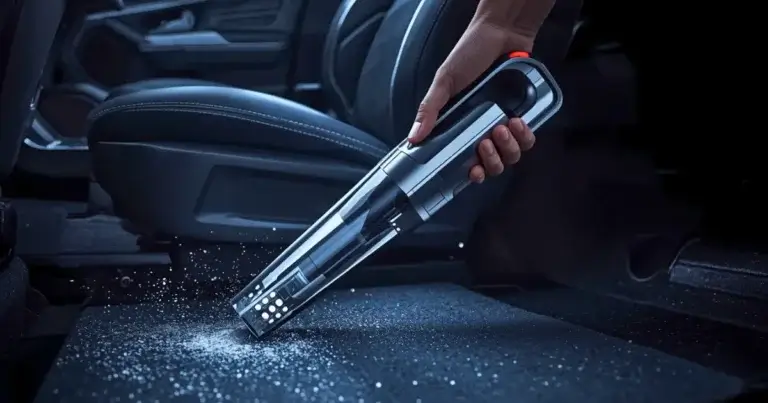
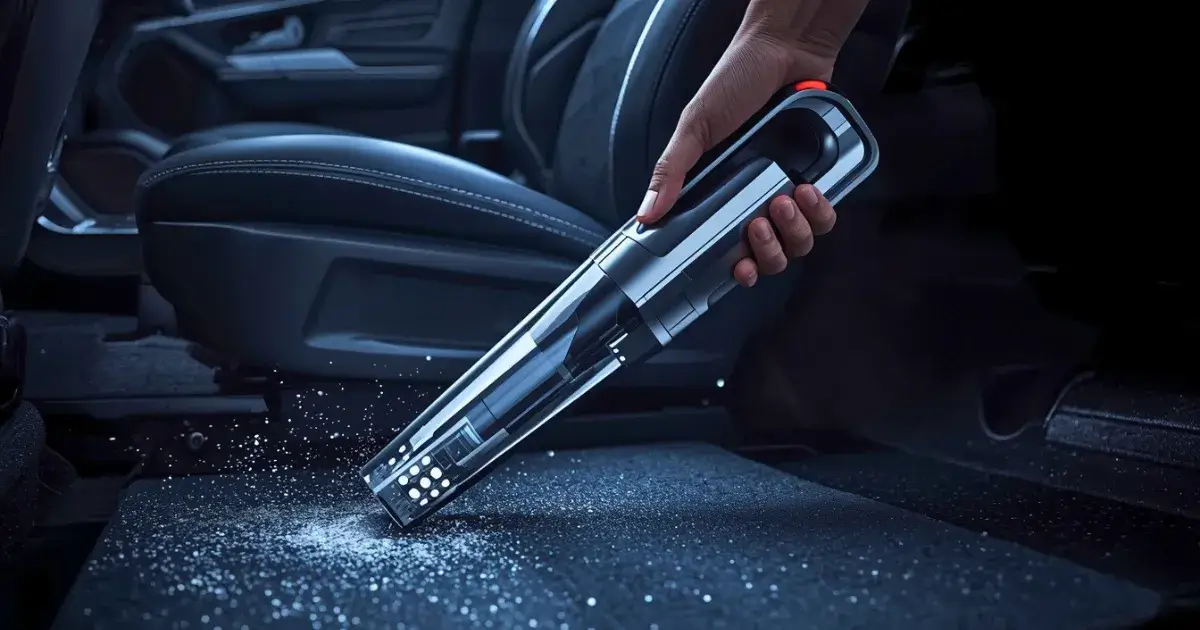
Use a handheld vacuum with a crevice tool for this job. Our guide to how to clean car seats with a handheld vacuum walks through the full process, from clearing the car out to working the seams and the crumbs hiding under the seats. A handheld vacuum is easier to move around a car than a full size one, and the crevice tool gets into the gaps where hair hides.
Vacuum in the same order you brushed: seats first, then the floor, then the trunk. Go over each section twice, once in each direction, because hair can hide in the fibers and only come loose when you change direction.
Step 5: Clean Seams, Stitching, and Seat Edges
Seams, stitching, and seat edges are where hair collects and hides. The crevice tool on a vacuum can reach most of it, but some hair stays wedged in the seam. Use a stiff brush or an old toothbrush to work the hair out of the seam, then vacuum it up.
For leather seats, wipe the seams with a damp cloth after brushing. The cloth picks up the hair that the brush loosened, and it leaves the leather clean at the same time. For fabric seats, a rubber glove works better than a cloth, because the rubber grabs the hair instead of pushing it around.
Check the edges where the seat meets the door and the center console. Hair gathers there because it falls off the seat and slides into the gap. A crevice tool and a damp glove together will clear it out.
Step 6: Use a Pumice Style Stone Only on Tough Carpet
A pumice style stone is a rough, porous block that drags hair out of carpet. It works well on tough, low pile carpet, where a squeegee or brush does not get deep enough. Rub the stone across the carpet in short strokes, and the hair will gather into clumps.
A pumice stone is too rough for fabric seats, leather, or high pile carpet. It can damage the surface if you press too hard or use it on the wrong material. Use it only on the carpet in the trunk and on floor mats, where the carpet is tough and flat.
Test First and Use a Light Touch
Test the stone on a small, hidden area first, and use a light touch. Pressing hard will not pull out more hair, it will just wear down the carpet. Short, light strokes work best, and you should stop as soon as the hair stops gathering.
After using the stone, vacuum the area to pick up the loose fibers and the hair you loosened. A pumice stone sheds a little of itself as you use it, so the vacuum step is not optional.
Step 7: Do a Slightly Damp Rubber Glove Pass on Fabric Seats
A slightly damp rubber glove is the best last pass on fabric seats. The damp rubber grabs the last of the hair, and it also picks up dust and lint that the vacuum missed. Wet the glove, wring it out so it is damp but not dripping, and wipe it across the seat in one direction.
The hair will stick to the glove, and you can peel it off and throw it away. Work the whole seat this way, then let the seat dry before you sit on it. A damp seat will attract hair again, so give it time to dry fully.
This step is not needed on leather seats, where a damp cloth does the same job more easily. On fabric, though, the damp glove pass is the difference between a seat that looks clean and a seat that is actually clean.
Step 8: Finish With a Dryer Sheet or Lint Roller
A dryer sheet or a lint roller is a good final step. A dryer sheet rubbed across the seat picks up the last loose hairs and leaves a light, clean scent. A lint roller does the same job, and it is easier to use on seats with a lot of curves.
Use the dryer sheet or lint roller after the seat has dried, not before. A damp seat will just stick to the sheet or the roller and make a mess. Once the seat is dry, a quick pass with a lint roller will pick up anything you missed.
Keep a lint roller in the car for quick clean ups between deep cleans. A quick roll over the seat after a trip with the dog will keep hair from building up, and it takes less than a minute.
Step 9: Build Prevention Habits So Hair Does Not Pile Up
Cleaning is easier when hair never gets a chance to build up. A few simple habits will keep your car cleaner between deep cleans, and they take almost no time.
Cover the Seats Your Pet Uses
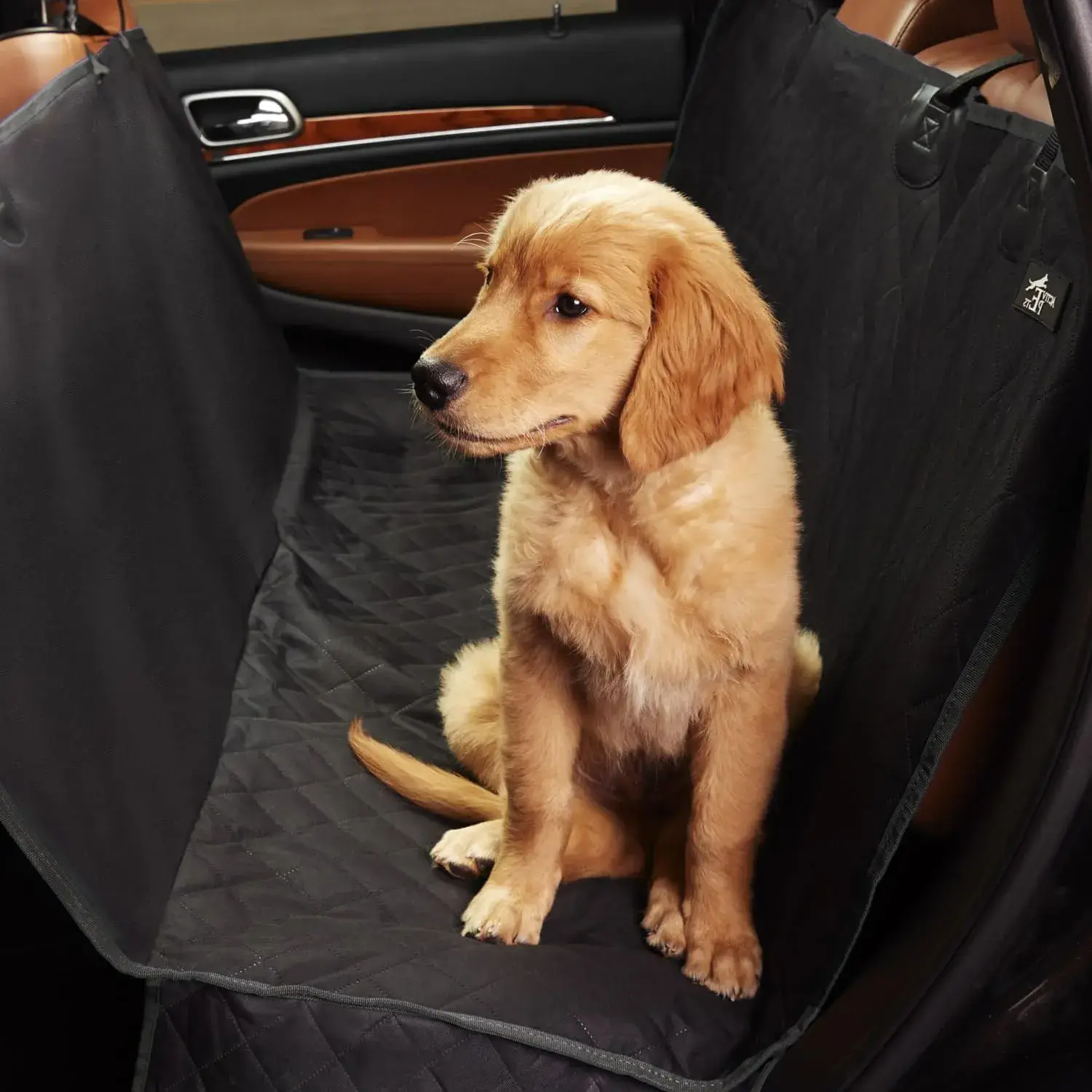
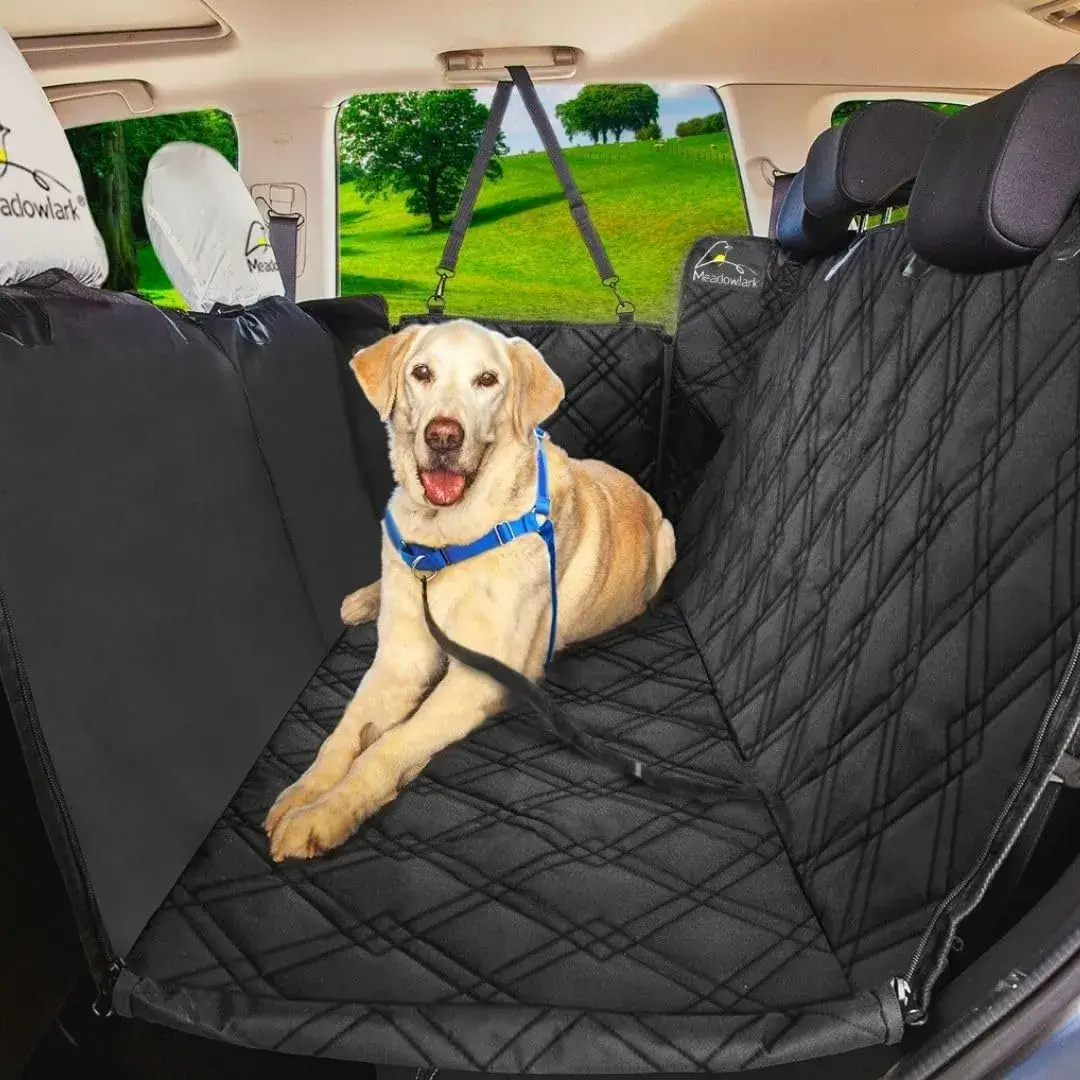
Cover the seats your pet uses with a seat cover or a blanket. The cover catches most of the hair, and you can shake it out or wash it instead of cleaning the seat itself. A cover is easier to clean than a seat, and it protects the seat from claws and dirt too.
Brush Right After Trips
Brush your pet right after trips, before the hair has time to settle into the seats and carpet. A quick brush outside the car will catch the loose hair that would otherwise end up in the car. It takes a minute, and it makes a real difference over time.
Keep a Small Brush in the Trunk
Keep a small rubber brush in the trunk, so you can do a quick pass over the seats after a trip. A minute of brushing after each trip will keep hair from building up, and it means you will not need a deep clean as often.
Common Mistakes to Avoid
Vacuuming First and Only Vacuuming
Vacuuming first is the most common mistake. A vacuum alone will not pull hair out of carpet or fabric, because the hair is woven in too tightly. Loosen the hair with a rubber brush, glove, or squeegee first, then vacuum what is left.
Using Rough Tools on the Wrong Surface
A pumice stone or a stiff brush will damage leather and fabric if you use it there. Match the tool to the surface: rubber for fabric, a damp cloth for leather, and a pumice stone only for tough, low pile carpet. When in doubt, test on a hidden area first.
Soaking the Seats
Soaking the seats with water or cleaner will not help and can cause problems. Wet seats take a long time to dry, they can grow mold, and they attract hair again as soon as they are damp. Use a damp glove or cloth, not a soaked one, and let the seat dry fully.
Waiting Months Between Cleans
Waiting months between cleans lets hair work deep into the fibers, where it is much harder to remove. A quick clean after each trip with your pet, and a deep clean once a month, will keep the job easy and the car fresh.
Frequently Asked Questions
What is the best tool to remove pet hair from car seats?
A rubber pet hair brush or glove is the best tool for fabric seats. The rubber creates static that pulls hair off the fabric, and the hair gathers into clumps that are easy to pick up. A squeegee works best on carpet, and a handheld vacuum with a crevice tool finishes the job.
Does a vacuum remove pet hair from car seats?
A vacuum alone will not remove most pet hair from car seats, because the hair is woven into the fabric too tightly. Loosen the hair first with a rubber brush or glove, then vacuum up what is left. A vacuum with a crevice tool is best for seams and gaps.
Can I use a lint roller to remove pet hair from my car?
Yes, a lint roller works well as a final step, after the seat has been brushed and vacuumed and is dry. It picks up the last loose hairs, but it will not pull hair out of the fibers on its own. Use it for quick clean ups and as a finishing touch, not as the main tool.
How do I remove pet hair from car carpet?
Use a rubber squeegee on car carpet. The rubber blade drags hair out of the fibers and gathers it into lines that are easy to pick up. Work in rows, overlap each row, and vacuum after you have loosened the hair. A pumice style stone can help on tough, low pile carpet, but test it first.
Will a dryer sheet remove pet hair from car seats?
A dryer sheet will pick up loose hair from a dry seat, and it leaves a light, clean scent. It will not pull hair out of the fibers, so use it as a final step after brushing and vacuuming, not as the main tool.
How often should I clean pet hair out of my car?
Do a quick clean after each trip with your pet, and a deep clean once a month. A quick brush and a pass with a lint roller after each trip will keep hair from building up, and a monthly deep clean will keep the car fresh and the seats in good shape.
Can pet hair damage my car seats?
Pet hair itself will not damage seats, but it can hold moisture and odors, and it can work into the fibers over time. Claws can scratch leather, and hair can block air vents. Regular cleaning and a seat cover will protect your seats and keep the car smelling fresh.
Final Thoughts
Removing pet hair from car seats and carpet is not hard once you work in the right order. Loosen the hair with a rubber brush, glove, or squeegee, then vacuum what is left, then finish with a damp glove pass and a lint roller. The tools are cheap, the steps are simple, and the whole job takes less than an hour.
The real trick is prevention. Cover the seats your pet uses, brush your pet after trips, and keep a small brush in the trunk for quick clean ups. A few minutes after each trip will keep your car clean, and you will not need a deep clean nearly as often.