Introduction to Nissan Altima Wheels
Why Wheel Selection Matters for Your Altima
Wheels are more than just circular pieces of metal that help your car move. They’re foundational to the performance, safety, and appearance of your Nissan Altima. If you’ve ever wondered why some cars just look “right” while others don’t, it often comes down to the wheels. Whether you’re rocking a sporty SR, an eco-friendly S, or a loaded Platinum trim, your choice of wheels makes a massive difference in how your Altima feels and looks on the road.
Poorly chosen or worn-out wheels can affect handling, braking, and even fuel economy. The right wheels not only enhance visual appeal but also provide better grip, smoother rides, and improved driving dynamics. Plus, let’s not forget about resale value. A sharp-looking Altima with the right set of wheels can fetch you a better deal when it’s time to upgrade.
On the flip side, wrong wheels—wrong size, offset, or bolt pattern—can cause vibration, suspension damage, and worse, become a road hazard. So yeah, wheel selection isn’t something to take lightly. Whether you’re buying a used Altima or upgrading your current one, understanding what wheels work best is crucial for safety and style.
Let’s dive into all the essentials you need to know to make smart, informed decisions about your Nissan Altima wheels.
Evolution of Nissan Altima Wheels Over the Years
The Nissan Altima has gone through a significant transformation since its debut in 1992. And with each generation, the wheels have evolved to reflect changing automotive trends, performance demands, and design philosophies.
In the early years (1990s), wheels were mostly utilitarian—small, steel-based, and simple. Fast forward to the early 2000s, and alloy wheels became the standard, offering lighter weight and sleeker design. The 2010s introduced bolder, larger wheel sizes with trims like SR and SL getting sportier 17” and 18” options.
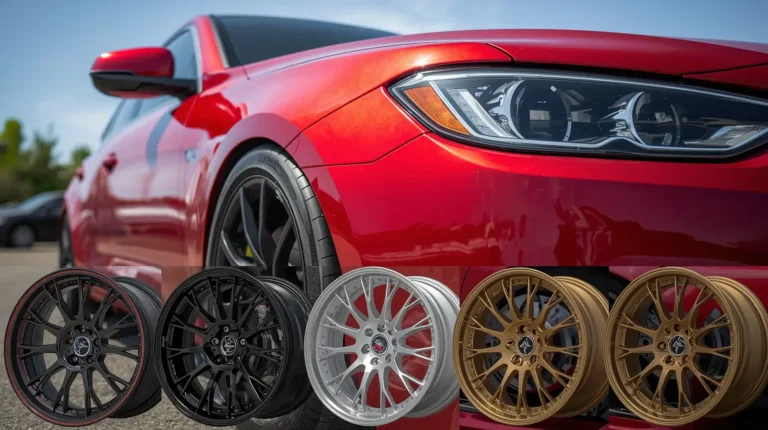
Now in the 2020s, we’re seeing aggressive 19” wheels on higher trims, blacked-out rims, and more intricate spoke patterns. Wheel design has become a fashion statement, much like choosing sneakers for your car. Nissan has even started offering special edition wheels with unique finishes, like satin bronze and gloss black, which elevate the Altima’s curb appeal.
What’s more impressive is the move towards lighter, performance-driven materials. Many recent Altima wheels are designed to reduce rotational mass, giving better acceleration and fuel efficiency. Overall, the evolution tells us one thing: wheels aren’t just about functionality anymore—they’re about identity, and Nissan knows it.
OEM vs. Aftermarket Wheels
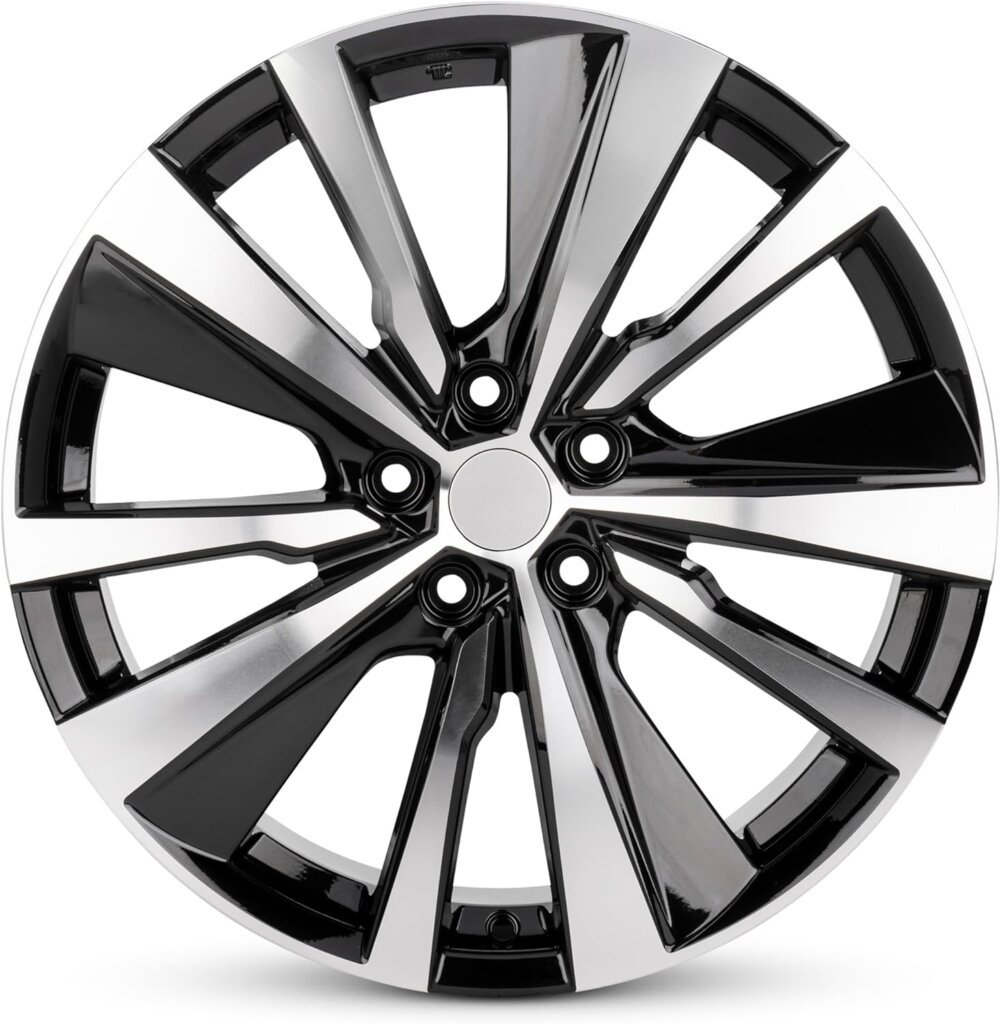
What Are OEM Wheels?
OEM stands for Original Equipment Manufacturer. Simply put, OEM wheels are the ones that Nissan puts on your Altima when it rolls off the factory floor. These wheels are engineered specifically for your car’s weight, suspension, and handling specs. So, they’re always a safe bet if you’re replacing damaged wheels or want to stick with the original look and feel.
OEM wheels maintain uniformity in terms of quality, fit, and design. They’re built under strict standards, ensuring compatibility and durability. If you’re the kind of person who prefers peace of mind and a no-hassle fit, OEM is the way to go. Plus, they usually come with warranty coverage if purchased through an authorized dealer.
However, there’s a trade-off. OEM wheels tend to be more expensive, and your customization options are pretty limited. You’re usually stuck with standard colors and finishes. If you’re someone who wants to make your Altima stand out or improve performance, you might find OEM options a bit too… basic.
Another thing—OEM wheels are typically heavier than high-performance aftermarket options. That extra weight can impact fuel economy and acceleration. So, if you’re a spirited driver, that might be a drawback.
Advantages and Disadvantages of Aftermarket Wheels
Aftermarket wheels open up a world of possibilities. Want your Altima to look aggressive with a set of gloss black 20-inch rims? Aftermarket’s got you. Prefer lightweight racing wheels for better handling? Yup, that’s aftermarket territory too.
One of the biggest benefits is variety. From forged aluminum to carbon fiber, matte finishes to chrome, the customization is endless. Not to mention, aftermarket wheels can be significantly cheaper or more performance-oriented depending on what you choose.
But hold up—it’s not all sunshine and rainbows. The biggest risk with aftermarket wheels is poor fitment. Choose the wrong bolt pattern, offset, or size, and you could end up with rubbing tires, compromised suspension, or worse, safety issues.
Also, not all aftermarket brands are created equal. Some cheap options use subpar materials that crack under stress. Always look for reputable brands with certifications like JWL or VIA to ensure you’re not compromising safety.
In summary, OEM equals safety and reliability. Aftermarket equals style and performance—just be smart about what you choose.
Wheel Sizes and Fitment for Nissan Altima
Stock Wheel Sizes by Model Year
When it comes to wheel size, Nissan has kept things fairly consistent but with incremental upgrades across each generation. Here’s a quick breakdown of standard wheel sizes by model year:
| Model Year | Base Model | Sport/High-End (SR, Platinum) |
|---|---|---|
| 2002–2006 | 15″–16″ | 17″ |
| 2007–2012 | 16″ | 18″ |
| 2013–2018 | 16″–17″ | 18″–19″ |
| 2019–2024 | 17″ | 19″ |
Understanding your stock size helps you decide whether to go bigger for aesthetics or stick to what works best for comfort and fuel economy. Going beyond the stock size can add visual appeal but may also affect ride quality, tire wear, and speedometer accuracy.
How to Choose the Right Wheel Size
So how do you choose the right size? First, ask yourself what your goals are. Want a smoother ride? Stick with smaller wheels and thicker tires. Going for a sporty look? Larger wheels with low-profile tires are your best bet.
The rule of thumb is to stay within 1 to 2 inches of your original wheel diameter to avoid any issues with suspension or fender clearance. You’ll also want to match your new wheels to the correct bolt pattern, offset, and center bore.
Also, keep in mind tire compatibility. Larger wheels require thinner tires to maintain the same overall diameter and avoid speedometer errors. Use a tire size calculator to find compatible tire dimensions when upsizing.
If you’re unsure, consult your vehicle manual or a professional installer. Getting it wrong can be a costly mistake—both for your wallet and your ride quality.
Best Materials for Nissan Altima Wheels
Alloy Wheels vs. Steel Wheels
Most Nissan Altimas today come with alloy wheels as standard, and there’s a good reason for that. Alloy wheels are made from a mix of aluminum and other metals, making them lighter, more stylish, and better for performance. They’re easier to mold into cool designs and generally dissipate heat better than steel, which means better braking efficiency.
Steel wheels, on the other hand, are tough as nails. They’re heavier and less pretty, but they’re perfect for harsh conditions like winter driving. They’re cheaper too, which makes them a good backup option if you’re on a tight budget.
Want your Altima to glide smoothly and look like a head-turner? Go for alloys. Planning to switch out your wheels every winter? Steel might be the way to go.
Bolt Patterns and Offset Explained
Understanding Bolt Pattern Specifications
One of the most overlooked yet crucial aspects of wheel fitment is the bolt pattern. For your Nissan Altima, this pattern dictates which wheels will bolt on without the need for modification. The bolt pattern is typically expressed in a format like 5×114.3, which means the wheel has 5 lug holes spaced 114.3 millimeters apart in a circle.
Most Nissan Altima models—from the mid-2000s up to current versions—use a 5×114.3 bolt pattern. This is good news because it’s a very common spec shared by many popular car models, which gives you a wide range of aftermarket options.
Now, if you try to install a wheel with the wrong bolt pattern, it either won’t fit or will cause misalignment. Even if it kind of fits with some janky modifications, you risk unsafe driving conditions, which can lead to uneven tire wear or worse—wheel detachment while driving. That’s why always checking the exact bolt pattern before purchasing new wheels is non-negotiable.
Need help verifying it? You can find the bolt pattern in your owner’s manual, or a reputable wheel shop can measure it for you. There are also online databases where you can plug in your car’s make and model and get exact specs.
Importance of Wheel Offset for Fitment
Offset is another critical detail you don’t want to ignore. It refers to how far in or out the wheel sits from its mounting surface. There are three types: positive, zero, and negative offset.
- Positive Offset: The hub mounting surface is toward the front (outside) of the wheel. This is common in most modern FWD vehicles, including the Altima.
- Zero Offset: The mounting surface aligns with the wheel’s centerline.
- Negative Offset: The hub sits toward the back (inward) of the wheel. This gives a more “stanced” or aggressive look.
Nissan Altima wheels typically come with a positive offset, usually in the +35mm to +45mm range. The right offset ensures your wheels don’t stick out too much or rub against the inner fender or suspension.
If you go with aftermarket wheels, always check that the offset falls within acceptable ranges. A wrong offset could mean a terrible driving experience and potential safety risks.
Top Aftermarket Brands for Nissan Altima Wheels
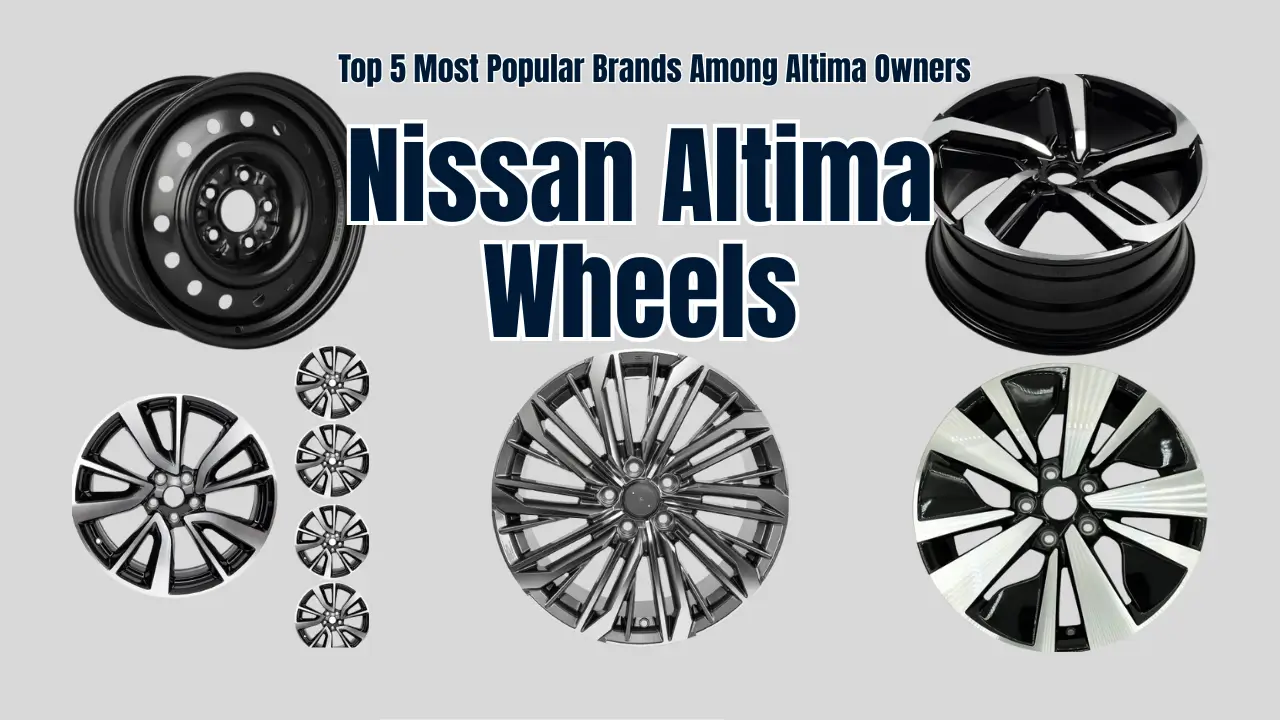
Top 5 Most Popular Brands Among Altima Owners
When it comes to customizing your Altima, wheel choice is where you can really show off your style. But with so many brands out there, how do you know which ones to trust? Here are five popular aftermarket brands that Nissan Altima owners consistently recommend:
1. Road Ready Wheels – 19″ Black Machined Aluminum Rim
Road Ready Wheels – 19″ Black Machined Aluminum Rim
Brand: Road Ready Wheels
Size: 19×8″ | Bolt Pattern: 5×114.3 mm | Offset: 55 mm
Fitment: 2019–2022 Nissan Altima (SV/SR/S/SL Trims)
Amazon Rating: ⭐ 4.7/5 (45+ reviews)
👍 Pros:
- Direct OEM replacement with precision fit
- Compatible with factory sensors and lug nuts
- Durable alloy build with premium finish
👎 Cons:
- Sold individually
- TPMS and lug nuts not included
2. Texuanhu – 19″ Machined Black Alloy Wheels (Set of 4)
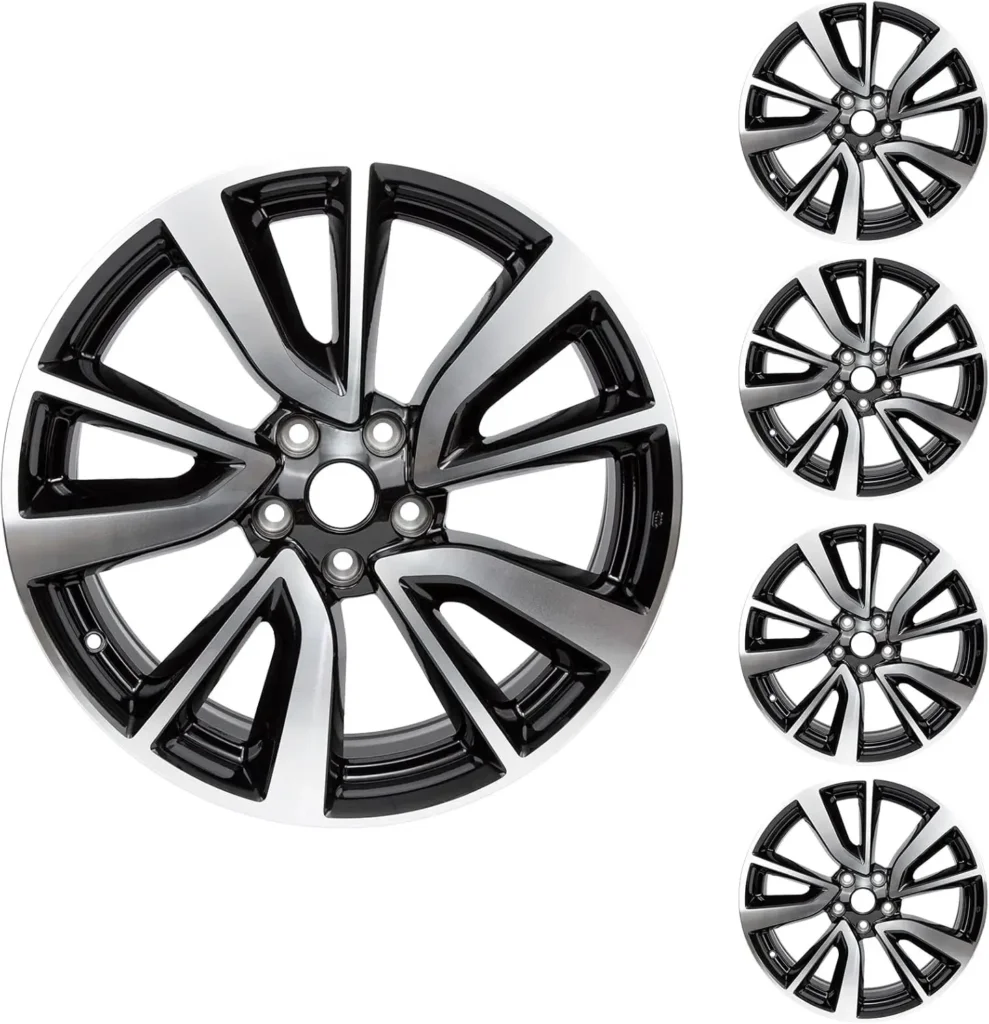
New 19 Inch Premium Aluminum Alloy Wheel Rim for 2017-2020 Nissan Rogue Direct Fit – OE Stock Specs,Machined with Black set of 2 Rim 19×7″,ALY62748U45N
Brand: Texuanhu
Size: 19×8″ | Bolt Pattern: 5×114.3 mm | Offset: 55 mm
Fitment: 2019–2022 Nissan Altima (all trims)
Amazon Rating: ⭐ 5.0/5 (4 reviews)
👍 Pros:
- Comes as a full set of 4 wheels
- Exact replica of OEM styling
- Aluminum alloy construction, lightweight and strong
👎 Cons:
- Return policy is void once mounted
- Not compatible with older Altima models
3. Velospinner – 17″ Machined Black Replacement Wheel
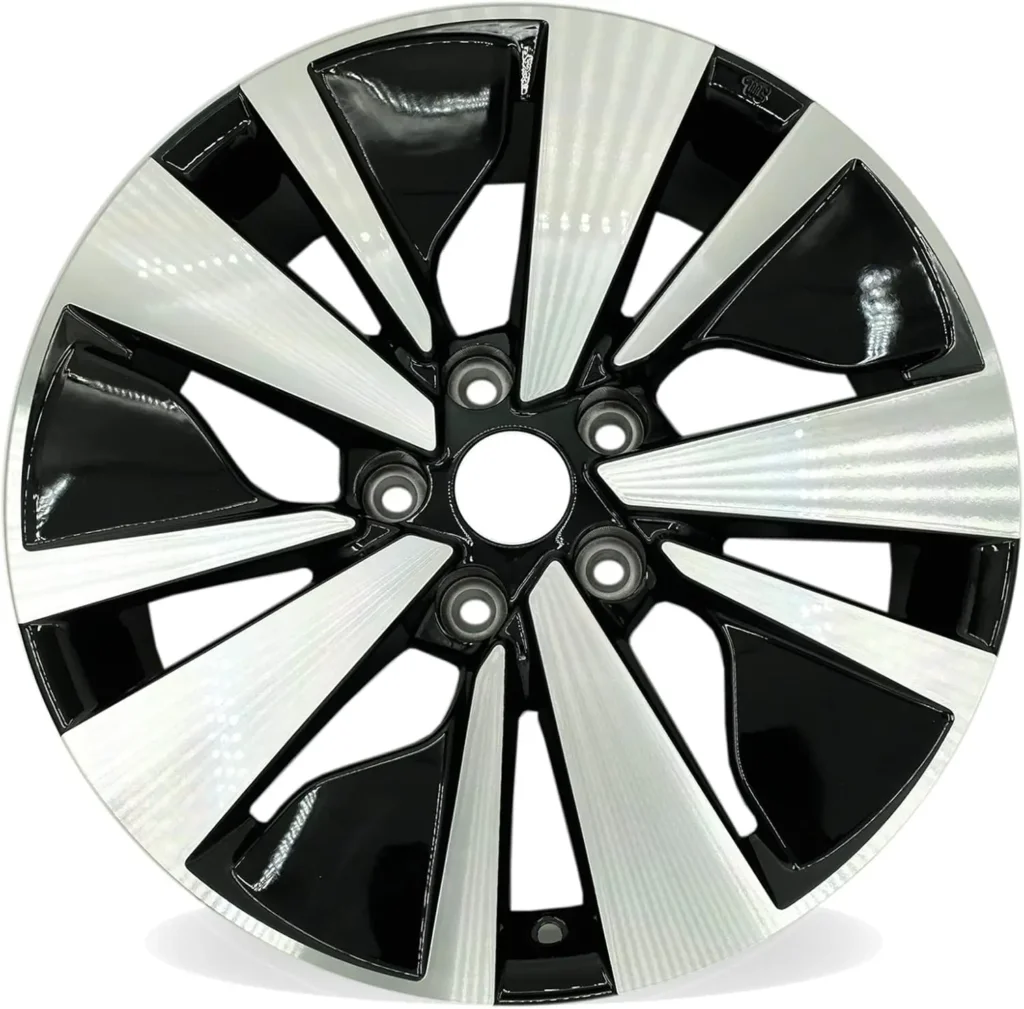
19″ Single 19X8 Machined Black Alloy Wheel For Nissan Altima 2019-2022 OEM Design Replacement Rim
Brand: Velospinner
Size: 17×7.5″ | Bolt Pattern: 5×114.3 mm
Fitment: 2019–2022 Nissan Altima
Amazon Rating: ⭐ 4.4/5 (8 reviews)
👍 Pros:
- High-quality aftermarket OEM replica
- Affordable pricing
- Machined black finish matches factory aesthetics
👎 Cons:
- Sold individually
- No included accessories like TPMS or caps
4. Part Synergy – 16″ Painted Black Steel OEM Wheel
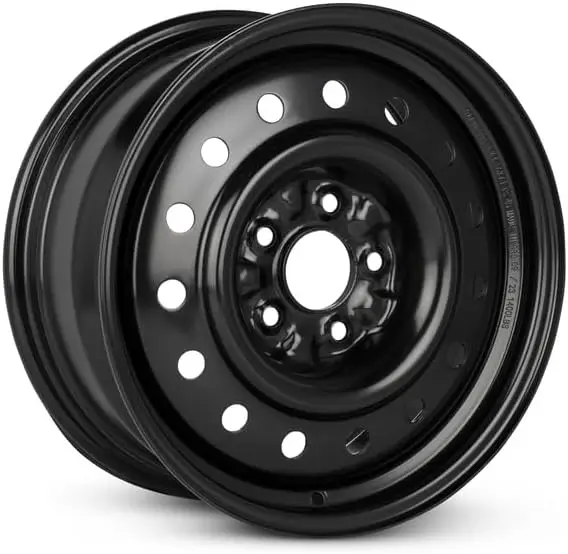
Part Synergy – 16″ Painted Black Steel OEM Wheel
Brand: Part Synergy
Size: 16×7″ | Bolt Pattern: 5×114.3 mm | Offset: 45 mm
Fitment: 2019–2024 Nissan Altima
Amazon Rating: Not listed, but frequently bought item
👍 Pros:
- Ideal for budget builds or winter tires
- Rugged steel design
- Factory hubcap and TPMS compatible
👎 Cons:
- Heavier than alloy, may affect ride comfort
- Plain aesthetics
5. YeulionCraft – 19″ Gun Gray Alloy Wheel
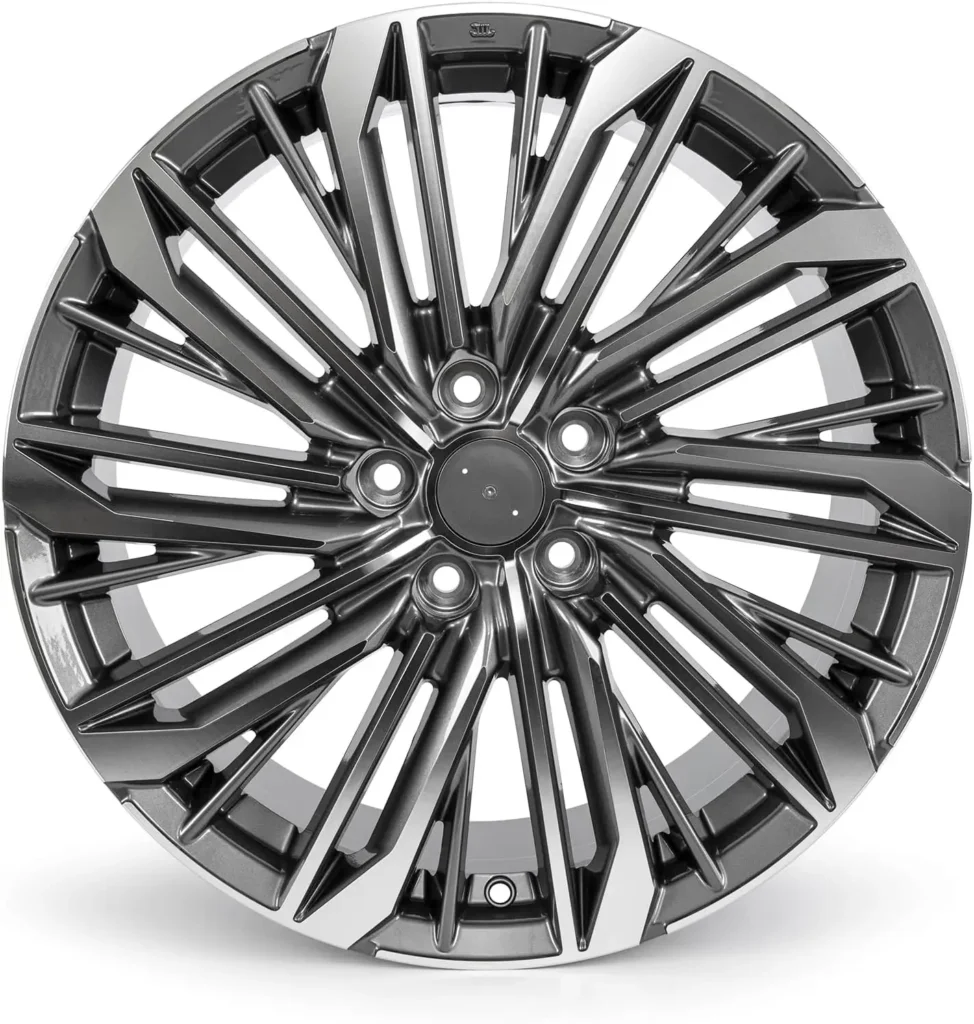
YeulionCraft – 19″ Gun Gray Alloy Wheel
Brand: YeulionCraft
Size: 19×8″ | Bolt Pattern: 5×114.3 mm | Offset: 55 mm
Fitment: 2023–2024 Nissan Altima
Amazon Rating: Unrated (new product)
👍 Pros:
- Stylish gunmetal finish
- Premium alloy, improves performance
- Designed as a direct OEM replacement
👎 Cons:
- Only sold as a single unit
- TPMS and hardware not included
🏁 Quick Comparison Table
| Brand | Size | Best For |
|---|---|---|
| Road Ready | 19″ | OEM replacement (SR/SV) |
| Texuanhu | 19″ | Full upgrade (all trims) |
| Velospinner | 17″ | Budget OEM-style upgrade |
| Part Synergy | 16″ | Winter/spare/budget use |
| YeulionCraft | 19″ | Stylish newer Altimas |
Each of these brands has its pros and cons. Some are focused more on aesthetics while others deliver performance under the hood—figuratively speaking. Always choose based on your priorities and driving needs.
Budget vs. Premium: What Should You Choose?
Let’s talk dollars and sense. Choosing between budget and premium wheels can feel like choosing between fast food and fine dining. Both will get you fed, but the experience is totally different.
Budget wheels (like brands found on Amazon or eBay) usually cost $100–$200 per wheel. These are fine if you’re just replacing damaged stock wheels or looking for a temporary solution. However, some of these are made with low-grade materials, making them susceptible to cracks, chips, and poor fitment. They may also lack safety certifications.
Premium wheels, on the other hand, typically start at $300 per wheel and can go well above $600 depending on brand and material. These wheels often offer better craftsmanship, lightweight construction, and stronger structural integrity. Brands like BBS, Rays, and HRE dominate this category and are built for both performance and luxury.
So what should you go for? If you’re a daily driver and don’t plan on racing or off-roading, a mid-tier brand with proper certifications is the sweet spot. If performance is your passion or you’re into car shows, don’t hesitate to invest in premium wheels.
Stylish Wheel Designs for the Altima
Trending Wheel Styles in 2025
It’s 2025, and the wheel game has never been more exciting. Nissan Altima owners today are spoiled with choices when it comes to design trends. Here’s what’s turning heads this year:
- Multi-Spoke Designs: Think 10 or even 15 spokes, creating a complex yet elegant look. These are especially popular with the SR and Platinum trims.
- Concave Wheels: These have a sunken-in center hub, offering an aggressive, sporty stance.
- Split-Spoke Wheels: A hybrid between classic and modern styles, split-spoke designs are versatile and look great on both stock and lowered Altimas.
- Mesh Patterns: Inspired by racing heritage, mesh wheels offer a vintage touch while still looking modern.
- Deep Dish Rims: These give a wide, planted stance and are often paired with negative offsets for a stanced appearance.
This year, we’re also seeing a rise in directional wheel patterns, where the spokes seem to “twist” as the wheel turns. This adds a sense of motion, even when the car is parked.
Color and Finish Options to Match Your Altima
Gone are the days when your only options were silver or chrome. 2025 is all about custom finishes. Here’s what’s trending:
- Gloss Black: Perfect for a stealthy, modern look. Looks killer on white or silver Altimas.
- Satin Bronze: This trendy finish adds warmth and sophistication.
- Gunmetal Gray: Sleek and professional, it suits any Altima color.
- Machined Face with Black Accents: Offers a two-tone contrast that looks high-end without going overboard.
- Color-Matched Rims: Some enthusiasts even paint their wheels to match their Altima body color—talk about next-level custom!
When choosing a color or finish, always consider your Altima’s exterior color and overall vibe. A mismatched set of wheels can ruin your whole aesthetic. You can even use online visualizers where you upload your car photo and try different wheels virtually—super helpful for making the right choice.
Wheel and Tire Packages
Should You Buy Wheels and Tires Together?
There’s a growing trend among Altima owners to buy complete wheel and tire packages instead of piecing them together. And honestly? It makes a lot of sense.
Buying them as a set ensures compatibility in terms of diameter, offset, and load rating. No more guessing games about which tire fits which wheel. Most packages even come pre-mounted and balanced, meaning all you have to do is bolt them on.
It also saves time and usually money. Bundles often include mounting, balancing, and shipping fees, all rolled into one discounted price. That’s a big win if you’re working on a budget or tight timeline.
But there’s more—purchasing packages from reputable dealers guarantees you won’t have rubbing issues, speedometer calibration problems, or mismatched load indexes. It’s a one-and-done deal that takes the guesswork out of the equation.
Benefits of Pre-Mounted Packages
Here’s a quick look at why pre-mounted packages are worth considering:
- Plug-and-Play: Just mount them, and you’re good to go.
- Better Alignment: Factory-balanced wheels reduce vibrations and premature tire wear.
- Seasonal Swaps: Great for winter tires. Just switch the whole set during seasonal changes.
- Warranty-Friendly: Packages from big retailers often come with warranties for both tires and wheels.
- Cost Savings: Buying as a bundle is usually 10–20% cheaper than buying separately.
Whether you’re going for looks, performance, or practicality, a wheel and tire package is often the smartest, most efficient choice for your Nissan Altima.
Maintenance and Care for Your Altima Wheels
Cleaning Tips to Prolong Life
Keeping your Altima’s wheels looking sharp isn’t just about vanity—it’s essential for longevity. Dirt, brake dust, road salt, and grime can degrade both the finish and structural integrity over time if left unchecked. Regular cleaning is the easiest way to keep your wheels in top condition.
Start with the right products. Avoid using harsh degreasers or acid-based cleaners that can strip away protective coatings. Go for pH-balanced wheel cleaners, and pair them with soft-bristle brushes to reach every crevice—especially if you have intricate spoke designs.
Here’s a solid cleaning routine:
- Rinse thoroughly to remove loose dirt.
- Spray cleaner and let it sit for a minute to break down grime.
- Scrub gently around the lug nuts, spokes, and inner barrel.
- Rinse again, then dry with a microfiber towel.
- Apply wheel wax or sealant to protect from future buildup.
Repeat this routine every 2 weeks, or weekly if you drive in rough conditions. And if you live in a region with snowy winters? Increase your cleaning frequency. Salt and ice melt are extremely corrosive.
Even high-end wheels can suffer if neglected. A little elbow grease today will save you big money down the road in refinishing or replacements.
Seasonal Maintenance Guide
Different seasons bring different threats to your wheels. During winter, road salt and freezing temps can wreak havoc on your finish. In summer, high heat and dust accumulation can lead to oxidization.
Here’s how to keep your wheels safe, season by season:
- Winter: If you use alloy wheels, consider swapping them out for steel wheels during snowy months. Regularly rinse off salt and ice-melt chemicals. Store your summer wheels in a dry, clean environment.
- Spring: Inspect for cracks or corrosion from winter damage. Re-balance and rotate your wheels if needed.
- Summer: Clean frequently to combat heat-related buildup. Apply UV-protective sprays to prevent fading or finish deterioration.
- Fall: Check tire pressure and wheel alignment in preparation for colder temps. Re-torque lug nuts after rotating or installing new wheels.
Following a seasonal maintenance checklist ensures optimal performance and extends the life of both your wheels and tires.
Upgrading Your Wheels for Performance
How Bigger Wheels Affect Handling
Many Altima owners are tempted to go big—18″, 19″, even 20″ wheels. And yes, larger wheels can completely change the look of your car. But what does that mean for performance?
In general, larger wheels mean thinner tires, which improves steering response and reduces sidewall flex. That translates into tighter handling and a sportier driving experience. You’ll notice it most in cornering, acceleration, and even braking.
However, there’s a tradeoff. Larger wheels are heavier, which can strain your suspension and slightly reduce fuel economy. You’ll also feel more of the road—every bump, every pothole. It can make your ride a bit rougher, especially if your roads aren’t well maintained.
Also, the larger the wheel, the more expensive the tires. Low-profile tires (which come with big wheels) wear out quicker and offer less protection against curb rash or potholes.
So while the handling upgrade is real, consider your daily driving conditions before going all-in on a larger size. Sometimes, a modest upsize—from 17” to 18”—offers the perfect balance.
Wheel Upgrades for Better Fuel Economy?
Believe it or not, your choice of wheels can affect fuel efficiency. Here’s how:
- Weight Matters: Lighter wheels reduce unsprung mass, which improves acceleration and requires less energy from the engine. Less energy = better gas mileage.
- Aerodynamics: Wheels with fewer spokes or smoother designs generate less air resistance. Performance wheels sometimes help with drag reduction, particularly at highway speeds.
- Tire Choice: Pairing your wheels with low rolling-resistance tires can boost MPG, especially on long commutes.
So yes, while wheels aren’t the first thing that comes to mind for fuel savings, the right set can subtly improve your Altima’s efficiency.
That said, if you go overboard with oversized rims, you’ll likely lose fuel economy due to added weight and rolling resistance. Stick to lightweight alloys in OEM-recommended sizes if MPG is your priority.
Cost of Nissan Altima Wheels
Pricing Breakdown: OEM vs. Aftermarket
When shopping for new wheels for your Altima, prices can vary dramatically depending on whether you go OEM or aftermarket.
Here’s a rough price guide:
| Type | Average Price per Wheel | Total Set of 4 |
|---|---|---|
| OEM (Dealer) | $250–$400 | $1000–$1600 |
| OEM (Used/Online) | $100–$200 | $400–$800 |
| Aftermarket (Budget) | $90–$150 | $360–$600 |
| Aftermarket (Premium) | $250–$600 | $1000–$2400 |
| Custom/High-End | $800–$2000 | $3200–$8000 |
OEM wheels tend to be more expensive due to brand markup and quality assurance. If you go through a dealership, you’ll pay more, but it comes with warranty and guaranteed fitment.
Used OEM wheels are a smart way to save money. Just make sure there are no cracks or bends.
Aftermarket wheels offer more design and performance variety at competitive prices. Just don’t forget to factor in shipping, mounting, and new tires if you’re switching sizes.
Where to Buy for the Best Deals?
The best places to shop for wheels are:
- Online Retailers – Websites like Tire Rack, CARiD, and Fitment Industries often have sales and package deals.
- Local Wheel Shops – Great for hands-on service and negotiations. Plus, they’ll help with fitment on the spot.
- Facebook Marketplace/Craigslist – Ideal for finding used OEM wheels at a fraction of the cost. But inspect before you buy.
- Junkyards/Salvage Yards – You can often score OEM wheels for cheap, especially if you’re okay with some wear.
- eBay Motors – Another goldmine for deals, especially on hard-to-find factory wheels.
Always check return policies, warranty coverage, and customer reviews before buying—especially online.
Legal and Safety Considerations
Are Your Wheels DOT Approved?
Safety should never take a backseat to style. Before buying any aftermarket wheel, you need to make sure it’s DOT-approved or certified under JWL, VIA, or TÜV standards.
These certifications mean that the wheels have undergone impact tests, radial fatigue tests, and bending tests to ensure they won’t fail under real-world driving conditions.
A wheel might look great on a website or Instagram, but if it lacks certification, you’re gambling with your safety. And it could also affect your insurance coverage if you’re in an accident caused by wheel failure.
Always look for etched markings or ask the seller for proof of certification. If they can’t provide it, walk away.
Avoiding Fitment and Clearance Issues
Buying the wrong wheels can lead to all sorts of headaches:
- Tires rubbing the wheel wells
- Brakes not clearing the barrel
- Suspension components getting in the way
- Improper speedometer readings
Before you buy, use a fitment guide or online calculator to confirm everything matches your Altima’s specs—bolt pattern, offset, center bore, and size.
Also, if you lower your car or change the suspension, your clearance will change too. In these cases, test-fitting is crucial before making a purchase.
Bottom line? Fitment errors aren’t just annoying—they can be dangerous. Always double-check, or better yet, consult a professional installer.
User Reviews and Experiences
Real Altima Owners Share Their Wheel Upgrades
There’s nothing like hearing it straight from the source—people who’ve already upgraded their Nissan Altima wheels. These real-world experiences often reveal valuable insights you won’t find in product descriptions or sales pitches.
Alex from California, who drives a 2020 Altima SR, swapped his stock 19” wheels for a set of 20” gloss black TSW wheels. He says the ride is slightly firmer but the improvement in looks and cornering response was worth it. “It totally changed the car’s stance. I get compliments all the time, and it handles like it’s on rails.”
Linda from New Jersey chose 17” Enkei wheels with all-season tires for her 2016 Altima SV. Her priority was comfort and fuel economy. “I didn’t want anything flashy, just something light and reliable. These wheels cut down the road noise and improved my MPG slightly.”
Jamal from Texas, a DIY enthusiast, bought a set of used OEM wheels on Craigslist for his 2012 Altima. “I saved over $400 by going the used route. They had a few scratches, but I refinished them with a spray kit, and they look brand new.”
Overall, most owners agree that the right set of wheels boosts confidence and makes driving more enjoyable. Some also point out that alignment checks and proper tire mounting are essential after any wheel change to avoid vibration or premature wear.
Common Problems and Fixes
Even with the best intentions, wheel upgrades can sometimes bring unexpected issues. Here are a few common problems Altima owners have faced, and how they fixed them:
- Vibration at High Speeds: Often caused by poor balancing or incorrect hub-centric rings. Solution: Get wheels rebalanced and ensure you’re using the correct ring size.
- Tire Rubbing: Happens when the wheel offset is too low or tires are too wide. Fix: Roll the fenders or switch to properly sized tires.
- Brake Clearance Issues: Some aftermarket wheels may not clear stock brake calipers. Workaround: Use spacers or choose wheels with a higher offset.
- Corrosion: Most common in winter due to road salt. Prevention: Regular cleaning and ceramic coating.
Knowing what others have gone through helps you make smarter decisions and avoid the same pitfalls. It’s all about doing your homework before pulling the trigger.
Installation Tips and Recommendations
DIY vs. Professional Installation
If you’re mechanically inclined, swapping out your wheels might seem like a fun weekend project. But is it worth doing yourself? Let’s weigh the pros and cons.
DIY Installation:
Pros:
- Saves money
- Satisfying experience
- Great for learning
Cons:
- Requires tools like a torque wrench, floor jack, and jack stands
- Mistakes can lead to dangerous consequences
- No guarantee everything fits correctly
If you’re going the DIY route, make sure to:
- Torque the lug nuts to spec (usually 83–108 ft-lbs for Altimas)
- Use jack stands—never rely solely on a jack
- Double-check tire pressure and clearance
- Drive slowly for the first 10 miles to feel out any issues
Professional Installation:
Pros:
- Precision balancing and mounting
- Guaranteed fitment
- Peace of mind
Cons:
- Costs more (typically $60–$100 for the set)
- Some shops may not install wheels purchased elsewhere
In general, if your new wheels are stock-sized or very close, DIY is doable. But for aggressive setups, lowering springs, or fitment tweaks, professional help is highly recommended.
Tools You’ll Need for a Smooth Swap
Thinking of tackling the job yourself? Here’s a quick checklist of essential tools:
- Torque wrench
- Jack and jack stands
- Lug wrench or breaker bar
- Anti-seize lubricant for studs
- Wire brush (to clean hub surfaces)
- Hub-centric rings (if required)
- Gloves and safety glasses
And always remember—tighten lug nuts in a star pattern for even pressure!
Conclusion
Whether you’re aiming to boost performance, enhance your Altima’s style, or simply replace a damaged set, wheels are one of the most impactful upgrades you can make. From understanding OEM vs. aftermarket pros and cons, to choosing the right materials, sizes, and designs, this guide has walked you through every aspect of buying, maintaining, and upgrading Nissan Altima wheels.
The perfect wheels do more than just roll—they define your car’s character. They influence handling, improve aesthetics, and in some cases, even improve fuel economy. But they can also ruin your ride if chosen incorrectly. That’s why making informed decisions based on your driving habits, budget, and aesthetic preferences is key.
So whether you’re a daily commuter, a weekend racer, or just someone who wants your Altima to stand out in the crowd, the right set of wheels can truly transform your driving experience.
FAQs
Can I put 20-inch wheels on my Nissan Altima?
Yes, you can fit 20-inch wheels on most Nissan Altima models, but make sure you choose the correct offset and tire size to avoid rubbing. A common setup is 20×8.5 wheels with 245/35R20 tires. Always test fit and check for clearance before committing.
What is the bolt pattern for a Nissan Altima?
Most modern Nissan Altimas (2002–2025) have a bolt pattern of 5×114.3. Always confirm your specific model year, as variations can exist, especially for earlier models or imported versions.
Do bigger wheels reduce fuel economy?
Yes, generally speaking. Larger wheels are heavier and can increase rolling resistance. This puts more strain on your engine, which may lead to slightly reduced MPG. Lightweight wheels can help offset this effect.
How often should I replace my wheels?
Wheels don’t have a set expiration date. Replace them if they show signs of cracks, severe bends, or corrosion. If properly maintained, alloy wheels can last 10+ years. Always inspect wheels during tire changes or if you feel vibrations while driving.
Are aftermarket wheels safe for long trips?
Yes, provided they are high-quality, properly installed, and certified (DOT, JWL, VIA). Always check lug torque and tire pressure before long drives, just like you would with stock wheels.