Floor mats look like one of the simplest things you can buy for a car. You pick a color, you drop them in, and you are done. Then the driver side mat slides forward under the pedals, the rear mat bunches up against the seat rail, and the edges curl because the shape is wrong for your footwell. A mat that does not fit is not just annoying. On the driver side, it can be a real safety problem.
This guide walks you through how to choose floor mats that fit your car, step by step. You will learn how to check fitment for your exact model, how to measure each footwell, how to match the factory retention clips, and how to test the driver side mat so it stays put and clear of the pedals.
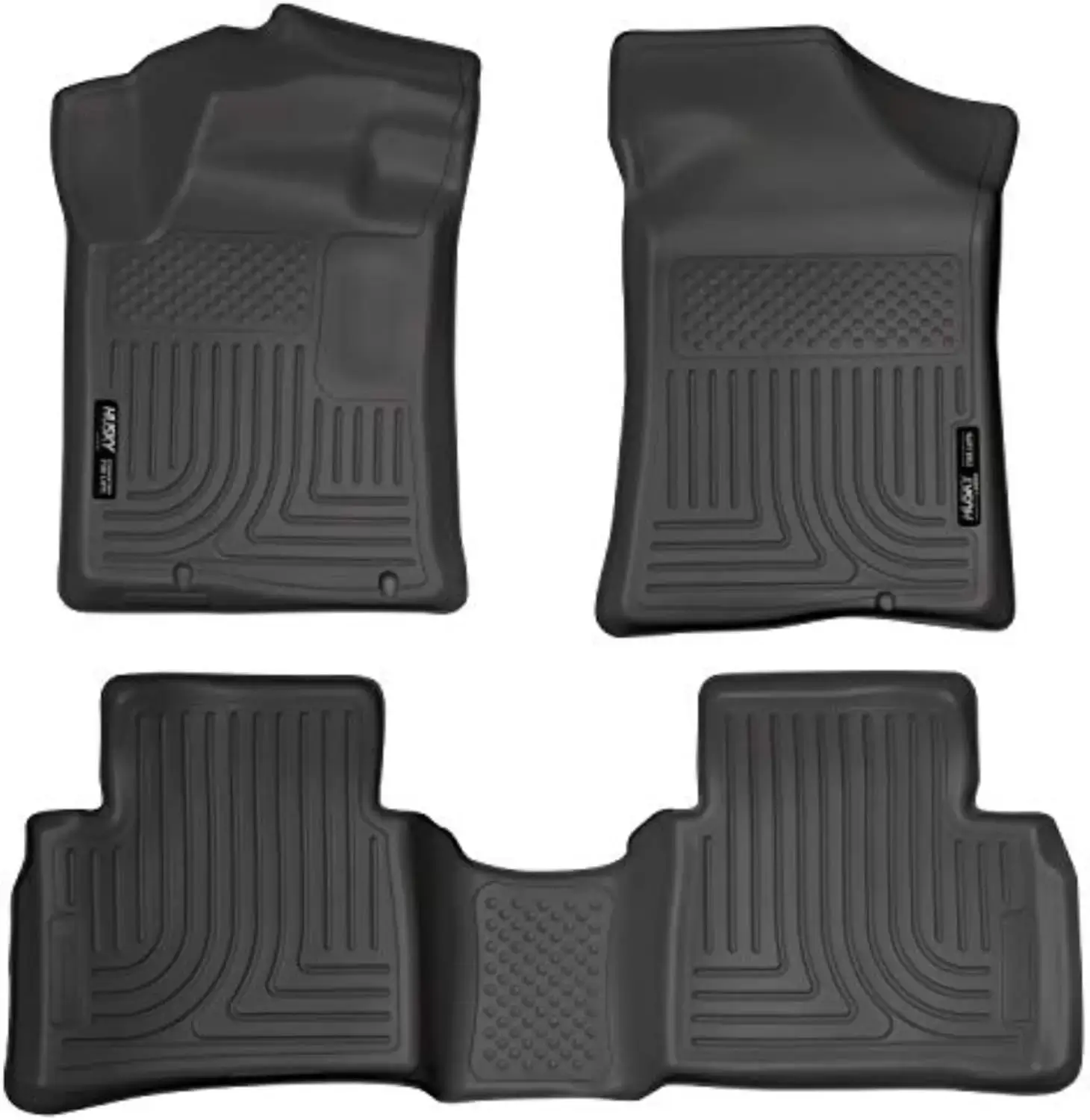
Step 1: Start With Your Car Manual and Model Year Fitment
Every good floor mat decision starts with your specific car, not with a shopping page. Two cars with the same name can have different floor shapes if they come from different model years or different generations.
Table of Contents
Why the Model Year Matters So Much
Car makers change floor pans between generations, and sometimes even in a mid cycle refresh. A mat cut for a 2019 model may leave gaps in a 2022 model. When a listing says a mat fits your car, it should name your make, model, and year range. If the year range looks very wide, be careful. One mat rarely fits ten years of production perfectly.
Where to Find the Fitment Information
Your owner manual is the best starting point. It lists the correct mat size guidance for your car and explains the factory retention system, including warnings about mat placement on the driver side. You can also check the label on your current mats if they are the original factory set. Factory mats often have a part number and the model name printed on the back, which makes finding an exact replacement much easier.
Write down four things before you shop: your make, your model, your exact model year, and your body style. A sedan and a hatchback with the same name can have different rear floors. This small list will save you from most wrong purchases.
Step 2: Measure Each Footwell Before You Buy
Even with the right model year, it pays to measure. Trim levels, optional pedals, and seat options can change the space a mat has to cover. Measuring takes about ten minutes with a tape measure and a piece of paper.
Measure the Driver Side First
Remove the old mat. Measure the length from the base of the seat, where your heels rest, forward to the highest point the mat should reach under the pedals, without touching the pedals themselves. Then measure the width at the widest point, usually near the seat, and again near the pedals, since many footwells narrow toward the front. Note any curves, the position of the footrest on the left, and the shape around the center console.
Measure the Passenger Side and the Rear
The passenger footwell is often a different shape from the driver side, so measure it on its own. Do not assume the two sides match. For the rear, check whether your car uses two separate mats or one long piece that runs across the middle hump. Measure the hump height as well, because a flat rear mat will wrinkle and lift on a tall hump.
Make a Simple Paper Template
If your footwell has an odd shape, lay newspaper or cardboard on the floor and trace the outline with a marker. Cut along the line and you have a template you can compare with product photos and size charts. Mark the spots where the retention posts sit. A paper template is the most reliable way to judge a shape before money changes hands.
Step 3: Decide Between Custom Fit and Trim to Fit Universal Mats
Once you know your measurements, you can choose the fit style that suits your car and your budget. There are three main options, and each one has a place.
Custom Fit Mats
Custom fit mats are shaped for one exact vehicle, often using laser measurements of the floor. They follow the edges of the footwell, cover more carpet, and use the factory retention points in the right places. They cost more, but they are the best choice if you want full coverage and a mat that cannot shift around. Before you pick a style, read up on the types of car floor mats and how to pick one so you know what you are choosing between.
Trim to Fit Universal Mats
Trim to fit mats arrive slightly oversize with cutting lines printed on the back. You trim them with scissors or a utility knife to suit your footwell. They are a good middle ground if no custom fit mat exists for your car, and they cover more than a fixed universal mat. The trade off is time and care. A bad cut leaves a gap, and you cannot undo it, so cut in small steps and test the fit as you go.
Standard Universal Mats
Standard universal mats are the cheapest option. They come in one size and shape, and you drop them in as they are. They fit many cars well enough, but they rarely cover the edges of the footwell. In a deep footwell they can slide around, and on the driver side a mat that creeps forward is a safety risk. Buy them only for a spare car, a short term fix, or a car where exact fit does not matter much.
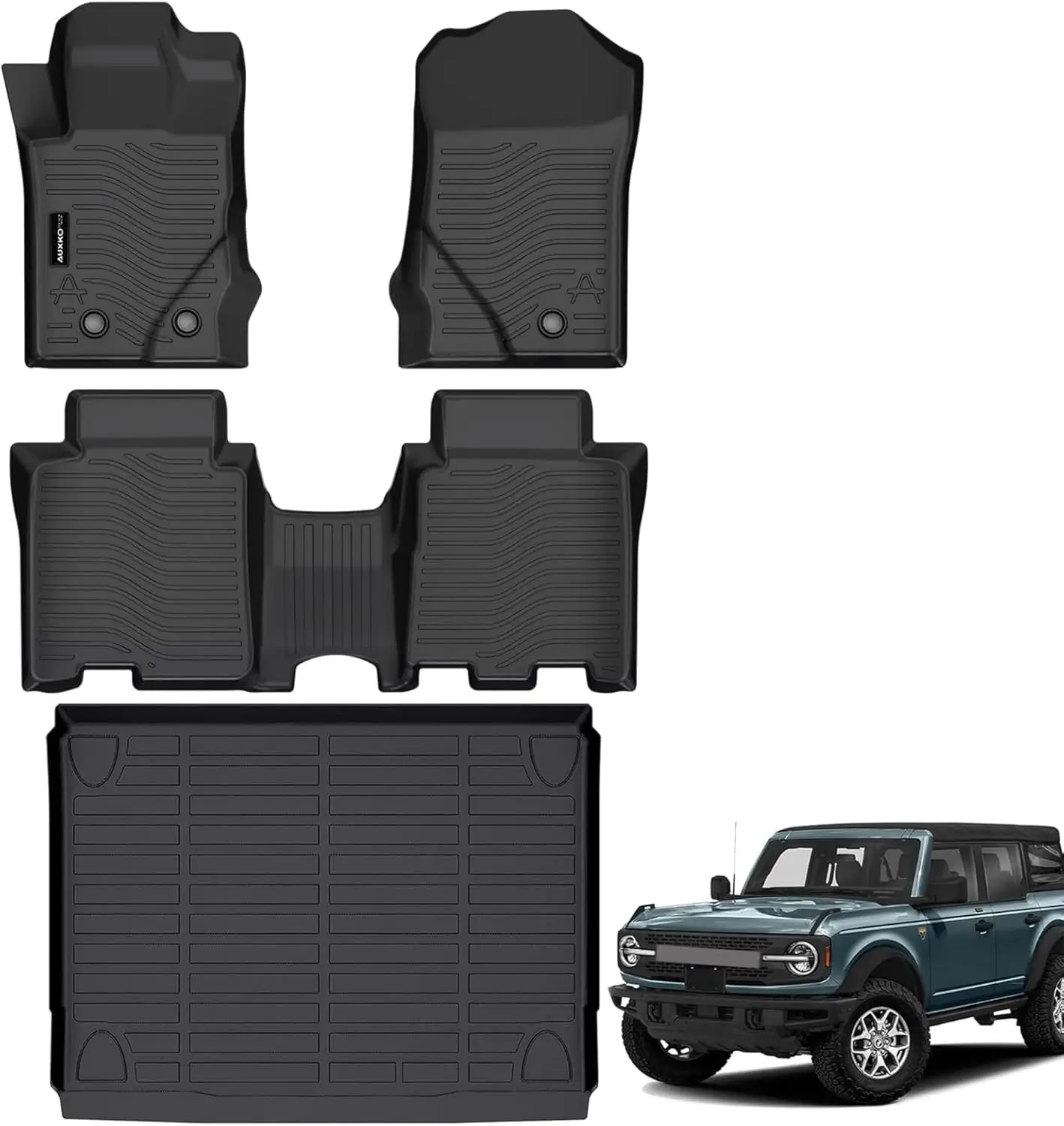
Step 4: Find and Match the Factory Retention Posts or Clips
Most modern cars have small posts, hooks, or twist clips built into the carpet on the driver side, and often on the passenger side too. These retention points stop the mat from sliding forward under the pedals. Your new mat must have holes or grommets in the same spots, and they must line up with your car posts.
The style varies by car maker. Some use a simple round post that the mat hole pushes over. Others use a hook, a twist lock, or a double post system. A mat made for a different brand may have the holes in the wrong place, so it will sit loose even if the shape looks right. Before you buy, check the product photos for the hole positions and compare them with your car. If the listing does not show them, ask the seller.
On cars with no factory posts, a mat with a grippy backing or built in spikes helps it stay put. But no backing replaces a proper retention system on the driver side. If your car has posts and your mat cannot use them, keep shopping.
Step 5: Check Driver Side Safety Before Anything Else
The driver side mat is the one that matters most. A mat that slides, folds, or bunches can block the pedals. Every car maker warns about this, and it is the first thing to check after fitting.
Never Stack One Mat on Top of Another
Stacking mats is the most common mistake. Two mats together are thicker than one, and the top mat has nothing to hold it in place. It slides forward and can trap the accelerator or brake pedal. Always remove the old mat before you fit the new one, even if the old mat still looks fine.
Check Pedal Clearance With the Mat In Place
With the mat fitted and locked onto its posts, press each pedal fully, one at a time. The accelerator, brake, and clutch must all travel their full range without touching the mat. Do the same check with the seat in its normal driving position, since moving the seat changes the angle of your feet. If a pedal catches the mat edge, the mat is the wrong shape or the wrong size.
Look for a Heel Pad and a Mat That Cannot Slide
A heel pad is the thicker patch under your right heel. It stops the mat from wearing through where your heel pivots between the pedals. It also adds grip. Check that the pad sits under your heel in your normal driving position, not too far forward or back. Then push the mat forward with your foot. If it moves, the retention system is not holding it, and you need a better fitting mat.
Step 6: Pick Raised Edges and Thickness for Your Weather
Mats come in different depths. Flat mats are thin and light, and they suit dry climates and cars that stay clean. Raised edge mats have a lip around the outside that traps water, mud, and snow melt before it reaches the carpet. In wet or snowy regions, a raised edge is worth the extra cost.
Thickness matters too. A thick mat feels solid and stays flat, but it can raise your heel and change the pedal feel. A thin mat is easier to trim and fits under tight pedal areas, but it can curl at the edges over time. Aim for a mat that is thick enough to hold its shape and thin enough to leave pedal clearance alone.
Think about what you carry into the car. Muddy boots, beach sand, dog paws, and spilled coffee all call for a deep, raised edge mat that you can hose down. If your car mostly does dry commutes, a lighter mat will do.
Step 7: Choose the Material for How You Actually Use Your Car
Rubber and thermoplastic mats are the workhorses. They are waterproof, easy to clean, and they grip the carpet well. They suit wet weather, work vehicles, and families with kids or pets. The down side is that they can look plain and feel hard underfoot.
Carpet mats are softer and quieter, and they match the car interior better. They absorb spills instead of trapping them, so they need more cleaning and they wear faster in heavy use. They are a good pick for a car that stays dry and clean.
Vinyl mats sit between the two. They wipe clean like rubber but look a little softer. They can crack in very cold weather, so they suit milder climates best. Match the material to your real life, not to the showroom. A family car in a rainy region needs rubber. A weekend car that stays in a garage can take carpet.
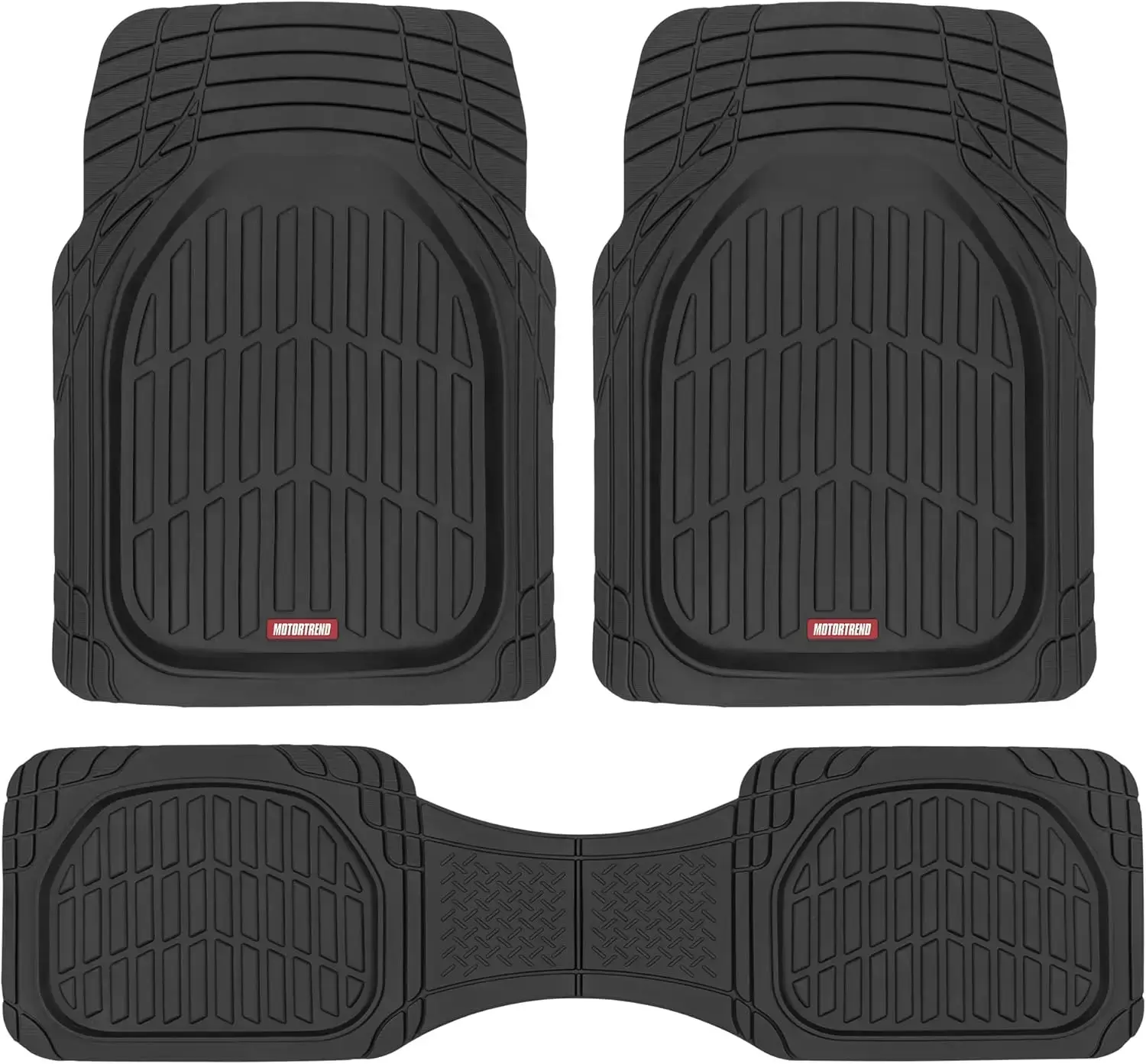
Step 8: Test Fit Before You Remove the Tags
When the mats arrive, fit them before you cut anything, peel any backing, or throw away the packaging. Put each mat in its footwell and check the edges against the floor shape. The mat should cover the carpet to the edges without lifting, curling, or covering the pedals.
Lock the driver side mat onto its retention posts and press the pedals. Check that the mat stays put when you slide the seat back and forward. Sit in the seat and rest your feet where they normally go. Your heels should land on the heel pad, and your toes should reach the pedals without the mat bunching up.
If the fit is wrong, return the mats while they are still in new condition. Do not trim a custom fit mat to fix a bad shape. Trimming only helps on mats that are sold as trim to fit. A custom mat that does not fit was cut for a different car, and no amount of trimming will fix that.
Common Mistakes to Avoid When Choosing Floor Mats
Buying by Model Name Only
A model name alone is not enough. You need the year range and the body style too. A 2019 and a 2022 version of the same model can have different floors.
Keeping the Old Mat Under the New One
Stacked mats slide and trap pedals. Always remove the old mat first, even if it looks thin and harmless.
Ignoring the Retention System
A mat without matching retention holes will slide forward on the driver side. Check the hole positions before you buy.
Trimming Too Much, Too Fast
Cut a little at a time and test the fit between cuts. You cannot add material back once it is gone.
Choosing Looks Over Coverage
A mat that looks smart but leaves the carpet edges exposed will not protect your floor. Coverage comes first.
Frequently Asked Questions About Choosing Floor Mats That Fit
Do I need custom fit mats, or will universal mats work?
Custom fit mats are the safest choice for full coverage and driver side safety. Universal mats work for a spare car or a short term fix, but they rarely cover the footwell edges well.
How do I know if a mat will fit my car?
Match your make, model, exact model year, and body style against the listing. Then measure your footwells and compare the numbers with the size chart. A paper template helps for odd shapes.
What are the retention posts on my car floor?
They are small posts, hooks, or twist clips in the carpet that lock the mat in place and stop it sliding under the pedals. Your new mat must have holes in the same spots.
Can I stack a new mat on top of my old one?
No. Stacked mats slide and can trap the pedals. Always remove the old mat before fitting the new one.
Should I choose rubber or carpet mats?
Rubber suits wet weather, pets, and messy use because it is waterproof and easy to clean. Carpet suits dry, clean cars and looks softer. Vinyl sits in between.
How do I clean floor mats that fit properly?
Remove them, shake off loose dirt, then wash rubber mats with water and mild soap. Carpet mats need vacuuming and a carpet cleaner. Let them dry fully before refitting.
What if my mat slides even though it fits?
Check the retention posts first. If the mat holes do not line up, the mat is wrong for your car. If your car has no posts, choose a mat with a grippy spiked backing.
Final Thoughts: Getting a Fit You Can Trust
Choosing floor mats that fit is mostly about measurement and patience. Start with your exact model and year, measure each footwell, match the retention system, and test the driver side for pedal clearance before you commit. The right mat should sit flat, cover the carpet to the edges, and stay put when you drive.
If you take one thing from this guide, let it be this. Never stack mats, and never accept a driver side mat that moves. A good fit protects your car and keeps your pedals free, and that is worth the extra ten minutes of measuring.