Floor mats look like a small detail, but they do a lot of quiet work inside your car. Every time you get in with wet shoes, muddy boots, or a coffee cup that tips a little, the mats take the hit instead of your car’s carpet. Over a few years, that protection can be the difference between a clean, fresh interior and one that looks worn out and smells damp.
The tricky part is that there are many types of car floor mats, and they are not all built for the same job. A soft carpet mat that feels great in a city sedan would be a poor choice for a work truck in a snowy town. In this guide, you will learn the main types of car floor mats and how to pick one that fits your car, your weather, and the way you actually use your vehicle.
What Car Floor Mats Do and Why They Matter
A floor mat is a removable cover that sits on top of the car’s built in carpet in the footwells. Its main job is to catch dirt, water, salt, sand, and spills before they soak into the carpet below. Once liquid reaches the factory carpet, it is hard to clean fully, and trapped moisture can lead to bad smells and even mold over time.
Table of Contents
Mats also protect the value of your car. The carpet under the driver’s heel wears down fast from daily driving. A good mat takes that wear instead, and a mat is far cheaper and easier to replace than the carpet itself. There is a safety side too. A mat that fits well and stays in place keeps your feet steady on the pedals, while a loose mat that bunches up can get in the way while you drive.
The Main Types of Car Floor Mats
Most floor mats fall into a handful of types based on the material they are made from and how they are shaped. Here is what each type is, what it does well, where it falls short, and who it suits best.
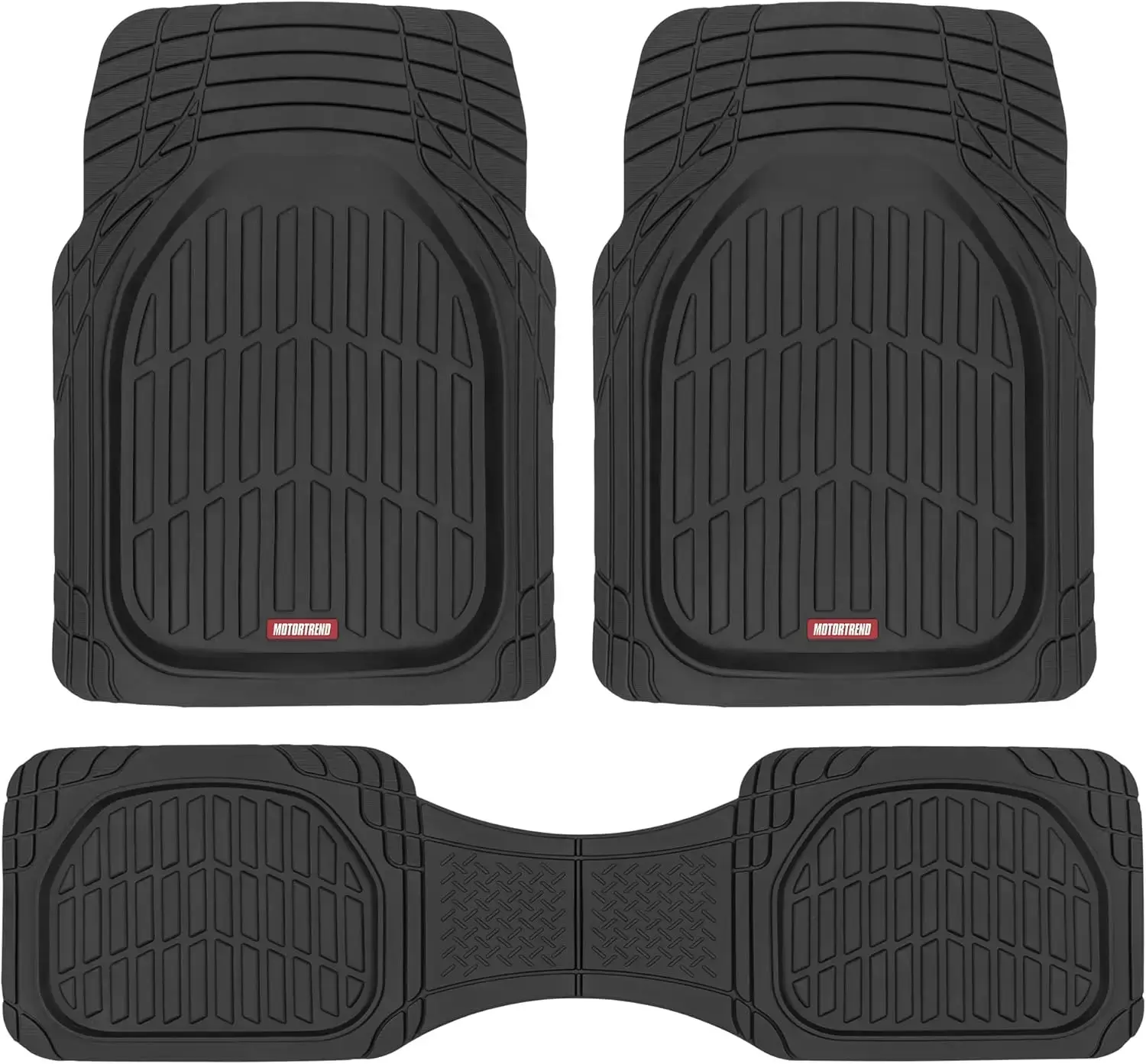
1. Rubber Floor Mats
Rubber mats are made from heavy natural or synthetic rubber, usually with deep grooves and raised edges on the surface. The grooves trap water, mud, and grit so the mess stays on the mat instead of spreading around the footwell.
Benefits: Rubber is tough, waterproof, and very easy to clean. You can pull the mats out, shake them, hose them down, and put them back in minutes. They handle wet and muddy conditions well and tend to last a long time.
Downsides: Rubber mats can look plain and a bit industrial. Some cheaper ones have a strong rubber smell when new, and in very cold weather low quality rubber can stiffen or crack over time. They also offer less comfort under your feet than carpet.
Best for: Drivers in rainy or muddy areas, people who work outdoors, pet owners, and anyone who wants simple, hard wearing protection with easy cleaning.
2. Carpet Floor Mats
Carpet mats are made from woven or tufted fabric, similar to the carpet already in your car, often with a rubber or vinyl backing to keep them from sliding. Many new cars come with a basic set of these from the factory.
Benefits: Carpet mats look and feel the nicest. They match the interior, feel soft underfoot, and help quiet road noise a little. They come in many colors, so it is easy to match your car’s cabin.
Downsides: Carpet absorbs water and stains easily, so mud, snow melt, and spilled drinks can soak right in. Cleaning takes more effort, usually vacuuming plus shampoo or spot cleaning, and wet carpet mats dry slowly, which can leave a musty smell.
Best for: Drivers in dry climates, people who mostly drive on paved roads in the city, and owners who care most about comfort and a factory look.
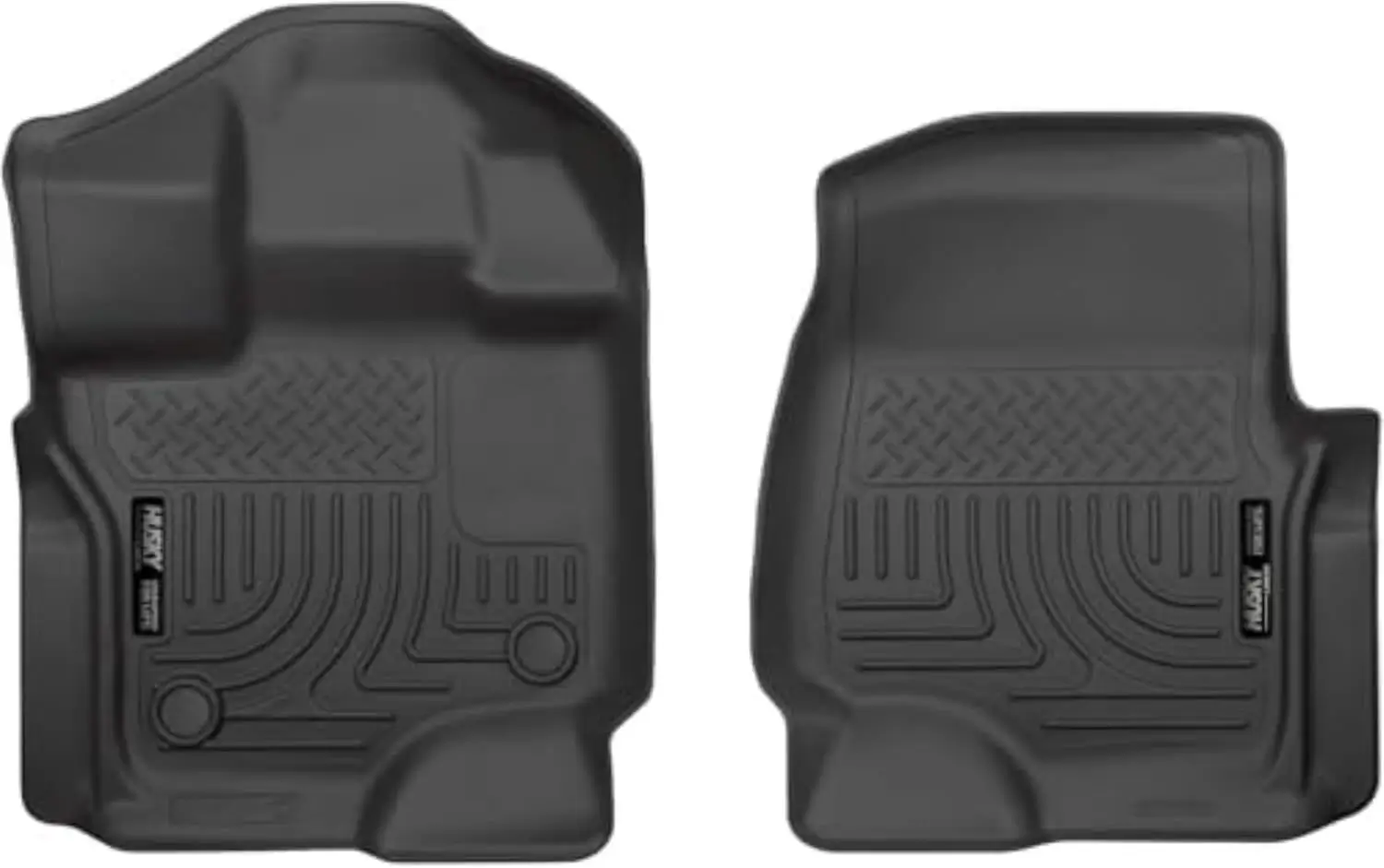
3. All Weather Thermoplastic (TPE) Floor Mats
All weather mats are made from thermoplastic elastomer, often shortened to TPE, or similar flexible plastic blends. They are molded with high raised edges and channels that hold water, slush, and dirt like a shallow tray.
Benefits: This type gives strong protection in all seasons. The raised lip keeps melted snow and muddy water from spilling onto the carpet, and the material stays flexible in cold weather instead of going stiff. Cleaning is simple: lift the mat out, rinse it, and let it dry.
Downsides: All weather mats usually cost more than basic rubber or carpet mats. The tray style shape can look more rugged than refined, which some owners do not like in a luxury cabin. Fit matters a lot, so a poorly sized one can leave gaps at the edges.
Best for: Drivers who deal with snow, road salt, heavy rain, or beach sand, and families who want one set of mats that works all year.
4. Vinyl Floor Mats
Vinyl mats are made from PVC, a smooth plastic material. Some are clear, so the car’s original carpet shows through, and others come in solid colors or patterns. They are usually thinner and lighter than rubber mats.
Benefits: Vinyl is waterproof, affordable, and wipes clean with almost no effort. Clear vinyl mats protect the carpet while keeping the original look of the interior visible, which some owners prefer.
Downsides: Vinyl mats tend to be less durable than rubber or TPE, and they can curl at the edges or crack after a few years of heat and cold. The smooth surface can also feel slippery under wet shoes, and thin vinyl offers less grip for your heels.
Best for: Budget minded owners, light duty city driving, and people who want clear protection over nice factory carpet.
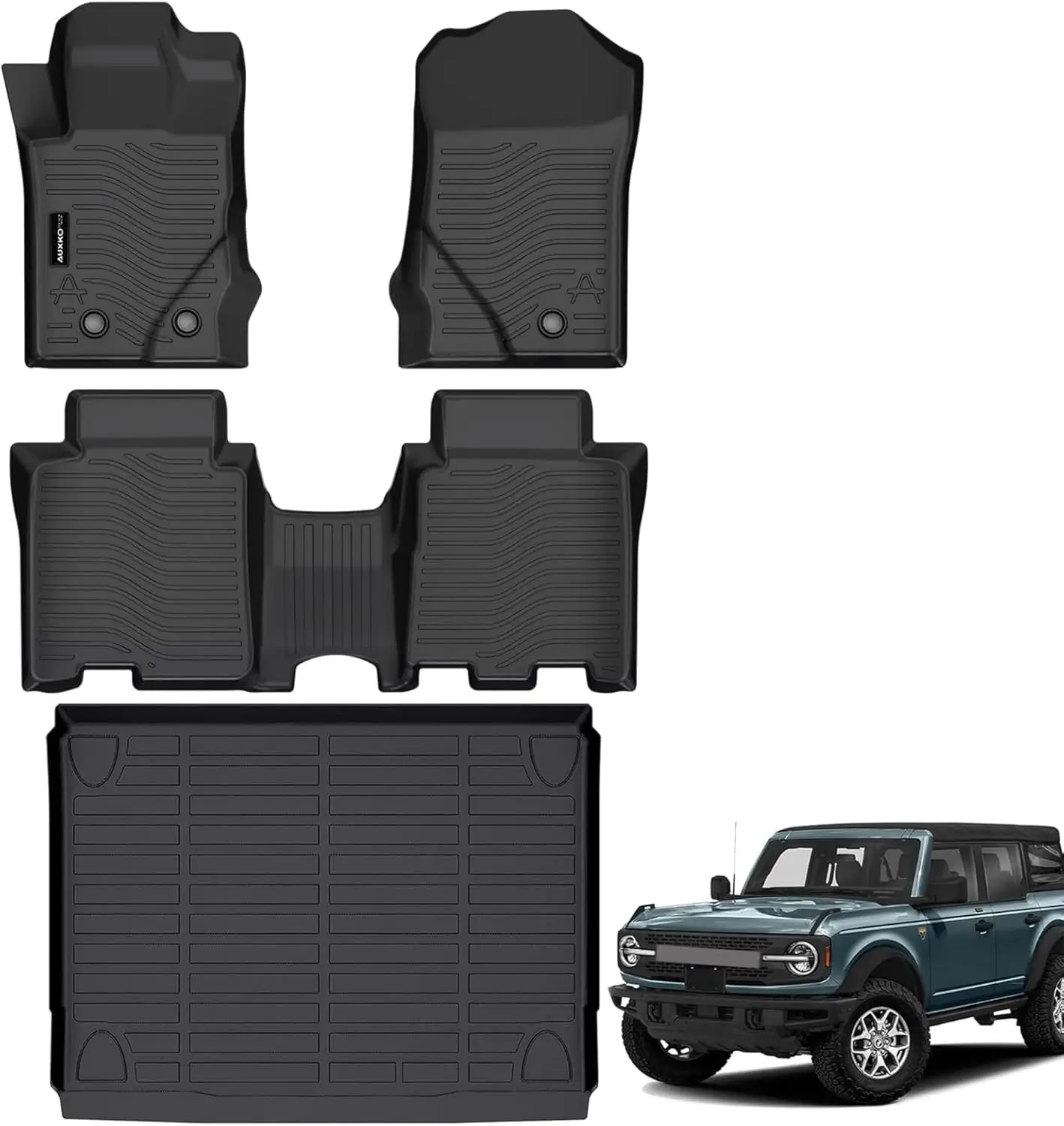
5. Custom Fit Floor Liners
Custom fit liners are shaped for one exact vehicle model. They are usually made from TPE, rubberized plastic, or dense foam blends, and they are molded to follow every curve of the footwell, with tall edges that cover more area than a flat mat. Many are designed from digital scans of the car’s floor.
Benefits: The coverage is the big win here. A custom liner protects the sides of the footwell and the area under the pedals, not just the flat floor. Because the shape matches the car, the liner stays put and looks like it belongs there.
Downsides: Custom liners are the most expensive option, and they only fit the model they were made for, so you cannot move them to a different car later. Some have a firm, tray like feel that not everyone enjoys.
Best for: Owners who plan to keep their car for years, drivers in harsh weather regions, and anyone who wants the most complete floor protection available.
6. Universal Trim to Fit Mats
Universal mats are sold in standard shapes meant to fit many cars. Trim to fit versions have marked lines on the surface so you can cut them down with scissors to match your footwell size.
Benefits: These are the easiest mats to find and usually the cheapest. They work in almost any car, which makes them handy for older vehicles, second cars, or a quick replacement when your old mats wear out.
Downsides: The fit is never perfect. Even after trimming, there can be gaps where dirt and water slip through, and the mat may slide around if it does not match the floor shape or have a grippy backing. Coverage is smaller than a custom liner.
Best for: Tight budgets, older cars, temporary use, and drivers who just need basic protection without hunting for a model specific set.
Comparing the Types at a Glance
If you are short on time, here is a quick way to think about it. Rubber and vinyl mats are the simple, low cost work horses. Carpet mats win on comfort and looks but lose on wet weather protection. All weather TPE mats and custom fit liners offer the strongest defense against water, snow, and mud, and they cost the most. Universal mats trade fit for price and convenience.
None of these types is the best for everyone. The right choice depends on your weather, your habits, and how you use your car, which is exactly what the next section walks through.
How to Pick the Right Floor Mats for Your Car
Start With Your Climate
Weather is the single biggest factor. If you get real winters with snow and road salt, or you live where it rains often, go with rubber, all weather TPE, or a custom fit liner with raised edges. These hold liquid instead of soaking it up. If your climate is dry and mild most of the year, carpet mats are fine and will feel nicer day to day.
Think About How You Use the Vehicle
A daily commuter car that stays on clean roads needs less protection than a family SUV that carries kids, sports gear, and a dog. Work trucks, off road vehicles, and cars used for food delivery or rideshare work see far more dirt and spills, so tougher waterproof mats make sense. Be honest about your real routine, not the one you wish you had.
Be Realistic About Cleaning Habits
Some mats need regular washing to stay in good shape. If you know you will only clean your mats a few times a year, pick a type that hides dirt well and rinses fast, like rubber or TPE. Carpet mats need vacuuming often and shampooing now and then. If that sounds like too much work, carpet will end up looking rough pretty quickly.
Get the Fit Right
Fit is about more than looks. A mat that is too small leaves carpet exposed, and a mat that is too big can bunch up near the pedals, which is a real safety problem. Check that any mat you choose is made for your car’s make, model, and year, or measure your footwells before buying a universal set. Also look for mats with a non slip backing or retention clips that match your car’s floor anchors, so the driver’s mat stays locked in place.
Check the Edges and Thickness
Raised edges, sometimes called a lip or tray design, keep water from running off the mat. If you deal with slush or muddy boots, a higher lip is worth it. Thickness matters too. Thicker mats usually last longer and feel better under your heels, while very thin mats wear through faster on the driver’s side.
How to Care for Your Floor Mats
A little routine care keeps any type of mat working well. Shake or vacuum your mats often so grit does not grind into the surface or slip underneath onto the carpet. Rubber, vinyl, and TPE mats can be washed with water and a mild soap, scrubbed with a brush, and left to dry fully before going back in the car.
Carpet mats need a slower approach. Vacuum them well, treat stains early, and shampoo them when they start to look dull. Let them dry completely before reinstalling, since putting a damp mat back traps moisture against the car’s carpet. Whatever type you own, check the driver’s mat now and then for worn spots and make sure it still sits flat and secure.
Frequently Asked Questions
What is the best type of floor mat for snow?
All weather TPE mats and custom fit liners are the strongest choice for snow. Their raised edges hold melted snow and salty slush in the mat until you can empty it, and the material stays flexible in freezing weather.
Are rubber or carpet floor mats better?
It depends on your needs. Rubber mats are better for wet, muddy conditions and easy cleaning. Carpet mats are better for comfort, looks, and dry climates. Many drivers in changeable weather pick rubber or all weather mats for winter and carpet for summer.
Do custom fit liners really fit better than universal mats?
Yes. Custom fit liners are shaped for one exact model, so they cover more of the footwell and stay in place. Universal mats are cheaper and easier to find, but they leave small gaps and can shift around more.
How often should I replace my car floor mats?
Replace a mat when it cracks, curls, wears through at the heel, or no longer stays flat and secure. A mat that slides around is a safety issue, so do not keep using one that will not stay put.
Can floor mats damage my car’s carpet?
A good mat protects the carpet rather than harming it. Problems come from mats that trap water underneath for long periods, so lift your mats now and then, let everything dry, and clean up spills instead of leaving them to soak through.
Are all weather mats worth it if I live in a mild climate?
They can still help if you deal with rain, beach trips, kids, or pets. If your driving is light and your weather is dry, a decent rubber or carpet set will probably cover your needs without the higher cost.
Should the driver’s mat be a different type from the others?
It can be. The driver’s mat takes the most wear, so some owners use a tougher rubber or liner mat on the driver’s side and matching carpet mats elsewhere. Just make sure the driver’s mat is secured and cannot slide toward the pedals.
How do I stop floor mats from sliding around?
Use mats with a grippy rubber backing, and if your car has floor retention posts or clips, choose mats with matching holes or fasteners. A mat sized correctly for your footwell also slides far less than one that is too small.
Final Thoughts
Picking floor mats is a small decision that pays off every day. Match the type to your weather first, then to how you use your car and how much cleaning you are willing to do. Rubber and vinyl keep things simple and cheap, carpet keeps things comfortable, and all weather mats and custom liners give the strongest protection where conditions are rough. Get the fit right, keep them clean, and your car’s interior will stay fresher for years.