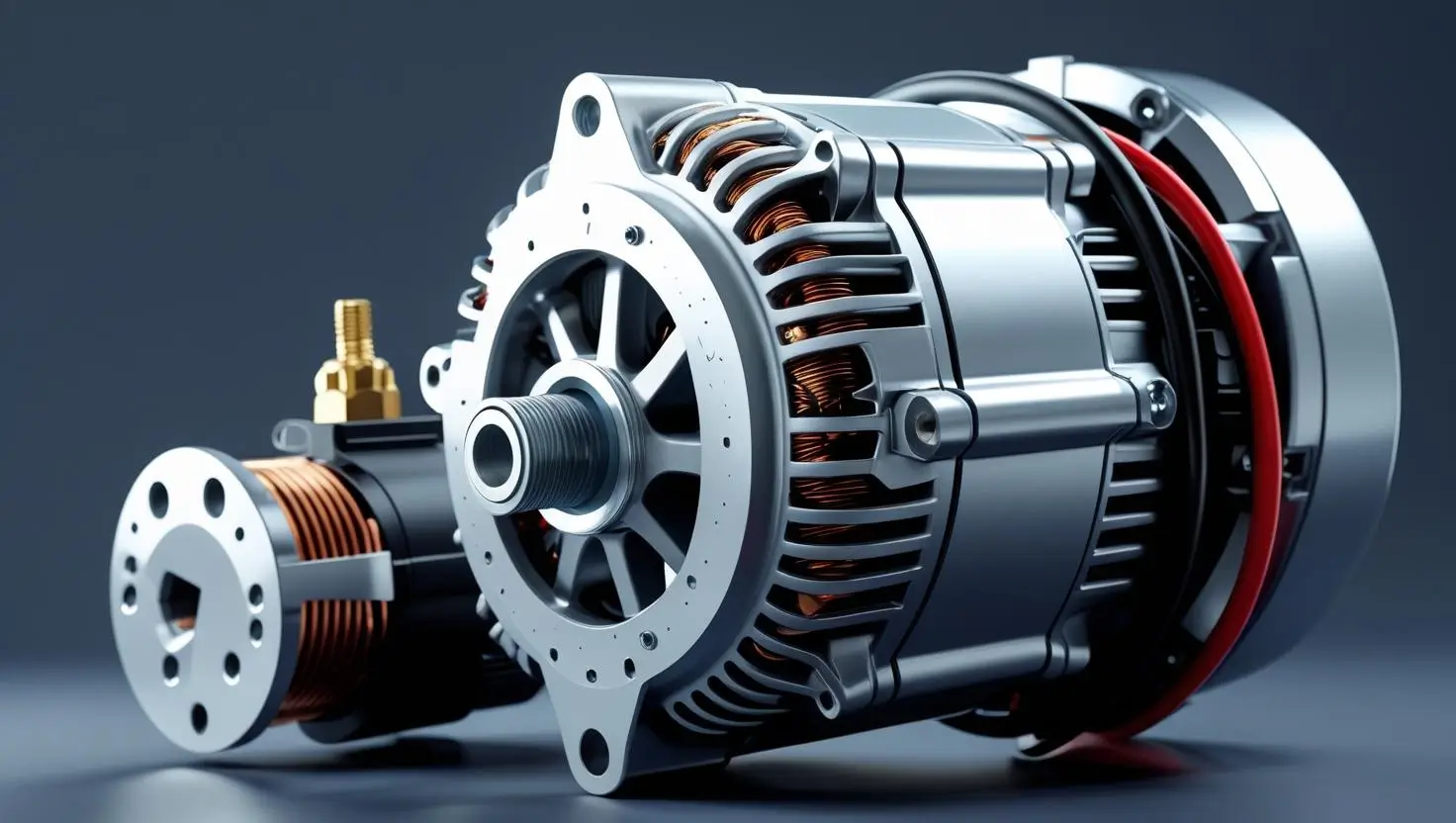
Introduction to High Output Alternators
Car audio enthusiasts know the thrill of feeling deep bass reverberate through the cabin or hearing crystal-clear highs even at maximum volume. However, there’s a hidden hero powering that immersive sound—the alternator. In a standard vehicle, the stock alternator is designed to power factory electronics and recharge the battery. But when you start adding high-powered amplifiers, multiple subwoofers, LED light strips, or other accessories, your factory alternator can struggle to keep up. That’s where high output alternators come in.
A high output alternator is specifically engineered to deliver significantly more amperage than a stock model, ensuring your electrical system has the energy it needs. For car audio setups, that extra current prevents voltage drops that can cause dimming lights, reduced amplifier performance, or even system shutdowns. Simply put, without adequate electrical support, your dream audio build can turn into a frustrating mess.
In this guide, we’ll explore how alternators work, the signs you need an upgrade, how to choose the right one, and which models lead the market in 2025. Whether you’re running a modest subwoofer or a competition-grade system, you’ll discover exactly how to keep your beats loud and your lights bright.
What is a High Output Alternator?
A high output alternator is an upgraded version of the standard alternator found in vehicles, but with one major difference—it produces significantly more amperage. While most stock alternators produce anywhere from 80 to 150 amps, high output versions can deliver anywhere between 200 and 400+ amps, depending on the model.
These extra amps don’t just benefit your audio system; they also support all the other electronics in your car, from headlights to climate control. If you’ve ever experienced your headlights dimming when the bass hits, it’s a sign your alternator is struggling to keep up. By supplying more current, a high output alternator ensures that both your car’s essential systems and your audio equipment get the power they need simultaneously.
For audio enthusiasts, this upgrade isn’t just about volume—it’s about consistent performance. Without a strong and steady power source, amplifiers can clip, speakers can distort, and batteries can be drained far faster than normal. A high output alternator is like giving your electrical system a stronger heart—it pumps more “energy blood” through your vehicle, keeping everything alive and kicking.
Why Car Audio Systems Need More Power
When you power up a high-end car audio system, you’re essentially turning your vehicle into a rolling concert hall. Big amplifiers can draw massive amounts of current—sometimes over 100 amps each—especially when pushing powerful subwoofers at high volume.
Consider this: a single 1,000-watt amplifier can require 80+ amps at full power. Add in another amplifier for mids and highs, and suddenly you’re asking your alternator to produce well beyond its factory limits. Without an upgraded alternator, your system will start to starve for power, causing the following problems:
- Audio distortion: Amplifiers can’t deliver clean sound without stable voltage.
- Battery drain: The alternator can’t keep up, so your battery discharges rapidly.
- Overheating components: Struggling alternators can overheat and fail prematurely.
In short, your factory alternator wasn’t designed for this kind of demand. Upgrading to a high output model ensures your audio system can operate at peak performance without compromising other vehicle systems. It’s the difference between a healthy, well-fed audio setup and one gasping for power with every bass drop.
How Alternators Work in a Car Audio Setup
To understand why high output alternators are crucial for audio builds, you need to know their basic role. The alternator is responsible for generating electricity while the engine is running. It uses a belt-driven rotor to spin inside a stator, creating alternating current (AC), which is then converted to direct current (DC) to power the vehicle and charge the battery.
In a car audio context, the alternator supplies power directly to your amplifiers, head unit, speakers, and any other electrical accessories. The battery’s main job is to start the car and provide short bursts of power when needed—not to constantly power your sound system. That’s why relying solely on a big battery without upgrading your alternator often leads to disappointment. The alternator is the workhorse; the battery is just a backup.
A high output alternator keeps voltage stable (around 13.5–14.8 volts in most cars), which is critical for amplifier efficiency. Lower voltage makes amps work harder, generating heat and reducing output quality. The result? Your music sounds weaker, even if you turn the volume knob higher.
Voltage, Amperage, and Their Impact on Audio Performance
Voltage and amperage are the twin pillars of your car’s electrical system. Voltage is like water pressure—it determines how forcefully electricity flows. Amperage is like the volume of water—it determines how much electricity flows. For a high-performance car audio system, both need to be at healthy levels.
- If voltage drops below 12 volts during playback, your amplifiers will lose efficiency, sound quality will degrade, and equipment may shut off.
- If amperage is insufficient, your electrical system simply can’t deliver the current needed to meet your audio system’s demands, no matter the voltage.
High output alternators excel because they can provide both higher amperage and maintain healthy voltage levels, even under heavy load. This is especially important for systems that operate near their peak output for extended periods, such as during bass-heavy music sessions or SPL competitions.
Signs You Need a High Output Alternator for Car Audio
When you start pushing your car audio system to the next level, your electrical system often sends subtle (and sometimes not-so-subtle) signals that it’s struggling. Ignoring these warning signs can lead to damaged components, poor sound quality, and even complete system failure. Let’s break down the most common symptoms that scream, “It’s time for a high output alternator.
Dimming Headlights and Dashboard Lights
This is one of the easiest signs to spot. You’re driving at night, your bass drops hard, and suddenly your headlights flicker or dim. The same thing can happen to your dashboard lights, interior LED strips, or even your touchscreen display. This happens because your alternator can’t keep up with the sudden current draw from your amplifiers, so the voltage momentarily drops.
If you’re seeing this frequently—especially during music peaks—it’s a clear red flag. While some people attempt to solve this with capacitors, those only mask the symptom temporarily. The real fix is a steady, stronger source of power from a high output alternator.
Battery Drain and Frequent Replacements
If your car’s battery seems to die more often since upgrading your audio system, chances are your alternator isn’t providing enough charging current. Your battery is being used as the main power source instead of just a backup, which leads to faster wear and repeated replacements.
A strong high output alternator ensures that your battery stays fully charged even during heavy music playback, reducing the risk of unexpected no-start situations and saving you money on replacement batteries.
Weak or Distorted Sound Quality
Have you ever noticed your bass losing punch after a few songs at high volume? Or your mids and highs sounding slightly muffled when you turn the system up? This is often caused by voltage drop. Amplifiers are designed to operate within a certain voltage range—when the alternator can’t keep up, the amps receive less voltage, and their output power decreases.
In severe cases, amplifiers may even shut down momentarily to protect themselves from damage. If you want consistent, clean, and powerful sound every time, a high output alternator is non-negotiable.
Choosing the Right High Output Alternator
Upgrading to a high output alternator isn’t as simple as picking the one with the biggest amperage number. There are multiple factors to consider to ensure you’re making a smart investment that works seamlessly with your vehicle and audio system.
Understanding Amperage Ratings
Amperage is the maximum current an alternator can produce. For mild audio upgrades, something in the 200–250 amp range may be sufficient. For larger builds with multiple amplifiers or competition systems, you might need 320 amps or more.
It’s also important to consider idle output—the amperage an alternator produces when the engine is idling. Some high output alternators produce massive current at higher RPMs but drop significantly at idle, which isn’t ideal for city driving or stoplights. Always check idle performance before buying.
Matching Alternator Output with Your Audio System’s Power Needs
Calculate your system’s total power draw by adding up the current draw of each amplifier and other electrical accessories. Then, add a buffer of at least 20–30% to account for inefficiencies and extra load from lights, fans, and other electronics.
For example, if your system draws 180 amps at full tilt and your car’s stock electrical load is 60 amps, you’ll need an alternator that can supply at least 240 amps consistently.
Factors Like Vehicle Type, Engine Size, and Electrical Load
Not every high output alternator will fit every vehicle. Factors like mounting points, pulley size, and belt type all matter. Also, certain vehicles may require additional modifications, such as upgraded wiring or brackets.
Your vehicle’s engine size also plays a role—a small four-cylinder engine may not handle a massive alternator without impacting performance, while a large V8 can usually spin a heavy-duty alternator with ease.
Top 5 Best High Output Alternators for Car Audio in 2025
With so many options on the market, it can be overwhelming to choose the right alternator. Here are five of the best-performing models in 2025, chosen for their reliability, idle output performance, and real-world reviews from audio enthusiasts.
1. Mechman Elite Series Alternator
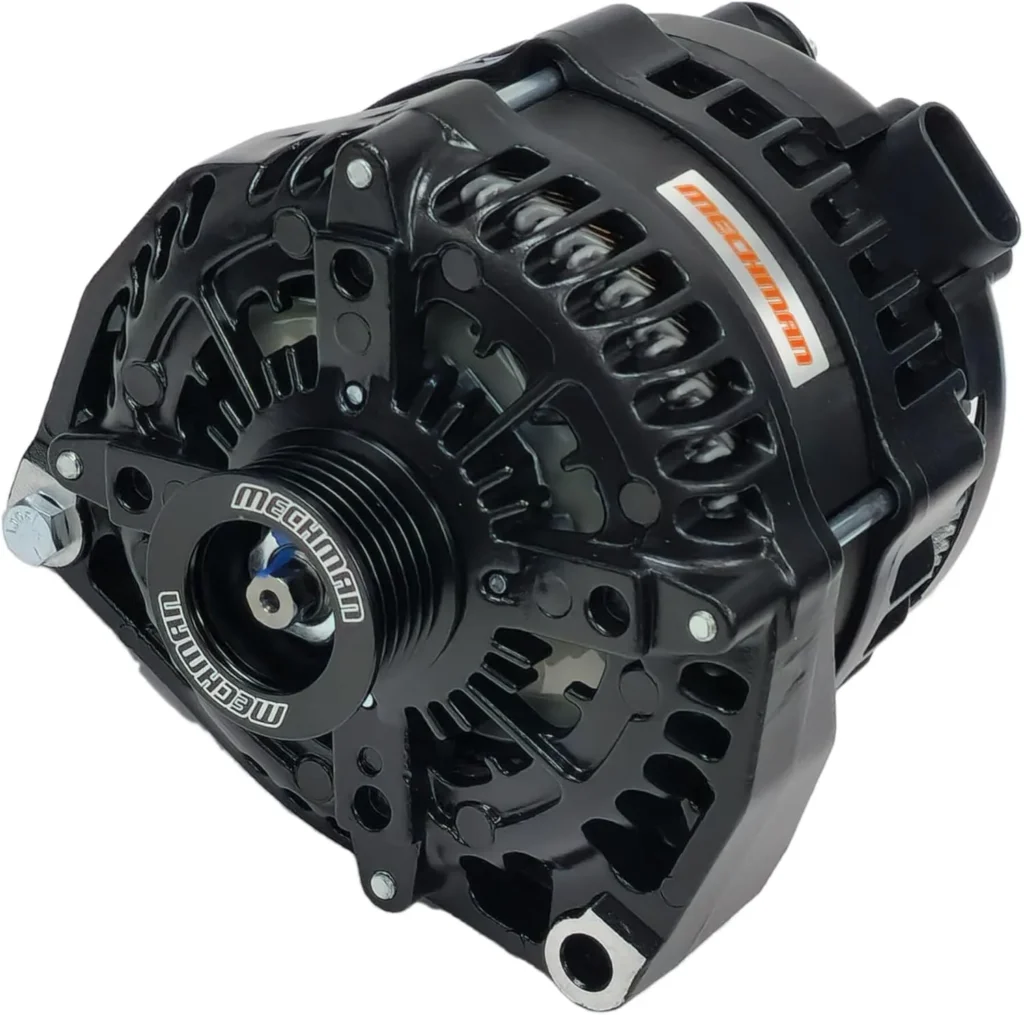
Image Credit: Amazon
Mechman is a favorite among car audio competitors, and their Elite Series is a beast. Producing up to 370 amps, it offers excellent idle output and rock-solid voltage stability. Built with heavy-duty bearings and premium windings, it’s made to withstand the stress of high-current demands for years.
Pros:
- Massive amperage capacity (up to 370A) for extreme car audio builds.
- Excellent idle performance, ensuring stable voltage even in traffic.
- Heavy-duty bearings and premium windings for long-lasting durability.
- Well-regarded by competition-level car audio enthusiasts.
- Solid voltage regulation, reducing the risk of audio distortion.
Cons:
- Higher price point compared to many other brands.
- Installation may require modifications on some vehicles.
- Availability can be limited due to high demand.
2. Singer Alternators 320A High Output
Singer Alternators are hand-built and tested for peak performance. Their 320A model is perfect for serious daily drivers with big systems. Known for exceptional idle performance, it keeps your voltage steady even during stop-and-go traffic.
Pros:
- Hand-built and tested for maximum performance and quality assurance.
- Exceptional idle output for daily driving and stop-and-go traffic.
- Maintains strong voltage under heavy bass hits.
- Built to order, ensuring a perfect fit for your specific vehicle.
- Reliable brand with strong customer support.
Cons:
- Custom build process may mean longer wait times.
- Pricing can be on the higher side for budget-conscious buyers.
- Limited availability on Amazon; often purchased directly from the manufacturer.
3. DC Power Engineering XP Series
DC Power alternators are known for ruggedness and precision. The XP Series delivers between 270–370 amps depending on the configuration, with outstanding low-RPM output. They also have a reputation for being quieter than most aftermarket alternators.
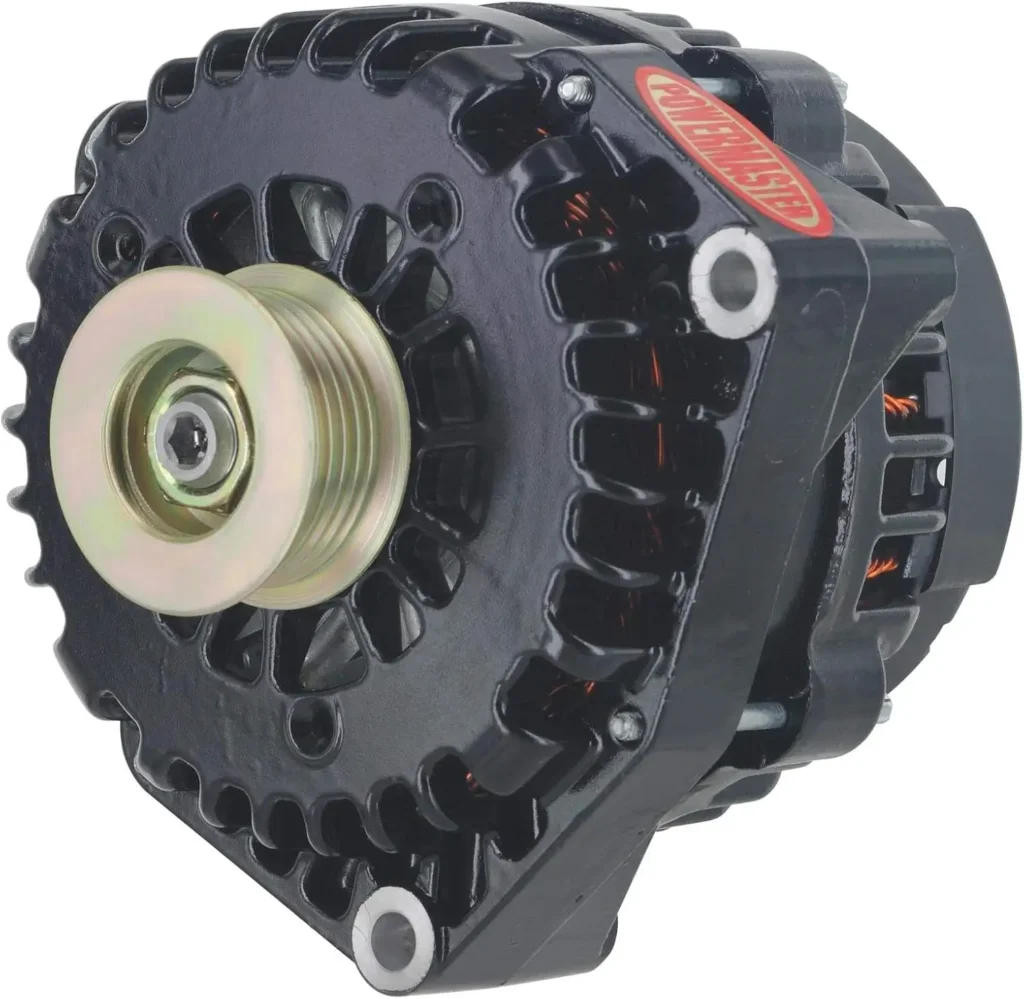
Image Credit: Amazon
Pros:
- Offers between 270–370A output depending on configuration.
- Outstanding low-RPM performance for consistent voltage.
- Known for quieter operation compared to many aftermarket units.
- Rugged, precision-engineered build for durability.
- Multiple configurations available for various vehicle types.
Cons:
- Higher cost compared to entry-level high output alternators.
- Limited direct Amazon listings; often purchased through specialty dealers.
- Some configurations may require upgraded wiring kits.
4. Powermaster 48237 High Output Alternator
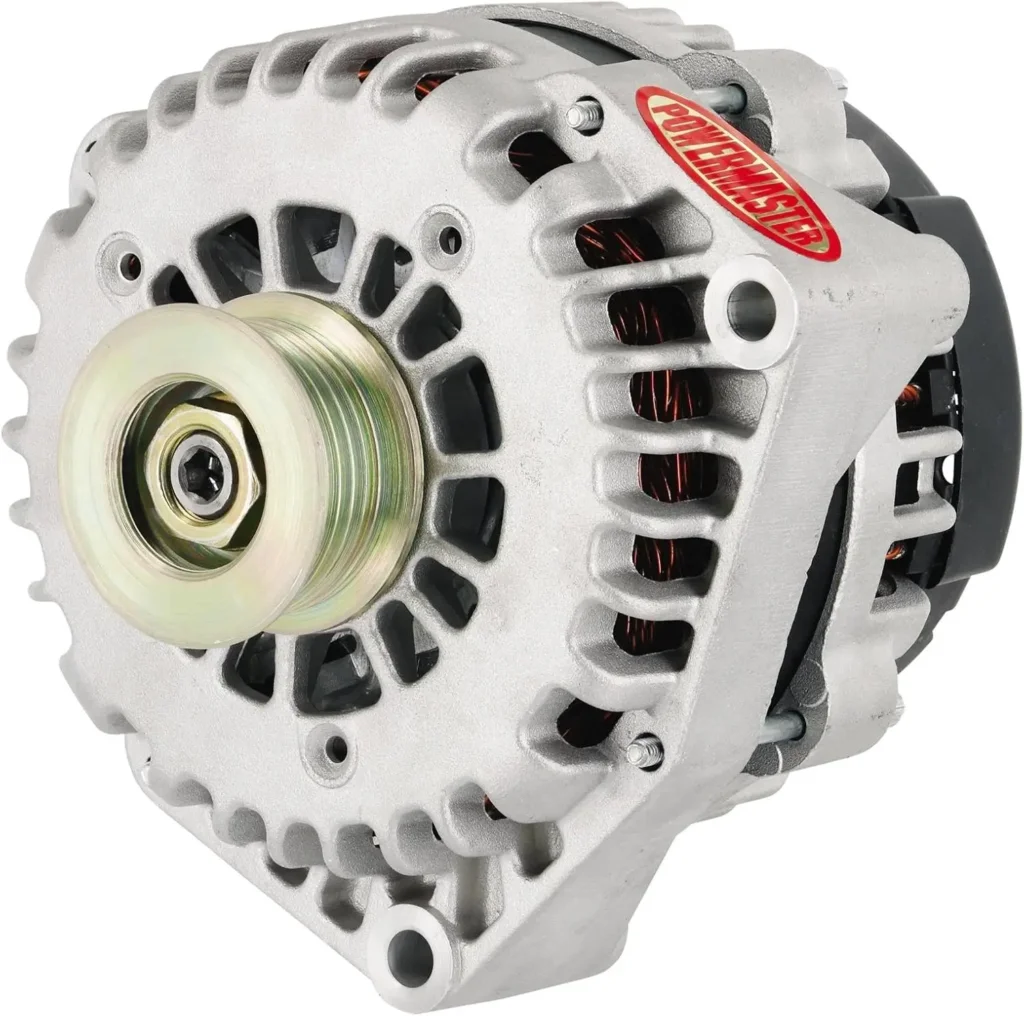
Image Credit: Amazon
Powermaster has been in the game for decades, and the 48237 is one of their best offerings for car audio enthusiasts. It’s affordable compared to other brands while still offering excellent performance and a solid warranty.
Pros:
- Affordable option without sacrificing performance.
- Well-known brand with decades of automotive electrical expertise.
- Strong output for the price point, ideal for mid-to-high power setups.
- Solid warranty coverage.
- Easier to find on Amazon and in retail auto parts stores.
Cons:
- May not meet the needs of extreme SPL competition builds.
- Slightly lower idle output compared to top-tier models.
- Standard finish may not appeal to buyers seeking a custom look.
5. JS Alternators 370A High Output Model
JS Alternators specializes in custom-built alternators, and their 370A model is perfect for extreme setups. They can tailor the alternator to your specific vehicle and audio needs, ensuring a perfect fit and optimal performance.
Pros:
- Custom-built for your specific vehicle and audio setup.
- Massive 370A output for extreme systems.
- Excellent idle performance and voltage stability.
- Multiple finish options available for aesthetics.
- Highly regarded by hardcore car audio enthusiasts.
Cons:
- Custom nature means longer lead times before shipping.
- Price is higher than most off-the-shelf options.
- Limited resale market due to vehicle-specific builds.
Comparison Table of Best High Output Alternators
Choosing the right alternator can be overwhelming when you’re faced with dozens of specifications and features. To make it easier, here’s a quick comparison of the top 5 models we’ve just covered, focusing on amperage, voltage stability, price range, and warranty.
| Brand & Model | Max Amps | Price Range |
|---|---|---|
| Mechman Elite Series 370A | 370A | $550 – $750 |
| Singer Alternators 320A | 320A | $500 – $700 |
| DC Power XP Series (270–370A) | 270–370A | $500 – $800 |
| Powermaster 48237 | 245A | $400 – $600 |
| JS Alternators 370A | 370A | $550 – $800 |
When making your choice, don’t just focus on the maximum amp rating—look at idle output as well, especially if you do a lot of city driving. High idle output ensures your system gets consistent power even at stoplights.
Installation Guide for High Output Alternators
Swapping out your stock alternator for a high output version isn’t overly complicated for someone with mechanical skills, but it’s definitely not a job to rush. Mistakes can lead to poor performance or even damage to your electrical system.
Tools and Equipment Needed
Before starting, make sure you have the following:
- Socket and wrench set
- Belt tensioner tool
- Screwdrivers
- Torque wrench
- Heavy gauge power and ground cables (0 or 1/0 AWG recommended for big audio builds)
- Safety gloves and goggles
Step-by-Step Installation Process
- Disconnect the battery – Always start by removing the negative cable to prevent any electrical shorts.
- Remove the serpentine belt – Use a belt tensioner tool to relieve tension and slip the belt off the alternator pulley.
- Unbolt and disconnect the stock alternator – Take note of wiring connections before removing them.
- Install the new alternator – Mount it securely, ensuring alignment with the belt system.
- Reconnect wiring – Use upgraded wiring if necessary to handle higher amperage output.
- Reinstall the serpentine belt – Make sure it’s properly seated on all pulleys.
- Reconnect the battery – Tighten connections and check voltage output with a multimeter.
Safety Precautions
- Never work on the alternator with the battery connected.
- Ensure the new alternator matches your vehicle’s mounting and pulley configuration.
- Use appropriate gauge wiring to avoid overheating and voltage drop.
Maintenance Tips for Long-Lasting Performance
A high output alternator is an investment, and like any investment, you want to protect it. With proper care, these units can last as long as, or even longer than, stock alternators.
Regular Cleaning and Inspections
Dust, dirt, and road grime can build up on your alternator, restricting airflow and causing overheating. Use compressed air or a soft brush to clean it periodically.
Checking Belts and Connections
A worn or loose serpentine belt can cause alternator slippage, reducing power output and wearing out bearings prematurely. Check for cracks, fraying, or glazing on the belt, and inspect electrical connections for corrosion or looseness.
Avoiding Overloading Your Electrical System
Even with a high output alternator, there’s a limit to what your vehicle’s electrical system can handle. Avoid adding unnecessary accessories that draw excessive current without upgrading wiring and fuses accordingly.
Common Mistakes When Upgrading Alternators
A high output alternator can dramatically improve your audio performance, but if installed incorrectly or paired with the wrong components, you won’t see the full benefits.
Ignoring Wire Gauge and Battery Upgrades
Your alternator can produce all the amps in the world, but if your power and ground cables are too thin, you’ll experience voltage drop and heat buildup. Always upgrade to 0 AWG or 1/0 AWG cables for serious audio setups.
Choosing the Wrong Amperage Rating
Bigger isn’t always better. Choosing an alternator that produces far more amps than your system needs can be wasteful and may require unnecessary modifications. Match the alternator size to your actual electrical demand.
Poor Installation Practices
Loose bolts, misaligned belts, and improper wiring can all lead to performance issues or even damage. If you’re not confident in your mechanical skills, hiring a professional installer is worth the cost.
Cost of High Output Alternators
When you decide to upgrade your alternator for better car audio performance, the price tag can vary quite a bit. Several factors influence the cost, including brand, amperage rating, and whether you buy a direct-fit model or a custom-built unit.
Price Ranges for Different Models
- Entry-Level High Output Alternators (200–250A): These generally range between $350 and $500. They’re suitable for moderate audio systems and basic electrical upgrades.
- Mid-Range High Output Alternators (250–320A): Expect to pay $500 to $700 for models in this category. They’re perfect for larger daily-driver audio setups with multiple amplifiers.
- Premium High Output Alternators (320–370A+): For competition-level systems, custom alternators can run from $700 to over $900, depending on build quality and features like high idle output.
Installation Costs and Labor
If you can install the alternator yourself, you’ll save on labor costs, which typically range from $100 to $250 at most shops. Keep in mind that some installs require upgraded wiring, which can add $50 to $150 in parts.
Long-Term Savings on Battery and System Maintenance
While the upfront cost might seem steep, a high output alternator can actually save you money in the long run. It prevents premature battery failure, reduces strain on your electrical system, and helps avoid costly repairs to amplifiers and other components damaged by voltage drops.
Are High Output Alternators Worth It?
The short answer? Absolutely—if your audio system demands it.
Pros of Upgrading
- Consistent Voltage: Keeps your amps performing at their best.
- Prevents Battery Drain: Extends battery life by ensuring it stays charged.
- Improved Sound Quality: Eliminates distortion caused by low voltage.
- System Reliability: Reduces the risk of sudden shutoffs or damage.
Cons of Upgrading
- Cost: The biggest drawback is the initial investment.
- Fitment Issues: Some vehicles may require modifications.
- Increased Load on Engine: Large alternators require more power from the engine, which can slightly impact fuel efficiency.
Real-World Benefits for Audio Enthusiasts
For serious car audio lovers, the difference is night and day. With a properly sized high output alternator, your music stays clean and powerful at any volume. Your headlights won’t dim, your battery won’t be drained after a night of cruising, and your amps will always have the juice they need to perform.
Alternatives to High Output Alternators
If you’re not ready to make the leap to a new alternator, there are a few workarounds—though they’re usually temporary fixes rather than permanent solutions.
Additional Batteries
Adding a secondary battery can help stabilize voltage during heavy bass hits, but it doesn’t generate new power—it just stores it. Without a strong alternator, you’ll eventually drain both batteries.
Capacitors
A capacitor stores small amounts of energy and releases it quickly when your system needs it, helping with sudden power demands. However, it’s not a replacement for a strong alternator.
Hybrid Solutions
Some enthusiasts use a combination of a moderately upgraded alternator, additional batteries, and capacitors. This can work for mid-level systems but still won’t match the reliability of a large high output alternator for heavy builds.
Expert Recommendations and Buyer Tips
When it comes to buying the right high output alternator, research is key.
How to Research and Compare Brands
- Check idle output ratings, not just peak output.
- Look for real user reviews from other car audio enthusiasts.
- Compare warranty lengths—a longer warranty often means the manufacturer stands by its product.
Where to Buy – Online vs Local Dealers
- Online Stores: Usually offer better prices and a wider selection. Look at trusted retailers or direct from the manufacturer.
- Local Shops: Provide hands-on support, installation services, and easier warranty claims.
Conclusion
A high output alternator isn’t just an upgrade—it’s the foundation of a reliable, powerful car audio system. Without enough electrical support, your amps can’t perform at their peak, your battery suffers, and your sound quality takes a hit. Investing in a properly sized, high-quality alternator ensures your system delivers every beat, every note, and every bass drop with clarity and consistency.
Whether you choose a 250A unit for a daily driver or a 370A monster for a competition build, the right alternator will keep your ride sounding its best—and looking its best—without the dreaded headlight flicker.
FAQs
Q1: How do I know what size high output alternator I need?
Calculate the total amperage draw of your audio system and vehicle electronics, then add 20–30% as a buffer.
Q2: Will a high output alternator improve my sound quality?
Yes—by maintaining stable voltage, it allows your amplifiers to perform without distortion.
Q3: Can I install a high output alternator myself?
If you have mechanical experience and the right tools, yes. Otherwise, professional installation is recommended.
Q4: Will a bigger alternator damage my vehicle?
Not if it’s installed properly and your wiring is upgraded to handle the extra current.
Q5: Do I still need a capacitor if I have a high output alternator?
Not usually—most systems with a strong alternator don’t require one, though some people still use them for extra stability.