Introduction to Acid Washing Cars
Acid washing for cars is a detailing technique that sounds intense and it is but when done correctly, it can transform the appearance of a vehicle. Unlike traditional car washing, which removes surface dust and dirt, an acid wash goes deeper. It targets stubborn mineral deposits, hard water stains, brake dust, and oxidation that ordinary soap simply can’t handle. Think of it as giving your car’s exterior a deep detox.
Car detailers and enthusiasts often turn to acid washes when regular cleaning fails. For example, if your vehicle has spent a lot of time near the ocean, salt deposits can cling stubbornly to the paint and metal parts. Or if you live in a hard-water area, you might notice chalky spots that won’t budge. Acid wash formulas are designed to dissolve these contaminants, leaving behind a cleaner, shinier surface that’s ready for waxing or ceramic coating.
But with great cleaning power comes great responsibility. Using acid on your car is not like spraying soap it requires precision, protective gear, and knowledge of the right concentration. If mishandled, acid can etch glass, dull paint, and even corrode metal. That’s why knowing the right products, techniques, and precautions is critical before attempting it yourself.
In this guide, we’ll break down the science of acid washes, explore the best products on the market, and give you a step-by-step method to safely achieve that “just detailed” look.
What is Acid Wash for Cars?
An acid wash for cars is a cleaning process that uses a diluted acidic solution to dissolve and remove stubborn contaminants from a vehicle’s exterior surfaces. The term “acid wash” might sound extreme, but in the detailing world, it’s a controlled method used to target specific problems that basic cleaning cannot address.
The acid solutions used can vary, but most are made from minerals or organic acids such as hydrofluoric acid, oxalic acid, or citric acid. The key lies in their pH acidic cleaners typically have a pH of less than 7, which allows them to react with alkaline deposits like calcium, magnesium, and iron stains. When applied properly, the acid breaks down these deposits into soluble forms that can be rinsed away easily.
Acid washing is not a one-size-fits-all solution. Some acids are strong and require extreme caution (like hydrofluoric acid), while others are milder and safer for occasional use (like citric acid). The choice of acid depends on the surface you’re cleaning, the severity of contamination, and your experience level.
Why Car Enthusiasts and Detailers Use It
Professional detailers swear by acid washing for one main reason it works. When you need to remove months or even years of stubborn buildup, nothing beats the chemical power of an acid-based cleaner.
Here’s why detailers choose acid washes:
- Restores Original Appearance – Acid wash can bring back the shine of paintwork, chrome, and wheels by removing dulling layers of grime and oxidation.
- Prepares for Protection – Before applying wax or ceramic coating, you need a perfectly clean surface. Acid washing ensures contaminants are gone, so protective products adhere better.
- Saves Time – Instead of scrubbing endlessly with regular soap, acid cleaners break down deposits quickly, reducing labor.
- Targets Problem Areas – Ideal for removing rust spots, hard water stains on glass, and heavy brake dust on wheels.
While acid washing can be a game-changer for vehicle appearance, it’s not something to be done weekly. Overuse can weaken paint protection layers and, if mishandled, cause irreversible damage. That’s why detailers use it sparingly, typically as a pre-treatment for major detailing jobs.
Understanding Acid Wash Chemicals
When talking about the “best acid wash for cars,” it’s essential to know what’s inside the bottle. Acid-based cleaners work because of their chemical composition and reactivity. Let’s break it down.
The Science Behind Acid Cleaning Solutions
Acid cleaning solutions remove stains through a process called neutralization. Hard water spots, rust, and brake dust contain alkaline minerals and oxides. When acid meets these alkaline substances, a chemical reaction occurs that dissolves the deposits into water-soluble compounds.
This reaction is quick and powerful, but it’s also potentially hazardous. Strong acids can corrode paint, eat through clear coats, and damage rubber trims if left on too long. That’s why most automotive acid washes are heavily diluted compared to industrial versions.
Different Types of Acid Wash Products
Not all acids are created equal. Here are the most common acids used in car cleaning:
Hydrofluoric Acid-Based Cleaners
- Extremely effective at removing mineral deposits, but also the most dangerous to handle.
- Requires full protective gear and precise dilution.
- Often used in commercial car washes for heavy-duty wheel and glass cleaning.
Oxalic Acid-Based Cleaners
- Milder than hydrofluoric acid but still strong enough to tackle rust stains and oxidation.
- Safe for use on most painted surfaces when diluted.
- Commonly found in rust removers and water spot cleaners.
Citric Acid-Based Cleaners
- The gentlest option, derived from citrus fruits.
- Ideal for light stain removal and environmentally friendly cleaning.
- Can be used more frequently without severe risk to paint.
Each acid type has its place in car detailing. The key is to match the strength of the acid to the severity of the problem. For light water spots, citric acid might be enough. For severe brake dust buildup on wheels, oxalic acid is a better choice.
Benefits of Using Acid Wash for Cars
The benefits of acid washing extend far beyond just making a car look clean. Here’s why it’s worth considering when done right.
- Removes Stubborn Stains and Water Spots
- Hard water spots and mineral deposits can bond to paint and glass, creating a rough texture. Acid wash dissolves these deposits, restoring smoothness.
- Restores Shine and Luster
- A clean, contaminant-free surface reflects light better, giving the car a glossy finish that soap alone can’t achieve.
- Prepares the Surface for Wax or Coating
- Wax and ceramic coatings require a pristine surface to bond effectively. Acid wash ensures no microscopic particles remain that could interfere with adhesion.
- Improves Long-Term Maintenance
- Once stubborn deposits are removed, regular washing becomes more effective, as dirt won’t have rough surfaces to cling to.
- Enhances Resale Value
- A well-maintained exterior makes a vehicle look newer and more appealing to buyers.
Risks and Precautions with Acid Washing
Acid washing might be the secret weapon for a showroom shine, but it comes with real risks if you don’t handle it correctly. These products are, after all, acids they can burn skin, damage paint, and even etch glass if used carelessly. The same chemical reaction that dissolves mineral deposits will happily react with your car’s finish or your hands if you give it the chance.
Potential Damage to Paint and Metal
One of the biggest risks is overexposure. Leave an acid wash on your paint or chrome for too long, and it can cause dulling, streaking, or permanent etching. Strong acids like hydrofluoric can literally eat into metal, leaving a pitted surface that no amount of polishing can fix.
This is why detailers stress contact time the shorter, the better. A quick application and rinse are often all that’s needed. If you notice discoloration or the surface getting “chalky” while cleaning, that’s a warning sign you’ve gone too far.
Glass isn’t immune either. Certain acids can leave marks that look like cloudy stains, especially if applied to hot glass in direct sunlight. These marks can be nearly impossible to remove without replacing the glass.
Safety Measures When Using Acid Wash
Protecting yourself is just as important as protecting your car. Acid fumes and splashes can cause chemical burns and eye damage. Always follow these precautions:
- Wear protective gloves: Nitrile or neoprene gloves are best; latex can dissolve with some acids.
- Use safety goggles: Even a tiny splash can cause serious eye injury.
- Work in a well-ventilated area – Avoid inhaling fumes, which can irritate your lungs.
- Avoid direct sunlight: Heat can accelerate acid reactions, increasing the risk of damage.
- Have a neutralizer ready: Baking soda mixed with water can neutralize acid if there’s accidental contact.
Respect the power of the chemicals, and you’ll avoid most risks. Treat an acid wash like you would a chainsaw effective, but not to be handled casually.
How to Choose the Best Acid Wash for Your Car
Picking the right acid wash isn’t as simple as grabbing the cheapest bottle from the shelf. The best choice depends on your car’s needs, your experience level, and the specific problems you’re trying to solve.
Factors to Consider Before Buying
- Type of Contaminant: Heavy rust and brake dust require stronger acids, while light water spots may need only a mild formula.
- Surface Material: Paint, chrome, aluminum, and glass each respond differently to acid. Check the product label to see where it’s safe to use.
- Strength of the Acid: Some products are concentrated and need dilution; others are ready-to-use for convenience. Beginners should stick to milder, pre-mixed formulas.
- Environmental Impact: If you’re working in your driveway, consider biodegradable options to avoid harming plants and soil.
- Price vs. Performance: A strong product might be more expensive upfront but could require less product per wash.
Reading Labels and Product Specifications
Don’t skip the label. Look for:
- pH level: This gives you an idea of the product’s strength. Lower pH means stronger acidity.
- Active ingredients: Knowing whether it’s hydrofluoric, oxalic, or citric acid helps you gauge safety.
- Dilution ratio: Some products might seem costly but make gallons of cleaner once mixed.
- Safety instructions: A good product will clearly outline protective gear and application guidelines.
If a label feels vague or leaves out key safety details, that’s a red flag. The best acid washes are made by reputable detailing brands that take safety and performance seriously.
Top 7 Best Acid Wash Products for Cars – Detailed Reviews & Buying Guide
When it comes to choosing the best acid wash for cars, it’s important to pick a product that matches your vehicle’s needs and your detailing skill level. The right cleaner will remove stubborn contaminants without damaging paint, glass, or metal. Below are seven highly-rated acid wash products used by professionals and enthusiasts, complete with benefits, drawbacks, and ideal usage scenarios.
1. Meguiar’s Wheel Brightener
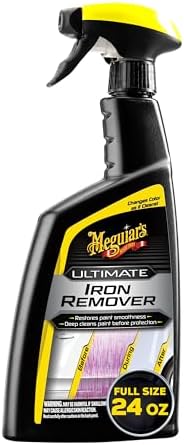
- REMOVES IRON PARTICLES: This advanced car iron remover and contaminant remover rids the surface of embedded iron particl…
- SURFACE PREPARATION: This specialized decontamination formula removes iron particles and contaminants that can impair th…
- CONTAMINATION REMOVAL: As it removes iron particles and contaminants, this iron remover changes color as it cleans and b…
Meguiar’s Wheel Brightener is a high-strength acid wheel cleaner trusted by professional detailers for removing brake dust, mineral deposits, and road grime. It delivers a mirror-like shine to chrome, painted, and clear-coated wheels in seconds.
Pros:
- Extremely effective on heavy brake dust and mineral buildup.
- Dilutable up to 4:1 for cost efficiency.
- Professional-grade results with minimal scrubbing.
Cons:
- Too strong for uncoated aluminum or bare metal.
- Requires gloves, goggles, and proper ventilation.
Best For: Heavy-duty wheel cleaning for show cars, resale prep, and seasonal detailing.
2. Chemical Guys Heavy Duty Water Spot Remover – Best Acid Wash for Hard Water Stains on Paint & Glass

- HEAVY DUTY WATER STAIN REMOVER FOR CARS(SPI10816) – Trusted by detailers for years, this gel formula targets stubborn mi…
- SAFE AND EFFECTIVE FORMULA – This car water spot remover is designed to remove tough water marks without damaging clear …
- VERSATILE SURFACE APPLICATION – A hard water stain remover that works on painted panels, chrome trim, aluminum, stainles…
This gel-based water spot remover dissolves etched mineral deposits on paint, glass, and chrome. Its thick formula clings to surfaces, allowing acidic cleaning agents to break down calcium and magnesium deposits effectively.
Pros:
- Gel consistency reduces runoff, increasing contact time.
- Safe for clear coats when used properly.
- Restores clarity to glass and gloss to paint.
Cons:
- Requires more effort compared to spray-on cleaners.
- Not ideal for cleaning large areas quickly.
Best For: Spot-treating hard water stains without damaging surrounding paint.
3. Malco Aluminum Brightener – Best for Restoring Bare Aluminum Surfaces
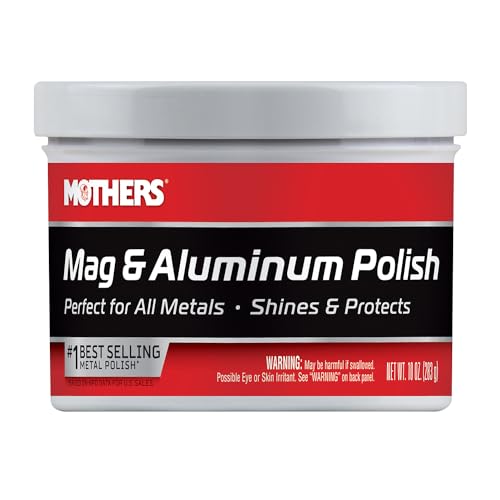
- Apply with a clean cloth and a little elbow grease for a shine
- Gentle enough to use on a regular basis
- Regular use provides a long lasting benefit to your vehicle
Malco’s industrial aluminum acid wash removes oxidation, mineral deposits, and grime from aluminum wheels, tanks, and trailer parts. It’s highly effective but requires caution due to its strong acid blend.
Pros:
- Works quickly to restore bright, reflective aluminum.
- Ideal for commercial vehicle and fleet maintenance.
- Reduces the need for heavy polishing.
Cons:
- Unsafe for painted or clear-coated aluminum.
- Strong fumes require outdoor use with PPE.
Best For: Fleet owners, truck drivers, and professional detailers restoring bare aluminum parts.
4. Griot’s Garage Water Spot Remover – Best Beginner-Friendly Acid Cleaner

- The information below is per-pack only
- REMOVE STUBBORN WATER SPOTS FAST: A must-have in your car wash kit, this car stain remover dissolves tough mineral depos…
- SAFE FOR MULTIPLE SURFACES: A water spot remover for glass, paint, plastic trim, and chrome, you’ll be able to remove wa…
This mild, pH-balanced acid wash safely removes light to moderate water spots from paint, glass, and chrome without harming ceramic coatings.
Pros:
- Gentle yet effective cleaning power.
- Safe for ceramic-coated cars.
- Easy-to-use spray-on formula.
Cons:
- Not effective for deep etching.
- Works best as a maintenance cleaner.
Best For: Light water spot removal during regular car care routines.
5. Shine Supply Smooth Move – Best for Deeply Etched Water Spots

- Great Choice For Car Detailing: The tire dressing applicator features a wavy surface, allowing the flexible foam to work…
- Reduce Waste: Designed with dense foam and an ergonomic shape, this applicator holds dressings evenly, maximizing applic…
- Easy to Use: Apply tire dressing effortlessly with our quality applicator. Just squeeze a small amount onto the applicat…
Shine Supply’s Smooth Move is a professional-grade acid wash that removes deeply etched water spots from paint and glass, leaving surfaces ready for waxing or ceramic coating.
Pros:
- Effective on stubborn mineral etching.
- Works on both glass and painted surfaces.
- Perfect for detailing prep before paint correction.
Cons:
- Requires quick application and rinsing.
- More expensive than mild cleaners.
Best For: Professional detailers or advanced DIYers preparing a show-quality finish.
6. Adam’s Polishes Wheel Cleaner – Best Acid-Free Alternative for Regular Use

- ✅ ELIMINATES DIRT, BROWNING, AND BRAKE DUST – Which part of your car takes the biggest beating? Your wheels & Tires! Bet…
- ✅ SAFE ON MANY FINISHES – Safe on clear-coated, powder-coated, chrome, alloy, and painted wheels. Most wheel cleaners ca…
- ✅ GET RID OF BROWN TIRES – If you’re happy with brown, old and decrepit tires, look away! If you’re wanting to thoroughl…
Adam’s Wheel Cleaner is acid-free but delivers acid-like cleaning power. Its pH-balanced formula makes it safe for all wheel finishes and frequent use.
Pros:
- Safe for painted, chrome, and anodized wheels.
- Pleasant scent compared to harsh acids.
- Gentle enough for weekly cleaning.
Cons:
- Less effective for severe brake dust buildup.
- Slightly pricier than strong acid cleaners.
Best For: Routine wheel maintenance without the risks of acid cleaners.
7. Zephyr Pro-40 Metal Polish & Cleaner – Best for Chrome & Stainless Steel Restoration

- Pro-Grade Mirror Shine: Trusted in the trucking and marine industries, Zephyr’s most aggressive metal polish revives dul…
- Multi-Metal Compatibility: This powerful aluminum stainless steel polish delivers a mirror-like finish on multiple metal…
- Cleans, Seals, & Protects: Easy wipe-on, let-dry, wipe-off application that restores shine, seals against oxidation and …
Zephyr Pro-40 is a metal polish with acidic cleaning properties that restores chrome, stainless steel, and aluminum to a mirror finish.
Pros:
- Cleans and polishes in one application.
- Leaves a protective coating to slow oxidation.
- Works on automotive and motorcycle metals.
Cons:
- Not suitable for painted or coated surfaces.
- Requires buffing for best results.
Best For: Chrome bumpers, stainless trim, and motorcycle detailing.
Step-by-Step Guide to Acid Washing Your Car
Acid washing might sound intimidating, but when done methodically, it’s straightforward and safe. The key is preparation, correct application, and immediate rinsing. Here’s a complete step-by-step process to follow.
Preparing the Car Surface
- Choose the Right Location: Work in a shaded, well-ventilated area. Avoid direct sunlight, as it can cause acid to dry too quickly and leave marks.
- Pre-Wash the Vehicle: Before applying any acid solution, wash the car with regular car shampoo to remove loose dirt, dust, and grease. This ensures the acid can work directly on the stubborn deposits.
- Protect Sensitive Areas: Mask off delicate parts like rubber seals, plastic trims, and unpainted aluminum. These surfaces can react badly to acid.
- Wear Protective Gear: Gloves, goggles, and long sleeves are non-negotiable. Even mild acids can irritate skin or eyes.
Mixing and Applying Acid Wash
- Dilute According to Instructions: If your product is concentrated, mix it with water exactly as directed. Never add water to acid always add acid to water to prevent splashing.
- Apply to a Cool Surface: Heat increases reaction speed, which can damage paint. Make sure your car’s surface is cool before starting.
- Use the Right Tools: A chemical-resistant spray bottle or foam applicator works best for even coverage. Avoid metal spray parts that can corrode.
- Work in Sections: Start with a small area (like a quarter panel or one wheel) so you can rinse quickly. This prevents overexposure.
Neutralizing and Rinsing Off
- Short Contact Time: Let the acid sit for the recommended time usually less than a minute.
- Rinse Thoroughly: Use a strong water flow to completely remove the acid. Don’t let it drip onto untreated sections.
- Neutralize Remaining Residue: Spray a baking soda and water mix over the treated area to neutralize any leftover acid, then rinse again.
- Dry Immediately: Use a clean microfiber towel or blower to dry the surface and avoid water spots.
By following these steps, you’ll achieve a deep clean without risking the damage that can come from overexposure.
DIY Acid Wash vs. Professional Service
You can certainly perform an acid wash yourself, but should you? It depends on your skill level, the strength of the acid, and the results you expect.
Cost Comparison
- DIY Approach: A bottle of acid cleaner costs between $15 and $40. Add in gloves, goggles, and spray bottles, and you might spend around $50 total. This is far cheaper than hiring a professional.
- Professional Service: Expect to pay $100 to $300 for a full exterior acid wash, depending on your car’s size and condition. Professionals may also include polishing and protective coating in the price.
Time and Effort Required
- DIY: Plan for at least an hour for a small car and up to two hours for larger vehicles. This includes preparation, application, rinsing, and drying.
- Professional: You drop off your car and pick it up when it’s done, saving you time and the hassle of handling chemicals.
Verdict: If you’re experienced in detailing and have the proper safety gear, DIY is cost-effective. If you’re unsure or dealing with a valuable car, a professional service is the safer bet.
Common Mistakes to Avoid When Acid Washing
Even experienced detailers sometimes make costly mistakes. Avoiding these errors will protect your car and ensure the best results.
Using the Wrong Acid Concentration
One of the most common issues is failing to dilute concentrated acid properly. Too strong a solution can cause immediate damage, while too weak a solution won’t clean effectively. Always follow the manufacturer’s instructions exactly.
Not Wearing Protective Gear
Skipping gloves or goggles is a dangerous gamble. Even a single splash can cause burns or permanent eye damage. Treat acid washing with the same seriousness as handling other hazardous chemicals.
Leaving Acid on Too Long
Acid works fast usually within seconds. Leaving it on for minutes can cause etching, streaking, or dulling of the finish. Always work in small sections and rinse promptly.
By avoiding these mistakes, you’ll keep both your car and yourself safe during the cleaning process.
Maintenance After Acid Washing
Acid washing strips away stubborn deposits, but it also removes any wax or protective coatings from the treated areas. Without protection, the surface can become vulnerable to new stains and oxidation.
Applying Wax or Ceramic Coating
Right after an acid wash is the perfect time to apply wax or a ceramic coating. The clean, contaminant-free surface will allow these products to bond more effectively, giving your car a longer-lasting shine and protection.
Regular Washing Tips
- Wash your car at least every two weeks to prevent buildup.
- Use pH-neutral car shampoos to preserve wax and coatings.
- Avoid letting hard water dry on your car dry it immediately after rinsing.
This maintenance routine will reduce the need for frequent acid washes, keeping your car in top shape year-round.
Environmental Considerations of Acid Washing
Acid washing is incredibly effective, but it’s not without environmental impact. The very chemicals that strip away stubborn deposits can also harm soil, plants, and waterways if disposed of improperly. If you’re doing a home acid wash, it’s important to think about where the runoff goes.
Eco-Friendly Acid Alternatives
If you want to reduce environmental risk, you can choose acid cleaners that use biodegradable, plant-based acids such as citric acid or lactic acid. These are gentler on the planet while still being effective for lighter cleaning jobs. For example:
- Citric Acid Cleaners: Derived from citrus fruits, safe for most surfaces, biodegradable.
- Vinegar Solutions: Mild acidity for removing small water spots on glass and chrome.
- Lactic Acid-Based Cleaners: Often found in eco-friendly detailing products.
While these alternatives may require more scrubbing and longer contact time, they are much safer for plants, pets, and local water systems.
Proper Disposal of Acid Wash Water
Never let acid runoff drain into stormwater systems, as it can harm aquatic life and disrupt ecosystems. Here’s how to manage disposal:
- Neutralize Before Disposal: Mix the used acid solution with baking soda or soda ash until it stops fizzing, which means the pH is closer to neutral.
- Dispose Responsibly: Pour the neutralized solution into a sanitary sewer system (like a toilet or sink), not a storm drain.
- Avoid Lawn and Garden Contact: Acid can burn grass and plant roots, so keep it contained.
By following these steps, you’ll keep your detailing clean-up both car-friendly and eco-friendly.
Expert Tips for the Perfect Acid Wash
Professionals have years of experience and small tricks that make a big difference. If you want to achieve pro-level results, take note of these expert-approved tips.
Recommended Tools and Accessories
- Chemical-Resistant Spray Bottles: Regular bottles can degrade quickly with acid solutions.
- Foam Applicators: Provide even coverage without overspray.
- Soft Detailing Brushes: Help agitate stubborn spots without scratching.
- Microfiber Towels: Essential for quick drying after rinsing.
Frequency of Acid Washing
Acid washing should be an occasional treatment, not part of your weekly wash routine. Professionals recommend:
- Heavy Contamination: Once or twice a year.
- Light Water Spots: Every few months if necessary.
- Wheels with Heavy Brake Dust: As needed, but never more than once a month.
Overuse can strip protective coatings and weaken paint over time, so the goal is to clean thoroughly but infrequently.
FAQs About Acid Washing Cars
Q1: Can I use acid wash on all car surfaces?
No. Avoid rubber, bare aluminum, and unprotected plastics unless the product label says it’s safe for those surfaces.
Q2: Will acid wash remove scratches?
No. Acid removes surface contaminants, not physical damage like scratches or chips.
Q3: Is acid washing safe for ceramic-coated cars?
Generally, no. Acid can degrade ceramic coatings, so use only if absolutely necessary and follow immediately with reapplication of protection.
Q4: Can I use vinegar instead of commercial acid wash?
Yes, for very light mineral deposits, but it’s much weaker and won’t handle heavy buildup.
Q5: How do I know if my car needs an acid wash?
If you notice stubborn water spots, dullness despite regular washing, or buildup that won’t come off with clay bar treatment, acid wash might be the next step.
Conclusion
Acid washing is one of the most powerful tools in the detailing world for restoring a vehicle’s shine and removing deep-seated contaminants. When done correctly with the right products, protective gear, and technique it can transform dull, spotted surfaces into glossy, pristine finishes.
However, it’s not a one size fits all solution, and it’s certainly not for everyday use. Respecting the chemical power of acid, choosing the correct formula for the job, and following safe handling and disposal practices are all essential to a successful, damage-free result.
Whether you decide to tackle it yourself or leave it to professionals, acid washing can be the secret weapon in your car care arsenal when used with knowledge and caution.