Your car’s paint might look clean after a wash, but if you’ve never used a clay bar, you’re probably missing out on just how smooth and glossy your vehicle can actually be. This guide dives deep into everything you need to know about choosing and using the best clay bar for your car—because nothing beats that glass-smooth finish after a good claying session. Whether you’re a weekend warrior detailer or a first-time car care enthusiast, this article will help you pick the right clay bar and show you exactly how to use it without damaging your paint.
Let’s break it all down, from how clay bars work to the best products to buy in 2025.
Introduction to Clay Bars and Why They Matter
What is a Clay Bar?
A clay bar is a detailing essential designed to remove embedded contaminants from your vehicle’s paint surface. Think of it like an exfoliating scrub for your car’s skin. It gently lifts off pollutants like industrial fallout, brake dust, tree sap, and road tar that cling to the clear coat, making your car feel rough to the touch even after washing.
Clay bars are made from a synthetic resin or natural clay material, and they’re incredibly malleable—allowing them to be molded and pressed into various shapes to reach every nook and cranny of your car’s body. It doesn’t scratch the surface when used correctly, and with the right lubricant, it glides smoothly across your car’s paint, picking up particles that washing and polishing can’t touch.
Using a clay bar isn’t just for show cars or car enthusiasts—it’s an essential part of maintaining the longevity and beauty of your car’s paint. Whether you drive a brand-new ride or a ten-year-old commuter car, regular claying can make a noticeable difference.
Why You Should Use a Clay Bar on Your Car
You might be wondering, “Isn’t washing my car enough?” The truth is, it’s not. While soap and water can remove dirt and grime, they can’t get rid of microscopic debris and bonded contaminants. Over time, these contaminants can dull your paint, ruin your wax job, and even cause long-term damage like oxidation or corrosion.
Here are some key reasons why you should add clay bar treatment to your detailing routine:
- Restores Smoothness: After using a clay bar, your car’s surface will feel buttery smooth. Run your hand across it, and you’ll notice the difference immediately.
- Improves Shine: Removing contaminants reveals the fresh, unblemished clear coat underneath, making your paint pop like it’s brand new.
- Preps Surface for Waxing: Wax, sealants, or ceramic coatings bond much better to a clean, contaminant-free surface. Claying ensures maximum adhesion and longevity.
- Protects Paint: Long-term use of clay bars can help you prevent oxidation, fading, and other paint problems caused by contaminants embedding into the clear coat.
Simply put, using a clay bar is like hitting the reset button on your paint. It’s an affordable, easy-to-use solution that brings real results.
Key Factors to Consider When Choosing a Clay Bar
Types of Clay Bars: Fine, Medium, Heavy-Duty
Not all clay bars are created equal. There are three main types—fine, medium, and heavy-duty. Choosing the right one depends on the condition of your car’s paint and how often you detail your vehicle.
- Fine Clay Bars: Ideal for newer vehicles or those that are regularly maintained. They’re less aggressive and perfect for frequent use without wearing down the clear coat.
- Medium Clay Bars: These are your all-around performers. Great for most cars, especially those that haven’t been detailed in several months.
- Heavy-Duty Clay Bars: These are best reserved for heavily contaminated vehicles. Think cars that are often parked under trees, driven in industrial areas, or haven’t been clayed in years. They’re abrasive, so they should be used with caution.
Knowing the difference helps you avoid damaging your paint or overdoing it. It’s all about matching the clay’s aggressiveness to the level of contamination.
Clay Bar vs. Clay Mitt: What’s Better?
While traditional clay bars are still widely used, clay mitts and towels are gaining popularity. So, how do they stack up?
- Clay Bars: Offer more precision and are generally better for spot treatment. They’re perfect for tight spaces and detailed work.
- Clay Mitts/Towels: Easier to handle and faster to use on large panels. They’re often reusable and more durable, which saves time during full-car detailing sessions.
If you’re new to detailing or want a quicker process, a mitt might be your go-to. However, for detailed work or higher contamination areas, the traditional clay bar still reigns supreme.
Compatibility with Lubricants and Other Products
Another key consideration is the lubricant. Never use a clay bar dry—friction is the enemy here. Many kits come with a clay lubricant, but you can also use quick detailer sprays or even a heavily diluted car wash soap (like in a spray bottle).
Make sure the clay bar you choose is compatible with your preferred lubricant. Some bars are sensitive and can break down with certain chemicals. Also, consider if the bar pairs well with your waxing or polishing routine, as some leave behind residue that can interfere with subsequent steps.
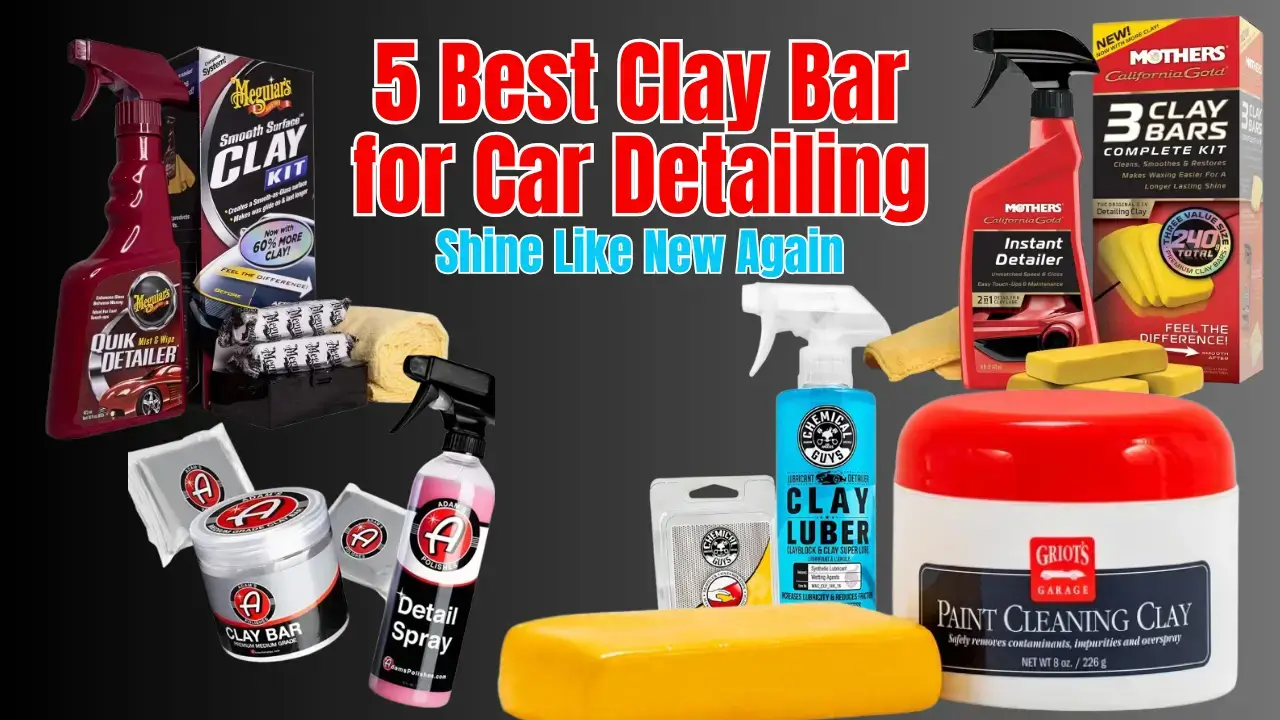
Top 5 Best Clay Bars for Cars in 2025
Now let’s get to the fun part—the actual products. These five clay bars are top-rated in 2025 for their performance, ease of use, and value. Whether you’re a beginner or a seasoned detailer, there’s a pick here for you.
1. Meguiar’s Smooth Surface Clay Kit
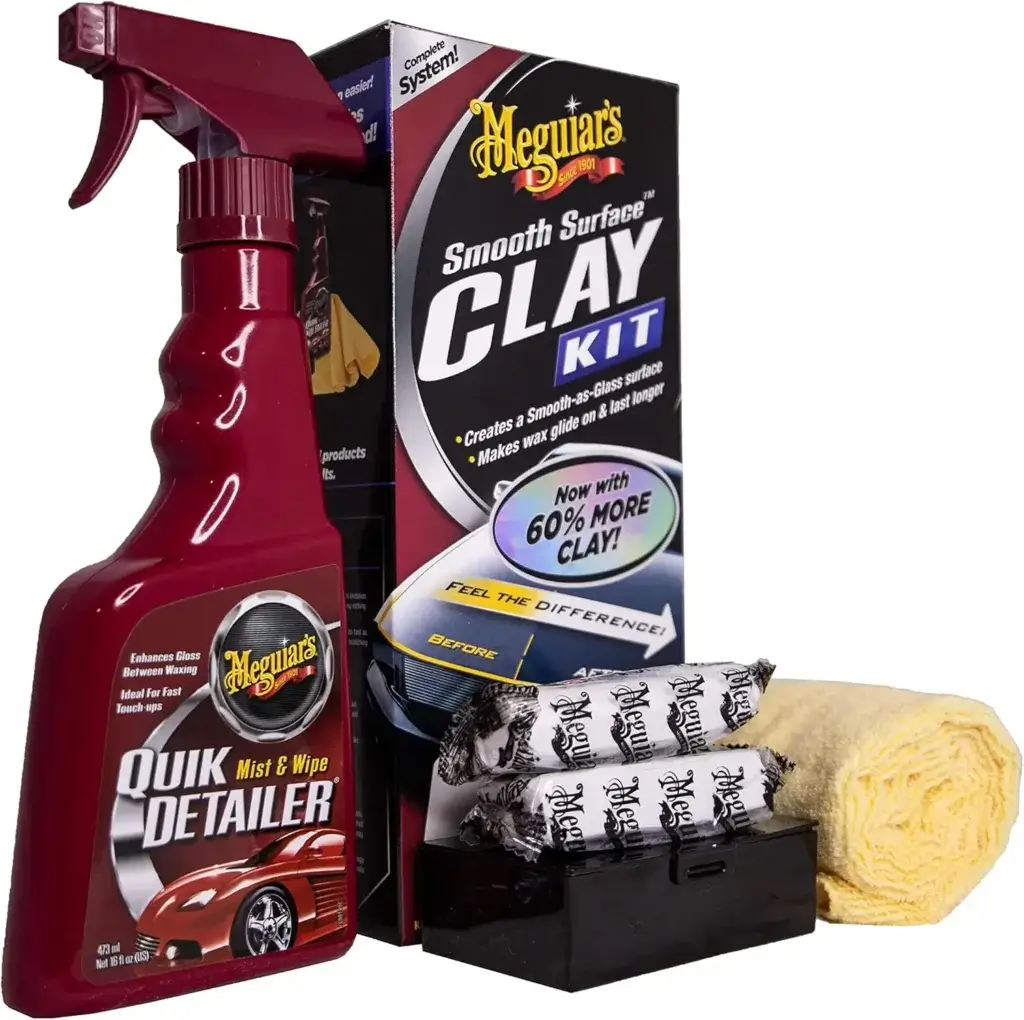
The Meguiar’s Smooth Surface Clay Kit is a favorite among professionals and beginners alike. It comes with two 80g clay bars, a 16oz Quik Detailer spray, and a microfiber towel—everything you need in one box.
Pros:
- Extremely user-friendly and great for beginners
- Comes with lubricant and towel, making it a complete kit
- Leaves paint silky smooth with noticeable improvement in shine
Cons:
- The clay can be slightly soft and may break apart in warm weather
- Limited to light-to-moderate contamination
This kit is perfect for routine maintenance and prepping your car for waxing or polishing. It’s easy to use, safe on all paint finishes, and offers great value.
2. Chemical Guys OG Clay Bar
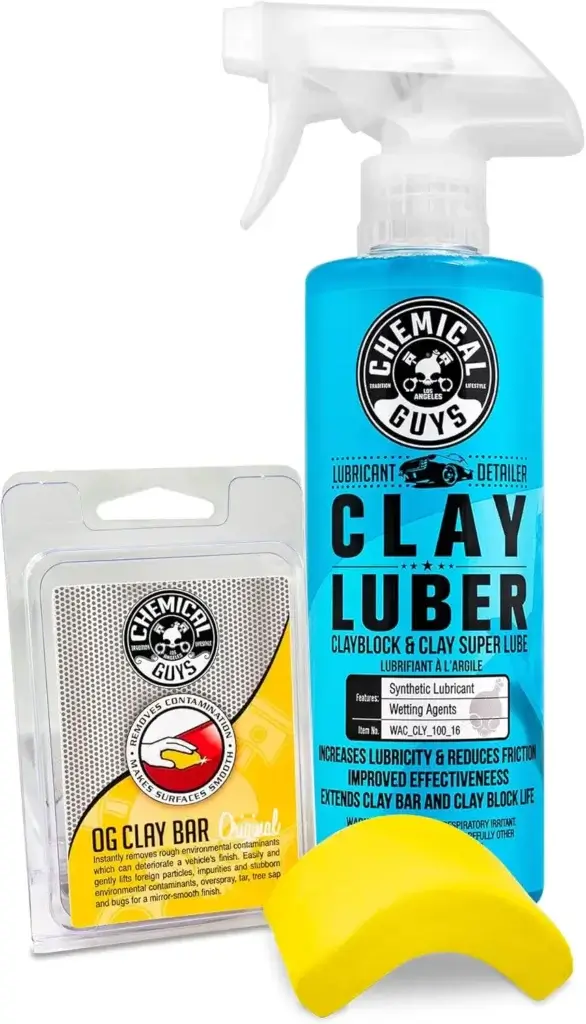
Chemical Guys is a go-to brand in the detailing world, and their OG Clay Bar lives up to the hype. It’s a medium-grade bar, which means it strikes a nice balance between aggressive contaminant removal and paint safety. Available in various colors for different contamination levels, this particular version is ideal for moderately dirty surfaces that need a refresh.
Pros:
- Medium-grade strength for versatile use
- Removes tree sap, overspray, and industrial fallout
- Compatible with all vehicle paints and clear coats
Cons:
- Requires a separate lubricant purchase
- Slightly pricier than some other bars in the same category
The OG Clay Bar is a detailer’s dream—flexible, effective, and long-lasting. It works wonders when used with the Chemical Guys Luber or even a DIY mix. If you detail your vehicle regularly but still face occasional heavy-duty grime, this clay bar will deliver clean results without harming your finish.
3. Mothers California Gold Clay Bar System
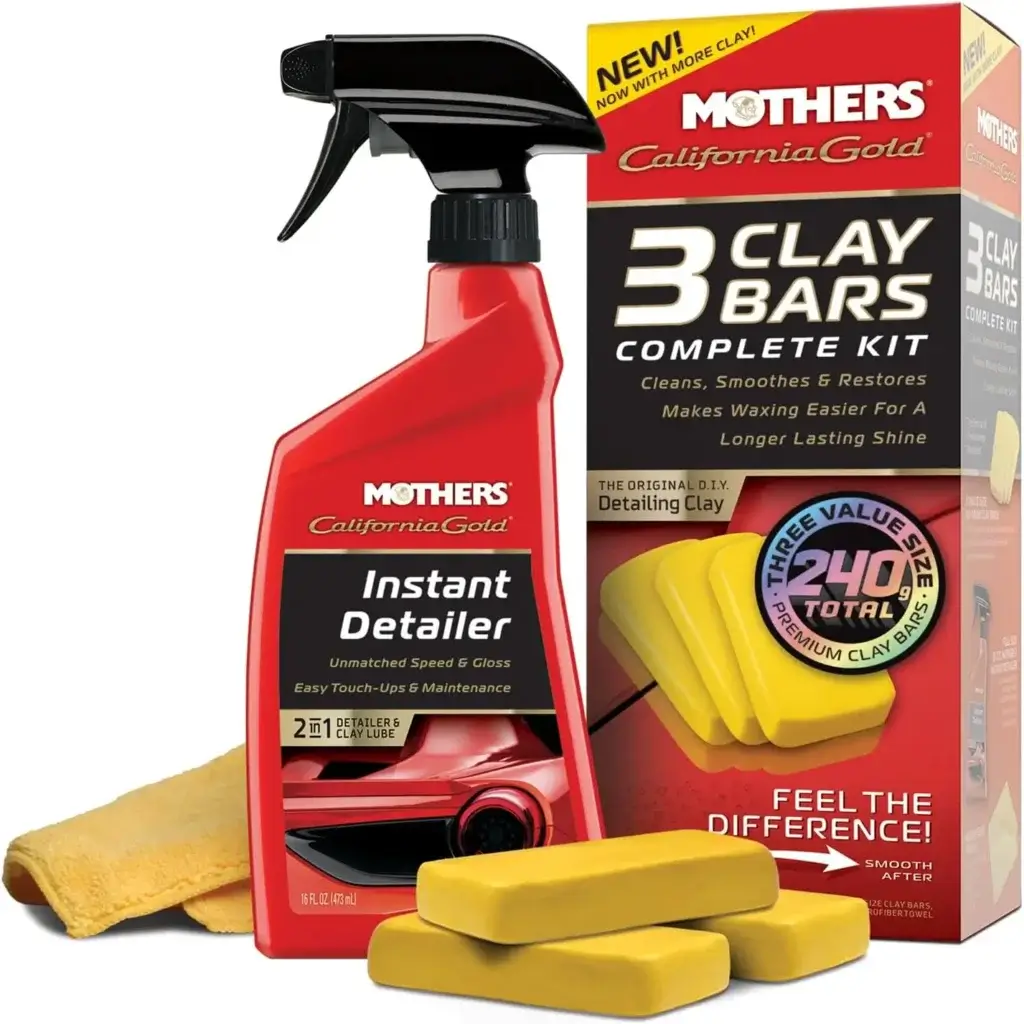
Mothers is another trusted name, and their California Gold Clay Bar System is a comprehensive and highly recommended package. It includes two 100g clay bars, an instant detailer spray, and a premium microfiber towel, making it ideal for beginners looking to try out claying without any guesswork.
Pros:
- Complete kit—perfect for first-timers
- Works well on both paint and glass
- Very gentle and safe on all finishes
Cons:
- Not aggressive enough for heavily contaminated surfaces
- Bars tend to pick up contaminants quickly, requiring more frequent kneading
This kit is fantastic for routine cleaning and maintenance. It shines (literally) when used right before waxing, leaving your surface ultra-smooth and free from anything that might interfere with product bonding. If you’re working on a newer car or a well-maintained daily driver, this clay bar system is a solid investment.
4. Griot’s Garage Paint Cleaning Clay
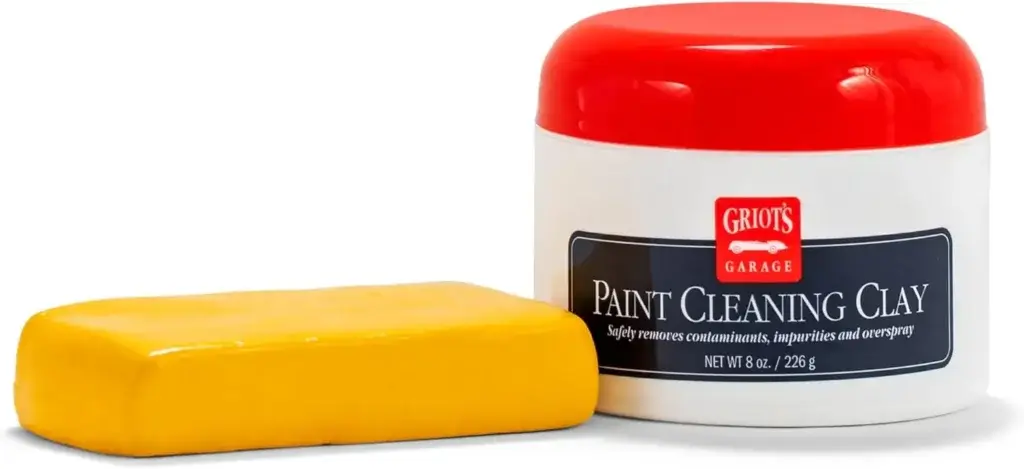
Griot’s Garage has a cult following for a reason—their products deliver professional-level results at consumer-friendly prices. Their Paint Cleaning Clay is no exception. Sold in a 226g single bar, this one is ideal for those who prefer buying clay bars in bulk and customizing their experience with their own lubricants and accessories.
Pros:
- Generous size—offers multiple uses
- Removes stubborn grime like brake dust and water spots
- Safe for all paint finishes and easy to mold
Cons:
- No included lubricant or microfiber towel
- Slightly less pliable compared to competitors
This clay bar is more suited for experienced detailers who already have their go-to detailing spray or quick detailer on hand. It’s cost-effective, consistent in performance, and perfect for prepping cars before ceramic coatings or wax applications. It’s got that “professional-grade” feel while still being accessible to regular car owners.
5. Adam’s Clay Bar Kit
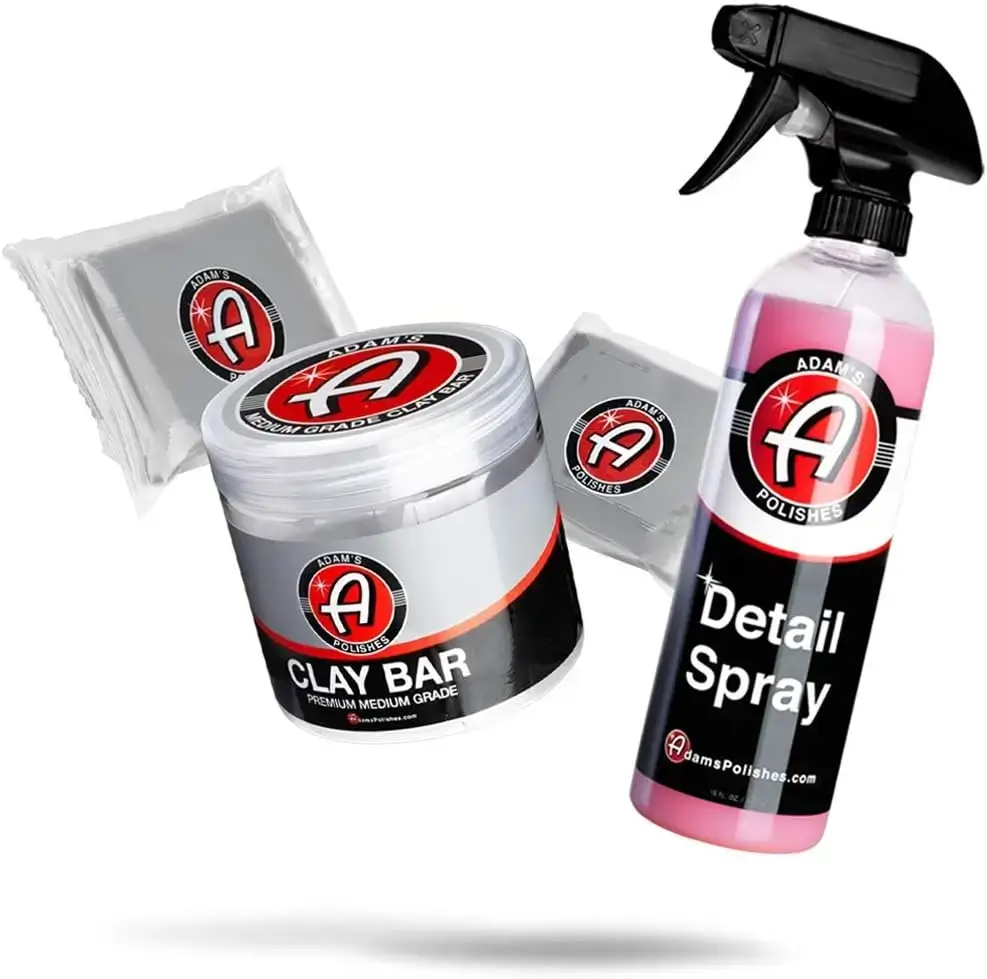
Adam’s Polishes is a brand known for high-quality detailing products, and their clay bar kit is no exception. This set includes two clay bars and a generous-sized detail spray, offering a great all-in-one solution. It’s ideal for cars that need a moderate decontamination without damaging the paintwork.
Pros:
- High-quality clay with solid contaminant removal
- Lubricant is slick and pleasant to use
- Comes with clear instructions—great for beginners
Cons:
- Premium pricing compared to other kits
- Can leave slight residue if over-applied
This clay bar kit stands out for its professional presentation and ease of use. Adam’s has nailed the balance between performance and user-friendliness. If you want to treat your vehicle to a luxury-grade detailing session, this is a superb choice.
Detailed Comparison Table
| Product Name | Lubricant Included | Best For |
|---|---|---|
| Meguiar’s Smooth Surface | Yes | Beginners, light contamination |
| Chemical Guys OG Clay Bar | Yes | Versatility, premium results |
| Mothers California Gold | Yes | Budget-friendly, multipurpose |
| Griot’s Garage | No | Experienced users, stand-alone use |
| Adam’s Medium Grade | Yes | Heavier contamination, enthusiasts |
How to Properly Use a Clay Bar
Step-by-Step Guide to Claying Your Car
Using a clay bar may seem intimidating at first, but it’s actually a straightforward process. Here’s a detailed guide to get you claying like a pro:
Step 1: Wash Your Car Thoroughly
Start with a clean slate. Use a quality car shampoo to remove surface dirt and grime. Rinse well and dry the vehicle to prevent water spots.
Step 2: Prep Your Clay and Lubricant
Tear off a small section of clay (about the size of a golf ball), knead it into a flat disc. Spray clay lubricant or a quick detailer generously on a small section of the paint (2ft x 2ft area).
Step 3: Glide, Don’t Scrub
Gently glide the clay across the surface in a back-and-forth motion. You’ll feel it “grab” initially—this is it lifting contaminants. Once it starts gliding smoothly, that section is clean.
Step 4: Wipe and Inspect
Use a microfiber towel to wipe off any remaining lubricant. Run your hand across the surface. If it feels silky smooth, you’re good to move on.
Step 5: Repeat Across Entire Vehicle
Work your way around the car section by section. Check your clay frequently; if it’s dirty, fold it inward and knead to expose a clean surface.
Step 6: Post-Clay Protection
Once done, your paint is now bare and exposed—it’s the perfect time to apply a wax, sealant, or ceramic coating.
Mistakes to Avoid During the Process
- Skipping Lubrication: Never use a clay bar dry. This creates friction and can cause scratches.
- Dropping the Clay: If it hits the ground, throw it out. It can pick up grit and scratch your paint.
- Using Too Much Pressure: Clay bars work best with gentle passes. Pressing too hard can cause marring.
- Claying a Hot Surface: Work in the shade or when your vehicle is cool. Heat can dry out lubricants too fast.
- Reusing Contaminated Clay: If the clay becomes too dirty, it’s time for a new piece.
Claying isn’t just about the right technique—it’s about patience and attention to detail. Treat it as a form of paint therapy, and your car will thank you with a deep, mirror-like shine.
Benefits of Regular Claying
Enhancing Paint Longevity
Think of your car’s paint like your skin—it needs proper care to stay vibrant and healthy. Regular claying plays a crucial role in extending the life of your car’s paint job. Here’s how.
When contaminants like tar, rail dust, and bird droppings stick to your paint, they don’t just sit there—they slowly embed into the clear coat and can even eat away at the paint over time. These particles may be invisible to the naked eye but can cause long-term damage if not removed.
By routinely using a clay bar, you’re essentially doing a deep clean on your car’s surface. This process prevents harmful particles from bonding with the paint and breaking it down. Over time, this keeps your paint from fading, oxidizing, or developing blemishes like swirl marks and etching.
Also, if you’re investing in high-end coatings or professional detailing services, clay bar treatment before any application is a must. Why spend money on top-tier waxes and sealants if you’re applying them over a contaminated surface?
Claying not only enhances shine but also maintains the structural integrity of your car’s paint. When done properly every 3 to 6 months, it’s like giving your car a fresh canvas—one that’s protected from corrosion and environmental wear.
And here’s a bonus: well-maintained paint increases your vehicle’s resale value. Potential buyers will immediately notice that your car’s finish looks newer and more cared for. That shiny exterior might just give you the edge in a crowded market.
So, for anyone who truly cares about their ride, claying is more than just aesthetics—it’s long-term protection. Think of it as preventive maintenance that saves you thousands in repaint jobs down the line.
Boosting Wax and Sealant Adhesion
Have you ever applied a coat of wax and felt like it didn’t last or didn’t give that deep glossy finish? That’s likely because your surface wasn’t properly prepped. Even the best wax or sealant needs a clean canvas to adhere properly, and that’s where the clay bar comes in.
When a paint surface is contaminated—even if it’s not visible—it acts like a barrier between the wax and your clear coat. This not only reduces the bonding strength but also decreases the longevity and performance of your protective layer. Claying removes all these barriers, creating a pure, clean, and smooth surface.
A properly clayed car will allow wax and sealants to:
- Bond directly to the clear coat for stronger protection.
- Last longer, resisting environmental elements more effectively.
- Improve gloss levels, giving your car that deep, wet look.
You’ll also find that the wax application process becomes a lot smoother. No more dragging the applicator across a gritty surface. Instead, your wax will glide on like butter and buff off with ease.
Moreover, ceramic coatings—which have become increasingly popular—absolutely require a clean, contaminant-free surface to bond. Any particles left on the surface can lead to bonding failure, uneven coating, or premature wear.
Simply put, a clay bar is the prepper’s secret weapon. It sets the stage for all the products that follow. If you want your detailing efforts to last and actually make a difference, don’t skip the claying step.
DIY Clay Bar Alternatives: Are They Worth It?
Household Clay Hacks
Now and then, car owners try to get creative. You might have heard about people using household modeling clay or other crafty solutions as makeshift clay bars. The logic is, “If it looks and feels like a clay bar, why not save money and use it?”
Here’s the short answer: don’t.
Household clays, like Play-Doh or modeling clay, aren’t designed for automotive finishes. They might seem soft and moldable, but they lack the fine particle structure and lubricated movement that auto-grade clay bars provide. Worse, they can trap larger particles that may scratch the paint.
That said, if you’re in a pinch and need a quick clean-up job, some people use detailing clay mitts or towels instead. These microfiber-based alternatives contain synthetic polymers designed to mimic clay but with more durability and reusability. They’re not exactly DIY, but they are a step in the direction of convenience and efficiency.
Another common hack is using a plastic sandwich bag as a surface tester. After washing your car, place your hand in the bag and lightly run it over the surface. You’ll feel the hidden contaminants much more clearly, helping you decide if claying is necessary.
So, while there are ways to test your car’s need for a clay bar, it’s best not to cut corners with homemade substitutes. Professional-grade clay bars are affordable, safe, and specifically engineered for automotive surfaces—don’t risk ruining your paint to save a few bucks.
Risks of Using Non-Automotive Clay Products
You wouldn’t use dish soap to wash your face, right? The same logic applies when it comes to your car’s paint.
Non-automotive clay products may contain oils, dyes, and coarse particles not suitable for vehicle surfaces. Using them introduces several risks:
- Scratches and marring: Without the right particle consistency and lubricant compatibility, household clay can scratch your clear coat.
- Staining: Some clays contain colorants that can transfer onto your car’s paint, especially when combined with heat or moisture.
- Chemical breakdown: Unlike automotive clay, household clay isn’t formulated to withstand car detailing chemicals. It can disintegrate mid-use, leaving a mess behind.
Even worse, if these DIY materials pick up dirt or grit from the surface, they could drag it across the paint, causing visible damage that’s hard (and expensive) to repair.
Bottom line: when it comes to your car’s finish, always opt for products specifically made for detailing. The small investment in a proper clay bar can save you a fortune in repainting or correction work later.
Final Verdict: Which Clay Bar Reigns Supreme in 2025?
So after going through the top contenders and diving deep into what makes a great clay bar, it’s time to answer the big question—which clay bar is the best choice in 2025?
Drumroll, please…
If you’re a beginner looking for an easy and safe introduction to claying, the Meguiar’s Smooth Surface Clay Kit is our top pick. It provides an all-in-one package that’s user-friendly, effective, and budget-friendly. You get everything you need to start claying right out of the box, which makes it ideal for first-timers.
For those with a bit more experience or who want professional-level results, the Chemical Guys OG Clay Bar offers unmatched performance. It’s versatile enough for light to moderate contamination and gives your paint that fresh, smooth finish. Pair it with their Luber spray for the best results.
If value for money and quantity is your thing, the Griot’s Garage Paint Cleaning Clay is the best bulk option. You can customize how much you use and get multiple claying sessions out of one bar.
On the other hand, if you’re looking for a full detailing system and don’t mind paying a little more for top-notch results, Adam’s Clay Bar Kit is your go-to. It’s sleek, powerful, and has that premium feel.
And let’s not forget the Mothers California Gold Clay Bar System—an absolute favorite among casual car detailers. It’s gentle yet effective and ideal for keeping your daily driver looking showroom-fresh.
Ultimately, the “best” clay bar depends on your needs:
- New to claying? Go with Meguiar’s or Mothers.
- Need a strong yet safe clean? Choose Chemical Guys or Adam’s.
- Want value and volume? Griot’s Garage wins.
Just remember—regardless of which one you choose, claying your car is one of the most rewarding steps in car detailing. Once you feel that buttery-smooth finish under your fingertips and see your car shining like new, you’ll never skip this step again.
FAQs
1. Can I use a clay bar on a freshly painted car?
It’s best to wait at least 30–60 days after a fresh paint job before using a clay bar. During this curing period, the paint is still soft and settling, so claying could disrupt the finish. After that window, claying is perfectly safe and even recommended.
2. Is claying necessary if I wax regularly?
Absolutely. Waxing helps protect your car, but it doesn’t remove bonded contaminants. If you wax without claying first, you’re essentially sealing in the dirt. Claying ensures the wax bonds to a clean, uncontaminated surface for maximum effectiveness.
3. Can a clay bar remove scratches or swirl marks?
No, clay bars are designed to remove surface contaminants, not correct paint defects. For scratches or swirls, you’ll need a compound polish or paint correction process. However, claying before polishing helps you get better polishing results.
4. What should I do after claying my car?
Always apply a wax, sealant, or ceramic coating after claying. The claying process removes not only contaminants but also any protective layers, leaving the paint bare. Applying a protection product right after helps seal the surface and keep it cleaner for longer.
5. How should I store my clay bar between uses?
Store your clay in an airtight container or resealable bag, and keep it slightly moistened with lubricant to prevent it from drying out. Make sure it’s kept in a cool, dry place, and never store it after it’s been dropped or heavily contaminated.
Conclusion
If you care about your car’s shine, longevity, and value, a clay bar should absolutely be part of your detailing arsenal. It’s not just about making your car look good—it’s about preserving that showroom finish and laying the foundation for every protective product that comes after.
Whether you’re just getting started or you’ve been detailing for years, there’s a clay bar out there to match your needs. We’ve covered the best in the business for 2025—now it’s your turn to pick the one that suits your car care style.
Invest a few minutes in claying, and you’ll be rewarded with a deeper shine, longer-lasting protection, and a paint job that looks fresh for years.