Introduction
Plastic is everywhere on modern cars from bumpers to dashboards. While it’s durable and lightweight, it doesn’t age gracefully. Over time, UV rays, weather, and grime can fade or discolor plastic parts, making even a well maintained vehicle look old. That’s where plastic paint for cars comes in.
Unlike standard paints, plastic paints contain adhesion promoters and flexible resins that bond tightly to the plastic surface and expand or contract without cracking. Using the wrong type of paint can result in poor adhesion, uneven finish, or peeling.
Choosing the right paint isn’t just about color it’s about durability, finish quality, ease of application, and compatibility with the specific type of plastic you’re working with. In this article, we’ll break down seven of the top rated options trusted by professionals and DIY enthusiasts alike.
Understanding Plastic Car Paints
Before diving into the best brands, it’s important to understand what makes plastic paint unique.
1. Types of Plastics in Cars:
Cars typically use materials like ABS (Acrylonitrile Butadiene Styrene) for bumpers, PVC for trims, and Polypropylene (PP) for interior components. Each reacts differently to paint, so compatibility matters.
2. Why Plastic Paint Is Special:
Regular car paints are designed for metal and often fail to stick to plastic because the surface is too slick. Plastic paints include chemical adhesion promoters that etch the surface microscopically, ensuring a solid bond.
3. Factors to Consider When Choosing Paint:
- Surface Type: Interior or exterior plastics?
- Finish: Gloss, matte, or satin?
- Durability: Does it resist UV rays, scratches, and heat?
- Ease of Application: Spray cans vs. brush on paints.
- Drying Time: Faster drying paints save time but may require careful layering.
Once you understand these basics, you’re ready to pick the right product for your project. Let’s dive into the top contenders.
7 Best Plastic Paint for Cars in 2025
Painting plastic parts of your car like bumpers, trims, and side mirrors can instantly refresh its look and even increase resale value. But here’s the catch: not every paint is built for plastic. Unlike metal, plastic surfaces are non porous, flexible, and tricky to bond with. That’s why using the right plastic paint is essential for a smooth, long lasting finish that won’t peel or crack after a few months.
In this guide, we’ll explore the 7 best plastic paint for cars, their pros and cons, and practical tips to help you achieve a professional looking result even if you’re doing it yourself.
1. Rust-Oleum Automotive Paint for Plastic
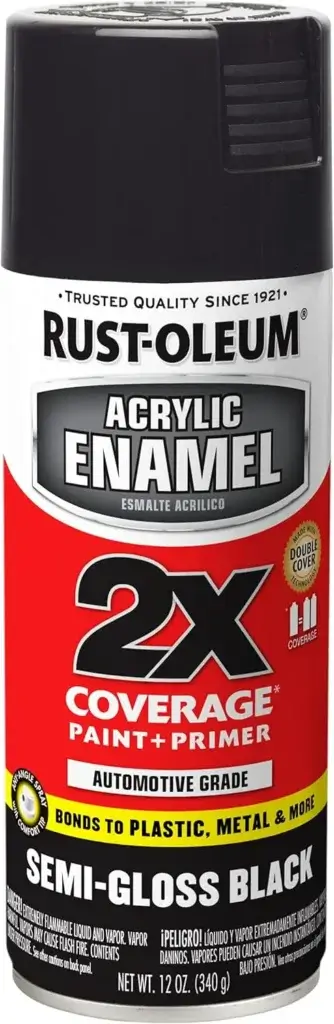
Rust-Oleum Automotive 257389 12-Ounce Paint For Plastic Spray, Universal Silver
Image Credit: Amazon
Rust-Oleum is one of the most trusted brands in the automotive paint industry. Their Automotive Paint for Plastic is specifically formulated to bond directly to plastic without the need for a primer. It’s perfect for exterior plastic parts like bumpers, side mirrors, and trims.
Features:
- Excellent adhesion and weather resistance
- UV and scratch protection
- Smooth, even coverage with a professional finish
- Available in multiple finishes: gloss, matte, and satin
Application:
Just clean the plastic surface thoroughly, lightly sand it, and spray in even layers. It dries quickly and resists chipping, making it ideal for DIY enthusiasts.
Pros:
✅ Bonds directly to plastic without primer
✅ Resistant to fading and cracking
✅ Easy to use with aerosol spray
✅ Long lasting, weatherproof finish
Cons:
❌ Limited color options compared to others
❌ Can be sensitive to humidity during application
This paint is a go to choice if you want durability and ease of use without complicated prep work.
2. Krylon Fusion for Plastic Spray Paint
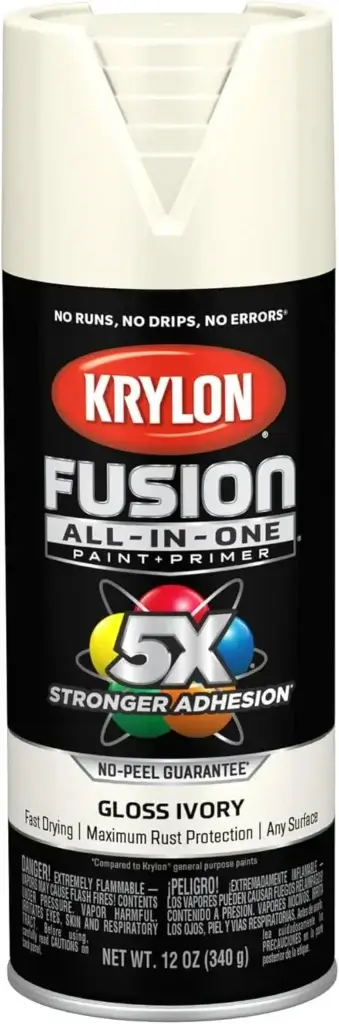
Krylon Fusion All-In-One Adhesive Spray Paint for Indoor/Outdoor Use, 12 oz, Ivory
Image Credit: Amazon
When it comes to user friendly spray paints for plastic, Krylon Fusion for Plastic leads the pack. It’s one of the first paints designed to bond to plastic at a molecular level, making it a favorite for both automotive and household projects.
Features:
- No sanding or priming required
- Dries to touch in 15 minutes
- Available in a variety of colors and finishes
- Weather and UV resistant formula
Application:
Simply clean the surface, shake the can, and apply 2-3 light coats. Its advanced formula bonds so well that it resists flaking and peeling even under extreme weather conditions.
Pros:
✅ Excellent adhesion without primer
✅ Fast drying and easy to apply
✅ Resistant to UV rays and chipping
✅ Wide color selection
Cons:
❌ Not ideal for high heat areas
❌ May need extra coats for glossy finishes
Krylon Fusion is perfect for beginners who want a quick, reliable solution without needing to spend hours prepping the surface.
3. Dupli-Color Vinyl and Fabric Coating
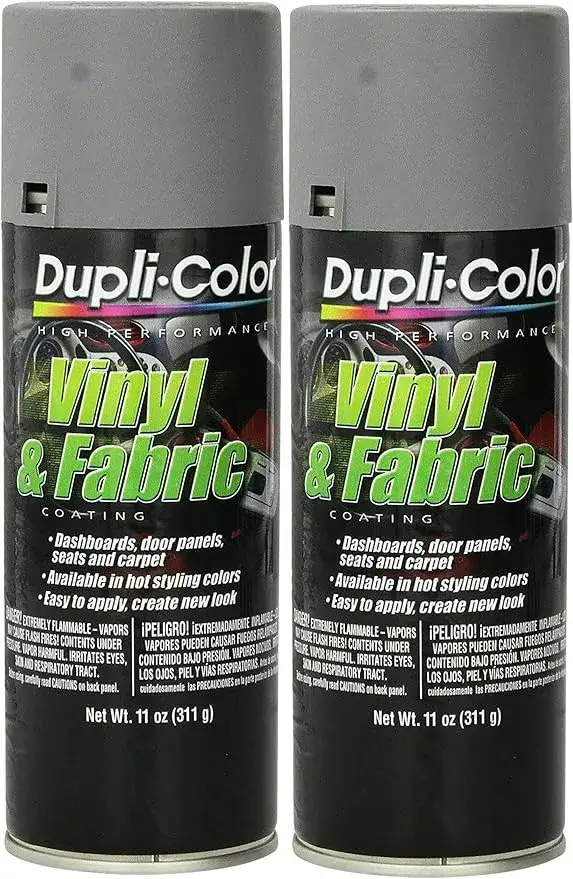
Dupli-Color HVP106 Vinyl and Fabric Coating Spray Paint – Flat Black – 11 oz Aerosol Can
Image Credit: Amazon
Don’t let the name fool you Dupli Color Vinyl and Fabric Coating isn’t just for seats or upholstery. It’s a flexible coating that also works beautifully on plastic surfaces, especially car interiors.
Features:
- Flexible finish that won’t crack
- Great for dashboards, door panels, and trims
- Available in OEM matching colors
- Restores faded plastic to like new condition
Application:
Clean the surface with soap and water, ensure it’s fully dry, then apply light, even coats. It’s designed to maintain the texture of the plastic, so it won’t leave a thick or rubbery feel.
Pros:
✅ Flexes with the surface won’t peel or crack
✅ OEM color match options
✅ Ideal for interior restoration
✅ Smooth, natural looking finish
Cons:
❌ Not suitable for exterior parts exposed to heavy weather
❌ Slightly higher price per can
If you’re focusing on interior plastics, Dupli-Color offers a factory quality finish that blends seamlessly with existing panels.
4. SEM Paints Color Coat Aerosol
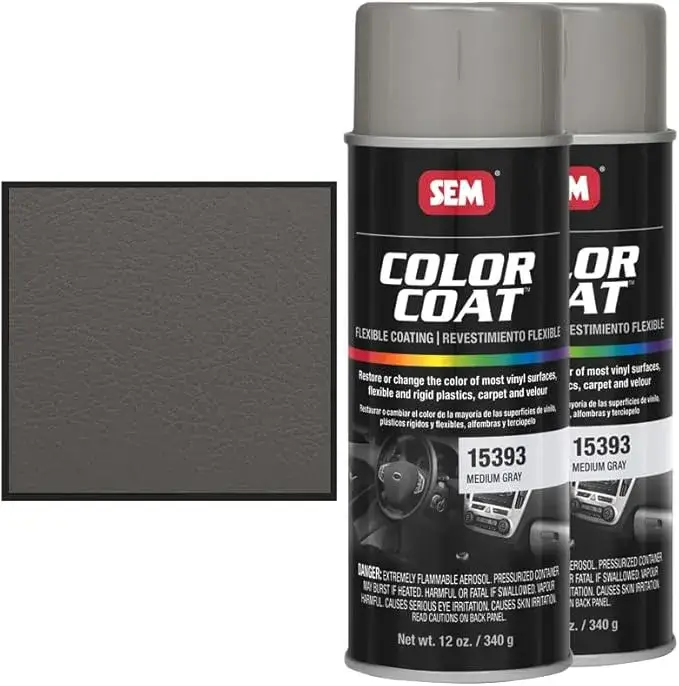
SEM Paints Color Coat Aerosol
Image Credit: Amazon
When professionals talk about painting car interiors, SEM Paints Color Coat Aerosol almost always makes the list. This high quality paint is specifically formulated for automotive plastics, vinyl, and leather. It’s used by auto detailers and restoration experts because it offers a flexible, durable, and factory like finish that lasts for years.
Features:
- Designed for plastic, vinyl, and leather surfaces
- Offers a flexible coating that doesn’t crack or peel
- Dries quickly to a smooth, satin finish
- Can be used on dashboards, door panels, consoles, and trims
- Available in over 50 OEM matched colors
Application:
For best results, clean the surface using SEM Soap and Vinyl Prep (or a similar cleaner), then apply 2–3 light coats. Allow each coat to dry for about 10 minutes. The finish dries evenly and blends seamlessly, making it hard to tell it’s been repainted.
Pros:
✅ Factory like finish and long lasting adhesion
✅ Extremely flexible won’t peel on bending surfaces
✅ Dries fast and covers evenly
✅ OEM color options for perfect matching
Cons:
❌ Requires thorough surface prep for best results
❌ Higher cost compared to regular spray paints
If you want a professional grade finish for your car’s interior plastic, SEM Paints is hands down one of the best investments.
5. VHT Vinyl Dye for Plastic and Vinyl
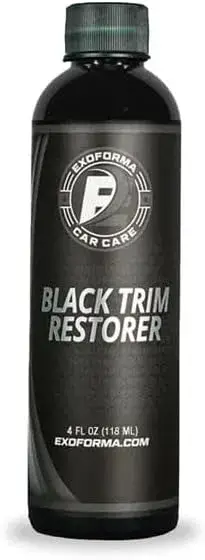
VHT Vinyl Dye for Plastic and Vinyl
Image Credit: Amazon
VHT Vinyl Dye is a unique product because it doesn’t just sit on the surface it penetrates the material, making it perfect for plastic and vinyl automotive parts. Unlike regular paints that can peel off, this dye chemically bonds with the plastic, creating a flexible, long lasting finish.
Features:
- Penetrates and bonds with plastic and vinyl
- Resistant to cracking, fading, and peeling
- Can handle heat and UV exposure
- Ideal for interior and exterior applications
- Comes in a range of OEM colors
Application:
VHT Vinyl Dye requires a clean and dry surface. It’s best applied in several light coats for even coverage. Once dry, it offers a natural, non glossy finish that doesn’t feel sticky or thick.
Pros:
✅ Bonds chemically with plastic for superior adhesion
✅ Excellent for restoring faded or discolored parts
✅ UV and heat resistant great for dashboards
✅ Flexible and durable coating
Cons:
❌ Limited availability in some regions
❌ Doesn’t provide a high gloss finish if desired
If you want to restore or recolor interior plastics without creating a “painted” look, VHT Vinyl Dye is one of the most durable and natural looking options available.
6. Rust-Oleum Universal All Surface Spray Paint
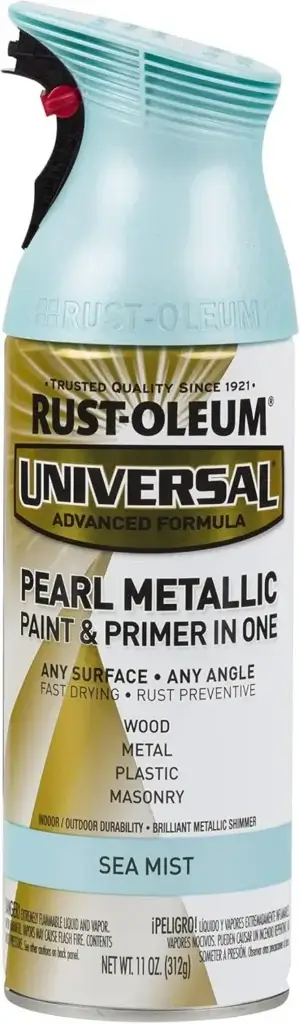
Rust-Oleum Universal All Surface Spray Paint
Image Credit: Amazon
For those who want one product that can handle almost any material, Rust-Oleum Universal All Surface Spray Paint is a great pick. It’s designed for metal, plastic, wood, and even glass, making it versatile for a range of automotive uses.
Features:
- Works on multiple surfaces including plastic, metal, and fiberglass
- Advanced formula with built in primer
- Available in over 20 colors and finishes (metallic, satin, matte)
- Weather resistant and UV protected
- Comfortable spray trigger for even coating
Application:
Shake the can thoroughly, spray from 10–12 inches away, and use steady back and forth motions. Since it includes a primer, you can skip that step but for maximum adhesion on tricky plastics, light sanding is still recommended.
Pros:
✅ Built in primer simplifies the process
✅ Wide color and finish options
✅ Durable, chip resistant coating
✅ Suitable for both interior and exterior plastics
Cons:
❌ Slightly longer drying time
❌ Some users report nozzle clogging after extended use
Rust-Oleum Universal is ideal for anyone looking for a balance of durability and versatility, especially if you plan to paint multiple car parts or materials.
7. ColorBond LVP Refinisher Spray Paint
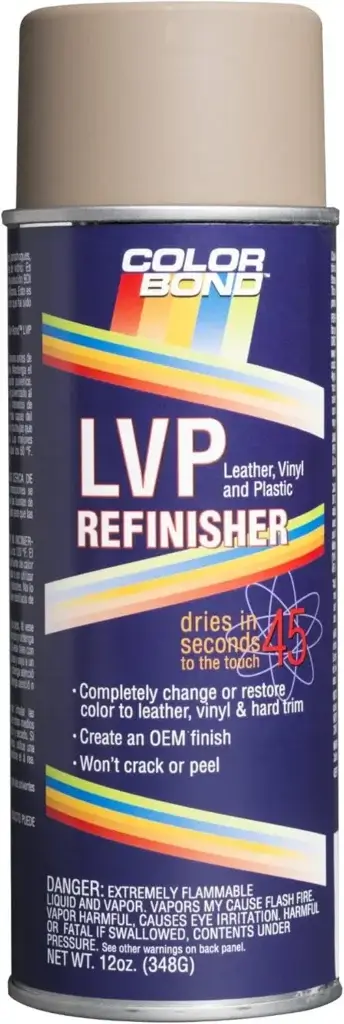
ColorBond LVP Refinisher Spray Paint
Image Credit: Amazon
ColorBond LVP Refinisher is an automotive grade paint specifically designed for leather, vinyl, and plastic. It’s used by professionals to rejuvenate interior trims, dashboards, and panels. What sets this paint apart is its molecular bonding technology, which ensures a smooth, natural, and long lasting finish.
Features:
- Bonds molecularly to the surface (not just on top)
- Available in OEM-matched car interior colors
- Dries in 10 minutes and fully cures in 24 hours
- Doesn’t crack, flake, or peel
- Suitable for both interior and light exterior applications
Application:
Clean the surface thoroughly, spray light coats, and allow a few minutes of drying between layers. It provides an even finish without the need for primer in most cases.
Pros:
✅ Professional grade results with OEM matched colors
✅ Fast drying and long lasting
✅ Doesn’t alter the texture of the surface
✅ Resistant to UV damage and scratches
Cons:
❌ Pricier than average plastic paints
❌ Limited availability in local stores
ColorBond is perfect if you want factory quality interior restoration without paying for professional repainting. It’s widely trusted in detailing and car restoration circles for its flawless adhesion and authentic finish.
How to Properly Apply Paint to Plastic Car Parts
Painting plastic parts on your car requires patience and the right steps. Skipping preparation or rushing through layers can lead to peeling or uneven finishes. Here’s a step by step guide for best results:
1. Clean Thoroughly
Start by washing the part with soap and warm water to remove dirt and oils. Follow up with a degreaser or rubbing alcohol to eliminate any remaining residue.
2. Sand the Surface
Use fine grit sandpaper (400–600 grit) to lightly sand the surface. This helps the paint adhere better by giving it a slightly rough texture.
3. Apply Adhesion Promoter or Primer
Even if the paint claims “no primer needed,” using an adhesion promoter ensures a stronger bond. Spray one or two thin coats and let it dry completely.
4. Apply the Paint
Shake the can for at least one minute before use. Hold it 10–12 inches from the surface and spray in light, even strokes. Apply 2–3 coats, waiting about 10 minutes between each coat.
5. Let It Cure
After painting, let the part cure for at least 24 hours before reinstalling it. Avoid touching or exposing it to moisture during this time.
Pro Tip: If painting exterior parts, apply a clear coat for added protection and shine.
Common Mistakes to Avoid When Painting Plastic
Painting plastic isn’t rocket science, but small mistakes can ruin an otherwise perfect job. Whether you’re painting your car’s bumper, side mirror, or dashboard, here are the most common pitfalls to watch out for and how to avoid them.
1. Skipping the Cleaning Step
Many DIYers rush into painting without cleaning properly. Plastic surfaces attract oil, dust, and grease that prevent paint from sticking. Always wash with warm soapy water, then use rubbing alcohol or a degreaser to ensure a clean base.
2. Ignoring Surface Prep
Smooth plastic surfaces make it hard for paint to adhere. Lightly sanding the surface with fine grit paper (400–600 grit) creates microscopic scratches that help the paint grip. Skipping this step leads to easy peeling and chipping.
3. Using the Wrong Primer (or None at All)
Not all primers are made for plastic. If your chosen paint doesn’t include a built in primer, always use an adhesion promoter designed for plastics. It acts as a glue between the paint and the surface, ensuring long term durability.
4. Applying Thick Coats
Thick coats lead to drips, bubbles, or uneven coverage. Always spray light, even layers multiple thin coats dry faster and bond better than one heavy coat.
5. Painting in the Wrong Conditions
Temperature and humidity matter. Paint in a well ventilated area at around 70°F (21°C). Too cold, and the paint won’t dry; too hot or humid, and you’ll get blotchy results.
6. Not Allowing Enough Drying Time
Rushing between coats is a big mistake. Always let each coat dry for at least 10–15 minutes before adding another, and wait 24 hours before handling the piece.
7. Forgetting the Clear Coat
If you want a glossy, professional finish and extra protection, apply a clear coat once your paint is fully dry. It seals in color and adds UV resistance.
Avoiding these mistakes ensures your painted plastic looks smooth, glossy, and professional no expensive body shop needed.
Factors That Affect Paint Longevity on Plastic
Once you’ve painted your plastic parts, you’ll want them to stay looking fresh for as long as possible. However, several factors determine how long your paint job will last.
1. Surface Preparation Quality
Good prep equals a long lasting finish. Even the best paint will fail if the surface wasn’t cleaned or sanded properly. Adhesion promoters play a major role in preventing peeling.
2. Environmental Conditions
Exposure to sunlight, rain, and temperature changes can fade or weaken paint over time. UV rays, in particular, break down paint molecules, leading to dullness. That’s why paints with UV-resistant formulas like Rust Oleum or Krylon Fusion are ideal for outdoor parts.
3. Quality of Paint and Primer
High quality paints and primers contain resins and binders that improve flexibility and resistance. Cheap alternatives might look good initially but fade or peel within months.
4. Type of Plastic Used
Different plastics have varying surface energies. For instance, polypropylene (PP) is notoriously difficult to paint without adhesion promoter, while ABS is much easier. Knowing your material helps you pick the right product.
5. Maintenance Practices
Harsh cleaners or abrasive sponges can damage paint. Use mild soap and microfiber cloths to clean painted areas. Applying a UV protectant or clear coat every few months helps extend the paint’s lifespan.
6. Application Technique
Even application, consistent spray distance, and proper drying time all influence how well the paint bonds and lasts. A smooth, gradual build up of layers provides the most durable result.
If you follow these guidelines, your paint job can easily last 3–5 years or longer, depending on exposure and upkeep.
Cost Comparison of the Top Plastic Paints
Here’s a quick comparison of the seven best plastic paints we’ve covered, to help you decide which one fits your budget and project needs.
| Brand / Paint Type | Average Price (per can) | Finish Options |
|---|---|---|
| Rust-Oleum Automotive Paint | $8–$10 | Gloss, Satin, Matte |
| Krylon Fusion for Plastic | $7–$9 | Gloss, Matte |
| Dupli-Color Vinyl & Fabric Coating | $10–$12 | OEM Matte |
| SEM Paints Color Coat | $14–$18 | Satin, OEM Colors |
| VHT Vinyl Dye | $10–$13 | Flat |
| Rust-Oleum Universal | $9–$11 | Satin, Metallic, Matte |
| ColorBond LVP Refinisher | $14–$17 | OEM Colors |
Verdict:
- Best for Beginners: Krylon Fusion for Plastic
- Best Professional Finish: SEM Paints Color Coat
- Most Versatile: Rust-Oleum Universal
- Best for Interior Restoration: ColorBond LVP Refinisher
While cost varies slightly, investing in a higher quality paint generally ensures a longer lasting, more professional looking result saving you money over time.
Expert Tips for Maintaining Painted Plastic Surfaces
Once your car’s plastic parts are freshly painted, proper maintenance is key to keeping them looking great.
1. Wash Gently
Use mild soap and a soft microfiber cloth. Avoid harsh chemicals, degreasers, or abrasive sponges that can dull or scratch the paint.
2. Apply a Protective Coating
A UV-protective spray or wax helps prevent fading from sun exposure. Products like 303 Aerospace Protectant work wonders on painted plastic surfaces.
3. Keep Away from High Heat
Avoid exposing freshly painted plastics to high temperatures (like direct sunlight or hot engines) for at least a few days.
4. Regular Inspection
Inspect your painted surfaces every few months for chips or scratches. Touch up small spots quickly before they spread.
5. Store Indoors When Possible
If your car or motorcycle has lots of exposed plastic, parking in a garage or shaded area extends the paint’s life considerably.
Consistent care and gentle cleaning can easily keep your paint vibrant for years.
Conclusion
Painting your car’s plastic parts is one of the easiest and most cost effective ways to rejuvenate its look. From bumpers and trims to interior panels, the right paint can completely transform your ride.
If you’re after durability and a professional finish, SEM Paints Color Coat and ColorBond LVP Refinisher are top picks. For budget friendly, all around performance, Krylon Fusion and Rust Oleum Universal never disappoint.
The secret to success lies in proper preparation, light coats, and patience. When done right, even DIY paint jobs can rival professional results and you’ll save a fortune in the process.
FAQs
1. Can I use regular car paint on plastic?
Not recommended. Regular car paint doesn’t bond well to plastic and will peel over time. Always use paint specifically designed for plastic surfaces.
2. Do I need to sand plastic before painting?
Yes. Light sanding with fine grit sandpaper helps the paint adhere better and prevents peeling.
3. How long does plastic car paint last?
Depending on the product and care, high quality plastic paints can last 3–5 years or more.
4. Is primer always necessary for plastic surfaces?
If your paint includes a built in primer or adhesion promoter (like Krylon Fusion or Rust-Oleum Universal), it’s not necessary. Otherwise, use a dedicated primer for better adhesion.
5. What’s the best paint for exterior plastic trims?
Rust-Oleum Automotive Paint for Plastic and Rust-Oleum Universal are excellent choices due to their weather and UV resistance.