Introduction
Black cars are undeniably stunning. Their deep, glossy finish turns heads and gives off a sleek, elegant vibe that’s hard to beat. But there’s a catch: they show every imperfection like a neon sign. From the tiniest dust speck to the most minor swirl mark, black paint doesn’t hide anything. This is especially true when it comes to scratches. Whether it’s from road debris, automatic car washes, or improper hand-washing techniques, scratches seem to be an inevitable part of owning a black vehicle.
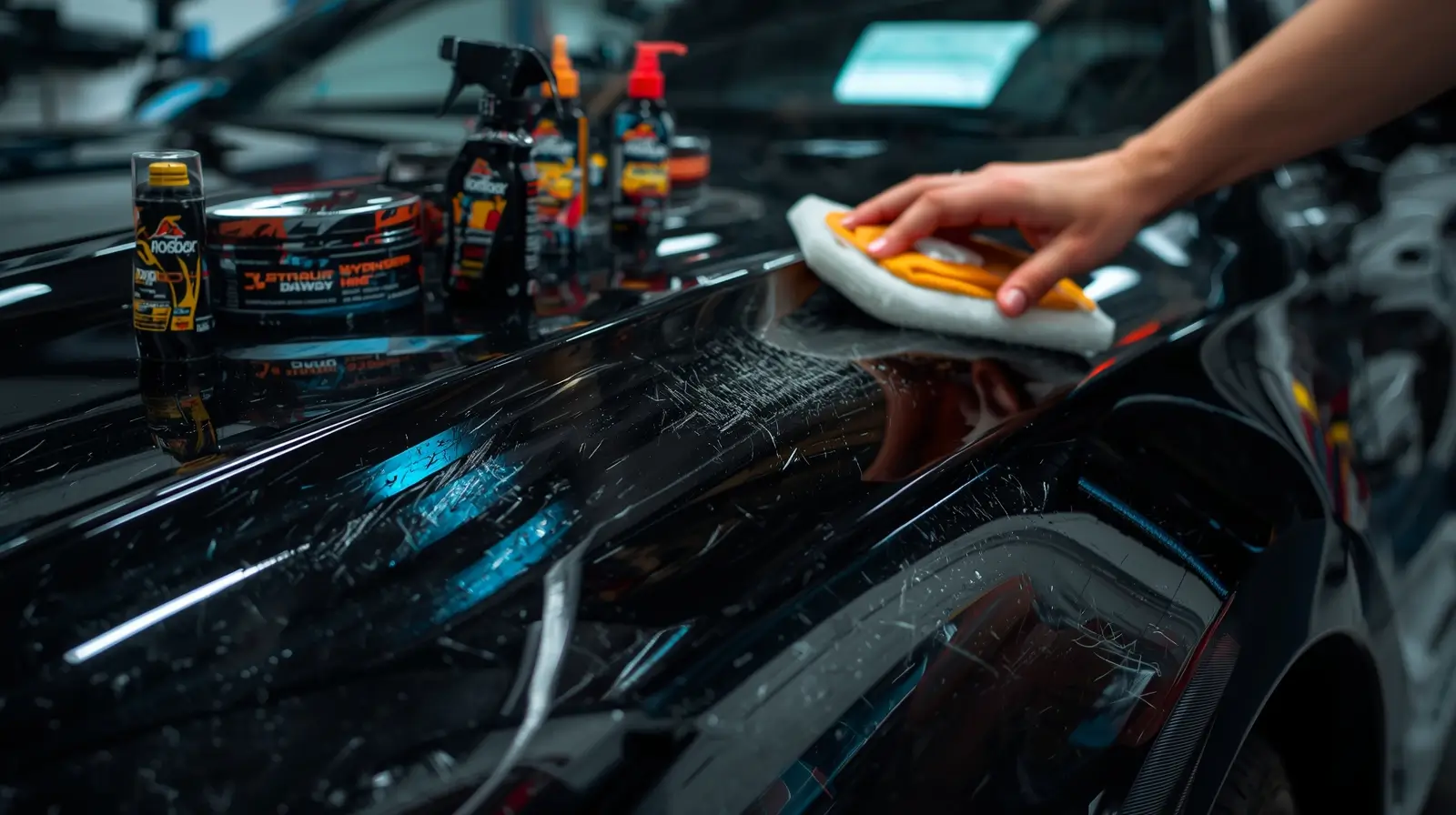
Now here’s the good news: while deep scratches may require professional attention, many light scratches and swirl marks can be masked—and even prevented—with the right wax. Waxing your car does more than add shine; it can actually reduce the visibility of those pesky scratches, protect your paint from UV rays, and help prevent future damage.
In this article, we’re diving deep into the best waxes specifically designed for black cars with scratches. We’ll break down what makes these products unique, how they work, and how to use them effectively. You’ll also learn how to avoid common mistakes and get expert tips to keep your ride looking flawless.
Whether you’re a weekend warrior who loves DIY detailing or just someone tired of seeing ugly marks on your beautiful black car, this guide is your one-stop-shop for finding the perfect wax.
Understanding Black Car Paint and Scratches
Why Black Cars Show More Scratches
It’s not your imagination—black cars truly are more prone to looking scratched. But why is that?
Black paint reflects light differently compared to lighter shades. When light hits a black surface, it highlights imperfections like swirl marks, micro-scratches, and hazing more visibly. Plus, black has no undertones to help “hide” damage. A scratch on a white or silver car may go unnoticed, but the same scratch on black paint? It’s front and center.
There’s also a psychological element at play. When you own a black car, you expect it to look perfect—mirror-like, with that jaw-dropping shine. Even the smallest blemish interrupts that aesthetic, making imperfections feel way more noticeable.
Common Causes of Scratches on Black Vehicles
Black cars may show scratches more clearly, but they’re not more likely to get scratched. The issue lies in how visible those scratches are. Common culprits include:
- Improper washing: Using the wrong sponge, towel, or technique can introduce micro-scratches.
- Automatic car washes: Those rotating brushes can do serious damage to your paint over time.
- Road debris and rock chips: Especially when driving on highways.
- Tree branches and parking lot mishaps: Small bumps or brushes against objects.
- Dirty cloths or sponges: Even a tiny bit of grit can act like sandpaper.
Knowing the cause of scratches can help you prevent them—and that starts with better maintenance and protection through waxing.
Benefits of Using Wax on Scratched Black Cars
Protection Against Further Damage
Think of wax as a shield. When applied correctly, it forms a protective barrier over your car’s clear coat. This barrier repels water, dirt, and pollutants that might otherwise stick to your paint and cause damage. For black cars, this protection is especially critical. Any dirt left on the surface can quickly lead to swirls or scratches if not handled correctly.
A high-quality wax not only prevents external elements from harming your paint but also offers UV protection. That’s right—sunlight doesn’t just fade paint; it can break down your clear coat over time, making the paint more vulnerable to damage. The wax acts like sunscreen for your car, which is crucial for black paint since it absorbs more heat and light.
Temporary Concealment of Light Scratches
While wax won’t completely “heal” a scratch, it can fill in and mask minor imperfections. Products specifically designed for black vehicles often contain colorants or fillers that blend into the paint, making light scratches and swirl marks less noticeable.
This makes waxing a smart and affordable way to restore the look of your black car without jumping straight into costly professional services or paint correction. Think of it as cosmetic surgery for your car—no needles involved.
Enhanced Gloss and Shine
We can’t forget the aesthetics. The right wax will not only protect your paint but also enhance the deep, wet-look shine that black cars are known for. Some waxes even amplify the reflective qualities of black paint, making your vehicle look like a polished obsidian gemstone under the sun.
Wax adds depth and richness to your car’s color. When properly buffed, it creates that iconic mirror finish that every black car owner dreams of. You’ll turn heads at every stoplight—trust us.
Types of Wax for Black Cars
Not all waxes are created equal—especially when dealing with black paint and scratches. You need a product that can both protect and conceal. Let’s break down the three main types of wax to consider:
Carnauba Wax
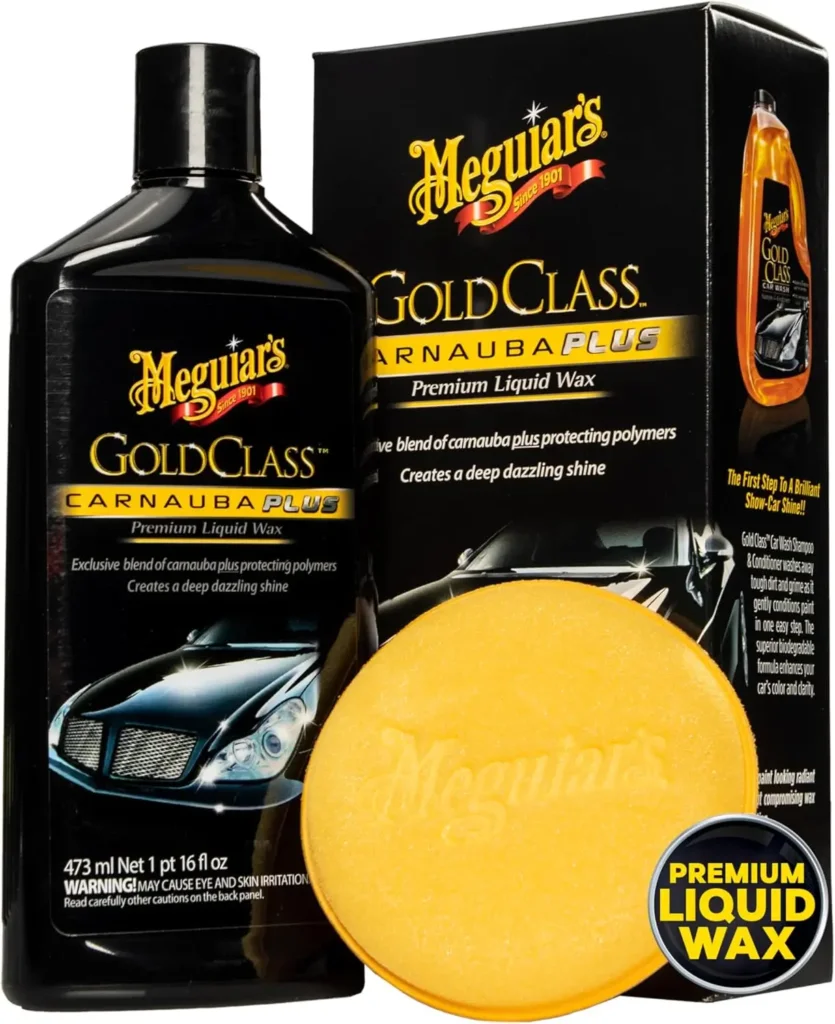
Meguiar’s Gold Class Carnauba Plus Premium Liquid Wax Kit, Car Detailing Kit with a Pure Carnauba Wax Blend and a Foam Applicator Pad for Keeping Glossy Paint Protected Like a Pro, 16 Oz Bottle
Image Credit: Amazon
Carnauba wax comes from the leaves of the Brazilian carnauba palm. It’s prized in the detailing world for delivering an unmatched, warm, deep shine. If you want that show-car finish, carnauba is your best friend.
Pros:
- Rich, deep gloss that enhances black paint
- Natural ingredients
- Offers some filling capabilities for minor scratches
Cons:
- Doesn’t last as long as synthetic wax
- May require more frequent application
Carnauba wax is great if you’re all about aesthetics and don’t mind reapplying every few weeks. It’s a top choice for those who love that silky-smooth feel and glowing shine.
Synthetic Wax
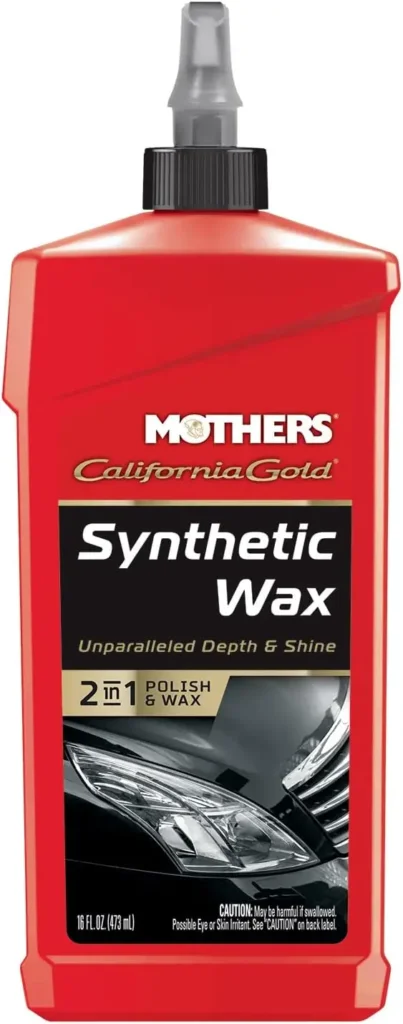
Mothers 05716 California Gold Synthetic Wax Liquid, 16 oz.
Image Credit: Amazon
Synthetic wax, also known as paint sealant, is made from man-made polymers designed to bond with the paint. These waxes offer longer-lasting protection and better performance in harsh weather.
Pros:
- Longer durability (up to six months)
- Better protection against UV and contaminants
- Easier to apply and remove
Cons:
- Doesn’t offer the same depth of shine as carnauba
- Some may lack color-enhancing properties for black paint
If you’re looking for a more hands-off maintenance routine, synthetic wax is your go-to. It still delivers a glossy finish but focuses more on protection.
Hybrid Wax (Carnauba + Synthetic)
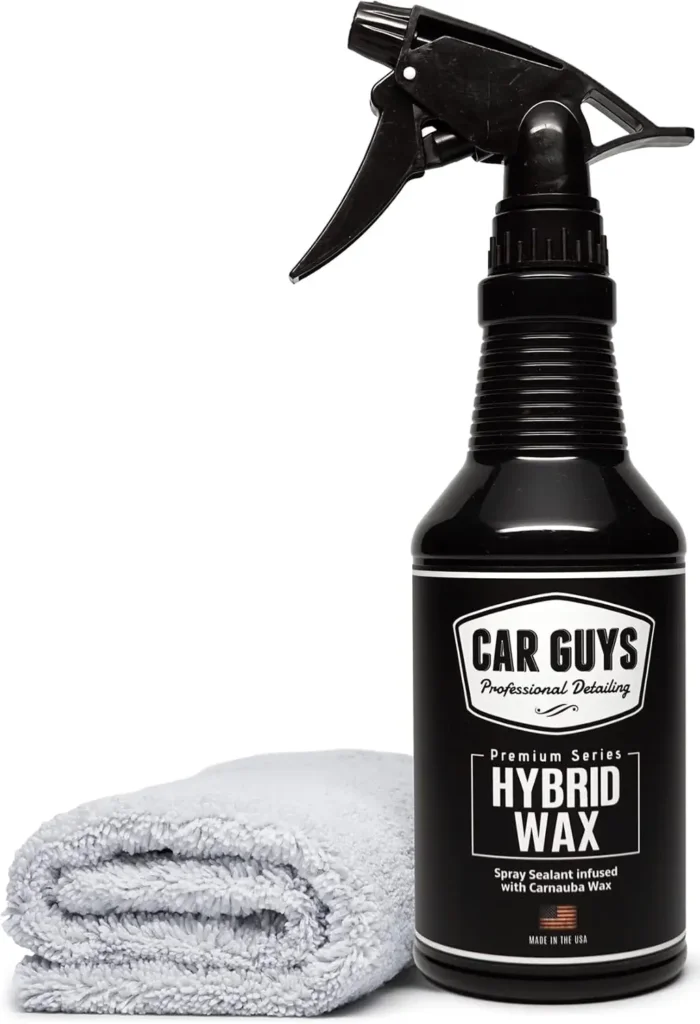
CAR GUYS Hybrid Spray Wax | Advanced Car Wax | Long Lasting and Easy To Use | Safe on All Surfaces | 18 Oz Kit with Towel
Image Credit: Amazon
Hybrid waxes combine the best of both worlds. You get the rich shine of carnauba with the long-lasting protection of synthetic formulas.
Pros:
- Balanced performance and aesthetics
- Longer protection with better gloss
- Many include scratch-filling technology
Cons:
- May cost more than single-type waxes
- Quality varies by brand
For black cars with visible scratches, a hybrid wax is often the smartest pick. Many are designed specifically to hide imperfections while keeping your paint safe and glossy.
Key Features to Look for in Wax for Scratched Black Cars
Filling Ability for Swirl Marks and Scratches
When selecting a wax for your black car, especially one with visible scratches or swirl marks, the first feature you should look for is its ability to fill imperfections. This isn’t about “healing” or erasing the damage—those require polishing or paint correction. Instead, we’re talking about products that contain specialized fillers or pigments that can settle into shallow scratches and visually reduce their appearance.
Look for waxes labeled with terms like “swirl remover,” “scratch filler,” or “restores color.” These usually contain micro-fine polishing agents or dark pigments tailored for black cars, which enhance the surface and help blend scratches into the surrounding paint. A good example? Some products even include black-tinted wax that camouflages marks more effectively than traditional clear waxes.
Pro tip: Test the wax on a small section of your hood or trunk first. This gives you a clear visual of how well it fills and blends imperfections before doing the entire car.
UV Protection and Hydrophobic Properties
Another vital feature is UV protection. The sun is brutal on car paint, especially dark colors. Black paint absorbs more sunlight, which accelerates oxidation and fading. A high-quality wax will contain UV inhibitors that act like sunscreen for your car. Over time, this prevents your black paint from turning dull or chalky.
Hydrophobic (water-repelling) properties are just as important. When your wax causes water to bead and slide off easily, it’s not just satisfying—it means your car is protected. Dirt, grime, bird droppings, and acid rain have a harder time sticking to the surface. Less buildup means fewer opportunities for scratches.
Look for terms like “ceramic infused,” “hydrophobic layer,” or “water beading effect” in the product description. These usually indicate the wax offers long-term protection from moisture and contaminants.
Ease of Application and Removal
Let’s face it—not everyone has a professional detailer’s patience. If you want to keep your car looking great, the wax needs to be user-friendly. The best wax for black cars with scratches should be easy to apply and remove, without streaking or leaving behind residue.
Spray waxes are generally the easiest to apply, while paste waxes require more elbow grease but often deliver a deeper shine. Liquid waxes strike a balance between the two. Consider what fits your routine and comfort level. If you’re detailing every weekend, you might prefer a paste wax. If you’re waxing once a season, a liquid or hybrid wax is more practical.
Bonus: Some waxes can even be applied in direct sunlight or on slightly wet surfaces. This makes touch-ups quicker and less tedious.
Top 5 Best Waxes for Black Cars with Scratches
1. Meguiar’s Black Wax
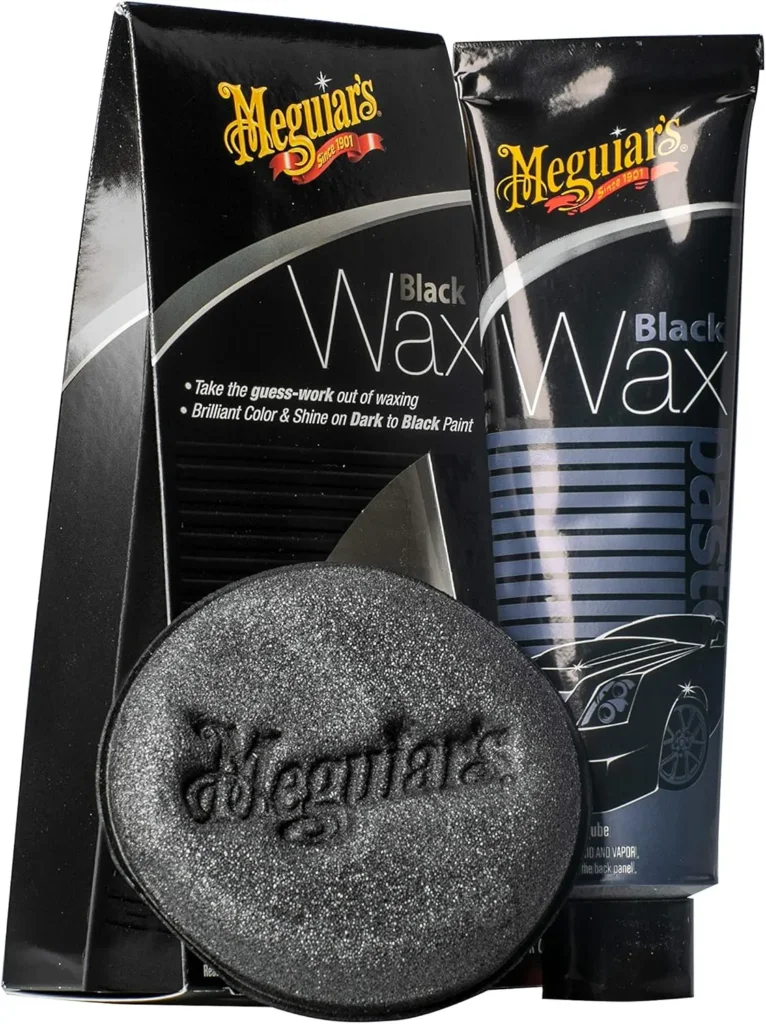
Meguiar’s G6207 Black Wax Paste, 7oz
Image Credit: Amazon
Meguiar’s Black Wax is a favorite among black car owners for a reason. This product is formulated specifically for dark-colored vehicles and contains polishing oils that fill in minor imperfections while boosting the paint’s depth.
- What makes it special: It’s a 2-in-1 wax and polish. That means it lightly polishes your surface while depositing rich, black-tinted wax to mask imperfections.
- Best for: People looking for both color enhancement and light scratch concealment.
- Bonus: You can apply it by hand or with a dual-action polisher.
It’s perfect for weekend warriors who want a rich, reflective finish without breaking the bank or spending all day on detailing.
Pros:
- Specifically formulated for black and dark-colored vehicles
- Combines polish and wax for a 2-in-1 solution
- Fills in light scratches and swirl marks effectively
- Enhances gloss and depth of black paint
- Easy to apply by hand or with a dual-action polisher
Cons:
- Not as long-lasting as ceramic-infused or synthetic waxes
- Requires a clean, properly prepped surface for best results
Want that showroom-quality shine with less effort? Meguiar’s Black Wax is your go-to for hiding scratches and enhancing your car’s sleek black finish. Grab a bottle today and restore your black car’s brilliance in one easy step!
2. Turtle Wax Color Magic Jet Black Polish
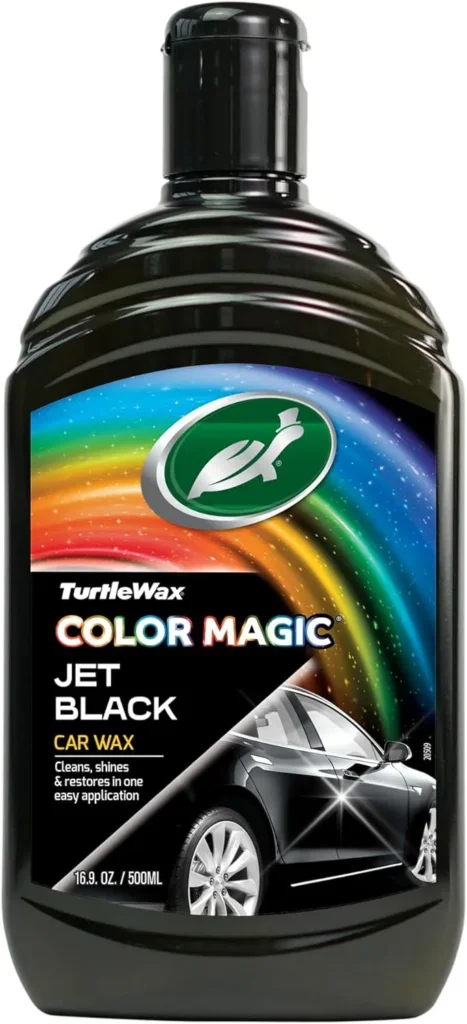
Turtle Wax 52708 Color Magic Car Paintwork Polish Restores Colour & Shine Black 500ml
Image Credit: Amazon
This one’s a legend in the black paint game. Turtle Wax Jet Black Polish contains black pigments and polymers that restore color, fill scratches, and add a protective layer—all in one go.
- What makes it special: The black-tinted formula works wonders at concealing surface-level damage.
- Best for: Older black cars that have lost their luster and need a quick refresh.
- Extra tip: Use it with the matching Jet Black spray detailer for maximum effect.
This wax doesn’t just protect—it revitalizes. It’s like giving your car a facelift in under an hour.
Pros:
- Infused with black pigments to hide scratches and stone chips
- Restores faded black paint and adds instant depth
- Budget-friendly and widely available
- Comes with matching trim and detailer products for complete care
Cons:
- Temporary results; needs frequent reapplication
- Can leave streaks if not applied properly
On a budget but want your black car to pop? Turtle Wax Jet Black Polish offers instant visual improvements and scratch concealing for under $20. Order yours now and give your ride the fresh, jet-black look it deserves!
3. Chemical Guys Black Light Hybrid Radiant Finish
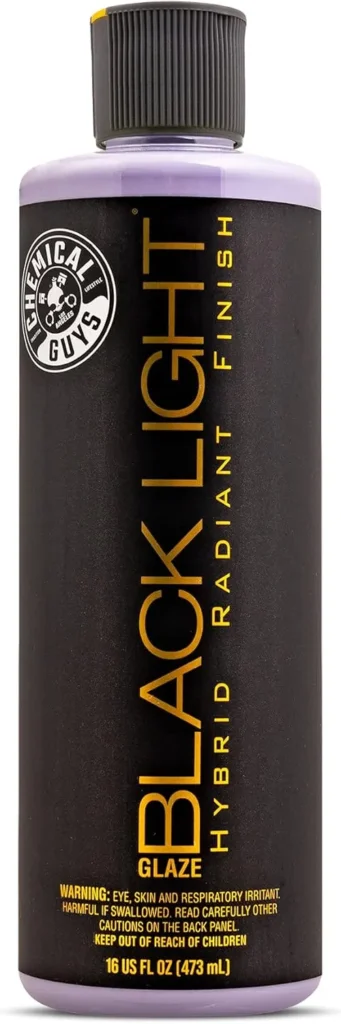
Chemical Guys GAP 619 16 Black Light Hybrid Radiant Finish, Glaze & Sealant, (Safe for Cars, Trucks, SUVs, & More) for Black and Dark Colored Cars, 16 fl oz
Image Credit: Amazon
A step above in terms of both performance and price, Chemical Guys Black Light is a hybrid product that delivers ultra-deep gloss and light swirl-filling capabilities.
- What makes it special: It combines polish, sealant, and wax properties into one, providing great filling action and protection.
- Best for: Show car owners or enthusiasts who want next-level results.
- Downside: Slightly more expensive, but worth it for the shine and ease of use.
If you’re aiming for that showroom shine every weekend, this is your go-to.
Pros:
- Hybrid sealant and gloss enhancer in one
- Exceptional depth and wet-look finish for black paint
- Light swirl-filling capabilities
- Lasts longer than traditional carnauba wax
- Works well with machine or hand application
Cons:
- Premium price point
- Not ideal for heavily scratched or damaged surfaces
Want that glossy, mirror-like finish that turns heads? Upgrade to Chemical Guys Black Light—the elite choice for black car enthusiasts. Buy now for unmatched shine and protection!
4. CarGuys Hybrid Wax Sealant
CAR GUYS Hybrid Spray Wax | Advanced Car Wax | Long Lasting and Easy To Use | Safe on All Surfaces | 18 Oz Kit with Towel
Image Credit: Amazon
For people who want something that lasts, CarGuys Hybrid Wax Sealant is a powerhouse. While it doesn’t contain pigments, it excels in protection, water-beading, and easy application.
- What makes it special: It’s infused with advanced polymer technology that lasts up to six months.
- Best for: Newer black cars with minor imperfections that need long-term protection.
- Bonus: Safe on all surfaces including glass and rims.
Although it doesn’t fill scratches as well as tinted waxes, the protection it provides prevents new ones from forming.
Pros:
- Advanced synthetic polymers for up to 6 months of protection
- Adds shine and depth with a smooth, slick finish
- Safe on all surfaces including glass and plastic
- Fast and easy spray-on application
Cons:
- Lacks color pigments for scratch filling
- Not ideal for concealing deeper imperfections
Need a wax that lasts through every season? CarGuys Hybrid Wax Sealant is your all-in-one solution for durable protection and shine. Click here to protect your black car with the power of advanced polymer science!
5. Nu Finish Graphene + Ceramic Coating Wax
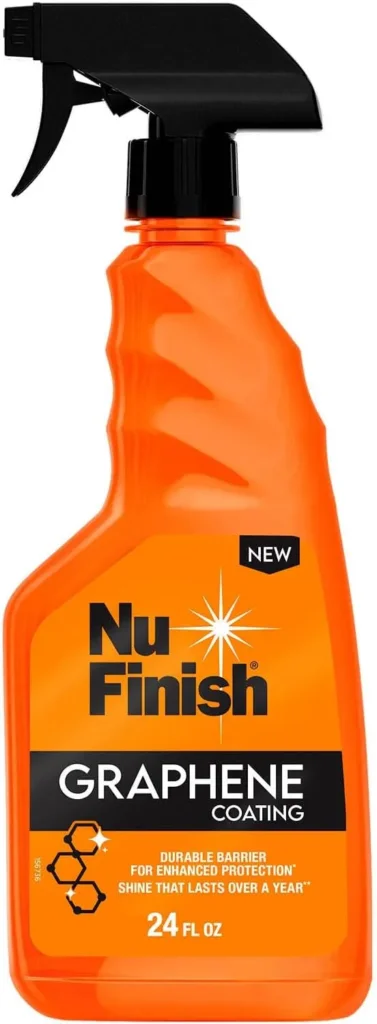
Nu Finish Graphene Coating Spray for exterior surfaces , Graphene + ceramic based technology, 24 Fl Oz
Image Credit: Amazon
Nu Finish Graphene Wax is perfect for black cars in harsh environments. With graphene and ceramic tech, it offers unbeatable UV resistance and surface protection.
- What makes it special: The graphene strengthens the ceramic bond, creating an ultra-slick surface.
- Best for: Black cars parked outdoors or driven in extreme weather.
- Downside: Not designed to fill scratches as much, but excellent for preventing future damage.
Use this after polishing or scratch treatment for a durable, high-tech finish.
Pros:
- Combines ceramic and graphene for extreme durability
- Offers excellent UV protection and hydrophobic performance
- Great for black cars exposed to sunlight and harsh weather
- Long-lasting, with minimal reapplication needed
Cons:
- Does not contain fillers for scratch concealing
- Slightly more complex application process than standard waxes
Is your black car constantly outdoors? Shield it with the ultra-tough Nu Finish Graphene + Ceramic Wax—the cutting-edge choice for serious protection. Protect your paint with one of the strongest formulas available—get yours today!
How to Apply Wax on a Black Car with Scratches
Step-by-Step Application Guide
Applying wax properly is just as important as choosing the right product. Here’s how to do it right:
- Wash your car thoroughly. Use a pH-balanced shampoo to remove grime without damaging your paint. Always use the two-bucket method.
- Dry with a microfiber towel. Avoid air drying or using old bath towels—they can create micro-scratches.
- Clay bar the surface (optional). This removes contaminants embedded in the clear coat and ensures the wax adheres properly.
- Apply the wax in a shaded area. Direct sunlight can cause the wax to dry too quickly, making it harder to buff.
- Use a foam applicator pad or microfiber towel. Apply a small amount of wax in circular motions, working one panel at a time.
- Let the wax haze. Wait 5–10 minutes (or per instructions).
- Buff off with a clean microfiber towel. Use gentle, circular motions to bring out the shine.
Tips for Better Results on Scratched Surfaces
- Don’t over-apply wax—thin layers are more effective and easier to buff.
- Always inspect towels and applicators for debris before use.
- Consider layering wax for enhanced protection and shine.
- Use a color-specific wax (like black-tinted) to help blend in minor scratches.
Applying wax isn’t just a chore—it’s a chance to connect with your vehicle and keep it looking its best.
Mistakes to Avoid When Waxing a Black Car
Using Abrasive Cloths or Dirty Applicators
This is the #1 rookie mistake. Black paint is incredibly unforgiving, and using a dirty cloth—even one that looks clean—can introduce fine scratches that make your paint look worse. Always use clean, high-quality microfiber towels and wash them after each use.
Applying Wax in Direct Sunlight
It might be tempting to wax your car on a sunny afternoon, but don’t. Heat causes wax to dry too fast, leading to streaks and uneven results. Worse, it can make buffing a nightmare.
Always wax in a shaded area, ideally in the morning or evening when temperatures are cooler.
Overusing Wax on Already Damaged Paint
Waxing too often or applying layer after layer won’t fix deeper scratches—it might even build up residue in damaged areas. If your car’s paint is severely scratched or oxidized, consider polishing or paint correction before waxing again.
Wax is a protector, not a cure-all. Use it smartly, not excessively.
Can Wax Remove Scratches Completely?
The Difference Between Hiding and Removing Scratches
Let’s clear up a common misconception: wax does not remove scratches—at least not permanently. What it can do is fill in and hide minor surface imperfections like swirl marks or fine lines.
Scratches come in different depths:
- Clear coat scratches (shallow): These are the ones wax can mask.
- Base coat scratches (medium): May need polishing or a scratch remover.
- Primer or metal-deep scratches (severe): Require touch-up paint or professional repair.
Understanding the depth of your car’s scratches will help you set realistic expectations when using wax.
When to Consider Paint Correction Instead
If waxing doesn’t cut it, and your scratches are still visible, you may need paint correction. This involves machine polishing or wet sanding to physically remove layers of damaged clear coat. It’s a more intensive process but yields stunning results.
You can also combine wax with a polishing compound or a scratch removal kit for deeper imperfections. Apply the scratch remover first, then seal the finish with wax to protect it.
Additional Tips to Maintain a Black Car Scratch-Free
Regular Washing and Drying Techniques
Keeping your black car scratch-free starts with how you wash and dry it. Seriously—this is where most scratches happen. The wrong washing method is like giving your paint a gentle sandpaper massage.
Use the two-bucket method every time you wash your car: one bucket with soapy water, the other with clean water to rinse your mitt. This helps avoid rubbing dirt back onto the surface, which is a major cause of swirl marks.
- Only use microfiber wash mitts or soft sponges.
- Rinse your mitt after every panel to avoid dragging dirt across the paint.
- Use a grit guard in each bucket if possible to keep the dirt at the bottom.
- Dry with microfiber towels (never old rags or bath towels). Even paper towels can leave fine scratches.
Also, don’t let water dry on its own—water spots look especially bad on black cars and can etch the paint. Dry in the shade with a soft towel, patting the surface instead of dragging the towel across.
These simple changes can make a massive difference in keeping your paint clean and scratch-free between wax jobs.
Using a Clay Bar and Polishing Compounds
Washing your car removes surface dirt, but what about contaminants that bond to the paint? This is where a clay bar comes in. It pulls off those invisible particles like tree sap, brake dust, and road tar that washing can’t handle.
Using a clay bar 2–3 times per year before waxing ensures:
- A smoother surface for wax to bond to
- Fewer contaminants that can cause scratches
- A deeper gloss and shine
Polishing compounds go a step further—they remove a small amount of clear coat to eliminate deeper swirls and fine scratches. Use them carefully and sparingly, ideally with a dual-action polisher or under professional guidance.
By adding these extra steps to your detailing routine, your black car will not only stay cleaner longer—it’ll look glossier and remain scratch-free for much longer.
DIY vs Professional Waxing for Black Cars
Pros and Cons of DIY Waxing
If you love working on your car and enjoy detailing as a hobby, DIY waxing is incredibly rewarding. You get control over what products you use and how they’re applied. Plus, it saves you a ton of money in the long run.
Pros:
- Budget-friendly
- You control the products and process
- Great bonding time with your vehicle
Cons:
- Time-consuming (especially if done properly)
- Learning curve with techniques and products
- Mistakes can lead to scratches or residue
For best results, arm yourself with the right gear: foam applicators, microfiber towels, a quality wax designed for black paint, and maybe even a polisher if you’re ready to level up.
When to Hire a Detailing Professional
Sometimes, your car needs more than a quick wax—especially if you’re dealing with deeper scratches, oxidation, or dull paint. That’s where professionals come in.
Why go pro?
- They have access to industrial-grade products and tools.
- They can do paint correction, ceramic coating, and even full restorations.
- The results are often better and longer-lasting than DIY efforts.
A good strategy? Do a professional detailing once or twice a year, and maintain it yourself in between with regular waxing and washing. It’s the best of both worlds.
Best Time and Frequency to Wax a Black Car
Seasonal Considerations
There’s no one-size-fits-all schedule for waxing, but the seasons play a big role. For black cars, which are more prone to UV damage and heat absorption, it’s especially important to plan around the weather.
- Spring: Great time to wax after winter grime and salt exposure.
- Summer: Apply a durable wax with UV protection to guard against heat and sun.
- Fall: Prepares your car for rain, leaves, and road debris.
- Winter: Helps shield against snow, ice, and road salt—but may require a garage.
Black cars need more frequent waxing because even the smallest blemish stands out. For most people, waxing every 6 to 8 weeks is ideal, especially with high-gloss waxes that are designed for black vehicles.
Signs It’s Time to Wax Again
Not sure when to reapply? Here are a few tell-tale signs:
- Water no longer beads or sheets off the paint
- Surface feels rough instead of slick
- Paint appears dull or hazy
- New swirl marks are becoming visible
If you notice any of the above, it’s time for a fresh coat of wax. Better yet, create a regular schedule so you don’t wait until the paint starts to suffer.
Comparing Spray Wax vs Paste Wax for Black Cars
Which Is Better for Scratches?
Spray waxes are super convenient, but they often lack the depth and durability that paste waxes deliver. When dealing with scratches on black cars, paste or liquid waxes are usually better because they offer:
- Better filling capabilities
- Longer-lasting shine and protection
- More effective masking of swirl marks
That said, spray waxes aren’t useless. They’re great for quick touch-ups between full wax applications, especially after washing your car.
Convenience vs Longevity
Here’s a quick comparison:
| Feature | Spray Wax | Paste Wax |
|---|---|---|
| Ease of Use | Extremely easy and fast | Takes more time and effort |
| Gloss Level | Moderate | Deep, high-gloss finish |
| Scratch Filling | Minimal | More effective at hiding marks |
| Durability | Short-term (1-2 weeks) | Long-lasting (6-8 weeks) |
If you’re in a hurry or doing regular upkeep, spray wax is a solid choice. But for black cars with visible scratches? You’ll want a good paste or liquid wax in your arsenal.
How to Combine Waxing with Scratch Repair Kits
Using Scratch Removers Before Waxing
Before applying wax, consider using a scratch removal compound on visible scratches. These products use mild abrasives to buff out the top layer of your clear coat, effectively “blending” scratches into the surface.
Steps:
- Wash and dry the car.
- Apply scratch remover to affected area with a microfiber pad.
- Rub in small, circular motions until the scratch fades.
- Wipe clean and apply wax over the area to seal it.
Always spot test first. Not all scratch removers are safe for every paint type.
Best Practices for Layering Products
If you’re using multiple products—say, a polish, sealant, and wax—make sure to apply them in the right order:
- Polish (to correct and smooth the surface)
- Sealant (to protect the paint and add durability)
- Wax (to enhance shine and add an extra layer of protection)
Layering this way ensures you’re getting the best out of every product, especially on black cars that require extra care.
Environmentally Friendly and Safe Wax Options
Non-Toxic, Eco-Safe Wax Products
Not all waxes are created with the planet in mind. Some contain harsh solvents or petroleum-based chemicals that are harmful to the environment—and even your health.
Look for products labeled:
- Biodegradable
- VOC-compliant
- Non-toxic
- Water-based formula
Brands like Griot’s Garage, Mothers, and Optimum offer eco-friendly options that are safe for both your car and the environment.
Choosing Wax Without Harsh Chemicals
For DIY detailers with kids or pets around—or anyone simply looking to reduce their exposure to harsh chemicals—natural waxes like carnauba-based formulas are a solid choice. These offer great performance without synthetic additives.
Bonus: Many eco-friendly waxes are easier to rinse off and won’t leave chemical residue in your driveway or lawn.
Protecting your car doesn’t have to come at the expense of the planet. With the right wax, you can keep your ride—and your conscience—clean.
Conclusion
Owning a black car is a statement—it says you value style, elegance, and head-turning shine. But that beauty comes at a cost: black paint is the most unforgiving when it comes to scratches, swirls, and imperfections. The good news? The right wax can make a world of difference.
Choosing the best wax for a black car with scratches isn’t just about shine—it’s about protection, concealment, and long-term care. Whether you go for a carnauba-based formula for that deep glow or a hybrid wax with advanced polymers for durability and gloss, the key is finding a product tailored to your car’s unique needs.
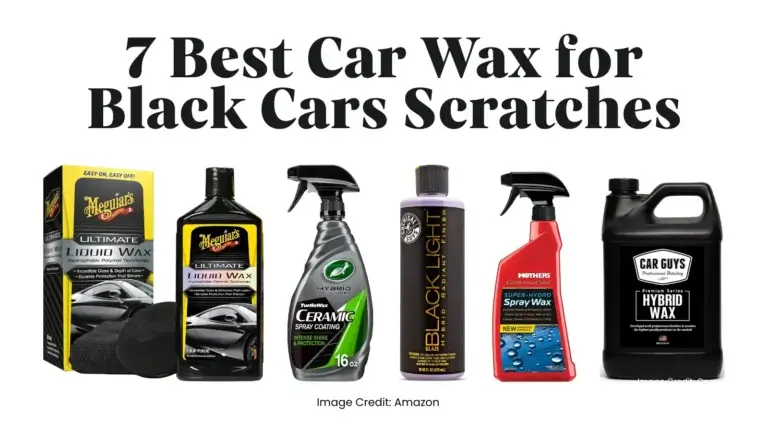
From popular favorites like Meguiar’s Black Wax and Chemical Guys Black Light, to long-lasting protection from CarGuys Hybrid Wax, there’s no shortage of high-quality options out there. And with the right washing techniques, scratch removers, and regular maintenance, you can dramatically reduce the visibility of scratches and prevent new ones from forming.
Remember, waxing isn’t just a chore—it’s an investment in your car’s future. Regular applications not only enhance your vehicle’s appearance but also preserve its resale value and longevity.
So, the next time you catch yourself wincing at a fresh swirl mark or scratch, don’t panic. Reach for one of the waxes we covered, follow our tips, and give your black beauty the TLC it deserves. Your car will thank you—with a brilliant, mirror-like shine.
FAQs
1. Can waxing really hide scratches on black cars?
Waxing can’t remove scratches, but it can absolutely hide them—especially if they’re minor surface-level marks. Many waxes for black cars contain fillers and dark pigments that temporarily mask imperfections, making scratches and swirl marks much less visible.
2. How often should I wax my black car?
For optimal shine and protection, wax your black car every 6 to 8 weeks. If your car is exposed to harsh weather or you wash it frequently, you may want to wax it more often. Spray waxes can be used for weekly maintenance between full applications.
3. What’s the difference between polish and wax?
Polish is designed to remove imperfections like oxidation, scratches, and swirls by cutting into the paint’s surface. Wax, on the other hand, is used to protect and enhance the finish. Ideally, you polish first (if needed), then apply wax to seal and protect the shine.
4. Can I use wax and ceramic coating together?
Yes, but timing is everything. Wax should never be applied on top of a ceramic coating—it won’t bond properly. However, some waxes are ceramic-infused or can be used as a topper for ceramic coatings to enhance shine and water repellency. Check the product label for compatibility.
5. What’s the best wax to use for deep scratches?
For deep scratches, wax alone won’t cut it. Start with a scratch repair kit or polishing compound, then finish with a quality wax like Turtle Wax Color Magic or Meguiar’s Black Wax to conceal remaining imperfections and protect the repaired area.