Introduction: Understanding Your Car Battery Investment
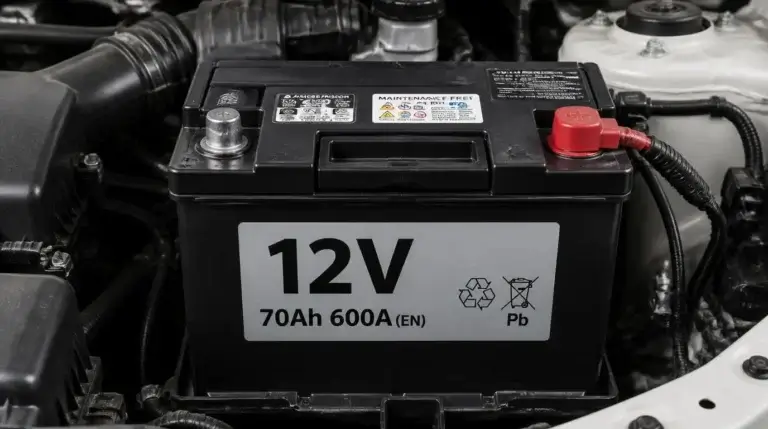
The car battery is an unsung hero of our daily commutes, quietly providing the necessary jolt to start our engines and power our vehicle’s electrical systems. From the moment we turn the key or push the start button, it’s working hard behind the scenes. Yet, for many of us, the car battery cost remains a mystery until we’re faced with a dead battery and an urgent need for a replacement. Understanding this crucial component, its lifespan, and the factors influencing its price can save us from unexpected breakdowns and costly surprises.
A car battery’s primary role is to deliver a surge of electricity to the starter motor, igniting the engine. Once the engine is running, the alternator takes over, powering the vehicle’s electrical components and recharging the battery. This cycle is fundamental to your car’s operation, highlighting why a healthy battery is non-negotiable.
We’ve all been there: the dreaded slow crank, dimming headlights, or the complete silence when trying to start the car. These are often tell-tale signs that your battery is nearing the end of its life. While experts generally recommend replacing a car battery every three to five years, this can vary significantly based on driving habits, climate, and the type of battery. In this comprehensive guide, we’ll delve into everything you need to know about car battery costs, factors that influence them, and how to make an informed decision for your vehicle.
Navigating Car Battery Costs: Factors and Average Prices
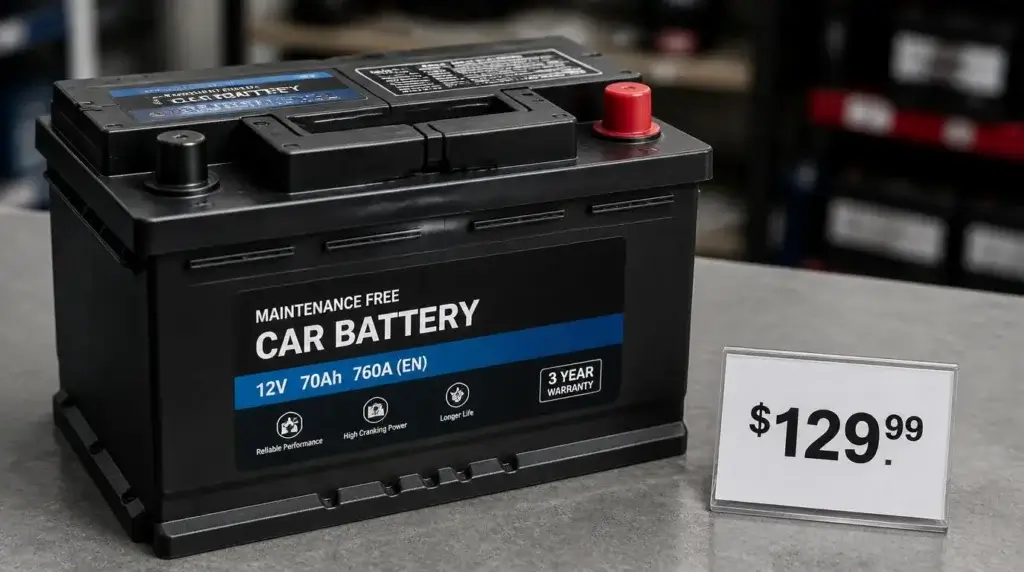
Image Credit: AI Generated
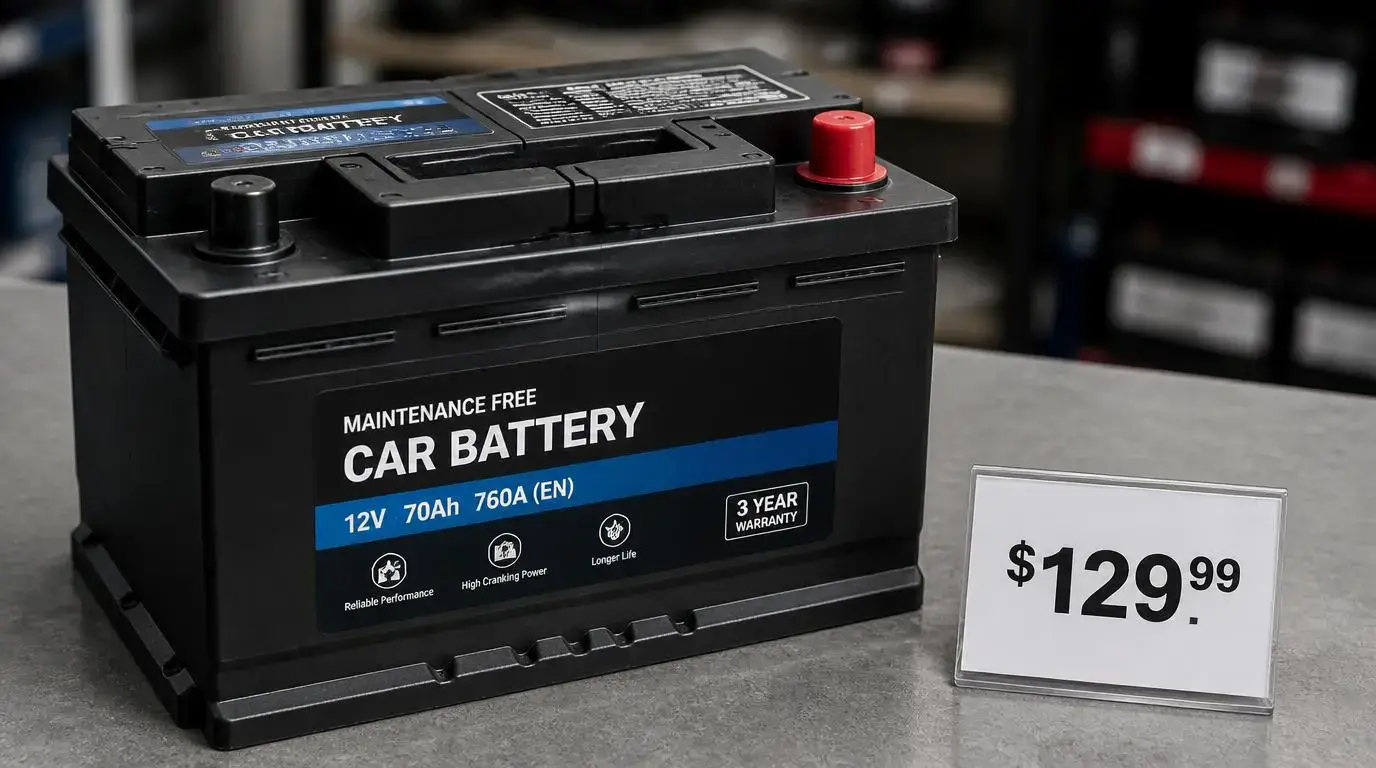
When it comes to the car battery cost, there isn’t a single, universal price. Several elements come into play, making the cost a variable figure. Most drivers can expect to spend between $90 and $200 for a standard replacement lead-acid battery, with higher-performance or specialized batteries ranging from $150 to $450 or more. When considering total replacement, including parts and installation, the average cost for most standard vehicles in the US typically falls between $150 and $300.
Key Factors Influencing Car Battery Cost
Let’s break down the primary factors that dictate how much you’ll pay for a new car battery:
- Battery Type: This is perhaps the most significant factor.
- Standard Lead-Acid Batteries: These are the most common and affordable, typically costing between $90 and $225. They are reliable for everyday driving in most standard cars, SUVs, and light trucks.
- Absorbed Glass Mat (AGM) Batteries: Designed for vehicles with advanced electrical systems, such as those with start-stop technology, high-end audio, or numerous power-hungry electronics, AGM batteries offer enhanced durability, better deep discharge capabilities, and more consistent performance in extreme weather. They typically cost between $230 and $450 or more.
- Lithium-Ion Batteries: Primarily found in electric vehicles (EVs) and some hybrid models, these are the most expensive, often costing upwards of $1,000 for standard applications and between $5,000 to $20,000 for full EV battery pack replacements. However, it’s worth noting that the cost of lithium-ion battery cells has dramatically decreased by over 99% since 1991, falling from $9,200 per kWh to just $78 per kWh in 2024, making EVs more accessible.
- Enhanced Flooded Batteries (EFB): These sit between standard lead-acid and AGM batteries in terms of price and performance, often used in some start-stop vehicles.
- Battery Size and Power Requirements (CCA & RC): Larger vehicles like trucks and SUVs demand bigger batteries with higher Cold Cranking Amps (CCA) and Reserve Capacity (RC) to meet their electrical needs. A higher CCA rating indicates the battery’s ability to start the engine in cold temperatures, while RC measures how long the battery can power essential accessories if the alternator fails. Batteries with higher CCA and RC ratings, which often mean more lead plates and higher quality materials, will naturally cost more.
- Brand Name and Manufacturer Reputation: Established brands with a reputation for reliability and quality often charge more for their batteries. These brands typically offer better warranties and longer service lives.
- Vehicle Make and Model: Luxury vehicles, performance cars, or those with unique engine compartments may require specialized batteries that are custom-designed and carry a higher price tag.
- Raw Materials and Manufacturing: The cost of raw materials like lead, lithium, tin, antimony, and polypropylene fluctuates based on global supply and demand. Manufacturing processes, including the number of lead plates, the quality of the alloy and acid, and the overall construction, all contribute to the final price. Supply chain disruptions and inflation can also significantly impact battery costs.
- Installation Costs: While many auto parts stores offer free installation when you purchase a battery from them, independent shops or dealerships typically charge $50 to $150 for labor. The complexity of installation can also affect labor costs; some batteries are located in harder-to-reach areas of the vehicle.
- Warranty: Batteries with longer and more comprehensive warranties may have a slightly higher upfront cost, reflecting the manufacturer’s confidence in their product and the peace of mind they offer.
Average Car Battery Prices by Type
To give you a clearer picture, here’s a summary of average car battery costs:
| Battery Type | Typical Price Range (Battery Only) | Key Features & Applications |
|---|---|---|
| Standard Lead-Acid | $90–$225 | Most common and affordable option; reliable for everyday cars, SUVs, and light trucks. Typical lifespan is 3–5 years. |
| AGM (Absorbed Glass Mat) | $230–$450+ | More durable and suitable for vehicles with advanced electronics, start-stop technology, or high electrical demands. Performs well with deep discharges and extreme weather. |
| Enhanced Flooded (EFB) | $150–$300 (estimated) | Offers performance between standard lead-acid and AGM batteries. Commonly used in certain vehicles equipped with start-stop systems. |
| Lithium-Ion | $300–$500+ (specialty) / $5,000–$20,000 (EV battery packs) | Primarily used in electric and hybrid vehicles. Lightweight and energy-dense, with specialty versions available for some high-performance gasoline vehicles. |
Note: These prices are for the battery itself and do not always include installation, which can add $50-$150, although many retailers offer free installation with purchase.
Spotlight: OPTIMA® Batteries High Performance 25 REDTOP® Sealed AGM Battery
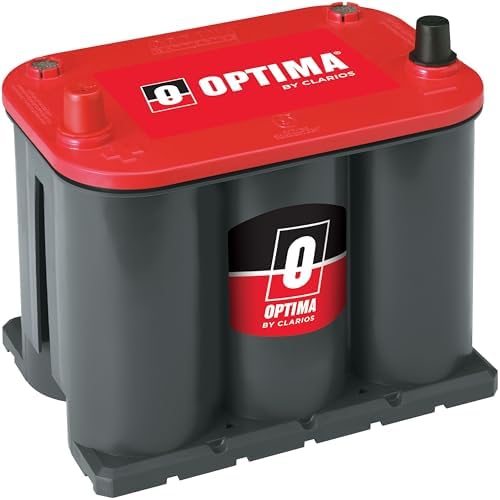
- BATTERY SPECS: 12-Volt, 720 Cold Cranking Amps, Size: 9.38″ Long x 6.75″ Wide x 7.69″ Tall, Weight: 31.7 pounds, SAE Pos…
- RESERVE CAPACITY of 90 minutes for constant performance. Faster charging capabilities.
- SPIRALCELL TECHNOLOGY: SPIRALCELL TECHNOLOGY with 99.99% pure lead delivers more power and consistently outperforms conv…
When considering a replacement, especially if your vehicle has higher electrical demands or you seek enhanced performance and durability, an AGM battery is often a wise investment. One such option that stands out in the market is the OPTIMA® Batteries High Performance 25 REDTOP® Sealed AGM Battery.
OPTIMA® batteries are renowned for their unique SPIRALCELL TECHNOLOGY®, which means their lead plates are spirally wound instead of flat. This distinctive design contributes to several key advantages:
- Strongest Five-Second Starting Burst: OPTIMA® REDTOP® batteries are engineered to deliver a powerful burst of starting power, ensuring your engine fires up reliably, even in challenging conditions.
- Up to 2x Longer Life: Compared to traditional flooded batteries, AGM technology generally offers a longer lifespan, and OPTIMA® batteries are known for their extended service life.
- 15x More Vibration Resistance: The absorbed glass mat design and robust construction make these batteries highly resistant to vibrations, which can be a significant cause of failure in conventional batteries, especially in off-road vehicles or those exposed to rough terrain.
- Spill-Proof and Maintenance-Free: The sealed AGM design means there’s no liquid electrolyte to spill, making them safer to handle and mount in various positions. They also require no maintenance, unlike traditional flooded batteries that may need water replenishment.
- Faster Recharging: AGM batteries, including OPTIMA® REDTOP®, have lower internal resistance, allowing for quicker and more efficient recharging.
The OPTIMA® REDTOP® is specifically designed as a starting battery, ideal for vehicles where a reliable start is paramount. Its robust construction and performance characteristics make it a popular choice for daily drivers, hot rods, and off-road vehicles alike. While the initial car battery cost for an OPTIMA® REDTOP® might be higher than a standard lead-acid battery, its longevity, performance, and resistance to common failure modes can offer significant value over its lifespan.
You can find the OPTIMA® Batteries High Performance 25 REDTOP® Sealed AGM Battery and check current pricing at Amazon.
Understanding Battery Warranties
When purchasing any car battery, including premium options like OPTIMA®, it’s crucial to understand the warranty. Consumer car batteries typically come with warranties ranging from 3 to 5 years total. This usually includes a “free replacement” period (often 1 to 3 years) and a “pro-rated” coverage for the remainder.
- Free Replacement: During this period, if your battery fails due to a manufacturing defect, you’ll receive a new battery at no cost.
- Pro-Rated Coverage: If the battery fails after the free replacement period but within the total warranty duration, the manufacturer will cover a percentage of the replacement cost, with the customer paying the difference. The older the battery, the less the manufacturer contributes.
It’s important to note that warranties generally cover manufacturing defects and premature failure under normal use, but they typically exclude damage from improper installation, physical damage, overcharging, or neglect. OEM (Original Equipment Manufacturer) warranties on new vehicles might have different terms for the factory-installed battery, sometimes limited to 12 months or 12,000 miles, separate from aftermarket battery warranties. Always read the fine print to understand what is and isn’t covered.
Conclusion: Making an Informed Decision for Your Vehicle
Choosing the right car battery is more than just picking the cheapest option; it’s an investment in your vehicle’s reliability and your peace of mind. While the car battery cost is an important consideration, it should be weighed against factors like battery type, performance characteristics, lifespan, and warranty.
For most standard vehicles, a reliable lead-acid battery within the $90-$225 range will suffice. However, if your car has modern features like start-stop technology, extensive electronics, or if you frequently drive in extreme temperatures or demanding conditions, investing in an AGM battery like the OPTIMA® REDTOP® can provide superior performance, longevity, and vibration resistance, potentially saving you from headaches and additional costs down the road.
Remember to consult your vehicle’s owner’s manual to determine the correct battery group size and power requirements (CCA) for your specific make and model. Using the wrong battery can compromise performance and shorten its lifespan. Regular battery testing, especially if your battery is over three years old, can help you identify potential issues before they lead to a complete failure.
Ultimately, an informed decision about your car battery cost and type will ensure your vehicle remains a dependable companion on all your journeys.
Frequently Asked Questions (FAQ) About Car Battery Costs
Q1: How much does a new car battery typically cost?
A1: Most standard lead-acid car batteries cost between $90 and $200. More advanced batteries, such as AGM types, can range from $230 to $450 or more. The total replacement cost, including installation, typically falls between $150 and $300 for most standard vehicles.
Q2: What factors influence the price of a car battery?
A2: Several factors affect the car battery cost, including the battery type (e.g., standard lead-acid, AGM, lithium-ion), its size and power capacity (Cold Cranking Amps and Reserve Capacity), the brand, your vehicle’s make and model, raw material costs, and whether installation is included.
Q3: How often should I replace my car battery?
A3: Experts generally recommend replacing your car battery every three to five years. However, this can vary based on driving habits, climate (extreme heat or cold), and how much strain is put on the battery.
Q4: What are the signs that my car battery needs to be replaced?
A4: Common warning signs include a slow engine crank, dim headlights, a clicking sound when trying to start the car, frequent need for jump starts, unusual power fluctuations, corrosion on the battery terminals, or a swollen battery case. If your battery is over three to four years old, it’s wise to have it tested.
Q5: What is the difference between a standard lead-acid battery and an AGM battery?
A5: Standard lead-acid batteries use a liquid electrolyte, while AGM (Absorbed Glass Mat) batteries have their electrolyte absorbed into fiberglass mats. AGM batteries are generally more durable, spill-proof, maintenance-free, offer better vibration resistance, handle deep discharges better, and perform more consistently in extreme temperatures. They are typically required for vehicles with start-stop technology or extensive electronics.
Q6: Does a car battery warranty cover all types of failures?
A6: Car battery warranties typically cover manufacturing defects and premature failure under normal use conditions. They usually do not cover failures caused by improper installation, physical damage, overcharging from a faulty alternator, parasitic drain damage, or neglect. It’s crucial to read the specific terms and conditions of your battery’s warranty.
Q7: Can I install a car battery myself, or should I have a professional do it?
A7: While some basic battery replacements can be a DIY task, it’s often recommended to have a professional install it, especially for newer vehicles with complex electrical systems. Many auto parts stores offer free installation with purchase. Professional installation ensures the correct battery is chosen, installed safely, and the old battery is disposed of properly.
Q8: Why are electric vehicle (EV) batteries so much more expensive?
A8: EV batteries, typically lithium-ion, are much larger and more complex than 12-volt car batteries. Their cost is driven by the raw materials (like nickel, cobalt, lithium, and manganese), advanced manufacturing processes, and the significant research and development involved. However, the cost of lithium-ion battery cells has fallen dramatically over the past decade, making EVs more affordable.