Our cars are often extensions of our homes and offices – mobile hubs where we eat, work, chauffeur loved ones, and transport everything from groceries to sports gear. But just like any heavily trafficked space, a car’s interior can quickly devolve into a chaotic mess. Learning how to organize your car interior like a pro isn’t just about aesthetics; it’s about creating a safer, more enjoyable, and less stressful driving experience.
Introduction: The Benefits of a Pro-Organized Car
Imagine stepping into your car and everything is exactly where it should be. No more fumbling for sunglasses, searching for a charging cable, or dealing with a cascade of items shifting during a sudden stop. The benefits of a professionally organized car extend far beyond mere tidiness.
Firstly, an organized vehicle significantly reduces stress and improves focus. A clutter-free environment promotes a sense of calmness, allowing us to concentrate better on the road and potential hazards. When our environment is cluttered, it restricts our ability to focus and process information, leading to increased distraction.
Secondly, a well-organized car enhances safety. Loose items can become dangerous projectiles during sudden braking or an accident. Securing everything in its place mitigates this risk, providing peace of mind for both the driver and passengers.
Thirdly, an organized car contributes to improved efficiency and time-saving. No more frantic searches for essential documents, a misplaced phone, or a child’s forgotten toy. Dedicated storage spots mean quicker access to what you need, when you need it. This also prevents the “lost in the abyss” syndrome where items disappear into the void.
Finally, maintaining a clean and organized car reflects our personal values and can even preserve the vehicle’s interior. Regular upkeep prevents everyday wear and tear, avoiding indented seats, mysterious scratches, and lingering odors, which can even help with resale value.
Image Credit: AI Generated
Phase 1: The Essential Purge and Deep Clean
Before we can organize, we must first clear out the old and clean the grime. This foundational phase is crucial for a truly professional result.
Decluttering Your Vehicle from Top to Bottom
The first, and perhaps most daunting, step is to remove everything from your car. We mean everything – from loose change and hand sanitizer to old receipts, forgotten toys, and random papers. This process gives us a clean slate to work with and allows us to critically assess what truly belongs in our vehicle.
Here’s how to approach the purge:
- Empty all compartments: Open the glove box, center console, door pockets, seat-back pockets, and trunk. Pull out every single item.
- Create sorting piles: As you remove items, sort them into three categories:
- Keep in car: These are essentials you genuinely need on the road, such as vehicle registration, insurance documents, a first-aid kit, and an emergency phone charger.
- Take inside: Items that belong in your home or office but have migrated to your car. This includes clothes, accessories, purchases, and personal belongings.
- Trash/Donate: Anything that is actual trash, expired, broken, or no longer serves a purpose. Be ruthless here; if an item doesn’t “spark joy” or serve a practical function, let it go.
- Address “mystery items”: We all have those random objects. Decide their fate definitively. If you haven’t used it in months, it likely doesn’t need a permanent spot in your car.
A thorough decluttering provides a clean canvas and reduces potential distractions at the wheel.
Giving Your Interior a Professional Clean


Once the car is empty, it’s time for a deep clean that rivals a professional detailing service. This isn’t just a quick wipe-down; it’s about tackling every surface.
- Remove and Clean Floor Mats: Take out all floor mats. Shake them vigorously to dislodge loose dirt and debris. If they are cloth, you can use a high-pressure hose or power-washer, or even put them in a washing machine with stain remover for better results. For rubber mats, a simple scrub with soap and water will suffice. Allow them to air dry completely.
- Vacuum Thoroughly: Using a vacuum cleaner with various attachments is essential for reaching tight nooks and crannies. Start with the carpet, lifting seats to get hidden debris underneath. Pay special attention to seat crevices where crumbs, sand, food, and pet hair gather. A small brush or rubber glove can help dislodge stubborn pet hair. Don’t forget the headliner, door panels, and dashboard.
- Clean Hard Plastic Surfaces: Wipe down all hard plastic surfaces, including the dashboard, door panels, center console, and glove compartment. Use a microfiber cloth with an auto-specific interior cleaner or an all-purpose cleaner. Avoid household polish on dashboards as it can leave a greasy residue. For vents and tight spots, compressed air or a soft-bristle brush works wonders. Remember to spray cleaner onto the cloth, not directly onto surfaces, to prevent splashing.
- Clean and Condition Leather/Upholstery:
- Cloth Seats: After vacuuming, use an upholstery cleaning machine or a carpet and upholstery cleaner for stubborn stains. Apply the cleaner, work it into the stain with a cloth or soft brush, and let it sit as directed. For general cleaning, a mixture of 1 cup vinegar, four drops of dish soap, and 1 gallon of hot water can be dabbed onto stains and scrubbed out, then rinsed with clean water.
- Leather Seats: Use a mild leather cleaner and conditioner. Apply with a soft cloth, gently clean, and then condition to prevent cracking and maintain the material’s longevity.
- Clean Cup Holders: These can harbor a lot of dirt and grime. Cleaning slime is effective for grabbing crumbs from tight spots. You can also use a small brush or a damp cloth with an all-purpose cleaner. Silicone cupcake liners can be placed in cup holders to keep them cleaner in the future.
- Wipe Down Windows and Mirrors: Use an auto-specific, ammonia-free glass cleaner and a clean microfiber cloth to avoid streaks. For streak-free results, some pros recommend using newspaper. Clean both the inside and outside of all windows, including the rearview and side mirrors.
- Deodorize: Finish with an air freshener or use natural methods like baking soda sprinkled on floors and seats to help eliminate odors. An enzymatic cleaner can also be effective.
A deep clean can take anywhere from 1.5 to 3 hours, depending on the level of mess.
Phase 2: Strategic Organization Solutions
With a clean slate, it’s time to implement smart storage solutions tailored to each area of your car. The goal is to keep frequently used items accessible and secure, preventing them from becoming clutter or hazards.


Customizing Storage for Each Zone (Front Cabin, Backseat, Trunk)
Front Cabin (Driver & Passenger)
This is your command center, so efficiency and safety are paramount.
- Glove Box: Ideal for essential documents like vehicle registration, insurance cards, and the owner’s manual. Consider an accordion file system to keep these neatly labeled and sorted. You can also store sunglasses here.
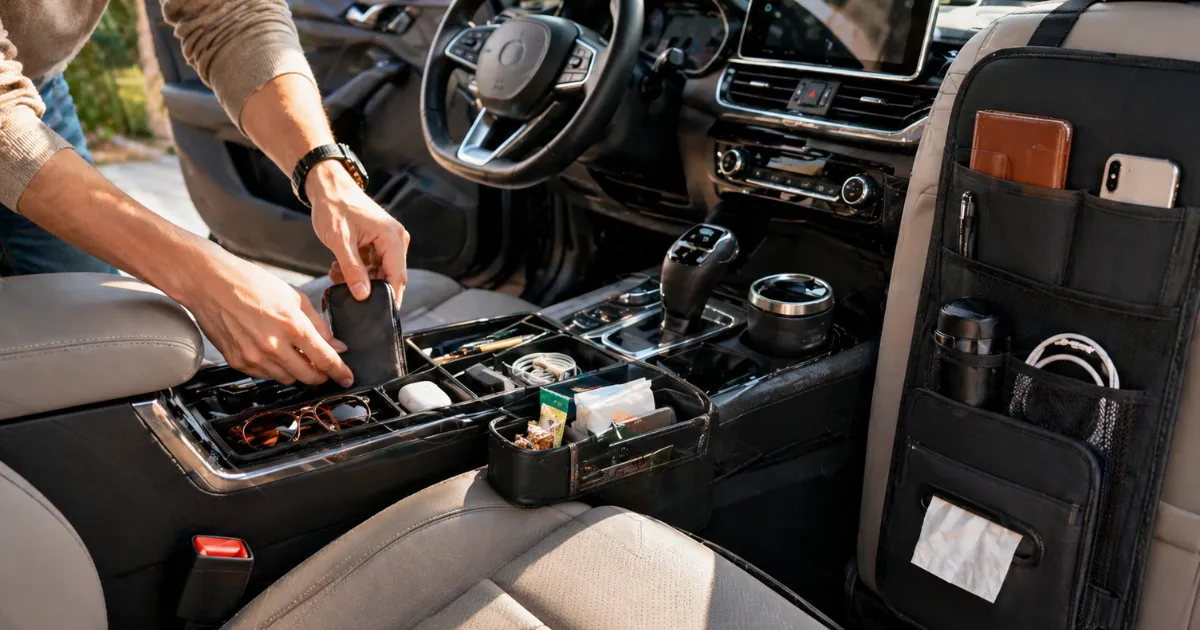
- Center Console: Use small clear plastic bins or a console organizer with adjustable compartments to keep smaller items like lip gloss, hand sanitizer, pens, charging cables, and spare change tidy.
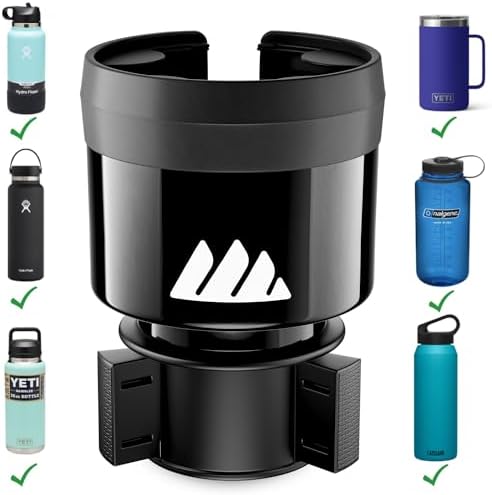
- Cup Holders: Beyond drinks, these can hold a small, dedicated trash cup for wrappers and straw papers, or even a touch-up station with essentials like chapstick and a small brush. Silicone cupcake liners can keep them clean.
- Seat Gap Fillers: These prevent items like phones, keys, and loose change from falling into the dreaded gap between your seats and the center console.
- Sun Visor Organizer: Turn your sun visor into a functional storage unit for cards, a pen, or even a small first-aid kit. Some even have a dedicated spot for tissues.
- Car Seat Hooks: Clip these onto headrests to hang purses, handbags, or small grocery bags, keeping them off the floor and easily accessible.
Backseat


This zone often becomes a hub for passengers, especially children, requiring flexible and robust solutions.
- Seat-Back Organizers: These are incredibly versatile, strapping to the back of the front seats and offering multiple pockets for snacks, books, toys, and even tablet holders for entertainment. They keep items contained and off the floor, preventing them from becoming projectiles.
- Between-the-Seats Organizers: For vehicles with captain’s chairs or to create a barrier on a bench seat, mesh pockets or soft-sided organizers can be placed between the rear seats. These are great for older children to access their items or for moms to store handbags.
- Car Seat Helpers/Trays: For younger children in car seats, collapsible, soft-sided trays with cup holders, whiteboards, and storage compartments can keep them occupied and contained.
- Portable Caddies: A soft-sided caddy or basket is excellent for holding children’s necessities like diapers, wipes, extra clothes, and soft toys, making it easy to grab and go.
Trunk


The trunk is for bulkier items and emergency supplies, needing sturdy and adaptable solutions.
- Collapsible Trunk Organizers: These are a must-have, folding flat when not in use but expanding to hold groceries, emergency kits, sports gear, and reusable bags. Look for versions with sturdy sides, non-slip bases, and adjustable compartments to keep items sorted and prevent shifting. Brands like Thule Go Box, REI Gear Bin, and Drive Trunk Organizer are popular choices. Some even come with a built-in cooler for groceries.
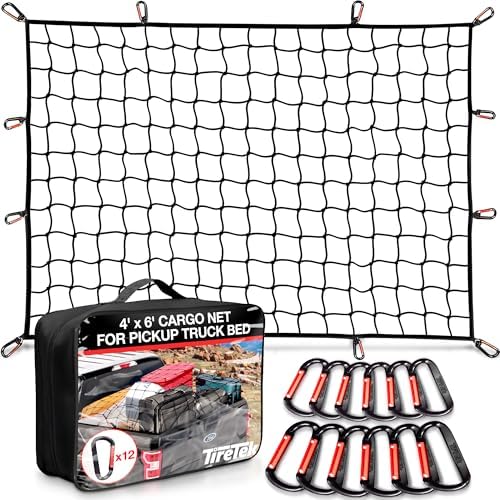
- Cargo Nets or Velcro Straps: These are excellent for securing loose items like sports equipment or beach supplies, preventing them from rolling around.
- Hanging Trunk Organizers: For SUVs, hatchbacks, and minivans, organizers that hang from the back of the rear seats maximize vertical storage space. They can hold items like paper towels, jumper cables, and a first-aid kit, leaving the trunk floor clear.
- Repurpose Household Bins: Sturdy plastic bins or cloth baskets can be repurposed as affordable trunk organizers.
- Emergency Kit: Always keep essentials like a first aid kit, jumper cables/battery booster, tire repair spray, flashlight, and a blanket in your trunk. Store these securely in a designated organizer.
Phase 3: Maintaining an Organized Car
Organization is not a one-time event; it’s an ongoing commitment. Establishing consistent habits and routines is key to long-term success.



Daily Habits and Weekly Routines
- Daily Declutter: Make it a habit to remove trash and any items that don’t belong in the car every time you arrive home. This prevents clutter from accumulating and keeps your car from becoming a storage space. A quick sweep takes just a minute but makes a big difference.
- Trash Disposal: Keep a small car trash can or a designated trash bag in your car and empty it regularly, especially every time you fill up with gas. This prevents odors and keeps wrappers off the floor.
- Quick Wipe-Down: Keep a microfiber cloth and cleaning wipes handy to quickly address small spills, dust, and dirty surfaces as they happen. “Clean-as-you-go” is the best method.
- Weekly Mini-Clean: Dedicate 15 minutes each week for a quick car reset. This can include:
- Tossing any remaining trash and removing items that don’t belong.
- Dusting the dash, console, and vents.
- Wiping down high-touch surfaces like the steering wheel and gear shift with disinfectant wipes.
- Shaking out floor mats and spot vacuuming seats and floors.
- Cleaning interior windows.
- Tidying the glove box or center console.
- Monthly Deep Clean Tasks: Schedule a monthly vacuuming of the entire interior, including under seats and in crevices. Check and restock supplies like tissues and wipes. Wipe around children’s car seats.
- Designate a “Home” for Everything: Ensure every item in your car has a specific place. This makes it easier to put things away and reduces the chance of items being left out.
What are the most effective car organizers?
The “most effective” organizers depend on your specific needs, but several types consistently receive high marks for functionality and utility:
- Collapsible Trunk Organizers: These are highly recommended for their versatility, ability to contain groceries, emergency supplies, and sports gear, and their space-saving design when not in use. Brands like Thule Go Box, REI Gear Bin, and HOTOR are well-regarded.
- Seat-Back Organizers: Especially useful for families, these utilize vertical space to store kids’ items, tablets, snacks, and books, keeping the backseat tidy and passengers entertained.
- Car Seat Gap Fillers: Simple yet highly effective at preventing small, important items like phones, keys, and cards from disappearing into seat gaps.
- Car Trash Cans/Bags: Essential for containing daily trash, preventing accumulation, and maintaining cleanliness. Many are designed to hang from headrests or fit securely in a console.
- Console Organizers/Small Bins: These help segment and organize the often-cluttered center console, keeping small essentials easily accessible.
- Headrest Hooks: Simple hooks that attach to headrests are excellent for hanging purses, grocery bags, or even coats, keeping them off the floor.
When choosing organizers, consider durability, waterproof materials, and easy installation. Also, think about anti-slip features or anchor types to keep them from sliding around.
How to deal with kid clutter in the car?
Kids and cars often feel like a losing battle against clutter, but with strategic planning and consistent habits, it’s manageable.
- Designated Storage for Kids’ Items:
- Backseat Organizers: These are invaluable for storing toys, books, art supplies, and snacks, keeping them within reach for children while containing the mess.
- Portable Caddies/Bins: A soft-sided caddy or small bin in the backseat can hold diapers, wipes, extra clothes, and a rotating selection of toys. This makes it easy to bring items in and out of the car.
- “Car-Specific” Toys: Designate a few toys and books exclusively for car rides. Rotate them regularly to keep children engaged and prevent an overwhelming amount of toys from accumulating.
- Anticipate Trouble with Spill-Proof Solutions: Use spill-proof cups and containers for snacks to minimize messes. Keep a roll of paper towels or a pack of wipes readily available for quick cleanups.
- Establish a “Pack In, Pack Out” Rule: Teach children to take their belongings and any trash out of the car every time they exit. Make it a routine, perhaps by having a designated “drop zone” bin by the garage door for shoes, sunglasses, and small items.
- Mini Trash Cans: Provide a small, accessible trash can or bag for each child’s area to encourage them to dispose of their own wrappers and trash.
- Protective Measures: Invest in washable seat covers and all-weather floor mats to protect the car’s interior from spills, dirt, and muddy shoes, making cleanup easier.
- Keep a Car Cleaning Kit Handy: A small kit with disinfectant wipes, a portable vacuum, and microfiber cloths can help tackle minor messes before they become major problems.
- Shower Caddies for Meals: For car meals, plastic shower caddies can provide a stable surface for food and prevent spills, holding utensils and collecting garbage. Remember to store them securely when not in use.
Conclusion: Drive Smarter, Live Better
Organizing your car interior like a pro is a transformative process that goes beyond mere tidiness. It’s an investment in your safety, sanity, and overall driving experience. By committing to a thorough purge and deep clean, strategically implementing organization solutions for every zone, and maintaining these efforts with daily habits and weekly routines, you create a vehicle that is not only functional but also a calm and controlled environment.
A clutter-free car leads to less stress, improved focus on the road, and quicker access to essentials when you need them most. It reflects an organized mindset and ensures that your “lounge on wheels” remains a welcoming and efficient space. Drive smarter, live better, and enjoy the journey in your perfectly organized car.
Frequently Asked Questions (FAQs)
How often should I declutter my car?
We recommend a quick declutter every time you get home, removing trash and personal items. A more thorough declutter should be done weekly, with a deeper assessment of items and storage bins monthly.
What are the absolute must-have items to keep in my car?
Essentials include vehicle registration and insurance, a compact first aid kit, jumper cables or a jump starter, a phone charger, reusable shopping bags, and a multi-tool or small flashlight.
Can household cleaners be used for car interiors?
While some common household cleaners like all-purpose cleaner and microfiber cloths can be used, it’s generally best to use auto-specific products. Household cleaners can contain harsh chemicals that may damage delicate car surfaces like leather, plastic, and upholstery over time.
How can I prevent my car from getting messy again after I clean it?
Consistency is key. Establish daily habits like taking out trash and personal items, and a weekly routine for quick cleaning. Make sure every item has a designated spot, and encourage all passengers to participate in keeping the car tidy.
Are car organizers safe in an accident?
When choosing car organizers, prioritize safety. Anything loose in the car can become a dangerous projectile in a crash. Opt for soft-sided organizers, or ensure that hard organizers and their contents are securely strapped down and won’t fly around.