Introduction
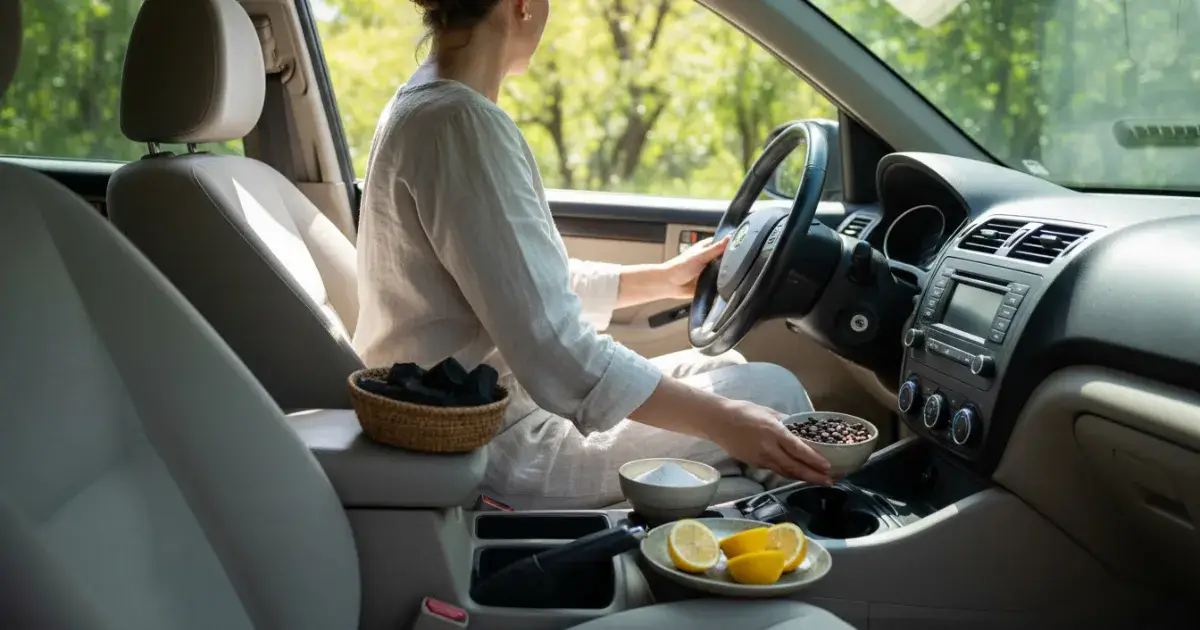
A bad smell inside your car can quickly ruin your driving experience, which is why learning how to remove bad smell from car naturally is so important. Unpleasant odors can come from food spills, moisture, smoke, or everyday dirt buildup, and they often linger if not treated properly. Over time, these smells can become stronger and harder to remove, making your car feel less comfortable and less inviting.
This guide will show you simple and effective natural methods to freshen your car using everyday household items like baking soda, vinegar, and essential oils. These solutions are safe, budget-friendly, and powerful enough to tackle both light and stubborn odors. By following these easy steps, you can restore a clean, fresh scent inside your car and enjoy a more pleasant ride every day.
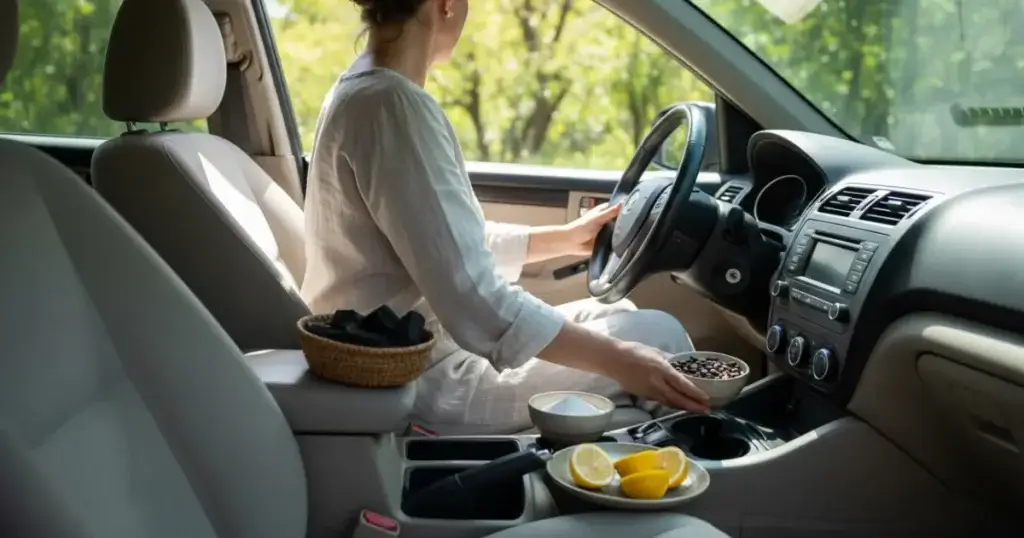
Image Credit: AI Generated
Stepping into a car should be a pleasant experience, not a journey into a world of lingering odors. Whether it’s the ghost of last night’s takeout, the persistent scent of pet dander, or the musty aftermath of a forgotten spill, bad smells in our vehicles are all too common. While commercial air fresheners offer a quick fix, they often just mask the problem with artificial fragrances that can be overwhelming or even trigger sensitivities. The good news is that achieving a fresh-smelling car doesn’t require harsh chemicals or expensive solutions. We can effectively tackle and eliminate unwanted car odors using simple, natural, and eco-friendly methods.
This article will guide you through a comprehensive approach to naturally removing bad smells from your car, focusing on deep cleaning, powerful natural odor absorbers, homemade cleaning solutions, and long-term maintenance strategies. By embracing these natural techniques, you can enjoy a truly clean and inviting car interior, ensuring every drive is a breath of fresh air.
The Essential First Steps: Deep Cleaning and Odor Source Removal
Before you can effectively remove a bad smell from your car naturally, it’s crucial to identify and eliminate the source of the odor. Masking a smell without addressing its origin is a temporary solution at best.
Identifying the Odor Culprit

- EFFECTIVELY ODOR ABSORBER: Our activated bamboo charcoal carbon adsorption capacity is three times than ordinary carbon,…
- WORKS FAST BY MORE CHARCOAL AIR PURIFYING BAG: According to the degree of smell, the amount of air freshener bags can be…
- MULTI SIZE FIT ALL SPACE: We have three sizes of nature fresh air purifier bags can conveniently put in the place where …
Bad smells in cars often stem from a few common sources:
- Food and Spills: Forgotten snacks, spilled drinks, and crumbs can quickly decompose and create unpleasant odors.
- Pets: Our beloved furry companions can leave behind dander, hair, and a distinct scent that permeates upholstery and carpets.
- Smoke: Cigarette smoke is notoriously difficult to remove as it deeply penetrates fabrics and surfaces.
- Mold and Mildew: Moisture from spills, rain, or humidity can lead to mold and mildew growth, resulting in a musty smell. This is especially common in damp areas like under floor mats or behind seats.
- HVAC System: The car’s heating, ventilation, and air conditioning (HVAC) system can harbor bacteria and mold, circulating foul odors throughout the cabin.
Thorough Interior Cleaning
Once you’ve identified potential sources, a deep clean is your first line of defense. This isn’t just a quick tidy-up; it’s a meticulous process to remove all dirt, debris, and residues that contribute to odors.
Vacuuming Upholstery and Carpets
Most odors are trapped in your car’s upholstery, mats, and carpets.
- Remove all items: Take out all trash, personal belongings, floor mats, and any car seats.
- Shake out mats: Vigorously shake out floor mats outside the car to remove loose dirt and debris. For washable mats, give them a good cleaning with appropriate detergent.
- Vacuum thoroughly: Use a powerful vacuum cleaner with a hose attachment to clean all carpets, seats, and floor mats. Pay special attention to crevices, under seats, and around seat edges and door panels where crumbs and dirt accumulate. Vacuuming regularly helps prevent smells from settling in.
- Address pet hair: If you have pets, use a pet hair remover brush or a rubber glove to gather embedded hair before vacuuming for better results.
Wiping Down Surfaces
Dust, grime, and spills on hard surfaces can also contribute to unpleasant smells.
- Clean hard surfaces: Use a microfiber cloth and an interior-safe cleaner (or a natural DIY solution, discussed later) to wipe down your dashboard, steering wheel, door panels, center console, and any plastic or vinyl surfaces.
- Check hidden spots: Don’t forget areas like cup holders, door pockets, and storage compartments where crumbs and dust often collect.
Cleaning Air Vents and Cabin Air Filter
Odors coming from the air vents often indicate an issue with your HVAC system.
- Clean air vents: Use a small brush or cloth with a natural cleaner to clean inside the air vents.
- Inspect/Replace Cabin Air Filter: An old or dirty cabin air filter can trap dust, debris, and moisture, recirculating musty air. Replacing it regularly helps keep the air fresh.
Addressing Moisture
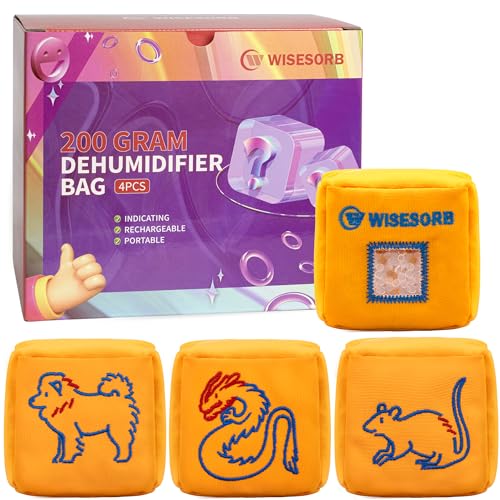
- Wisesorb new vision dehumidifier bags are crafted using Premium Fabric for packaging. This material is renowned for exce…
- Dehumidifier Bag : Dimension is 3″ x 3″ x 3″ ; 200 gram/bag; 4 Packs/box; We created a fun design with 13 intricate embr…
- Even during the holiday season, silica gel packet prove invaluable by mitigating moisture issues when stored in Christma…
Moisture is a primary cause of mold and mildew.
- Dry damp spots: Check under mats, behind seats, and in the trunk for any damp patches. Dry them thoroughly to prevent mold growth. A wet vac can be useful for removing excess water from upholstery and carpets.
- Use moisture absorbers: Placing moisture absorbers or silica gel packets can help keep the interior dry, especially in humid conditions.
By meticulously cleaning your car and removing all visible and hidden sources of odor, you lay the groundwork for a naturally fresh interior.
Powerful Natural Odor Absorbers for Your Car
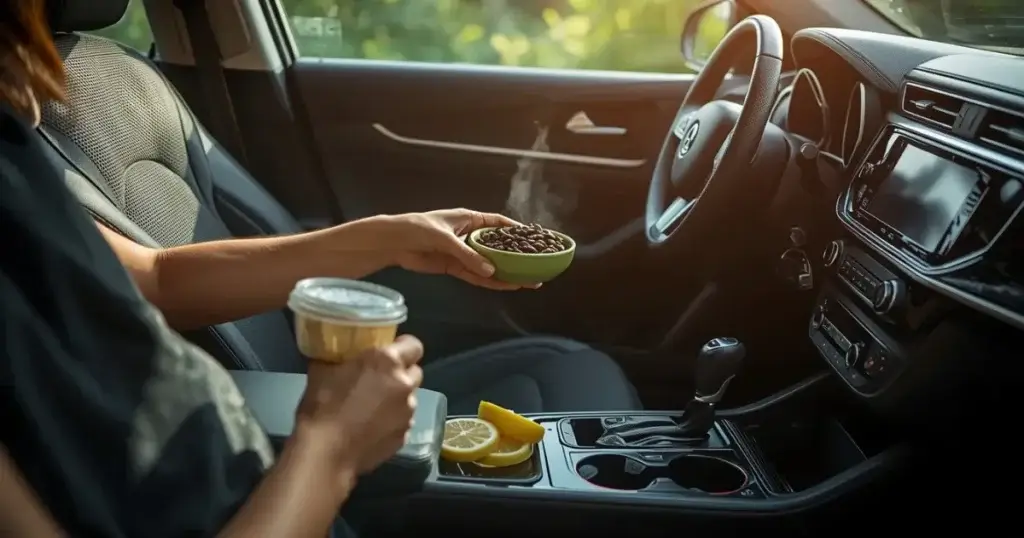
Image Credit: AI Genareted
Once the initial deep cleaning is complete, natural odor absorbers can work wonders by neutralizing lingering smells rather than just masking them. These household staples are safe, effective, and free from harsh chemicals.
Baking Soda
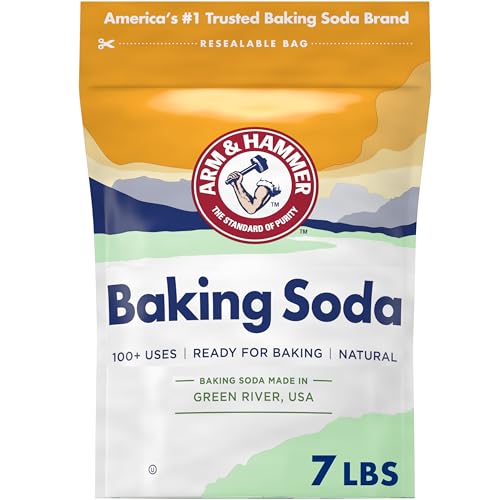
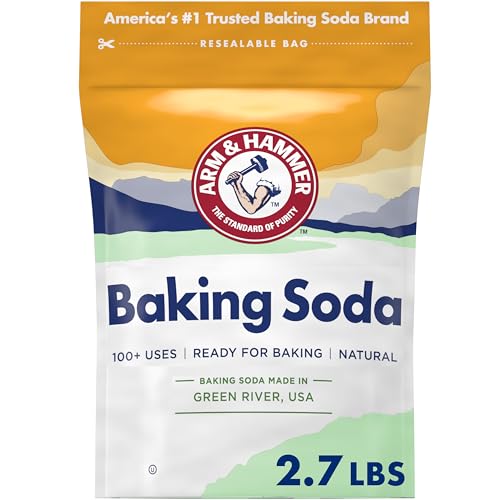
- A HOUSEHOLD CLASSIC: This bulk 7 lb resealable bag of ARM & HAMMER Baking Soda unlocks 100+ uses across your home—from k…
- PURE & NATURAL: America’s #1 Trusted Baking Soda Brand is safe to use around kids and pets
- PURE, NATURAL & UNCOMPROMISING: High-quality and meticulously crafted to vegan, halal, kosher, non‑GMO, gluten‑free, and…
Baking soda (sodium bicarbonate) is a well-known natural odor absorber and neutralizer. It works by neutralizing both acidic and basic odor molecules and absorbing moisture.
How to Use Baking Soda:
- For carpets and upholstery: Sprinkle a thin layer of baking soda liberally over your car’s carpets, floor mats, and fabric seats (avoid leather upholstery unless specified otherwise, as it can damage the material over time).
- Let it sit: Allow the baking soda to sit for several hours, or ideally, overnight, to absorb odors. For more stubborn odors, let it sit longer.
- Vacuum it up: Thoroughly vacuum up all the baking soda.
- Continuous absorption: For ongoing freshness, you can place an open box or a small container of baking soda under a seat or in a cup holder. Replace it every few weeks to maintain effectiveness.
Activated Charcoal

- Ultimate Digestive Support. Activated charcoal is used within the digestive tract. This charcoal has been treated to inc…
- Suggested Use. 2 capsules, preferably after meals, up to 3 times daily, at first sign of internal imbalance. Take for no…
- Well Made Supplement. Contains no yeast, dairy, egg, gluten, corn, soy or wheat. Contains no sugar, starch, salt, preser…
Activated charcoal is a highly porous material that acts as a powerful natural deodorizer. It effectively traps and neutralizes odors and impurities from the air without adding any fragrance.
How to Use Activated Charcoal:
- Placement: Place several pieces of activated charcoal in a breathable bag (like a mesh bag or an old sock) or a shallow dish.
- Strategic spots: Position these bags or dishes under seats, in cup holders, or in the trunk.
- Duration: Leave them in your car for a few days to several weeks. For strong odors, leave them overnight or for a few days.
- Reactivation: Activated charcoal can often be “recharged” by placing it in direct sunlight for a few hours every so often (e.g., monthly), allowing it to release absorbed odors and last longer, sometimes up to two years.
Coffee Grounds

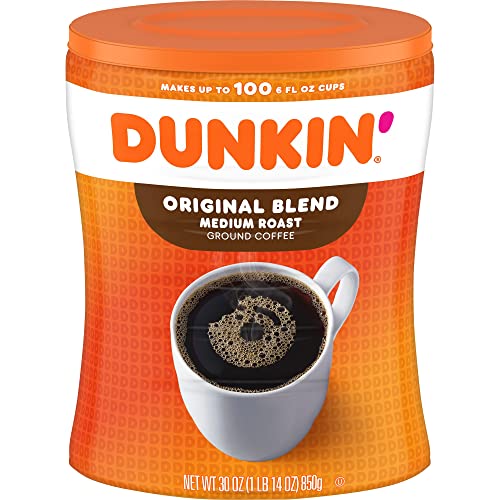
- Maxwell House Original Roast Ground Coffee, 27.5 oz Canister
If you enjoy the aroma of coffee, coffee grounds can serve a dual purpose: absorbing odors and imparting a pleasant, subtle coffee scent.
How to Use Coffee Grounds:
- Dry grounds: Use dry, fresh, or used coffee grounds.
- Container: Place them in a small, open container, a paper bag, or a breathable bag (like a sock).
- Overnight treatment: Leave the container in your car overnight or for 24 hours to absorb odors. This can be particularly effective for strong smells like smoke.
- Replacement: Replace the coffee grounds weekly or every few weeks for continuous freshness.
White Vinegar
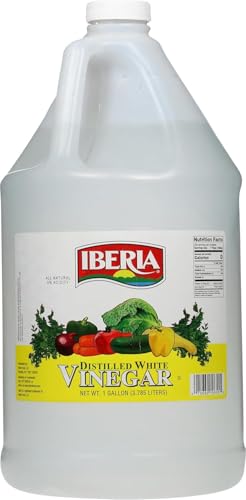
- VERSATILE PANTRY STAPLE: Perfect for cooking, pickling, marinating, and enhancing your favorite recipes with a crisp, ta…
- ALL-NATURAL & PURE: Made from 100% distilled white vinegar, free from artificial additives and preservatives for a clean…
- POWERFUL MULTI-PURPOSE CLEANER: A natural, eco-friendly solution for disinfecting, deodorizing, and tackling tough house…
White vinegar is known for its acidic nature, which helps neutralize odors and cut through grime.
How to Use White Vinegar as an Absorber:
- Bowl method: For stubborn airborne odors, fill a small bowl or jar halfway with white vinegar and leave it in your car overnight or for a few hours.
- Ventilation: Ensure good ventilation afterward, as a subtle vinegar smell will linger initially but dissipates as it dries.
These natural absorbers are excellent for tackling a wide range of car odors, from food and pet smells to smoke and general staleness.
Natural Cleaning and Freshening Solutions for Car Interiors
Beyond absorption, natural solutions can be used for cleaning various surfaces in your car, providing a fresh scent without synthetic chemicals.
White Vinegar Solutions

- One gallon of Distilled White Vinegar
- 5% acidity
- Great for cooking and cleaning
Vinegar is a versatile natural cleaner and deodorizer.
All-Purpose Interior Spray:
- Recipe: Mix equal parts white vinegar and warm water in a spray bottle. You can add more vinegar for tougher odors.
- Application: Dip a cloth in the mixture and wring it out, then wipe down hard surfaces like the dashboard, door panels, and plastic mats. For upholstery, lightly mist the solution onto the fabric using a cloth (do not oversaturate) and allow it to dry naturally.
- Benefits: This solution helps neutralize odors, cut through grime, and reduce musty or mildew smells.
- Caution: Avoid using vinegar directly on leather seats, as its acidity can damage the material over time. Always test in an inconspicuous area first.
- Recipe: Mix equal parts water and white vinegar in a spray bottle.
- Application: Spray on windows and wipe with a microfiber cloth for streak-free cleaning and a pleasant smell.
Essential Oils

- 100% PURE AND NATURAL PEPPERMINT OIL – Brooklyn Botany essential oils are all natural with no additives or dilution. The…
- PREMIUM GRADE ESSENTIAL OIL – All of our essential oils are Premium Quality and are tested by an independent lab to test…
- PREMIUM GLASS BOTTLE WITH DROPPER FOR ESSENTIAL OILS – Our Essential Oil is bottled in an amber glass bottle to protect …
Essential oils offer a natural way to add pleasant scents to your car while some also possess odor-eliminating properties. Popular choices include lavender (calming), lemon (fresh and invigorating), peppermint (energizing), and eucalyptus (refreshing and purifying).
How to Use Essential Oils:
- Cotton balls/tissue paper: Place a few drops of your favorite essential oil on cotton balls or pieces of tissue paper and strategically place them around your car, such as in air vents or under seats.
- Car diffuser: Use a car diffuser designed to disperse essential oils, providing a continuous, subtle fragrance.
- DIY spray: Create a natural spray by mixing water with a few drops of essential oil in a small bottle. Spritz as needed for a quick freshening mist. You can also combine baking soda with a few drops of essential oils in a small jar, poke holes in the lid, and place it in a cup holder for a customized scent.
- Wooden clips/ornaments: Drop essential oils onto a wooden clothespin or ornament and clip it to your vent for a slow-release fragrance.
Citrus Peels
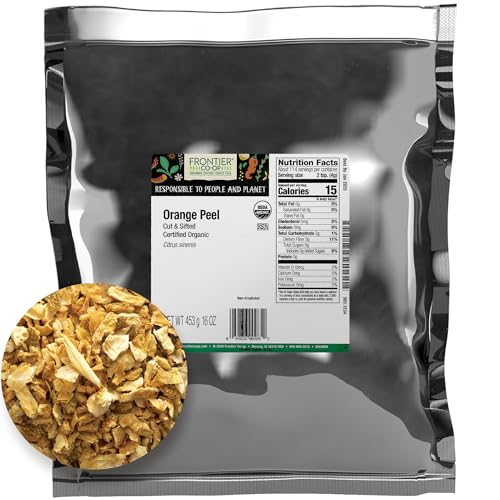
- Organic Orange Peel: Frontier Co-op organic dried orange peel is carefully dehydrated so as to preserve the intensity of…
- Great Substitute: Perfect as a substitute for fresh peels, our dry orange peel can easily be rehydrated for use in a var…
- Aromatic And Flavorful: These tiny dried orange slices are cut and dried to preserve their citrus fragrance and flavor: …
The natural oils in citrus peels (from oranges, lemons, limes, or grapefruits) release a fresh, clean aroma as they dry, helping to mask and neutralize odors.
How to Use Citrus Peels:
- Placement: Simply place fresh citrus peels in a small bowl, a mesh bag, or a breathable container and leave them in your car overnight or for a few days.
- Benefits: They release a delightful, natural scent without artificial fragrances.
Other Natural Cleaning Agents
- Lemon: Its natural acidity can break down grime. A lemon-water solution can wipe down surfaces, leaving them clean and naturally disinfected. (Caution advised on sensitive surfaces due to acidity).
- Olive oil/Coconut oil: Can be used as a natural conditioner for leather seats, keeping them soft and supple. Mix with vinegar for a DIY leather conditioner.
- Cornstarch: Can be mixed with water to form a paste to tackle greasy fingerprints on windows and surfaces, acting as a gentle abrasive.
By incorporating these natural cleaning and freshening solutions, we can maintain a clean, chemical-free, and pleasant-smelling car interior.
Maintaining Long-Term Freshness and Addressing Common Concerns
Achieving a fresh-smelling car naturally is not a one-time event; it’s an ongoing commitment to good habits and preventative measures.
Daily Habits for a Fresh Car
- Regular cleaning: Consistency is key. Regularly vacuum seats and floors, wipe down surfaces, and empty trash to prevent odors from building up. Pay attention to areas like cup holders and door pockets.
- Immediate spill cleanup: Spills are a top cause of odors. Clean up any spills right away to prevent smells from settling in and becoming harder to remove.
- Air out your car: Whenever possible, leave your car windows open for a while to let fresh air circulate, especially after it rains or after food spills. Parking in the sun with windows slightly cracked can also help ventilate and “bake out” odors.
- Mind your habits:
- Avoid eating in the car: Food crumbs and spills are primary odor sources.
- No smoking: Cigarette smoke is one of the most difficult odors to eliminate. If you must smoke, open windows to air it out.
- Clean pets: If you travel with pets, brush and bathe them regularly. Use seat covers to protect the interior.
- Store gym gear separately: Place gym bags and shoes in the trunk or a sealed container to contain smells.
- Control moisture: Excess moisture leads to mold and mildew. Use rubber floor mats to protect carpets from wetness, and remove them to dry thoroughly if they get wet.
- HVAC maintenance: Run the car’s fan for a few minutes with the AC off before parking to dry out evaporator coils and prevent musty smells from moisture buildup in the air system.
Addressing Persistent Odors
Even with diligent cleaning, some stubborn odors might linger.
- Deep cleaning upholstery/carpets: For deeply embedded odors, consider using a steam cleaner. High-temperature steam can penetrate deep into fibers to eliminate odors, bacteria, and mold spores without harsh chemicals, and it dries quickly.
- Professional detailing: If natural methods and deep cleaning don’t fully resolve the issue, a professional detailing service might be necessary. Detailers use specialized techniques, ozone treatments (which neutralize odor molecules at a molecular level), and powerful deodorizing agents to eliminate persistent smells like heavy smoke or severe mildew. Some professional detailers also adopt eco-friendly approaches using plant-based cleaning agents.
Table: Natural Odor Absorbers Comparison



Conclusion: Drive Fresh, Naturally
A car that smells inviting makes every journey more enjoyable. By embracing natural methods, we can effectively remove bad smells from our cars and maintain a fresh, healthy interior without relying on harsh chemicals or artificial fragrances. From the essential first steps of deep cleaning and identifying odor sources to harnessing the power of natural absorbers like baking soda and activated charcoal, and utilizing homemade cleaning solutions, the path to a naturally fresh car is accessible and sustainable.
Remember, consistency in cleaning habits and proactive measures against moisture and spills are crucial for long-term freshness. While natural solutions are incredibly effective for most odors, understanding when to seek professional help for deeply embedded or persistent issues ensures your car remains a sanctuary of cleanliness. Drive fresh, drive naturally, and enjoy the renewed comfort of your vehicle.
FAQs
How long does it take for natural methods to remove car odors?
The time it takes can vary depending on the severity and source of the odor. Light odors from food or general staleness might improve significantly overnight with baking soda or coffee grounds. More stubborn smells like smoke or mildew may require several applications, longer sitting times for absorbers (e.g., overnight), and thorough deep cleaning, potentially taking a few days.
Are natural odor removal methods safe for all car interiors?
Generally, natural methods like baking soda and activated charcoal are safe for most car interiors, especially fabrics and carpets. However, white vinegar should be used with caution on leather surfaces, as its acidity can potentially cause damage over time. Always test any new cleaning solution on a small, inconspicuous area of your car’s interior first to ensure it doesn’t cause discoloration or damage.
Can I use essential oils directly on car surfaces?
It’s generally recommended to avoid applying concentrated essential oils directly onto car surfaces, especially plastics, vinyl, or painted areas, as they can sometimes cause staining or damage. Instead, use them on cotton balls placed in vents, in a car diffuser, or diluted in a water-based spray.
How often should I clean my car to prevent bad smells?
Regular cleaning is the best prevention. We recommend vacuuming your car’s interior, especially carpets and seats, at least once a week or every two weeks. Wiping down hard surfaces and emptying trash daily or every few days will also significantly help prevent odor buildup.
What if the bad smell comes from the air conditioning system?
If the odor is coming from your car’s air vents, it often indicates moisture buildup or mold/bacteria in the HVAC system.
Replace the cabin air filter: This is a key step as old filters can harbor smells.
Dry out the system: Run the car’s fan on high with the AC off and windows open for a few minutes before you park to help dry out the evaporator coils.
Professional cleaning: For persistent HVAC odors, a professional cleaning of the AC system or an odor-removing spray designed for vents may be needed.