Introduction
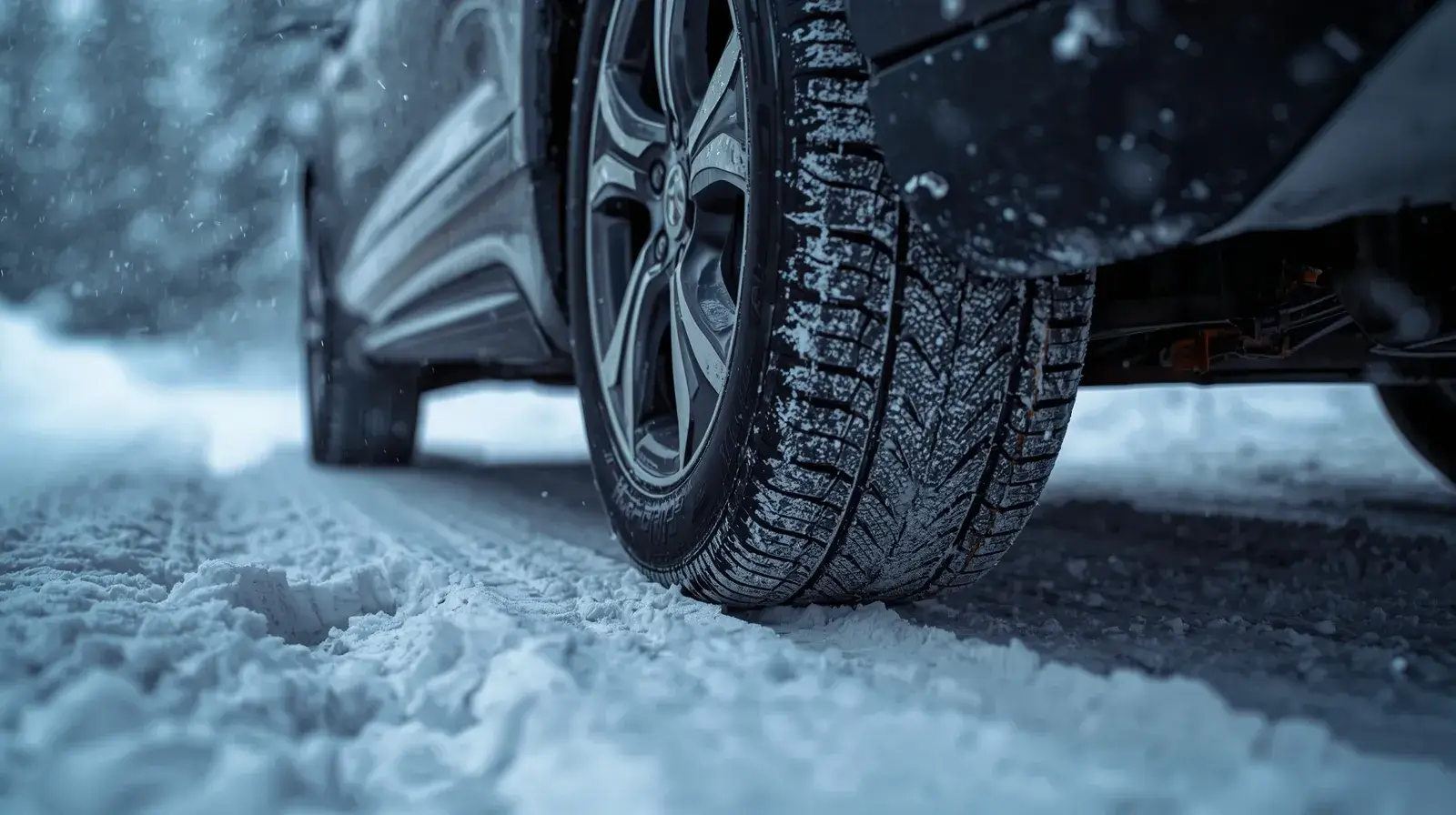
Driving during winter can feel like navigating through a world designed to test your patience and your car’s grip. Snow covered roads, slippery ice patches, reduced visibility, and unpredictable weather can turn even a short commute into a challenge. That’s exactly where winter tires come in. These specialized tires are engineered to handle cold temperatures, frozen roads, and snowy surfaces with far more control and reliability than standard tires. If you’ve ever wondered whether winter tires are worth it, how they work, or which ones you should buy, this detailed guide breaks down everything you need to know in a simple, conversational way.
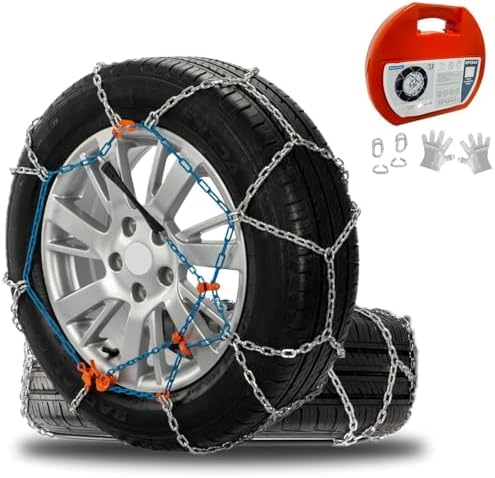
- Premium Durability: Our snow chains for car tires are crafted from high-quality steel, ensuring exceptional performance …
- Quick Installation: These snow chains for SUV and trucks can be easily installed without the need for jacks or tire remo…
- Versatile Performance: Designed to tackle various road conditions, these tire chains for cars and trucks enhance tractio…
In this article, you’ll learn what makes winter tires different, the science behind their design, how to choose the right set, and why they dramatically improve safety in cold climates. Whether you’re living somewhere with harsh winters or just want peace of mind for occasional snow trips, understanding winter tires will help you make smarter decisions for your vehicle and your safety.
What Are Winter Tires?
Winter tires, often called snow tires, are specially engineered tires designed to perform in cold climates, icy conditions, and snowy or slushy roads. Unlike all-season or summer tires, winter tires use a unique rubber compound that stays flexible at freezing temperatures, allowing them to maintain grip when the roads turn dangerously slick. But winter tires are not just about rubber they are an entire package of science, engineering, and purpose-built features aimed at providing maximum traction when everything around you becomes cold, hard, and slippery.
Think of winter tires like the insulated boots you wear in January. Sure, you could walk around in running shoes, but why risk freezing your toes or slipping on every icy sidewalk? Winter tires offer that same sense of confidence and security for your vehicle. Their primary goal is simple: keep you safely connected to the road when temperatures drop and traction disappears.
Winter tires are built for more than deep snow; they’re designed for any condition below 45°F (7°C). Below that temperature, regular tires stiffen and lose their ability to grip the pavement. Winter tires stay soft, flexible, and ready to bite into the road whether that road is dry but freezing, lightly dusted with snow, or completely packed with ice. Many people assume winter tires are only needed for places with heavy snowfalls, but in reality, their advantages kick in long before snowflakes even hit the ground.
They also carry a special marking on the sidewall: the Three-Peak Mountain Snowflake (3PMSF) symbol. This is your guarantee that the tire meets strict winter performance standards. If a tire does not have this symbol, it is not a true winter tire no matter what the marketing claims.
Winter tires don’t magically remove all risks, but they significantly reduce braking distances, improve steering control, and provide far more stable acceleration in winter conditions. When roads get unpredictable, winter tires give you predictable handling and that’s why they matter.
How Winter Tires Differ From All-Season Tires

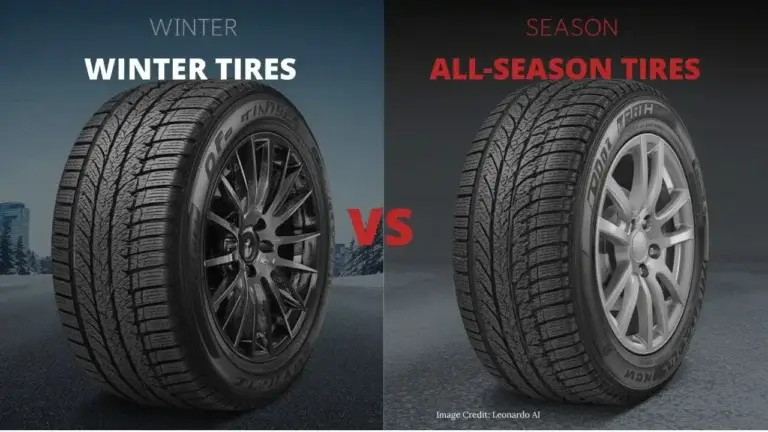
At a glance, winter tires and all-season tires might look nearly identical just round pieces of rubber with grooves. But once you take a closer look, the differences become dramatic. These two tire types serve completely different purposes, and understanding what sets them apart can make or break your driving safety in cold weather. Think of all-season tires as a “jack of all trades,” while winter tires are “specialists” built for one very specific mission: conquering winter conditions with maximum traction and control.
The most important difference lies in the rubber compound. All-season tires are designed to stay firm enough for warm-weather durability yet flexible enough for mild winter driving. However, once temperatures drop below 45°F (7°C), the rubber begins to stiffen like frozen clay. This results in reduced grip, longer stopping distances, and poor handling on cold pavement even when the road is dry. Winter tires, on the other hand, are made with a softer, silica-rich compound that remains flexible in bitterly cold temperatures. Imagine bending a piece of cold plastic versus a piece of soft rubber the flexible one will always perform better when gripping a surface. That’s exactly how winter tires work.
Another major difference is the tread pattern. Winter tires are designed with deeper grooves that channel snow, slush, and water away from the tire’s surface. More importantly, they have thousands of tiny slits called sipes, which act like miniature claws gripping the road. These sipes create extra biting edges that help maintain traction on ice and packed snow. All-season tires have fewer sipes and shallower grooves, making them less effective on slippery surfaces. When you try braking with all-season tires in icy conditions, it’s like trying to stop while wearing smooth-soled shoes on a frozen pond it simply doesn’t end well.
Finally, winter tires often have a slightly softer sidewall, giving the tire more ability to maintain surface contact in uneven snowy terrain. All-season tires prioritize longevity and fuel efficiency, meaning they tend to be stiffer and less adaptable in harsh winter environments.
In short, winter tires are engineered for cold-weather performance from the inside out. Their specialized rubber, enhanced tread patterns, and advanced siping give them a huge advantage over all-season tires when winter conditions strike. If safety and control matter to you during the cold months, the difference between these two tire types isn’t just noticeable it’s essential.
Why Winter Tires Are Essential in Cold Weather
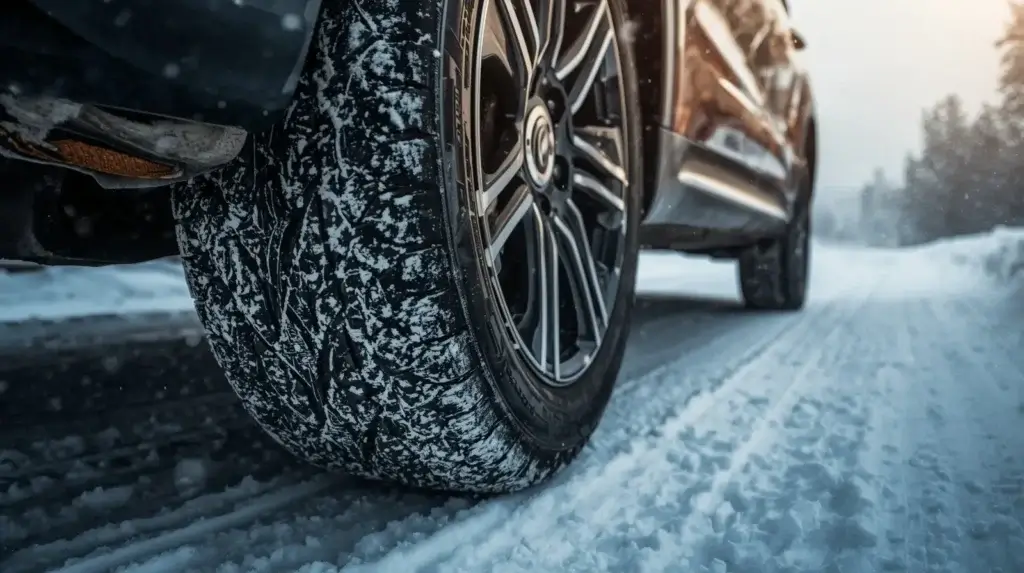
Image Credit: Leonardo AI
Winter tires aren’t just “nice to have” they’re a game-changing upgrade when temperatures plunge and roads turn unpredictable. Even if you live somewhere that gets only the occasional snowfall, winter tires can dramatically improve your safety. The reason is simple: winter driving is not only about snow. It’s about cold, and cold weather changes the behavior of your tires long before flakes hit the ground. That’s why winter tires are engineered to outperform all-season and summer tires any time the thermometer dips below 45°F (7°C).
One of the biggest advantages of winter tires is their superior traction. In cold weather, regular tires lose their ability to stay flexible. Imagine trying to grip something with frozen fingers they just don’t respond the way you want them to. All-season tires behave the same way; their rubber compound becomes stiff and hard, reducing the friction needed to accelerate, brake, and steer effectively. Winter tires remain soft and adaptable, gripping the road with confidence. This becomes crucial on icy roads, where even a tiny loss of traction can lead to skidding or sliding.
Winter tires also excel in shortening braking distances, which can literally be life-saving. Studies consistently show that cars equipped with proper winter tires stop significantly faster on snow and ice compared to vehicles using all-season tires. Think about a scenario where a child runs into the street or a car ahead of you suddenly brakes those extra feet of stopping distance matter. It’s not just a convenience; it’s a safety necessity.
Another key benefit is improved handling. Winter tires are designed with deeper tread patterns, larger grooves, and thousands of micro-sipes that bite into snow and ice. This means better cornering stability, reduced fishtailing, and more predictable steering. Whether you’re navigating a slippery hill, taking a tight turn, or merging onto a snowy highway, winter tires maintain control where other tires struggle.
And let’s talk about peace of mind. Winter driving can be stressful. Knowing that your car is equipped with tires built specifically for harsh conditions gives you confidence to handle whatever winter throws your way snowstorms, black ice, or freezing rain. It’s like wearing a warm, insulated jacket during a blizzard instead of hoping a thin hoodie will get the job done.
Ultimately, winter tires aren’t just for people living in the mountains or dealing with constant snow. They’re essential for anyone experiencing cold temperatures, icy mornings, or unpredictable winter weather. When conditions get challenging, winter tires give you the safety, stability, and control that every driver deserves.
The Science Behind Winter Tire Rubber

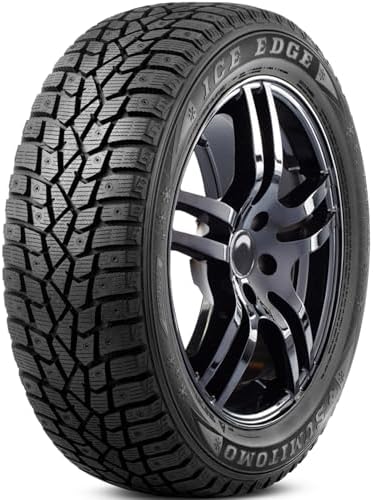
The magic of winter tires starts with something you can’t see: the rubber compound. While the tread pattern gets most of the attention, the chemistry of winter tire rubber is what truly sets them apart. Imagine trying to bend a cold stick of butter straight from the fridge nearly impossible. Now picture warm butter soft, flexible, and easy to work with. Tires behave the same way. Standard tires turn into that “cold butter” below 45°F (7°C), while winter tires stay soft and pliable, gripping the pavement with confidence even in freezing temperatures.
The secret lies in a silica-rich rubber compound, blended with natural rubber and other additives designed to maintain elasticity in extreme cold. Silica acts like insulation for the tire, preventing it from stiffening as temperatures drop. This flexibility allows the tire to mold itself around imperfections in the road surface, improving traction and shortening braking distances. The difference is dramatic: winter tires can remain flexible at temperatures as low as -40°F (-40°C), while all-season tires become rigid and brittle, losing their ability to grab the road.
This rubber flexibility also helps winter tires perform better on ice, which is the slipperiest and most dangerous surface drivers face. On ice, traction is extremely limited, so every bit of softness and grip matters. Winter tire rubber creates a slightly tacky texture that helps the tire cling to icy surfaces, while all-season tires slide across ice like skates. This difference becomes especially important during braking, where winter tires can stop up to 25–50% faster depending on conditions.
Another often overlooked element of winter tire rubber is how it interacts with snow. Snow actually sticks to itself like when you pack a snowball so winter tire rubber is designed to trap snow in the tread blocks. That might sound counterintuitive, but packed snow gripping packed snow creates more traction than rubber on snow. It’s a clever bit of engineering that takes advantage of natural physics, turning the tire into a snow-grabbing machine.
Durability is also considered in winter tire chemistry. Because the rubber remains softer, winter tires might wear faster in warm temperatures, which is why they should only be used during the winter months. Their rubber compound is not built to withstand hot pavement and can degrade quickly in summer.
In short, the science behind winter tire rubber is a combination of chemistry, physics, and clever engineering. It’s not just about making a tire “work” in winter it’s about creating a tire that excels in the most challenging driving conditions. That’s why the right rubber compound is the foundation of what makes winter tires essential for safe cold-weather driving.
Understanding Winter Tire Tread Design
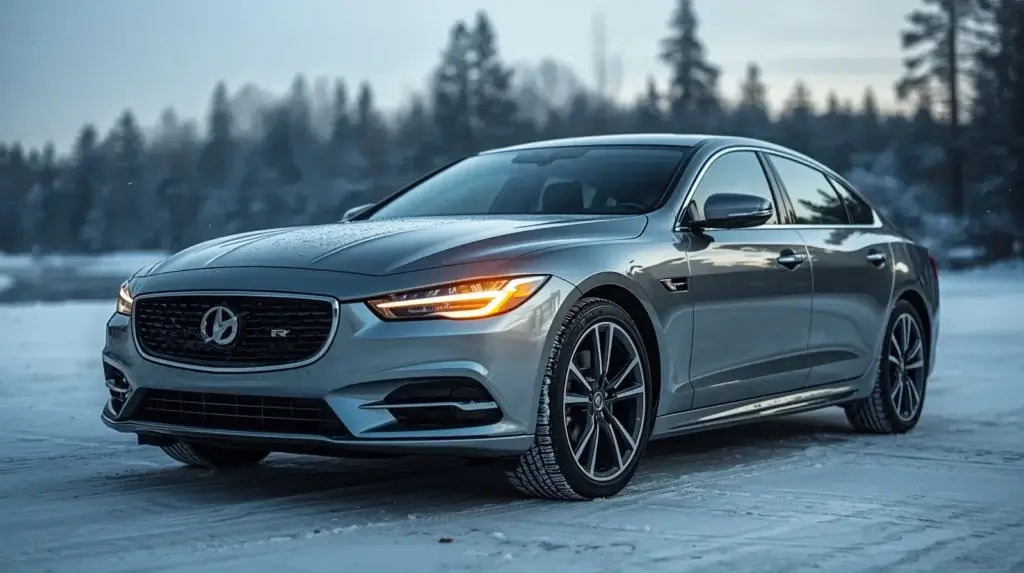
Image Credit: Leonardo AI
If the rubber compound is the “brain” of a winter tire, then the tread design is the “muscle.” It’s the part that does the physical work digging, gripping, channeling, and biting into snow and ice to keep your vehicle stable. Winter tire tread design isn’t random; every groove, block, and slit is strategically engineered to maximize traction when the road becomes unpredictable. Understanding how winter tire tread works helps you appreciate why these tires perform so impressively in harsh winter conditions.
One of the most important features in winter tire treads is the presence of sipes tiny slits cut into the tread blocks. These sipes create thousands of extra biting edges that grip slippery surfaces, especially ice. Think of them like the treads on a hiking boot. The more edges you have, the better your grip, especially when walking across uneven or slippery terrain. When your tire rotates, these sipes flex and open slightly, creating micro-edges that latch onto the surface beneath. This leads to better acceleration, more confident cornering, and far shorter stopping distances.
Another key component is the deep, wide grooves around the tire. These aren’t just aesthetic; they serve two major purposes:
- Channeling slush and water away from the tire’s contact patch
- Preventing hydroplaning and snow buildup
Winter roads often create a dangerous mix of water, slush, and ice. If water cannot escape from under the tire, your vehicle loses traction and literally floats across the surface a phenomenon known as hydroplaning. Winter tires are designed to fight this effect with aggressive, open channels that push moisture outward. This allows the tire’s rubber to maintain constant contact with the road, even in fast-changing winter conditions.
Winter tires also have deeper tread blocks compared to all-season or summer tires. These deeper grooves provide room for snow to pack into the tread a good thing, surprisingly because snow grips snow better than rubber grips snow. This packed snow-to-snow contact improves traction on snowy surfaces. It’s similar to how snowshoes give you stability by creating surface area and compacting snow beneath your feet.
Additionally, winter tire tread blocks are shaped differently. They often include zig-zag patterns, wider shoulders, and irregular block edges. These shapes bite into icy and snowy terrain like the teeth of a gear, helping your vehicle maintain traction on steep hills and slippery curves. Meanwhile, the center rib of many winter tire designs is engineered for stability, preventing the tire from “wandering” or sliding from side to side on uneven winter roads.
All these features work together as a perfectly synchronized system: the sipes grip the ice, the grooves evacuate slush, the tread depth traps snow, and the block shape enhances stability. It’s a kind of engineering choreography designed to keep your vehicle planted firmly on the road even when winter conditions try their hardest to take control away from you.
Studded vs. Studless Winter Tires


When shopping for winter tires, one of the biggest decisions you’ll face is choosing between studded and studless options. Both types are designed for winter conditions, but they achieve traction in very different ways. Understanding these differences helps you pick the right tire for your driving style, road conditions, and local regulations. Think of it like choosing between hiking shoes and full-on ice cleats. Both can help you navigate slippery terrain but one is far more specialized.
Studded winter tires have small metal studs embedded in the tread. These studs act like tiny spikes that dig into ice, providing exceptional grip in the most treacherous conditions especially on hard, packed ice. They’re particularly helpful in regions where winter roads remain frozen for weeks or months at a time. If you regularly drive on steep, icy hills or rural roads that don’t get salted or plowed often, studded tires can feel like magic. They claw into the ice and give you stability that no all-season or summer tire could ever achieve.
However, studded tires come with certain downsides. First, they’re loud. The metal studs clicking against pavement can make it sound like you’re driving a miniature tank. Second, they can cause damage to road surfaces, wearing away asphalt and creating ruts. Because of this, many places restrict or outlaw studded tires during certain months or entirely. Before choosing studded tires, it’s important to check local laws to make sure they’re permitted. Additionally, studded tires don’t perform as well on wet or dry pavement, because the studs reduce the amount of rubber contacting the road. This can increase braking distances and reduce handling on non-icy surfaces.
On the other hand, studless winter tires rely on advanced rubber compounds, tread designs, and thousands of tiny sipes to grip winter roads. They don’t use metal studs, yet they often perform just as well or better in real-world winter conditions. Modern studless tires use special rubber designed to stay flexible even at extremely low temperatures, plus tread patterns engineered to bite into snow and ice. Many drivers prefer studless tires because they offer versatility: excellent performance on snow, ice, slush, and cold dry pavement, without the noise or road damage of studs.
Studless tires are ideal for city drivers, commuters, and anyone dealing with mixed winter conditions. They shine in scenarios like light-to-moderate snow, wet roads, or when temperatures remain below freezing but the roads aren’t always icy. They also offer smoother, quieter rides and better fuel efficiency than studded tires.
In the end, choosing between studded and studless winter tires depends on your environment. If you face constant ice and minimal pavement contact, studded tires may be your best friend. But for most drivers especially those dealing with varied winter conditions studless winter tires offer an excellent balance of performance, comfort, and convenience. Both have their strengths; the key is choosing the one that fits your winter reality.
When You Should Switch to Winter Tires
Knowing when to install winter tires is just as important as choosing the right ones. Many drivers believe winter tires are only necessary once snow begins to fall but that’s one of the biggest misconceptions out there. In reality, winter tires are designed for cold weather, not just snowy conditions. Their performance advantages kick in long before you ever see a snowflake, and waiting too long to switch can compromise your safety during the first cold snap of the season.
The golden rule used by tire experts worldwide is simple:
Switch to winter tires when temperatures consistently drop below 45°F (7°C).
At this temperature, the rubber compounds in all-season and summer tires begin to stiffen, losing their ability to grip the road properly. Winter tires, on the other hand, stay flexible and maintain traction. Even if the roads are completely dry, that rubber flexibility dramatically improves handling, braking, and overall control in cold weather. Think of it like wearing gloves your fingers lose dexterity in the cold, but warm gloves give you full control. Tires behave the same way.
Most drivers switch tires in late fall, typically around October or November, depending on where they live. If you wait until the first snowfall, you’re already too late. The first cold morning of the season is when sliding, skidding, and long braking distances become most noticeable. Winter tires should be installed before temperatures plunge so you’re prepared from day one.
Timing also matters when it comes to removing winter tires. Just as cold weather stiffens regular tires, warm temperatures soften winter tire rubber too much, causing premature wear. For this reason, you should remove winter tires in the spring, once temperatures consistently rise above 50°F (10°C). Leaving winter tires on during warm months wears them down quickly and reduces their lifespan, costing you money in the long run.
There’s another factor to consider: regional climate patterns. If you live in an area with unpredictable weather where temperatures can swing from icy cold mornings to warm afternoons you should err on the side of caution and install winter tires earlier. Many drivers underestimate how long cold spells last, and those early-season frosty mornings can be some of the most dangerous driving moments of the year.
If you rely on your vehicle for commuting, travel, or transporting family members, switching to winter tires early gives you peace of mind. It’s one less thing to worry about when winter throws its first cold punch. The goal isn’t just to avoid getting stuck in snow; it’s to maintain control, reduce stress, and protect everyone in your car during those unpredictable seasonal changes.
Making the switch at the right time ensures your tires perform at their best when you need them most. Don’t wait for winter to surprise you prepare for it before it arrives.
How to Choose the Right Winter Tires
Choosing the right winter tires can feel overwhelming, especially with so many brands, tread patterns, and technical features competing for your attention. But selecting the perfect set doesn’t have to be complicated. In fact, once you understand a few key factors your vehicle type, driving habits, climate, and road conditions you can confidently pick winter tires that keep you safe and comfortable all season long. Think of it like choosing the right winter boots: you wouldn’t buy hiking boots for city streets or fashion boots for icy mountain trails. Your tires deserve that same level of thoughtful decision-making.
The first consideration is your vehicle type. Cars, SUVs, trucks, and crossovers all have different weight distributions and handling characteristics. Lightweight sedans may need winter tires optimized for traction and braking, while heavier SUVs benefit from tires designed to handle additional load and torque. If you drive a performance vehicle or sports car, look for winter tires specifically labeled as “performance winter tires,” which balance cold-weather grip with better handling at higher speeds.
Next, think about your driving habits. Are you mostly commuting on plowed city streets? Or do you frequently drive through rural roads covered in hard-packed snow? If your winter driving is moderate and predictable, a high-quality studless winter tire will likely give you excellent performance. But if you often deal with icy hills, untreated backroads, or heavy snowfall, you might consider more aggressive tread designs or even studded tires assuming they’re legal in your area.
Your local climate plays a huge role in selecting winter tires. Long, harsh winters with extended periods of ice call for tires with deeper tread and advanced siping. Milder climates with occasional snowfall might only require a standard studless winter tire that prioritizes wet and cold performance. Always check the Three-Peak Mountain Snowflake (3PMSF) symbol on the sidewall, which certifies the tire meets strict winter traction standards.
Road conditions matter too. If your region frequently gets slush, look for tires with large, open grooves designed to channel water away quickly. For snowy rural areas, choose tires with more aggressive block patterns and deep tread depth. For city drivers, quieter tires with high ice traction ratings are often the best match.
Don’t forget brand reputation and reviews. Not all winter tires are created equal, and user feedback is your best insight into real-world performance. Brands like Michelin, Bridgestone, Continental, and Nokian consistently rank high for winter traction and durability. However, many mid-range brands offer excellent value for budget-conscious drivers without sacrificing safety.
Finally, consider your budget, but don’t treat winter tires as an expense they’re an investment in safety. A high-quality set can last several winter seasons if properly cared for, and they dramatically reduce your chances of accidents. Spending a little more upfront can save a lot of money, stress, and danger in the long run.
Choosing the right winter tires ultimately comes down to matching the tire’s strengths with your winter reality. Take your time, know your driving needs, and select a tire that gives you confidence on the road no matter what winter brings.
Winter Tire Size and Load Rating
Selecting the right size and load rating for winter tires is just as important as choosing the brand or type. Even the best winter tire won’t perform well if it isn’t sized correctly for your vehicle. Think of tire sizing like wearing shoes: if they’re too big, you slip; too small, you’re uncomfortable; just right, and you move confidently. Winter tires follow the exact same logic. You need the perfect fit to ensure optimal traction, stability, and safety.
Let’s start with tire size. You’ll find the size printed on the sidewall of your current tires, something like 205/55R16. Each part of this number has meaning:
- 205 = tire width in millimeters
- 55 = aspect ratio, or the height of the sidewall compared to the width
- R16 = the tire fits a 16-inch wheel
Winter tires should generally match your vehicle’s recommended size, but there is one major exception: many experts recommend going slightly narrower for winter. A narrower tire cuts through snow more effectively, providing better traction on deep or packed snow. It’s similar to how narrow snowshoes or skis dig into a surface more predictably. This concept is called “downsizing” or “minus sizing,” and it’s especially useful for vehicles with wide summer performance tires.
Next is the load rating, which tells you how much weight each tire can safely support. This rating is also printed on the sidewall and usually appears as a number like 91, 94, or 102. Each number corresponds to a specific weight capacity. When choosing winter tires, always meet or exceed your vehicle’s recommended load rating. Winter conditions add stress to your tires you’re dealing with slush, ice, potholes, and uneven terrain so proper load capacity is essential for durability and performance.
Alongside load rating is the speed rating, indicated by a letter such as H, T, or V. Speed ratings represent the maximum speed the tire can safely handle. Winter tires often have lower speed ratings than summer tires because the softer rubber compound prioritizes grip over high-speed stability. This is normal and not a cause for concern, unless you drive a high-performance car and need a winter tire designed for higher speeds.
When selecting winter tires, always consult your vehicle’s manual or check the sticker inside the driver’s door frame. This information tells you the ideal tire size, load rating, and speed rating. If you’re downsizing for winter, ensure the overall tire diameter stays close to the original so your speedometer and driving systems (like ABS and traction control) work properly.
A properly sized winter tire with the correct load rating ensures balanced performance, predictable handling, and maximum safety. It allows the tire to flex exactly as intended, maintain consistent road contact, and perform at its best in freezing temperatures.
Getting tire size and load rating right isn’t just technical it’s foundational. When your winter tires fit perfectly, they give your vehicle the confidence and stability it needs to tackle winter roads with ease.
How Many Winter Tires You Actually Need
One of the most common questions drivers ask is: “Do I really need four winter tires, or can I just install two?” At first, buying only two winter tires might seem like a clever way to save money. After all, if the drive wheels have good traction, doesn’t that solve the problem? Unfortunately, it doesn’t. In fact, installing only two winter tires is not only ineffective it’s dangerous. To stay safe and maintain control, you must install all four winter tires. Anything less throws off your vehicle’s balance and dramatically increases the chances of skidding, spinning, or losing control during winter driving.
Let’s break this down. When only the front or rear wheels have winter tires, you create a mismatch in traction. The wheels equipped with winter tires will grip the road, while the others still using all-season or summer tires will slip on cold, icy surfaces. This imbalance leads to unpredictable handling. For example, if you put winter tires only on the front wheels of a front-wheel-drive car, the rear wheels will lose traction first. This results in dangerous oversteer, meaning the back of the car can swing out unexpectedly, causing a spin. On icy roads, this can happen so quickly that even experienced drivers have no time to correct it.
Conversely, if you install winter tires only on the rear wheels of a rear-wheel-drive vehicle, you create the opposite problem: understeer. The car won’t respond properly to steering input because the front wheels are sliding while the rears try to push forward. You turn the wheel, but the car keeps going straight an extremely scary situation when approaching intersections, curves, or stop signs.
For vehicles with all-wheel drive, some people assume they can get away with fewer winter tires. After all, AWD improves traction, right? The truth is that AWD only helps you accelerate it does nothing to improve braking or cornering on ice. Without four winter tires, even an expensive AWD vehicle can slide uncontrollably. AWD does not replace the need for proper winter tires; instead, winter tires unlock the full potential of AWD in winter conditions.
Winter tires are designed to work as a complete system. When all four tires have the same level of grip, your vehicle maintains its intended balance. Steering is predictable, braking is consistent, and cornering remains stable. You can feel the difference immediately your car behaves more confidently, responds more smoothly, and remains more controllable even in harsh winter environments.
It’s also worth noting that installing only two winter tires may void your warranty or contradict the recommendations of tire manufacturers. Every major manufacturer including Michelin, Bridgestone, Continental, Nokian, and Goodyear strongly advises using a full set of four winter tires. They do this because the tests are clear: two winter tires = unsafe handling and significantly increased risk of accidents.
If budget is a concern, think of winter tires as long-term protection. They prevent costly repairs, insurance claims, towing charges, and time lost from work due to accidents or getting stuck. Investing in four winter tires is not just a purchase it’s a commitment to safety for yourself, your passengers, and everyone sharing the road with you.
Fuel Efficiency and Winter Tires
Many drivers wonder whether winter tires affect fuel efficiency and the answer is yes, but not in the way most people assume. Winter tires are designed with softer rubber compounds, deeper tread patterns, and more aggressive block designs to maximize traction in cold weather. These features naturally create a bit more rolling resistance compared to all-season or summer tires. Rolling resistance is the force your car needs to overcome to keep the tires moving, and higher resistance means your engine has to work a little harder, which can lower fuel economy slightly.
However, the full story is much more interesting and far more practical. While winter tires may reduce your miles per gallon by a small margin, they greatly increase safety, control, and traction. In slippery winter conditions, all-season tires often slip during acceleration and braking. That slipping and spinning actually wastes more fuel than the increased rolling resistance of winter tires. In other words, winter tires may actually help maintain or improve real-world fuel efficiency in freezing weather because they reduce the energy lost during wheel spin and skidding.
Think of it like walking in the snow. If you’re wearing sneakers, you slide around, take extra steps, and use more effort to stay balanced. Put on proper winter boots, and suddenly you move smoothly with less wasted energy. Winter tires work the same way they help your vehicle move forward efficiently without unnecessary sliding.
Temperature also plays a major role. Regular tires stiffen in the cold, and stiff rubber increases rolling resistance much more than winter tires do. This is because winter tire rubber remains flexible and soft even in freezing temperatures. Flexible rubber grips the road better and rolls smoother, which offsets some of the energy loss typically associated with winter driving.
Additionally, modern winter tires have been carefully engineered to reduce rolling resistance without sacrificing traction. Many premium models include advanced silica compounds and low-resistance tread designs. While still optimized for winter performance, these improvements make them more fuel-efficient than older winter tire designs.
Driving habits also influence fuel economy more than the tires themselves. Smooth acceleration, gentle braking, proper tire inflation, and avoiding sudden speed changes all significantly impact your winter mileage. One of the biggest mistakes drivers make is neglecting tire pressure during cold weather. Air contracts in low temperatures, which can cause under-inflation. An under-inflated tire dramatically increases rolling resistance sometimes more than switching from summer to winter tires. Regularly checking your tire pressure in winter can improve fuel efficiency far more than the type of tire you’re using.
In the end, while winter tires may slightly lower fuel efficiency on paper, the benefits far outweigh any minor increase in fuel consumption. The improved safety, reduced skidding, better control, and superior handling make winter tires a smarter and more efficient choice overall. Think of it as trading a tiny bit of fuel economy for a massive boost in winter driving confidence and that’s a trade most drivers are happy to make.
Common Myths About Winter Tires
Winter tires often come with a cloud of myths, half-truths, and misunderstandings that prevent many drivers from making the switch. Some of these myths are harmless, but others can actually put people in danger. Clearing them up is essential for making informed decisions and staying safe throughout the winter season. Let’s break down the most common myths and the truth behind them.
One popular myth is that all-season tires are good enough for winter driving. The name “all-season” can be misleading. All-season tires are built as a compromise: they work reasonably well in mild temperatures but cannot handle freezing conditions effectively. Their rubber becomes hard below 45°F (7°C), reducing grip dramatically. Winter tires are not just for snowy days they’re for cold days. Even on dry, icy pavement, winter tires stop faster, corner better, and provide better stability than all-season tires. Saying all-season tires work “fine” in winter is like saying sandals work “fine” in the snow they might get you through, but you’ll struggle the entire way.
Another myth is that winter tires are only needed in heavy snow regions. This couldn’t be further from the truth. Winter tires are designed for cold climates, not only snowy ones. Many accidents occur on cold, dry roads simply because regular tires lose flexibility. Even areas with light snowfall benefit tremendously from winter tires because black ice, frost, and cold asphalt all reduce traction.
Some drivers also believe four-wheel drive or all-wheel drive eliminates the need for winter tires. While AWD helps with acceleration, it does nothing to improve braking or cornering on ice. AWD only helps you get moving it doesn’t help you stop. If your tires can’t grip the road, AWD won’t save you from sliding through intersections or losing control on curves. Winter tires provide the traction your AWD system needs to perform properly.
A very common misconception is that winter tires wear out quickly. This myth comes from people using winter tires in warm weather, where the softer rubber wears faster. Used in the proper temperature range, winter tires have a long lifespan often lasting four to six seasons with proper care and storage. Their durability is much better than many people expect.
Another myth is that winter tires are noisy. While studded tires do produce more road noise, modern studless winter tires are impressively quiet. Advances in rubber technology and tread engineering have made premium winter tires nearly as quiet as high-quality all-season models. Many drivers switch to winter tires and barely notice any noise difference at all.
There’s also the belief that winter tires are too expensive. Yes, they’re an investment but they pay for themselves by reducing accident risk, preventing body damage, lowering insurance claims, and minimizing the chance of getting stranded. Replacing a bumper or paying a deductible costs far more than buying a set of winter tires. Plus, because you alternate between summer and winter sets, each set lasts longer.
Finally, some think chains are enough. Chains are useful for extreme mountain driving or required in certain regions, but they’re not intended for everyday winter driving. Chains are uncomfortable, damaging to roads, and only effective in deep snow or icy mountain passes. Winter tires offer consistent, reliable performance in all winter conditions.
Debunking these myths helps make one truth clear: winter tires are essential for safe, predictable, and confident driving in cold weather. They’re not about hype they’re about real-world performance.
Care, Maintenance, and Storage Tips
Proper care, maintenance, and storage of winter tires can make a massive difference in how long they last and how well they perform. Like any piece of equipment, winter tires need attention not a lot, but enough to keep them in top shape season after season. Treat them right, and they’ll reward you with consistent traction, better safety, and lower long-term costs. Think of them as winter boots for your car: if you clean, store, and maintain them well, they’ll serve you faithfully through many harsh seasons.
Let’s begin with regular tire pressure checks. Cold temperatures cause air to contract, which means tire pressure drops naturally during winter. Even a small decrease in pressure can affect traction, fuel efficiency, and tire wear. Under-inflated tires grip the road poorly and create extra heat, which can weaken the rubber over time. To avoid these problems, check your tire pressure at least once a month during winter and always before long trips. Fill them to your vehicle manufacturer’s recommended PSI (usually on the driver’s door frame or in the owner’s manual).
Next, consider tire rotation. Rotating your winter tires every 5,000 to 7,000 miles ensures even wear. This is especially important for vehicles with front-wheel or rear-wheel drive, where certain tires take on more stress. Even wear extends the lifespan of your winter tires and ensures they continue to perform consistently.
Don’t neglect wheel alignment. Misalignment causes uneven wear patterns and reduces the tire’s ability to maintain contact with the road. Winter roads often have potholes, hidden dips, and icy ruts that can knock your alignment out without you even noticing. If your steering wheel vibrates or your car pulls to one side, have your alignment checked immediately. Proper alignment enhances safety and maximizes tire longevity.
Cleaning your winter tires also helps. Snow, salt, sand, and debris can lodge in the tread over time. While a little buildup is normal, too much can reduce traction. After the season ends, give your tires a thorough wash with soap and water, ensuring all residue is removed. Clean tires store better, last longer, and are less prone to dry rot.
Now let’s talk about the most overlooked part: storage. Storing winter tires properly prevents cracking, drying, and deformation. First, clean them thoroughly and let them dry completely. Next, put each tire in a dedicated tire bag or heavy plastic garbage bag to reduce exposure to oxygen and UV light. If the tires are mounted on rims, store them stacked horizontally. If they’re not on rims, store them vertically and rotate their position every month or two. The storage area should be cool, dry, and away from direct sunlight or heat sources think basement or climate-controlled garage, not an attic or shed.
Finally, monitor tread depth. Winter tires rely on deep grooves and sipes to perform at their best. Once the tread depth wears down to 6/32″, their winter effectiveness begins to drop noticeably. Many winter tires come with wear indicators specifically designed to show when they’re no longer safe for winter use. Regularly check the tread and plan timely replacements to maintain your safety on the road.
By caring for your winter tires with the same attention you’d give any essential tool, you ensure they last longer, perform better, and save you money over time. A little maintenance goes a long way and in winter, that “long way” translates into safer, more confident driving.
Cost of Winter Tires
The cost of winter tires is often the first thing drivers worry about, but understanding the real value behind the price tag can shift your perspective entirely. Winter tires are an investment not an expense and when you look at what they provide in terms of safety, durability, and long-term savings, the cost becomes much easier to justify.
On average, winter tires range from $90 to $250 per tire, depending on the brand, size, and performance level. High-end brands such as Michelin, Bridgestone, and Nokian tend to be on the higher end of that spectrum, while mid-range brands offer solid performance at a more budget-friendly price. For SUVs and trucks, prices are slightly higher due to larger sizes and heavier load requirements. But the important thing to remember is that this cost is spread out over years not just one season.
Winter tires typically last four to six winters with proper care and rotation. Because you alternate between winter and non-winter tires, each set is used for only half the year. That means your regular tires last longer too. Instead of buying summer/all-season tires more frequently due to year-round wear, you extend their lifespan significantly. This alone offsets a major portion of the cost.
There’s also the financial benefit of preventing accidents. Winter tires reduce stopping distances on snow and ice by up to 50%. Avoiding even one minor collision one dented bumper, scratched fender, or insurance claim can save hundreds or even thousands of dollars. Compare that to the cost of a set of winter tires, and the decision becomes far more logical. One moment of safe braking can literally pay for your entire winter tire purchase.
Another hidden cost many drivers overlook is fuel waste from slipping and skidding. All-season tires waste fuel in winter because they lose traction easily, forcing your engine to work harder. Winter tires grip the road from the start, improving fuel efficiency and reducing unnecessary wear on drivetrain components.
Some shops also offer seasonal tire change packages, discounts on wheel balancing, storage services, or bundle deals that can reduce the total cost. Buying winter tires during off-peak seasons (like spring or late summer) can also save you money.
When you add it all up longer tire lifespan, fewer repairs, reduced insurance claims, improved mileage, and increased safety the cost of winter tires becomes not just reasonable, but smart. The peace of mind alone is worth the investment, especially when winter roads turn unforgiving.
Do You Need Snow Chains Too?
Snow chains and winter tires often get lumped together, but they serve very different purposes. Understanding when you need chains and when you absolutely don’t can help you stay safe and compliant with local laws.
Winter tires are designed for everyday cold-weather driving, offering consistent performance on snow, ice, slush, and freezing pavement. Chains, though, are meant for extreme situations: deep snow, steep mountain passes, or terrain where even winter tires struggle to maintain traction. Think of chains as a last-resort traction aid not something for daily driving.
Chains bite aggressively into snow and ice, giving you superior grip on steep inclines or heavily packed snow trails. That said, they’re uncomfortable to drive on, noisy, and can damage pavement. For this reason, many regions limit when chains can be used and require you to remove them when you reach clearer roads.
Some areas especially mountainous regions have chain laws. These laws sometimes require:
- Chains on all tires
- Chains on drive tires only
- OR winter tires plus chains kept in the vehicle
If you live in or travel through areas with these rules, carrying chains is non-negotiable.
However, if you drive mainly in cities, suburbs, or areas with maintained roads, winter tires alone are more than enough. Chains are meant for extreme, temporary conditions not for replacing proper winter tires. Using chains without winter tires is risky because your underlying tires still lack the cold-weather rubber needed for grip.
In short:
- Winter tires = everyday winter driving
- Chains = extreme snow, steep mountain roads, or legal requirements
Both have their place, but winter tires are the foundation of safe winter driving. Chains are a useful backup not a replacement.
Conclusion
Winter tires are more than just a seasonal upgrade they’re a crucial safety tool designed to keep you firmly in control when winter conditions challenge every inch of your driving ability. From specialized rubber compounds that stay flexible in freezing temperatures to tread designs engineered for maximum traction, winter tires give you confidence on roads that would otherwise be unpredictable and dangerous.
They’re not just for places buried in snow. They’re for anyone who drives in cold weather, where icy pavement, frost, or freezing rain can turn a simple trip into a hazard. With winter tires, your vehicle accelerates more smoothly, stops more reliably, and handles curves with far less risk. Add in their long-term value, extended lifespan, and ability to prevent costly accidents, and it’s clear that winter tires aren’t a luxury they’re a smart investment in safety.
Whether you’re commuting to work, navigating rural roads, or taking winter road trips, winter tires give you one priceless thing: peace of mind. And in winter, peace of mind is worth everything.
FAQs
1. Do winter tires really make a difference on dry roads?
Yes. Winter tires outperform all-season tires on cold dry pavement because their rubber stays flexible and maintains grip. All-season tires harden in cold weather, reducing traction.
2. Can I use winter tires all year long?
No. Winter tires wear out quickly in warm temperatures and provide less stability in hot conditions. They should only be used in winter months.
3. How long do winter tires last?
With proper care, rotation, and storage, winter tires typically last 4–6 seasons.
4. Are studded tires better than studless tires?
Studded tires excel on hard-packed ice, while studless tires offer better all-around performance on mixed winter conditions. Choose based on your environment and local laws.
5. Do I need winter tires if I have AWD?
Absolutely. AWD helps with acceleration, but only winter tires improve braking and cornering in winter conditions. AWD + winter tires is the safest combination.