Introduction
There’s nothing quite like the deep, glossy glow of a freshly painted car. Whether it’s a factory finish or a custom respray, that brand-new coat deserves the royal treatment. But before you grab the nearest can of wax and start buffing away, take a step back. Waxing a freshly painted car isn’t just about enhancing the shine—it’s about protecting the paint during one of its most vulnerable phases.
When a car is newly painted, the surface is still “curing” or hardening. Even though the paint may feel dry to the touch, it continues to outgas solvents and settle into its final hardness over weeks or even months. Using the wrong wax—or waxing too soon—can trap those solvents, dull the finish, or even cause premature failure of the clear coat.
That’s why choosing the best wax for freshly painted cars isn’t just a preference—it’s a necessity. In this guide, we’ll walk you through everything you need to know: the right timing, product features, application techniques, and a list of top-performing waxes that are gentle yet effective for brand-new paint.
Understanding Fresh Paint and Its Needs
How long to wait before waxing a new paint job
Let’s kick things off with the golden question: When can you wax a freshly painted car? The answer depends on the type of paint and curing process. Most professional body shops recommend waiting at least 30 to 90 days before applying any wax or sealant. That gives the paint enough time to fully outgas and harden.
Here’s a general guideline:
- Factory paint jobs: 30 days
- Body shop resprays: 60 to 90 days (especially with high VOC solvent-based paints)
During this window, you should avoid anything that could seal the paint, including waxes, sealants, and even ceramic coatings. Instead, keep the car clean using pH-neutral soaps and avoid parking under trees or near construction zones.
Why the delay? Because most waxes are designed to seal the surface. Doing this too early can trap solvents under the wax layer, resulting in hazing, streaks, or even paint discoloration. Be patient—your paint will thank you.
Why fresh paint needs different care
Fresh paint is like delicate skin after a sunburn—it’s sensitive, soft, and more prone to damage. Even the act of buffing with a microfiber towel can leave fine swirls if done carelessly. Add to that the fact that it’s still curing and you’ve got a surface that demands extra TLC.
Here’s why it matters:
- Paint is still curing: This means it’s more porous and can absorb contaminants.
- Scratch-prone surface: A soft clear coat can mar easily if rubbed with aggressive towels or dirty applicators.
- Chemical sensitivity: Fresh paint reacts poorly to strong solvents or high-pH chemicals.
This is exactly why you need a wax that’s non-abrasive, breathable, and designed for new paint. It should enhance the shine without interfering with the curing process or adding harsh chemicals into the mix.
Common mistakes when waxing a freshly painted car
Let’s be real—we’ve all been tempted to skip the wait. But rushing into waxing fresh paint is one of the biggest mistakes you can make. Here are some common pitfalls:
- Waxing too early: Applying wax before the curing period can seal in solvents and compromise the paint finish.
- Using abrasive products: Many traditional waxes contain cleaning agents or abrasives meant for older paint. These can scratch or cloud fresh surfaces.
- Buffing too aggressively: Fresh paint needs a light touch. Over-buffing can create heat, swirl marks, and uneven shine.
- Skipping the prep: Even new paint can accumulate dust, fingerprints, and smudges. Not cleaning properly before waxing can trap these under the wax layer.
So, if you’re planning to give your freshly painted car some shine, don’t just grab any product off the shelf. Instead, pick a wax that’s safe for new paint, wait for the curing period to end, and apply it gently with clean, soft applicators.
Types of Car Wax Explained
Natural Carnauba Wax
carnauba wax is like the holy grail of natural car waxes. Sourced from the leaves of the Brazilian Carnauba palm, it’s been used for decades to give vehicles that deep, warm, wet-look shine we all love. But is it safe for freshly painted cars?
Yes—and no.
Carnauba waxes can be safe if they’re labeled as non-cleaner waxes. Many carnauba waxes on the market contain polishing agents or abrasives to help clean the paint while waxing, which is not ideal for new paint. If you choose a pure, high-quality carnauba wax (often labeled “show car wax”), it can be a fantastic option for freshly painted surfaces—after the paint has cured.
Pros:
- Deep, glossy shine
- Natural and biodegradable
- Great water-beading effect
Cons:
- Shorter durability (usually 4–8 weeks)
- Requires more frequent applications
- May contain abrasives unless clearly stated otherwise
When shopping, look for terms like “pure carnauba,” “non-cleaner,” or “safe for fresh paint.”
Synthetic Polymer Wax
Synthetic polymer waxes are engineered for longevity. They bond with the paint chemically and typically last several months. But are they safe for newly painted vehicles?
Again, it depends on the formula.
Some polymer waxes are formulated with paint sealants or mild abrasives—not what you want on fresh paint. However, some brands specifically create polymer waxes that are gentle, easy to remove, and free from harmful additives.
Advantages of polymer waxes:
- Long-lasting protection (up to 6 months)
- Superior resistance to heat and UV
- Easy to apply and buff off
Disadvantages:
- May look more “plastic” and less warm than carnauba
- Some include cleaners not suitable for new paint
Always check if the synthetic wax is labeled as safe for fresh paint. If it is, and if you’re past the curing window, polymer wax can be an excellent long-term option.
Spray Wax vs Paste Wax vs Liquid Wax
There’s a lot of debate about which format is best—and when it comes to freshly painted cars, application method matters as much as ingredients.
Spray Wax:
This is the easiest to apply, which makes it a popular option. Spray waxes are generally lightweight and easy to buff, reducing the risk of swirl marks. Many are gentle enough to use even on newer paint, assuming they don’t contain aggressive cleaners.
Paste Wax:
Traditional and time-tested, paste waxes (especially those made with pure carnauba) offer a rich, long-lasting shine. However, they can be harder to apply and buff, which may pose a risk to soft, curing paint if too much pressure is used.
Liquid Wax:
A hybrid between paste and spray, liquid wax is typically easier to spread than paste and often offers the best of both worlds. As long as it’s non-abrasive and formulated for fresh paint, it’s a solid choice.
Here’s a quick comparison table:
| Wax Type | Application Ease | Shine Depth | Safe for Fresh Paint | Durability |
|---|---|---|---|---|
| Spray Wax | Easy | Moderate | Yes (if gentle) | Short |
| Paste Wax | Moderate | Deep | Yes (pure carnauba) | Medium |
| Liquid Wax | Easy | Good | Yes (check label) | Long |
Hybrid Waxes – Best of Both Worlds?
Hybrid waxes combine natural ingredients like carnauba with synthetic polymers to offer both shine and durability. They’re often marketed as “best of both worlds”—but are they suitable for fresh paint?
In many cases, yes. The key is to ensure the hybrid wax does not contain cleaners, abrasives, or sealing agents that might interfere with the curing process. Once the curing window has passed, a hybrid wax can give your vehicle the deep glow of carnauba and the lasting protection of a synthetic.
Some high-end detailing brands now create hybrid waxes specifically for show cars and new paint, making them an excellent choice for car enthusiasts looking for the perfect balance.
What to Look for in the Best Wax for Fresh Paint
Gentle Formulation
Fresh paint is delicate, so your wax must be, too. Avoid products labeled as “cleaner waxes,” “all-in-one,” or those containing abrasives, which are common in dual-purpose formulas meant to clean and wax older paint.
Look for:
- Non-abrasive
- Non-cleaner
- Safe for fresh paint
- Free of silicone or petroleum distillates
Reading product labels and manufacturer FAQs can help you filter the safe from the harmful.
UV Protection
New paint, especially darker colors, is extremely sensitive to UV rays. A quality wax that includes UV blockers can prevent:
- Premature fading
- Clear coat oxidation
- Uneven discoloration
Make sure UV protection is clearly listed on the label. This feature helps extend the paint’s vibrant finish while it continues to harden and mature under the sun.
Non-Abrasive Ingredients
This is critical. Many waxes contain fillers or mild abrasives designed to remove light oxidation or swirl marks on older paint. For fresh paint, even “mild” abrasives can spell disaster. Look for terms like:
- Non-abrasive
- No cleaning agents
- Silicone-free
- Paint-safe
The goal is to protect, not polish. Leave polishing and swirl removal for a later stage when the paint has fully cured.
Ease of Application and Removal
The last thing you want is to rub your new paint raw trying to buff off wax residue. Choose a wax that goes on smooth and wipes off effortlessly. Spray and liquid waxes typically excel here, but some modern paste waxes are designed for easy removal too.
Things to look for:
- Low resistance when buffing
- No streaks or haze
- Minimal dusting
- Doesn’t stain plastic or rubber trim
Also, avoid waxes that require machine application or high heat—keep it simple and gentle.
Top 5 Best Waxes for Freshly Painted Cars (2025 Update)
1. Meguiar’s Mirror Glaze M26 Hi-Tech Yellow Wax
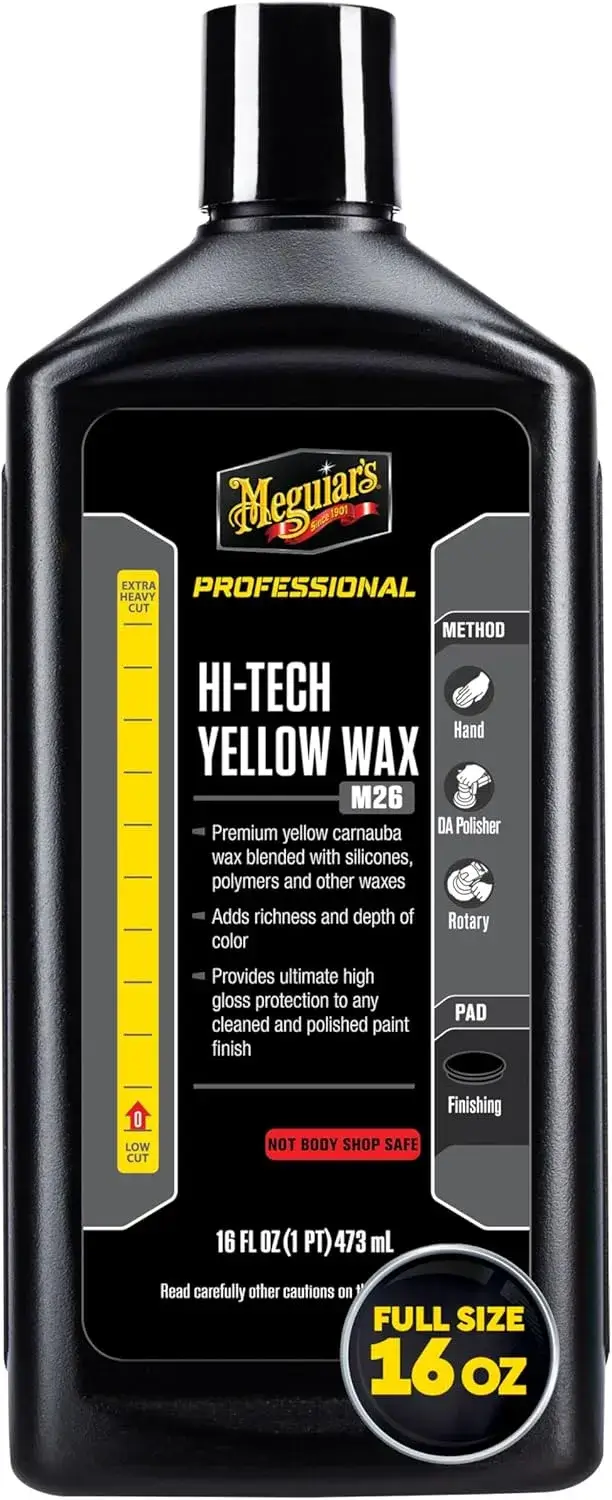
Image Source: Amazon
If you’re after that deep, show-quality shine, Meguiar’s Mirror Glaze M26 is a standout. It’s a premium carnauba blend that delivers rich gloss and warm glow without aggressive additives. Designed for professional detailers, it’s often used on high-end vehicles and freshly painted cars.
Why it’s great for fresh paint:
- Non-abrasive formula: Doesn’t contain any polishing compounds or cleaners.
- Safe for cured paint: Perfect for paint jobs that have passed the 30- to 90-day curing window.
- Excellent UV protection: Guards against sun damage and oxidation.
Application is smooth, with minimal effort required to buff off. The liquid formula makes it easy to spread evenly, and the results speak for themselves—deep reflections, brilliant shine, and a silky smooth finish.
One thing to note: it’s a bit more sensitive to temperature and humidity during application, so work in a shaded or cool area for the best results.
2. Chemical Guys Butter Wet Wax
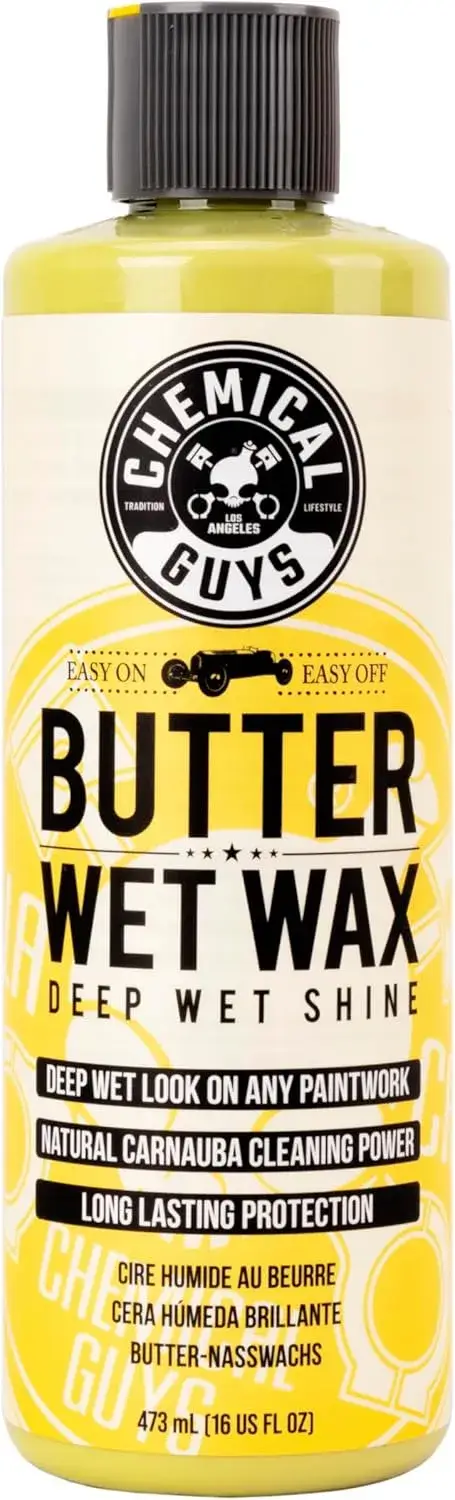
Image Source: Amazon
If you’re a fan of user-friendly products with eye-popping results, Butter Wet Wax from Chemical Guys is a winner. This liquid wax blends natural carnauba with synthetic polymers to create a “wet look” that really pops.
Why it works for new paint:
- No harsh cleaners or abrasives: Safe after the curing period.
- Fast application: Spread and buff in minutes.
- UV blockers included: Keeps paint looking newer, longer.
It’s called “butter” for a reason—the texture is smooth, creamy, and glides effortlessly onto the surface. Ideal for hand application, it’s gentle enough for sensitive paint while offering a noticeable gloss boost.
This wax is perfect for people who want frequent touch-ups without heavy effort. The shine it delivers is vivid and warm, though durability maxes out at about 6 weeks—more of a beauty wax than a long-term protectant.
3. P21S Carnauba Wax
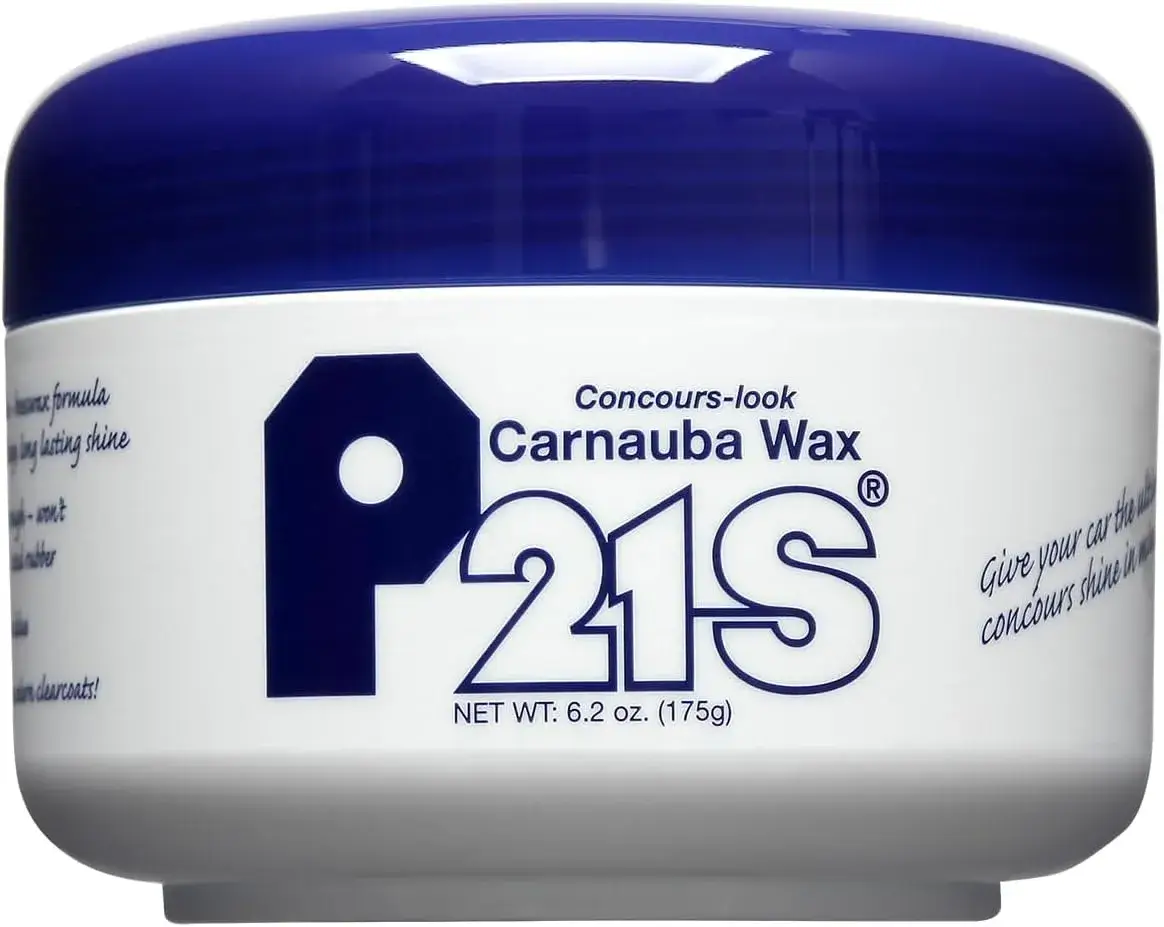
Image Source: Amazon
German engineering meets car detailing in P21S Carnauba Wax—a high-end paste wax made for enthusiasts who want the best. It uses pure Brazilian carnauba and beeswax to achieve an ultra-glossy, streak-free finish.
Why it’s a top choice for fresh paint:
- Zero chalky residue: Buffs clean, even on black cars.
- No dyes, perfumes, or abrasives: 100% paint-safe.
- Easy to apply and remove: Paste texture melts into the paint.
This wax is known for enhancing color depth, especially on darker vehicles. It’s not the most durable (lasting about 6–8 weeks), but it’s unmatched in terms of ease of use and appearance. If you’re prepping for a car show or weekend cruise, this is the wax to reach for.
4. Collinite No. 845 Insulator Wax
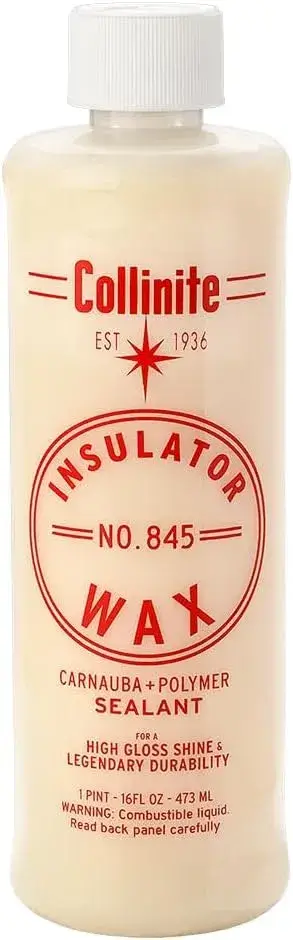
Image Source: Amazon
Don’t let the old-school packaging fool you—Collinite No. 845 is a beast in the world of car waxes. It’s technically a hybrid wax/sealant, offering exceptional durability with a carnauba-like glow.
What makes it safe for new paint?
- Low abrasiveness: Free from harsh cleaning agents.
- Works well after curing: Ideal once the 60–90 day wait is over.
- Extreme durability: Lasts up to 5 months, even in harsh conditions.
This wax is favored by those who need long-term protection without constant reapplication. It can be applied by hand or machine, and a little goes a long way. The liquid formula needs to be shaken well before use, but once applied, it buffs out like butter.
Note: Let your paint cure fully before using this product due to its hybrid nature.
5. Griot’s Garage Best of Show Wax
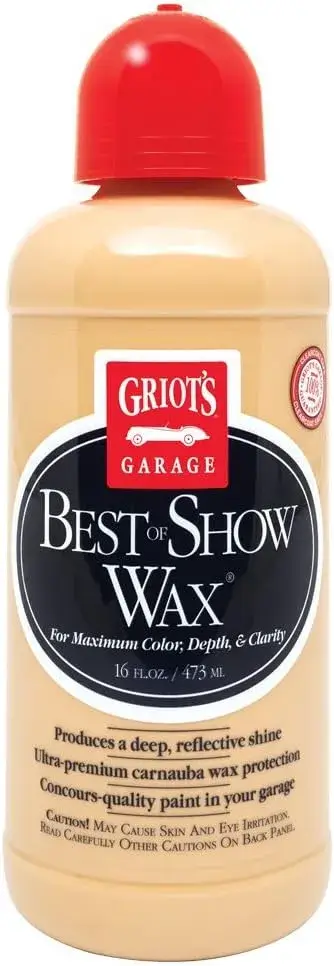
Image Source: Amazon
Another premium choice, Griot’s Garage Best of Show Wax, is ideal for detailers and DIYers alike who want professional results at home. It’s a pure carnauba blend enhanced for color richness and depth.
Highlights:
- No fillers or cleaners: Perfectly safe for cured fresh paint.
- High carnauba content: Intense shine and smooth finish.
- Easy hand application: Designed for enthusiasts with minimal equipment.
This wax is all about the finish—it brings out the true richness in paint colors, especially reds, blacks, and blues. While the durability isn’t the longest (about 6–8 weeks), the visual result is incredible.
Use this wax if you want your fresh paint to truly shine under the sun or show lights.
How to Properly Apply Wax on a Freshly Painted Car
Step-by-Step Preparation Guide
Before you break out the wax, prep is everything. Even on a freshly painted car, you’ll want a spotless surface to ensure the wax bonds well and looks its best.
Steps:
- Wait until curing is complete (30–90 days).
- Wash the car thoroughly using a pH-neutral soap and a microfiber wash mitt.
- Dry with a soft towel or blower—no rubbing or dragging cloth across the paint.
- Inspect for contaminants like tree sap, bird droppings, or water spots. These should be removed with a clay bar or appropriate cleaner only if paint is fully cured.
Never apply wax over dirt, water spots, or oily residues—it’ll trap them and cause dulling or uneven shine.
Tools You’ll Need
To wax a freshly painted car the right way, you’ll need:
- Soft foam or microfiber applicator pads
- High-quality microfiber towels (at least 500 GSM)
- Gentle, non-abrasive wax (from our top 5 list)
- Shaded area or garage
Avoid using rotary buffers or orbital polishers on new paint unless you’re a pro. Even soft pads can cause swirl marks on uncured or recently cured surfaces.
Waxing Techniques for a Flawless Finish
1. Use a small amount: A thin layer is more effective and easier to buff.
2. Apply in small sections: Work panel by panel, applying wax in straight lines—not circles.
3. Let it haze slightly: Most waxes will dry to a light haze in 5–10 minutes.
4. Buff with a clean towel: Use a dry, folded microfiber towel with minimal pressure.
5. Repeat if needed: Two thin coats are better than one thick coat.
Pro Tip: If the paint feels “grabby” during application, wait a bit longer or use a detail spray to lubricate.
Common Mistakes to Avoid
Waxing Too Soon
One of the biggest blunders car owners make is waxing too early. Even if your car looks showroom-ready, that glossy finish is deceiving. Beneath the surface, the paint is still curing—releasing solvents and hardening into its final form.
What happens if you wax too early?
- Trapped solvents: Wax can seal in outgassing fumes, leading to cloudy or bubbled paint.
- Surface hazing: Moisture and gases get stuck under the wax, dulling the shine.
- Premature paint failure: Over time, this can cause cracking, peeling, or discoloration.
Always follow the recommended wait time:
- 30 days for factory paint
- 60–90 days for body shop resprays
Yes, waiting can be frustrating—but it’s worth it for a flawless, long-lasting finish.
Using Abrasive Materials
Fresh paint is softer and more vulnerable than older, fully cured paint. Using the wrong towel, applicator, or product can lead to swirl marks, marring, and fine scratches.
Avoid:
- Terry cloth towels (too coarse)
- Dirty microfiber rags (can trap grit and scratch)
- Wax with polishing agents
- Foam pads designed for cutting or compounding
Stick to:
- Ultra-soft microfiber (500–700 GSM)
- Foam applicators meant for finishing
- Gentle, non-cleaner waxes
Treat your paint like glass—every stroke counts.
Skipping Prep Steps
You might think, “It’s new paint—why prep?” But even freshly painted cars can pick up dust, pollen, and airborne contaminants. Waxing over any dirt or residue will not only trap those imperfections but also reduce the wax’s bonding power.
Essential prep steps include:
- Gentle hand wash
- Careful drying
- Light surface inspection
You can also use a prep spray or IPA (isopropyl alcohol) wipe-down after curing to ensure a perfectly clean surface before applying wax.
DIY vs Professional Waxing
When to Go Pro
DIY waxing can be satisfying and cost-effective, but there are times when hiring a pro just makes more sense.
Consider professional waxing if:
- You’ve invested in a custom or high-end paint job
- You’re unsure about application technique
- You want long-lasting protection with ceramic or hybrid products
- Your garage or tools aren’t ideal for waxing
Detailers often use paint-safe techniques, soft pads, and premium products tailored for new paint. It’s not cheap, but it can save you from costly mistakes.
Cost Comparison
Here’s a breakdown of costs:
| Service/Product | DIY | Professional |
|---|---|---|
| Quality Wax | $20–$50 | Included in service |
| Applicators/Towels | $15–$30 | Included |
| Total Cost | ~$35–$80 | $100–$300 per session |
While DIY wins on price, professional services may include added value like paint inspection, minor correction, and high-end wax or sealant applications.
Quality and Longevity of Results
Professionals often achieve deeper gloss and better longevity, especially with layered applications or hybrid waxes. DIY results can be great too—if you use the right products and follow instructions.
In short: If you’re detail-oriented and enjoy car care, go DIY. If you want peace of mind and showroom quality, go pro.
Expert Tips for Long-Lasting Shine
Frequency of Waxing
For freshly painted cars, less is more in the beginning. After the paint has fully cured:
- Wax every 6–8 weeks if using carnauba
- Every 4–6 months for synthetic or hybrid waxes
Avoid over-waxing. Layering too much wax can cause hazing and reduce clarity.
Maintenance Tips Between Waxes
Keeping that glossy finish isn’t just about waxing—it’s about smart maintenance.
- Use a pH-balanced shampoo for washing.
- Dry with microfiber towels or air blowers to avoid marring.
- Touch up with spray wax or quick detailer every 2–3 weeks.
- Store indoors or use a cover if parked outside frequently.
These habits will extend the life of your wax and keep your fresh paint glowing like new.
Storage and Environmental Factors
Paint reacts to the environment even after it cures. Sun, rain, snow, and even pollution can break down wax and dull your paint faster.
Tips:
- Avoid parking under trees (sap and bird droppings are enemies)
- Rinse your car after heavy rains or snowfall
- Keep wax and detailing supplies in cool, dry places
Heat and cold can affect wax performance, so adjust your routine by season.
Eco-Friendly and Safe Wax Options
Biodegradable Waxes
Car care doesn’t have to harm the planet. Today, many brands offer biodegradable waxes made with:
- Natural oils
- Plant-based carnauba
- Eco-friendly packaging
These waxes break down safely and still deliver impressive results. Brands like Eco Touch, Ethos, and Adam’s Polishes offer great green options.
Cruelty-Free and Non-Toxic Brands
Many car waxes now come with ethical certifications. Look for:
- Cruelty-free logos
- No animal-derived ingredients
- Non-toxic and VOC-compliant formulas
These are safer for both your car’s fresh paint and your health. Plus, they’re ideal if you have pets or kids around the garage.
Myths About Waxing Freshly Painted Cars
Wax vs Sealant Myths
There’s a common myth that sealants are better for fresh paint. Not true—unless the paint has cured fully and the sealant is paint-safe. In fact, many sealants can block the outgassing process during curing, causing more harm than good.
Stick with breathable waxes first. Once your paint is fully set, then you can layer in a sealant or ceramic.
“The More the Better” Misconception
Another myth? That slathering on thick coats of wax gives more protection. In reality:
- Thin, even coats bond better
- Over-waxing causes buildup and streaks
- Two light coats are more effective than one thick one
It’s quality and technique that matter—not quantity.
Comparing Wax to Paint Sealants and Ceramic Coatings
Which Is Safer for Fresh Paint?
Wax wins this round. Paint sealants and ceramic coatings are incredible for durability, but they are not recommended for uncured paint. They form a hard barrier that can interfere with curing.
Wax (especially natural carnauba) is breathable and designed to enhance rather than seal too tightly.
Durability and Shine Comparison
Here’s a quick overview:
| Product | Durability | Fresh Paint Safe |
|---|---|---|
| Carnauba Wax | 1–2 months | Yes (after curing) |
| Synthetic Wax | 3–6 months | Yes (check label) |
| Paint Sealant | 6–12 months | No (until fully cured) |
| Ceramic Coating | 2–5 years | No (wait 60–90 days) |
Seasonal Considerations for Waxing
Summer Heat vs Winter Cold Waxing
Wax behaves differently depending on the weather:
- In heat: Wax can flash too quickly, making it hard to buff.
- In cold: Wax can harden unevenly or smear.
Ideal temperature range: 60°F to 80°F (15°C to 27°C). Always apply wax in the shade or a garage.
Humidity and Rain Effects
Humidity can affect curing time, drying, and removal. Always check the product label for humidity warnings. And never wax if rain is forecast within 24 hours.
Conclusion
Freshly painted cars deserve special care—and choosing the right wax can make or break your paint’s long-term beauty. Whether you go with a premium carnauba or a synthetic blend, the key is waiting until your paint cures, using gentle tools, and applying the wax properly.
With the right products and techniques, you’ll not only protect your investment but also enjoy a mirror-like shine that turns heads wherever you go.
FAQs
Can I wax my car a week after painting?
No. Wait at least 30 days for factory paint or 60–90 days for resprayed paint before waxing.
What’s the safest type of wax for new paint?
Pure carnauba or non-cleaner waxes that are labeled as safe for fresh paint are best.
Should I use a buffer or hand apply?
Hand application is safest. Buffers can create heat and swirls on soft, fresh paint.
Is wax better than ceramic coating for new paint?
For fresh paint, yes. Wax is breathable and safer during curing. Ceramic should be used only after the paint has fully hardened.
How often should I wax a freshly painted car?
Once the curing window is over, wax every 6–8 weeks for optimal shine and protection.