Introduction
Buying car accessories can feel like walking through a financial minefield. One product costs $10, while another version of the same thing costs $300. From budget phone mounts and seat organizers to premium dash cameras and luxury floor mats, drivers constantly face the same question: are expensive car accessories really better, or are you just paying for branding? The answer is not always straightforward. Some cheap car accessories offer incredible value and perform almost as well as premium alternatives, while others fail quickly and become frustrating money traps. On the flip side, certain expensive accessories genuinely improve safety, durability, comfort, and long-term vehicle protection, making them worth every dollar.
The growing automotive accessories market has made the decision even harder for car owners. Online stores are flooded with flashy gadgets, LED lighting kits, emergency tools, infotainment upgrades, and performance products all claiming to be “must-have” upgrades. Social media trends and influencer marketing also push drivers toward expensive purchases that may not actually improve the driving experience. That’s why understanding the real difference between cheap vs expensive car accessories is so important before spending your money.
Whether you drive a daily commuter, family SUV, sports car, or pickup truck, choosing the right accessories can save money, improve comfort, increase resale value, and even boost road safety. In this guide, you’ll discover which affordable accessories are surprisingly worth buying, which premium upgrades justify their price tags, and which overpriced products are simply marketing hype disguised as luxury.
Image Credit: AI Generated
Why Car Accessories Matter More Than Most Drivers Think
Car accessories are often treated like optional luxuries, the automotive equivalent of adding sprinkles to an already finished cake. But in reality, the right accessory can completely transform the driving experience. From improving safety and convenience to protecting the vehicle’s resale value, accessories quietly influence how enjoyable and practical a car becomes over time. Whether you drive a compact commuter car, a rugged pickup truck, or a luxury SUV, accessories shape the daily interaction between driver and machine more than many people realize.
The global automotive accessories market has exploded in recent years. According to industry reports, the market is expected to surpass hundreds of billions of dollars globally before the end of the decade. That growth isn’t just driven by car enthusiasts trying to customize their rides. Everyday drivers are investing in accessories that solve real-world problems. Think about it: a reliable phone mount prevents distracted driving, a dash camera can protect you in legal disputes, and quality floor mats can preserve the interior from years of wear and tear. These are not cosmetic changes they are practical investments.
There’s also a strong emotional component attached to vehicle personalization. Cars are deeply personal spaces. People spend hours commuting, traveling, and sitting in traffic, so naturally they want that environment to feel comfortable and efficient. Accessories allow drivers to tailor their cars to match their lifestyles. A parent may prioritize backseat organizers and tablet holders, while a rideshare driver may focus on seat protection and charging stations for passengers.
At the same time, the accessory market is filled with overpriced gimmicks and suspiciously cheap products that fail after a few weeks. That creates confusion for buyers. Is the expensive version truly better, or are you just paying for branding? Can a cheap accessory perform just as well as a premium one? Those are the questions that matter because spending wisely often has less to do with price and more to do with value over time.
The Growing Global Market for Vehicle Accessories
The automotive accessory industry has become a massive business because modern drivers expect more from their vehicles than ever before. Cars are no longer viewed simply as transportation tools. For many people, they function as mobile offices, entertainment spaces, family carriers, and road-trip companions. As those expectations rise, accessory manufacturers continue creating products that promise better convenience, style, and safety.
One major trend fueling growth is technology integration. Accessories like wireless charging pads, smart dash cameras, GPS tracking devices, and Bluetooth adapters have become extremely popular. Even older cars can feel modern with the right tech upgrades. That’s why budget-conscious drivers often choose accessories instead of upgrading to a newer vehicle. Spending a few hundred dollars on smart add-ons can make a five-year-old car feel surprisingly current.
Social media has also played a huge role in the accessory boom. Platforms like TikTok, YouTube, and Instagram constantly showcase car gadgets that appear life-changing in short videos. A glowing cup holder insert or a touch-screen multimedia upgrade suddenly becomes irresistible after seeing millions of views online. Some of these products genuinely improve usability, while others are mostly visual hype packaged with aggressive marketing.
Another important factor is the rise of e-commerce. Years ago, buying accessories usually meant visiting a dealership or auto parts store with limited inventory. Today, shoppers can compare thousands of products instantly across Amazon, eBay, Walmart, and specialty automotive websites. This increased competition has lowered prices on many products while simultaneously making premium accessories more accessible.
Still, the abundance of options creates a challenge. Consumers are flooded with choices ranging from ultra-cheap imports to premium name-brand products costing ten times more. Without understanding what affects quality, buyers can easily overspend or worse, purchase unsafe products that fail when needed most.
How Accessories Affect Comfort, Safety, and Resale Value
A good car accessory doesn’t just look attractive sitting in a product listing. It should improve the ownership experience in measurable ways. Comfort is one of the most obvious benefits. Something as simple as a high-quality seat cushion can dramatically reduce fatigue during long commutes. Drivers who spend multiple hours on the road each day often discover that ergonomic accessories are not luxuries at all they’re necessities.
Safety upgrades deserve even more attention. Dash cameras are a perfect example. Basic models may cost under $50, while premium systems can exceed $400 with cloud connectivity, night vision, and collision detection. In many accident disputes, dashcam footage becomes critical evidence. Suddenly, what once felt like an optional gadget turns into financial protection. Similarly, quality blind-spot mirrors, tire pressure monitoring systems, and emergency roadside kits can prevent dangerous situations.
Interior protection accessories also influence long-term resale value. Cheap universal floor mats might slide around and wear out quickly, while premium all-weather mats from trusted brands can preserve carpeting for years. Seat covers, trunk liners, and sunshades help maintain the vehicle’s condition, which matters significantly when selling or trading in the car later.
There’s also a hidden financial angle that many drivers overlook: cheap accessories often create replacement cycles. Buying a $10 phone charger every two months because it keeps failing eventually costs more than purchasing one durable, certified product from the beginning. This “buy cheap, buy twice” reality appears throughout the automotive accessory market.
That doesn’t mean expensive always equals better. Some premium accessories charge inflated prices purely because of branding or flashy packaging. The smartest buyers learn to identify where quality genuinely matters and where marketing is simply dressing up average products with luxury language.
Understanding the Difference Between Cheap and Expensive Accessories
The price gap between cheap and expensive car accessories can feel absurd sometimes. One seat cover costs $25 while another costs $400. One dash camera costs less than dinner at a restaurant while another rivals the monthly payment on a compact car. That leaves many drivers wondering whether expensive accessories truly offer meaningful advantages or whether they’re paying for fancy branding and social status.
In reality, the answer depends entirely on the category of accessory and how it’s used. Some products absolutely justify premium pricing because they involve safety, durability, or advanced technology. Others deliver nearly identical performance regardless of cost. Understanding this distinction is the key to spending intelligently rather than emotionally.
What Makes a Car Accessory “Cheap”?
Cheap accessories are usually defined by low manufacturing costs, basic materials, and mass production. Most inexpensive products are designed to attract impulse buyers who prioritize affordability above everything else. That doesn’t automatically make them bad. In fact, some low-cost accessories provide excellent value because the product itself is simple and doesn’t require premium engineering.
Take microfiber cleaning cloths as an example. A budget pack may perform almost identically to a luxury-branded version because the function is straightforward. The same logic applies to simple storage hooks, trash bins, or sunshades. Spending dramatically more doesn’t always create noticeable benefits.
The problem starts when cheap manufacturing affects reliability or safety. Low-cost charging adapters may overheat. Cheap adhesive phone mounts may fail during hot weather. Bargain tire inflators might stop working during emergencies. In these situations, low prices reflect compromises in materials, testing, or engineering quality.
Another common issue involves fit and compatibility. Ultra-cheap universal accessories often promise compatibility with “all vehicles,” but the actual experience may feel awkward or unstable. Premium manufacturers usually invest more in precise fitment, better installation hardware, and customer support.
Durability also separates budget and premium products. Cheap accessories frequently use thin plastics, weak stitching, or low-grade electronics that wear out quickly. They may look identical to expensive alternatives online, but daily use exposes the difference fast.
What Justifies Premium Pricing?
Premium accessories typically cost more because of better engineering, stronger materials, advanced features, and extensive testing. In some categories, that higher price genuinely improves performance and longevity. A high-end dash camera with Sony image sensors and cloud backup capabilities simply operates on a different level compared to a no-name budget model.
Brand reputation also matters more than many buyers realize. Established automotive accessory companies spend years building trust because failure damages their reputation. A recognized brand is often more likely to provide warranties, customer service, software updates, and product certifications.
Material quality plays a huge role too. Premium seat covers may use genuine leather or durable neoprene instead of thin synthetic fabric. Expensive floor mats often feature laser-measured fitment and waterproof materials that survive years of abuse. Better materials usually lead to better comfort and longevity.
There’s also the factor of research and development. High-end manufacturers invest heavily in testing products under extreme temperatures, vibrations, and long-term wear conditions. That testing process costs money but often results in accessories that perform reliably for years.
Still, not every expensive product deserves its price tag. Some brands rely heavily on image-based marketing. A glowing logo and luxury packaging can create the illusion of superior quality even when the product itself performs similarly to mid-range alternatives.
The smartest approach is to evaluate products based on function rather than prestige. Ask a simple question: does spending more solve a real problem, improve safety, or extend durability enough to justify the cost?
Cheap Accessories That Are Actually Worth Buying
One of the biggest misconceptions in the automotive world is that affordable automatically means low quality. While some bargain-bin products deserve their terrible reputation, there are plenty of inexpensive car accessories that deliver outstanding value without draining your wallet. The trick is knowing which products are simple enough that premium pricing adds very little real-world benefit. In these categories, spending modestly often makes far more sense than chasing luxury branding.
Many practical accessories rely on straightforward functionality rather than advanced engineering. A storage organizer either holds your items securely or it doesn’t. A sunshade either blocks heat or fails to do so. Once drivers understand where simplicity works in their favor, they can avoid wasting money on products that promise “premium experiences” while offering minimal actual improvement.
The smartest buyers focus on value-per-use instead of prestige. If a $20 accessory improves your daily driving routine every single day for years, it’s arguably a better purchase than an overpriced gadget that looks impressive online but rarely gets used. Affordable products can absolutely enhance convenience, comfort, and organization when selected carefully.
Phone Mounts and Charging Cables


![YRU True Military-Grade [360° Rotation Suction] 2026 Ultimate Car...](https://m.media-amazon.com/images/I/51LEZQzVMNL._AC_.jpg)
Phone mounts are one of the clearest examples of an accessory category where spending huge amounts of money often produces diminishing returns. Most drivers simply need a stable mount that holds the device securely without vibrating excessively or blocking visibility. Plenty of affordable models accomplish that job perfectly well for under $25.
The key difference is choosing practical designs over flashy gimmicks. A simple magnetic vent mount from a reputable budget brand may outperform an expensive robotic mount loaded with unnecessary moving parts. In fact, overly complicated mounts often fail faster because more mechanical components mean more opportunities for breakdowns. Reliability matters more than futuristic aesthetics when you’re navigating traffic or using GPS directions during a long trip.
Charging cables follow a similar pattern. Expensive luxury-branded cables frequently market themselves with dramatic promises about speed and durability, yet many mid-range certified cables deliver virtually identical charging performance. What truly matters is certification and build quality, not premium packaging. Braided cables with reinforced connectors tend to last longer regardless of branding.
Wireless charging pads are another area where affordable options have improved dramatically. Years ago, cheap wireless chargers overheated devices and charged painfully slowly. Today, many budget-friendly models support fast charging standards and include intelligent temperature control. Unless you specifically need ultra-fast premium charging ecosystems, affordable chargers can easily satisfy daily needs.
That said, drivers should still avoid the absolute cheapest electronic accessories from unknown sellers. Electrical failures inside vehicles are not worth the risk. The sweet spot usually exists in the middle ground products with strong reviews, basic certifications, and reliable customer feedback without inflated luxury pricing.
Seat Organizers and Storage Solutions

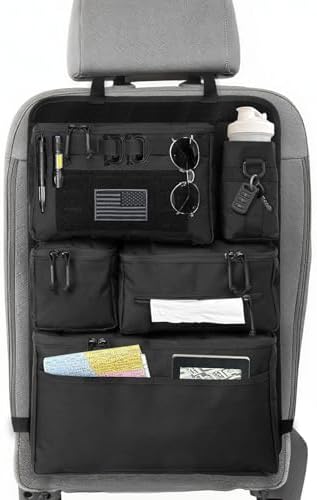
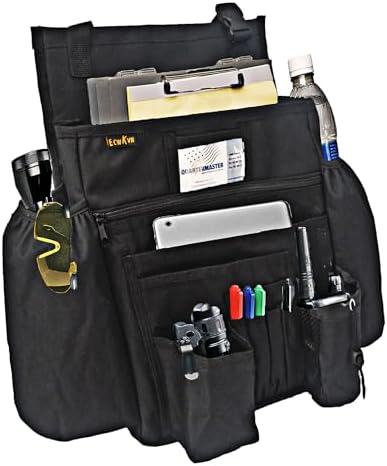
Car clutter builds up surprisingly fast. Water bottles roll under seats, charging cables tangle around gear shifters, receipts pile up in cup holders, and random items somehow multiply inside door compartments. This is why storage accessories remain some of the most practical low-cost upgrades available for any vehicle owner.
Affordable seat organizers can dramatically improve interior organization without requiring expensive customization. Many quality options cost less than a restaurant meal yet provide compartments for tablets, snacks, tissues, chargers, umbrellas, and small electronics. Families with children especially benefit from these accessories during road trips because they reduce chaos inside the cabin.
Trunk organizers are another underrated budget purchase. Groceries sliding across the cargo area may seem like a minor annoyance until a gallon of milk bursts open during a sharp turn. Foldable storage containers prevent items from shifting while keeping emergency supplies organized and accessible. Premium trunk systems certainly exist, but most drivers gain all the functionality they need from affordable collapsible organizers.
Small storage upgrades also improve the overall driving experience psychologically. A clean, organized cabin creates a calmer environment, especially during stressful commutes. It’s similar to working at a tidy desk versus sitting in clutter all day. The vehicle simply feels more comfortable and controlled.
Cheap doesn’t necessarily mean flimsy here either. Many budget organizers use surprisingly durable polyester fabrics, reinforced stitching, and waterproof coatings. Since these accessories don’t involve electronics or safety systems, there’s less risk associated with choosing economical options.
Air Fresheners and Interior Cleaning Tools

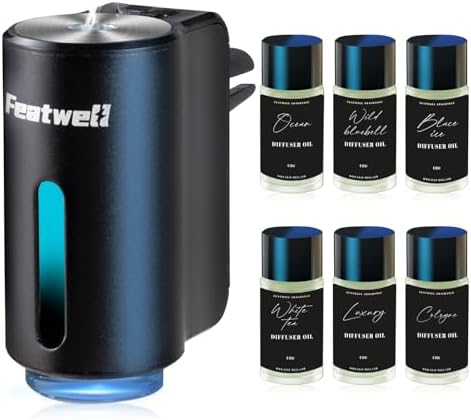

Few things destroy a driving experience faster than a bad-smelling interior. Whether it’s lingering fast-food odors, pet smells, gym bags, or moisture buildup, unpleasant cabin odors can make even expensive vehicles feel neglected. Fortunately, air fresheners remain one of the easiest categories where affordable products often perform just as effectively as premium alternatives.
Luxury automotive fragrance brands market elegant diffusers and designer scents at shockingly high prices, but many simple vent clips, hanging fresheners, and odor absorbers achieve similar freshness at a fraction of the cost. The biggest difference usually comes down to scent preference and longevity rather than dramatic performance improvements.
Interior cleaning tools also offer excellent value in the affordable market. Microfiber towels, detailing brushes, handheld dusters, and gel cleaners don’t need premium branding to work effectively. A well-maintained interior depends far more on consistency than expensive equipment. Regular quick cleanups with affordable tools often produce better results than occasional deep cleaning with costly detailing kits.
Portable mini vacuums have become especially popular among drivers who frequently eat inside their cars or travel with children and pets. While high-end detailing vacuums exist, many compact budget models provide enough suction power for routine maintenance. Keeping dirt and debris under control preserves upholstery quality and improves the overall atmosphere inside the vehicle.
The same principle applies to windshield cleaning tools and dashboard protectants. Mid-range products from trusted brands usually strike the best balance between effectiveness and affordability. Paying triple the price for “luxury” interior wipes rarely creates a noticeably cleaner dashboard.
Expensive Accessories That Deliver Real Value
While some affordable accessories provide excellent performance, there are categories where spending more genuinely makes sense. These are usually products tied directly to safety, durability, long-term protection, or advanced technology. In these areas, premium engineering often delivers noticeable improvements that justify the additional cost.
Drivers sometimes make the mistake of applying the same buying strategy to every accessory category. They assume all products are equally interchangeable, but that approach can backfire badly. A cheap cup holder insert failing is merely annoying. A low-quality tire or defective dash camera failing during a critical moment can become dangerous or financially devastating.
Expensive accessories earn their value when they improve reliability, longevity, or protection in meaningful ways. Instead of focusing solely on upfront cost, smart buyers evaluate the total ownership experience over several years.
Advanced Dash Cameras


Dash cameras have evolved from niche gadgets into mainstream safety tools. Basic models can record footage reasonably well during daytime driving, but premium dash cameras offer major advantages that become incredibly important during accidents or insurance disputes.
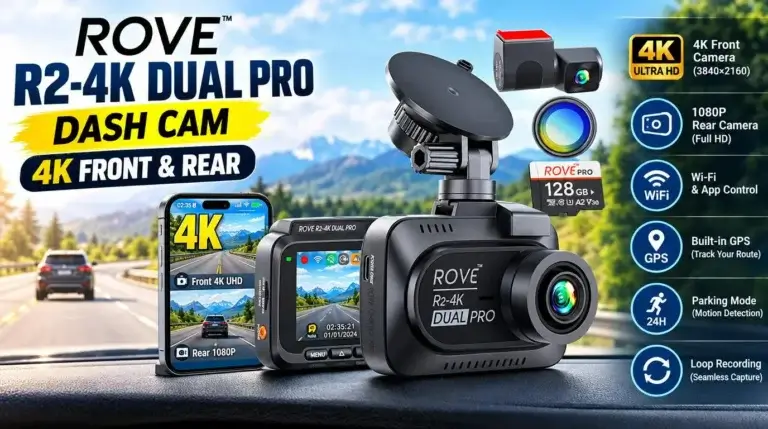
High-end dashcams typically include superior image sensors, wider dynamic range, better nighttime clarity, GPS tracking, cloud storage, parking surveillance, and impact detection. These features are not marketing fluff they directly improve the camera’s ability to capture usable evidence under difficult conditions.
Imagine being involved in a nighttime collision where the cheap dashcam records blurry, unreadable footage while a premium model clearly captures license plates and traffic signals. That difference alone could determine insurance outcomes or legal liability. Suddenly, the higher price feels less like a luxury and more like protection.
Premium dash cameras also tend to survive extreme temperatures better. Vehicles parked under intense summer heat place tremendous stress on electronics. Cheap dashcams often fail due to battery swelling or internal overheating after prolonged exposure. High-quality models are usually designed with heat-resistant capacitors and better thermal management systems.
Cloud-enabled dashcams add another layer of security. Some premium systems upload footage automatically, allowing drivers to access recordings remotely or preserve evidence even if the camera itself is damaged or stolen. For rideshare drivers and frequent commuters, these features can provide substantial peace of mind.
According to multiple automotive safety studies, dashcam adoption continues rising globally because drivers increasingly recognize their legal and financial value. In some insurance cases, recorded evidence can speed up claims processing dramatically.
High-End Tires and Performance Wheels


If there’s one area where drivers should never blindly chase the cheapest option, it’s tires. Tires are literally the only contact points between the vehicle and the road. They influence braking distance, traction, cornering stability, fuel efficiency, ride comfort, and overall safety.
Premium tires consistently outperform cheap alternatives in critical situations. Independent testing by organizations like Tire Rack and Consumer Reports repeatedly shows significant differences in wet braking performance between budget and premium tire brands. In emergency braking scenarios, a few extra feet of stopping distance can mean the difference between a close call and a serious collision.
High-end tires also tend to provide better longevity and noise reduction. While budget tires may wear unevenly or become loud over time, premium compounds and tread designs maintain performance more consistently throughout the tire’s lifespan. That often offsets some of the higher initial cost.
Performance wheels can also deliver practical advantages beyond aesthetics. Quality lightweight wheels improve handling responsiveness and reduce unsprung weight, potentially enhancing ride quality and fuel economy. Cheap replica wheels, on the other hand, may crack under pothole impacts or develop balance issues.
Many drivers underestimate how dramatically tires affect driving confidence. Good tires make vehicles feel more stable during rainstorms, smoother on highways, and more predictable during sudden maneuvers. This is one category where paying more usually translates directly into measurable real-world benefits.
Premium Seat Covers and Interior Protection


Cheap seat covers often create more frustration than protection. They slide constantly, trap heat, wrinkle badly, and wear out quickly. Premium seat covers, however, can transform the cabin while preserving the original upholstery for years.
High-end materials like neoprene, leatherette, or genuine leather offer superior durability and comfort compared to thin universal fabrics. Custom-fit designs also matter enormously. Instead of looking loose and awkward, premium covers fit tightly around seats like factory upholstery. This creates a cleaner appearance while maintaining access to airbags and seat controls safely.
Interior protection becomes especially valuable for drivers with children, pets, or active lifestyles. Muddy shoes, spilled drinks, pet claws, and intense sunlight can destroy factory interiors surprisingly fast. Quality protection accessories help preserve resale value significantly over time.
Premium floor mats deserve similar attention. Laser-measured all-weather mats trap water, dirt, snow, and debris far more effectively than cheap universal mats. They also stay securely in place instead of sliding under pedals a surprisingly important safety consideration.
For drivers planning to keep their vehicles long term, investing in durable interior protection often saves money later by preventing costly upholstery restoration or carpet replacement.
Car Accessories Where Spending More Is a Waste
Not every expensive accessory deserves admiration. In fact, some of the automotive industry’s most overpriced products deliver very little real-world improvement despite flashy advertisements and luxury branding. This is where many car owners lose money not because they buy accessories, but because they assume higher prices automatically equal higher value.
The truth is that some products exist mainly to trigger emotional buying decisions. They look futuristic in promotional photos, sound impressive in online videos, and create the illusion of exclusivity. But after the excitement fades, many drivers realize those expensive upgrades barely improve the driving experience at all. Some even become annoying after a few weeks of use.
Understanding which accessories fall into this “overpriced” category can save hundreds or even thousands of dollars. Instead of chasing cosmetic hype, smart buyers focus on products that genuinely improve safety, comfort, durability, or convenience.
Luxury LED Interior Lighting Kits


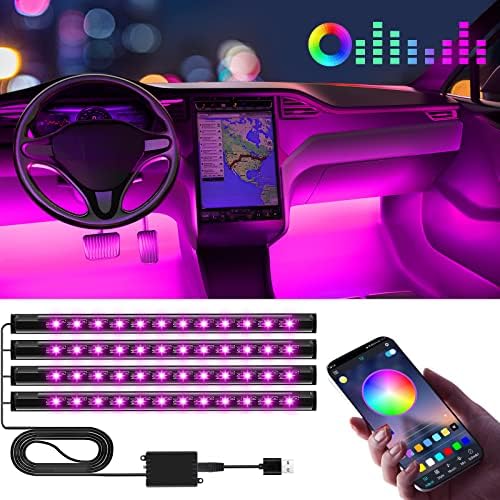
LED lighting kits have exploded in popularity over the last decade. Social media videos constantly showcase glowing interiors with customizable colors synchronized to music or smartphone apps. While ambient lighting can certainly add personality to a vehicle, the premium pricing attached to some systems is often difficult to justify.
Many expensive lighting kits charge enormous markups for features most drivers barely use after the first month. At first, changing cabin colors through an app sounds exciting. Drivers experiment with purple lighting, animated color patterns, and nightclub-style effects. But eventually, most settle on a single color or disable the lights entirely because constant glowing becomes distracting during nighttime driving.
The reality is that affordable LED kits now offer surprisingly similar performance. Basic systems provide adjustable brightness, multiple colors, USB power compatibility, and easy installation for a small fraction of the cost. Since LED strips themselves are relatively inexpensive technology, huge price differences often reflect branding and marketing rather than dramatic improvements in function.
Another issue with ultra-premium lighting kits is installation complexity. Some require professional wiring or modifications to factory electrical systems, increasing total ownership costs substantially. Drivers may spend hundreds of dollars chasing an aesthetic upgrade that passengers barely notice.
There’s also the risk of creating an interior that feels visually cluttered or cheap rather than luxurious. Subtle factory-style lighting can look elegant, but excessive aftermarket illumination sometimes resembles a gaming setup more than a refined vehicle cabin.
This doesn’t mean ambient lighting is useless. It simply means buyers should approach the category realistically. Spending modestly usually delivers the same visual impact without unnecessary financial regret.
Overpriced Badge Kits and Cosmetic Upgrades
Automotive branding carries emotional power. Manufacturers understand that drivers often associate logos, emblems, and visual upgrades with identity and status. This psychological connection fuels an enormous market for cosmetic accessories that offer little practical benefit despite premium pricing.
One common example is aftermarket badge kits. Some drivers pay significant amounts for illuminated logos, blacked-out emblem packages, or fake performance branding. Yet these upgrades rarely improve functionality, resale value, or driving enjoyment. In some cases, fake performance badges can even make enthusiasts view the vehicle negatively rather than admiring it.
Expensive carbon-fiber-style trim pieces also fall into this category. Real carbon fiber has legitimate performance applications in motorsports because it reduces weight while maintaining strength. But many aftermarket interior kits simply use plastic overlays with printed carbon patterns. Drivers end up paying luxury prices for decorative plastic that changes nothing about vehicle performance.
Chrome accessories present another questionable investment. Chrome mirror covers, door handle trims, and decorative vents may look appealing online, but they often age poorly. Exposure to weather, sunlight, and road debris can cause peeling, fading, or discoloration over time. Once that happens, the vehicle can actually appear less refined than before the accessory was installed.
Large rear spoilers represent another area where aesthetics often overpower practicality. Unless the car is genuinely designed for high-speed aerodynamic performance, many oversized spoilers serve little purpose beyond visual drama. Some may even reduce visibility or create additional wind noise during daily driving.
The automotive accessory industry thrives on emotional marketing. Companies know drivers enjoy making their vehicles feel unique. There’s nothing wrong with personalization, but buyers should recognize when they’re paying primarily for appearance rather than actual improvement.
Accessories You Should Never Buy Cheap
While some affordable products deliver excellent value, certain accessory categories should never be approached with a “lowest price wins” mentality. These are products tied directly to safety, emergency preparedness, or critical vehicle functions. In these situations, cheap manufacturing can create serious consequences far beyond simple inconvenience.
Many drivers unknowingly prioritize aesthetics over reliability. They’ll spend heavily on cosmetic upgrades while cutting corners on emergency tools or safety equipment. That imbalance becomes dangerous when low-quality products fail during high-stress situations where reliability matters most.
The goal isn’t to buy the most expensive product automatically. Instead, it’s about understanding where quality and engineering genuinely matter enough to justify additional spending.
Brake Components and Safety Gear
Brake-related accessories and safety equipment should always receive careful attention because failures in these areas can directly endanger lives. Cheap brake pads, poorly manufactured rotors, and low-quality replacement components may appear financially attractive initially, but they often compromise stopping performance, durability, and heat resistance.
Independent automotive testing consistently shows major performance differences between bargain brake components and reputable premium brands. Cheap pads may produce excessive brake fade during repeated stops, generate loud noise, or wear unevenly. More importantly, low-quality braking systems can increase stopping distances during emergencies.
The same caution applies to accessories like tire pressure gauges, portable inflators, blind-spot mirrors, and emergency warning lights. Inaccurate readings or equipment failures create risks that far outweigh any upfront savings.
Roadside emergency kits are another category where quality matters immensely. Some ultra-cheap kits include flimsy jumper cables, weak flashlights, and poorly made tools that break under pressure. A roadside emergency is the worst possible moment to discover that your equipment was built with low-grade materials.
Fire extinguishers deserve special mention as well. Vehicle fires may be rare, but they happen quickly and escalate fast. Cheap extinguishers from questionable manufacturers may fail due to leakage, defective valves, or poor pressure retention. Trusted certified brands provide significantly better reliability.
There’s a simple principle many experienced drivers follow: if an accessory could impact survival, accident prevention, or emergency response, quality should always outrank bargain pricing.
Jump Starters and Emergency Equipment
Portable jump starters have become incredibly popular because modern lithium battery technology allows compact devices to restart vehicles without needing another car. However, quality differences in this category are enormous.
Cheap jump starters often exaggerate their power ratings dramatically. Some struggle to restart even small engines despite bold marketing claims. Worse, low-quality lithium batteries may overheat, lose capacity rapidly, or fail unexpectedly after sitting unused for long periods.
Premium jump starters usually include advanced safety protections like reverse polarity detection, spark-proof clamps, overcharge prevention, and temperature monitoring. These features matter because improper battery boosting can damage vehicle electronics or create dangerous sparks.
Reliability becomes even more important during harsh weather conditions. Cold temperatures place enormous stress on batteries, and emergency devices must function consistently when needed most. High-quality jump starters tend to maintain charge better over time and operate more reliably in extreme environments.
Portable air compressors face similar issues. Bargain inflators often overheat quickly, provide inaccurate pressure readings, or fail during extended use. A premium portable compressor may cost more initially but can last years while delivering dependable performance during roadside emergencies.
Another overlooked category involves emergency escape tools. Window breakers and seatbelt cutters should never be purchased purely based on price. During accidents involving water submersion or jammed seatbelts, these tools can become lifesaving devices. Cheap materials and weak construction are unacceptable in such situations.
The broader lesson is simple: emergency equipment exists for rare but critical moments. Drivers may not use these accessories frequently, but when they do, failure is not an option.
The Psychology Behind Expensive Car Accessories
Car accessories are not purchased purely through logic. Emotions play a massive role in automotive spending decisions, often more than drivers realize. Vehicles represent freedom, identity, personality, and achievement for many people. Because of that emotional connection, accessory companies frequently market products using psychological triggers rather than objective performance data.
Understanding these psychological influences helps buyers make smarter financial decisions. Instead of reacting emotionally to branding or social pressure, drivers can evaluate products based on actual usefulness and long-term value.
Status Symbols vs Practical Upgrades
For decades, cars have functioned as social signals. Certain vehicles communicate wealth, performance, adventure, or luxury before the driver even speaks. Accessories extend that signaling behavior by allowing owners to personalize and visually upgrade their vehicles.
Some expensive accessories exist primarily to project status rather than improve functionality. Oversized wheels, illuminated logos, designer shift knobs, and luxury trim packages often fall into this category. They create visual impact and exclusivity but may provide little measurable improvement in comfort or driving performance.
There’s nothing inherently wrong with enjoying aesthetic upgrades. Personal expression is part of car culture. Problems arise when drivers confuse status spending with practical value. Spending thousands on cosmetic upgrades while neglecting tires, maintenance, or emergency equipment creates an imbalance that prioritizes image over substance.
Practical upgrades tend to feel less glamorous initially but deliver greater long-term satisfaction. High-quality floor mats, ergonomic seat cushions, reliable dashcams, and premium tires may not attract attention in parking lots, but they improve daily ownership experiences consistently.
Psychologists often describe this phenomenon as “hedonic adaptation.” Flashy upgrades create temporary excitement that fades quickly, while functional improvements continue delivering benefits long after the novelty disappears.
Marketing Tactics That Influence Buyers
The automotive accessory industry uses highly sophisticated marketing strategies designed to trigger emotional buying decisions. Product descriptions frequently emphasize words like “premium,” “elite,” “performance-inspired,” or “luxury-grade” even when products differ minimally from cheaper alternatives.
Social media influencers amplify this effect dramatically. A stylish video showcasing glowing interiors, custom trim kits, or futuristic gadgets can create intense impulse-buying urges. Viewers imagine their own vehicles transformed instantly, often without considering practicality or long-term satisfaction.
Scarcity tactics also influence buyers heavily. Limited-edition accessories, countdown timers, and exclusive launch promotions encourage rushed decisions driven by fear of missing out. These strategies reduce the likelihood that consumers will compare products carefully before purchasing.
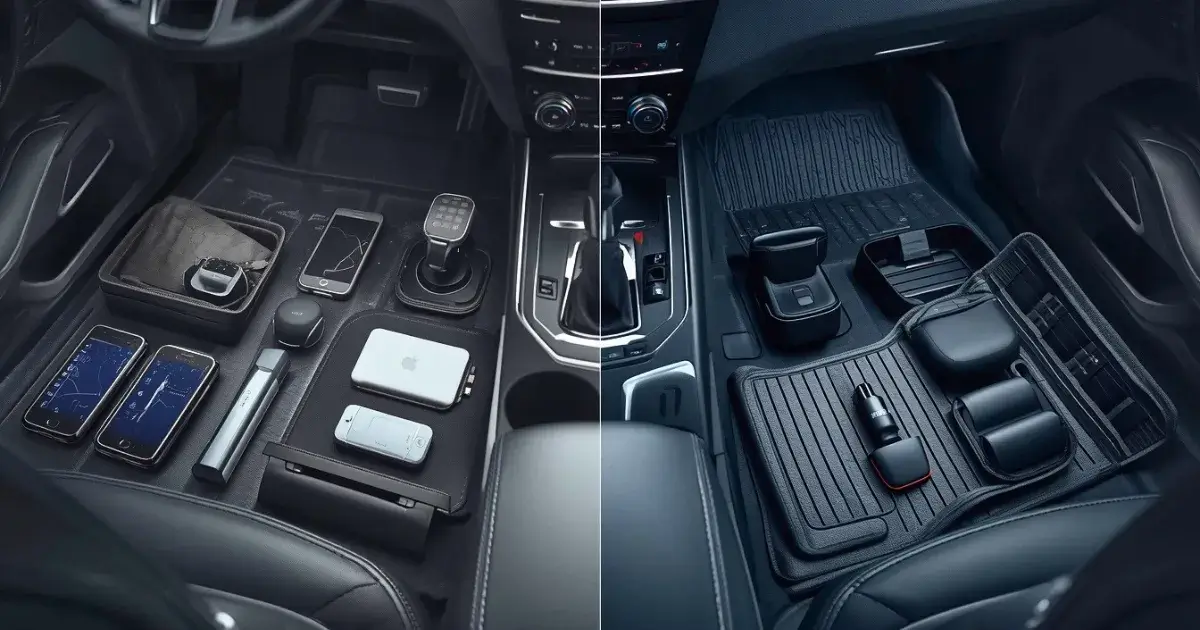
Another common tactic involves visual comparison photography. Advertisements frequently show dirty, outdated interiors beside upgraded accessories under dramatic lighting conditions. This creates the impression that accessories produce revolutionary transformations, even when real-world differences are subtle.
Premium pricing itself can also manipulate perception. Studies in consumer psychology consistently show that people often assume expensive products are superior before testing them objectively. Accessory manufacturers understand this and sometimes inflate pricing deliberately to create perceptions of exclusivity and quality.
Smart buyers counter these tactics by focusing on independent reviews, long-term durability reports, warranty coverage, and real-world functionality instead of emotional marketing language.
Smart Shopping Tips for Car Owners
Buying car accessories intelligently is less about finding the absolute cheapest product and more about identifying the best long-term value. Many drivers either overspend on unnecessary premium upgrades or waste money repeatedly replacing low-quality products that fail too quickly. The smartest approach sits somewhere in the middle: focus on durability, practicality, safety, and realistic everyday use.
A good accessory should solve a real problem, improve convenience, enhance safety, or preserve the vehicle’s condition. If a product only creates short-term excitement without meaningful long-term benefit, it’s probably not worth stretching your budget for. Drivers who approach shopping strategically often end up spending less overall because they avoid constant replacement cycles and impulse purchases.
Another important factor is understanding your actual driving habits. Someone commuting 90 minutes daily has very different accessory needs than someone who only drives occasionally on weekends. Tailoring purchases to your lifestyle prevents wasteful spending on trendy products that rarely get used.
How to Compare Quality Before Buying
One of the easiest ways to avoid disappointment is learning how to evaluate product quality beyond flashy advertisements. Marketing photos can make nearly any accessory appear premium, but real-world durability tells the true story. This is where customer reviews become extremely valuable especially long-term reviews written after months of usage rather than first impressions posted immediately after delivery.
Pay close attention to recurring complaints. If dozens of buyers mention overheating electronics, weak adhesive, fading materials, rattling parts, or poor fitment, those issues are probably legitimate. Consistent praise regarding durability and reliability also matters more than exaggerated excitement about appearance.
Materials provide another major clue about quality. Thick rubber, reinforced stitching, aluminum components, heat-resistant plastics, and weatherproof coatings generally indicate better construction than thin brittle materials. Product descriptions should clearly explain specifications rather than hiding behind vague luxury buzzwords.
Warranty coverage can reveal a lot about manufacturer confidence too. Brands willing to provide multi-year warranties usually expect their products to last. Companies offering little or no warranty protection may already anticipate higher failure rates.
Compatibility research is equally important. Many buyers rush into purchases without confirming whether accessories fit their specific vehicle properly. Universal-fit products often create disappointing experiences because “universal” usually means “compromised.” Vehicle-specific accessories typically provide cleaner installation, better usability, and improved durability.
Video reviews help tremendously when evaluating moving parts or electronics. Watching products operate in real-world conditions reveals details that static photos cannot capture. You can often identify poor build quality immediately through rattling noises, unstable mounting, or sluggish operation.
Price comparison tools also prevent unnecessary overspending. Identical accessories are frequently sold under different branding at wildly different prices across online marketplaces. A quick comparison search can uncover substantial savings without sacrificing quality.
Best Places to Find Deals on Reliable Accessories
Finding reliable accessories at reasonable prices has become easier than ever thanks to online marketplaces and automotive specialty retailers. However, the sheer number of sellers creates new challenges because counterfeit products and misleading listings have become increasingly common.
Large platforms like Amazon, Walmart, and eBay offer massive selection and competitive pricing, but buyers should still research sellers carefully. Verified reviews, seller ratings, and detailed product photos help separate trustworthy listings from low-quality knockoffs. Products sold directly by reputable manufacturers or authorized dealers generally carry lower risk.
Automotive specialty retailers often provide better technical support and product expertise compared to general marketplaces. Stores focused specifically on car accessories usually stock higher-quality brands and provide more accurate fitment information. While prices may occasionally be slightly higher, the reduction in compatibility problems and return headaches often makes the experience worthwhile.
Seasonal sales present another excellent opportunity to save money. Black Friday, end-of-year clearance events, and holiday promotions frequently offer major discounts on premium accessories. Patient shoppers can sometimes purchase high-end products at mid-range prices simply by waiting for the right timing.
Local auto parts stores still offer advantages too, especially for emergency items or products requiring immediate installation. Being able to physically inspect materials before purchasing reduces the risk of disappointment. Some stores also provide installation assistance or valuable product recommendations based on vehicle type.
Warehouse clubs and wholesale retailers occasionally surprise buyers with excellent accessory deals as well. Items like floor mats, emergency kits, phone mounts, and portable compressors sometimes appear at significantly reduced prices compared to specialty retailers.
Drivers should also consider refurbished or open-box accessories for electronics like dashcams or infotainment upgrades. Reputable refurbishing programs often include warranties while reducing costs substantially.
Conclusion
The debate between cheap and expensive car accessories doesn’t have a universal answer because value depends entirely on the product category and intended use. Some affordable accessories perform so well that spending extra money offers little real-world advantage. Others justify premium pricing through superior durability, safety, technology, or long-term reliability.
The smartest car owners avoid extremes. They don’t blindly chase the cheapest products, but they also resist marketing tactics designed to equate luxury pricing with automatic superiority. Instead, they evaluate accessories based on practicality, performance, longevity, and everyday usefulness.
Affordable products often shine in simple categories like storage organizers, air fresheners, phone mounts, and cleaning tools. These accessories rely on basic functionality rather than advanced engineering, making premium pricing less necessary. Spending modestly here usually delivers excellent value.
Premium spending makes far more sense for safety-related products and long-term protective upgrades. Tires, dash cameras, emergency equipment, brake components, and durable interior protection accessories can dramatically influence driving safety, comfort, and resale value. In these categories, quality differences become very noticeable over time.
The automotive accessory market thrives because drivers naturally want to improve and personalize their vehicles. There’s nothing wrong with enjoying cosmetic upgrades or stylish additions. Problems only arise when emotional marketing replaces rational decision-making.
A well-chosen accessory should make driving easier, safer, cleaner, more comfortable, or more enjoyable consistently not just during the first week after installation. Drivers who focus on long-term satisfaction instead of impulse buying usually end up with vehicles that feel better equipped without unnecessary financial waste.
At the end of the day, the best accessory purchases are not always the cheapest or the most expensive. They are the ones that continue proving their value every time you get behind the wheel.
FAQs
1. Are expensive car accessories always better than cheap ones?
No. Some expensive accessories genuinely provide better durability, safety, or advanced features, especially products like tires, dash cameras, and emergency equipment. However, many simple accessories such as storage organizers or cleaning tools perform perfectly well at affordable prices. The key is understanding where premium quality truly matters.
2. Which car accessories should never be bought cheaply?
Drivers should avoid buying extremely cheap safety-related accessories including brake components, tires, jump starters, emergency kits, fire extinguishers, and portable air compressors. Failures in these categories can create serious safety risks or financial problems.
3. What are the best budget-friendly car accessories?
Some of the best affordable accessories include phone mounts, microfiber cleaning kits, trunk organizers, seat organizers, air fresheners, sunshades, and charging cables from reputable mid-range brands. These products usually provide excellent everyday convenience without requiring premium pricing.
4. Do premium car accessories increase resale value?
Certain premium accessories can help preserve or slightly improve resale value, especially high-quality floor mats, seat covers, dash cameras, and interior protection products. Cosmetic modifications, however, rarely increase resale value and may even reduce buyer interest depending on taste.
5. How can I tell if a car accessory is worth the money?
Focus on durability, customer reviews, warranty coverage, material quality, and real-world usefulness. Ask whether the accessory improves safety, comfort, convenience, or long-term vehicle protection enough to justify the price. Avoid making decisions purely based on branding or flashy marketing.