
Introduction
You know that frustrating moment when you glance at your car, bathroom mirror, or kitchen faucet and see those pesky white rings or cloudy marks staring back at you? Yep those are water spots. They appear when water evaporates and leaves behind mineral deposits like calcium and magnesium. These little culprits might seem harmless at first, but left unchecked, they can turn your shiny surfaces dull and even cause permanent etching. The good news? You don’t need expensive cleaners or hours of scrubbing to get rid of them. In fact, with the right tricks, you can say goodbye to water spots in less than five minutes!
This guide will show you exactly how to remove water spots from different surfaces quickly, safely, and effectively. We’ll walk through practical steps using everyday household items, plus a few pro hacks to make your cleaning routine easier than ever. By the end, you’ll have spotless, gleaming surfaces and a few new cleaning secrets up your sleeve.
Understanding Water Spots
Water spots form when droplets of hard water dry up and leave mineral deposits behind. Hard water is rich in calcium, lime, and magnesium minerals that love to cling to surfaces. When the water evaporates, it doesn’t take the minerals with it. Instead, it leaves them as little crusty spots that can dull your car paint, glass windows, stainless steel, and even tiles.
The level of hardness in your water depends on where you live. Some areas have higher mineral content than others, meaning your shower door or car might get spotted faster than someone else’s. Over time, these deposits can actually bond with the surface, making them harder to remove if you wait too long. That’s why quick action is key you can literally save hours of cleaning later by spending five minutes now.
You might not realize it, but even rainwater can cause water spots. When rain picks up dust, pollution, or minerals from the air, it can dry and leave stains behind. That’s especially true for cars parked outdoors. Understanding what causes these spots is the first step to knowing how to get rid of them fast.
Types of Water Spots
Not all water spots are created equal. Some are surface-level and easy to wipe away, while others dig in deep and require a bit more effort. Let’s break it down:
- Type 1: Mineral Deposit Spots: These are the most common. They sit on top of the surface and can usually be wiped away with a simple acid-based cleaner like vinegar.
- Type 2: Bonded Mineral Spots: These happen when water spots sit too long and begin to adhere to the surface. They need a bit more scrubbing or a dedicated water spot remover.
- Type 3: Etched Spots: These are the stubborn ones. The minerals actually etch into glass or paint, leaving permanent marks if untreated. These might require polishing or professional help.
Knowing which type you’re dealing with will help you choose the right cleaning method. For example, if your car paint looks hazy after washing, that’s a sign of bonded or etched spots. But if your bathroom mirror just looks dotted after a shower, a quick vinegar wipe should fix it instantly.
Why You Should Act Fast
When it comes to water spots, time isn’t your friend. The longer those mineral deposits sit on a surface, the more stubborn they become. Think of it like spilled coffee on a white shirt if you catch it immediately, it wipes off easily, but if you let it dry, you’re in for a battle. The same rule applies to water spots.
Hard water minerals like calcium, lime, and magnesium slowly bond to the surface they’re on. Over time, they can eat into paint, dull glass, and even corrode metal finishes. On car paint, they can ruin that glossy finish you worked so hard to maintain. On shower doors, they leave behind that cloudy, chalky film that makes even a clean bathroom look dirty. And on kitchen faucets, they can cause discoloration that no amount of scrubbing seems to fix.
Acting fast means you’re cleaning while the minerals are still sitting loosely on the surface before they get the chance to “bake” in. A simple vinegar spray or quick wipe-down after water exposure can save you from hours of frustration later. If you’re cleaning your car, for instance, never let water dry naturally. Always dry it with a clean microfiber towel to avoid spotting. If you’re in the bathroom, keep a squeegee handy to wipe down glass doors after each shower. These small steps, done right away, can make all the difference between a quick fix and a long cleaning session.
Essential Tools and Supplies
Here’s the good news you don’t need fancy, expensive cleaning products to get rid of water spots in under five minutes. Most of what you need is probably already in your kitchen or bathroom cabinet. Let’s look at the essentials:
- White Vinegar: The MVP of natural cleaning. Its mild acidity breaks down mineral deposits without harming most surfaces.
- Baking Soda: A gentle abrasive that can help lift stubborn spots without scratching.
- Lemon Juice: Naturally acidic and smells great! Perfect for glass and chrome.
- Microfiber Cloths: Always use these for wiping they’re soft, non-abrasive, and trap dirt effectively.
- Spray Bottle: For evenly applying your cleaning solution.
- Soft Sponge or Non-Scratch Pad: For buffing away tough spots.
- Water (Preferably Distilled): To rinse away any residue after cleaning.
If you prefer store-bought cleaners, look for ones labeled “water spot remover,” “lime remover,” or “hard water stain cleaner.” These are specially formulated to dissolve mineral deposits fast.
What Not to Use:
Avoid harsh chemicals like bleach or ammonia-based glass cleaners they can react with minerals and make things worse. Also, never use rough scrub pads or steel wool on delicate surfaces like car paint or glass; you’ll end up scratching instead of cleaning.
The trick is to keep these tools handy so you can tackle water spots immediately. Set up a small “quick clean” basket with vinegar spray, cloths, and a sponge. That way, you can grab it the second you notice a spot no excuses.
Quick 5-Minute Water Spot Removal: Step-by-Step Guide
Ready to tackle those spots? Here’s your foolproof 5-minute plan that works on most surfaces.
Step 1: Gather Your Materials
Grab your spray bottle filled with equal parts white vinegar and water, a microfiber cloth, and a sponge. If you’re dealing with glass or chrome, you can also add a squeeze of lemon juice for extra shine.
Step 2: Apply the Cleaner
Spray the affected area generously. You don’t need to drown it just make sure the spots are well covered. Vinegar works by dissolving mineral buildup, so even a light coat can do wonders.
Step 3: Let It Sit Briefly
Give it about 30 to 60 seconds to work its magic. This short wait time helps loosen up the minerals. For tougher spots, you can let it sit for up to two minutes.
Step 4: Wipe or Buff Away
Take your microfiber cloth or sponge and gently wipe the surface in circular motions. You’ll see the spots lift off almost instantly. For glass or shiny metal, finish with a dry section of the cloth to buff it until it gleams.
Step 5: Final Rinse or Polish
If you’re working on something like car paint or countertops, rinse the area with clean water to remove any vinegar residue. Then, dry it completely with a towel to prevent new water spots from forming.
And that’s it spotless in under five minutes! The beauty of this method is that it’s fast, effective, and safe for nearly any surface. You can use it on car windows, mirrors, faucets, shower doors, and even tiles without worry.
DIY Home Remedies for Water Spots
If you’re someone who prefers natural cleaning solutions or just doesn’t want to spend extra money on commercial products, DIY home remedies are your best bet. The beauty of these methods is that they use ingredients most of us already have in our kitchens simple, safe, and surprisingly effective. Let’s go over the best tried-and-true remedies that can make water spots vanish in just minutes.
1. Vinegar and Water Solution
This is the classic and most reliable solution for water spots. Mix equal parts of white vinegar and water in a spray bottle. Spray it directly onto the spotted area and let it sit for about 30 seconds to one minute. The mild acid in the vinegar breaks down the calcium and lime deposits easily. Then, wipe the surface with a clean microfiber cloth or soft sponge.
For glass, chrome, and tile surfaces, this method works wonders. If the water spots are older or more stubborn, you can use undiluted vinegar for stronger results. Just be cautious with stone surfaces like marble or granite vinegar can damage them over time.
2. Lemon Juice Trick
Lemon juice is another natural acid that works similarly to vinegar but smells fresher. Cut a lemon in half and rub it directly over the water spots. Let the juice sit for about a minute, then wipe it clean with a damp cloth. The citric acid breaks down mineral buildup, leaving surfaces sparkling clean and streak-free.
This method is particularly effective on bathroom fixtures, glass shower doors, and kitchen sinks. Plus, the fresh citrus scent leaves your space smelling great a bonus!
3. Baking Soda Paste Method
When you’re dealing with stubborn or old water spots, baking soda can give you that extra scrubbing power without scratching your surfaces. Make a paste using 3 tablespoons of baking soda and a few drops of water. Apply it directly to the affected area and gently rub with a soft sponge. Let it sit for a minute or two, then rinse and wipe dry.
The gentle abrasiveness of baking soda helps lift away mineral deposits that vinegar or lemon juice might miss. It’s especially good for stainless steel and ceramic surfaces. Just avoid using it on delicate car paint or polished marble it’s too abrasive for those finishes.
4. Vinegar and Dish Soap Combo
If you want a little more cleaning power, mix 1 cup of white vinegar, 1 cup of water, and a few drops of dish soap in a spray bottle. Shake well and spray it over water-spotted areas. The soap helps dissolve grease and grime, while vinegar tackles the mineral deposits. It’s perfect for kitchen sinks, faucets, and countertops.
The key with all these DIY methods is speed the faster you act, the easier it is to clean. The moment you see a new spot forming, reach for one of these quick remedies, and you’ll keep your home gleaming effortlessly.
Removing Water Spots from Different Surfaces
Different surfaces require slightly different cleaning methods, even when using the same natural ingredients. Let’s look at how to handle the most common areas where water spots love to appear.
Glass and Mirrors
Glass surfaces, like windows and mirrors, are the easiest to clean but also the most visible when spotted. Spray your vinegar and water solution directly onto the glass and let it sit for about a minute. Then, wipe it off using a microfiber cloth in circular motions. For a streak-free shine, follow up with a dry cloth or newspaper (an old window-cleaning trick).
If you have stubborn spots that don’t budge, dip your cloth in a bit of baking soda and gently buff the area. Just don’t use excessive force glass scratches easily.
Car Paint and Windows
Car owners know the struggle of water spots all too well. They often appear after washing your car or following a light rain. To remove them safely, mix equal parts distilled water and white vinegar in a spray bottle. Spray it on the paint or windows, let it sit for 30 seconds, and gently wipe with a microfiber towel.
Always rinse afterward to ensure no vinegar residue remains especially on paint, as leaving vinegar too long can dull the finish. To prevent future spots, dry your car immediately after washing and consider applying a wax or ceramic coating for added protection.
Shower Doors and Tiles
Shower doors are notorious for water spots because of constant exposure to hard water. Spray vinegar or lemon juice over the door, let it sit for a couple of minutes, then scrub lightly with a sponge. Rinse with warm water and dry with a microfiber towel or squeegee. Doing this after every shower can keep those doors crystal clear.
For tiles, you can use the same solution but add a pinch of baking soda for extra cleaning power. It removes not just spots but also soap scum and residue buildup.
Stainless Steel Appliances
Water spots on stainless steel can make even the fanciest appliances look dull. Use a soft cloth dampened with vinegar or lemon juice, wipe in the direction of the grain, then buff dry immediately. For extra shine, rub a small amount of olive oil or baby oil afterward it leaves a protective sheen that helps repel future spots.
When Water Spots Become Stubborn
Sometimes, no matter how much you spray, wipe, or buff, those pesky water spots refuse to budge. That’s when you know you’re dealing with stubborn or etched-in stains. These are spots that have bonded deeply with the surface or even eaten slightly into it especially on glass, paint, or metal finishes. But don’t worry, they’re not invincible! With a few smart tricks and the right tools, you can minimize or even completely remove them.
First, let’s understand why they become so stubborn. Over time, minerals in hard water mainly calcium carbonate don’t just sit on top; they chemically react with the surface. When exposed to heat or sunlight (like on your car’s paint), they “bake in,” forming marks that are difficult to remove with regular cleaning.



1. Try a Stronger Vinegar Mix or Dedicated Cleaner
If your normal vinegar-and-water mix doesn’t cut it, try using undiluted white vinegar. Apply it directly to the affected area and let it sit for 2–3 minutes before wiping. The acidity helps dissolve even the toughest mineral buildup. For cars, use a dedicated “water spot remover” designed for automotive finishes these are safe and effective for etched paint.
2. Use Clay Bar for Cars and Glass
A clay bar is a secret weapon in the detailing world. It gently pulls out bonded contaminants from the surface, including mineral deposits. Simply lubricate the area with a quick detail spray or soapy water, then glide the clay bar over it. You’ll be amazed at how smooth the surface feels afterward.
3. Buff with a Polishing Compound
If the spots have etched into paint or glass, polishing might be necessary. Use a mild polishing compound and a microfiber pad to buff out the marks. For cars, a dual-action polisher makes the job faster and more even. Just remember to follow up with a wax or sealant to protect the surface afterward.
4. Professional Help for Severe Etching
If none of the above methods work, it might be time to call a professional. Glass experts and auto detailers have special tools and compounds to safely restore damaged surfaces without causing further harm.
The key is not to let stubborn spots discourage you. With consistency and a bit of patience, even the most persistent marks can be reduced or eliminated entirely.
Preventing Water Spots in the Future
The best way to deal with water spots? Stop them from forming in the first place. Prevention saves time, effort, and money and keeps your surfaces looking spotless all the time. Here’s how you can stay ahead of those annoying mineral marks.
1. Always Dry Immediately
After washing your car, dishes, or showering, always dry surfaces right away. Use a clean microfiber towel or a squeegee to remove excess water. Never let water air-dry, especially in areas with hard water.
2. Use Distilled or Filtered Water
If possible, use distilled water for your final rinse especially for cars or glass surfaces. Distilled water doesn’t contain minerals, so it leaves no residue behind.
3. Apply a Protective Coating
For cars, apply a wax or ceramic coating regularly. These products create a slick, hydrophobic barrier that repels water and makes future cleaning much easier. In bathrooms, try a glass sealant spray; it creates a water-repellent coating on shower doors that prevents buildup.
4. Install a Water Softener
If you live in an area with extremely hard water, consider installing a water softener system. It removes minerals like calcium and magnesium from your water supply, dramatically reducing the number of spots you’ll see around your home.
5. Keep a Quick Clean Kit Handy
Sometimes, prevention is about being ready. Keep a small spray bottle of vinegar solution and a microfiber cloth nearby. Whenever you see a new spot, deal with it immediately before it becomes a problem.
A little consistency goes a long way. By incorporating these habits into your cleaning routine, you can enjoy a spotless home, sparkling car, and shiny appliances all without the headache of constant scrubbing.
Quick Hacks for Busy People
Let’s be real, most of us don’t have time for lengthy cleaning routines. Between work, family, and everything else, who wants to spend hours fighting water spots? Luckily, there are quick hacks that deliver impressive results in just minutes.
1. The 2-Minute Vinegar Wipe
Keep a spray bottle of vinegar and water mix in your bathroom or kitchen. After every use, spritz the area lightly and wipe it down with a microfiber cloth. Done! No buildup, no extra cleaning later.
2. The Lemon Half Scrub
If you notice water spots on chrome fixtures or stainless steel, grab half a lemon and rub it directly onto the spots. The citric acid cuts through the minerals, and you’ll get a streak-free shine instantly.
3. Dryer Sheet Magic
Used dryer sheets can remove light water spots from glass and metal. Slightly dampen the sheet and rub it over the affected area it works great for shower doors and faucets.
4. Emergency Fix Before Guests Arrive
Expecting guests but notice your bathroom mirror or faucet is spotted? Dip a paper towel in vinegar, place it over the spot for 30 seconds, then wipe it clean. You’ll have a mirror-like shine in no time.
5. Keep Surfaces Hydrophobic
Spray-on water-repellent coatings (like Rain-X for glass or similar products) prevent future water marks from forming. Just a quick wipe every few weeks keeps surfaces spotless for longer.
These hacks are proof that maintaining a clean home or car doesn’t have to be time-consuming. A few seconds of attention each day can save you hours of deep cleaning later.
The Best Commercial Products for Instant Results
While DIY remedies are amazing for everyday cleaning, sometimes you need a bit more power especially when you’re dealing with years of buildup or deeply etched stains. That’s where commercial water spot removers shine. These products are specifically formulated to dissolve mineral deposits without damaging paint, glass, or metal. The good news? You don’t have to spend a fortune. Here are a few top-rated products that get the job done fast.
1. Meguiar’s Water Spot Remover
A favorite among car enthusiasts, Meguiar’s Water Spot Remover works like magic on car paint, chrome, and glass. It safely eliminates tough mineral stains and restores shine in minutes. Simply apply a small amount on a microfiber applicator pad, rub gently in circular motions, and wipe clean. It’s one of the fastest ways to bring your car’s finish back to life.
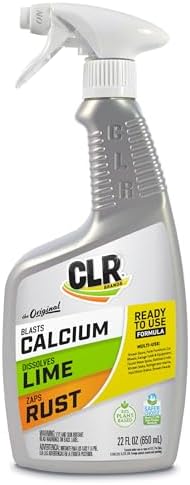
2. CLR (Calcium, Lime, Rust) Remover
If your water spots are more of a household issue think bathroom faucets, tiles, or glass shower doors CLR is a fantastic choice. It’s powerful, safe on most surfaces, and can dissolve even the most stubborn mineral buildup. Just apply it, let it sit for two minutes, then rinse thoroughly.
3. Chemical Guys Water Spot Remover Gel
This one is perfect for automotive and marine use. The gel formula clings to vertical surfaces like windows or car panels, allowing the product to penetrate tough deposits effectively. It’s also safe for clear coats and paint, which makes it an excellent all-rounder.
4. Bar Keepers Friend Soft Cleanser
Ideal for kitchen and bathroom use, Bar Keepers Friend removes water spots, rust stains, and soap scum with ease. It contains oxalic acid a natural compound that breaks down mineral deposits quickly. Use a soft cloth or sponge, apply a small amount, rub gently, and rinse.
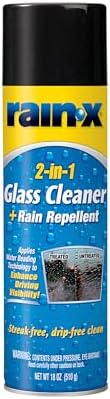
5. Rain-X Glass Cleaner + Water Repellent
This one not only removes water spots but also prevents new ones from forming. Perfect for glass and mirrors, it leaves behind a hydrophobic coating that repels water. It’s especially useful for shower doors, car windshields, and windows exposed to constant moisture.
When using commercial products, always read the label carefully. Some cleaners are not suitable for certain materials like marble or natural stone. Test a small area first to make sure it’s safe. With the right product, though, you can achieve professional-level results in just a few minutes.
Table not found.Common Mistakes to Avoid
Even though removing water spots is relatively simple, many people make mistakes that can cause more harm than good. To make sure your efforts don’t backfire, here are some common pitfalls to avoid:
1. Scrubbing Too Hard
It’s tempting to attack stubborn spots with brute force, but aggressive scrubbing can leave scratches on glass, paint, or metal. Always use gentle circular motions with a microfiber cloth or soft sponge. The goal is to dissolve the minerals, not scrape them off.
2. Using Harsh Chemicals Together
Mixing cleaning products like bleach, vinegar, and ammonia is a huge no-no. Not only can it damage surfaces, but it can also release toxic fumes. Stick to one cleaner at a time, and rinse thoroughly before switching products.
3. Ignoring Drying Steps
If you clean a surface but let it air dry, you’ll often end up right back where you started with new water spots! Always dry immediately after cleaning. A clean microfiber towel works best for streak-free results.
4. Skipping Surface Protection
Removing water spots is great, but protecting against future ones is even better. After cleaning, apply a wax, sealant, or protective spray depending on the surface. This step is especially important for car paint and shower doors.
5. Using Tap Water for Final Rinse
If your tap water is hard, rinsing with it just reintroduces minerals. Whenever possible, use distilled or filtered water for the final rinse. It ensures no mineral residues are left behind.
Avoiding these mistakes saves time and keeps your surfaces looking better for longer. Remember, cleaning should make things shine not cause more damage!
Eco-Friendly Alternatives
If you’re passionate about keeping things green and safe, you’ll be happy to know there are plenty of eco-friendly ways to remove water spots without harming the environment. Natural cleaners not only protect your health and home but also reduce your ecological footprint.
1. Vinegar and Lemon Power Duo
Combining white vinegar and lemon juice creates a powerful, natural acid blend that melts away mineral stains without synthetic chemicals. It’s 100% biodegradable and safe for most surfaces.
2. Baking Soda Paste for Gentle Scrubbing
Instead of commercial abrasives, use baking soda paste. It’s tough on stains but gentle on surfaces and it’s completely non-toxic.
3. Castile Soap and Water Mix
For everyday cleaning, mix a tablespoon of Castile soap with warm water in a spray bottle. It cuts through grime and water stains naturally.
4. Essential Oils for Freshness
Add a few drops of lemon or tea tree essential oil to your DIY cleaners. They not only enhance the cleaning power but also leave behind a pleasant, chemical-free scent.
5. Reusable Cleaning Cloths
Ditch paper towels and use washable microfiber cloths instead. They’re more sustainable, cost-effective, and better at trapping dust and residue.
Eco-friendly cleaning is about being kind to your surfaces and the planet. These methods are safe, effective, and perfect for anyone looking to reduce chemical use at home.
Conclusion
Let’s face it, water spots are a pain. They sneak onto our cars, mirrors, faucets, and shower doors, making everything look less than perfect. But as you’ve just learned, removing them doesn’t have to be an all-day project. With the right approach, you can eliminate water spots in less than five minutes using simple tools and ingredients you already have at home.
Whether you prefer a natural DIY solution like vinegar and lemon juice or a commercial product like Meguiar’s or CLR, the key is acting fast. The longer you wait, the more stubborn those mineral deposits become. For fresh spots, a quick vinegar spray and wipe-down do the trick. For etched or older spots, stronger products, clay bars, or mild polishing may be needed.
The most powerful takeaway? Prevention beats correction every single time. Dry your surfaces immediately after exposure to water, use protective coatings, and keep a small cleaning kit nearby for quick touch-ups. These small habits can save you hours of scrubbing later.
From your car to your kitchen sink, every shiny surface deserves a little attention. So, next time you spot those pesky white rings or cloudy stains, don’t panic just grab your vinegar spray or lemon slice and handle it like a pro. In under five minutes, your surfaces will sparkle again, proving that keeping things spotless isn’t about hard work it’s about smart work.
Keep your environment gleaming, your tools simple, and your cleaning routine stress-free. With consistency, you’ll find that fighting water spots becomes second nature and your home (and car) will always look effortlessly polished.
FAQs
1. Can I use vinegar on car paint?
Yes, but with caution. Vinegar is safe for short-term use when diluted with water (1:1 ratio). Avoid leaving it on the paint for more than a minute or two, and always rinse and dry thoroughly afterward to prevent dulling the finish.
2. What’s the best homemade cleaner for glass?
A mix of equal parts white vinegar and water works best. For extra shine, add a few drops of lemon juice or dish soap. Spray it on, let it sit briefly, then wipe with a microfiber cloth for streak-free glass.
3. How often should I clean to prevent water spots?
Ideally, you should wipe surfaces dry immediately after they get wet. For maintenance, a quick vinegar wipe once a week is enough to prevent buildup, especially in bathrooms or kitchens.
4. Will lemon juice damage stainless steel?
Not if used properly. Lemon juice is safe for stainless steel as long as it’s wiped off and rinsed afterward. Avoid letting it sit for too long to prevent potential discoloration.
5. Is it possible to remove old water spots completely?
In most cases, yes! With patience and the right method like using vinegar, baking soda paste, or polishing compounds old spots can be reduced or removed. However, deep etching might require professional treatment for full restoration.