Introduction to Green Car Paint
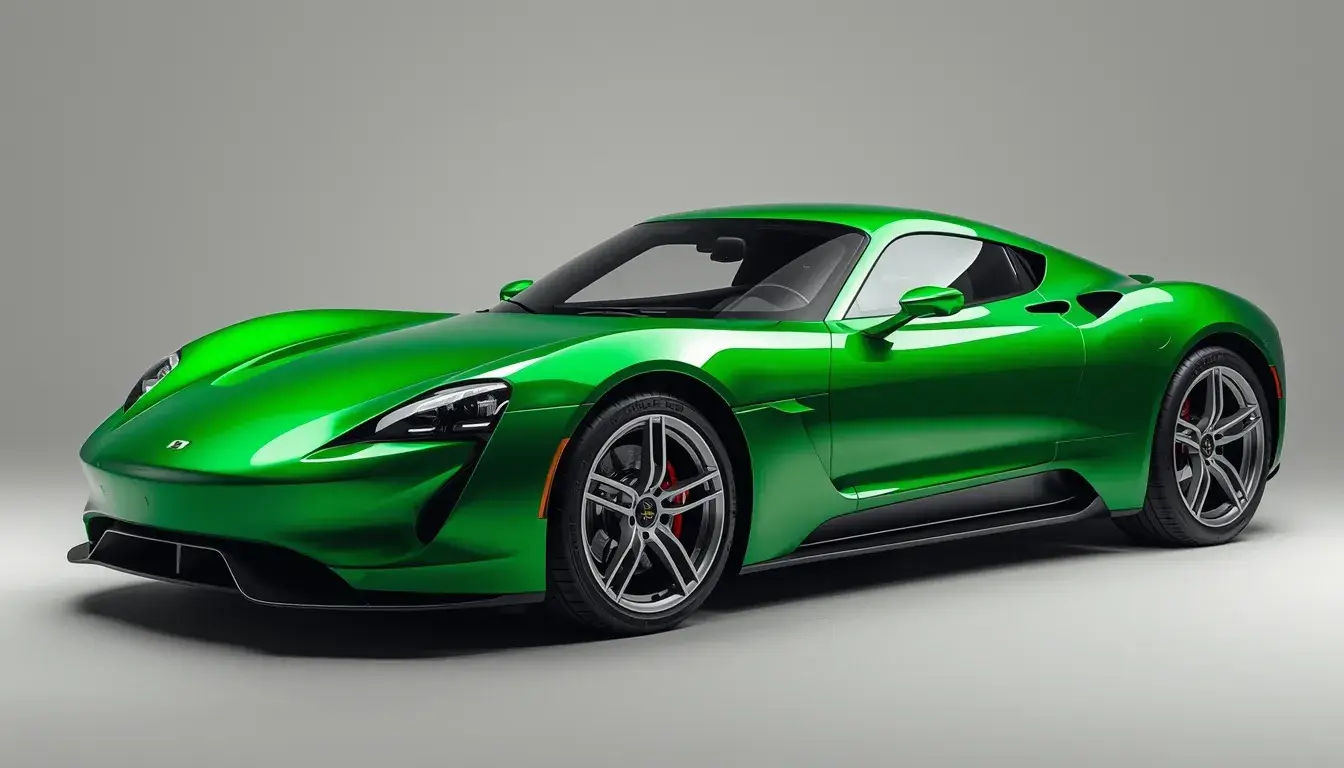
In recent years, the trend of green car paint has gained remarkable traction within the automotive industry, reflecting a broader cultural movement towards environmental sustainability and individual expression. This vibrant color not only signifies a shift in consumer preferences but also represents a commitment to a greener future. Green, in various shades, has emerged as a symbol of freshness and vitality, resonating with an increasing number of drivers who wish to make a statement through their vehicle’s appearance.
The aesthetic significance of green car paint is multifaceted. Car designers and manufacturers now recognize that green can evoke a range of emotions, from tranquility to adventure. Various shades of green, including deep forest, rich emerald, and bright lime, allow drivers to express their unique personalities while embracing a sustainable ethos. The modern palette offers a plethora of options that appeal to diverse tastes, making green an increasingly popular choice for car owners.
Moreover, the association between green colors and environmental consciousness further enhances its allure. As more people seek environmentally friendly alternatives in their daily lives, the color green has become synonymous with sustainability. This connection to renewable practices often extends beyond paint choices to encompass electric vehicles and hybrid models, reinforcing the notion that green is not merely a color but a lifestyle choice.
The rise of green car paint also mirrors a shift in societal values, showcasing an appreciation for nature and a desire to protect the planet. The focus on environmental aesthetics underscores the importance of being mindful about the choices we make, both personally and publicly. In this context, selecting a green vehicle paint can be seen not just as a fashion statement, but as a commitment to embracing a lifestyle that values ecology and innovation. As this trend expands, it is essential to explore the various facets of green paint in automotive design and its significance in contemporary automotive culture.

- Complete 1 Quart Custom Shop Hot Rod Flatz Acrylic Urethane Auto Paint Kit. The kit provides over 1 quart of sprayable m…
- Paint Kit includes 1 Quart of Hot Rod Flatz Single Stage Acrylic Urethane Paint Color, 1 Half-Pint of Custom Shop Uretha…
- Hot Rod Flatz Acrylic Urethane System is a high-performance professional, easy-to-use single-stage paint coating system …
Popular Shades of Green Car Paint
Green car paint offers a unique and personalized touch to vehicles, and the variety of shades available can enhance both style and individuality. The color green ranges significantly, allowing car enthusiasts to select hues that resonate with their personal taste and aesthetic preferences.
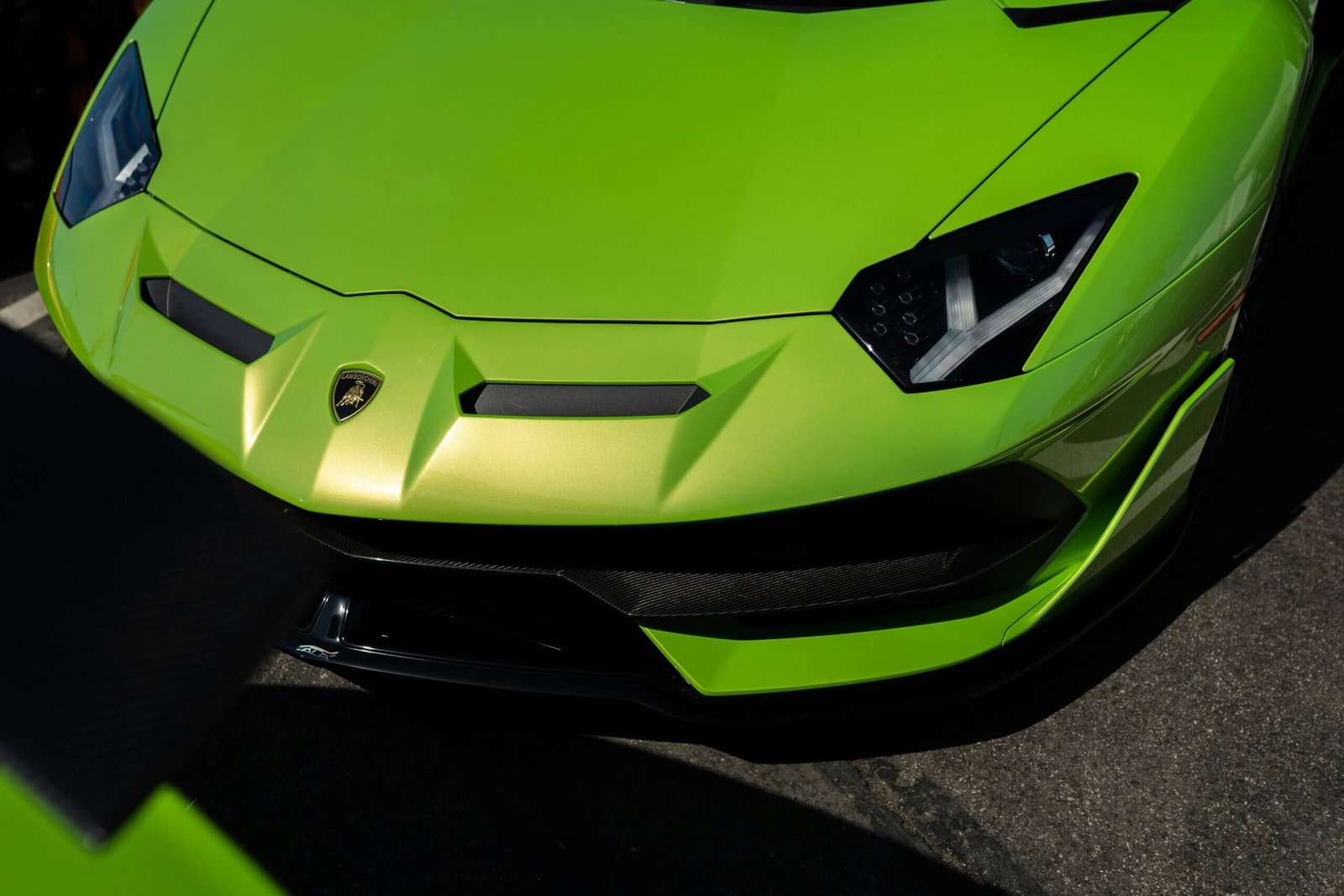
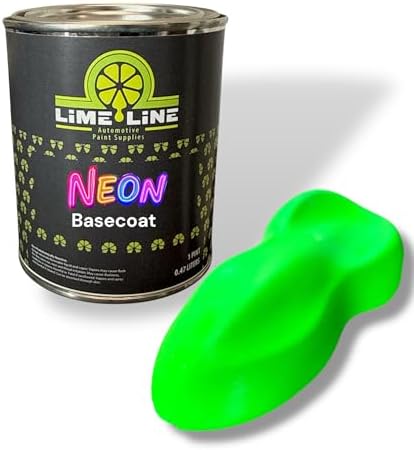
Vibrant greens are an excellent choice for those looking to make a bold statement. Shades such as Neon Green or Lime Green stand out due to their brightness and vivacity. These colors often appeal to younger drivers or those who wish to draw attention, as the vivid nature of these shades aligns well with energetic and sporty vehicle designs. For instance, a Lime Green sports car can evoke a sense of speed and agility, perfectly complementing the car’s performance attributes.
On the other end of the spectrum, muted greens provide a more subtle and sophisticated alternative. Colors like Olive Green or Sage Green foster an understated elegance and are often favored by individuals looking for a classic and refined appearance. These shades can evoke feelings of calm and tranquility, making them an appropriate choice for family cars or luxury sedans. A vehicle painted in a muted green can easily blend into various environments while still maintaining a touch of uniqueness.
Lastly, earth tones such as Forest Green and Moss Green are ideal for those who appreciate nature-inspired aesthetics. These colors resonate with eco-conscious individuals or outdoor enthusiasts, reflecting a connection to the environment. Cars painted in these shades can harmonize beautifully with natural surroundings, making them a popular choice among adventure seekers.
Ultimately, the selection of a green car paint shade should align with the owner’s personality and the message they wish to convey. The diversity among shades ensures that there is an option available for every discerning customer, ranging from vivid and bold hues to calm and muted tones.
Types of Green Car Paint Finishes


When considering the perfect green car paint, the finish plays a pivotal role in both aesthetics and durability. There are several types of finishes available, each offering distinct characteristics and benefits. Understanding these options will help you make an informed decision in complementing your vehicle’s style.
Metallic Finish: Metallic green paint finishes contain tiny metallic particles, which create a shimmering effect. This type of finish reflects light, enhancing the depth and richness of the green hue. Metallic finishes can make your car stand out on the road, adding a touch of luxury. However, they may require more maintenance to keep the metallic sheen looking fresh.
Matte Finish: A matte paint finish offers a flat, non-reflective surface that communicates modernity and sophistication. When applied in a green shade, it provides a unique, muted look that can convey a sense of elegance. One drawback of matte finishes is their susceptibility to scratches and damage, making proper care essential to maintain their appearance.
Pearl Finish: Pearl green paint features an iridescent quality, giving your vehicle a dynamic appearance as it changes color when viewed from different angles. This finish often combines the best aspects of both metallic and gloss finishes, providing an eye-catching effect. However, the application process can be more complex, and thus, the cost may be higher.
Gloss Finish: Gloss finishes are smooth and shiny, offering an eye-catching vibrant look to green car paint. This finish accentuates the color’s brightness and depth, effectively protecting the underlying layers. While gloss finishes are relatively easy to maintain, they can show minor imperfections like swirl marks if not properly cared for.
When choosing a green car paint finish, consider personal style, maintenance requirements, and how the finish aligns with the intended use of your vehicle. Each type offers unique advantages, allowing car owners to make choices that reflect their individual preferences.
Durability of Green Car Paint
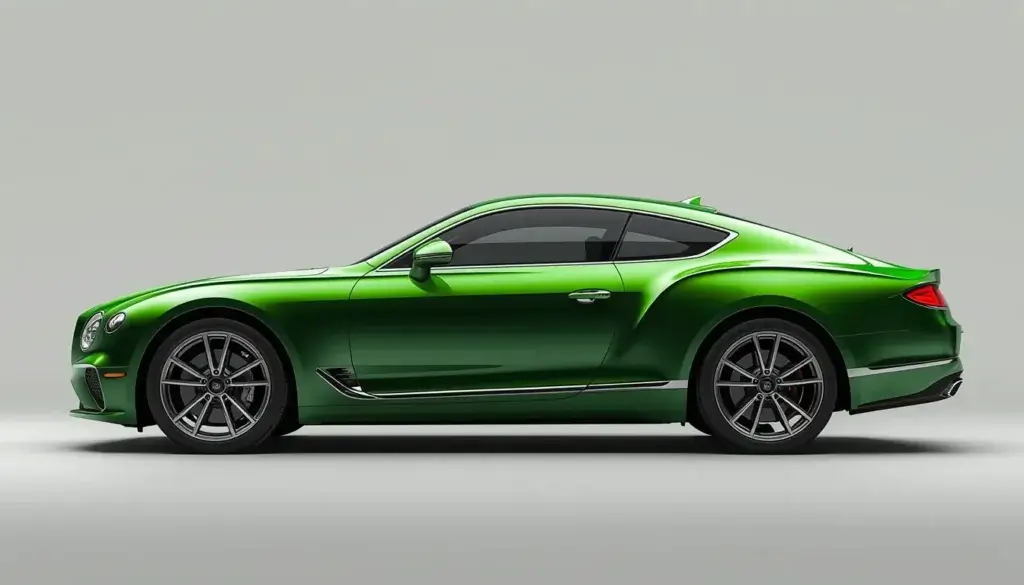
Image Credit: Leonardo AI
When considering green car paint, one of the most critical aspects to understand is its durability, which can vary significantly based on several influencing factors. The longevity of paint is primarily affected by the type of paint and finish applied to the vehicle. High-quality paint formulations, such as polyurethane and acrylic, offer excellent resistance to chipping, fading, and peeling. Specifically, these paints provide robust protection against environmental elements, ensuring that the vibrant green hues maintain their aesthetic appeal over time.
Moreover, the choice of finish can play a pivotal role in enhancing durability. Various finishes, including matte, satin, and gloss, come with unique characteristics that impact wear and tear. Gloss finishes, for instance, tend to be more resistant to scratches and are easier to clean, whereas matte finishes might require a more delicate care approach to avoid damage. The application process also significantly influences durability; professionally applied coatings generally adhere better and last longer than those applied at home.
Environmental factors also contribute to the degradation of car paint. Prolonged exposure to ultraviolet (UV) rays from sunlight can lead to color fading, diminishing the vibrancy of green shades. In addition, adverse weather conditions, such as high humidity, heavy rainfall, and temperature fluctuations, can cause wear on the paint surface. Protective coatings such as sealants and waxes can help mitigate these effects, offering an extra layer of defense against direct sunlight and other environmental stressors.
In essence, the durability of green car paint is contingent upon both the quality of the materials and the environmental conditions it encounters. By choosing high-quality products and ensuring proper maintenance, car owners can significantly enhance the longevity of their vehicle’s paint, ensuring it remains visually appealing and protected against the elements.
Maintenance Tips for Green Car Paint
Maintaining the vibrant appearance of green car paint requires specific care techniques tailored to its unique characteristics. Regular cleaning is essential in preventing contaminants like dirt, bird droppings, and tree sap from damaging the paint’s finish. A pH-balanced car wash soap should be used for this purpose, as harsh chemicals can strip protective layers and dull the paint’s color.
When washing your vehicle, it is advisable to use a microfiber mitt or sponge. This prevents swirling and scratching that can occur with traditional sponges. Rinse the car thoroughly before applying soap to remove any loose particles that may scratch the surface during washing. Always dry the car with a soft, clean microfiber towel to prevent water spots from forming, especially noticeable on green paint.
To enhance the longevity of the green finish, applying a wax or a polymer sealant every three to six months can provide a protective barrier against UV rays and environmental contaminants. Choosing products specifically formulated for colored paints is crucial, as many waxes might not be suited for vibrant colors like green. Additionally, ceramic coatings are an excellent long-term investment, offering superior protection and enhanced gloss that can last for years.
Be mindful of parking conditions as well. Parking under trees or near construction sites can expose your car to harmful debris and sap. Utilizing a car cover when parked for extended periods can also shield your vehicle from these elements. Regular inspections for scratches or chips are crucial, as immediate touch-ups can prevent further damage and maintain the paint’s vibrancy.
In summary, preserving the allure of green car paint involves diligent care and the right choice of products. By incorporating these maintenance tips into your routine, you ensure that your vehicle remains an eye-catching representation of style and sophistication.
Repainting Costs for Green Car Paint
Repainting a vehicle in a shade of green can vary significantly in cost, influenced by various factors including the quality of the paint, the extent of preparation needed, and the type of finish chosen. The primary components that contribute to the overall expense can be broadly categorized into materials, labor, and any additional treatments or services.
The cost of materials is generally the most substantial part of the repainting process. Automotive paint prices fluctuate but a standard green car paint suitable for most vehicles can range from $20 to $100 per gallon. For a full repaint, multiple gallons are often required depending on the vehicle’s size and the number of coats desired. Premium finishes, such as metallic or pearlescent green, can significantly increase this expense, typically adding an additional $100 to $500 to your total costs.
Labor costs also play a crucial role in determining the final bill. Professionals typically charge between $50 to $150 per hour, and an average car paint job can take anywhere from 8 to 30 hours to complete. Consequently, labor costs alone can range from $400 to over $4,500. It is important to consider that a reputable body shop may provide warranties on workmanship, which can justify the higher price points.
Furthermore, any necessary pre-repair work or customizations will contribute to the overall expense. For instance, sanding, priming, and repairing dents or scratches are often additional charges that should be factored in. Choosing to add protective coatings, which can enhance longevity and maintain the vibrant appearance of the green paint, might also incur extra costs. Thus, each decision made along the way can influence the total expenditure, making it advisable to seek multiple quotes for a comprehensive understanding of potential costs.
How Green Car Paint Affects Resale Value
The color and quality of a vehicle’s paint have significant implications for its resale value. Among various colors available in the market, green car paint presents a unique scenario. While traditional hues such as black, white, and silver often dominate the automotive market due to their broad appeal, green as a car color has garnered attention for its distinctiveness and rarity.
Market trends indicate that buyers are increasingly drawn to unique colors, including shades of green, often associated with environmental consciousness and individuality. Therefore, a well-maintained green car can stand out in a crowded marketplace, appealing to specific demographics that appreciate both aesthetics and sustainability. However, it is essential to note that certain shades of green might not resonate with all potential buyers, leading to contrasting views regarding their desirability.
Moreover, the availability of specific shades of green can influence resale value. Limited edition colors or those from notable manufacturers may command higher prices owing to their exclusivity. The buyer’s perception of a vehicle’s color can directly affect their purchasing decision, and while some may view green as a vibrant choice symbolizing energy and freshness, others might see it as unconventional and opt for more traditional choices.
In conclusion, the relationship between green car paint and its resale value is influenced by several factors, including market trends, buyer preferences, and the specific shade of green in question. As car buyers continue to prioritize individuality and environmental impact, green may very well find a significant and lucrative niche in the resale market, making it a worthy consideration for car owners and potential sellers alike.
Choosing the Right Shade of Green for Your Car
Selecting the perfect shade of green for your vehicle is a significant decision that reflects personal style and preferences. It helps to consider several factors that can influence the appearance and perception of the color. One essential aspect to consider is your skin tone. Colors can look different against varying skin tones, which can affect how the vehicle is perceived, particularly around vibrant hues like green. For instance, a bright lime green may complement warm skin tones better than cool ones. Conversely, deeper forest greens may neutralize beautifully against cooler complexions.
Another crucial factor to take into account is the environment where the vehicle will primarily be used. The natural surroundings can play a pivotal role in how a shade of green is viewed. For instance, a lighter sage green may enhance a vehicle’s aesthetics in urban environments, where grassy accents are minimal. On the other hand, a richer emerald or mossy green may resonate well with rural settings, reflecting the lush surroundings. Therefore, it is wise to visualize how a particular shade interacts with the landscape to maintain harmony.
The intended purpose of the vehicle is also an important consideration when choosing a shade of green. For a sporty, dynamic car, a vibrant green may encapsulate energy and enthusiasm. However, if the vehicle serves more practical purposes, like commuting or family use, opting for a more subdued green may be preferable. It not only establishes a sense of sophistication but is also generally seen as timeless. Ultimately, selecting the right shade of green requires a balance of personal affinity, compatibility with surrounding environments, and the functional role of the vehicle.
Conclusion: Make the Right Choice for Your Green Car Paint
As we have explored throughout this guide, choosing the right green car paint can significantly enhance the aesthetic appeal and longevity of your vehicle. Green, as a color choice, offers a unique opportunity to express individuality and stand out on the road. The vibrancy of green hues can range from deep emerald shades to bright lime tones, each providing a distinctive look that can elevate the overall appearance of your car.
Moreover, selecting high-quality paint is essential, not only for achieving the desired look but also for ensuring durability. Investing in premium paint options can protect your vehicle from environmental factors such as UV rays and harsh weather conditions. Additionally, understanding the importance of regular maintenance becomes crucial. Proper washing and waxing can preserve the paint’s integrity, allowing it to maintain its brilliance over time.
Furthermore, it is vital to stay informed about the latest trends in green car paint finishes, such as matte, metallic, or pearlescent options, which can enhance the visual dynamics of your vehicle. Each of these finishes has its own set of benefits and drawbacks, affecting factors like maintenance and wear over time.
Embracing the idea of green as a transformative color choice for your car requires careful consideration of both aesthetics and functionality. Ultimately, the goal should be to achieve a balance between personal style and vehicle longevity. In light of this information, we encourage readers to make informed decisions tailored to their preferences and driving needs. Whether you are considering a full paint job or simple touch-ups, choosing the right green car paint can lead to a satisfying and visually appealing outcome.