

Introduction
Your car’s paint isn’t just about good looks, it’s the first line of defense against the elements. From harsh UV rays to road debris and pollution, your vehicle’s exterior constantly battles factors that can dull, fade, or chip its finish. Protecting your car paint is essential for maintaining that glossy, new car appearance while also preserving its resale value. Think of your car’s paint as its skin: without proper care, it deteriorates quickly.
A well-maintained exterior doesn’t just look attractive it also prevents corrosion, rust, and premature aging of the vehicle. Many car owners underestimate how environmental contaminants, poor washing habits, and neglect can lead to permanent damage. Over time, small scratches, oxidation, and fading can accumulate, costing hundreds or even thousands in repainting or correction jobs.
Fortunately, protecting your car paint isn’t as complicated as it sounds. With the right care routine, you can keep your vehicle looking pristine for years. In this guide, we’ll explore the top 5 proven methods for car paint protection that professionals swear by. These techniques are easy to apply, affordable, and most importantly effective. Whether you’re driving a brand-new car or a well-loved classic, these methods will ensure your ride continues to shine.
Understanding What Damages Car Paint
Before jumping into protection methods, it’s important to understand what exactly harms your car’s paint. Once you know the enemies, you’ll be better prepared to fight them.
Environmental Factors
Mother Nature can be cruel to your car’s finish. Prolonged exposure to sunlight and UV rays can fade the paint and cause oxidation. Acid rain leaves behind corrosive residues that eat through the clear coat. Bird droppings and tree sap are also notorious paint destroyers—they contain acidic compounds that can etch into your paint if not cleaned promptly. Over time, even seemingly harmless dust can act like sandpaper, wearing away the shine.
Physical Factors
Physical damage often comes from road debris, improper washing, or careless handling. Small rock chips, scratches, and swirl marks may seem minor, but they expose the underlayer to moisture, leading to rust and paint flaking. Using the wrong sponges or cloths during washing can also create micro-scratches. Parking too close to other cars or bushes can leave unwanted marks and dents that dull your paint’s appeal.
Chemical Contaminants
Pollution isn’t just bad for your lungs—it’s tough on your paint, too. Industrial fallout, road salts, and tar can cling to the paint’s surface, creating stubborn stains. Over time, these contaminants penetrate the clear coat, leading to dullness and discoloration. If left untreated, they can even corrode the metal underneath.
Understanding these threats is the first step toward effective protection. Now that you know what damages your car paint, let’s explore how to guard it with proven, professional techniques.
Method 1: Regular Washing and Drying
- Six 11.25 oz Bottles of Softsoap Antibacterial Sensitive Liquid Hand Soap
- Our trusted formula is designed to eliminate 99.9% of bacteria (2), ensuring your hands are clean
- With a rosewater and aloe scent, this antibacterial liquid hand soap effectively cleans hands while infusing small momen…
Keeping your car clean sounds simple, but there’s a right and wrong way to do it. Regular washing removes dirt, salt, and other harmful substances that can degrade your paint over time.
Proper Washing Techniques
Always start with a two-bucket method—one for soapy water and another for rinsing your sponge or mitt. This prevents dirt from scratching the surface as you wash. Use a pH-balanced car shampoo designed for automotive finishes, not household detergents, which strip away protective wax layers. Wash from top to bottom to avoid spreading grit from lower panels. And never wash your car under direct sunlight heat causes soap to dry too quickly, leaving water spots.
Choosing the Right Cleaning Products
Invest in microfiber wash mitts and drying towels. These are gentle on paint and absorb more water than traditional sponges. Avoid abrasive brushes or rough cloths that can create swirl marks. For stubborn contaminants like bugs or tar, use specialized removers rather than scrubbing forcefully. Quality matters—spending a bit more on proper cleaning supplies can save you from costly paint correction later.
Importance of Proper Drying
Skipping the drying step is a common mistake. Letting your car air-dry can cause mineral deposits and water spots to form. Always use a clean, soft microfiber towel or a car dryer to completely remove moisture. Pay special attention to crevices where water can hide, as these areas may collect dust or cause rust.
Washing and drying your car properly at least once a week keeps contaminants from bonding to the paint and helps maintain that glossy, mirror-like finish.
Method 2: Applying a High-Quality Wax
Waxing is one of the most effective and time-tested methods for protecting car paint. A layer of wax acts as a shield between your paint and harmful elements.
Benefits of Waxing Your Car
Wax provides a smooth, hydrophobic layer that repels water, dirt, and pollutants. It enhances the paint’s depth and gloss, making your car look like it just rolled out of the showroom. More importantly, it prevents UV rays from fading your paint and reduces the risk of oxidation. Regular waxing can even help minimize scratches since dirt and grime won’t adhere as easily to the surface.
How Often Should You Wax?
As a rule of thumb, wax your car every 2 to 3 months. However, frequency depends on the wax type and environmental exposure. If you live in a sunny or coastal area, you may need to apply it more often. Synthetic waxes tend to last longer than natural carnauba wax but may lack the same warm shine. Always observe how water beads on your car—if the beading stops, it’s time for another wax.
Step-by-Step Guide to Applying Wax Properly
- Wash and dry your car thoroughly.
- Apply a small amount of wax using a foam applicator pad.
- Work in small sections, applying in circular motions.
- Let it haze (usually 5–10 minutes).
- Buff off with a clean microfiber towel for a brilliant finish.
Regular waxing not only boosts your car’s aesthetic appeal but also provides a durable barrier against environmental and physical damage.
Method 3: Using Paint Sealants and Ceramic Coatings
If you’re looking for something more durable than traditional wax, paint sealants and ceramic coatings are your best friends. They provide long-term protection and incredible shine.
Differences Between Wax, Sealant, and Ceramic Coatings
- Wax: Natural protection that lasts up to 3 months.
- Sealant: Synthetic formula lasting 6–12 months.
- Ceramic Coating: Nano-technology-based liquid polymer lasting years.
Sealants and ceramic coatings form chemical bonds with your car’s paint, creating a protective layer that resists UV rays, chemicals, and scratches.
Benefits of Ceramic Coatings
Ceramic coatings offer superior hydrophobic properties, meaning water, mud, and grime slide off easily. They also resist oxidation and provide a deep, glossy mirror finish that lasts up to five years. Additionally, they make cleaning easier—dirt and bugs don’t stick as easily, saving you time and effort.
DIY vs Professional Application
DIY kits are affordable and can be applied at home, but they require precision and patience. Professional application ensures even coating and optimal bonding, though it’s more expensive. Whichever route you choose, the protection ceramic coatings provide is unmatched, especially for high-end or frequently used vehicles.
Method 4: Parking Smartly and Using Car Covers
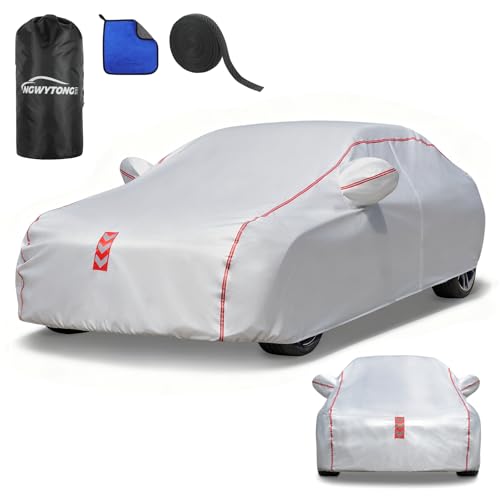
- 360° FIT 14-POINT FASTENING: our car cover features 14-point 360° wrap-around fastening with reinforced straps and elast…
- TEAR-RESISTANT MATERIAL: car cover fabric made of multi-layer rhombic lattice oxford cloth, car cover provides superior …
- QUICK INSTALLATION: car covers snap and adjustable retaining strap design, unlike cumbersome ordinaryl car cover, Remind…
Parking habits can make or break your car’s paint. Even if you wash, wax, and seal your car religiously, leaving it exposed to the wrong environment can undo all your hard work. Smart parking and the use of quality car covers can dramatically extend the life and luster of your paint job.
The Role of Parking Location in Paint Protection
Where you park your vehicle matters more than most people realize. Constant exposure to sunlight accelerates oxidation and fading of the paint. Over time, UV rays can make even the brightest colors appear dull and chalky. Whenever possible, choose covered parking—whether it’s a garage, carport, or shaded area.
Parking under trees may seem like a good idea for shade, but it introduces new hazards like bird droppings, falling sap, and pollen—all of which can damage the clear coat. Likewise, parking near construction sites exposes your vehicle to dust, cement residue, and debris that can scratch the surface. If you must park outside, try to alternate parking spots to avoid excessive exposure to any single environmental condition.
Benefits of Using a Car Cover
A high-quality car cover acts as a protective barrier against the elements. It shields your car from UV rays, rain, snow, dust, and pollutants that can slowly deteriorate your paint. For people living near industrial or coastal areas, covers help prevent salt corrosion and grime buildup.
Modern car covers are made from breathable fabrics that allow moisture to escape, preventing mildew and rust. Some even have soft inner linings that protect delicate finishes from scratches. The best part? Using a car cover is as easy as throwing it over your vehicle after parking—it’s an effortless layer of defense that saves you hours of cleaning later.
Choosing the Right Type of Cover
When selecting a car cover, don’t settle for the cheapest option. Look for features like UV resistance, water repellence, and custom-fit designs. Universal covers can flap in the wind, causing friction that might scratch the paint. For indoor storage, a lightweight, breathable fabric is ideal. For outdoor parking, choose a heavy-duty, weatherproof cover that offers protection against rain and dust.
In short, parking wisely and investing in a good cover is one of the simplest yet most effective ways to keep your car looking new. It’s a small effort that delivers long-term results.
Method 5 – Regular Maintenance and Inspections
Consistent maintenance is key to keeping your paint in top shape. Even with the best protection, neglecting routine care can lead to premature wear and fading.
Spot Cleaning Bird Droppings and Bug Splatters
Few things harm your car’s paint faster than bird droppings and bug residues. These substances contain acids and enzymes that can eat into the clear coat within hours. Always clean them off as soon as possible using a dedicated car-safe cleaner and a microfiber cloth. Avoid rubbing aggressively—blot gently to lift the stain. Keeping a small detailing spray in your car helps you handle these messes before they cause permanent damage.
Checking for Scratches and Touch-Up Work
Inspect your car’s exterior regularly, ideally under good lighting. Look for scratches, chips, or fading areas. Addressing these issues early prevents rust and spreading damage. Minor scratches can often be fixed using scratch removers or touch-up paint. For deeper gouges, consider professional repair before corrosion sets in. Regular inspections also help you monitor how well your wax or coating is holding up.
Professional Detailing and Polishing Schedule
Even the most diligent DIY car enthusiast benefits from professional detailing once or twice a year. Detailing experts use advanced products and tools to restore shine and remove oxidation. They can also apply protective coatings more evenly and efficiently. A good polishing session can revive dull paint, making it look brand new. Combine that with your home maintenance routine, and you’ve got a powerful long-term defense against wear and tear.
Regular maintenance isn’t just about aesthetics—it’s an investment in your car’s longevity and resale value.
Additional Tips for Long-Term Paint Protection
Beyond the main methods, there are smaller habits that make a big difference in maintaining your car’s paint over time.
Avoid Automatic Car Washes
Those convenient drive-through car washes might seem like time-savers, but they’re actually your paint’s worst enemy. The harsh brushes and recycled water can leave swirl marks, scratches, and chemical residues. Instead, choose touchless car washes or wash by hand using high-quality tools.
Use Microfiber Towels Only
When drying or detailing your car, stick to microfiber towels. They’re soft, lint-free, and designed to trap dirt particles safely. Cotton rags or paper towels can scratch the surface and dull the shine. Always wash microfiber towels separately to avoid contamination with fabric softeners or debris.
Don’t Forget the Undercarriage
Many car owners focus only on visible surfaces, ignoring the undercarriage. Yet this area is constantly exposed to salt, mud, and debris, which can lead to rust and structural damage. Rinse your undercarriage regularly, especially after driving in rain or snow. Many professional car washes offer undercarriage cleaning options that are worth every penny.
These small but effective practices go a long way toward ensuring your car maintains that glossy, showroom look for years.
Common Mistakes to Avoid
Even with the best intentions, many car owners make simple mistakes that lead to premature paint wear. Here’s what to watch out for.
Skipping Wax or Sealant Applications
Some people believe that once they’ve waxed or coated their car, they’re set for life. Unfortunately, protection wears off over time. Failing to reapply wax or sealant leaves your paint vulnerable to UV rays, dirt, and moisture. Stick to a regular maintenance schedule to keep that layer intact.
Using Household Cleaners on Car Paint
It might be tempting to grab dish soap or glass cleaner, but these products are too harsh for automotive finishes. They strip away protective layers and can cause dullness or streaking. Always use car-specific shampoos and surface cleaners designed for pH balance and paint safety.
Ignoring Minor Damages
A small scratch may not seem like a big deal, but over time, it can expand or allow moisture to penetrate, leading to rust. Always address even minor imperfections promptly. Small touch-ups today can prevent major repairs tomorrow.
Avoiding these common pitfalls ensures your protective efforts pay off and your car maintains its stunning appearance.
Comparing Paint Protection Methods
To make an informed choice, let’s look at how the top protection methods compare in terms of durability, effort, and cost.
| Protection Method | Durability | Ease of Application | Cost Range | Best For |
|---|---|---|---|---|
| Regular Waxing | 2–3 months | Easy | $10–$40 | Beginners |
| Paint Sealant | 6–12 months | Moderate | $30–$100 | Everyday drivers |
| Ceramic Coating | 2–5 years | Hard (DIY/Pro) | $100–$1000+ | Long-term protection |
| Car Cover | Ongoing | Easy | $20–$200 | Outdoor parking |
| Regular Washing | Ongoing | Easy | $10/month | All vehicles |
From the table, it’s clear that while ceramic coatings offer the longest protection, regular washing and waxing remain the most accessible and budget-friendly solutions. The key is consistency—mixing these methods ensures optimal results.
How to Restore Faded or Damaged Paint
Even with diligent care, your car’s paint may eventually show signs of wear—especially if it’s older or exposed to harsh conditions. The good news? You can often restore faded or damaged paint to a near-new appearance without the need for a full repaint.
Polishing and Compounding
Polishing is like giving your car’s paint a mini facelift. It removes oxidation, fine scratches, and swirl marks that dull the surface. Use a dual-action polisher and a good-quality polishing compound to rejuvenate the shine.
If the damage is deeper, consider compounding, which is a more aggressive process that removes a thin layer of the clear coat to level out imperfections. Always follow up with a polish and wax to restore gloss and protection. Think of compounding as exfoliation for your car—it scrubs away the dead, faded layer to reveal the fresh, vibrant one beneath.
For DIY enthusiasts, start with the least abrasive product and work your way up if needed. Professionals often combine machine polishing and paint correction techniques to achieve that “showroom” look.
When to Consider Repainting
If the clear coat is peeling or the paint has oxidized beyond repair, it may be time for a professional repaint. Repainting is costly, but it restores your vehicle’s exterior completely and allows you to protect it from scratch. If you go this route, request a high-quality clear coat and consider following up with a ceramic coating once the paint has cured.
A professional detailer can help assess whether your car needs a repaint or if polishing will suffice. Either way, investing in paint restoration keeps your car’s value high and makes it a joy to drive again.
Environmental Benefits of Maintaining Car Paint
Maintaining your car’s paint isn’t just about aesthetics—it’s also environmentally responsible. A well-protected car lasts longer, requires fewer repairs, and reduces waste in the long run.
Extending Vehicle Lifespan
Corrosion and oxidation don’t just look bad—they weaken the vehicle’s structure over time. Regular paint protection prevents rust from spreading, ensuring your car remains solid for years. By prolonging your car’s lifespan, you minimize the need for replacements and reduce manufacturing-related emissions.
Reducing Waste and Emissions
Paint maintenance also helps you avoid frequent repainting, which uses chemical solvents and paints that can harm the environment. Moreover, keeping your car clean improves aerodynamics, which can slightly enhance fuel efficiency. When every small action counts toward sustainability, protecting your car paint is an easy yet impactful contribution.
Think of it this way: taking care of your paint is like recycling—it’s a small, consistent effort that adds up to a significant environmental benefit over time.
Conclusion
Your car’s paint is more than just a pretty finish—it’s a protective layer that keeps the body safe from weather, pollution, and time itself. By understanding what damages paint and following these top 5 proven methods, you can keep your vehicle shining for years.
From regular washing and drying to applying wax, sealants, and ceramic coatings, every step plays a crucial role. Add smart parking habits, consistent maintenance, and the right tools, and you’ll have a car that looks and feels brand new. Remember, prevention is always better (and cheaper) than restoration.
Caring for your car’s paint isn’t a chore—it’s an investment in your vehicle’s beauty, performance, and value. So, grab your wash mitt, wax, or ceramic coat, and show your car the love it deserves. A little effort now ensures a long-lasting shine that turns heads wherever you go.
FAQs
1. How long does car wax last?
Typically, car wax lasts 2–3 months, depending on the climate and driving conditions. Synthetic waxes tend to last longer than natural ones. If water stops beading on your paint, it’s time to reapply.
2. Can ceramic coating prevent all scratches?
No, ceramic coatings can’t prevent all scratches, but they do provide a durable protective layer that resists light abrasions and makes cleaning easier. Deep scratches can still penetrate through the coating.
3. Is waxing better than sealant?
Wax offers a warmer shine but lasts a shorter time, while paint sealants provide longer protection and better resistance to UV rays. For best results, many detailers use both—wax for shine, sealant for durability.
4. How can I remove bird droppings safely?
Use a dedicated car detailing spray or waterless wash and a microfiber towel. Spray generously, let it soak for a few seconds, then gently wipe without rubbing. Avoid scraping—it can cause scratches.
5. What’s the best budget-friendly protection method?
The most affordable and effective protection routine includes regular washing, hand drying with microfiber, and waxing every few months. It keeps your car glossy and prevents long-term damage without breaking the bank.