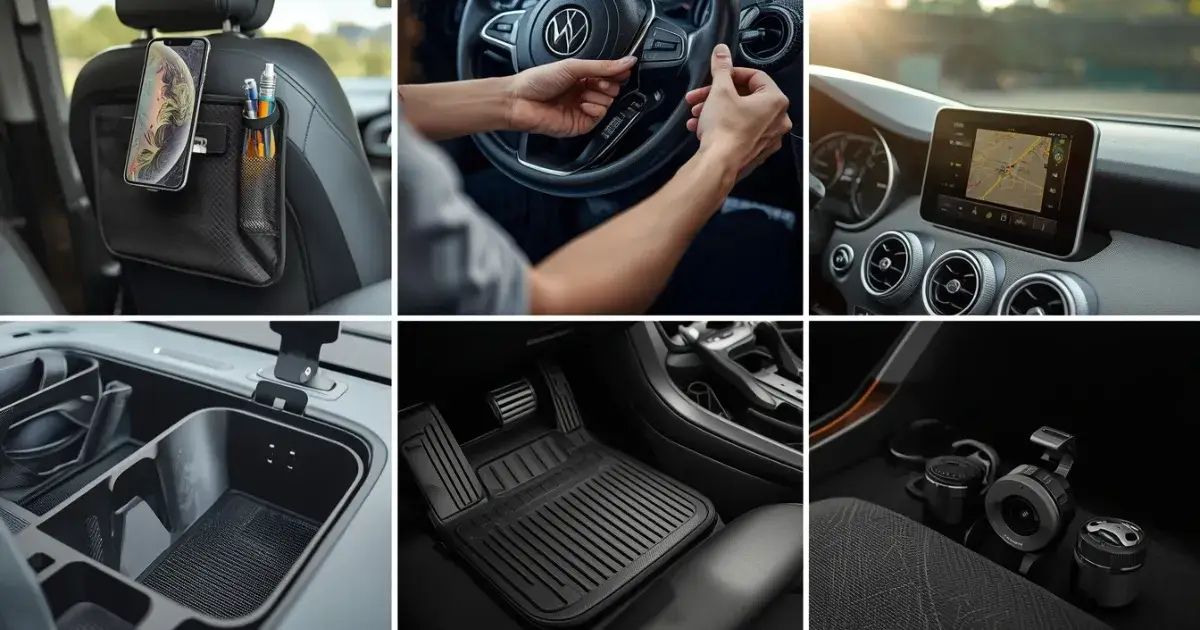
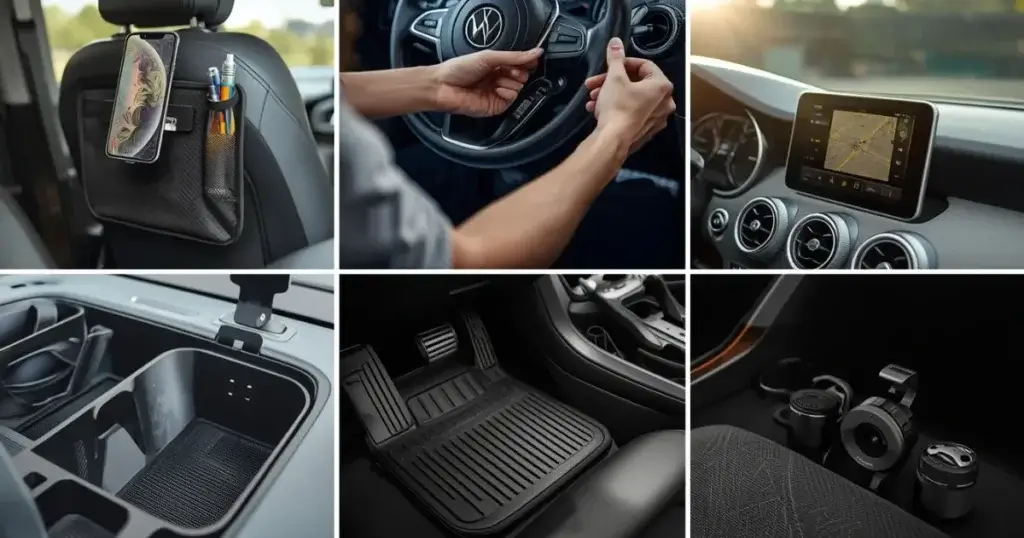
Car accessories can transform your driving experience, but knowing where to start feels overwhelming when you’re new to customizing your ride. This beginner guide helps first-time car owners and anyone looking to upgrade their vehicle make smart purchasing decisions without wasting money on unnecessary items.
We’ll walk you through understanding your vehicle’s specific needs so you buy accessories that actually work with your car. You’ll learn how to set a realistic budget that prioritizes safety and security features first, then comfort upgrades second. Finally, we’ll cover the most common shopping mistakes beginners make and how to avoid them by researching quality brands and reading real customer reviews before you buy.
Understand Your Vehicle’s Specific Needs
Identify your car’s make, model, and year requirements
Your vehicle’s specific details aren’t just numbers on your registration they’re the key to finding accessories that actually work. Every car manufacturer designs their vehicles with unique mounting points, electrical systems, and interior dimensions. A floor mat designed for a 2018 Honda Civic won’t fit properly in a 2019 Toyota Camry, even though both are compact sedans.
Start by locating your Vehicle Identification Number (VIN), which you’ll find on your dashboard near the windshield or inside the driver’s door frame. This 17-character code tells you everything manufacturers need to know about your car’s specifications. Many accessory websites have VIN lookup tools that automatically filter compatible products.
Pay special attention to trim levels, as they significantly impact accessory compatibility. Base models often have different interior materials, dashboard layouts, and available connection points compared to higher trim levels. A navigation system designed for the premium trim might not work with the basic infotainment system in lower trims.
Assess your daily driving habits and conditions
Your driving routine shapes which accessories will truly benefit you versus those that’ll collect dust. Urban commuters who spend hours in stop-and-go traffic have different needs than weekend road trippers or rural drivers on gravel roads.
Consider these factors when evaluating your needs:
- Daily commute distance and traffic conditions
- Parking situations (street parking, garage, covered areas)
- Weather conditions you regularly encounter
- Number of passengers you typically transport
- Types of cargo you frequently carry
If you’re constantly dealing with rain and mud, all-weather floor mats and seat covers become priorities. Parents shuttling kids around benefit more from organizers and tablet mounts than someone who primarily drives solo. Weekend adventure seekers might prioritize roof racks and cargo solutions over luxury comfort features.
Determine compatibility with existing features
Modern vehicles come packed with technology, and adding accessories without considering existing systems can create conflicts or void warranties. Your car’s current features dictate which accessories will integrate smoothly and which might cause problems.
Check your vehicle’s electrical capacity before adding power-hungry accessories. Older cars might struggle with multiple USB chargers, dash cams, and heated seat covers running simultaneously. Some vehicles have specific integration points for aftermarket accessories that maintain proper functionality.
| Feature Type | Compatibility Check | Potential Issues |
|---|---|---|
| Infotainment System | Screen size, connection ports | Signal interference, mounting conflicts |
| Factory Security | Alarm integration points | False alarms, system bypass |
| Heated Seats | Existing wiring harness | Electrical overload, uneven heating |
| Backup Camera | Display compatibility | Screen splitting, resolution mismatch |
Consider your vehicle’s warranty restrictions
New car warranties protect your investment, but they come with rules about modifications. Understanding these restrictions prevents accidentally voiding coverage that could cost thousands in repairs.
Most manufacturer warranties distinguish between accessories that integrate with existing systems and those that modify core components. Simple additions like floor mats, seat covers, and phone mounts typically won’t affect warranty coverage. However, modifications to electrical systems, engine performance, or safety features often trigger warranty exclusions.
Keep documentation for all accessories you install, including professional installation receipts. This paper trail proves that qualified technicians performed the work according to manufacturer specifications. Some dealerships offer accessory installation services that maintain full warranty coverage, though they typically cost more than independent shops.
Read your warranty booklet carefully, focusing on sections about modifications and aftermarket parts. When in doubt, contact your dealership’s service department for written clarification about specific accessories you’re considering. Getting approval in writing protects you if warranty issues arise later.
Set a Realistic Budget for Car Accessories
Research price ranges for different accessory categories
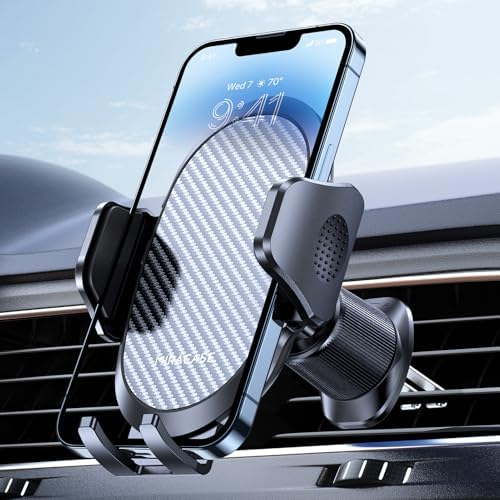
- Never Fall Off-Metal Hook Design: Miracase car phone holder adopts simplified locking design. The steel metal hook(with …
- Universal Compatibility: Miracase cell phone stand for car mount is compatible with the smartphones (4.0-7.2 inches) and…
- One-hand Operation: With quick release button, adjustable clamp arms and foot, Miracase car phone mount makes it very ea…
Before diving into any car accessory shopping, spend time understanding what you’ll actually pay for different types of upgrades. Basic floor mats range from $20-50, while premium all-weather versions can hit $150-200. Phone mounts start around $15 for simple models, but wireless charging mounts with premium materials cost $80-120.
Entertainment upgrades show the biggest price variation. Basic dash cams start at $40-60, but 4K models with advanced features reach $300-400. Similarly, seat covers range from $30 for basic fabric sets to $200+ for custom leather options.
Safety accessories also span wide price ranges. Emergency kits cost $25-75 depending on contents, while backup cameras range from $50 for basic models to $250 for premium wireless systems. Understanding these ranges helps you spot good deals and avoid overpaying for features you don’t need.
Create a simple spreadsheet listing accessories you want with their typical price ranges. This prevents impulse purchases and helps you compare options effectively across different retailers.
Prioritize essential versus luxury upgrades


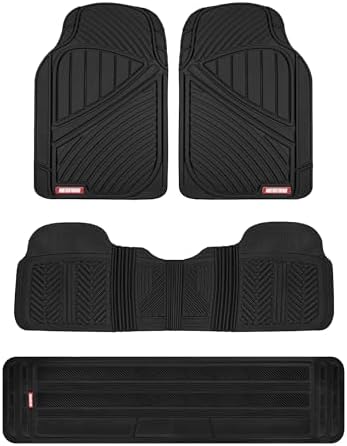


Start with accessories that directly impact safety, security, or basic functionality. Emergency roadside kits, quality floor mats, and phone mounts for navigation qualify as essentials for most drivers. These items solve real problems and provide immediate value.
Move to comfort upgrades next if budget allows. Sunshades, seat cushions, and organizers improve daily driving experiences without breaking the bank. These moderate-cost items often deliver the best satisfaction-to-price ratio.
Save luxury items like custom lighting, premium audio upgrades, or decorative accessories for last. While these enhance your car’s appearance or entertainment value, they don’t address practical needs. Many beginners make the mistake of buying flashy accessories first, then running out of money for items they actually need daily.
Write down your must-have list before shopping. This prevents getting distracted by appealing but unnecessary items that vendors often push heavily.
Factor in installation costs and ongoing maintenance

- Never let a dead battery cut your journey short. The LISEN 4 in 1 Retractable Car Charger is the perfect travel essentia…
- Standard 12V Power Solution: Designed as a dedicated USB power supply for charging devices. Note: Does NOT support CarPl…
- Clutter-Free Tech Organization: Featuring dual USB ports and retractable cables, the LISEN 4 in 1 charger provides a cle…
Many car accessories require professional installation, which significantly impacts your total investment. Simple plug-and-play items like phone chargers or air fresheners need no extra costs, but dash cam installation typically runs $50-150 at electronics stores.
More complex accessories carry higher installation fees. Backup cameras often require $100-200 in labor costs, while premium audio systems can add $300-500 for proper installation. Remote starters, security systems, and performance modifications almost always need professional work.
Research installation requirements before buying anything. Some accessories void warranties if improperly installed, making professional setup worth the extra cost. Others are designed for easy DIY installation with clear instructions and minimal tools required.
Don’t forget ongoing costs either. Dash cam memory cards need periodic replacement, air fresheners require refills, and some electronic accessories need software updates or subscription services. Factor these recurring expenses into your budget planning to avoid surprises later.
Focus on Safety and Security Enhancements First
Invest in emergency roadside kits and first aid supplies

- Digital Tire Pressure Gauge 2 Pack, Industrial Tire Gauge 3-200 PSI, Calibrated to ANSI B40.7 Grade 2A(plus-minus 0.5%),…
- ACCURACY IN EXTREME PRESSURE RANGE: Whether tire pressure is below 12 PSI or above 140 PSI, ETENWOLF’s digital tire gaug…
- ACCURACY IN EXTREME WEATHER: Built-in AI chip with thermal compensation inside, ETENWOLF’s tire gauge works normally eve…
Smart car owners know that being prepared for emergencies can make the difference between a minor inconvenience and a dangerous situation. A comprehensive emergency roadside kit should include jumper cables, a tire pressure gauge, basic tools, emergency flares or reflective triangles, and a flashlight with extra batteries. Don’t forget to pack a portable phone charger, blankets, and non-perishable snacks.
Your first aid kit needs to go beyond basic bandages. Include antiseptic wipes, gauze pads, medical tape, pain relievers, and any prescription medications you regularly take. Check expiration dates every six months and replace items as needed. Many drivers overlook the importance of emergency water and a multi-tool, but these can be lifesavers during unexpected breakdowns.
Consider your local climate when building your kit. Cold weather regions require ice scrapers, sand or cat litter for traction, and warm clothing. Hot climate drivers should pack extra water, sunscreen, and cooling towels. Store everything in a waterproof container and keep it accessible in your trunk.
Choose reliable dash cams and backup cameras

- [4K+1080P Front & Rear Recording] REDTIGER F7NP dash cam captures every detail with stunning 4K front and 1080P rear vid…
- [STARVIS 2 Sensor & WDR Night Vision] Equipped with the advanced STARVIS 2 sensor, F1.5 large aperture, and 6-layer opti…
- [Built-in 5.8GHz WiFi & Smart App] Connect your smartphone to the dashcam’s built-in 5.8GHz WiFi to enjoy ultra-fast dow…
Modern dash cameras offer more than just accident documentation – they provide continuous protection for your vehicle and peace of mind. Look for models with at least 1080p resolution, night vision capabilities, and a wide-angle lens that captures multiple lanes of traffic. Loop recording ensures your camera never runs out of storage space by automatically overwriting old footage.
Backup cameras have become essential safety tools, especially for larger vehicles or those with limited rear visibility. Choose cameras with clear image quality and wide viewing angles. Wireless models offer easier installation, while wired systems typically provide more reliable connections. Many modern systems include guidelines that help you judge distances when parking.
Features to prioritize include parking mode monitoring, which records activity around your parked vehicle, and GPS tracking that logs your location and speed. Cloud storage options let you access footage remotely, while built-in WiFi allows easy smartphone connectivity. Professional installation ensures optimal camera positioning and proper wiring integration with your vehicle’s electrical system.
Select quality anti-theft devices and car alarms

- Intelligent Control: Built-in vibration sensor is, as long as the perception of vibration, 6 LED lights will be opened a…
- Solar Powered: It’s powered by solar. Solar energy can be absorbed and saved in high efficiency solar cells. It can blin…
- Easy to Install:No wires needed, there are double-sided adhesive stickers on the back of the product. With a neutral det…
Vehicle theft remains a serious concern, making anti-theft protection a smart investment for any car owner. Modern car alarms offer multiple layers of security, from basic door and window sensors to advanced systems that detect engine vibrations and unauthorized entry attempts. Look for alarms with smartphone connectivity that send real-time alerts to your phone.
Steering wheel locks provide visible deterrence that makes thieves think twice about targeting your vehicle. Choose heavy-duty models made from hardened steel that resist cutting tools. GPS tracking devices help recover stolen vehicles quickly and often reduce insurance premiums. Hidden installation locations make these devices difficult for thieves to find and disable.
Consider your parking habits when selecting security devices. Street parking requires more robust protection than garage storage. Comprehensive security systems combine multiple deterrents: alarms, immobilizers, and tracking devices work together to protect your investment. Remember that visible security measures often deter thieves more effectively than hidden systems alone.
Add reflective safety equipment for roadside emergencies
Visibility during roadside emergencies can prevent secondary accidents and keep you safe while addressing vehicle problems. Reflective emergency triangles should be placed 50-100 feet behind your disabled vehicle to warn approaching traffic. LED emergency flares offer longer battery life and better visibility than traditional flares, especially in wet conditions.
High-visibility safety vests make you more noticeable to passing drivers when you need to exit your vehicle. Choose vests that meet ANSI safety standards and include reflective strips on both the front and back. Keep one vest for each family member who regularly travels in the vehicle.
Reflective emergency blankets serve double duty as thermal protection and visibility enhancement. These lightweight, compact items reflect body heat while making you more visible to rescue personnel. Magnetic emergency lights that attach to your vehicle’s roof provide 360-degree visibility and don’t require setup time like traditional triangles. Battery-powered models ensure reliability regardless of your vehicle’s electrical system status.
Maximize Comfort and Convenience Features
Select ergonomic seat covers and cushions
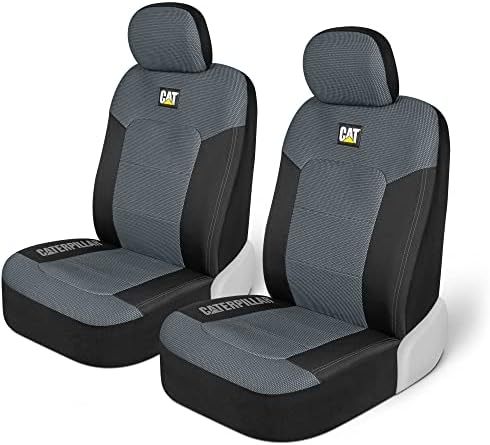
- DURABLE PROTECTION: From job sites to daily drives, CAT Car Seat Covers provide reliable, long-lasting defense against w…
- EASY TO INSTALL : Please watch the installation videos provided in the car seat covers product image section for a quick…
- AIRBAG COMPATIBLE: Featuring a specialized side stitching technique, Caterpillar car seat liners are designed to safely …
Your daily commute doesn’t have to feel like a marathon of discomfort. Quality seat covers and cushions can transform your driving experience, especially during long trips or if you spend hours behind the wheel. Look for breathable materials like mesh or perforated leather that prevent sweating and sticking during hot weather.
Memory foam cushions provide excellent support for your lower back and can help reduce fatigue on extended drives. If you deal with back pain, consider lumbar support cushions that maintain your spine’s natural curve. For drivers who are particularly tall or short, adjustable seat cushions can help you achieve the perfect driving position without straining to reach pedals or see over the steering wheel.
Waterproof seat covers are game-changers if you have kids, pets, or frequently transport messy cargo. They protect your original upholstery while being easy to clean. Choose covers with non-slip backing to prevent sliding around during sharp turns or sudden stops.
Choose practical storage solutions and organizers
A cluttered car creates distractions and makes finding essentials nearly impossible when you need them most. Smart storage solutions keep your vehicle organized and items within easy reach. Seat-back organizers with multiple pockets work perfectly for families, providing dedicated spaces for tablets, snacks, toys, and documents.
Console organizers maximize the space in your center console and glove compartment. These dividers prevent small items like charging cables, pens, and sunglasses from becoming a jumbled mess. Trunk organizers with collapsible sections help separate groceries from sports equipment or emergency supplies.
Consider your lifestyle when selecting organizers. Frequent road trippers benefit from overhead storage nets for lightweight items. Parents need easy-access pockets for wet wipes and snacks. Business professionals might prioritize file holders and laptop storage compartments.
Install phone mounts and charging accessories
Staying connected safely requires proper phone positioning and reliable power sources. Dashboard or windshield mounts keep your phone visible for navigation while maintaining hands-free operation. Magnetic mounts offer quick attachment and removal, but ensure they won’t interfere with wireless charging capabilities.
Air vent mounts provide stable positioning without obstructing your view, though they may reduce airflow to that vent. CD slot mounts work well for older vehicles, utilizing unused disc players. Whichever style you choose, make sure it holds your phone securely during sudden movements or bumpy roads.
Multiple charging ports eliminate the frustration of dead batteries during important trips. USB hubs that plug into your 12V outlet can power several devices simultaneously. Wireless charging pads built into phone mounts offer the ultimate convenience for compatible devices. Consider fast-charging capabilities if you frequently use power-hungry navigation apps.
Add climate control enhancements like sunshades
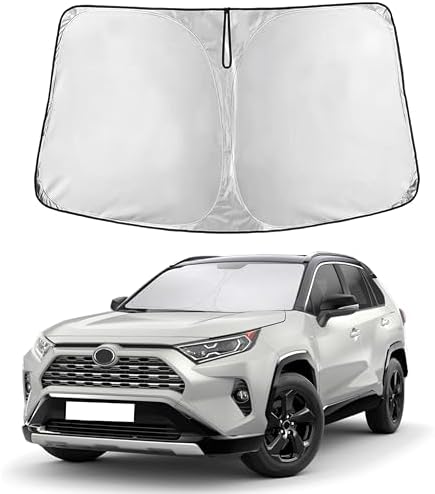
- Compatible for Toyota RAV4 2019-2026 Windshield Sun Shade: Precisely designed windshield sunshade fit for Toyota RAV4 – …
- Maximum Heat & UV Blocking Windshield Sunshade: Reflective windshield sun shade with a 4-layer cover blocks 99.89% of UV…
- Premium Insulated Sunshade Material: High-density 280T front windshield sunshade with multi-layer reflective insulation …
Extreme temperatures can make driving miserable and damage your vehicle’s interior. Windshield sunshades significantly reduce cabin temperature when parked, protecting your dashboard from cracking and making hot summer entries more bearable. Foldable reflective shades are easy to store and deploy quickly.
Side window shades benefit rear passengers, especially children sensitive to direct sunlight. Static cling versions don’t require installation and can be repositioned as needed. Tinted window film provides permanent sun protection but requires professional installation and must comply with local regulations.
Seat ventilation cushions with built-in fans create airflow between you and the seat surface, reducing perspiration during summer drives. These plug into your 12V outlet and often include adjustable speed settings. For winter comfort, heated seat cushions provide warmth without the fuel consumption of running your heater constantly.
Dashboard covers protect against UV damage and reduce glare from sun reflection. Custom-fit covers look more professional than universal options and provide better protection. Choose materials that match your interior color scheme and won’t slide around during driving.
Research Quality Brands and Read Customer Reviews
Compare Top-Rated Manufacturers in Each Category
Different car accessory categories have their standout manufacturers. For floor mats, WeatherTech and Husky Liners dominate the premium market, while Lloyd and Auto Custom Carpets excel in custom-fit options. Phone mounts see leaders like Peak Design, Belkin, and Anker consistently ranking high. Dash cameras favor brands like Garmin, Nextbase, and BlackVue for their reliability and video quality.
Research each manufacturer’s specialty areas. Some companies excel at one product type but struggle with others. For example, a brand known for excellent seat covers might produce mediocre steering wheel covers. Look at how long companies have been in business and their reputation for customer service. Established manufacturers often have better quality control and more comprehensive testing processes.
Create comparison charts listing features, price ranges, and warranty terms across brands. This visual approach helps identify which manufacturers offer the best value for your specific needs and budget range.
Analyze Verified Customer Feedback and Ratings
Amazon, AutoZone, and manufacturer websites provide goldmines of customer feedback. Focus on reviews with photos showing real-world installation and use. Pay special attention to reviews from customers who own your vehicle make and model, as fit and compatibility can vary significantly.
Look for patterns in negative reviews. Single complaints about shipping or one-off defects matter less than recurring issues with durability or poor fit. Check review dates to ensure you’re reading current feedback about current product versions, not outdated models that may have been improved.
Filter reviews by star rating and read both the highest and lowest ratings. Five-star reviews show what works well, while one and two-star reviews reveal potential problems. Three-star reviews often provide the most balanced perspective, highlighting both pros and cons without extreme bias.
Check Professional Automotive Review Sources
Automotive magazines, YouTube channels, and specialized websites offer in-depth testing that goes beyond basic customer impressions. Sources like Car and Driver, Motor Trend, and MotorWeek conduct controlled tests measuring performance, durability, and installation difficulty.
Professional reviewers test products under various conditions and compare them directly against competitors. They have access to testing equipment that measures things like UV resistance, temperature tolerance, and material quality that individual customers can’t assess.
YouTube channels dedicated to car accessories often show real installation processes and long-term use results. Channels like ChrisFix, Engineering Explained, and various car enthusiast creators provide honest assessments based on actual experience rather than manufacturer claims.
Verify Warranty Coverage and Return Policies
Strong warranty coverage indicates manufacturer confidence in their products. Look for warranties that cover both defects and normal wear. Lifetime warranties sound impressive but read the fine print – many exclude wear items or require specific maintenance procedures.
Understand what voids warranties. Some manufacturers void coverage if products are installed incorrectly or used outside their intended purpose. Others maintain coverage even with DIY installation, which saves money on professional installation costs.
Return policies vary dramatically between retailers and manufacturers. Amazon typically offers 30-day returns, while some specialty automotive retailers extend this to 60 or 90 days. Direct manufacturer purchases sometimes have more restrictive return windows but may offer better warranty support and replacement part availability.
Avoid Common Beginner Mistakes When Shopping
Skip accessories that may void your warranty
Your car’s warranty protects you from expensive repairs, but many new car owners don’t realize that certain accessories can actually cancel this protection. Installing aftermarket parts that modify your vehicle’s electrical system, engine performance, or safety features often triggers warranty voiding clauses that manufacturers include in their agreements.
Electronic accessories pose the biggest risk. Adding performance chips, custom lighting systems, or non-approved audio equipment can interfere with your car’s computer systems. When something goes wrong later, dealerships may refuse warranty coverage if they find these modifications contributed to the problem. Even simple additions like dash cams or phone chargers can cause issues if they’re not properly installed or draw too much power from your electrical system.
Always check your warranty documentation before making any modifications. Look for specific language about aftermarket parts and modifications. Some manufacturers allow certain accessories as long as they’re installed by certified technicians or meet specific standards. Keep all installation receipts and documentation – you’ll need proof that accessories were installed correctly if warranty issues arise.
Smart shoppers stick to manufacturer-approved accessories during the warranty period. These cost more upfront but protect your coverage and often come with their own warranties. Save the custom modifications for after your factory warranty expires.
Avoid over-accessorizing your vehicle
More accessories don’t always mean a better driving experience. Many beginners get excited and start adding every cool gadget they see, turning their car into a cluttered mess that’s actually less functional than when they started. Over-accessorizing creates problems you probably haven’t considered.
Too many accessories can overload your car’s electrical system. Each device draws power, and adding multiple charging ports, lights, entertainment systems, and electronic gadgets can strain your alternator and drain your battery faster than expected. Some accessories also interfere with each other – multiple wireless devices can create signal conflicts, and poorly planned installations can block important controls or obstruct your view.
Weight becomes an issue too. Loading your car with heavy accessories affects fuel economy, handling, and performance. Roof racks, cargo boxes, and multiple interior additions add up quickly. Your car was designed with specific weight limits in mind, and exceeding them impacts safety and longevity.
Focus on accessories that solve real problems in your daily driving routine. Start with one or two essential items and live with them for a few months before adding more. Ask yourself if each potential purchase actually improves your driving experience or just looks cool. The best-accessorized cars are those where every addition serves a clear purpose and works well with everything else.
Don’t compromise on quality for cheaper alternatives
Cheap car accessories often end up costing more money in the long run. While budget options look tempting, especially when you’re just starting out, low-quality accessories frequently break, damage your car, or create safety hazards that make the initial savings meaningless.
Poor-quality accessories fail at the worst possible times. Cheap phone mounts break during emergency calls, bargain floor mats slip and interfere with pedals, and low-grade seat covers tear and look terrible within months. These failures don’t just mean replacing the accessory – they can cause accidents, damage your car’s interior, or leave you stranded when you need your gear most.
Safety accessories deserve extra attention to quality standards. Cheap dash cams might not record when you need them, budget emergency kits often contain tools that break under pressure, and low-quality car chargers can overheat and damage your electronics or even start fires.
Research brands before buying and read reviews from people who’ve used products for several months. Look for accessories with solid warranties and good customer service. Sometimes paying twice as much upfront gets you something that lasts ten times longer and works much better. Quality accessories also tend to fit better, look more professional, and maintain their appearance longer, protecting your car’s resale value.
| Quality Indicators | Red Flags |
|---|---|
| Established brand reputation | No brand name or unknown manufacturer |
| Detailed product specifications | Vague or missing technical details |
| Multi-year warranty coverage | No warranty or very short coverage |
| Professional installation guides | Poor or missing instructions |
| Positive long-term reviews | Only short-term or fake-looking reviews |
Car accessories can really change how much you enjoy driving, but only if you pick the right ones. Start with what your car actually needs, set a budget you can stick to, and always put safety first. Comfort features are great, but they should come after you’ve covered the basics like security systems and emergency tools.
Don’t rush into buying anything just because it looks cool or costs a lot. Take time to read reviews, compare different brands, and learn from what other car owners have experienced. The best accessories are the ones that solve real problems in your daily driving routine. Remember, you can always add more accessories later – it’s better to buy a few quality items that you’ll actually use than to fill your car with gadgets that just take up space.
Conclusion:
Understanding How to Choose the Best Car Accessories is essential for making smart and practical decisions that improve both your vehicle and your driving experience. By focusing on your specific needs, ensuring compatibility with your car, and prioritizing safety and comfort, you can select accessories that truly add value instead of unnecessary extras.
A clear approach to How to Choose the Best Car Accessories also includes checking product quality, comparing price with long-term value, and ensuring proper installation. These steps help you avoid frequent replacements and reduce potential risks while improving durability and performance.
In conclusion, learning How to Choose the Best Car Accessories allows you to invest wisely, increase convenience, and create a safer and more comfortable driving environment. When chosen carefully, the right accessories will support your daily needs and provide lasting satisfaction on every journey.
FAQs How to Choose the Best Car Accessories
What factors should you consider before buying car accessories?
Choosing the right car accessories begins with understanding your specific needs and driving habits. Every vehicle owner has different priorities, such as comfort, safety, or aesthetics, so identifying your purpose is essential. Budget also plays a crucial role, as high-quality accessories often come at a higher price but provide better durability and performance.
Compatibility with your vehicle is another key factor that must not be overlooked. Accessories should match your car model, size, and technical specifications to ensure proper installation and functionality. Additionally, checking product reviews and ratings helps determine the reliability and quality of the accessory before making a purchase.
You should also consider the brand reputation and warranty policies offered. Reliable brands typically provide better customer support and product longevity, which ensures a more satisfying ownership experience.
Key Takeaways:
Assess your needs, budget, and intended use carefully
Ensure compatibility with your car model and specifications
Review product ratings, brand reputation, and warranty
How do you ensure the quality of car accessories?
nsuring quality requires a combination of research, inspection, and verification. One effective approach is to purchase from trusted retailers or authorized dealers, as they are more likely to offer genuine products. Counterfeit accessories often lack durability and may even pose safety risks.
Examining the materials used in the accessory can provide insight into its durability. High-quality materials such as premium plastics, metals, or reinforced fabrics typically last longer and perform better under varying conditions. Certifications and safety standards also indicate whether a product meets industry requirements.
Reading customer reviews and expert recommendations is another useful strategy. Feedback from real users often reveals practical advantages and potential drawbacks that may not be evident in product descriptions.
Key Takeaways:
Buy from trusted sellers or authorized dealers
Check materials, certifications, and build quality
Read reviews and expert opinions for real insights
Which car accessories are essential for safety and comfort?
Safety and comfort should always be prioritized when selecting car accessories. Essential safety items include phone mounts for hands-free use, rearview cameras for better visibility, and emergency kits for unexpected situations. These accessories help reduce risks and improve driving confidence.
Comfort-related accessories enhance the overall driving experience. Seat cushions, steering wheel covers, and sunshades can significantly improve comfort during long drives or extreme weather conditions. Investing in these items can reduce fatigue and make daily commutes more enjoyable.
Technology-based accessories also contribute to both safety and convenience. For instance, parking sensors and dash cameras offer additional protection and monitoring capabilities, ensuring peace of mind while driving.
Key Takeaways:
Prioritize safety accessories like mounts and cameras
Add comfort items such as cushions and sunshades
Use technology for enhanced protection and convenience
How can you balance price and value when choosing accessories?
Balancing price and value involves understanding that the cheapest option is not always the best choice. Low-cost accessories may save money initially but often require frequent replacement due to poor quality. Investing in moderately priced or premium products usually ensures better durability and performance over time.
Comparing multiple products within your budget range helps identify the best value option. Evaluating features, materials, and warranty coverage allows you to determine whether the price is justified. Discounts and seasonal sales can also provide opportunities to purchase high-quality accessories at reduced costs.
Long-term cost efficiency should always be considered. Accessories that last longer and perform reliably reduce the need for replacements, ultimately saving money in the long run.
Key Takeaways:
Avoid choosing solely based on the lowest price
Compare features and warranties for better value
Consider long-term durability and cost efficiency
Why is proper installation important for car accessories?
Proper installation is essential to ensure that car accessories function as intended and do not compromise safety. Incorrect installation can lead to malfunctions, reduced efficiency, or even damage to your vehicle. Therefore, following manufacturer instructions is critical.
In some cases, professional installation may be necessary, especially for complex accessories such as electronic devices or integrated systems. Experts have the knowledge and tools required to install these items correctly and safely.
Regular maintenance and inspection after installation also help maintain optimal performance. Ensuring that accessories remain securely fitted and in good condition prevents potential issues over time.
Key Takeaways:
Follow manufacturer guidelines for installation
Consider professional help for complex accessories
Perform regular checks and maintenance
How do you choose accessories that match your lifestyle?
Selecting accessories that align with your lifestyle ensures maximum usefulness and satisfaction. For example, frequent travelers may benefit from organizers, roof racks, or portable chargers, while city drivers might prioritize compact and tech-focused accessories.
Climate and environmental conditions also influence accessory choices. In hot regions, sunshades and cooling seat covers are highly beneficial, whereas colder climates may require heated accessories or weather-resistant products.
Personal preferences and daily routines should guide your decisions. Accessories that simplify tasks, enhance comfort, or improve efficiency contribute significantly to a better driving experience.
Key Takeaways:
Choose accessories based on your daily needs and habits
Consider climate and environmental conditions
Focus on practicality and personal convenience