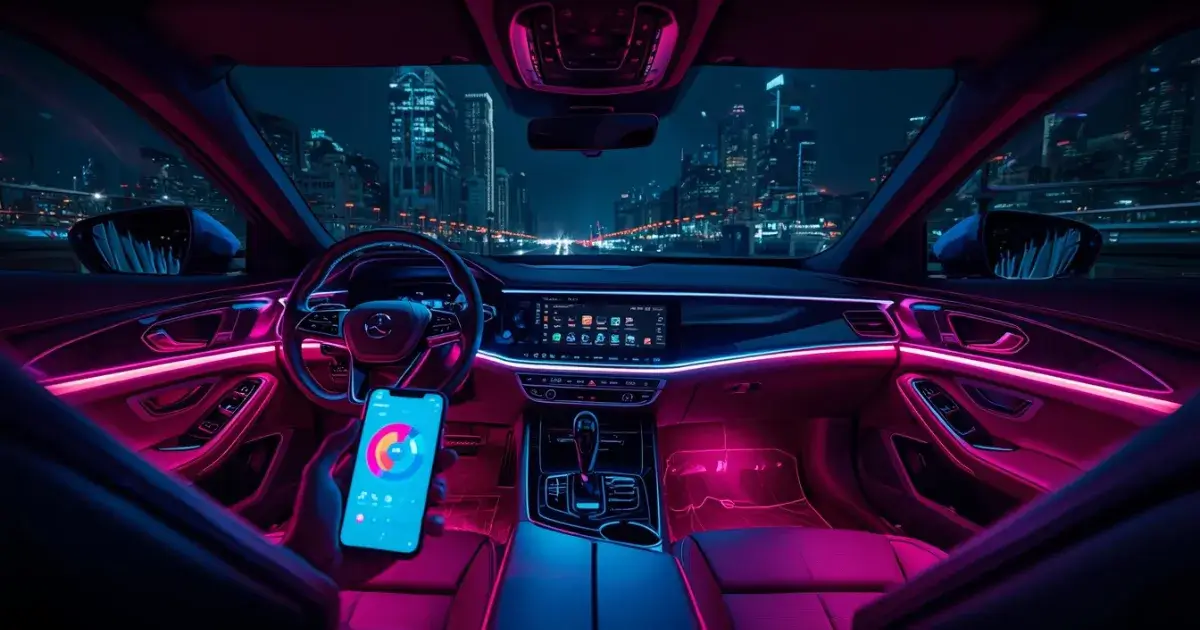
Transforming your car’s interior from drab to dynamic has never been easier, thanks to the advent of LED lighting technology. Gone are the days of dim, uninspiring cabin lights; today, we have access to a vast array of LED options that not only enhance illumination but also offer aesthetic and functional benefits that can completely redefine your driving experience. Whether you’re aiming for a luxurious glow, improved visibility, or a vibrant, customizable ambiance, upgrading to LED interior lights is a decision many drivers are embracing.
In this comprehensive guide, we’ll delve into everything you need to know about selecting and installing the Best LED Lights for Car Interior, ensuring your vehicle stands out with style, sophistication, and superior functionality.
Why Choose LED Lights for Your Car Interior?
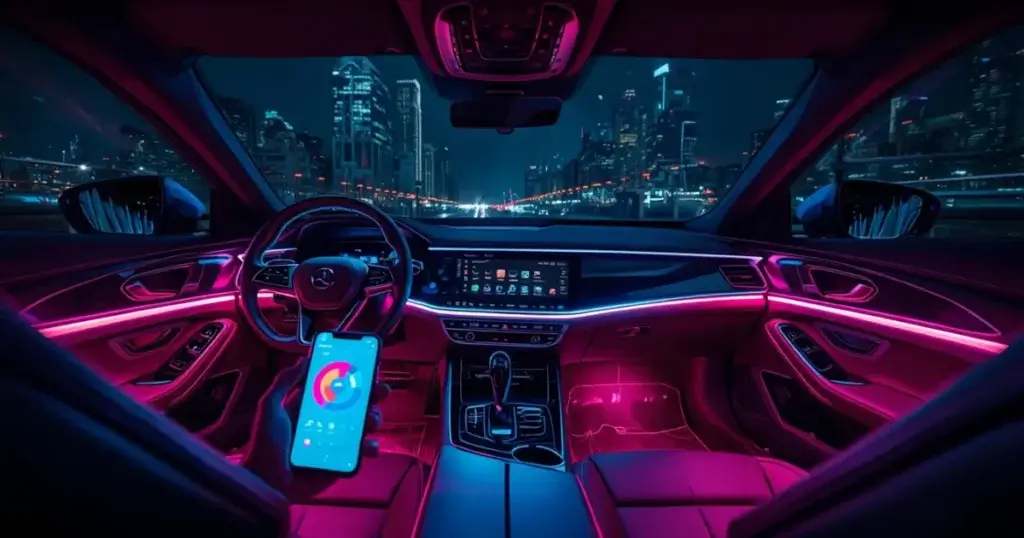
Image Credit: AI Genareted
Upgrading to LED interior lighting offers a multitude of benefits over traditional incandescent or halogen bulbs, making them an ideal choice for automotive applications. These advantages extend beyond mere aesthetics, encompassing efficiency, longevity, and enhanced safety.
Enhanced Aesthetics

- 【1000% BREAKTHROUGH BRIGHTNESS】Upgrade your driving experience with our high-power light bulbs, featuring 12 high-power …
- 【UNMATCHED POWERFUL PERFORMANCE】Well-built premium aviation aluminum body, thermostatic copper plate, and 20,000RPM supe…
- 【MOST PERFECT BEAM PATTERN】The lights precisely mimic the factory halogen bulbs, and after hundreds of tweaks and calibr…
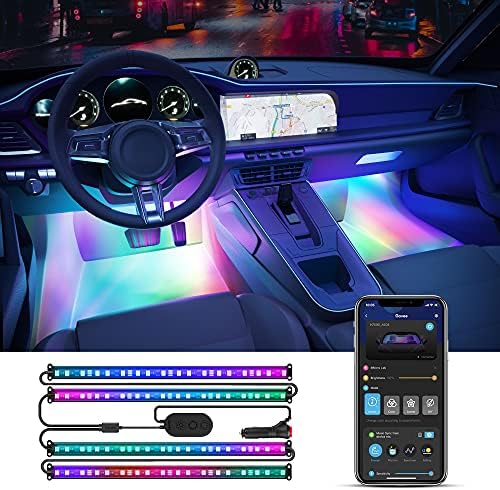
LED lights come in a wide variety of colors and styles, allowing us to customize our car’s interior to match our personality and create a modern, stylish ambiance. Many LED interior lighting systems offer full customization options, including dynamic RGB (Red, Green, Blue) options that can be controlled to create virtually any desired mood or theme. We can install LED strips along the dashboard, center console, and footwells to create a soft glow, or opt for multicolor options that change via remote or smartphone apps, adding a futuristic look.
Improved Visibility
LEDs provide a crisp, clear, and often brighter light than standard incandescent bulbs, significantly improving interior visibility. This enhanced brightness makes it easier to locate items, read maps, or access controls at night without distraction. Footwell lights, dome lights, and glove box LEDs specifically improve nighttime visibility inside the car, enhancing safety for both drivers and passengers.
Energy Efficiency and Longevity
LEDs are renowned for their superior energy efficiency, consuming significantly less power than traditional bulbs. A study by the U.S. Department of Energy found that LEDs can use up to 75% less energy and last 25 times longer than incandescent lighting. This reduced power consumption places less strain on the vehicle’s electrical system, potentially extending battery life. Furthermore, LEDs boast an exceptionally long lifespan, with many high-quality LED strips rated for 50,000 hours or more, drastically reducing the need for frequent replacements and minimizing maintenance costs. LEDs also generate minimal heat during operation, unlike incandescent bulbs that become hot to the touch, reducing the risk of damaging surrounding materials or overheating confined interior spaces.
Customization Options
The versatility of LED lights is a major draw. With an almost endless range of colors available, we have the freedom to choose from all the colors of the rainbow to illuminate our car’s cabin. Many kits offer app-controlled color and brightness settings, music sync LED lights that pulse with our favorite music, and even motion sensors for automatic dimming, transforming the car into a lively entertainment hub.
Key Considerations for Selecting LED Interior Lights
Choosing the Best LED Lights for Car Interior requires careful consideration of several factors to ensure compatibility, optimal performance, and the desired aesthetic.
Type and Compatibility


Before making a purchase, it’s crucial to verify the compatibility of LED bulbs and kits with your specific car model and its electrical system. Not all LED bulbs fit every vehicle, and some kits are designed to be plug-and-play, while others might require more involved wiring.
Different types of LED interior lighting include:
- LED Strip Lights: These are popular for ambient lighting along dashboards, center consoles, and footwells, offering multicolor options and app control. Their slim profile and flexible nature allow for seamless integration into tight spaces and curved surfaces.
- LED Dome & Map Lights: Replacing stock dome and map lights with LED bulbs provides brighter, crisper, and cleaner white light, improving overall visibility.
- Footwell & Under-Seat LED Lights: These illuminate the floor area, adding style and practicality by making dropped items easy to spot.
- LED Door Sill Lights: These enhance safety during entry and exit, especially in dimly lit areas.
- Fiber Optic Kits: These can provide a premium, evenly distributed light throughout the cabin, fitting neatly into interior gaps.
When considering the LED chip technology itself, two common types are SMD (Surface Mount Device) and COB (Chip-on-Board).
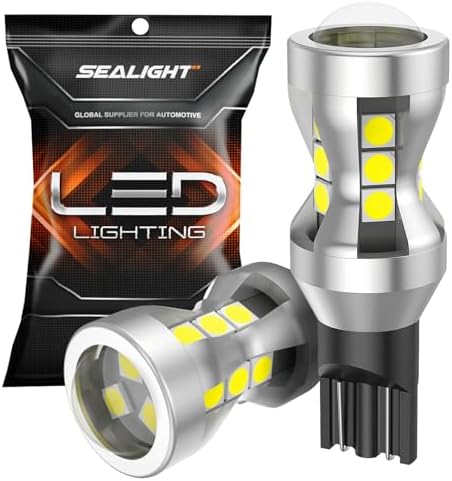

- SMD LEDs are individual LED chips mounted onto a circuit board. They are compact, energy-efficient, and offer excellent brightness with a wide range of colors, making them versatile for various lighting designs. SMD LEDs generally offer greater cost-effectiveness and a wider range of color options.
- COB LEDs consist of multiple LED chips directly mounted onto a single substrate, creating a densely packed cluster. COB LEDs are significantly brighter and produce a more concentrated, uniform, and glare-free light output with a wider beam angle, making them ideal for applications requiring high brightness and even illumination. While SMD LEDs excel in heat management due to dispersed chips, COB LEDs generally offer higher brightness.
Brightness and Color Temperature
The desired brightness and color temperature are crucial for creating the right ambiance. LED lights can range from bright white to cool blue white, with warmer, yellowish temperatures also available. For a bright, white light that mimics daylight, many drivers prefer a color temperature between 5000K and 6000K. It’s important to test different bulbs, especially for dashboard and accent lighting, to ensure they aren’t distractingly bright while driving at night. Luminous flux, measured in lumens, indicates the total light output.
Control and Features


Modern LED interior light kits offer diverse control options:
- Simple On/Off Switch: Basic kits may include a simple switch.
- Dash-Mounted Controller: For color-changing lights, a dash-mounted controller allows adjustments to colors and patterns.
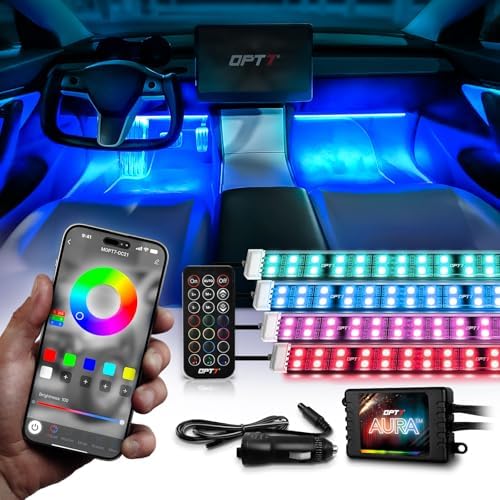
- Remote Control: Many kits come with a remote for quick changes.
- Smartphone App Control: This provides extensive customization, allowing us to manage interior mood lighting, adjust brightness, select from millions of colors, and choose lighting modes.
- Music Sync Feature: Built-in microphones allow the lights to react smoothly to different audio beats, creating a dynamic and immersive experience.
- RGBIC Segmented Lighting: Some advanced kits, like Govee’s, allow multiple colors to display simultaneously on a single strip, creating richer and more dynamic effects.
Installation Method
Consider the ease of installation. Many LED light kits offer plug-and-play installation, often using USB power, cigarette lighter adapters, or adhesive backing. Hardwired setups are also available for a more permanent and integrated look. Some kits include mounting screws and zip ties for more secure installation.
Quality and Durability
Invest in high-quality LED interior light kits from reputable manufacturers to ensure durability, reliability, and optimal performance. Look for features like protective rubber tubing for durability against spills and wear, and robust construction resistant to shock and vibration.
Top-Rated LED Interior Light Kits
The market for LED interior lights is vibrant, with many brands offering innovative solutions. Based on recent reviews and features, here are some top-rated options that consistently appear as excellent choices for the Best LED Lights for Car Interior.
While specific models and features evolve rapidly, certain brands and types consistently receive high marks for quality, customization, and ease of use.
Popular Choices and Features

- RGBIC Lighting Effect: Govee RGBIC effect allows you to personalize your lights to display various colors all at the sam…
- 3 Lively Music Modes: With a built-in mic, this car lights can sync easily to any music type. Watch in awe as the colors…
- Multiple Control Options: Control your interior car lights through the control box, RF remote, or the Govee Home APP. Th…
Many of the most popular LED interior light kits offer a combination of strip lights for ambient effects and replacement bulbs for dome and map lights. Key features often include:
- RGB/RGBIC Color Options: Allowing for millions of color choices and dynamic, multi-color displays.
- App Control: Via Bluetooth or Wi-Fi, offering intuitive control over colors, brightness, and modes.
- Music Synchronization: Built-in microphones detect audio beats and sync the lighting effects.
- Easy Installation: Often featuring adhesive backing, plug-and-play power options (USB, cigarette lighter), and minimal wiring.
- Durability: Materials designed to withstand vehicle conditions, sometimes with protective coatings or tubing.
Here’s a comparison of some frequently recommended kits:


Note: This table is based on information available up to early 2026, and product specifications may vary by specific model and year.
Some other notable options mentioned in searches include:
- OPT7 Aura Smart Interior Lighting for Cars: Known for simple 12-volt plug installation, double-rowed strips for brighter lighting, adhesive backing, and music synchronization via an integrated microphone.
- WEBUPAR Car LED Strip Lights: Features a 6-in-1 design with integrated fiber optic cable for consistent brightness, remote and app control, and a timing function.
- Honalia Car Lights Interior: Uses hard light bars instead of flexible strips, offering wider light coverage and vivid colors, with a built-in microphone for music sync.
When choosing, consider the specific areas you want to illuminate, the level of customization desired, and the preferred installation method. Reading recent user reviews can also provide valuable insights into real-world performance and durability.
Installation Process and Best Practices
Installing LED interior lights can be a straightforward DIY project, especially with plug-and-play kits. However, following best practices ensures a clean, safe, and professional-looking finish.
Before You Begin
- Gather Your Tools: You’ll typically need a screwdriver or trim removal tool (plastic pry tools are recommended to avoid scratches), wire strippers or cutters, electrical tape, zip ties, and the new LED bulbs or strips.
- Plan Your Layout: Decide where you want to install the lights and measure the areas to determine how many LED strips or bulbs you’ll need. Common areas include footwells, under seats, along the dashboard, center console, and in dome or map light housings.
- Check Compatibility: Ensure the LED bulbs are compatible with your car’s electrical system and the specific light fixtures you intend to replace.
- Disconnect the Battery: For safety, it’s highly recommended to disconnect your vehicle’s battery before starting any electrical work.
Step-by-Step Installation
The installation process varies slightly depending on whether you’re replacing existing bulbs or installing new strip lighting.
For Replacing Existing Bulbs (Dome, Map, Glove Box Lights):
- Locate Lights: Identify the interior lights you wish to replace.
- Remove Bulb Cover: Carefully use a trim removal tool or a small flat screwdriver to pry off the light covers or lenses. Consult your vehicle’s owner’s manual if unsure how to remove them without damage.
- Remove Old Bulb: Gently pull the existing incandescent bulb straight out of its socket. If the bulb is hot, use pliers.
- Connect LED Bulb: Insert the new LED bulb into the socket. Many LED bulbs are polarity-specific, meaning they need to be inserted in a particular direction to work. If the bulb doesn’t light up, take it out, rotate it 180 degrees, and re-install.
- Test: Before replacing the cover, briefly reconnect the battery (if disconnected) and test the light to ensure it functions correctly.
- Replace Cover: Once the LED bulb is working, clean any dust or debris from the inside of the lens cover and carefully snap or screw it back into place.
For Installing LED Strip Lights (Ambient, Footwell Lighting):
- Clean Surface: Ensure the installation surface is clean and dry for optimal adhesive bonding.
- Attach LED Strips: Most LED strips come with adhesive backing. Peel off the backing and firmly press the strips into the desired locations, such as under the dashboard, seats, or along door panels. Use zip ties or clips for auxiliary fixation, especially at the ends and turning points, to prevent displacement due to vehicle vibration.
- Route Wiring: Carefully route the wires to a power source, ensuring they are hidden and secured to avoid trip hazards or electrical issues. Many kits use a USB cable, cigarette lighter adapter, or can be hardwired into the vehicle’s 12V system.
- Connect Power: Plug the power connector into the chosen power source (USB port, cigarette lighter socket) or hardwire it according to the kit’s instructions. If hardwiring, ensure proper insulation and secure connections with electrical tape to prevent short circuits.
- Test and Adjust: Reconnect the car battery (if disconnected) and turn on the lights. Use the remote or app to test all colors, modes, and brightness settings. Make any necessary adjustments to placement or wiring.
Tips for a Professional Finish
- Patience is Key: Take your time, especially when removing trim pieces, to avoid damage.
- Hide Wires: A clean installation involves hiding all wiring for a seamless look. Utilize existing gaps, trim, and cable ties.
- Test Polarity: Always test LED bulbs before fully reassembling to ensure correct polarity.
- Secure Connections: Wrap electrical tape around all wire connections to prevent short circuits and ensure a secure installation.
- Consider Heat: While LEDs produce minimal heat, ensure they are not installed directly against heat-sensitive components, especially for higher-power strips.
- Waterproofing: For areas potentially exposed to moisture (like footwells), opt for waterproof (IP67 or higher rated) strips and ensure connections are waterproofed.
Conclusion
Upgrading to LED lights for your car’s interior is a simple yet impactful modification that offers a wealth of benefits. From enhancing the aesthetic appeal and improving visibility to providing superior energy efficiency and longevity, LED technology outshines traditional incandescent bulbs in every aspect. With a wide array of options, including versatile strip lights, direct bulb replacements, and advanced kits offering millions of colors and smart control, finding the Best LED Lights for Car Interior to match your personal style and needs has never been easier.
By carefully considering factors such as compatibility, brightness, control features, and following best installation practices, you can effortlessly transform your car’s cabin into a more modern, comfortable, and visually striking space. Embrace the glow and elevate your driving experience with the vibrant world of LED interior lighting.
Frequently Asked Questions (FAQ)
Are LED interior lights legal?
Yes, in general, interior car LED lights are legal as long as they do not interfere with the driver’s visibility or distract other drivers on the road. However, any lighting that glares the windshield or is visible from the outside while driving could be considered unsafe and illegal. Some states have restrictions on the colors of lights that can be used inside a vehicle; it’s important to check your local laws, especially avoiding red and blue colors which are often reserved for emergency vehicles. Color-changing LEDs are generally legal when parked or at car shows, but typically not while driving on public roads if visible from the outside.
How long do LED car interior lights last?
LEDs boast an exceptionally long lifespan, often rated for 50,000 hours or more. This is significantly longer than traditional incandescent bulbs, which typically last only 1,000-2,000 hours. This longevity reduces the need for frequent replacements and minimizes maintenance costs.
Can I install LED lights myself?
Yes, installing LED interior lights is generally a straightforward DIY process for most drivers. Many kits offer plug-and-play installation, often involving adhesive backing and simple power connections like USB or cigarette lighter adapters. Replacing existing bulbs typically requires removing a lens cover, swapping the bulb, and reattaching the cover. For more complex hardwired systems, professional installation might be preferred, but with careful planning and the right tools, most can be done at home.
Will LED lights drain my car battery?
Under normal usage conditions, LED lights for your car’s interior have minimal power draw and are highly unlikely to drain your car’s battery. LEDs consume significantly less power than traditional bulbs, often using up to 90% less energy. A typical car battery has a capacity of around 40-60 amp-hours, while most LED interior light kits consume only about 0.1 to 0.5 amps per hour.
However, leaving any lights on overnight, even LEDs, will eventually drain the battery, especially if the engine is off and the battery is not being charged. Faulty wiring, incorrect installation, or aftermarket accessories connected directly to the battery without a relay can also cause parasitic drain. Proper installation ensures LEDs are safe and efficient for all car models.
What’s the difference between SMD and COB LEDs?
SMD (Surface Mount Device) LEDs are individual LED chips mounted onto a circuit board, each emitting light independently. They are compact, versatile, energy-efficient, and offer a wide range of colors, making them cost-effective for general lighting.
COB (Chip-on-Board) LEDs consist of multiple LED chips directly mounted onto a single substrate, creating a densely packed cluster. COB LEDs are generally brighter and produce a more concentrated, uniform, and glare-free light output with a wider beam angle, making them ideal for high-brightness applications like spotlights. While SMDs typically have better heat dissipation due to dispersed chips, COBs offer higher overall brightness. The choice depends on whether you prioritize a wider color range and cost-effectiveness (SMD) or superior brightness and uniform light distribution (COB).